
Nutrition comparison
Purslane vs Arugula: Which Leafy Green Is Better for You?
Purslane delivers unmatched plant omega-3s and mineral density, but arugula wins on availability and daily practicality. Compare nutrition, flavor, and best uses for each green.
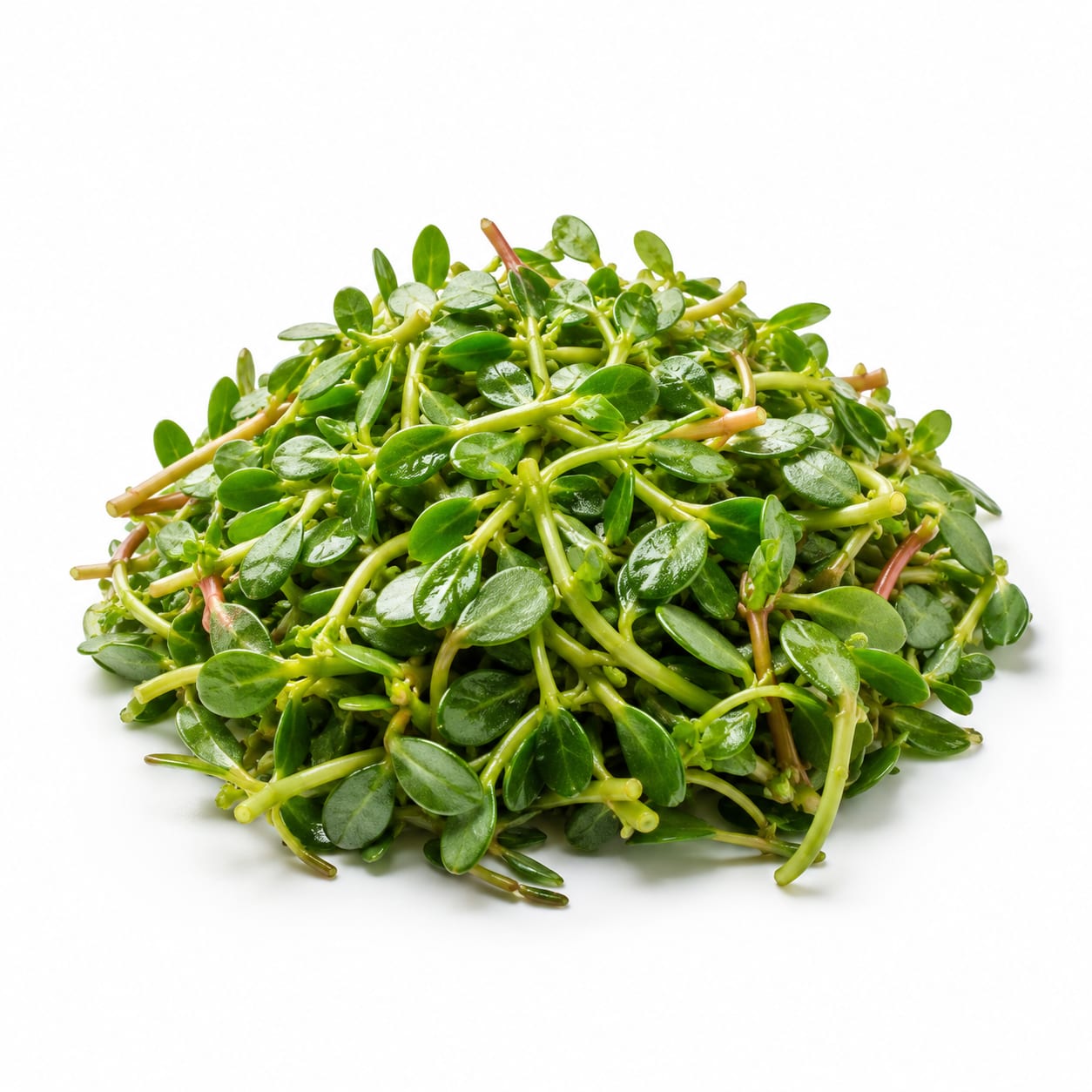
Purslane
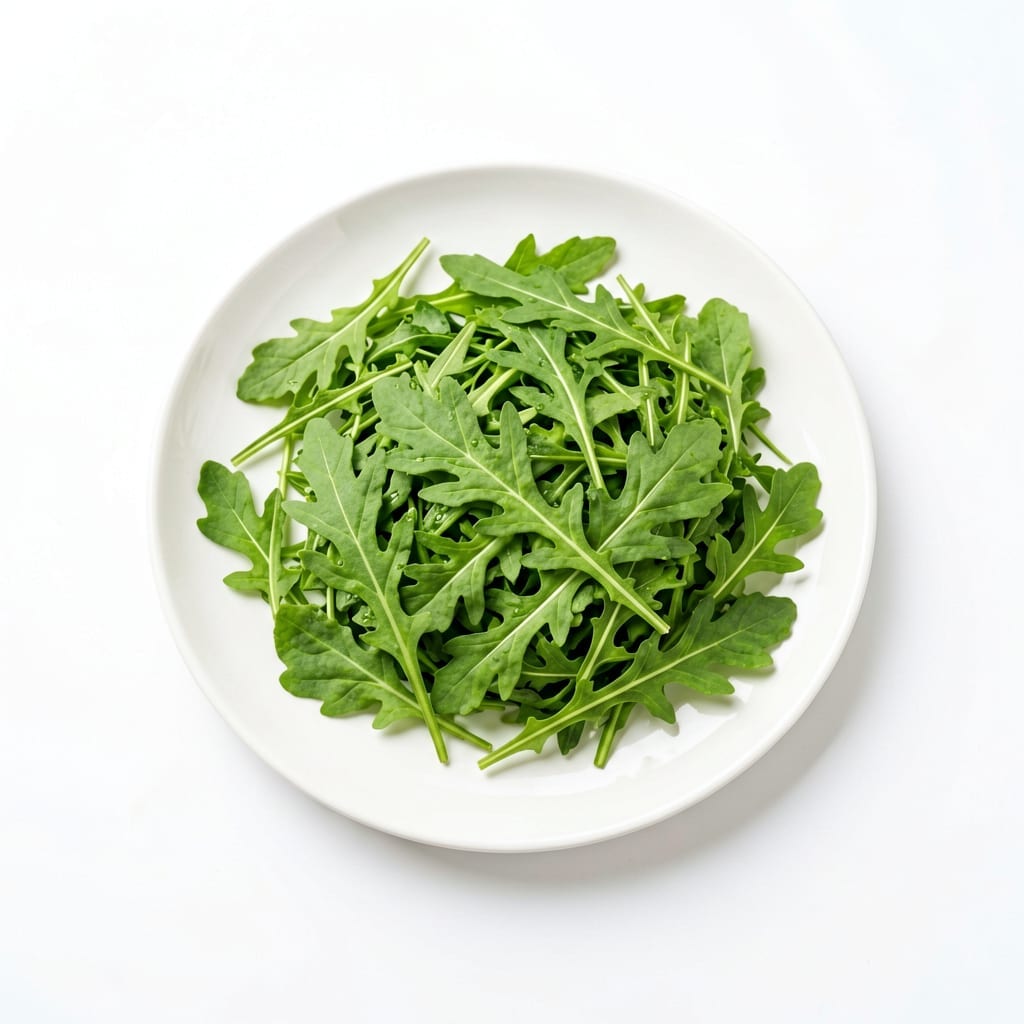
Arugula
Purslane is the nutritional powerhouse with unmatched omega-3s, but arugula wins on practicality and everyday accessibility.
Purslane edges ahead nutritionally thanks to its exceptional omega-3 content and mineral density, but arugula's superior accessibility and culinary familiarity close the gap significantly. The close scores reflect that most people will benefit more from the green they can actually eat consistently.
Purslane delivers rare plant-based omega-3s and superior mineral density, while arugula offers consistent availability, familiar flavor, and easier daily integration.
At a glance
Executive summary
Overall
It depends
Healthier
Purslane
More practical
Arugula
Daily use
Arugula
Key comparison lenses
omega-3 and anti-inflammatory comparison
Purslane is one of the richest plant sources of omega-3s, making this the standout nutritional differentiator
everyday availability and meal integration
Arugula is in every grocery store; purslane requires specialty shops or foraging, dramatically affecting real-world use
antioxidant and phytonutrient diversity
Both greens offer unique phytonutrient profiles that serve different health purposes
flavor and culinary versatility
Arugula's peppery bite versus purslane's mild lemony crunch changes how each fits into meals
safety and contamination risk
Foraged purslane carries different contamination risks than commercially grown arugula
Best choice for
Purslane
- People seeking plant-based omega-3s without supplements
- Those fighting chronic inflammation
- Anyone wanting to maximize nutrient density per calorie
- Foragers and gardeners with reliable purslane access
- People with low potassium or magnesium intake
Arugula
- Busy home cooks wanting a versatile salad green
- People who need reliable grocery store availability
- Anyone building consistent daily vegetable habits
- Those who enjoy peppery, bold flavors in meals
- Meal preppers needing greens that store well
Least suitable for
Purslane
- People without access to specialty markets or foraging spots
- Anyone unfamiliar with safe foraging practices
- Those who dislike slightly mucilaginous textures
- People needing a consistent weekly staple green
Arugula
- People specifically targeting high omega-3 intake from greens
- Those avoiding bitter or peppery flavors
- Anyone seeking the broadest mineral profile in a single green
Deep comparison
Dimension by dimension
Each lens scores both foods and breaks down who each option suits.
- Dimension 1 · Priority 95Purslane
omega-3 and anti-inflammatory power
Purslane · 94Arugula · 28Purslane is in a different league entirely, containing 5-7 times more alpha-linolenic acid than arugula.
Tradeoff
You would need to eat massive quantities of arugula to approach the omega-3s in a modest serving of purslane.
Why it matters
Plant-based omega-3s are hard to find in vegetables. Purslane is one of the best leafy green sources on the planet, making it valuable for anyone not eating fish regularly.
Real-world impact
Regular purslane consumption can meaningfully contribute to your omega-3 intake without supplements or fish, supporting heart and brain health over time.
Purslane
- Reducing systemic inflammation naturally
- Supporting cardiovascular health without fish oil
- Boosting plant-based omega-3 intake significantly
Better for
Arugula
- Meeting omega-3 needs through greens alone
- Competing with purslane's anti-inflammatory profile
Worse for
- Dimension 2 · Priority 85Purslane
mineral density
Purslane · 88Arugula · 72Purslane delivers more potassium, magnesium, and iron per serving than arugula, making it a stronger mineral booster.
Tradeoff
Arugula still provides solid mineral content, especially calcium, but cannot match purslane's breadth and concentration.
Why it matters
Many people fall short on potassium and magnesium, minerals that support blood pressure, sleep, and muscle recovery. Purslane helps close that gap more effectively.
Real-world impact
Adding purslane to your diet a few times a week can noticeably improve your mineral intake, especially potassium, which most adults under-consume.
Purslane
- Replenishing electrolytes after exercise
- Supporting healthy blood pressure through potassium
- Improving magnesium intake for sleep and recovery
Better for
Arugula
- Contributing calcium alongside other greens
Better for
- Matching purslane's potassium and magnesium levels
Worse for
- Dimension 3 · Priority 82It depends
antioxidant and phytonutrient diversity
Purslane · 83Arugula · 80Purslane brings betacyanins and melatonin; arugula brings glucosinolates and erucin. Both are valuable, just different.
Tradeoff
Purslane's antioxidants lean anti-inflammatory and sleep-supportive, while arugula's lean detox-supportive and cancer-protective.
Why it matters
Diverse phytonutrients protect different body systems. Neither green covers everything, so variety still wins overall.
Real-world impact
Eating both greens gives you broader protection than loading up on just one. Purslane helps with inflammation and sleep; arugula supports liver detox pathways.
Purslane
- Natural melatonin intake for better sleep
- Betacyanin antioxidants for inflammation reduction
Better for
- Missing the specific glucosinolate benefits arugula provides
Worse for
Arugula
- Glucosinolate compounds for cellular detox support
- Erucin for potential anti-cancer pathways
Better for
- Lacking the melatonin and betacyanin advantages purslane offers
Worse for
- Dimension 4 · Priority 88Arugula
availability and practicality
Purslane · 30Arugula · 92Arugula is available year-round in virtually every grocery store. Purslane is rarely stocked and often requires foraging or farmers markets.
Tradeoff
The most nutrient-dense option is not always the most accessible. Consistency with arugula may outweigh occasional purslane consumption.
Why it matters
Nutrition only works if you can actually get the food regularly. A slightly less nutrient-dense green you eat daily beats a superior green you can never find.
Real-world impact
Most people can buy arugula within minutes. Finding purslane often requires planning, foraging knowledge, or specialty store trips that most will not sustain.
Purslane
- Building a consistent weekly habit around purslane
- Finding it without extra effort or cost
Worse for
Arugula
- Consistent weekly meal planning
- Quick grocery runs without specialty stops
- Reliable availability in any season
Better for
- Dimension 5 · Priority 78Arugula
flavor versatility and culinary ease
Purslane · 62Arugula · 85Arugula's peppery kick works in salads, pizzas, sandwiches, and pasta. Purslane's mild lemony crunch is pleasant but more limited in pairing options.
Tradeoff
Purslane's subtle flavor is easier for picky eaters but less exciting for adventurous cooks. Arugula's boldness opens more culinary doors.
Why it matters
Flavor determines whether you actually want to eat the green. Boring greens get abandoned; exciting ones become staples.
Real-world impact
Arugula can replace lettuce in almost any dish and add personality. Purslane works well in specific dishes but does not transform meals the same way.
Purslane
- Mild flavor for picky eaters or children
- Adding a refreshing crunch to summer dishes
Better for
- Standing out as a flavor component in cooked dishes
Worse for
Arugula
- Elevating simple salads with peppery complexity
- Topping pizzas and warm dishes with wilting greens
- Adding flavor interest to sandwiches and wraps
Better for
- Appealing to people who dislike bitter or peppery notes
Worse for
- Dimension 6 · Priority 65Arugula
storage and shelf life
Purslane · 48Arugula · 75Arugula stores reasonably well in the fridge for 3-5 days. Purslane is delicate and wilts quickly, especially if foraged.
Tradeoff
Purslane's higher water content and tender stems mean it degrades faster, reducing its practicality for meal prep.
Why it matters
Greens that go bad quickly lead to food waste and frustration. Shelf stability affects whether you actually finish what you buy.
Real-world impact
Arugula can survive a busy week with proper storage. Purslane really needs to be eaten within a day or two, requiring more intentional planning.
Purslane
- Buying in bulk or storing for later in the week
- Meal prepping with delicate greens
Worse for
Arugula
- Meal prepping greens for the workweek
- Reducing food waste from forgotten produce
Better for
Timeline
Health impact over time
Short-term
Hours to days
Purslane
- Provides a noticeable potassium boost that can help with post-exercise recovery
- Mild hydrating effect due to high water content
- Melatonin content may subtly support evening relaxation if consumed at dinner
Arugula
- Peppery compounds can stimulate digestion and mild appetite enhancement
- Nitrates may provide a slight blood pressure dip within hours of eating
- Low calorie density makes it easy to fill up without overeating
Long-term
Months to years
Purslane
- Consistent omega-3 intake supports cardiovascular and cognitive health over years
- High antioxidant load may reduce chronic inflammation markers
- Superior mineral profile helps maintain healthy blood pressure and bone density long-term
Arugula
- Glucosinolates contribute to cellular defense mechanisms with regular consumption
- Vitamin K supports long-term bone health and proper blood clotting
- Consistent daily intake is easier to maintain, compounding benefits over time
Risk profile
Safety & processing
Both purslane and arugula are whole, unprocessed greens typically eaten raw or lightly cooked. Neither carries meaningful additive concerns. Purslane may occasionally be foraged rather than farmed, which increases naturalness but introduces different safety considerations.
Purslane
Foraging misidentification
highWild purslane can be confused with spurge species, which are toxic. Only forage if you are confident in identification or buy from reputable sources.
Oxalate content
mediumPurslane contains moderate oxalates. People prone to kidney stones should moderate intake or cook it to reduce oxalate levels.
Environmental contamination in foraged plants
mediumWild purslane growing near roads or treated lawns may absorb pollutants, pesticides, or heavy metals from soil.
Arugula
Pesticide residue
mediumConventionally grown arugula can carry pesticide residues. Choosing organic significantly reduces this concern.
Oxalate content
lowArugula has lower oxalate levels than purslane, making it somewhat safer for kidney stone-prone individuals.
Contamination from irrigation water
lowLike all raw leafy greens, arugula can carry bacteria from irrigation or handling. Washing thoroughly mitigates this.
Who wins for whom
Audience fit
Same foods, different winners depending on your goal.
children
ArugulaArugula's milder availability and familiar salad green status make it easier to incorporate into family meals, though very young children may still find the peppery taste challenging.
daily consumption
ArugulaDaily consumption requires reliable access. Arugula's consistent availability and culinary versatility make it the realistic choice for a daily green habit.
diabetes
PurslanePurslane's superior omega-3 content and higher fiber-to-calorie ratio provide better blood sugar stabilization and anti-inflammatory benefits relevant to diabetes management.
elderly
PurslanePurslane's exceptional omega-3 and potassium content supports cardiovascular and cognitive health concerns that become more pressing with age, provided they can access it.
muscle gain
It dependsNeither green is a meaningful protein source. Purslane offers slightly more mineral support for recovery, but the difference is negligible for muscle building goals.
weight loss
ArugulaBoth are extremely low in calories, but arugula's availability means you can actually eat it consistently, which matters more for weight loss than marginal nutrient differences.
Your move
Decision guide
Choose Purslane
- You want the strongest plant-based omega-3 boost from a vegetable
- You have access to farmers markets, specialty stores, or a garden
- You are focused on anti-inflammatory nutrition for chronic conditions
- You enjoy foraging and can confidently identify wild purslane
- You want to maximize mineral intake, especially potassium and magnesium
Choose Arugula
- You need a reliable weekly salad green from any grocery store
- You enjoy peppery, bold flavors that elevate simple dishes
- You want a green that stores reasonably well for meal prep
- You are building a sustainable daily vegetable habit
- You prefer widely available organic options
Either works if
- You simply want more leafy greens in your diet and both are available
- You are rotating greens for phytonutrient diversity
- Calorie density is your main concern, as both are extremely low
Avoid both if
- You have severe oxalate restrictions from kidney stone issues, though cooking can help
- You are looking for a protein-rich green, as neither delivers meaningful protein
Final recommendation
Eat arugula as your everyday green and pursue purslane as a strategic nutritional upgrade when you can find it. The omega-3 advantage purslane offers is real and meaningful, but only if you can access it regularly. Arugula's consistency wins the long game. If you can source purslane even once a week, add it to your rotation alongside arugula for the broadest benefit.
Practical
Consumer tips
- 1
If foraging purslane, always confirm identification with an experienced forager or reliable field guide to avoid toxic lookalikes like spurge
- 2
Choose organic arugula when possible to minimize pesticide exposure on leafy greens
- 3
Store purslane like delicate herbs: wrap in damp paper towel, refrigerate, and consume within 1-2 days
- 4
Arugula lasts longer in a ventilated container or produce bag in the crisper drawer
- 5
Both greens lose some nutrients when cooked, but light sautéing preserves more than boiling
- 6
If kidney stones are a concern, cook either green briefly to reduce oxalate content
- 7
Growing purslane in containers at home gives you the best of both worlds: easy access and controlled soil quality
- 8
Mix arugula with milder greens like spinach if the peppery flavor is too intense at first