
Nutrition comparison
Purslane vs Swiss Chard: Omega-3 Powerhouse vs Vitamin K Champion
Purslane delivers rare plant omega-3s and lower oxalates while Swiss Chard offers unmatched vitamin K and grocery convenience. Compare nutrition, safety, and best uses for each green.
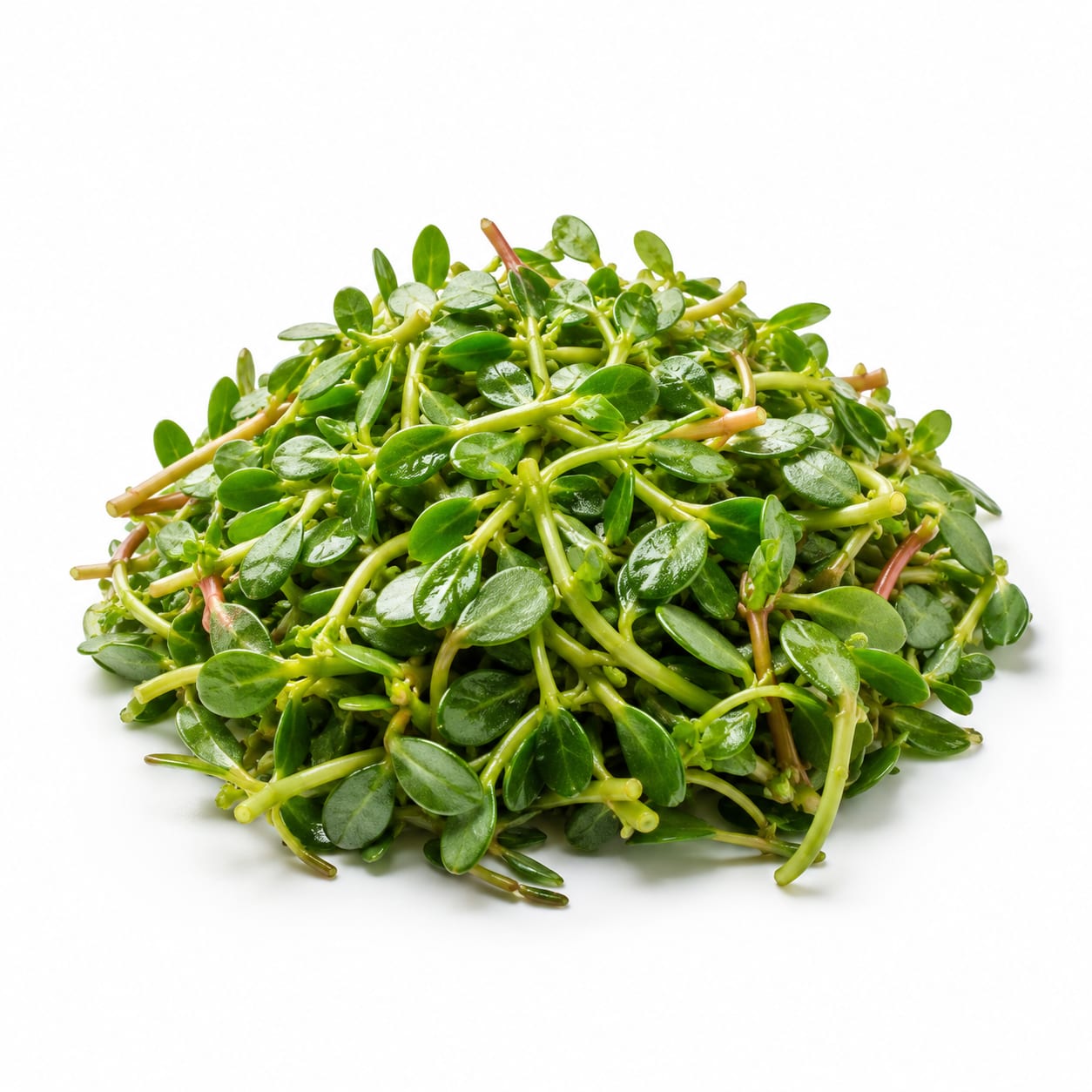
Purslane
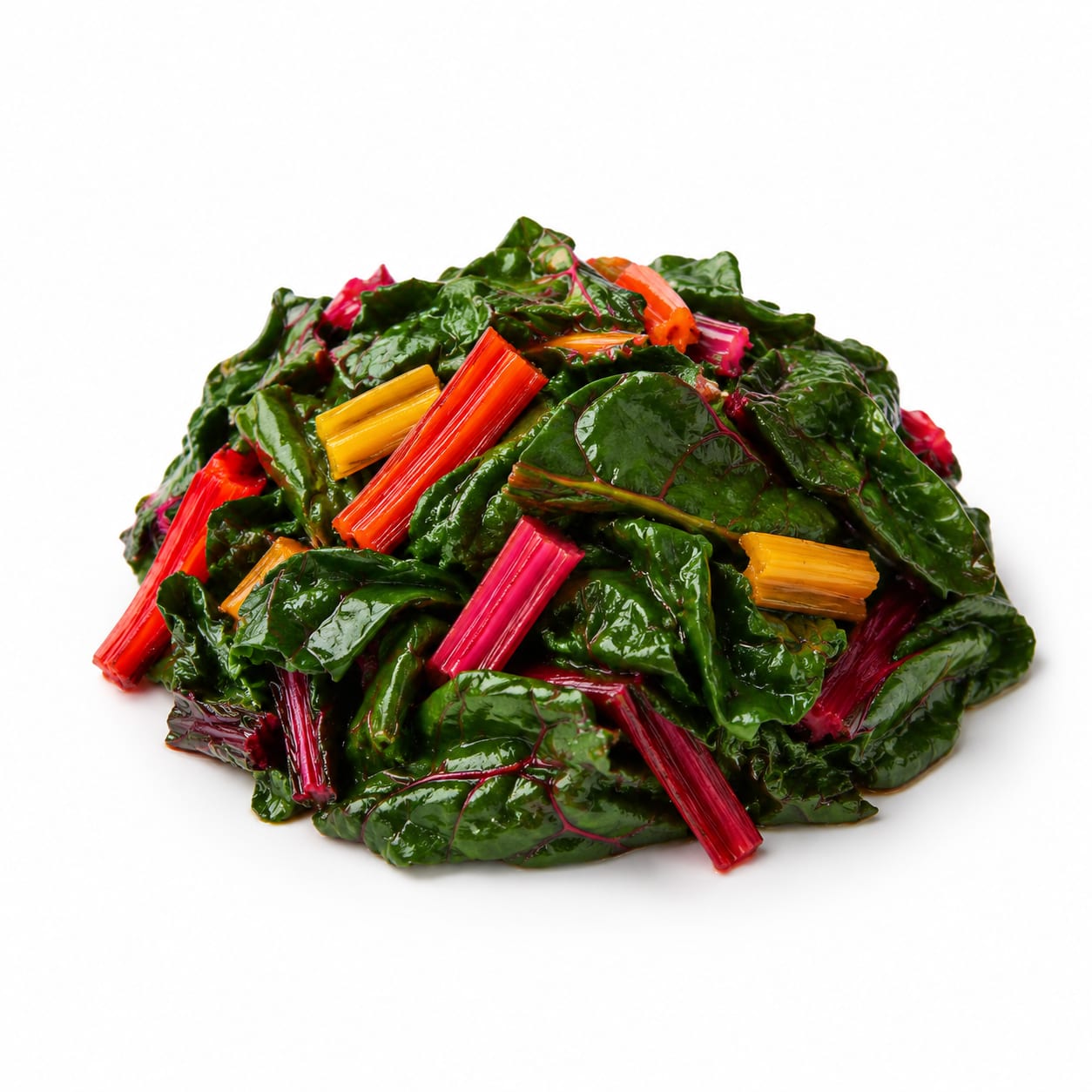
Swiss Chard
Purslane delivers unmatched plant-based omega-3s and lower oxalates, but Swiss Chard offers superior vitamin K, broader availability, and easier daily integration.
Swiss Chard edges ahead on practicality and vitamin K density, but Purslane's omega-3 content is genuinely unique among greens. The close scores reflect that each excels where the other cannot.
Purslane gives you rare omega-3s from a leafy green but requires effort to source, while Swiss Chard is the convenient nutrient-dense staple you can find anywhere.
At a glance
Executive summary
Overall
It depends
Healthier
It depends
More practical
Swiss Chard
Daily use
Swiss Chard
Key comparison lenses
omega-3 fatty acid comparison
Purslane is one of the richest plant sources of omega-3s, making this the standout differentiator between these two greens
oxalate awareness and kidney health
Swiss Chard is extremely high in oxalates while Purslane is comparatively moderate, a critical factor for susceptible individuals
foraging vs grocery accessibility
Purslane is often foraged or found at farmers markets while Swiss Chard is a supermarket staple, affecting real-world usability
mineral density and bone health
Both greens are mineral powerhouses but with different profiles that matter for long-term bone and cardiovascular health
safety and contamination risk
Foraged Purslane carries unique contamination risks while conventionally grown Swiss Chard has pesticide considerations
Best choice for
Purslane
- Boosting plant-based omega-3 intake without supplements
- Kidney stone-prone individuals who still want nutrient-dense greens
- Anti-inflammatory eating patterns
- Foragers and gardeners seeking free superfood greens
- Melatonin support through food sources
Swiss Chard
- Supporting bone density and blood clotting with massive vitamin K
- Consistent daily green vegetable routine
- Meal prepping and batch cooking
- Families needing reliable grocery store access
- Iron-deficient individuals seeking dietary support
Least suitable for
Purslane
- People who want reliable weekly meal planning from standard grocery stores
- Those unfamiliar with safe foraging practices
- Individuals on blood thinners needing stable vitamin K intake
- Anyone concerned about soil contamination in urban foraged greens
Swiss Chard
- People with a history of calcium oxalate kidney stones
- Those prone to gout flares triggered by high-oxalate foods
- Anyone needing to limit vitamin K due to anticoagulant medication
Deep comparison
Dimension by dimension
Each lens scores both foods and breaks down who each option suits.
- Dimension 1 · Priority 95Purslane
Omega-3 Fatty Acids
Purslane · 94Swiss Chard · 18Purslane contains roughly 5-7 times more alpha-linolenic acid than Swiss Chard, making it one of the best leafy green omega-3 sources on the planet.
Tradeoff
You would need to eat several servings of Swiss Chard to match the omega-3s in a single serving of Purslane, but Purslane is harder to find consistently.
Why it matters
Plant-based omega-3s support heart health, reduce inflammation, and are especially valuable for people who do not eat fish.
Real-world impact
Adding Purslane to your diet a few times per week can meaningfully move the needle on your omega-3 intake without any supplements.
Purslane
- Vegans and vegetarians seeking omega-3s
- People reducing fish consumption
- Anti-inflammatory diet followers
Better for
Swiss Chard
- Anyone relying on leafy greens as a primary omega-3 source
Worse for
- Dimension 2 · Priority 88Purslane
Oxalate Load
Purslane · 72Swiss Chard · 28Swiss Chard is among the highest-oxalate vegetables commonly eaten, while Purslane contains moderate and more manageable oxalate levels.
Tradeoff
Swiss Chard's nutrient density comes with a significant oxalate burden that limits how much susceptible people can safely eat, whereas Purslane offers similar green nutrition with less risk.
Why it matters
High oxalate intake can contribute to kidney stones, interfere with mineral absorption, and trigger symptoms in sensitive individuals.
Real-world impact
If you have ever passed a kidney stone, Swiss Chard should be eaten cautiously and cooked, while Purslane gives you a nutrient-rich green with less worry.
Purslane
- Kidney stone formers
- People with oxalate sensitivity
- Those wanting to eat larger portions of greens raw
Better for
Swiss Chard
- Anyone with a history of calcium oxalate stones
- People with gut issues that increase oxalate absorption
Worse for
- Dimension 3 · Priority 82Swiss Chard
Vitamin and Mineral Density
Purslane · 70Swiss Chard · 90Swiss Chard delivers exceptional vitamin K, vitamin A, and magnesium per serving, outpacing Purslane in most standard micronutrient measures.
Tradeoff
Purslane offers broader nutrient diversity including melatonin and betacyanins, but Swiss Chard provides higher concentrations of the vitamins most people track.
Why it matters
Vitamin K is critical for bone health and blood clotting, and Swiss Chard provides it in quantities that few other foods match.
Real-world impact
A single serving of cooked Swiss Chard can provide over 600% of your daily vitamin K needs, making it an efficient bone-support food.
Purslane
- People seeking melatonin from food sources
- Those wanting diverse antioxidant types
Better for
Swiss Chard
- Bone health optimization
- Blood clotting support
- Magnesium supplementation through food
Better for
- Dimension 4 · Priority 80Swiss Chard
Availability and Convenience
Purslane · 30Swiss Chard · 92Swiss Chard is available year-round in nearly every grocery store, while Purslane is rarely stocked and often requires foraging or specialty markets.
Tradeoff
Purslane's rarity makes it exciting and nutritionally unique, but you cannot build a consistent weekly meal plan around something you might not find.
Why it matters
The healthiest food is the one you can actually buy and eat regularly, not the one that sounds impressive but sits on a wish list.
Real-world impact
Most people can grab Swiss Chard on any grocery run, but finding Purslane might mean visiting farmers markets, growing it yourself, or foraging with proper knowledge.
Purslane
- Home gardeners
- Adventurous foragers with plant ID skills
Better for
Swiss Chard
- Busy families
- Meal preppers
- Anyone shopping at conventional grocery stores
Better for
- Dimension 5 · Priority 78Purslane
Anti-Inflammatory Potential
Purslane · 86Swiss Chard · 74Purslane's combination of omega-3s, melatonin, and diverse antioxidants gives it a slight edge in fighting systemic inflammation.
Tradeoff
Swiss Chard's betalains are potent anti-inflammatory compounds too, but Purslane's omega-3 content addresses inflammation through an additional pathway that Swiss Chard cannot match.
Why it matters
Chronic inflammation underlies most modern diseases, and eating foods that target multiple inflammatory pathways is more effective than relying on one.
Real-world impact
Regularly including Purslane alongside other anti-inflammatory foods creates a broader defense against joint pain, cardiovascular risk, and metabolic stress.
Purslane
- People with inflammatory conditions
- Those following anti-inflammatory diet protocols
Better for
Swiss Chard
- General antioxidant support
Better for
- Dimension 6 · Priority 65Swiss Chard
Culinary Versatility
Purslane · 55Swiss Chard · 78Swiss Chard works well sautéed, steamed, in soups, and as a wrap, while Purslane's mucilaginous texture limits some cooking applications.
Tradeoff
Purslane shines raw in salads and as a garnish with its pleasant tangy crunch, but it breaks down into a slimy texture when overcooked.
Why it matters
A green you enjoy eating in multiple forms gets eaten more often, which matters more than theoretical nutrient superiority.
Real-world impact
Swiss Chard can replace spinach in most recipes seamlessly, while Purslane works best as a fresh accent rather than a cooked base.
Purslane
- Raw salad enthusiasts
- Those who enjoy tangy, lemony flavors
Better for
Swiss Chard
- Cooked dishes and soups
- Grain bowl bases
- Stuffed wrap recipes
Better for
Timeline
Health impact over time
Short-term
Hours to days
Purslane
- Provides noticeable omega-3 intake that supports steadier energy and reduced post-meal inflammation
- Mildly hydrating due to high water content and mucilaginous texture
- Tangy flavor can stimulate appetite and aid digestion
Swiss Chard
- High vitamin K can support healthy blood clotting within hours of consumption
- Significant magnesium intake may help with muscle relaxation and sleep quality
- Raw consumption in large amounts may cause mouth tingling from oxalates
Long-term
Months to years
Purslane
- Consistent omega-3 intake from Purslane supports cardiovascular health and inflammatory balance over years
- Lower oxalate load reduces long-term kidney stone risk compared to other nutrient-dense greens
- Melatonin content may contribute to improved circadian rhythm with regular consumption
Swiss Chard
- Exceptional vitamin K intake supports long-term bone mineral density and fracture prevention
- High oxalate consumption over years may increase kidney stone risk in susceptible individuals
- Betalain antioxidants contribute to sustained cellular protection against oxidative damage
Risk profile
Safety & processing
Both Purslane and Swiss Chard are whole, unprocessed greens typically eaten in their natural state. Neither carries meaningful additive concerns when purchased fresh.
Purslane
Soil contamination from foraging
mediumPurslane grows close to ground in diverse environments and can absorb heavy metals, pesticides, and pollutants from contaminated soil, especially in urban or roadside settings.
Misidentification while foraging
mediumSeveral look-alike plants exist, and while most are not dangerous, confident identification is essential before eating wild-harvested Purslane.
Nitrate accumulation
lowLike many leafy greens, Purslane can accumulate nitrates from soil, though this is primarily a concern for infants and usually manageable for adults.
Swiss Chard
Pesticide residue
mediumSwiss Chard is conventionally grown with pesticides and frequently appears on updated watch lists for residue, making organic preferable when possible.
Oxalate-related kidney stone formation
highSwiss Chard is one of the highest-oxalate foods commonly consumed. For individuals with a history of calcium oxalate stones, regular consumption poses a genuine medical risk.
Vitamin K interference with anticoagulants
highThe extreme vitamin K content can destabilize warfarin and other blood thinners, requiring careful portion control and consistent intake patterns for affected patients.
Who wins for whom
Audience fit
Same foods, different winners depending on your goal.
children
Swiss ChardSwiss Chard is easier to source reliably, can be hidden in familiar dishes, and its vitamin K supports growing bones. Purslane's foraging risks make it less suitable without careful sourcing.
daily consumption
Swiss ChardSwiss Chard's grocery availability and cooking versatility make it realistic as a daily staple, while Purslane works better as a periodic addition.
diabetes
PurslanePurslane's omega-3s and lower oxalate load make it slightly more supportive of insulin sensitivity and metabolic health, with less concern about mineral interference.
elderly
Swiss ChardSwiss Chard's exceptional vitamin K and magnesium content directly address bone density and cardiovascular concerns common in older adults, provided oxalates are managed through cooking.
muscle gain
It dependsNeither green is a significant protein source, but Swiss Chard's magnesium content supports muscle function while Purslane's omega-3s aid recovery.
weight loss
Swiss ChardSwiss Chard is more filling per serving when cooked, easier to find consistently, and its bulk helps with satiety during calorie restriction.
Your move
Decision guide
Choose Purslane
- You want to boost omega-3 intake from a plant source without supplements
- You have a history of kidney stones and need lower-oxalate greens
- You grow your own food or have reliable foraging skills
- You follow an anti-inflammatory eating pattern and want diverse antioxidant sources
- You enjoy tangy, fresh flavors in salads and raw dishes
Choose Swiss Chard
- You want maximum vitamin K for bone and blood health
- You need a green you can buy any day of the week at any grocery store
- You cook regularly and want a versatile green for sautés, soups, and stews
- You have no oxalate sensitivity and want nutrient density per dollar
- You meal prep and need greens that store and reheat well
Either works if
- You simply want more leafy greens in your diet and can access both
- You rotate greens to diversify your micronutrient intake
- You eat them in different preparations: Purslane raw and Swiss Chard cooked
Avoid both if
- You are on warfarin and have not discussed leafy green intake with your doctor
- You have severe oxalate sensitivity and cannot tolerate even moderate levels
Final recommendation
Use Swiss Chard as your reliable daily green and add Purslane whenever you can find it. This combination gives you the consistent vitamin K and mineral base from Swiss Chard plus the rare omega-3 boost from Purslane. Cook Swiss Chard to reduce oxalates, and enjoy Purslane fresh in salads for maximum nutrient retention. Together they cover more nutritional ground than either could alone.
Practical
Consumer tips
- 1
Boiling Swiss Chard for 2-3 minutes and discarding the water can reduce oxalate content by 30-87%, making it significantly safer for kidney stone-prone individuals
- 2
If foraging Purslane, harvest only from clean areas away from roads, industrial sites, and pesticide-treated lawns, and always confirm identification with a reliable source
- 3
Purslane stores poorly compared to Swiss Chard; use it within 1-2 days of harvest or purchase while Swiss Chard lasts up to a week refrigerated
- 4
Add Purslane as a finishing garnish rather than a cooked base to preserve its delicate omega-3 content and avoid the mucilaginous texture that develops with heat
- 5
Choose organic Swiss Chard when possible to reduce pesticide exposure, as it is a crop that frequently retains surface residues
- 6
Growing Purslane in containers at home gives you a free, ongoing supply of fresh omega-3 greens without the contamination risks of urban foraging
- 7
If you take blood thinners, maintain consistent rather than variable intake of Swiss Chard so your medication can be properly calibrated around your vitamin K consumption