
Nutrition comparison
Purslane vs Watercress: Which Leafy Green Is Healthier?
Purslane vs Watercress nutrition comparison. Discover which green wins for omega-3s, vitamin K, and overall health benefits, plus safety risks to know.
Overall winner · Watercress
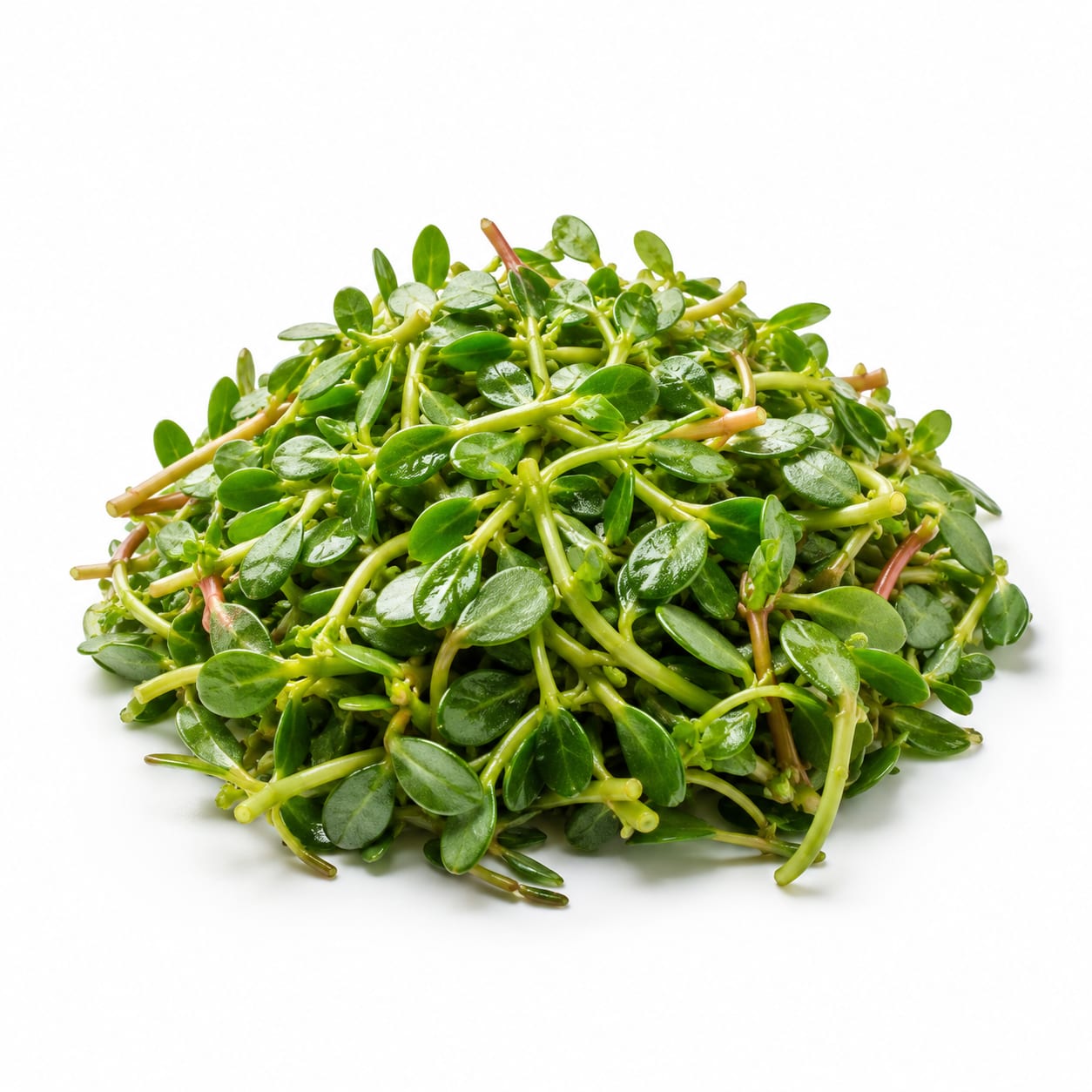
Purslane
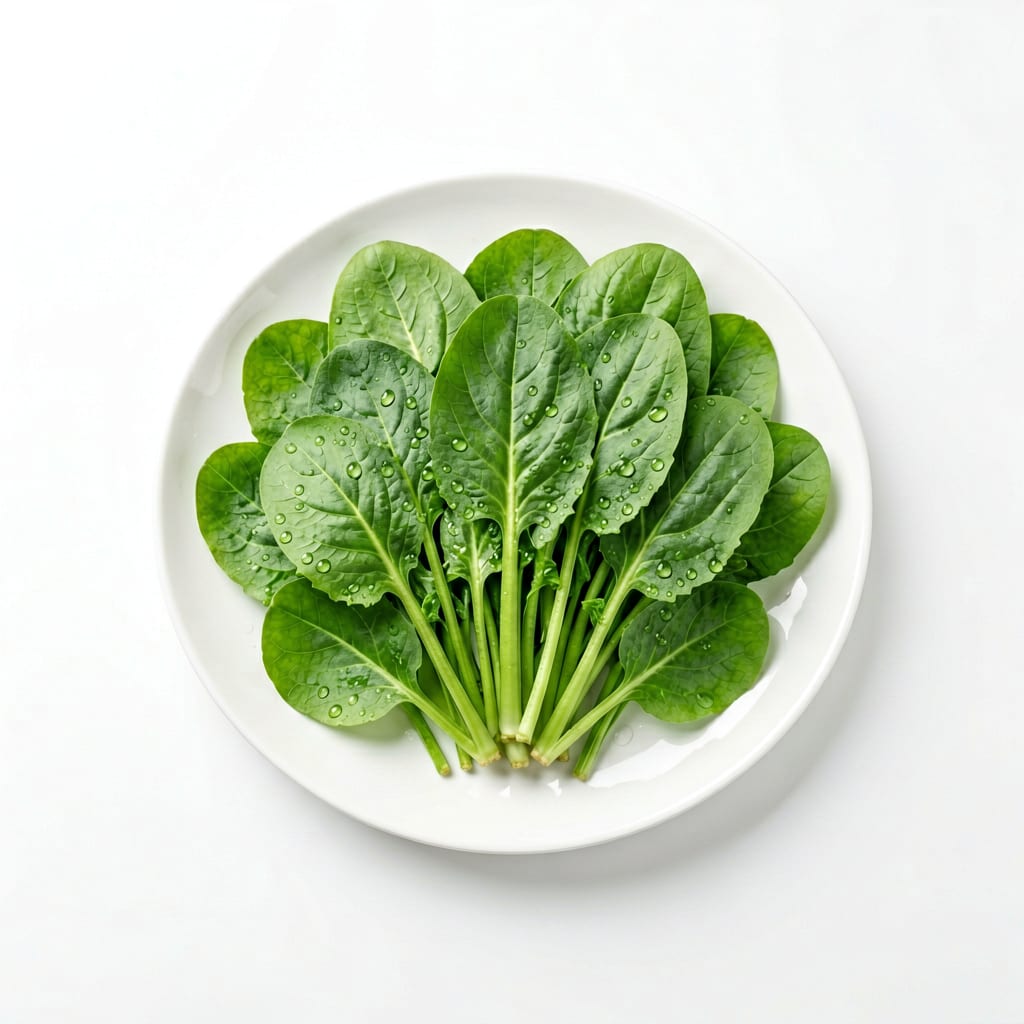
Watercress
Watercress edges out Purslane as the ultimate nutrient-dense green, but Purslane remains unmatched for plant-based omega-3s.
Watercress scores higher due to its unparalleled overall nutrient density and well-documented disease-fighting properties, though Purslane is an outstanding specialist for omega-3s.
You trade the exceptional vitamin K and glucosinolates of Watercress for the unique omega-3 boost and succulent texture of Purslane.
At a glance
Executive summary
Overall
Watercress
Healthier
Watercress
More practical
Watercress
Daily use
Watercress
Key comparison lenses
Nutrient density and vitamin concentration
Watercress is famously the most nutrient-dense vegetable according to the CDC, while Purslane is also highly nutritious but in different ways
Omega-3 fatty acid availability from greens
Purslane is uniquely rich in plant-based omega-3s (ALA), which is rare for a leafy green
Foraging safety and contamination risks
Both are commonly foraged, which introduces specific parasite and pollutant risks that grocery store greens avoid
Antioxidant and cancer-fighting potential
Watercress contains glucosinolates, while Purslane offers betalains, leading to different cellular defense mechanisms
Best choice for
Purslane
- Boosting plant-based omega-3 intake without supplements
- Adding a hydrating, succulent crunch to summer salads
- Those who find peppery greens too harsh
Watercress
- Maximizing vitamin K for bone and vascular health
- Supporting cellular detoxification and defense
- Adding a peppery, aromatic kick to meals
Least suitable for
Purslane
- People prone to calcium oxalate kidney stones
- Those seeking strong cruciferous vegetable benefits
Watercress
- People on blood thinners who must strictly limit vitamin K
- Those who dislike spicy or bitter flavor profiles
Deep comparison
Dimension by dimension
Each lens scores both foods and breaks down who each option suits.
- Dimension 1 · Priority 95Watercress
Nutrient Density
Purslane · 78Watercress · 99Watercress ranks number one on the CDC's powerhouse fruits and vegetables list, delivering massive amounts of vitamins K, C, and A per calorie.
Tradeoff
Purslane is highly nutritious but cannot match the sheer concentration of vitamins found in Watercress.
Why it matters
Eating Watercress ensures you get more essential vitamins per bite, making it incredibly efficient for overall health.
Real-world impact
A small handful of Watercress covers your daily vitamin K needs easily, whereas Purslane offers a broader but less concentrated nutrient profile.
Purslane
- Getting a balance of vitamins alongside healthy fats
Better for
- Relying on it as a sole source of vitamin K
Worse for
Watercress
- Correcting vitamin deficiencies with minimal calories
- Supporting bone density with massive vitamin K doses
Better for
- Those who need to strictly limit vitamin K intake
Worse for
- Dimension 2 · Priority 90Purslane
Omega-3 and Healthy Fats
Purslane · 95Watercress · 30Purslane is one of the richest leafy green sources of alpha-linolenic acid (ALA), a plant-based omega-3, while Watercress provides almost none.
Tradeoff
Choosing Purslane gives you a rare plant-based omega-3 boost, but you miss out on the cruciferous benefits of Watercress.
Why it matters
Omega-3s are crucial for brain health and reducing inflammation, and getting them from greens is highly beneficial for plant-based diets.
Real-world impact
Adding Purslane to your salad is an easy way to sneak in omega-3s without taking a fish oil or flaxseed supplement.
Purslane
- Vegans and vegetarians seeking omega-3s
- Reducing systemic inflammation through diet
Better for
- Those mistakenly expecting a fat-free green
Worse for
Watercress
- Situations where fat content needs to be absolute zero
Better for
- Using it to meet daily omega-3 requirements
Worse for
- Dimension 3 · Priority 85Watercress
Cancer-Fighting Compounds
Purslane · 70Watercress · 95Watercress is packed with glucosinolates, which break down into compounds that help neutralize carcinogens, while Purslane relies on different antioxidants like betalains.
Tradeoff
Watercress offers more direct cellular detox support, while Purslane offers more anti-inflammatory support via omega-3s.
Why it matters
Glucosinolates are uniquely effective at supporting the body's natural detox enzymes and protecting DNA from damage.
Real-world impact
Regularly eating Watercress is like giving your cells a protective shield against environmental toxins and oxidative stress.
Purslane
- Combating inflammation-driven conditions
Better for
- Accessing the specific DNA-protective benefits of glucosinolates
Worse for
Watercress
- Supporting the body through environmental toxin exposure
- Long-term cellular defense strategies
Better for
- Providing the soothing, lubricating effects of omega-3s
Worse for
- Dimension 4 · Priority 80It depends
Safety and Foraging Risks
Purslane · 70Watercress · 65Wild Watercress carries a high risk of liver flukes from contaminated water, while wild Purslane accumulates oxalates and heavy metals from soil.
Tradeoff
Foraging either requires extreme caution, but the risks differ: parasites in Watercress versus kidney stones and pollutants in Purslane.
Why it matters
Eating wild-harvested greens without proper sourcing can lead to serious health issues that completely negate their nutritional benefits.
Real-world impact
Foraging Watercress from livestock-adjacent streams can cause severe liver infections, while Purslane from polluted soil can introduce heavy metals.
Purslane
- Garden-grown sources where soil quality is controlled
Better for
- Wild harvesting near agricultural or industrial runoff
Worse for
Watercress
- Commercially farmed sources grown in clean water
Better for
- Wild harvesting from slow-moving or livestock-adjacent water
Worse for
Timeline
Health impact over time
Short-term
Hours to days
Purslane
- Provides a hydrating, refreshing crunch due to high water content
- Delivers a mild, lemony flavor that easily blends into dishes
Watercress
- Clears sinuses and enlivens the palate with its peppery bite
- Offers an immediate boost of crisp, refreshing hydration
Long-term
Months to years
Purslane
- Supports cardiovascular health and lowers inflammation through consistent omega-3 intake
- High oxalate content may increase kidney stone risk in susceptible individuals
Watercress
- Strengthens bones and prevents vascular calcification via exceptional vitamin K levels
- Supports cellular defense mechanisms and reduces DNA damage through glucosinolates
Risk profile
Safety & processing
Both Purslane and Watercress are whole, natural foods typically sold fresh without any additives or processing.
Purslane
Oxalate accumulation
mediumPurslane contains soluble oxalates which can bind to calcium and contribute to kidney stones in prone individuals if consumed in large amounts.
Soil contaminants
lowAs a low-growing succulent, it can accumulate heavy metals from polluted soil, making the source important.
Watercress
Waterborne parasites
highWild Watercress frequently harbors Fasciola hepatica (liver flukes) if grown in water contaminated by livestock. Commercially grown is safe.
Vitamin K overdose interactions
mediumThe extreme vitamin K content can interfere with blood-thinning medications like Warfarin, requiring careful dietary management.
Who wins for whom
Audience fit
Same foods, different winners depending on your goal.
children
PurslanePurslane has a milder, slightly tart and crunchy texture that is usually more appealing to kids than the spicy bite of Watercress.
daily consumption
WatercressWatercress is more widely available in stores and offers a more concentrated daily vitamin hit, making it a more practical daily staple.
diabetes
WatercressWatercress has an exceptionally low glycemic load and its high antioxidant content helps combat the oxidative stress associated with diabetes.
elderly
WatercressThe massive dose of vitamin K in Watercress is crucial for maintaining bone density and preventing fractures in older adults.
muscle gain
It dependsNeither is a significant protein source, though both offer excellent micronutrient support for recovery.
weight loss
WatercressWatercress is incredibly low in calories but highly voluminous and peppery, which helps satisfy the palate while creating a caloric deficit.
Your move
Decision guide
Choose Purslane
- You want to increase your plant-based omega-3 intake naturally
- You prefer mild, succulent textures over peppery flavors
- You are growing your own greens in controlled, clean soil
Choose Watercress
- You want the absolute most nutrient-dense green available
- You enjoy or desire a spicy, peppery flavor profile
- You want to maximize your vitamin K and glucosinolate intake
Either works if
- You are making a mixed green salad and want diverse antioxidants
- You need low-calorie, high-volume greens for weight management
Avoid both if
- You are on strict blood-thinning medications and cannot manage fluctuating vitamin K levels
Final recommendation
Choose Watercress for an unmatched daily dose of vitamins and cancer-fighting compounds, but seek out Purslane when you want a milder green that uniquely delivers plant-based omega-3s.
Practical
Consumer tips
- 1
Always buy commercially grown Watercress to completely avoid the dangerous risk of liver flukes found in wild plants.
- 2
If foraging Purslane, ensure the soil is free from industrial runoff or agricultural chemicals, as it absorbs what is in the ground.
- 3
Add Purslane to your salads at the very last minute; its delicate succulent texture breaks down quickly with heat or heavy dressings.
- 4
Blend Watercress into a pesto or soup to mellow out its peppery bite while retaining all its nutritional power.