
Nutrition comparison
Purslane vs Dandelion Greens: Omega-3s, Digestion, and Nutrition
Compare Purslane and Dandelion Greens. Discover which wild green wins for omega-3s, digestion, and taste, and how to safely add them to your diet.
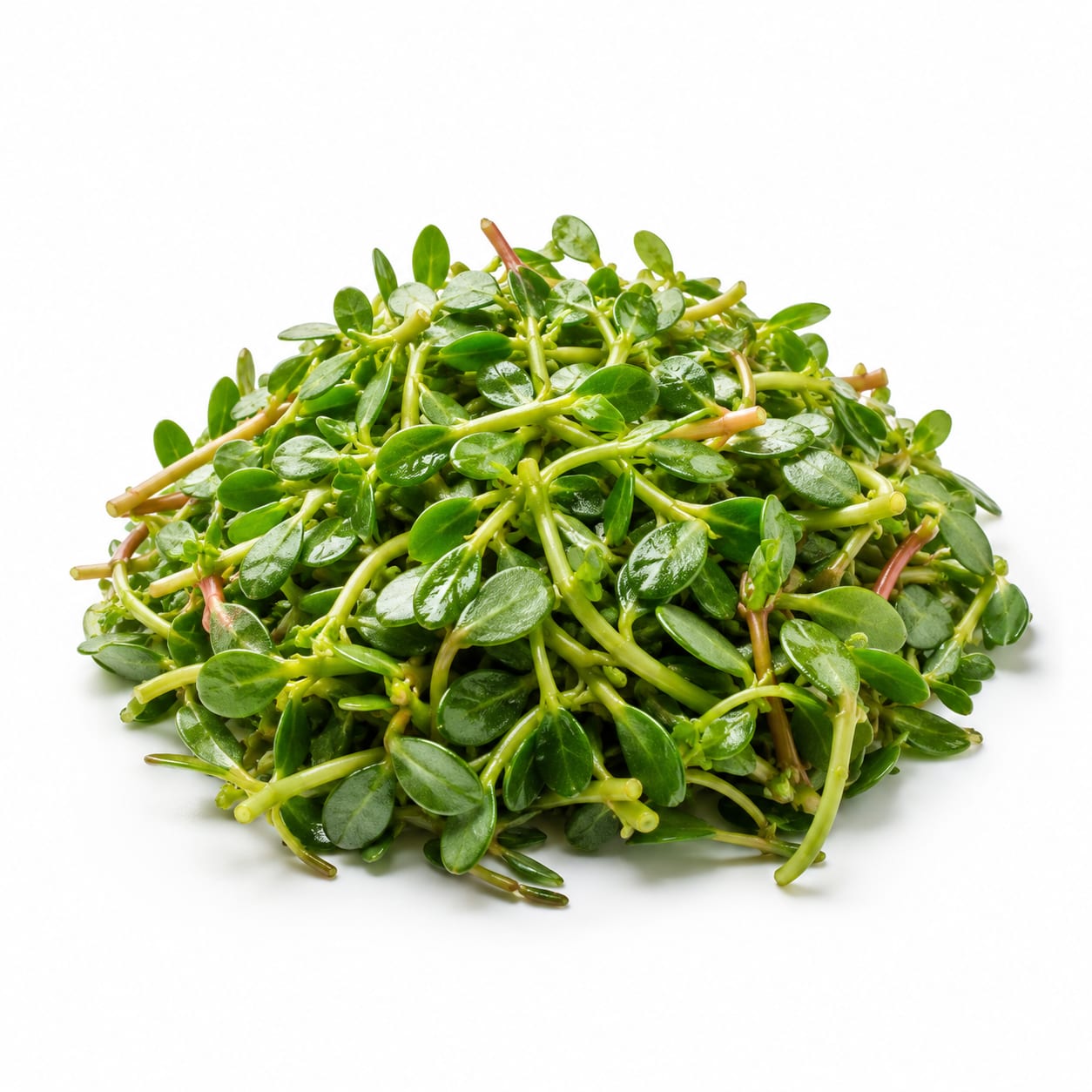
Purslane
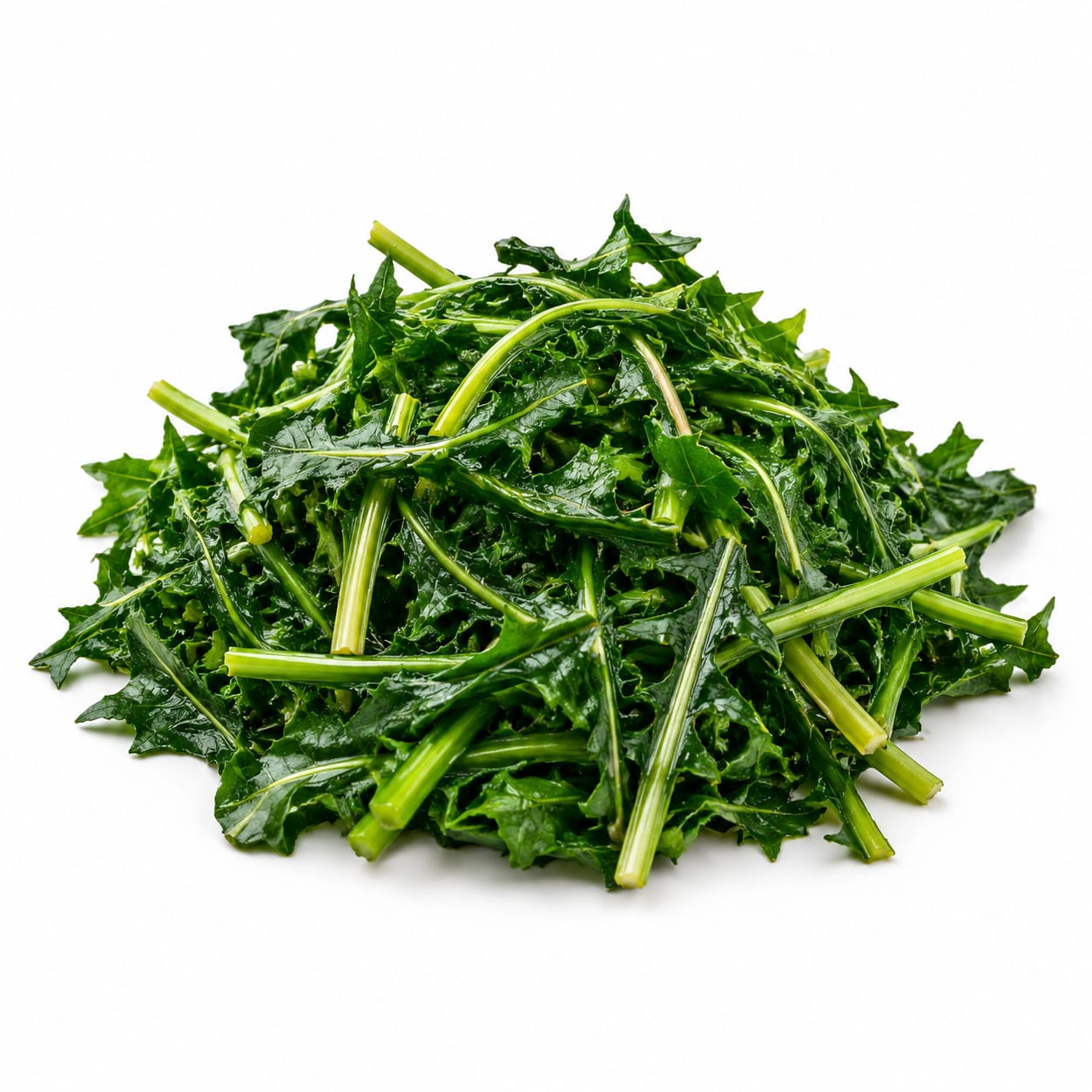
Dandelion Greens
Purslane offers unique omega-3s and a milder taste, while Dandelion Greens excel at digestion support and deliver a massive Vitamin K punch.
Both are nutrient-dense wild greens, but Purslane's rare plant-based omega-3 content and culinary ease give it a slight edge, though Dandelion's bitter compounds offer unique digestive benefits.
Mild, omega-3-rich succulence versus bitter, digestion-stimulating nutrient density.
At a glance
Executive summary
Overall
It depends
Healthier
It depends
More practical
Purslane
Daily use
Purslane
Key comparison lenses
Omega-3 and anti-inflammatory intake
Purslane is uniquely rich in plant-based omega-3s, a rare trait in leafy greens that sets it apart from Dandelion Greens.
Digestive and liver support
Dandelion Greens are prized for their bitter compounds that stimulate bile and aid digestion, offering a functional benefit Purslane lacks.
Foraging safety and sourcing
Both are commonly foraged rather than farmed, raising concerns about pesticide exposure and misidentification.
Taste and culinary versatility
Purslane is mild and crunchy, while Dandelion Greens are intensely bitter, heavily influencing how people can actually eat them.
Best choice for
Purslane
- Boosting plant-based omega-3 intake
- Adding a mild, crunchy green to salads
- Reducing systemic inflammation
Dandelion Greens
- Improving digestion and reducing bloating
- Dramatically increasing Vitamin K levels
- Supporting liver health and detox pathways
Least suitable for
Purslane
- Individuals prone to calcium oxalate kidney stones
Dandelion Greens
- People who dislike bitter flavors
- Those on blood-thinning medications due to extreme Vitamin K content
Deep comparison
Dimension by dimension
Each lens scores both foods and breaks down who each option suits.
- Dimension 1 · Priority 95Purslane
Omega-3 & Anti-inflammatory Fats
Purslane · 95Dandelion Greens · 30Purslane is one of the best plant sources of alpha-linolenic acid (ALA), an omega-3 fat rarely found in greens.
Tradeoff
You sacrifice the digestive stimulation of Dandelion's bitters but gain significant anti-inflammatory fats.
Why it matters
Omega-3s are crucial for heart and brain health, and getting them from greens is a major win for plant-based eaters.
Real-world impact
Eating Purslane regularly can help reduce joint stiffness and support steadier energy without relying on fish or supplements.
Purslane
- Reducing systemic inflammation
- Plant-based eaters needing ALA omega-3s
- Heart health support
Better for
Dandelion Greens
- Getting adequate omega-3s from greens alone
Worse for
- Dimension 2 · Priority 90Dandelion Greens
Digestive & Liver Support
Purslane · 40Dandelion Greens · 90Dandelion Greens contain potent bitter compounds that stimulate bile production, aiding fat digestion and liver function.
Tradeoff
Purslane is easier on the palate but lacks the gut-stimulating properties that make Dandelion a digestive tonic.
Why it matters
Bitter foods are largely missing from modern diets, leading to sluggish digestion and bloating after heavy meals.
Real-world impact
A serving of Dandelion Greens before or during a rich meal can significantly reduce that heavy, overly full feeling.
Purslane
- Stimulating digestion naturally
Worse for
Dandelion Greens
- Combating sluggish digestion
- Reducing post-meal bloating
- Supporting natural liver detoxification
Better for
- Dimension 3 · Priority 85Dandelion Greens
Vitamin & Mineral Density
Purslane · 80Dandelion Greens · 90Dandelion Greens are incredibly rich in Vitamin K, iron, and calcium, outpacing Purslane in bone-supporting nutrients.
Tradeoff
Purslane provides more potassium and magnesium, but Dandelion wins on overall vitamin density.
Why it matters
Vitamin K is essential for bone density and blood clotting, and Dandelion delivers it in massive amounts.
Real-world impact
Eating Dandelion Greens helps protect against bone loss as you age, while Purslane helps maintain healthy blood pressure.
Purslane
- Supporting healthy blood pressure via potassium
Better for
- Meeting extreme Vitamin K needs
Worse for
Dandelion Greens
- Strengthening bones with Vitamin K
- Preventing iron-deficiency anemia
Better for
- Dimension 4 · Priority 80Purslane
Taste & Culinary Versatility
Purslane · 85Dandelion Greens · 55Purslane has a pleasant, slightly lemony crunch that works easily in salads. Dandelion Greens are intensely bitter and require cooking or balancing with fats.
Tradeoff
Purslane is a breeze to eat raw; Dandelion takes culinary effort to make palatable.
Why it matters
The healthiest green is the one you actually enjoy eating and can easily incorporate into your meals.
Real-world impact
You can toss Purslane straight into a sandwich, but Dandelion usually requires sautéing with garlic to tame its bite.
Purslane
- Easy raw salad additions
- Kid-friendly green options
- Quick meal prep
Better for
Dandelion Greens
- Adding depth to savory cooked dishes
Better for
- Enjoying raw in mild salads
Worse for
Timeline
Health impact over time
Short-term
Hours to days
Purslane
- Provides steady hydration due to high water content
- Mild and non-irritating on the stomach
Dandelion Greens
- Stimulates digestion quickly after heavy meals
- Acts as a natural diuretic, reducing water retention and bloating
Long-term
Months to years
Purslane
- Supports heart health and reduces chronic inflammation via omega-3s
- Helps maintain healthy blood pressure over time
Dandelion Greens
- Strengthens bones significantly due to exceptionally high Vitamin K
- Supports long-term liver function and digestive regularity
Risk profile
Safety & processing
Both are typically consumed as whole, raw wild greens with no additives, making them exceptionally clean food choices.
Purslane
Oxalate content
mediumPurslane contains soluble oxalates which can contribute to kidney stone formation in susceptible individuals.
Foraging misidentification
mediumWild Purslane must be correctly identified to avoid confusing it with spurge, a toxic look-alike.
Dandelion Greens
Pesticide and herbicide exposure
highDandelion Greens are often foraged from lawns or roadsides that may have been sprayed with toxic chemicals.
Environmental contamination
mediumForaging near roads or industrial areas risks heavy metal and pollutant accumulation in the leaves.
Who wins for whom
Audience fit
Same foods, different winners depending on your goal.
children
PurslanePurslane's mild, slightly sour crunch is far more kid-friendly than Dandelion's intense bitterness.
daily consumption
PurslanePurslane is gentler on the stomach and easier to incorporate into everyday meals without culinary workarounds.
diabetes
PurslanePurslane's omega-3s and fiber help improve insulin sensitivity more directly, and it has a gentler impact on blood sugar.
elderly
Dandelion GreensDandelion's massive Vitamin K content is crucial for bone health and preventing fractures in older adults.
muscle gain
It dependsNeither is a significant protein source, but Purslane's omega-3s aid muscle recovery, while Dandelion's magnesium helps with cramps.
weight loss
Dandelion GreensDandelion Greens are very low in calories, act as a diuretic to reduce bloating, and their bitterness can naturally curb appetite.
Your move
Decision guide
Choose Purslane
- You want to boost your omega-3 intake without fish or supplements
- You prefer mild, crunchy salad greens
- You need a hydrating, easy-to-digest green
Choose Dandelion Greens
- You struggle with bloating or need digestive stimulation
- You want to dramatically increase your Vitamin K intake
- You enjoy bitter flavors or want a hearty cooked green
Either works if
- You are looking to diversify your leafy green intake beyond spinach and kale
- You want nutrient-dense, low-calorie foraged foods
Avoid both if
- You are prone to calcium oxalate kidney stones
- You cannot guarantee your foraging source is free of pesticides and pollutants
Final recommendation
Choose Purslane for an easy, omega-3-rich salad addition, and turn to Dandelion Greens when you need a bitter digestive boost or a Vitamin K powerhouse. Rotate both for the best of both worlds.
Practical
Consumer tips
- 1
If foraging Dandelion Greens, only pick from areas you are certain are chemical-free, avoiding roadsides and treated lawns.
- 2
Blanch Dandelion Greens briefly to reduce their intense bitterness before sautéing with garlic and olive oil.
- 3
Add Purslane raw to salads or soups at the last minute to preserve its unique crunchy texture and omega-3 content.
- 4
If you have a history of kidney stones, boil both greens and discard the water to reduce their oxalate levels.