
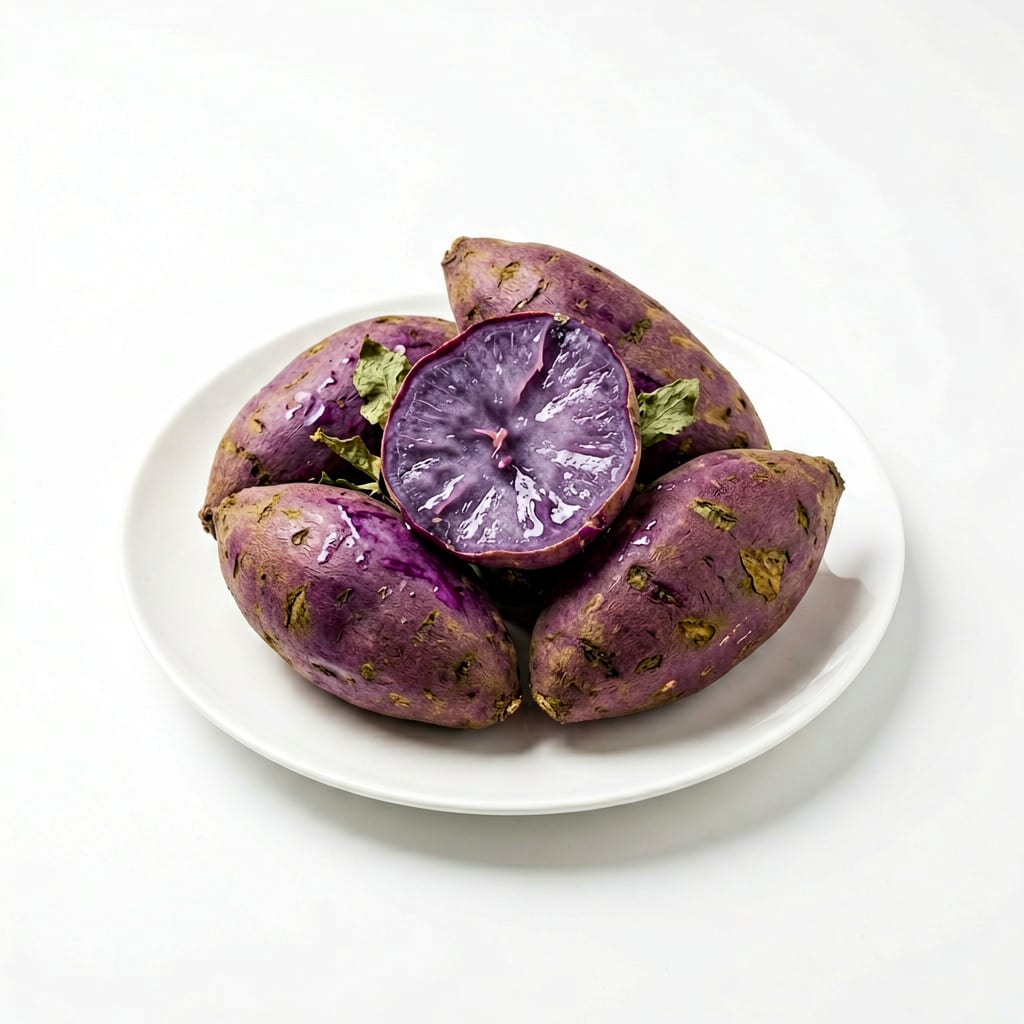
Root Vegetable
Purple Potato
A nutrient-dense root vegetable with vibrant purple flesh caused by high anthocyanin antioxidant levels.
A vibrant, naturally purple-fleshed potato variety prized for its striking color, earthy flavor, and high concentration of antioxidant anthocyanins.
antioxidant-rich starchy root vegetable
Typical serving · 150g
Common varieties · purple peruvian, all blue, vitelotte, purple majesty, purple viking
Overall context score across nutrition, safety, and diet fit
At a glance
Quick facts
Simple indicators based on nutrition, processing, and diet fit.
The story
What makes it unique
Purple potatoes are starchy tubers rich in complex carbohydrates and resistant starch, particularly when cooked and cooled. Their digestion speed is moderate, slowing significantly when resistant starch forms. They possess a high satiety index due to their water and fiber content. The macronutrient profile is dominated by carbs with minimal fat or protein. As a minimally processed whole food, they retain their cellular integrity and phytonutrient density.
Varieties: purple peruvian · all blue · vitelotte · purple majesty · purple viking
Per 100g
Nutrition breakdown
Macro balance and key metrics at a glance.
Energy
Density 0.75 kcal/g
Protein
Carbs
Fat
Fiber
Sugar
1.2 g
Sodium
7 mg
Potassium
440 mg
Glycemic index
77
Glycemic load
13
Water content
79%
Standout compounds
Nutrient highlights
Anthocyanins
highReduces oxidative stress and inflammation
Potassium
highRegulates blood pressure and fluid balance
Resistant Starch
moderateFeeds gut microbiome and improves insulin sensitivity
Vitamin C
moderateSupports immune function and collagen synthesis
Vitamin B6
moderateAids in amino acid metabolism and brain health
Wellness map
Health scores & processing
NOVA processing scale
minimally processed · Whole food
Whole root vegetable harvested directly from the ground with no alteration to its cellular structure or added ingredients.
Diet compatibility
- Weight loss
- Muscle gain
- Diabetes
- Gut health
- Low carb
- High protein
- Heart health
Relative standing
Food rankings
Qualitative ranks compared to similar whole foods.
- Satietyexcellent
- Blood sugargood
- Nutrient densitygood
- Fitness fuelgood
- Processing qualityexcellent
Eat with confidence
Food safety profile
Purple potatoes are generally safe. The primary risk is solanine toxicity from green or sprouted potatoes, which can cause gastrointestinal distress. Conventional root vegetables can retain pesticide residues in the soil, making thorough washing important.
Evidence confidence 85%
- Pesticidesmoderate
- Antibioticslow
- Heavy metalslow
- Contaminationlow
Watch for
- solanine
- chaconine
- soilborne pathogens
Safer choices
Organic purple potatoes to reduce soil-borne pesticide exposure.
Prep tips
Scub skins thoroughly under running water to remove soil and potential residues. Cut away any green spots or sprouts before cooking.
Solanine levels are monitored in commercial potatoes; green or sprouting potatoes should be discarded.
Deep dive
Health analysis
How this food may fit different goals and preparation choices.
Weight loss
Low energy density and high satiety make purple potatoes excellent for volume eating, keeping you full on fewer calories compared to refined carbs.
Blood sugar
While hot cooked potatoes have a high glycemic index, cooling them forms resistant starch, significantly reducing the blood sugar spike and improving insulin sensitivity.
Fitness & energy
Provides steady complex carbohydrates for glycogen replenishment, best consumed 1-2 hours before endurance training or post-workout.
Gut health
Resistant starch acts as a prebiotic, fermenting in the colon to produce short-chain fatty acids like butyrate, which nourish the gut lining.
Processing quality
A whole, unrefined food with intact cellular structure, preserving its natural fiber and micronutrient matrix.
Food safety
Naturally safe unless sprouted or green. Avoid consuming green skins due to solanine accumulation. Peeling reduces solanine but also removes fiber.
Common mistakes
Frying them in seed oils or loading them with butter and sour cream negates their weight loss and heart health benefits. Overcooking destroys heat-sensitive vitamin C.
Best preparation
Boiling, steaming, or baking followed by cooling to maximize resistant starch formation and preserve antioxidants.
Practical guide
Best use cases
When and how this food fits real eating patterns.
Post-workout glycogen replenishment
Provides fast-digesting complex carbs when eaten hot to restore muscle glycogen after intense exercise.
Gut-friendly potato salad
Boiling, cooling, and dressing with olive oil and vinegar maximizes resistant starch to feed beneficial gut bacteria.
High-volume weight loss meals
Large portions can be consumed for minimal calories due to high water content and low energy density, promoting fullness.
Balance sheet
Pros & cons
Upsides
- Very high in antioxidant anthocyanins
- High satiety keeps you full longer
- Resistant starch supports gut health when cooled
- Good source of potassium for heart health
- Naturally gluten-free and minimally processed
- Low energy density aids in calorie control
Trade-offs
- High glycemic index when consumed hot
- Not suitable for strict low-carb or keto diets
- Contains glycoalkaloids if green or sprouted
- Lower protein content requires meal pairing for balance
Fit check
Who is it for?
Great match
- high-volume eating
- post-workout recovery
- gut microbiome support
- whole-food plant-based diets
Consider alternatives
- strict ketogenic diets
- nightshade sensitivity
- acute blood sugar management if eaten hot
Side by side
How it compares
Open the full head-to-head analysis for nutrition, safety, and practical tradeoffs.
This food
Purple Potato
VS90% alike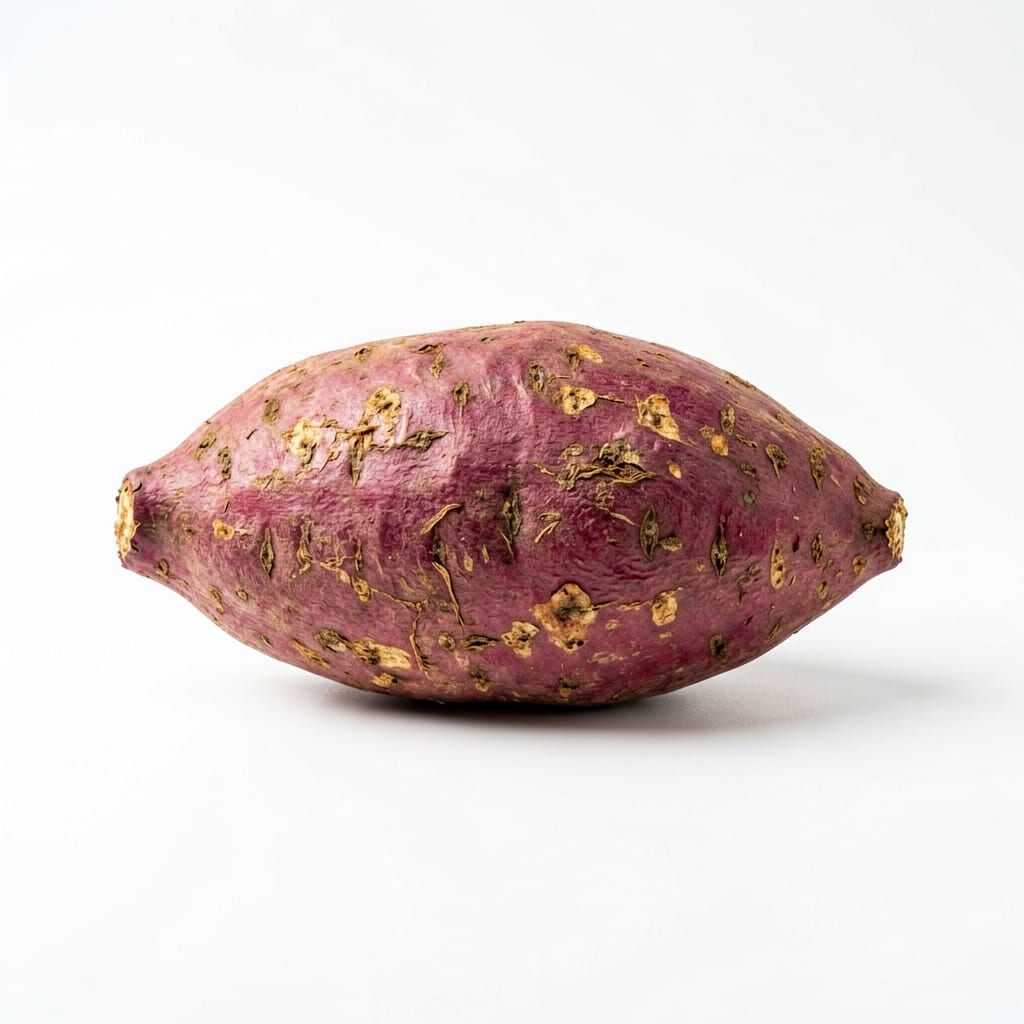
Compare with
Sweet Potato
Sweet potatoes are higher in vitamin A, while purple potatoes offer more anthocyanin antioxidants and resistant starch potential.
Sweet potatoes provide massive vitamin A, while purple potatoes win on antioxidant power and resistant starch for gut health.
This food
Purple Potato
VS95% alike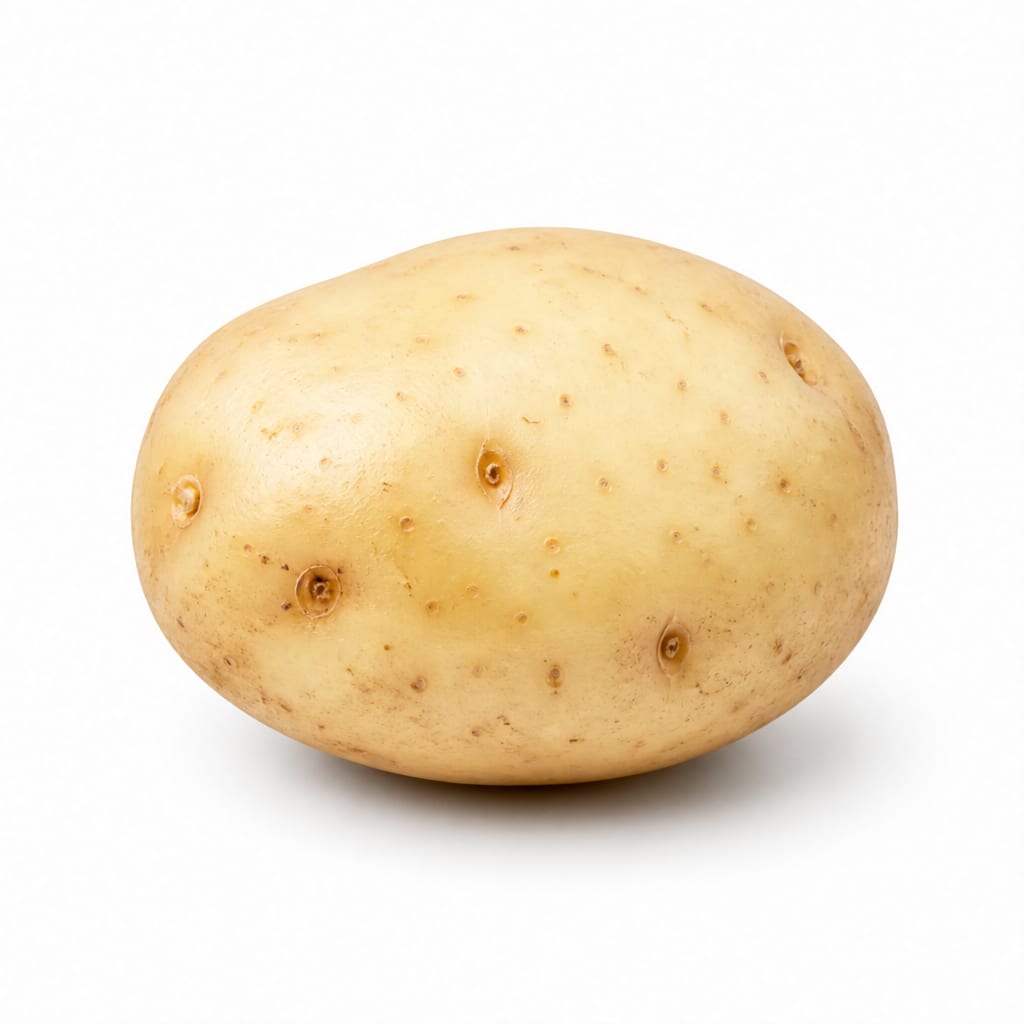
Compare with
White Potato
White potatoes have slightly more potassium, but purple potatoes vastly outperform them in antioxidant content.
Purple potatoes beat white potatoes in antioxidant content, though both offer similar carbs, satiety, and fuel for workouts.
This food
Purple Potato
VS92% alike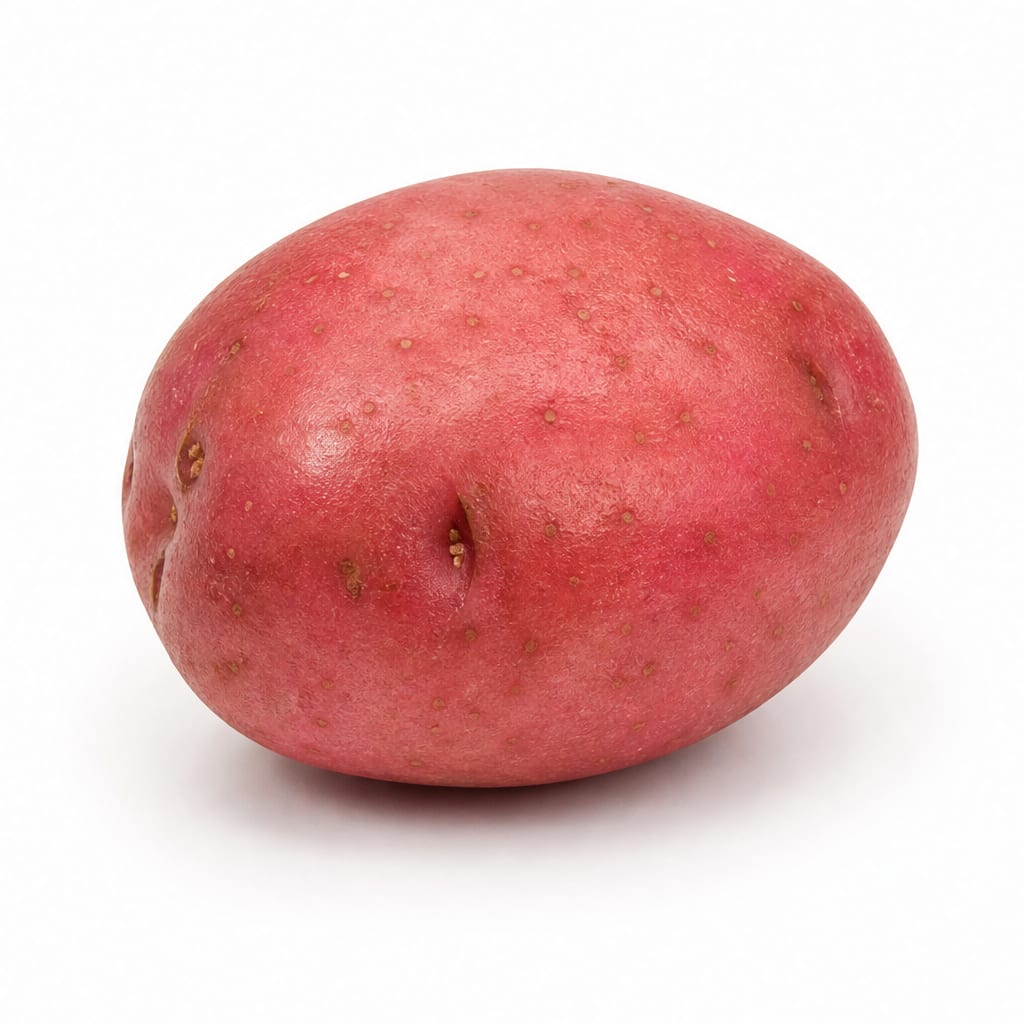
Compare with
Red Potato
Red potatoes have red anthocyanin skins but white flesh. Purple potatoes have anthocyanins throughout the flesh, offering higher overall antioxidants.
Purple potatoes offer more antioxidants than red potatoes due to their fully colored flesh, while macronutrients remain equal.
This food
Purple Potato
VS80% alike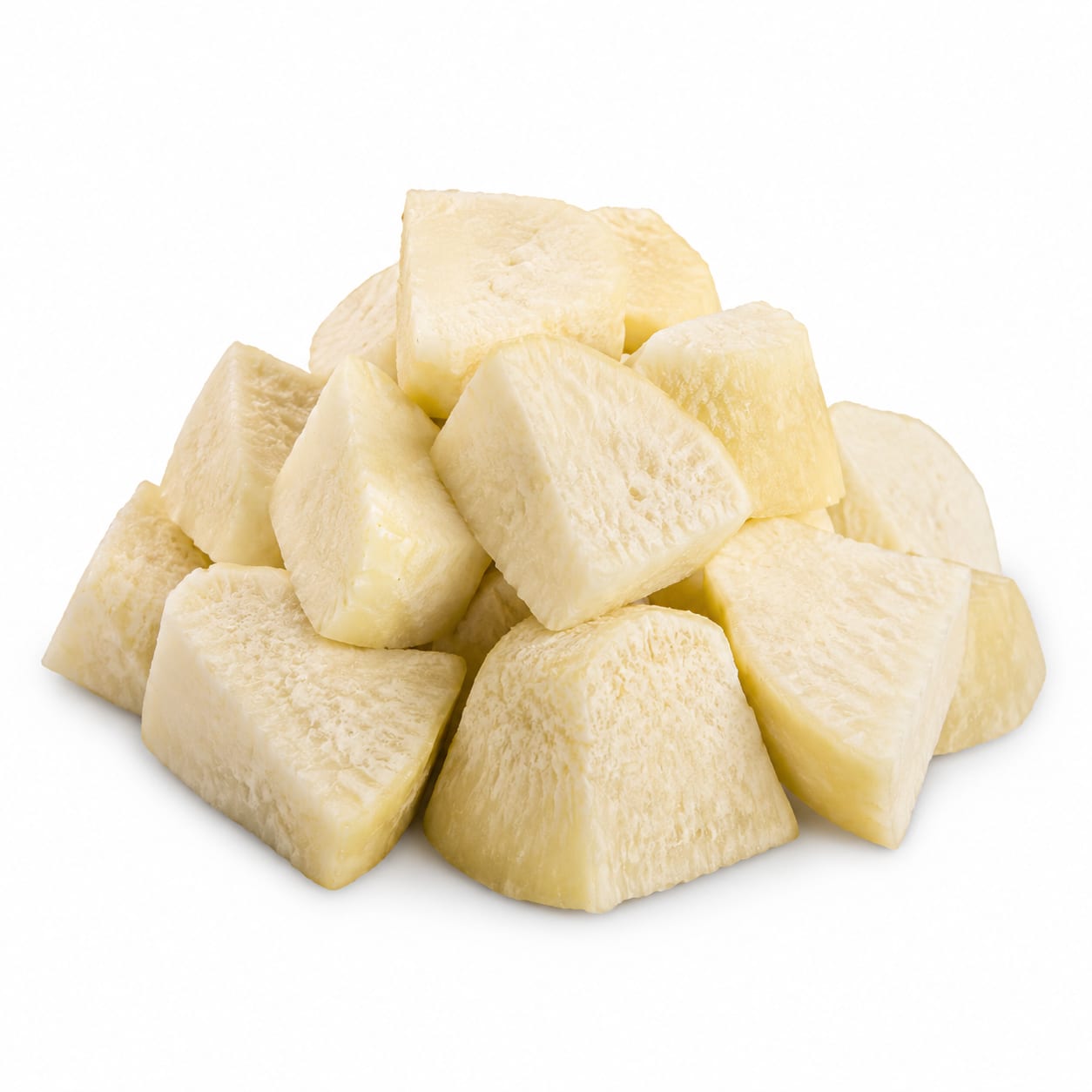
Compare with
Yam
Yams are drier and starchier with less sugar, while purple potatoes are creamier and richer in anthocyanins.
Yams are slightly lower in sugar, but purple potatoes provide better satiety and far more antioxidants for overall health.
This food
Purple Potato
VS70% alike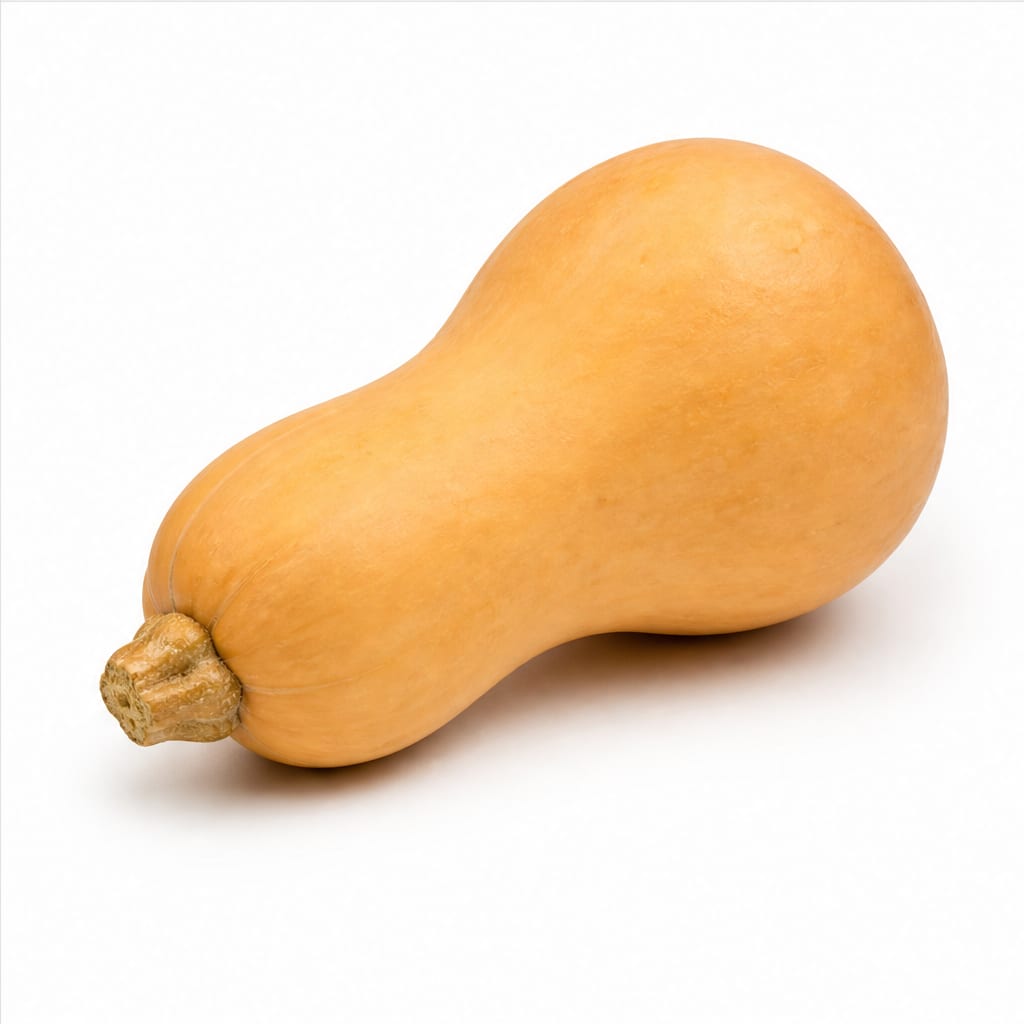
Compare with
Butternut Squash
Butternut squash is lower in calories and carbs, but purple potatoes offer more resistant starch and potassium.
Butternut squash is lower in calories and better for strict fat loss, while purple potatoes offer more fuel and gut-friendly starch.
This food
Purple Potato
VS65% alike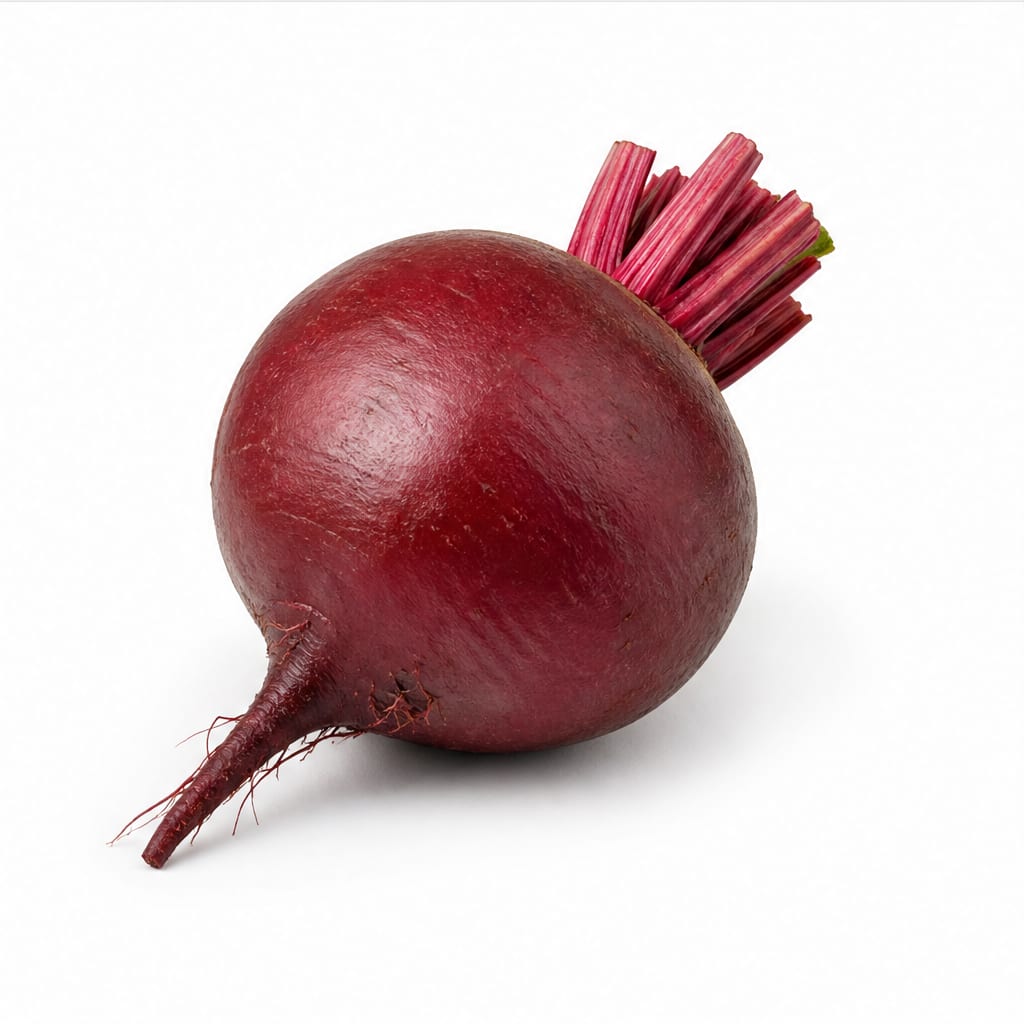
Compare with
Beet
Beets provide dietary nitrates for blood flow, while purple potatoes provide resistant starch for gut health.
Beets boost blood flow via nitrates, making them better for athletic performance, while purple potatoes excel in satiety and gut health.
This food
Purple Potato
VS60% alike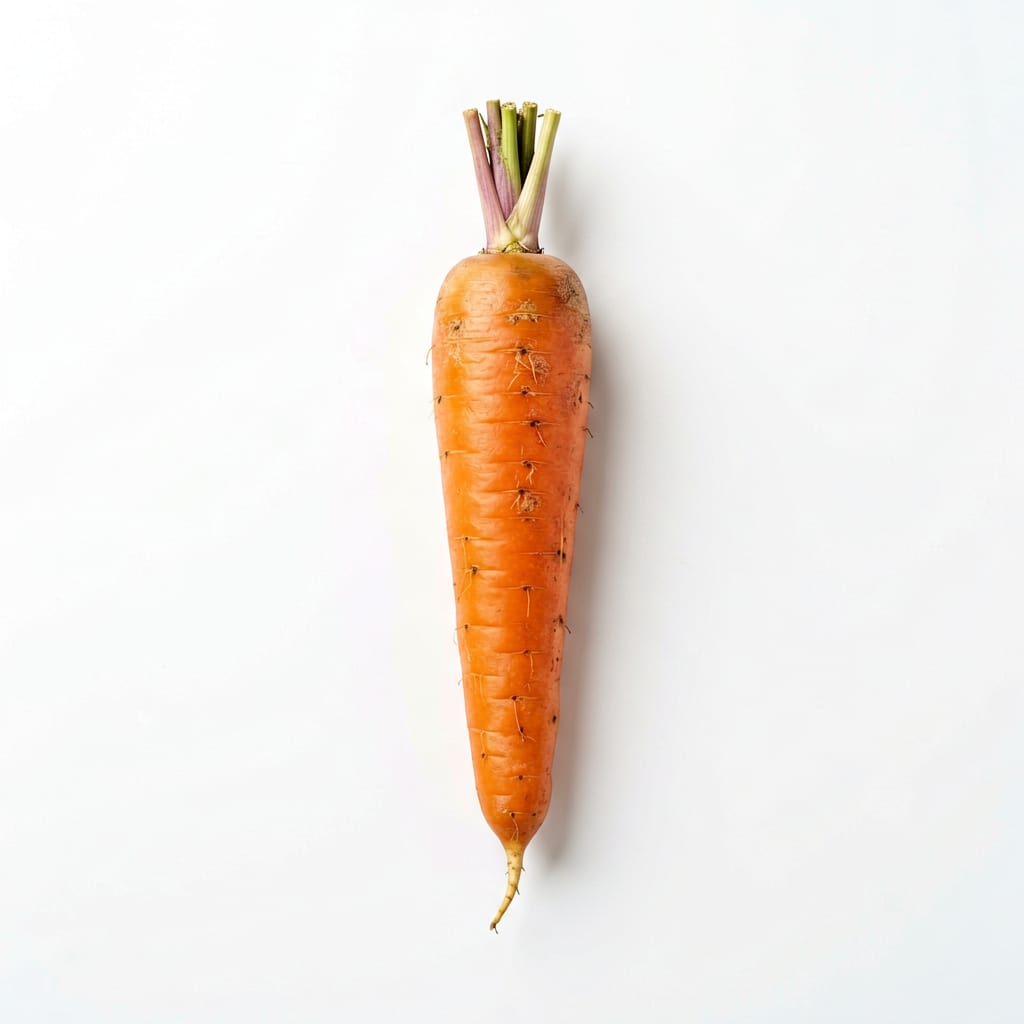
Compare with
Carrot
Carrots are high in beta-carotene and lower in carbs, while purple potatoes are denser in calories and resistant starch.
Carrots are lower in calories and carbs, but purple potatoes provide more sustained energy and gut-friendly resistant starch.
This food
Purple Potato
VS75% alike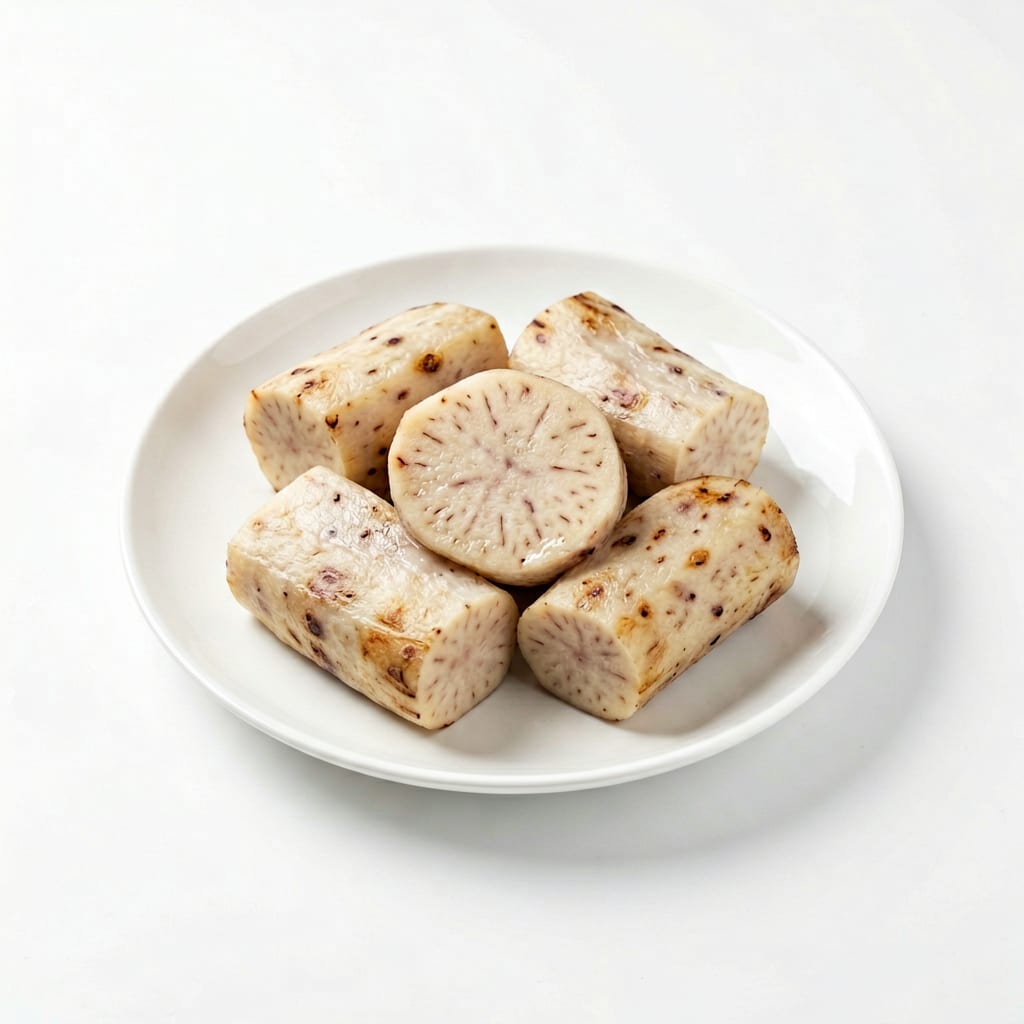
Compare with
Taro
Taro is higher in fiber and has a lower glycemic index, but purple potatoes provide superior antioxidant benefits.
Taro offers more fiber and a lower glycemic index, while purple potatoes deliver stronger anti-inflammatory antioxidants.
This food
Purple Potato
VS65% alike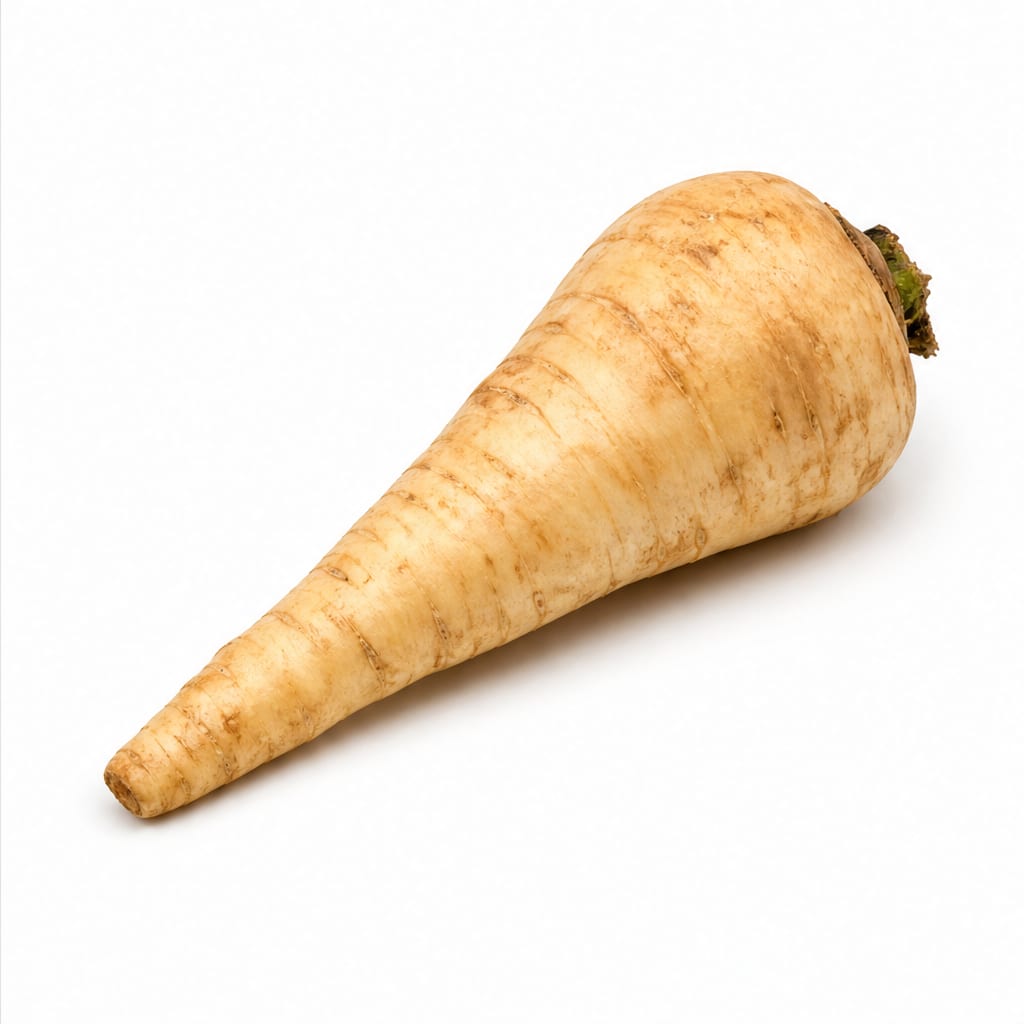
Compare with
Parsnip
Parsnips are higher in sugar and fiber, while purple potatoes are higher in resistant starch and antioxidants.
Parsnips are sweeter and higher in natural sugars, whereas purple potatoes offer more antioxidants and resistant starch for blood sugar control.
This food
Purple Potato
VS55% alike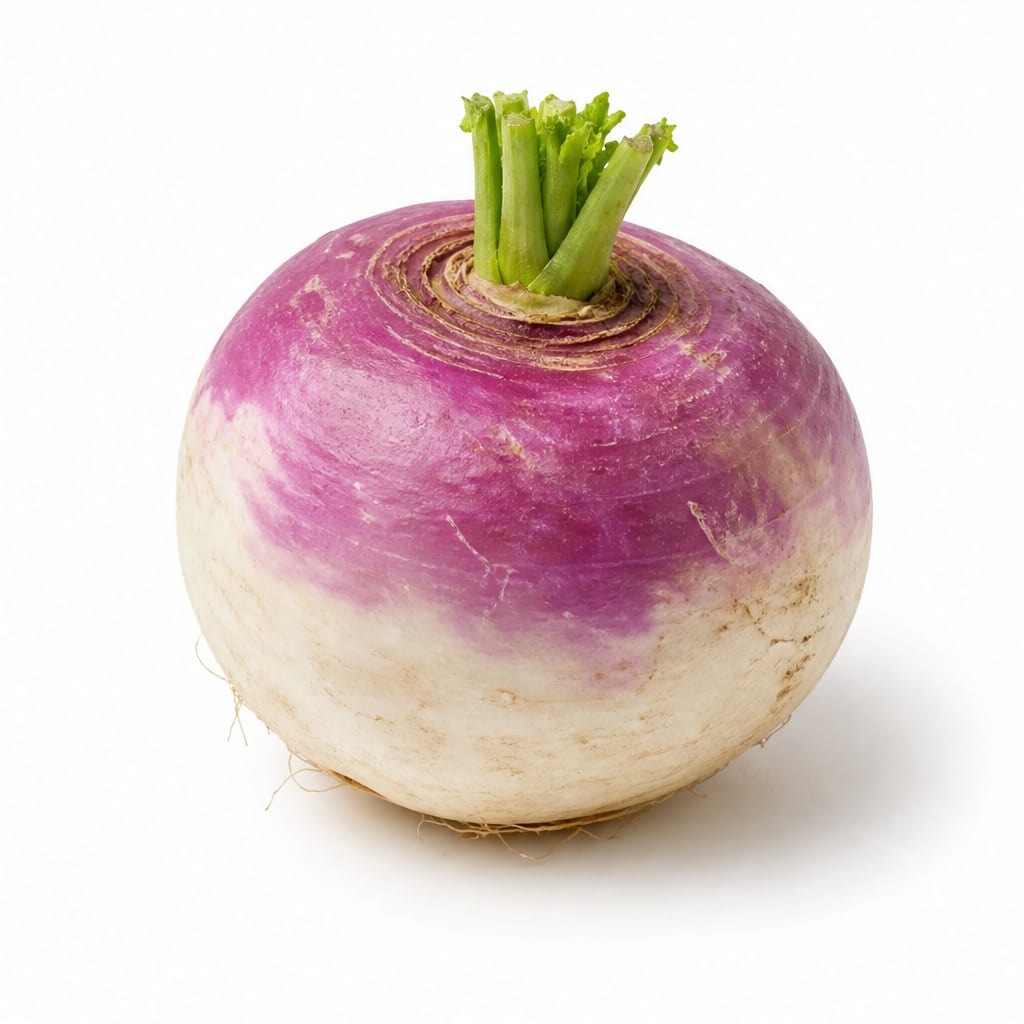
Compare with
Turnip
Turnips are significantly lower in calories and carbs, making them better for keto, while purple potatoes are far more satiating and energy-dense.
Turnips are a great low-carb swap, but purple potatoes provide much more workout energy and gut-friendly resistant starch.
Common questions
FAQ
Answers aligned with how people search for this food.
Are purple potatoes healthier than white potatoes?
Purple potatoes offer similar macronutrients to white potatoes but contain significantly more antioxidants, specifically anthocyanins, which help reduce inflammation and protect cells from damage.
Do purple potatoes raise blood sugar?
Hot cooked purple potatoes have a high glycemic index and can raise blood sugar quickly. However, cooking and cooling them creates resistant starch, which lowers the glycemic response and makes them much more blood-sugar friendly.
What are the benefits of purple potatoes?
They are rich in anthocyanins for antioxidant protection, high in potassium for blood pressure regulation, and provide resistant starch when cooled, which supports gut health and improves insulin sensitivity.
Are purple potatoes good for weight loss?
Yes, they are excellent for weight loss due to their low energy density and high satiety index. They fill you up on fewer calories compared to refined carbohydrate sources.
Can diabetics eat purple potatoes?
Diabetics can eat purple potatoes in moderation, especially when cooked and cooled to increase resistant starch. Pairing them with protein and healthy fats further slows sugar absorption.
How do you cook purple potatoes to keep nutrients?
Boiling or steaming with the skin on preserves the most nutrients, particularly water-soluble vitamins and antioxidants. Baking is also good, but avoid high-temperature frying which degrades anthocyanins.
What is resistant starch in potatoes?
Resistant starch is a type of carbohydrate that resists digestion in the small intestine. It forms when potatoes are cooked and then cooled, acting as a prebiotic fiber that feeds beneficial gut bacteria.
Are purple potatoes keto-friendly?
No, purple potatoes are not keto-friendly. They contain around 16g of carbohydrates per 100g serving, which can easily exceed the strict carb limits required for ketosis.
Why are purple potatoes purple?
Their vibrant color comes from anthocyanins, the same antioxidant pigments found in blueberries and red cabbage. These compounds protect the potato from environmental stress and offer health benefits when consumed.
Do purple potatoes taste different than regular potatoes?
Purple potatoes have a slightly earthier, nuttier flavor compared to standard white potatoes. Their texture is often denser and creamier, making them popular for roasting and mashing.
Transparency
Data confidence
Estimated confidence for nutrition data, interpretation, safety notes, and comparisons.
Nutrition data
Health analysis
Food safety
Comparisons