
Nutrition comparison
Purple Potato vs White Potato: Which Is Actually Healthier?
Purple potatoes pack up to 4x more antioxidants than white potatoes, but cost more and are harder to find. Compare nutrition, blood sugar impact, and real-world tradeoffs.
Overall winner · Purple Potato
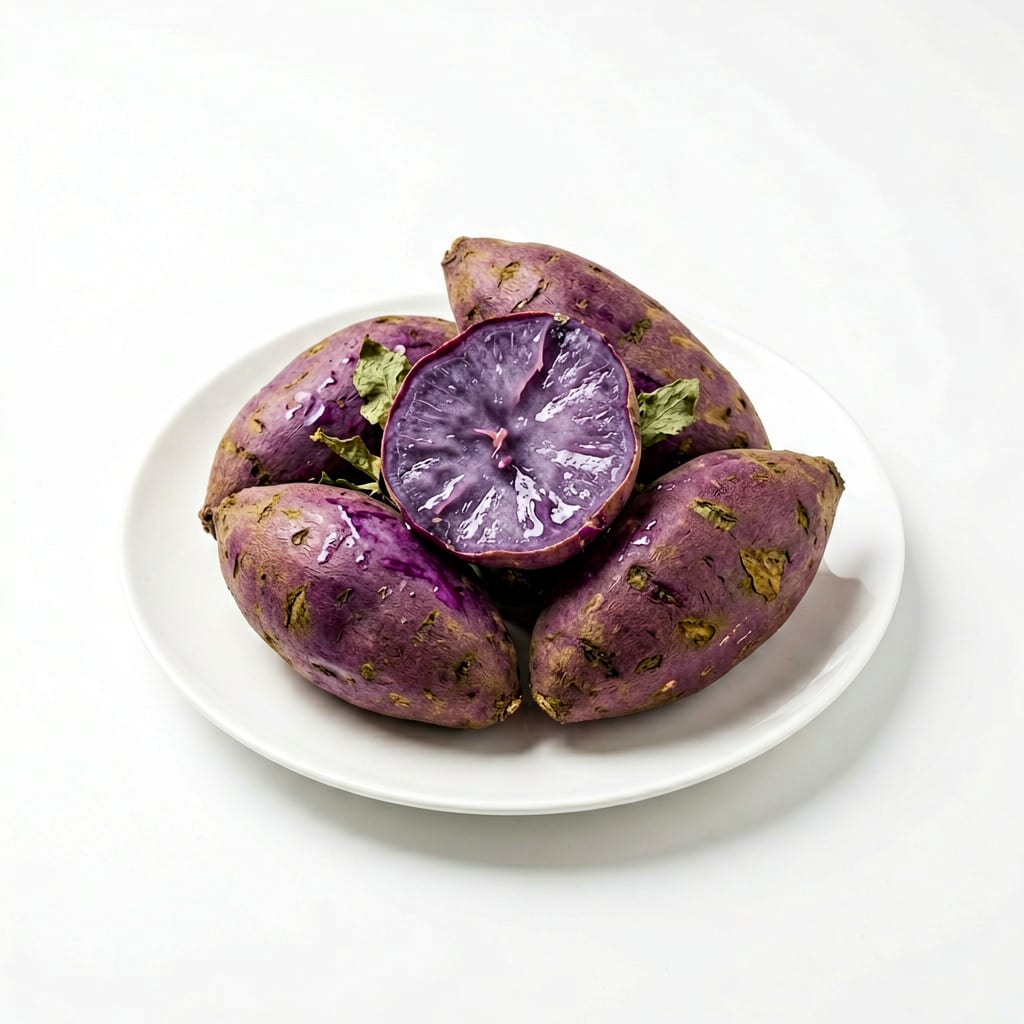
Purple Potato
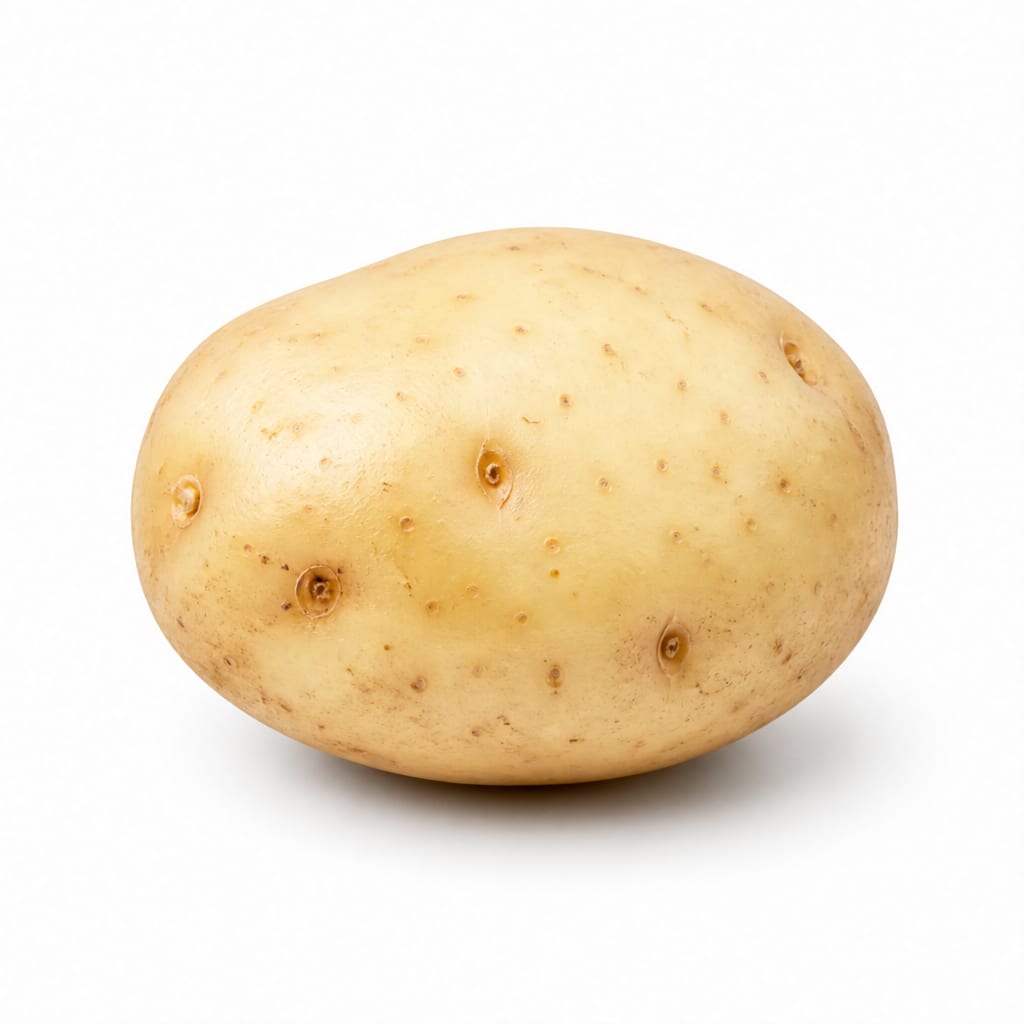
White Potato
Purple potatoes deliver the same satisfying carbs with a powerful antioxidant bonus that white potatoes simply cannot match.
Purple potatoes score higher due to their substantial antioxidant advantage and slightly better blood sugar profile, but white potatoes close the gap with superior practicality, cost, and culinary flexibility.
You gain significant anti-inflammatory and antioxidant benefits with purple potatoes, but pay more and sacrifice some cooking versatility and availability.
At a glance
Executive summary
Overall
Purple Potato
Healthier
Purple Potato
More practical
White Potato
Daily use
It depends
Key comparison lenses
antioxidant advantage
Purple potatoes are uniquely rich in anthocyanins, which white potatoes essentially lack — this is the single most meaningful nutritional difference between them
blood sugar management
Users comparing potato varieties often care about glycemic impact and whether color variation affects blood sugar stability
everyday practicality
White potatoes are ubiquitous and cheap; purple potatoes are harder to find and pricier, which affects real-world sustainability
long term disease prevention
Anthocyanins link to reduced inflammation and oxidative stress, making long-term health a key decision factor
taste and culinary experience
Purple potatoes offer a striking visual and slightly nuttier flavor, which matters for meal enjoyment and variety
Best choice for
Purple Potato
- People prioritizing antioxidant intake and anti-inflammatory eating
- Those managing oxidative stress or chronic inflammation
- Anyone wanting to add nutrient variety to a monotonous diet
- Home cooks who enjoy visually striking meals
White Potato
- Budget-conscious shoppers feeding a family
- Athletes needing cheap, reliable carb fuel
- People who value maximum cooking versatility
- Anyone living where purple potatoes are unavailable
Least suitable for
Purple Potato
- Strict budget meal planning
- Recipes requiring a neutral-colored potato
- Rural areas with limited specialty produce access
White Potato
- Those specifically seeking high-antioxidant foods
- Anti-inflammatory diet protocols
- People wanting to maximize micronutrient density per calorie
Deep comparison
Dimension by dimension
Each lens scores both foods and breaks down who each option suits.
- Dimension 1 · Priority 95Purple Potato
antioxidant_power
Purple Potato · 92White Potato · 18Purple potatoes are loaded with anthocyanins — the same compounds in blueberries — while white potatoes have almost none.
Tradeoff
That purple pigment is not just decorative; it actively fights cellular damage in ways white potatoes cannot replicate.
Why it matters
Anthocyanins reduce oxidative stress and inflammation, which underlies many chronic diseases including heart disease and certain cancers.
Real-world impact
Eating purple potatoes regularly is like getting a free serving of berries with your carbs — a meaningful upgrade over time.
Purple Potato
- Reducing chronic inflammation
- Supporting vascular health
- Adding disease-fighting phytonutrients to meals
Better for
White Potato
- Missing a major class of protective phytonutrients
- Less contribution to long-term antioxidant defenses
Worse for
- Dimension 2 · Priority 80Purple Potato
blood_sugar_stability
Purple Potato · 62White Potato · 52Purple potatoes tend to have a moderately lower glycemic index than white potatoes, though both are starchy and require portion awareness.
Tradeoff
Neither potato is a low-glycemic food, but purple potatoes offer a slight edge that can reduce post-meal energy crashes.
Why it matters
A lower glycemic response means steadier energy, less hunger rebound, and easier blood sugar management over the day.
Real-world impact
After a purple potato meal you may notice less of an afternoon slump compared to the same portion of white potato.
Purple Potato
- Slightly steadier post-meal energy
- Marginally easier blood sugar management for prediabetics
Better for
White Potato
- Slightly larger blood sugar spike after meals
- Faster return of hunger after eating
Worse for
- Dimension 3 · Priority 78White Potato
cost_and_accessibility
Purple Potato · 35White Potato · 90White potatoes are one of the cheapest calorie sources available globally. Purple potatoes cost two to four times more and are harder to find.
Tradeoff
The health premium of purple potatoes is real, but so is the price premium — especially for families eating on a budget.
Why it matters
The best food for you is the one you can actually afford and find consistently. Nutrition only matters if you can access it.
Real-world impact
A 5-pound bag of white potatoes costs around $3-4; purple potatoes often run $5-8 for the same amount, if available at all.
Purple Potato
- Harder to find in standard grocery stores
- Significantly more expensive per serving
Worse for
White Potato
- Feeding a family affordably
- Consistent weekly meal prep without specialty shopping
- Bulk buying and storage
Better for
- Dimension 4 · Priority 72White Potato
culinary_versatility
Purple Potato · 55White Potato · 88White potatoes work in virtually every potato recipe. Purple potatoes bleed color, which limits some dishes and enhances others.
Tradeoff
Purple potatoes can turn soups and mash an unexpected blue-purple — fun for some, unappetizing for others.
Why it matters
If a food is awkward to cook with, you will reach for it less often, reducing its real-world health benefit.
Real-world impact
Purple potato mash looks striking on a plate but can look muddy mixed with other ingredients. White potatoes never have this problem.
Purple Potato
- Visually impressive presentation dishes
- Adding novelty and variety to meals
Better for
- Color bleeding into other ingredients
- Limited use in traditional recipes
Worse for
White Potato
- Classic recipes where color matters
- Mashed potatoes, soups, and mixed dishes
- Crowd-pleasing comfort food
Better for
- Dimension 5 · Priority 70It depends
satiety_and_fullness
Purple Potato · 70White Potato · 70Both potatoes are among the most filling foods studied, with nearly identical satiety scores per calorie.
Tradeoff
The satiety difference is negligible — both keep you full for hours when prepared similarly and eaten with adequate protein.
Why it matters
Fullness determines whether you snack later. Both potatoes perform exceptionally well here compared to grains or pasta.
Real-world impact
A medium baked purple or white potato with similar toppings will keep you equally satisfied through the afternoon.
Purple Potato
White Potato
- Dimension 6 · Priority 68Purple Potato
micronutrient_density
Purple Potato · 72White Potato · 58Purple potatoes offer more vitamin C, slightly more potassium, and dramatically more phytonutrients per serving than white potatoes.
Tradeoff
The mineral and vitamin gaps are modest, but the phytonutrient gap is enormous and represents the real value of choosing purple.
Why it matters
Higher micronutrient density means each calorie works harder for your health, especially important when calories are limited.
Real-world impact
Over months, the extra vitamin C and anthocyanins in purple potatoes contribute meaningfully to immune and vascular health.
Purple Potato
- Higher vitamin C per serving
- Greater total phytonutrient intake
- More potassium per calorie
Better for
White Potato
- Lower overall micronutrient diversity
- Essentially no anthocyanin content
Worse for
Timeline
Health impact over time
Short-term
Hours to days
Purple Potato
- Slightly gentler blood sugar rise after meals
- Noticeable visual variety that can make meals more enjoyable
- Similar fullness and energy to white potatoes
White Potato
- Faster blood sugar spike that may cause a quicker energy dip
- Familiar comfort that satisfies emotional eating cues
- Equally filling when prepared the same way
Long-term
Months to years
Purple Potato
- Reduced oxidative stress from consistent anthocyanin intake
- Potential cardiovascular benefits from improved vascular function
- Lower inflammatory markers over years of regular consumption
White Potato
- Reliable affordable nutrition that supports consistent healthy eating
- Similar basic mineral and vitamin support as purple varieties
- No additional antioxidant protection beyond baseline potato nutrition
Risk profile
Safety & processing
Both purple and white potatoes are whole, unprocessed foods when bought fresh. The color difference comes from natural plant pigments, not additives or genetic modification.
Purple Potato
Solanine toxicity from greening
lowLike all potatoes, purple potatoes can develop solanine if exposed to light. Store in a cool dark place and discard any green sections.
Pesticide residue
lowPurple potatoes are often grown by smaller producers who may use fewer pesticides, but conventional crops still carry typical potato pesticide profiles.
White Potato
Solanine toxicity from greening
lowWhite potatoes carry the same solanine risk as purple. Proper storage eliminates this concern for both varieties.
Pesticide residue
mediumConventionally grown white potatoes consistently appear on the Dirty Dozen list due to pesticide residues concentrated in the skin. Peeling reduces exposure significantly.
Acrylamide formation when fried
mediumHigh-heat cooking of white potatoes, especially frying, produces acrylamide. This applies to purple potatoes too, but white potatoes are more commonly consumed as fries and chips.
Who wins for whom
Audience fit
Same foods, different winners depending on your goal.
children
White PotatoKids are more likely to eat familiar white potatoes, and the fun purple color does not always overcome picky eating. White potatoes are also easier to prepare in kid-friendly ways.
daily consumption
It dependsPurple potatoes are healthier per serving, but white potatoes are more sustainable daily due to cost and availability. The best daily choice depends on your budget and store access.
diabetes
Purple PotatoPurple potatoes have a moderately lower glycemic index and anthocyanins that may improve insulin sensitivity, giving them a meaningful edge for blood sugar management.
elderly
Purple PotatoOlder adults benefit most from the anti-inflammatory and vascular benefits of anthocyanins, and the softer texture of both potatoes suits aging digestive systems equally.
muscle gain
White PotatoWhite potatoes are cheaper and more available, making it easier to eat the larger carb quantities needed for training fuel without breaking the bank.
weight loss
It dependsBoth potatoes are equally filling per calorie. Purple potatoes offer slightly better blood sugar control, which may help with cravings, but the difference is small.
Your move
Decision guide
Choose Purple Potato
- You want to maximize antioxidant intake without changing your meal structure
- You can afford the premium and have access to specialty produce
- You are following an anti-inflammatory eating pattern
- You enjoy experimenting with colorful, visually interesting meals
- You have prediabetes or want gentler blood sugar responses
Choose White Potato
- Budget is a primary concern for your household
- You need maximum recipe versatility and crowd-pleasing familiarity
- Purple potatoes are not available in your area
- You are meal-prepping in bulk for the week
- You are an athlete needing cheap, reliable carb fuel
Either works if
- You just need a filling, satisfying carb source
- Both are available and cost is not a factor
- You rotate between varieties for dietary diversity
- You are eating potatoes as part of a balanced meal with protein and vegetables
Avoid both if
- You are on a strict very-low-carb or ketogenic diet
- You have a nightshade sensitivity or potato allergy
- You are deep-frying them regularly — the health damage from frying outweighs any variety benefit
Final recommendation
Choose purple potatoes when you can find and afford them — the antioxidant upgrade is genuine and meaningful. But white potatoes remain an excellent, nutrient-dense food, and the health gap between them is smaller than marketing suggests. The best strategy is rotating both: purple for the phytonutrient boost, white for the practicality and cost savings.
Practical
Consumer tips
- 1
Mix purple and white potatoes together in roasted dishes for visual appeal and nutritional variety
- 2
Always eat potato skin when possible — most fiber and antioxidants concentrate there
- 3
Boil or bake instead of frying to avoid acrylamide formation and preserve nutrients
- 4
Store both varieties in a cool, dark, dry place to prevent greening and solanine buildup
- 5
If purple potatoes are hard to find fresh, check the frozen section — some stores stock frozen purple potato chunks
- 6
Peel conventional white potatoes if you are concerned about pesticide residues on the skin
- 7
Do not refrigerate potatoes — cold converts starches to sugar and alters taste and texture