
Nutrition comparison
Purple Potato vs Carrot: Which Is Healthier for Your Goals?
Compare Purple Potato and Carrot nutrition, antioxidants, blood sugar impact, and best use cases. Find out which vegetable fits your health goals better.
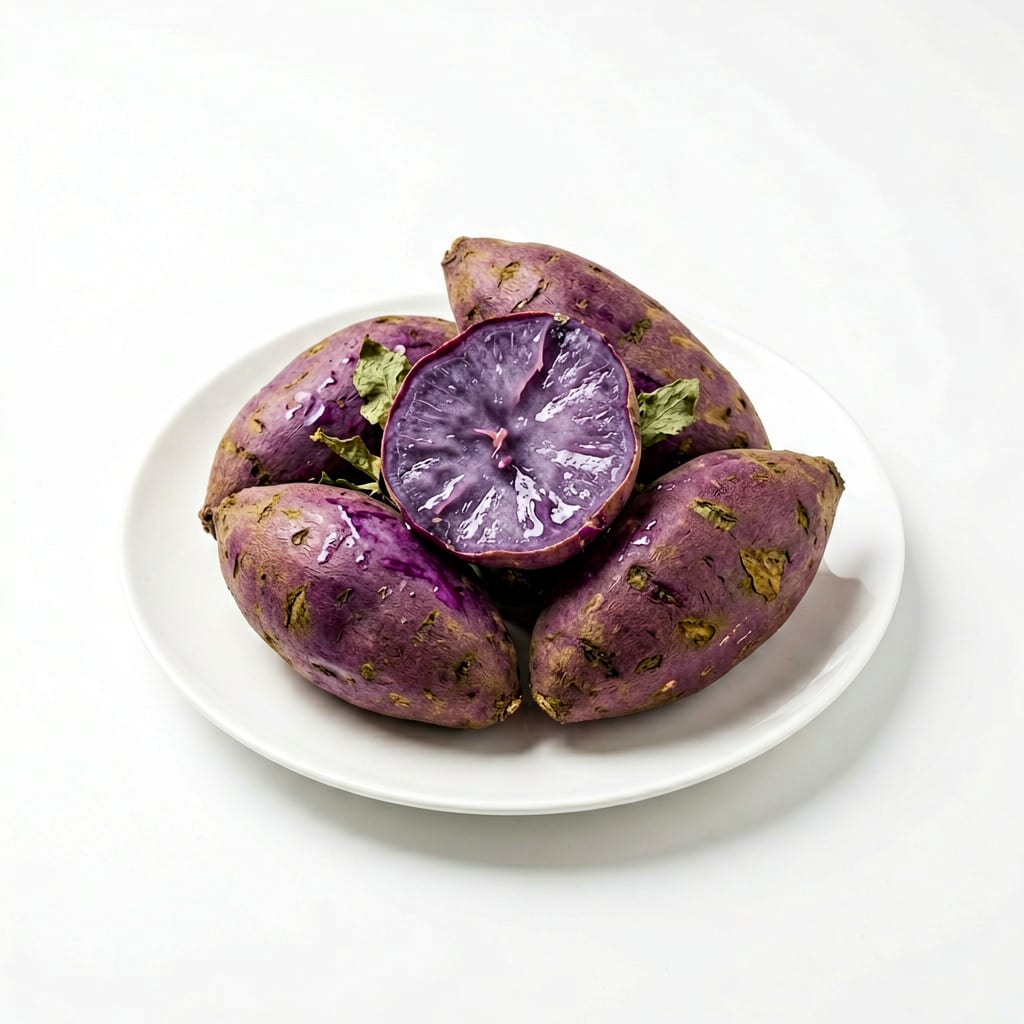
Purple Potato
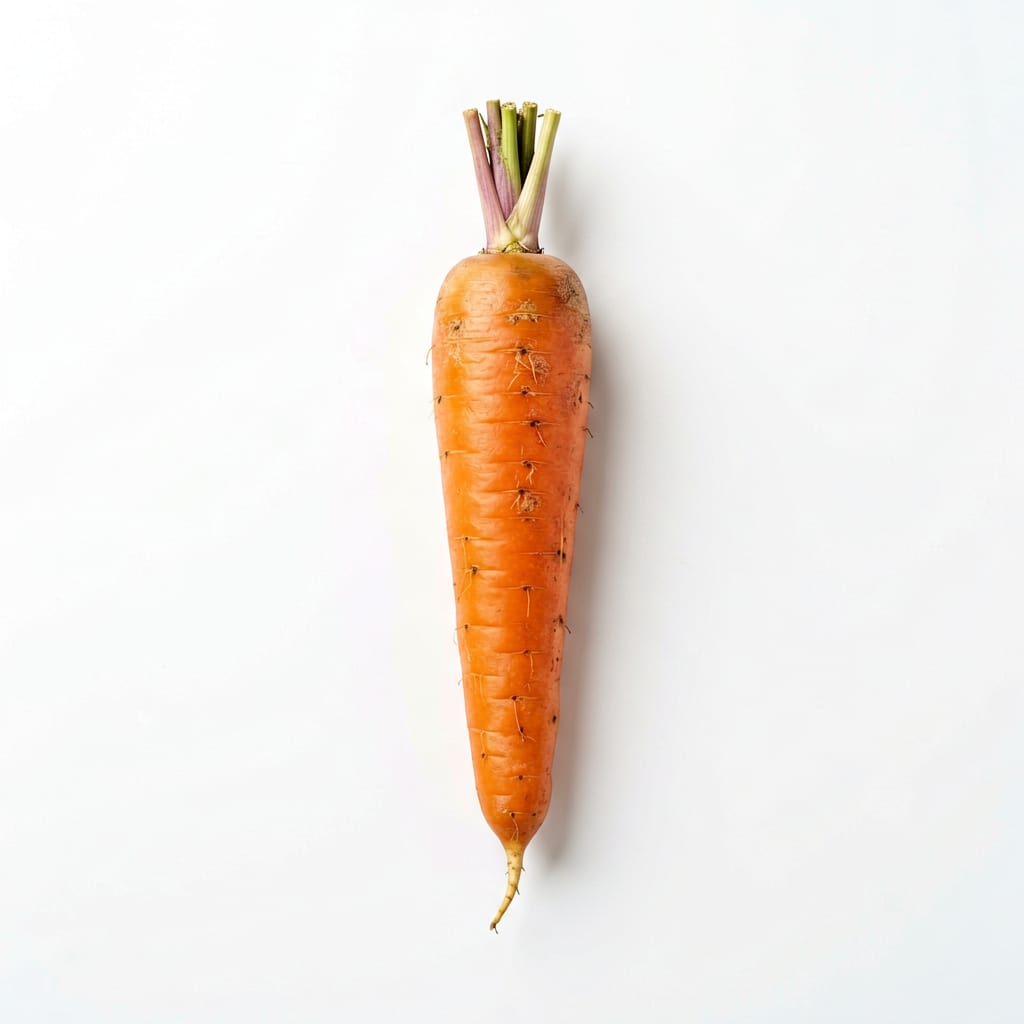
Carrot
Purple Potato delivers more sustained energy and unique antioxidants, while Carrots offer lighter calories and eye-health carotenoids with grab-and-go convenience.
Carrots edge ahead slightly due to lower calorie density, broader everyday convenience, and more established long-term health research. Purple Potato scores well for unique antioxidants and satiety but carries a carb-load penalty that narrows its ideal use cases.
Substance versus lightness — Purple Potato fills you up with starchy carbs and anthocyanins, Carrots keep things low-calorie with beta-carotene and crunch.
At a glance
Executive summary
Overall
It depends
Healthier
It depends
More practical
Carrot
Daily use
Carrot
Key comparison lenses
starchy vs nonstarchy carb management
Purple Potato is a starchy carb while Carrot is non-starchy, making this the core decision driver for most users
antioxidant diversity comparison
Anthocyanins in Purple Potato versus beta-carotene in Carrots represent two fundamentally different antioxidant families
blood sugar and energy stability
Carb density difference directly impacts glucose response and sustained energy
weight management calorie density
Significant calorie-per-bite difference affects portion control and satiety strategies
snacking convenience and versatility
Carrots can be eaten raw on the go; Purple Potatoes require cooking, shaping real-world usage
Best choice for
Purple Potato
- Athletes needing carb fuel after training
- People wanting long-lasting satiety from a meal
- Anyone seeking anthocyanin antioxidants for brain and vascular health
- Those recovering from illness who need calorie-dense nutrition
Carrot
- Weight-conscious snackers wanting low-calorie crunch
- People focused on eye health and immune support
- Anyone needing a no-prep portable vegetable
- Those managing blood sugar who want minimal carb impact
Least suitable for
Purple Potato
- People on strict low-carb or keto diets
- Those needing a quick no-cook snack option
- Anyone carefully controlling calorie intake at every meal
Carrot
- Athletes needing substantial carb refueling
- People struggling to get enough calories or maintain weight
- Those wanting a food that provides lasting fullness on its own
Deep comparison
Dimension by dimension
Each lens scores both foods and breaks down who each option suits.
- Dimension 1 · Priority 90It depends
antioxidant_profile
Purple Potato · 85Carrot · 82Purple Potato brings anthocyanins linked to brain and vascular protection; Carrots deliver beta-carotene essential for vision and immunity. Different antioxidant families serve different purposes.
Tradeoff
You choose between purple-pigment protection for cognitive and circulatory health versus orange-pigment protection for eyes and immune function.
Why it matters
Antioxidant diversity matters more than quantity. Eating both gives broader cellular defense than doubling down on one.
Real-world impact
If you already eat orange vegetables regularly, Purple Potato adds antioxidant variety. If your diet lacks orange produce, Carrots fill a more common nutrient gap.
Purple Potato
- Brain health and cognitive aging
- Vascular and circulatory protection
- Anti-inflammatory variety beyond standard carotenoids
Better for
- Does not meaningfully contribute to vitamin A needs
- Less researched than carotenoid benefits
Worse for
Carrot
- Night vision and eye health
- Immune system support
- Skin health and UV damage defense
Better for
- Lacks anthocyanin-class antioxidants entirely
- Misses the vascular-specific benefits purple pigments provide
Worse for
- Dimension 2 · Priority 88Carrot
blood_sugar_and_energy
Purple Potato · 55Carrot · 85Carrots have minimal impact on blood sugar with roughly 6g carbs per 100g. Purple Potatoes carry about 17g carbs per 100g, creating a noticeably larger glucose response.
Tradeoff
Purple Potato gives you real energy fuel but at the cost of a blood sugar spike. Carrots keep glucose steady but will not power you through intense activity.
Why it matters
For sedentary or insulin-resistant individuals, the carb difference is significant. For active people, Purple Potato's carbs are a feature, not a bug.
Real-world impact
A Purple Potato at lunch can fuel an afternoon workout but may cause an energy crash if you sit at a desk. Carrots as a snack keep energy steady without the rollercoaster.
Purple Potato
- Post-workout glycogen replenishment
- Sustained energy for physical labor or training
- Feeling actually full and satisfied after eating
Better for
- Can spike blood sugar if eaten alone without protein or fat
- Not ideal for low-carb meal plans
Worse for
Carrot
- Steady energy without crashes
- Diabetes-friendly snacking
- Late-evening eating without glucose disruption
Better for
- Will not provide meaningful energy for athletic performance
- Less satisfying as a standalone food item
Worse for
- Dimension 3 · Priority 84Purple Potato
satiety_and_fullness
Purple Potato · 82Carrot · 58Purple Potato's starch content and calorie density make it genuinely filling. Carrots are crunchy and voluminous but lack the substance to keep hunger away for long.
Tradeoff
You get lasting fullness from Purple Potato but take on more calories. Carrots let you eat a large volume for few calories but hunger returns sooner.
Why it matters
Satiety is the single biggest factor in whether a food actually helps you eat less overall or just delays your next snack by 30 minutes.
Real-world impact
A medium Purple Potato with dinner can prevent late-night snacking. A bowl of carrot sticks buys you maybe an hour before you are back in the kitchen.
Purple Potato
- Replacing higher-calorie staples like pasta or rice
- Building a meal around a satisfying carb base
- Preventing overeating later in the day
Better for
- Easy to overeat if you add butter, cheese, or sour cream
- Calories add up faster than expected if not portioned
Worse for
Carrot
- Mindless snacking where volume matters more than fullness
- Eating something while watching TV without calorie guilt
Better for
- Hunger returns quickly without a protein or fat pairing
- Can feel unsatisfying as a standalone snack
Worse for
- Dimension 4 · Priority 80Carrot
calorie_efficiency
Purple Potato · 50Carrot · 90Carrots deliver about 41 calories per 100g versus roughly 77 calories for Purple Potato. You get more food volume per calorie with Carrots.
Tradeoff
Carrots let you eat more for fewer calories. Purple Potato packs more nutrition per bite but costs nearly double the calories.
Why it matters
For weight management, calorie density often determines whether a food helps or hinders progress more than any micronutrient profile.
Real-world impact
You can eat 300g of Carrots for 123 calories. The same weight in Purple Potato costs 231 calories. That gap matters when tracking intake.
Purple Potato
- Getting more potassium and vitamin B6 per serving
- Adding substance to a meal that would otherwise feel light
Better for
- Higher calorie load limits how much you can eat
- Less forgiving if you are not measuring portions
Worse for
Carrot
- Volume eating strategies for weight loss
- Large portions without calorie consequences
- Frequent snacking without budget blowout
Better for
- Lower calorie density means less nutritional payload per bite
- May need to eat impractical volumes to hit certain nutrient targets
Worse for
- Dimension 5 · Priority 78Carrot
convenience_and_versatility
Purple Potato · 52Carrot · 88Carrots are ready to eat raw, portable, and need zero prep. Purple Potatoes require cooking and are less convenient for on-the-go lifestyles.
Tradeoff
Carrots win on grab-and-go practicality. Purple Potato requires cooking but offers more culinary versatility as a meal component.
Why it matters
The healthiest food is the one you actually eat. Convenience often determines whether a food becomes a habit or gets skipped.
Real-world impact
Throwing carrot sticks in a lunchbag takes five seconds. Purple Potato requires boiling, baking, or microwaving — at minimum 5-10 minutes even with shortcuts.
Purple Potato
- Hearty side dish or meal base for dinner
- Mashing, roasting, or baking into satisfying dishes
- Meal prep batches that last several days
Better for
- Cannot be eaten raw or on the go
- Requires cooking equipment and time
Worse for
Carrot
- Raw snacking straight from the fridge
- Lunchbox additions with zero prep
- Quick salad toppings or stir-fry additions
Better for
- Limited as a meal centerpiece
- Less satisfying in cold-weather comfort food contexts
Worse for
- Dimension 6 · Priority 72Purple Potato
mineral_density
Purple Potato · 80Carrot · 62Purple Potato is notably richer in potassium and provides meaningful vitamin B6. Carrots offer less mineral content per serving but contribute biotin and vitamin K.
Tradeoff
Purple Potato wins on electrolytes and B-vitamins. Carrots provide niche vitamins but fall short on overall mineral density.
Why it matters
Potassium is chronically underconsumed and critical for blood pressure regulation. Purple Potato is one of the better vegetable sources available.
Real-world impact
One medium Purple Potato covers about 20% of daily potassium needs. You would need to eat a very large amount of Carrots to match that.
Purple Potato
- Blood pressure support through high potassium
- B6 for energy metabolism and brain function
- Replenishing electrolytes after sweating
Better for
- Does not provide significant vitamin K or biotin
- Mineral benefits offset slightly by higher sodium in some preparations
Worse for
Carrot
- Vitamin K for bone health and blood clotting
- Biotin for hair, skin, and nail support
Better for
- Much lower potassium per serving
- Less B-vitamin content overall
Worse for
Timeline
Health impact over time
Short-term
Hours to days
Purple Potato
- Provides noticeable satiety and sustained energy for 2-3 hours after eating
- Can cause a blood sugar rise if consumed without protein or fat pairing
- Resistant starch from cooled Purple Potato may cause mild bloating in sensitive individuals
Carrot
- Quick crunch satisfaction without heaviness or energy crash
- Minimal blood sugar impact even when eaten in large quantities
- Raw Carrots may temporarily cause jaw fatigue or digestive gas if consumed in excess
Long-term
Months to years
Purple Potato
- Regular anthocyanin intake associated with reduced cognitive decline risk
- High potassium intake supports long-term blood pressure management
- Resistant starch from cooled potatoes may improve gut microbiome diversity over time
Carrot
- Consistent beta-carotene intake linked to lower risk of age-related macular degeneration
- High vitamin K consumption supports bone mineral density preservation
- Low calorie density habit supports sustainable weight management long-term
Risk profile
Safety & processing
Both Purple Potato and Carrot are whole, unprocessed vegetables you buy as-is. Neither carries meaningful additive risk in their natural form. The only processing concern comes from how you prepare them — frying either one changes the health profile significantly.
Purple Potato
Solanine toxicity from greening
lowLike all potatoes, Purple Potatoes can develop solanine if exposed to light and turning green. Proper storage in a dark cool place eliminates this risk.
Acrylamide formation during high-heat cooking
mediumFrying or roasting Purple Potatoes above 120°C can form acrylamide, a probable carcinogen. Boiling or steaming avoids this entirely.
Carrot
Pesticide residue on conventionally grown Carrots
mediumCarrots frequently appear on the Dirty Dozen list. Peeling reduces residue significantly, and organic Carrots eliminate this concern.
Vitamin A toxicity from extreme overconsumption
lowVery large daily Carrot intake can cause carotenemia — orange-tinted skin. This is harmless and reversible but surprises some people. True vitamin A toxicity from Carrots is essentially impossible.
Who wins for whom
Audience fit
Same foods, different winners depending on your goal.
children
CarrotRaw carrot sticks are an easy, mess-free, lunchbox-friendly snack kids can eat anywhere. Purple Potato requires cooking and is less practical for children's snacking patterns.
daily consumption
CarrotCarrots are easier to eat daily without calorie concerns or prep burden. Purple Potato is healthy but its carb load and cooking requirement make daily use less automatic.
diabetes
CarrotCarrots have minimal impact on blood glucose and can be eaten freely. Purple Potato's carb content requires more careful portioning and pairing for blood sugar management.
elderly
It dependsCarrots support eye health which matters for aging vision. Purple Potato provides potassium for blood pressure and softer texture when mashed for those with dental concerns. Both serve different elderly needs well.
muscle gain
Purple PotatoPurple Potato provides the starchy carbs needed to fuel training and replenish glycogen. Carrots simply do not offer the carbohydrate substrate required for muscle-building nutrition.
weight loss
CarrotCarrots provide high volume and crunch for very few calories, making them a far more weight-loss-friendly snack. Purple Potato is not bad for weight loss but requires more portion discipline.
Your move
Decision guide
Choose Purple Potato
- You need sustained energy for physical activity or manual work
- You want to diversify your antioxidant intake beyond common carotenoids
- You are meal-prepping hearty dinners and need a satisfying carb base
- You are trying to reduce reliance on refined carbs like white rice or pasta
Choose Carrot
- You want a low-calorie snack you can eat without tracking portions
- You are focused on eye health and vitamin A intake
- You need something portable that requires zero preparation
- You are managing blood sugar and want vegetables with minimal glucose impact
Either works if
- You are building a diverse vegetable rotation and want both antioxidant families
- You are generally healthy and just trying to eat more whole vegetables
- You want to alternate between starchy and non-starchy options depending on activity level
Avoid both if
- You have a nightshade sensitivity that affects your tolerance to Purple Potato
- You are on an extremely strict very-low-carb protocol that limits even vegetable carbs
Final recommendation
Keep both in your rotation. Eat Purple Potato when you need substance, energy, and a satisfying meal base. Reach for Carrots when you want something light, crunchy, and effortless. The ideal approach uses Purple Potato's anthocyanins and Carrot's beta-carotene together for broader antioxidant coverage than either provides alone.
Practical
Consumer tips
- 1
Cool cooked Purple Potato before eating to increase resistant starch, which feeds gut bacteria and lowers the glycemic response
- 2
Pair Purple Potato with a protein source like eggs or fish to blunt the blood sugar spike and extend satiety
- 3
Buy organic Carrots when possible to reduce pesticide exposure, or peel conventionally grown ones thoroughly
- 4
Roast Purple Potato at lower temperatures around 175°C to reduce acrylamide formation while still getting good texture
- 5
Store Purple Potatoes in a cool dark place to prevent greening and solanine development
- 6
Shred Carrots into salads, grain bowls, or muffins to add moisture and beta-carotene without much effort