
Nutrition comparison
Purple Potato vs Parsnip: Nutrition, Antioxidants, and Health Benefits
Compare Purple Potato and Parsnip to find out which root vegetable is better for weight loss, blood sugar, and overall health. Discover the nutritional tradeoffs.
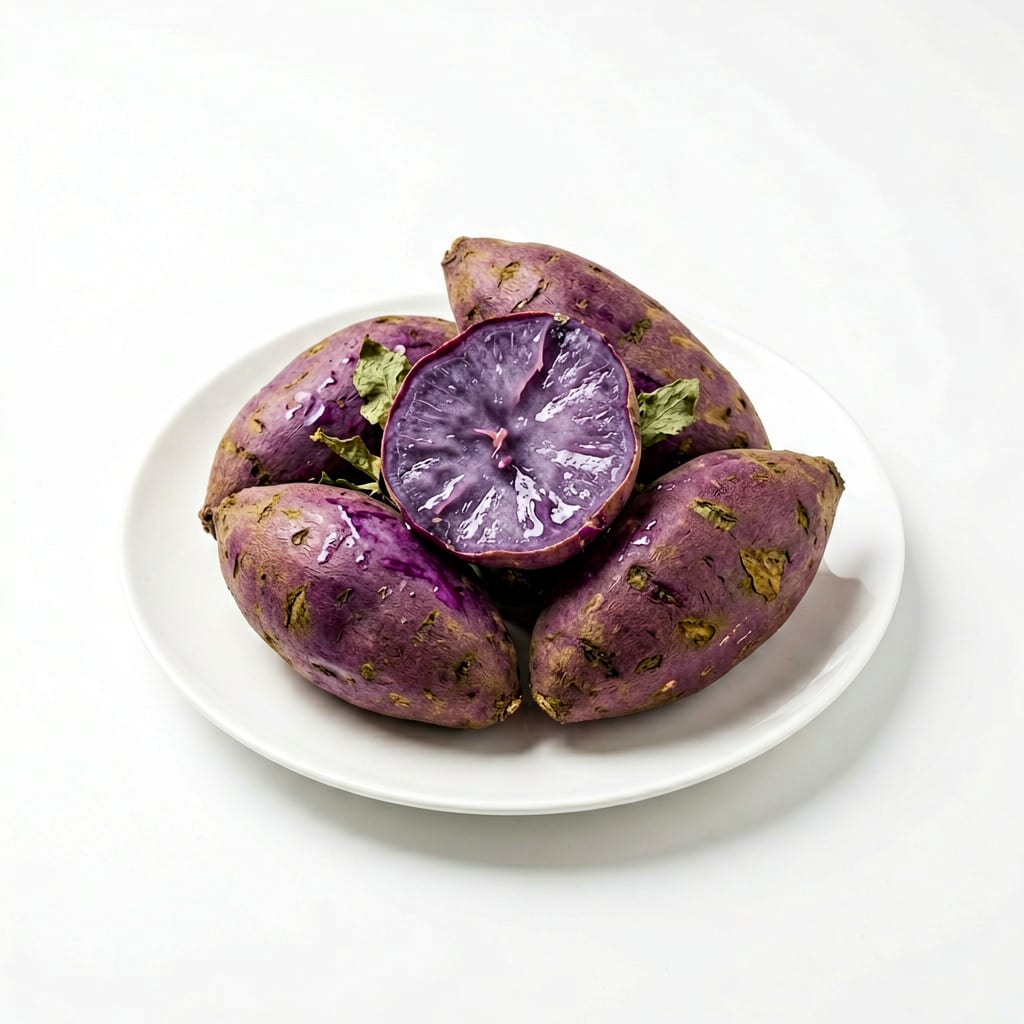
Purple Potato
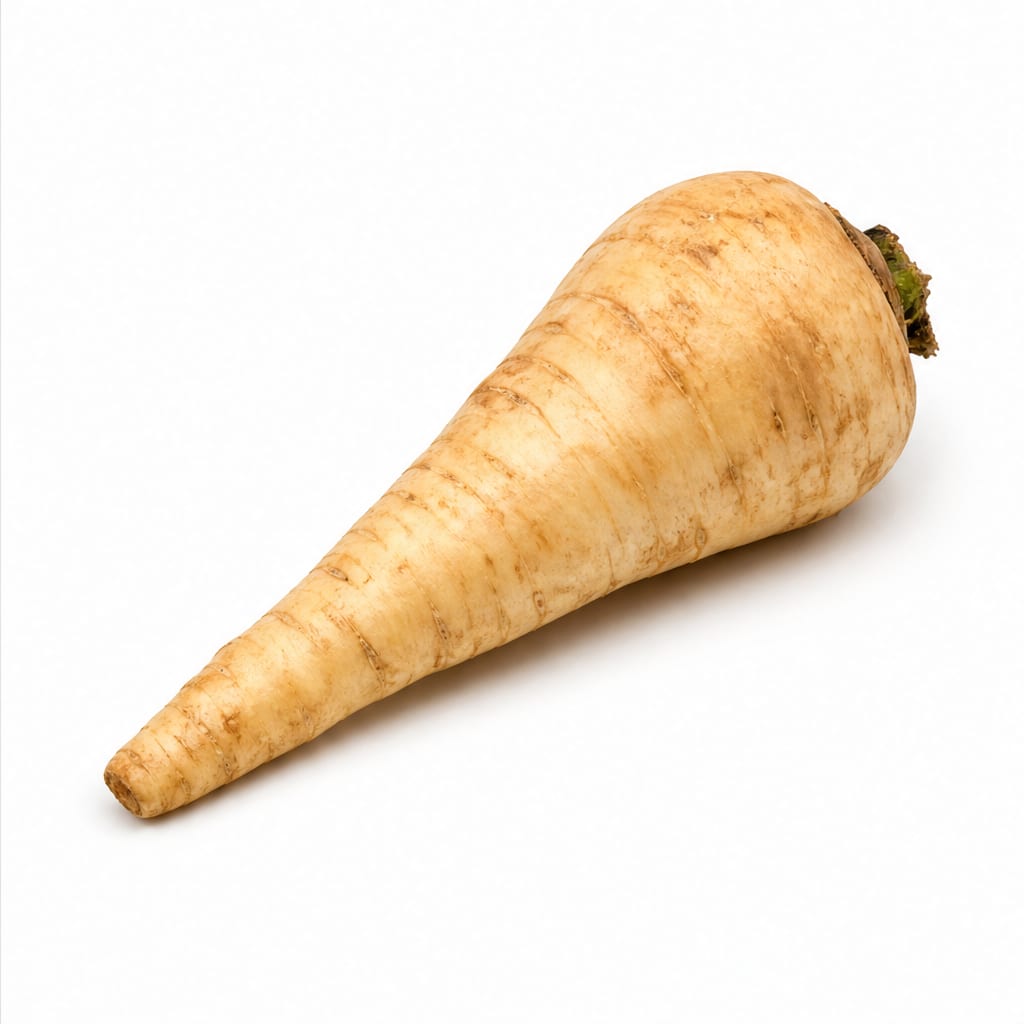
Parsnip
Purple potatoes deliver a massive antioxidant punch and more potassium, while parsnips offer fewer calories, more folate, and a sweeter, nuttier flavor for diverse meals.
Parsnips edge ahead slightly for lower calorie density and folate content, but Purple Potatoes boast a superior antioxidant profile. The close scores reflect their different but equally valuable nutritional strengths.
Antioxidant power and starch satisfaction from Purple Potatoes versus lower calorie density and folate content from Parsnips.
At a glance
Executive summary
Overall
It depends
Healthier
It depends
More practical
It depends
Daily use
It depends
Key comparison lenses
Antioxidant and anti-inflammatory benefits
Purple potatoes are uniquely rich in anthocyanins, which parsnips lack entirely.
Blood sugar and energy stability
Both are starchy root vegetables, but their fiber types and sugar profiles affect blood sugar differently.
Calorie density and weight management
Parsnips offer a lower-calorie alternative with a surprisingly sweet flavor profile.
Micronutrient diversity
Purple potatoes excel in potassium, while parsnips provide significantly more folate and vitamin K.
Best choice for
Purple Potato
- Athletes needing carb replenishment and electrolytes
- People seeking anti-inflammatory and antioxidant benefits
- Those wanting a filling, satisfying starch base
Parsnip
- Pregnant women or those needing more folate
- People managing calorie intake who still want hearty meals
- Anyone looking for sweeter, lower-calorie roasted vegetables
Least suitable for
Purple Potato
- Very low-carb dieters
- People strictly managing blood sugar spikes
Parsnip
- People sensitive to high-GI root vegetables
- Those with severe birch pollen allergies due to cross-reactivity
Deep comparison
Dimension by dimension
Each lens scores both foods and breaks down who each option suits.
- Dimension 1 · Priority 90Purple Potato
Antioxidant & Anti-inflammatory Power
Purple Potato · 95Parsnip · 30Purple Potatoes are loaded with anthocyanins, the same antioxidants found in blueberries, giving them a major edge in fighting cellular damage.
Tradeoff
You get far more oxidative stress protection with Purple Potatoes, but you miss out on the unique folate benefits of Parsnips.
Why it matters
Anthocyanins help reduce inflammation and protect against chronic diseases, making Purple Potatoes a functional food rather than just a carb source.
Real-world impact
Eating Purple Potatoes regularly can help lower blood pressure and reduce long-term disease risk, similar to eating dark berries.
Purple Potato
- Reducing chronic inflammation
- Lowering blood pressure naturally
- Protecting cells from oxidative stress
Better for
Parsnip
- Fighting free radical damage
- Getting vibrant antioxidant diversity
Worse for
- Dimension 2 · Priority 85It depends
Blood Sugar & Energy Stability
Purple Potato · 65Parsnip · 68Both can spike blood sugar if eaten in large portions, but Parsnips have slightly more fiber to slow digestion, while Purple Potatoes offer denser, steadier energy for active people.
Tradeoff
Parsnips provide a slightly gentler blood sugar curve due to soluble fiber, while Purple Potatoes offer more substantial energy for physical exertion.
Why it matters
Steady energy prevents the afternoon crash and keeps hunger at bay longer.
Real-world impact
A roasted Parsnip side might feel lighter and less likely to cause a food coma, whereas Purple Potatoes feel more fueling before or after a workout.
Purple Potato
- Replenishing glycogen after exercise
- Sustained energy for physical labor
Better for
- Sedentary evening meals
Worse for
Parsnip
- Lighter meals that won't cause sluggishness
- Slightly better satiety per calorie
Better for
- Intense post-workout recovery
Worse for
- Dimension 3 · Priority 75It depends
Micronutrient Density
Purple Potato · 78Parsnip · 82Parsnips win on folate and vitamin K, crucial for cell repair and bone health, while Purple Potatoes dominate in potassium for heart and muscle function.
Tradeoff
Choosing Purple Potatoes gives you an electrolyte boost, while Parsnips support cellular repair and DNA synthesis.
Why it matters
Micronutrient gaps lead to cravings, fatigue, and poor recovery, so matching your veggie to your deficiency matters.
Real-world impact
If you cramp up often or sweat a lot, Purple Potatoes are your friend. If you are pregnant or recovering from illness, Parsnips offer better rebuilding blocks.
Purple Potato
- Replenishing potassium lost through sweat
- Supporting heart rhythm and muscle contractions
Better for
- Meeting daily folate needs
Worse for
Parsnip
- Supporting healthy pregnancy with folate
- Improving bone density with vitamin K
Better for
- Balancing electrolytes naturally
Worse for
- Dimension 4 · Priority 80Parsnip
Calorie Density & Satiety
Purple Potato · 70Parsnip · 85Parsnips have fewer calories per cup and more water content, making them a better volume-eating choice, while Purple Potatoes are denser and more filling in smaller portions.
Tradeoff
You can eat a larger volume of Parsnips for fewer calories, but Purple Potatoes might satisfy you faster with their starchy density.
Why it matters
Volume eaters prefer Parsnips to feel full without overconsuming calories, while those with smaller appetites might prefer the compact energy of Purple Potatoes.
Real-world impact
A massive bowl of roasted Parsnips feels like a feast for under 200 calories, whereas the same calories of Purple Potatoes look like a much smaller portion.
Purple Potato
- Feeling physically heavy and satisfied quickly
- Getting dense energy on a budget
Better for
- Volume eating on a cut
Worse for
Parsnip
- Eating large portions without guilt
- Weight loss and calorie restriction
Better for
- Feeling fully satiated on small portions
Worse for
Timeline
Health impact over time
Short-term
Hours to days
Purple Potato
- Provides quick, substantial energy for physical activity
- Offers satisfying starch that curbs hunger for hours
Parsnip
- Delivers a lighter energy boost with less risk of a food coma
- Satisfies sweet cravings naturally without dessert
Long-term
Months to years
Purple Potato
- Anthocyanins may lower risk of cardiovascular disease
- High potassium intake helps maintain healthy blood pressure long-term
Parsnip
- Folate supports DNA repair and may reduce cancer risk
- Vitamin K contributes to sustained bone health as you age
Risk profile
Safety & processing
Both Purple Potatoes and Parsnips are whole, unrefined root vegetables that you typically buy fresh and cook from scratch, making them equally clean choices.
Purple Potato
Solanine toxicity from greening
lowLike all potatoes, Purple Potatoes can develop solanine if exposed to light. Proper storage in a dark pantry eliminates this risk.
Parsnip
Contact dermatitis from sap
mediumParsnip sap contains furanocoumarins, which can cause skin burns when handling the raw vegetable in sunlight. Wear gloves or wash hands immediately after peeling.
Birch pollen allergy cross-reactivity
lowPeople with birch pollen allergies may experience oral allergy syndrome when eating raw or lightly cooked parsnips.
Who wins for whom
Audience fit
Same foods, different winners depending on your goal.
children
Purple PotatoPurple Potatoes have a fun, vibrant color and mild flavor that appeals to kids, plus they are less likely to cause allergic skin reactions during prep.
daily consumption
It dependsRotating both is ideal. Purple Potatoes provide antioxidants and potassium, while Parsnips offer folate and a lighter calorie load.
diabetes
It dependsBoth are starchy carbs that require portion control, but parsnips have slightly more fiber. Either can work if paired with protein and healthy fats.
elderly
ParsnipParsnips are easier to chew when cooked to a soft mash and provide essential folate and vitamin K for aging bones and cognitive health.
muscle gain
Purple PotatoPurple Potatoes provide denser carbohydrates and more potassium, which are crucial for muscle glycogen replenishment and cramp prevention.
weight loss
ParsnipParsnips offer more food volume per calorie, making it easier to stay in a deficit while feeling full.
Your move
Decision guide
Choose Purple Potato
- You want a vibrant, antioxidant-rich side dish
- You are meal-prepping for intense workouts
- You need a satisfying, dense carb that keeps you full for hours
Choose Parsnip
- You are roasting vegetables and want a sweet, nutty flavor
- You are tracking calories but want generous portion sizes
- You are pregnant or trying to boost folate intake
Either works if
- You need a hearty root vegetable base for a stew
- You are looking for whole-food carb alternatives to grains
- You want to roast a mix of colorful vegetables for meal prep
Avoid both if
- You are on a strict ketogenic or very low-carb diet
- You are highly sensitive to spikes in blood sugar without pairing proteins
Final recommendation
Let your meal's purpose decide. Use Purple Potatoes when you need deep color, anti-inflammatory benefits, and workout fuel. Choose Parsnips when you want a lighter, sweeter, and lower-calorie side dish. Rotating both gives you the best of both worlds.
Practical
Consumer tips
- 1
Roast Purple Potatoes and Parsnips together with olive oil and rosemary for a perfect blend of textures and flavors.
- 2
Store Purple Potatoes in a cool, dark place to prevent greening and solanine buildup, but keep Parsnips in the fridge crisper drawer.
- 3
Wear gloves when peeling raw Parsnips if you have sensitive skin, and always wash your hands immediately after handling.
- 4
Do not peel Purple Potatoes if you want to keep the maximum amount of antioxidants, as many are concentrated near the skin.
- 5
Boil Parsnips and mash them with a touch of butter for a lighter, sweeter alternative to traditional mashed potatoes.