
Nutrition comparison
Purple Potato vs Yam: Which Tubers Are Healthier for You?
Compare Purple Potato and Yam on antioxidants, fiber, blood sugar impact, and safety. Learn which root vegetable fits your health goals and when to choose each.
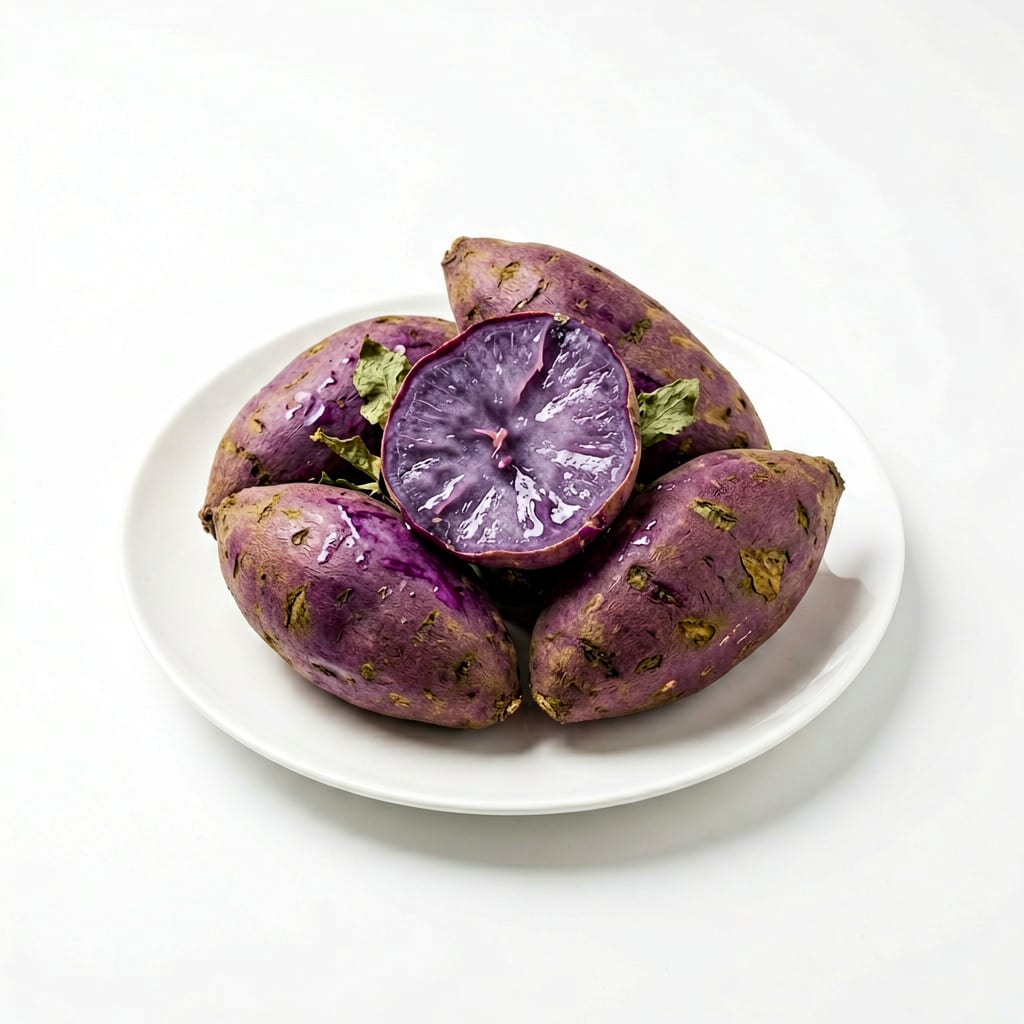
Purple Potato
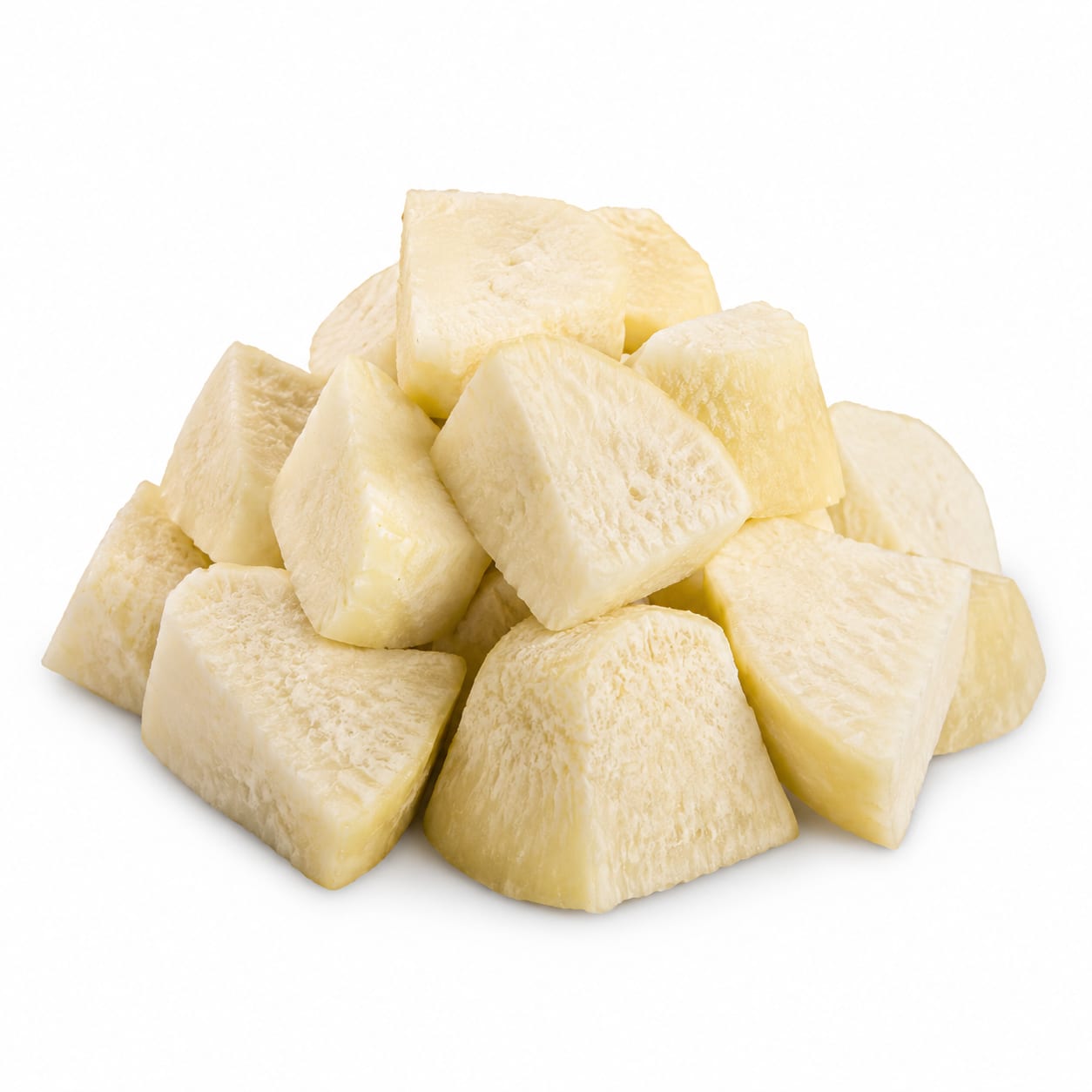
Yam
Purple Potato delivers standout antioxidants and easier prep, while Yam wins on fiber, fullness, and blood sugar stability.
Yam edges ahead slightly due to superior fiber, steadier blood sugar impact, and greater satiety. Purple Potato stays competitive thanks to exceptional antioxidant content that Yam simply cannot match. The close scores reflect that both are nutritious whole foods with different strengths.
Anthocyanin-rich inflammation protection versus higher fiber and steadier energy from Yam.
At a glance
Executive summary
Overall
It depends
Healthier
It depends
More practical
Purple Potato
Daily use
Yam
Key comparison lenses
antioxidant and inflammation protection
Purple Potato is uniquely rich in anthocyanins, making this the most distinctive nutritional difference between these two tubers
blood sugar management
Both are starchy root vegetables, so glycemic impact and diabetes suitability are top-of-mind concerns
digestive health and fiber
Yam offers significantly more fiber, making gut health and satiety a key comparison axis
weight management and satiety
Calorie density and fullness differ meaningfully between these two tubers
safety and preparation
Yam requires thorough cooking to remove natural toxins, while Purple Potato is safer to prepare casually
Best choice for
Purple Potato
- People prioritizing antioxidant intake and anti-inflammatory eating
- Those who want quick, low-fuss meal prep without safety concerns
- Athletes seeking post-workout carb replenishment with recovery benefits
- Anyone eating for cognitive and vascular health
Yam
- People managing diabetes or blood sugar concerns
- Those seeking better satiety and appetite control
- Individuals focused on gut health and digestive regularity
- Anyone following traditional African or Caribbean dietary patterns
Least suitable for
Purple Potato
- People strictly limiting carbohydrate intake
- Those needing maximum fiber per calorie
Yam
- Anyone unfamiliar with proper yam preparation and cooking requirements
- People wanting quick-cooking weeknight sides
Deep comparison
Dimension by dimension
Each lens scores both foods and breaks down who each option suits.
- Dimension 1 · Priority 92Purple Potato
antioxidant_power
Purple Potato · 94Yam · 45Purple Potato is an antioxidant powerhouse thanks to anthocyanins, the same compounds found in blueberries. Yam offers modest antioxidants but nothing comparable.
Tradeoff
You gain significant cellular protection and anti-inflammatory benefits with Purple Potato that Yam cannot replicate.
Why it matters
Anthocyanins support vascular health, cognitive function, and long-term disease prevention in ways that ordinary starches do not.
Real-world impact
Regularly eating Purple Potato instead of Yam is like adding a serving of berries to your diet in terms of antioxidant protection.
Purple Potato
- Reducing chronic inflammation
- Supporting brain health and memory
- Protecting blood vessel integrity
- Adding visual variety that signals nutrient diversity
Better for
- No real downside to high antioxidants, but they degrade with prolonged high-heat cooking
Worse for
Yam
- Situations where antioxidant intake is already sufficient from other foods
Better for
- Missing the unique protective compounds that purple-fleshed vegetables provide
Worse for
- Dimension 2 · Priority 85Yam
blood_sugar_stability
Purple Potato · 62Yam · 78Yam has a lower glycemic index and more fiber, leading to slower digestion and steadier glucose release. Purple Potato digests faster and can cause sharper blood sugar rises.
Tradeoff
Purple Potato gives quicker energy but less metabolic stability. Yam provides a slower, more sustained fuel curve.
Why it matters
Steadier blood sugar means fewer energy crashes, better mood stability, and easier hunger management throughout the day.
Real-world impact
Eating Yam at lunch is less likely to cause a 3pm energy dip compared to Purple Potato.
Purple Potato
- Pre-workout or post-workout when faster carbohydrate availability is actually desired
- Recovering from hypoglycemic episodes
Better for
- Can spike blood sugar more noticeably when eaten alone without protein or fat
Worse for
Yam
- Sustaining energy through long workdays
- Managing prediabetes or type 2 diabetes
- Avoiding afternoon crashes and cravings
Better for
- Not ideal when you need quick-access carbohydrates for immediate energy
Worse for
- Dimension 3 · Priority 80Yam
fiber_and_digestive_health
Purple Potato · 58Yam · 85Yam delivers roughly double the fiber of Purple Potato, making it significantly better for digestion, gut microbiome support, and regularity.
Tradeoff
Choosing Purple Potato means settling for less fiber per serving, which may leave you less full and less regular.
Why it matters
Higher fiber intake correlates with lower disease risk, better weight management, and healthier gut bacteria over time.
Real-world impact
A Yam-based meal keeps you fuller for hours longer than the same portion of Purple Potato.
Purple Potato
- Moments when you want a lighter, less filling side dish
Better for
- Less effective at keeping you full between meals
- Contributes less to daily fiber goals
Worse for
Yam
- Improving digestive regularity
- Feeding beneficial gut bacteria
- Reducing overeating through natural satiety
Better for
- Very high fiber can cause bloating if your body is not accustomed to it
Worse for
- Dimension 4 · Priority 75It depends
nutrient_density
Purple Potato · 76Yam · 78Yam offers more potassium, vitamin B6, and vitamin C per serving. Purple Potato counters with anthocyanins and slightly more iron. Both are solid nutrient sources with different highlights.
Tradeoff
Yam wins on classic vitamins and minerals, while Purple Potato wins on unique phytonutrients that standard nutrition labels do not capture.
Why it matters
Eating a variety of colored vegetables ensures broader nutrient coverage than relying on any single tuber.
Real-world impact
Rotating both in your diet gives you the mineral strength of Yam and the phytonutrient depth of Purple Potato.
Purple Potato
- Boosting iron intake
- Accessing anthocyanin-related health benefits not found in yam
Better for
- Lower in key electrolytes and B vitamins compared to yam
Worse for
Yam
- Meeting potassium needs for blood pressure regulation
- Getting more B6 for energy metabolism and brain function
- Supporting immune function with more vitamin C
Better for
- Lacks the distinctive phytonutrient profile of purple-fleshed varieties
Worse for
- Dimension 5 · Priority 70Purple Potato
safety_and_preparation_ease
Purple Potato · 92Yam · 60Purple Potato is straightforward to cook safely. Some yam varieties contain natural toxins that require thorough cooking to neutralize, creating a meaningful safety consideration.
Tradeoff
Yam demands more careful preparation knowledge, while Purple Potato is essentially foolproof.
Why it matters
Improperly prepared yam can cause nausea, vomiting, or worse. This is not a concern with Purple Potato.
Real-world impact
You can hand Purple Potato to a beginner cook with no warnings. Yam requires a brief safety conversation.
Purple Potato
- Beginner cooks or anyone wanting low-risk meal prep
- Households with children helping in the kitchen
- Quick weeknight cooking without research
Better for
- No meaningful safety downside
Worse for
Yam
- Experienced cooks familiar with traditional yam preparation methods
Better for
- Risk of illness if undercooked, especially with bitter wild varieties
- Requires peeling and extended boiling or roasting to ensure safety
Worse for
Timeline
Health impact over time
Short-term
Hours to days
Purple Potato
- Quick energy from easily digested carbohydrates
- Mild blood sugar rise if eaten without protein or fat
- Visually appealing meals that may improve eating satisfaction
Yam
- Extended fullness from high fiber content
- Steady energy release without sharp glucose spikes
- Possible mild bloating if you rapidly increase fiber intake
Long-term
Months to years
Purple Potato
- Consistent antioxidant intake supporting vascular and cognitive health
- Potential anti-inflammatory benefits from regular anthocyanin consumption
- Possible overreliance on lower-fiber starch if not balanced with other sources
Yam
- Improved digestive regularity and gut microbiome diversity
- Better long-term blood sugar control and diabetes risk reduction
- Support for healthy blood pressure through high potassium intake
Risk profile
Safety & processing
Both Purple Potato and Yam are whole, unprocessed root vegetables. When purchased fresh and cooked at home, neither carries processing concerns. The main distinction is that some packaged yam products, like yam flour, may involve more processing, while Purple Potato is almost always sold whole.
Purple Potato
Solanine from greening
lowLike all potatoes, Purple Potato can develop solanine if stored improperly and exposed to light. Avoid eating any green-tinted portions.
Acrylamide formation
lowHigh-heat cooking like frying can produce acrylamide. Boiling or steaming eliminates this concern entirely.
Yam
Natural toxin exposure from undercooking
mediumSome yam varieties contain dioscorine, a naturally occurring alkaloid that can cause nausea, vomiting, and digestive distress if the yam is not thoroughly cooked. Always peel and boil or roast yam fully before eating.
Confusion with wild yam varieties
mediumWild yam species can be more toxic than cultivated varieties. Purchase yam from reputable grocery sources rather than foraging.
Who wins for whom
Audience fit
Same foods, different winners depending on your goal.
children
Purple PotatoPurple Potato is safer to prepare, cooks quickly, and the vibrant color makes it fun and appealing for kids. No toxin risk from undercooking.
daily consumption
YamYam's fiber, mineral content, and blood sugar stability make it a stronger everyday staple. Purple Potato is best rotated in for its antioxidant benefits rather than used exclusively.
diabetes
YamLower glycemic index and significantly more fiber make Yam gentler on blood sugar, reducing glucose spikes and improving post-meal stability.
elderly
YamYam's superior fiber supports digestive regularity, which becomes increasingly important with age. Higher potassium also helps with blood pressure management.
muscle gain
Purple PotatoFaster-digesting carbohydrates from Purple Potato are more useful post-workout when quick glycogen replenishment supports recovery and growth.
weight loss
YamHigher fiber and lower glycemic impact make Yam more filling per calorie, helping control overall intake throughout the day.
Your move
Decision guide
Choose Purple Potato
- You want maximum antioxidant and anti-inflammatory protection from your starches
- You are feeding children or beginner cooks who need simple, safe preparation
- You need quick post-workout carbohydrate replenishment
- You find the vibrant purple color makes healthy eating more enjoyable
Choose Yam
- Blood sugar management is a top priority for you
- You want to stay fuller longer between meals
- Digestive regularity and gut health are ongoing concerns
- You enjoy traditional African or Caribbean cooking methods
Either works if
- You simply want a nutritious whole-food carbohydrate source
- You are already eating a varied diet with plenty of vegetables and fiber
- Cost and availability are roughly equal in your area
Avoid both if
- You are following a strict very-low-carb or ketogenic diet
- You have a diagnosed sensitivity to nightshades, which affects potatoes specifically
Final recommendation
Eat both. Yam is the stronger daily staple for fiber, fullness, and blood sugar control. Purple Potato is the specialist you bring in for its unmatched antioxidant benefits. Rotating them weekly gives you the metabolic stability of Yam and the cellular protection of Purple Potato without having to choose.
Practical
Consumer tips
- 1
Steam or boil Purple Potato rather than frying to preserve its delicate anthocyanins
- 2
Always peel and thoroughly cook yam before eating to neutralize natural toxins
- 3
Cool cooked Purple Potato before eating to increase resistant starch, which lowers its glycemic impact
- 4
Pair either tuber with a protein source and healthy fat to blunt blood sugar spikes
- 5
Store both in a cool, dark, dry place and never refrigerate potatoes, which alters their texture and sweetness
- 6
Choose firm, unblemished specimens of either vegetable and avoid any with soft spots or sprouting
- 7
If new to cooking yam, start with boiling for at least 20 minutes to ensure safety before trying roasting or mashing