
Nutrition comparison
Purple Potato vs Red Potato: Nutrition, Antioxidants & Best Uses
Comparing Purple Potatoes and Red Potatoes? Discover which offers more antioxidants, how they affect blood sugar, and which is best for your recipes.
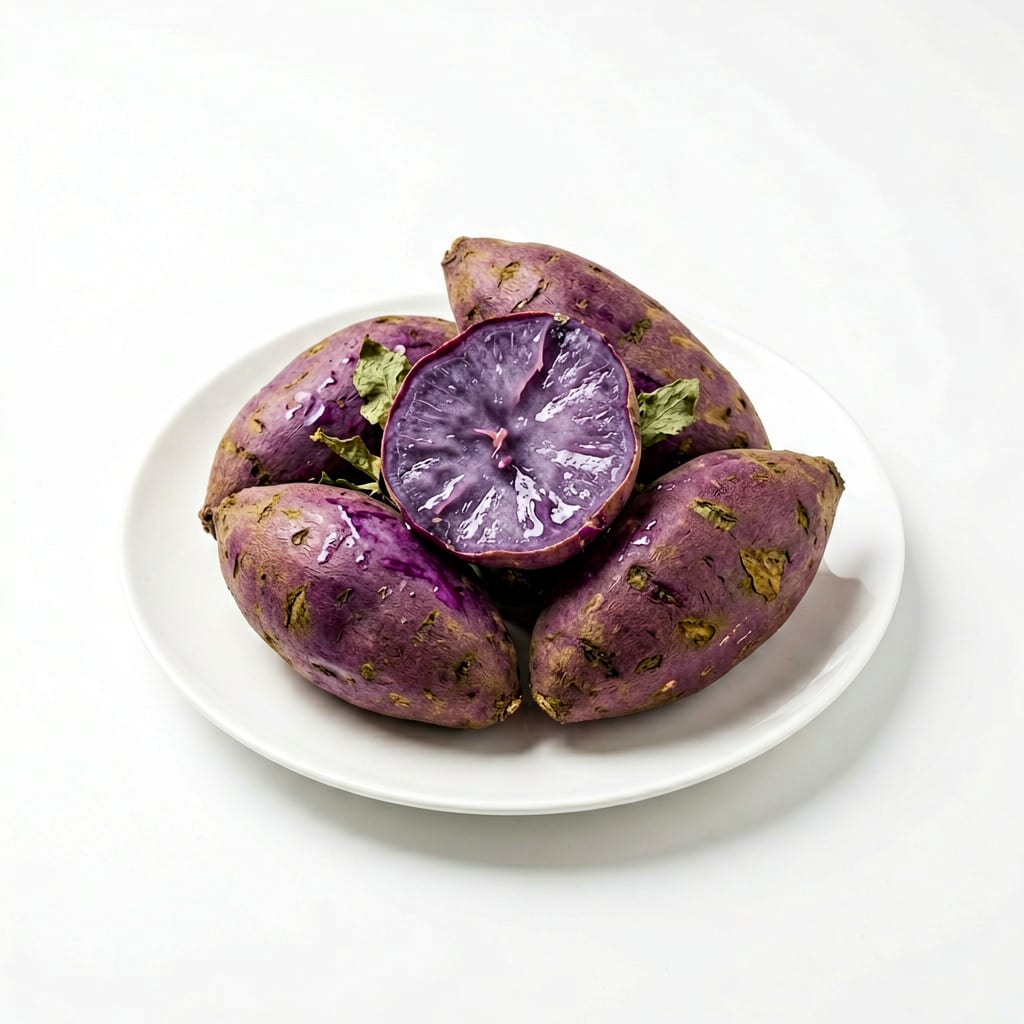
Purple Potato
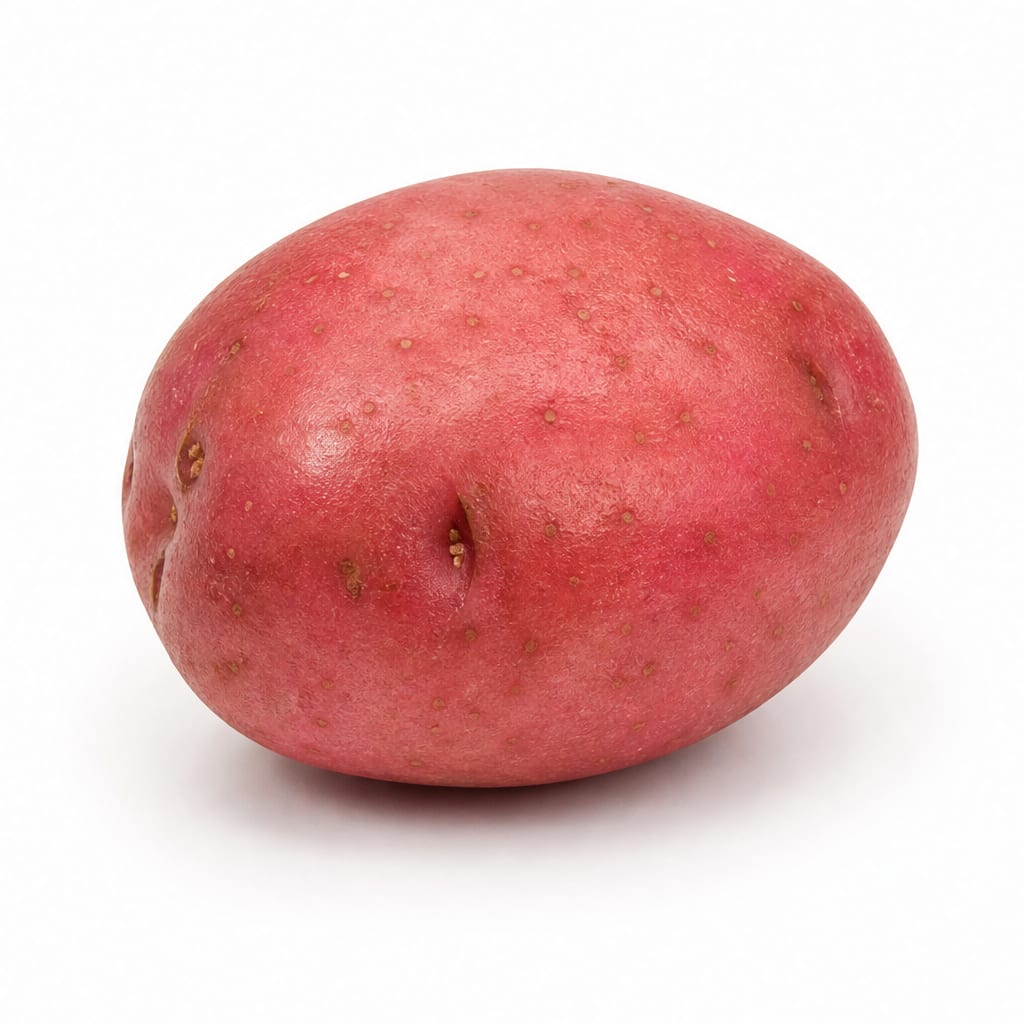
Red Potato
Purple Potatoes offer a significant antioxidant advantage, while Red Potatoes win on everyday culinary versatility and budget.
Purple Potato edges out Red Potato due to its superior antioxidant profile and slightly lower glycemic impact, though both are nutritious whole foods.
Vibrant anthocyanin health boost vs. classic texture and wider recipe compatibility.
At a glance
Executive summary
Overall
It depends
Healthier
Purple Potato
More practical
Red Potato
Daily use
It depends
Key comparison lenses
Antioxidant profile and phytonutrient density
Purple Potatoes are uniquely rich in anthocyanins, making this the most dramatic nutritional difference between the two.
Blood sugar impact and glycemic load
Both are starchy carbohydrates, so understanding how they affect blood sugar is critical for everyday energy and metabolic health.
Culinary versatility and texture
Red Potatoes are a kitchen staple with a firm texture, while Purple Potatoes behave differently and can bleed color into dishes.
Accessibility and budget
Red Potatoes are widely available and cheap, whereas Purple Potatoes are often priced as a specialty item.
Best choice for
Purple Potato
- Boosting antioxidant intake
- Adding visual appeal to meals
- Managing blood sugar slightly better
Red Potato
- Potato salads and roasting
- Budget-friendly staple starch
- Picky eaters who avoid unusual colors
Least suitable for
Purple Potato
- Traditional recipes where purple color looks unappetizing
- Tight grocery budgets
Red Potato
- Maximizing antioxidant consumption
- Low-glycemic dietary plans
Deep comparison
Dimension by dimension
Each lens scores both foods and breaks down who each option suits.
- Dimension 1 · Priority 95Purple Potato
Antioxidant Power
Purple Potato · 95Red Potato · 55Purple Potatoes are packed with anthocyanins, the same antioxidants found in blueberries, giving them a massive edge over Red Potatoes.
Tradeoff
You get a major health upgrade with Purple Potatoes, but the vibrant color can bleed into other ingredients during cooking.
Why it matters
Anthocyanins fight inflammation and oxidative stress, offering long-term cellular protection.
Real-world impact
Eating Purple Potatoes regularly is like taking a mild, food-based anti-inflammatory supplement.
Purple Potato
- Reducing inflammation
- Anti-aging diets
- Colorful meal prep
Better for
- Mixing into light-colored soups or stews
Worse for
Red Potato
- Neutral-colored dishes
- Traditional recipes
Better for
- Maximizing polyphenol intake
Worse for
- Dimension 2 · Priority 80Purple Potato
Blood Sugar Stability
Purple Potato · 72Red Potato · 65Purple Potatoes generally have a slightly lower glycemic index than Red Potatoes, leading to steadier energy.
Tradeoff
The difference is moderate and depends heavily on cooking method and cooling.
Why it matters
Lower GI means fewer energy crashes and better hunger control between meals.
Real-world impact
You might notice less of an afternoon slump when choosing Purple Potatoes over Red.
Purple Potato
- Pre-diabetics
- Steady energy seekers
Better for
- Those needing rapid carb replenishment
Worse for
Red Potato
- Post-workout carb loading
Better for
- Sensitive blood sugar management
Worse for
- Dimension 3 · Priority 75Red Potato
Culinary Versatility and Texture
Purple Potato · 60Red Potato · 85Red Potatoes have a firm, waxy texture that holds up beautifully to boiling and roasting, while Purple Potatoes can turn mushy or bleed color.
Tradeoff
Red Potatoes integrate seamlessly into any dish, whereas Purple Potatoes are a specialty ingredient that dominates visually.
Why it matters
Food only works if you enjoy eating it and cooking with it consistently.
Real-world impact
Red Potatoes are your reliable go-to for potato salad; Purple Potatoes might turn your mayo blue.
Purple Potato
- Visually stunning dinner parties
- Kids who like fun colors
Better for
- Classic potato salad
- Creamy chowders
Worse for
Red Potato
- Potato salads
- Soups
- Breakfast hash
Better for
- Instagram-worthy plating
Worse for
- Dimension 4 · Priority 70It depends
Micronutrient Density
Purple Potato · 78Red Potato · 76Both are excellent sources of potassium and vitamin C, but their unique phytonutrient profiles differ.
Tradeoff
Purple offers more anthocyanins; Red offers slightly more accessible everyday minerals depending on soil quality.
Why it matters
Diverse micronutrient intake supports overall vitality and immune function.
Real-world impact
Rotating both gives you the broadest spectrum of vitamins and minerals.
Purple Potato
- Polyphenol intake
- Cellular defense
Better for
- Those seeking standard macro/micro profiles without novelty
Worse for
Red Potato
- Potassium-focused diets
- General vitamin C needs
Better for
- Diverse antioxidant consumption
Worse for
Timeline
Health impact over time
Short-term
Hours to days
Purple Potato
- Quick satisfying energy
- Visually stimulating which can improve appetite
- Slight blood sugar advantage if cooled after cooking
Red Potato
- Reliable energy boost
- Very filling and comforting
- Firm texture aids in satisfying chewing
Long-term
Months to years
Purple Potato
- Reduced inflammation from anthocyanins
- Better blood pressure regulation
- Improved cellular health
Red Potato
- Consistent potassium intake for heart health
- Steady vitamin C for immunity
- Sustainable everyday carb source
Risk profile
Safety & processing
Both Purple and Red Potatoes are whole, unprocessed root vegetables with no artificial additives.
Purple Potato
Solanine toxicity
lowLike all potatoes, greening indicates solanine buildup; peel or discard green areas.
Red Potato
Solanine toxicity
lowStandard potato risk; store in a cool, dark place to prevent greening.
Who wins for whom
Audience fit
Same foods, different winners depending on your goal.
children
It dependsPurple Potatoes are fun and visually engaging for kids, but Red Potatoes are more familiar and less likely to be rejected by picky eaters.
daily consumption
Red PotatoRed Potatoes are cheaper, easier to find, and blend into everyday meals without turning dishes an unexpected color.
diabetes
Purple PotatoThe anthocyanins and slightly lower GI help blunt blood sugar spikes more effectively than Red Potatoes.
elderly
Purple PotatoThe extra anti-inflammatory compounds in Purple Potatoes support joint and cardiovascular health in aging bodies.
muscle gain
Red PotatoRed Potatoes are slightly more accessible as a quick-digesting post-workout carb source without the color interference in meal prep.
weight loss
Purple PotatoSlightly lower glycemic index and higher antioxidant content can support metabolism and reduce inflammation-related water retention.
Your move
Decision guide
Choose Purple Potato
- You want to maximize your antioxidant intake from carbs
- You are focusing on anti-inflammatory eating patterns
- You want to add visual excitement to your plate
Choose Red Potato
- You are making potato salad, soup, or hash
- You want a reliable, budget-friendly staple starch
- You are cooking for people skeptical of unusually colored food
Either works if
- You need a healthy, filling carbohydrate source
- You are meal-prepping baked potatoes
Avoid both if
- You are on a strict very-low-carb or keto diet
- You have severe nightshade sensitivities
Final recommendation
Choose Purple Potatoes when your focus is on boosting antioxidants and fighting inflammation, but stick with Red Potatoes for everyday cooking, meal prep, and classic recipes where texture and neutral color matter most.
Practical
Consumer tips
- 1
Maximize the blood sugar benefits of either potato by cooking, cooling, and reheating them to increase resistant starch.
- 2
Store both in a cool, dark, dry place to prevent sprouting and solanine development.
- 3
If cooking Purple Potatoes, add a splash of lemon juice or vinegar to help set the color and prevent it from turning muddy.
- 4
Leave the skin on both varieties to get the most fiber and nutrients.