
Nutrition comparison
Purple Potato vs Sweet Potato: Which Is Healthier?
Compare Purple Potato and Sweet Potato on antioxidants, blood sugar impact, vitamins, and practicality. Learn which root vegetable fits your health goals best.
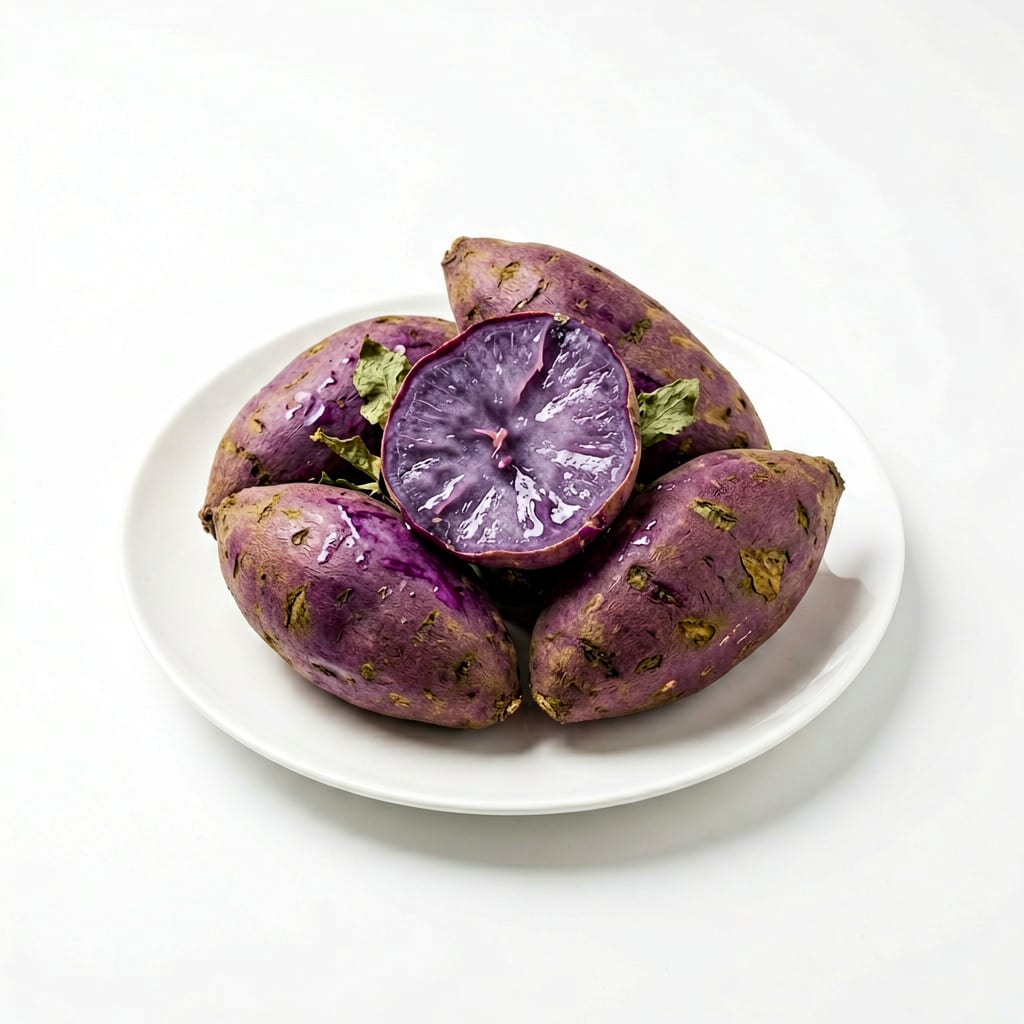
Purple Potato
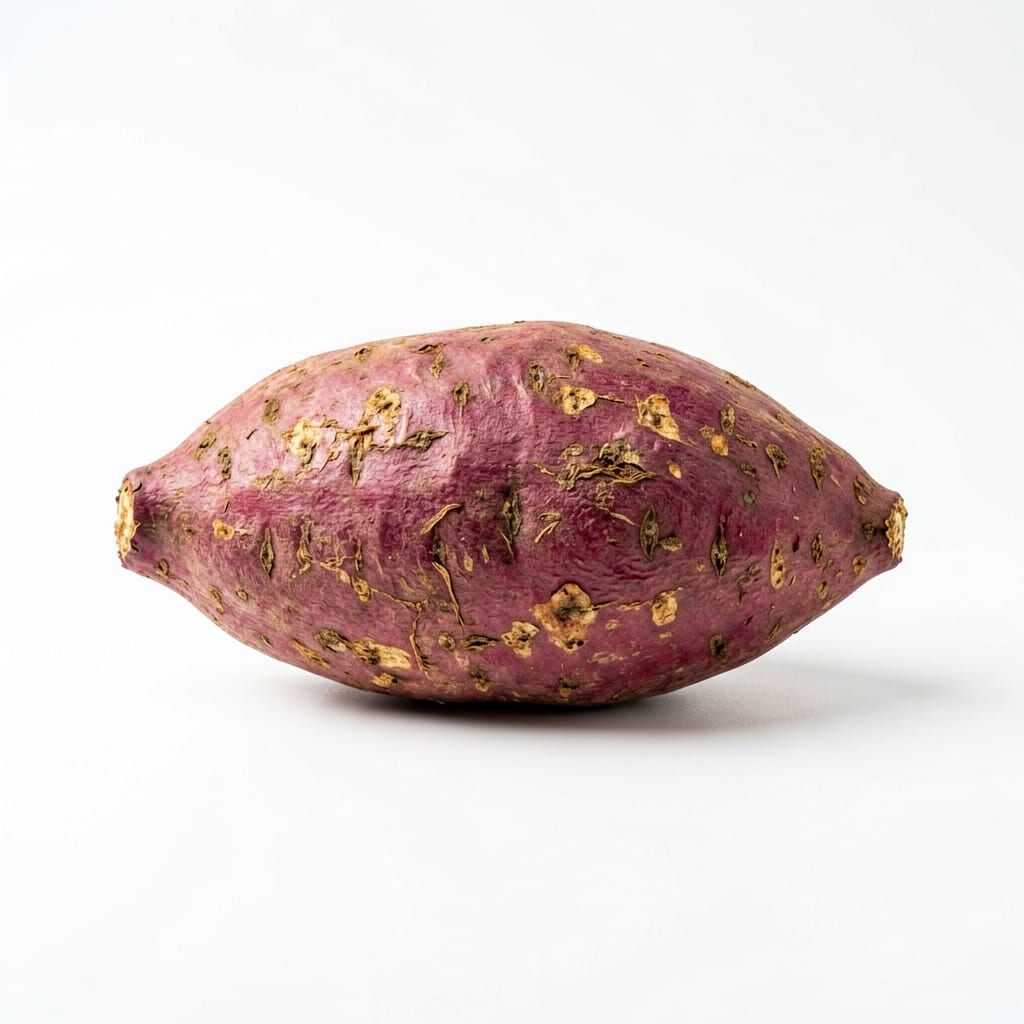
Sweet Potato
Sweet Potato wins on vitamin A, availability, and everyday practicality. Purple Potato wins on unique anthocyanin antioxidants and slightly lower sugar content. Both are excellent carb choices — the best pick depends on what nutrient gap you are filling.
Sweet Potato scores higher due to its exceptional vitamin A content, wider availability, and stronger evidence base for daily use. Purple Potato is nutritionally excellent but harder to find regularly and lacks the vitamin A powerhouse factor. The gap is modest — both are top-tier carb choices.
Beta-carotene and natural sweetness from Sweet Potato versus anthocyanin antioxidants and milder flavor from Purple Potato.
At a glance
Executive summary
Overall
It depends
Healthier
It depends
More practical
Sweet Potato
Daily use
Sweet Potato
Key comparison lenses
antioxidant type comparison
Purple Potato delivers anthocyanins while Sweet Potato delivers beta-carotene — two fundamentally different antioxidant families with different health benefits
blood sugar management
Both are starchy root vegetables, so glycemic impact and diabetes suitability are top-of-mind for most users
vitamin A needs
Sweet Potato is one of the best dietary sources of beta-carotene, making this a decisive nutritional differentiator
everyday availability and cost
Sweet Potato is ubiquitous and affordable; Purple Potato is harder to find and often pricier, affecting long-term sustainability
weight management
Both are filling carb sources, but calorie density and satiety profiles differ enough to matter for weight-conscious eaters
Best choice for
Purple Potato
- People wanting diverse antioxidant coverage beyond carotenoids
- Those watching sugar intake who still want a satisfying starch
- Anyone eating plenty of orange vegetables already and needing color variety
- Home cooks exploring vibrant, Instagram-worthy meals
Sweet Potato
- Anyone needing more vitamin A in their diet
- People managing blood sugar who want a lower-GI starch option
- Families wanting an affordable, widely available healthy carb
- Those who prefer naturally sweet flavors without added sugar
Least suitable for
Purple Potato
- People on tight grocery budgets with limited store access
- Anyone needing high vitamin A intake from food sources
- Those who dislike earthy, mild flavors
Sweet Potato
- People already exceeding vitamin A intake from supplements or liver
- Those strictly limiting carbohydrate or sugar intake
- Anyone tired of sweet flavors in savory meals
Deep comparison
Dimension by dimension
Each lens scores both foods and breaks down who each option suits.
- Dimension 1 · Priority 92It depends
antioxidant_diversity
Purple Potato · 88Sweet Potato · 85Purple Potato brings anthocyanins — the same family found in blueberries — while Sweet Potato brings beta-carotene. They protect your body in different ways.
Tradeoff
Anthocyanins support brain and vascular health; beta-carotene supports vision, skin, and immune function. Neither is objectively superior — they serve different systems.
Why it matters
Most people eat too few colorful plants. Choosing based on what colors you already eat helps fill antioxidant gaps.
Real-world impact
If your plate is already orange-heavy with carrots and squash, Purple Potato adds missing purple-blue protection. If you eat berries daily, Sweet Potato covers the orange gap.
Purple Potato
- Brain health and cognitive aging support
- Vascular and circulatory protection
- Anti-inflammatory benefits beyond carotenoids
Better for
- Does not meaningfully contribute to vitamin A needs
Worse for
Sweet Potato
- Eye health and night vision
- Skin repair and immune resilience
- Vitamin A deficiency prevention
Better for
- Lacks anthocyanin-class antioxidant protection
Worse for
- Dimension 2 · Priority 88Sweet Potato
blood_sugar_stability
Purple Potato · 72Sweet Potato · 80Sweet Potato has a lower glycemic index, especially when boiled and cooled. Purple Potato digests a bit faster, causing a quicker blood sugar rise.
Tradeoff
Sweet Potato provides steadier, longer-lasting energy. Purple Potato gives faster energy but with a sharper rise and fall.
Why it matters
For anyone managing diabetes, prediabetes, or afternoon energy crashes, the slower carb release from Sweet Potato makes daily life easier.
Real-world impact
A Sweet Potato at lunch keeps you satisfied until dinner. A Purple Potato might leave you reaching for a snack by 3pm.
Purple Potato
- Pre-workout quick energy when you need carbs fast
Better for
- Sharper blood sugar spike may trigger cravings later
Worse for
Sweet Potato
- Sustained energy through long afternoons
- Diabetes and insulin resistance management
- Avoiding post-meal drowsiness
Better for
- Natural sugars can add up if you eat large portions
Worse for
- Dimension 3 · Priority 85Sweet Potato
vitamin_and_mineral_density
Purple Potato · 70Sweet Potato · 90Sweet Potato is a vitamin A superstar — a single serving can deliver over 100% of your daily need. Purple Potato offers decent potassium and vitamin C but cannot compete on overall micronutrient impact.
Tradeoff
Sweet Potato dominates vitamin A so thoroughly that it changes the nutritional value of your entire meal. Purple Potato is more balanced but less exceptional in any single vitamin.
Why it matters
Vitamin A deficiency is surprisingly common, especially in people eating limited animal products. Sweet Potato is one of the easiest fixes.
Real-world impact
Eating Sweet Potato a few times a week can meaningfully improve your vitamin A status. Purple Potato supports general health but does not solve a specific nutrient gap as dramatically.
Purple Potato
- Potassium intake for blood pressure management
- Balanced micronutrient spread without dominance of one vitamin
Better for
- Negligible vitamin A contribution
Worse for
Sweet Potato
- Dramatically boosting vitamin A intake
- Supporting immune function during cold season
- Improving skin health from the inside out
Better for
- Very high beta-carotene can cause skin yellowing with extreme intake
Worse for
- Dimension 4 · Priority 78Sweet Potato
satiety_and_fullness
Purple Potato · 74Sweet Potato · 82Sweet Potato keeps you fuller for longer thanks to its fiber content and slower digestion. Purple Potato is filling but the satiety fades sooner.
Tradeoff
Sweet Potato is the better stay-full choice. Purple Potato satisfies initially but may require protein or fat pairing to go the distance.
Why it matters
If you are trying to eat less between meals, the food that keeps you full longer is the one you will actually stick with.
Real-world impact
A Sweet Potato with a protein source makes a complete, satisfying meal. A Purple Potato alone might leave you hungry again within two hours.
Purple Potato
- Lighter meals where you want satisfied but not stuffed
Better for
- May require larger portions or added fat to feel satisfied
Worse for
Sweet Potato
- Weight loss efforts relying on natural fullness
- Long gaps between meals
- Reducing evening snacking urges
Better for
- Can feel heavy if eaten in large quantities before exercise
Worse for
- Dimension 5 · Priority 75Sweet Potato
availability_and_affordability
Purple Potato · 45Sweet Potato · 92Sweet Potato is available in virtually every grocery store year-round at low cost. Purple Potato requires specialty stores or farmers markets and costs significantly more.
Tradeoff
Sweet Potato is an everyday food for everyone. Purple Potato is more of a specialty item that requires effort and budget to eat regularly.
Why it matters
The healthiest food is the one you can actually buy and eat consistently. Availability often determines long-term success more than nutrition profiles.
Real-world impact
You can find Sweet Potato at any corner store. Finding Purple Potato might mean a separate trip to a specialty grocer, which makes regular consumption harder.
Purple Potato
- Special occasion meals where visual impact matters
- Farmers market shoppers who enjoy variety
Better for
- Hard to find in many regions
- Often 2-3x more expensive per pound
Worse for
Sweet Potato
- Weekly meal prep on a budget
- Rural areas with limited grocery options
- Consistent daily or weekly consumption
Better for
- Less visually exciting for repetitive meal plans
Worse for
- Dimension 6 · Priority 72Sweet Potato
culinary_versatility
Purple Potato · 68Sweet Potato · 82Sweet Potato works in sweet and savory dishes alike — roasting, mashing, baking, soups, even desserts. Purple Potato is versatile but its earthy flavor and color shift limit some applications.
Tradeoff
Sweet Potato adapts to nearly any recipe. Purple Potato shines in specific dishes but can look unappetizing when the purple bleeds into other ingredients.
Why it matters
If you eat the same food multiple times a week, versatility prevents boredom and makes healthy eating sustainable.
Real-world impact
Sweet Potato can be breakfast hash, lunch soup, or dinner mash. Purple Potato is best as a roasted side or salad component where its color is the star.
Purple Potato
- Visual showpiece dishes and entertaining
- Potato salads with a twist
- Roasted medleys with other root vegetables
Better for
- Color bleeds into soups and stews unpredictably
- Does not work well in sweet recipes
Worse for
Sweet Potato
- Sweet and savory recipe crossover
- Baby-led weaning and toddler meals
- Comfort food preparations like pies and casseroles
Better for
- Natural sweetness clashes with some savory flavor profiles
Worse for
Timeline
Health impact over time
Short-term
Hours to days
Purple Potato
- Provides quick starchy energy for active periods
- Mild blood sugar rise within 30-60 minutes of eating
- Anthocyanins begin anti-inflammatory work shortly after consumption
Sweet Potato
- Steady, slow-releasing energy that avoids sharp crashes
- Natural sweetness can satisfy sugar cravings without dessert
- Beta-carotene absorption improves significantly when eaten with fat
Long-term
Months to years
Purple Potato
- Regular anthocyanin intake may support cognitive preservation with aging
- Consistent potassium intake helps maintain healthy blood pressure
- Antioxidant diversity from purple pigments may reduce chronic disease markers
Sweet Potato
- Sustained vitamin A intake protects vision and reduces infection risk over years
- Lower glycemic load with regular consumption supports metabolic health
- Fiber from regular intake promotes gut microbiome diversity
Risk profile
Safety & processing
Both Purple Potato and Sweet Potato are whole, unprocessed root vegetables. When bought fresh and cooked at home, neither carries additive concerns. The main risk comes from packaged pre-cut or frozen versions that may contain preservatives or added sugars — always check labels on processed forms.
Purple Potato
Solanine exposure from greening
lowLike all potatoes, Purple Potato can develop solanine if exposed to light and turning green. Trim green areas thoroughly or discard the potato.
Pesticide residue on conventionally grown
mediumPotatoes are typically treated with fungicides and pesticides during growing and storage. Washing and peeling reduces exposure, but choosing organic is more impactful for potatoes than many other vegetables.
Sweet Potato
Mold and spoilage from improper storage
mediumSweet Potato is prone to soft rot and mold in damp or cold conditions. Store in a cool, dry, dark place — never the refrigerator, which accelerates decay.
Pesticide residue on conventionally grown
lowSweet Potato typically tests lower for pesticide residues than regular potatoes, making organic less critical but still preferable if budget allows.
Who wins for whom
Audience fit
Same foods, different winners depending on your goal.
children
Sweet PotatoSweet Potato's natural sweetness appeals to kids, its soft texture works for all ages, and the vitamin A content supports growing immune systems and eyesight.
daily consumption
Sweet PotatoAffordability, availability, and nutritional consistency make Sweet Potato the more sustainable daily staple. Purple Potato is better as a rotational addition for antioxidant variety.
diabetes
Sweet PotatoSweet Potato has a lower glycemic index and more fiber, leading to gentler blood sugar responses. Boiled and cooled Sweet Potato develops resistant starch that further blunts glucose spikes.
elderly
Sweet PotatoSweet Potato is easier to digest when cooked soft, provides critical vitamin A for aging eyes, and the fiber helps prevent constipation — a common concern in older adults.
muscle gain
Purple PotatoPurple Potato digests faster, delivering carbs to muscles more quickly after training. The quicker glycogen replenishment supports recovery when timing matters.
weight loss
Sweet PotatoSweet Potato provides longer-lasting fullness with slightly fewer calories per serving when boiled, making it easier to control portions and avoid between-meal snacking.
Your move
Decision guide
Choose Purple Potato
- You already eat plenty of orange vegetables and want antioxidant diversity
- You need quick pre-workout carbs that digest easily
- You find Purple Potato at a good price and want to add visual excitement to meals
- You are focused on brain and vascular health specifically
Choose Sweet Potato
- You want the most nutrient-dense carb for your grocery dollar
- You need more vitamin A in your diet
- You are managing blood sugar, diabetes, or insulin resistance
- You want one reliable starch to eat multiple times per week
- You are feeding kids who gravitate toward sweeter flavors
Either works if
- You simply want a whole-food carb instead of refined grains
- You are meal-prepping roasted vegetables for the week
- You are mixing root vegetables for nutrient and color variety
Avoid both if
- You are on a strict very-low-carb or ketogenic diet
- You have a nightshade sensitivity that includes potatoes (Purple Potato only)
- You are eating excessive starchy carbs already and need to reduce overall carbohydrate load
Final recommendation
Make Sweet Potato your everyday staple and rotate in Purple Potato when you find it fresh and reasonably priced. This gives you the vitamin A reliability of Sweet Potato with the anthocyanin boost from Purple Potato — the best of both worlds without having to choose.
Practical
Consumer tips
- 1
Pair Sweet Potato with a fat source like olive oil or avocado — beta-carotene absorption increases dramatically with fat present
- 2
Cool cooked Sweet Potato or Purple Potato before eating to increase resistant starch, which feeds gut bacteria and lowers the glycemic response
- 3
Store Sweet Potato in a cool, dark, dry cabinet — never the fridge, which creates hard centers and off-flavors
- 4
Choose firm, unblemished Purple Potato with no green tinge — greening means solanine buildup and should be trimmed or discarded
- 5
If Purple Potato is hard to find, purple sweet potato is a hybrid option that combines anthocyanins with beta-carotene in one vegetable
- 6
Wash both thoroughly but consider keeping the skin on — a significant portion of fiber and antioxidants lives in or near the peel