
Nutrition comparison
Purple Potato vs Taro: Which Root Vegetable Is Healthier for You?
Compare Purple Potato and Taro nutrition, antioxidants, blood sugar impact, and safety. Find out which starchy root vegetable fits your health goals better.
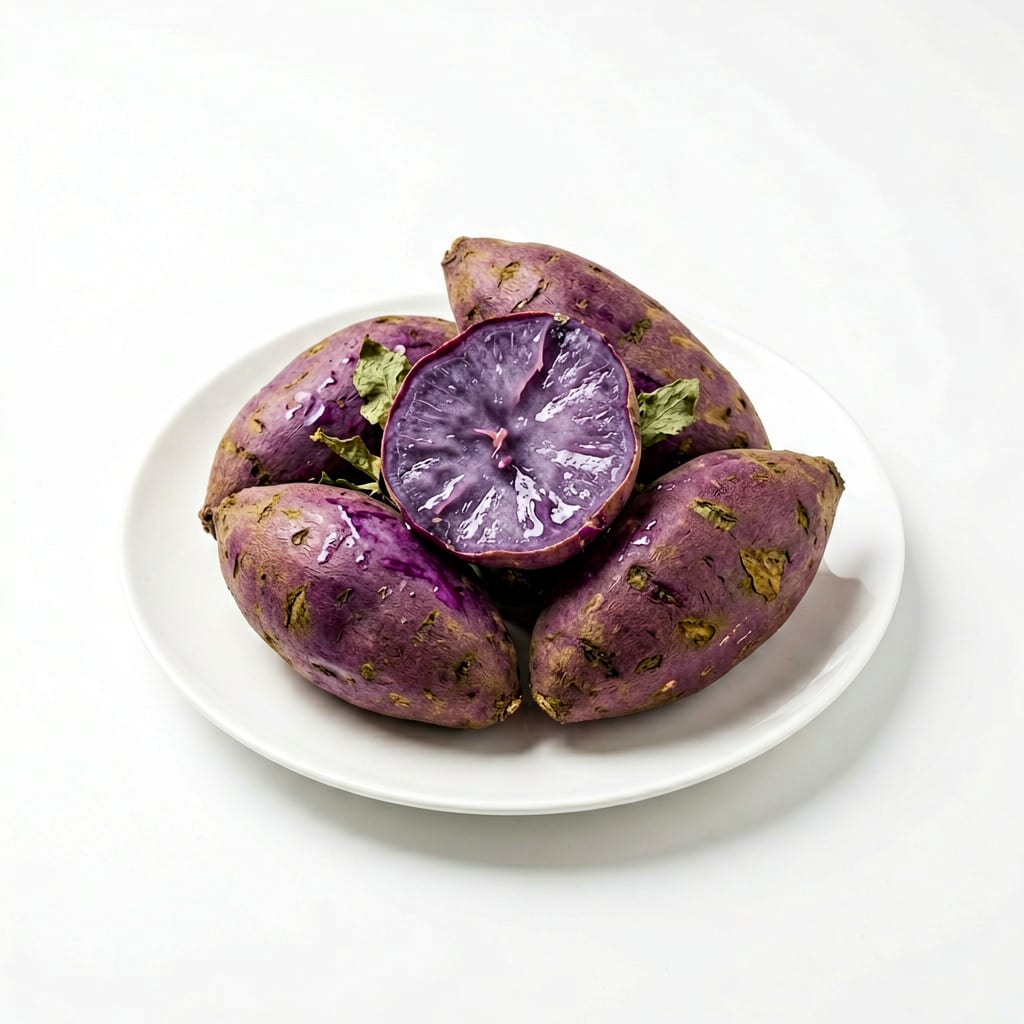
Purple Potato
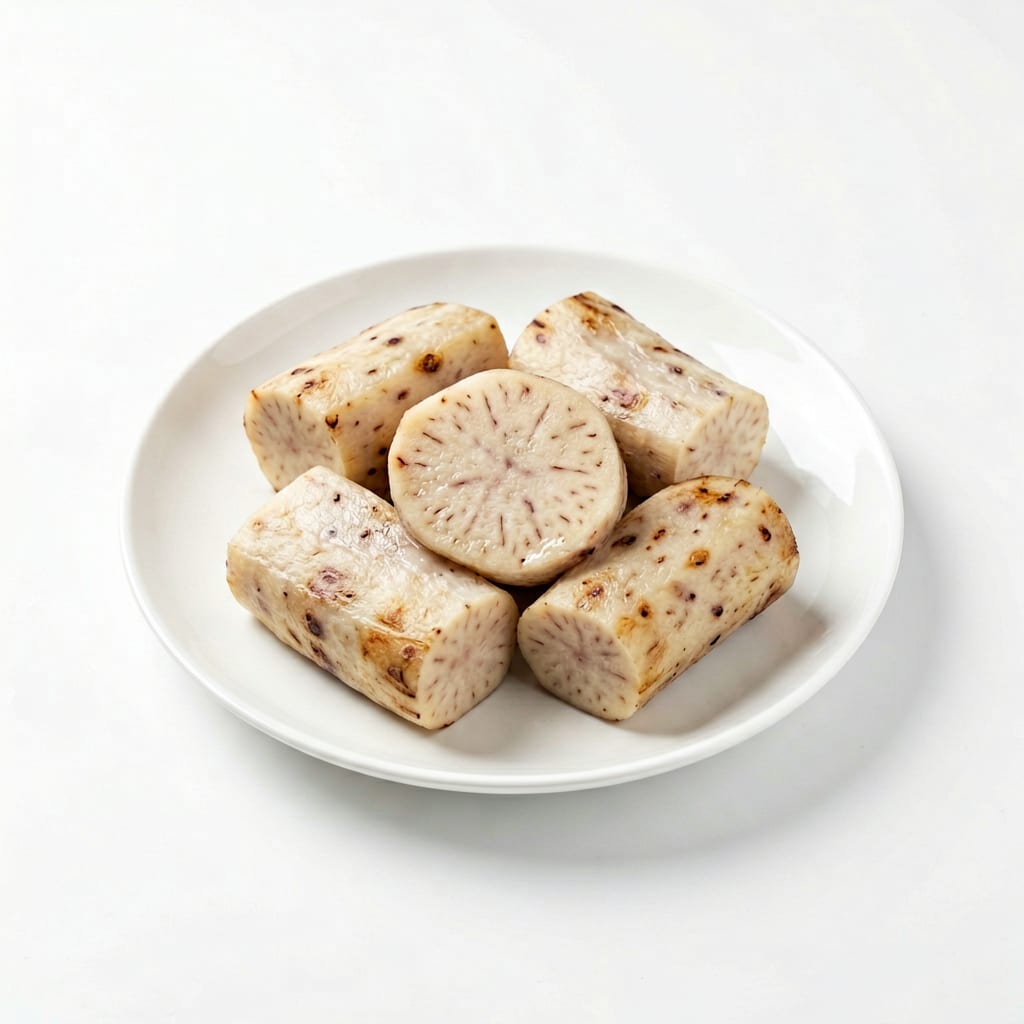
Taro
Purple Potato delivers more antioxidants and easier prep, while Taro offers steadier blood sugar and better gut-feeding fiber. Pick based on what your body needs most.
Purple Potato edges ahead slightly due to its antioxidant richness and zero safety concerns, but Taro's blood sugar and gut health advantages make it nearly equal. The right choice depends entirely on your health priorities.
Antioxidant power and convenience versus blood sugar stability and digestive benefits
At a glance
Executive summary
Overall
It depends
Healthier
It depends
More practical
Purple Potato
Daily use
Taro
Key comparison lenses
blood sugar management and glycemic impact
Both are starchy root vegetables, so how they affect blood sugar is the top concern for most people choosing between them
antioxidant and phytonutrient value
Purple Potato's anthocyanins are its signature benefit, making this a key differentiator
safety and preparation requirements
Taro contains calcium oxalate and must be cooked properly, which is a critical real-world concern
digestive health and gut friendliness
Taro's resistant starch and fiber profile makes it notable for gut health
everyday convenience and ease of use
Preparation difficulty differs significantly between these two foods
Best choice for
Purple Potato
- People wanting antioxidant protection and anti-inflammatory benefits
- Busy cooks who want a root vegetable with no special prep
- Anyone managing oxidative stress or looking for colorful plate variety
- Kids who need a fun, visually appealing vegetable
Taro
- People managing blood sugar or insulin resistance
- Those prioritizing gut health and digestive regularity
- Anyone eating a low-inflammation, high-fiber diet
- People following Pacific Island or Asian traditional diets
Least suitable for
Purple Potato
- People strictly limiting carbohydrate intake
- Those needing the lowest possible glycemic root vegetable option
Taro
- Anyone unfamiliar with proper taro preparation (raw taro is toxic)
- People with oxalate sensitivity or kidney stone history
- Impatient cooks who skip thorough cooking steps
Deep comparison
Dimension by dimension
Each lens scores both foods and breaks down who each option suits.
- Dimension 1 · Priority 90Purple Potato
antioxidant and phytonutrient content
Purple Potato · 92Taro · 45Purple Potato is an antioxidant powerhouse thanks to its anthocyanins, the same compounds found in blueberries. Taro has modest antioxidant content by comparison.
Tradeoff
You give up significant antioxidant protection if you choose Taro over Purple Potato
Why it matters
Anthocyanins reduce inflammation, protect blood vessels, and support brain health over time
Real-world impact
Regularly eating Purple Potato instead of Taro is like adding a serving of berries to your day in terms of antioxidant intake
Purple Potato
- Reducing chronic inflammation
- Supporting cardiovascular health
- Getting visible, colorful nutrition on your plate
Better for
Taro
- Long-term antioxidant protection
- Anti-inflammatory dietary patterns
Worse for
- Dimension 2 · Priority 92Taro
blood sugar stability
Purple Potato · 62Taro · 81Taro has a lower glycemic index and more resistant starch, leading to slower, steadier blood sugar rise. Purple Potato, while better than white potato, still causes a faster glucose spike.
Tradeoff
Purple Potato gives you quicker energy but less stable blood sugar compared to Taro
Why it matters
Steadier blood sugar means fewer energy crashes, less cravings, and better metabolic health over time
Real-world impact
After eating Taro, you feel satisfied longer without the mid-afternoon energy dip that can follow Purple Potato
Purple Potato
- Pre-workout energy when you need faster fuel
Better for
- Blood sugar management
- Sustained satiety
Worse for
Taro
- Managing diabetes or prediabetes
- Avoiding afternoon energy crashes
- Reducing cravings between meals
Better for
- Quick energy availability before exercise
Worse for
- Dimension 3 · Priority 82Taro
digestive health and gut fiber
Purple Potato · 65Taro · 84Taro is richer in both total fiber and resistant starch, which feeds beneficial gut bacteria. Purple Potato has decent fiber but less of the gut-nourishing resistant starch.
Tradeoff
Taro feeds your gut microbiome more effectively, while Purple Potato still offers moderate fiber benefits
Why it matters
Resistant starch acts like soluble fiber, producing short-chain fatty acids that protect your colon and improve digestion
Real-world impact
Eating Taro regularly can improve bowel regularity and support a healthier gut environment over weeks
Purple Potato
- Maximizing gut microbiome benefits
Worse for
Taro
- Feeding beneficial gut bacteria
- Improving bowel regularity
- Supporting long-term colon health
Better for
- Dimension 4 · Priority 85Purple Potato
safety and preparation ease
Purple Potato · 95Taro · 50Purple Potato can be cooked any way you like with zero toxicity risk. Raw Taro contains calcium oxalate crystals that cause mouth and throat burning, and it must always be thoroughly cooked.
Tradeoff
Taro requires careful handling and full cooking, while Purple Potato is forgiving and safe even slightly undercooked
Why it matters
Improperly prepared Taro can cause painful mouth irritation and throat swelling, making it risky for inexperienced cooks
Real-world impact
You can microwave a Purple Potato in minutes with no worries. Taro demands peeling, soaking, and thorough cooking every single time.
Purple Potato
- Quick weeknight meals
- Safe cooking for beginners
- Worry-free meal prep
Better for
Taro
- Beginner cooks
- Quick meal preparation
- Households with children who might sample raw ingredients
Worse for
- Dimension 5 · Priority 70It depends
mineral and vitamin density
Purple Potato · 72Taro · 74Purple Potato offers more vitamin C and potassium, while Taro provides more vitamin E, vitamin B6, and manganese. Both are solid but in different ways.
Tradeoff
Purple Potato supports immune function and blood pressure, while Taro supports skin health and energy metabolism
Why it matters
Neither is a complete nutrient source, so your choice should complement what else you eat regularly
Real-world impact
If your diet lacks vitamin C, Purple Potato helps more. If you need more B vitamins and manganese, Taro fills that gap better.
Purple Potato
- Boosting vitamin C intake
- Supporting healthy blood pressure with potassium
Better for
- B vitamin coverage
Worse for
Taro
- Increasing vitamin E for skin health
- Getting more B6 for energy metabolism
Better for
- Vitamin C contribution
Worse for
- Dimension 6 · Priority 78Taro
satiety and fullness
Purple Potato · 68Taro · 80Taro's denser starch and higher fiber content make it more filling per serving. Purple Potato satisfies well but leaves you hungry sooner.
Tradeoff
Taro keeps you full longer but feels heavier in the stomach, while Purple Potato feels lighter
Why it matters
Better satiety means less snacking between meals and easier portion control overall
Real-world impact
A Taro-based lunch keeps you full until dinner. A Purple Potato lunch may have you reaching for a snack by 3pm.
Purple Potato
- Lighter meals when you do not want to feel stuffed
Better for
- Long-lasting fullness
Worse for
Taro
- Staying full between meals
- Reducing overall daily calorie intake through better satiety
Better for
- Feeling light after eating
Worse for
Timeline
Health impact over time
Short-term
Hours to days
Purple Potato
- Provides quick, satisfying energy from complex carbs
- Anthocyanins offer immediate antioxidant support after eating
- Moderate blood sugar rise that peaks within an hour
Taro
- Slow, steady energy release without sharp blood sugar spikes
- High satiety that reduces hunger for hours
- Risk of mouth irritation if not cooked thoroughly enough
Long-term
Months to years
Purple Potato
- Regular anthocyanin intake supports heart and brain health
- Consistent potassium intake helps maintain healthy blood pressure
- Antioxidant protection may reduce visible signs of aging
Taro
- Resistant starch feeds gut bacteria and may lower colon cancer risk over time
- Stable blood sugar patterns support metabolic health long-term
- Calcium oxalate load may contribute to kidney stones in susceptible people if consumed very frequently
Risk profile
Safety & processing
Both Purple Potato and Taro are whole, unprocessed root vegetables you buy as-is. Neither comes with additives or preservatives when purchased fresh. The only processing concern is that some packaged taro products like taro chips or frozen taro may contain added oils or sodium.
Purple Potato
Solanine from green spots
lowLike all potatoes, green patches indicate solanine buildup. Simply cut away any green areas before cooking.
Acrylamide formation when fried at high heat
mediumFrying or roasting Purple Potato at very high temperatures can produce acrylamide. Boiling or steaming avoids this entirely.
Taro
Calcium oxalate toxicity from raw or undercooked taro
highRaw Taro contains needle-shaped calcium oxalate crystals that cause immediate burning, swelling, and irritation in the mouth and throat. Always peel and cook thoroughly before eating.
Kidney stone aggravation from oxalates
mediumEven cooked Taro retains some oxalates. People with a history of calcium oxalate kidney stones should moderate their intake.
Skin irritation during peeling
mediumHandling raw Taro with bare hands can cause itching and irritation. Wear gloves or peel under running water.
Who wins for whom
Audience fit
Same foods, different winners depending on your goal.
children
Purple PotatoPurple Potato is safer to prepare, has no toxicity risk, and its bright color makes it fun and appealing for kids
daily consumption
TaroTaro's metabolic and digestive advantages make it a slightly better everyday staple, provided you are comfortable with the preparation requirements
diabetes
TaroTaro's lower glycemic index and higher resistant starch create a much gentler blood sugar response
elderly
TaroTaro's gut-friendly fiber and steady blood sugar support are especially valuable for older adults managing digestion and metabolism
muscle gain
Purple PotatoPurple Potato provides faster-digesting carbs that are more useful for post-workout glycogen replenishment
weight loss
TaroTaro's higher fiber and resistant starch keep you full longer, making it easier to eat fewer calories overall without feeling deprived
Your move
Decision guide
Choose Purple Potato
- You want maximum antioxidant benefits from your starches
- You value quick, easy preparation with no safety worries
- You are feeding kids or cooking for inexperienced home cooks
- You need pre-workout carbs that digest a bit faster
- You love colorful, visually striking meals
Choose Taro
- You are managing blood sugar, insulin resistance, or diabetes
- Gut health and digestive regularity are top priorities
- You want a starch that keeps you full for hours
- You are comfortable with proper peeling and cooking techniques
- You enjoy traditional Asian or Pacific Island recipes
Either works if
- You simply want a nutritious whole-food carb source
- You rotate between different root vegetables weekly
- Both are available and you want variety in your diet
Avoid both if
- You are on a strict very-low-carb or ketogenic diet
- You need to limit all starchy root vegetables for medical reasons
Final recommendation
Let your health goals decide. If antioxidant protection and cooking convenience matter most, Purple Potato is your pick. If blood sugar control and gut health are priorities, and you are willing to prep carefully, Taro is the stronger choice. The best approach may be rotating both for complementary benefits.
Practical
Consumer tips
- 1
Always wear gloves when peeling raw Taro to avoid skin irritation from calcium oxalate crystals
- 2
Soak peeled Taro in water for 30 minutes before cooking to reduce oxalate content further
- 3
Steam or boil Purple Potato instead of frying to preserve its anthocyanins and avoid acrylamide
- 4
Cut away any green spots on Purple Potato before cooking to eliminate solanine
- 5
Taro pairs well with coconut milk in traditional dishes, which adds healthy fats and improves flavor
- 6
Purple Potato retains its color best when steamed or microwaved rather than boiled in large amounts of water
- 7
If new to cooking Taro, start with pre-peeled frozen Taro to skip the tricky prep work