
Nutrition comparison
Purple Potato vs Beet: Which Root Vegetable Is Better for You?
Compare purple potatoes and beets head-to-head on antioxidants, blood sugar impact, athletic performance, and heart health. Find out which fits your goals better.
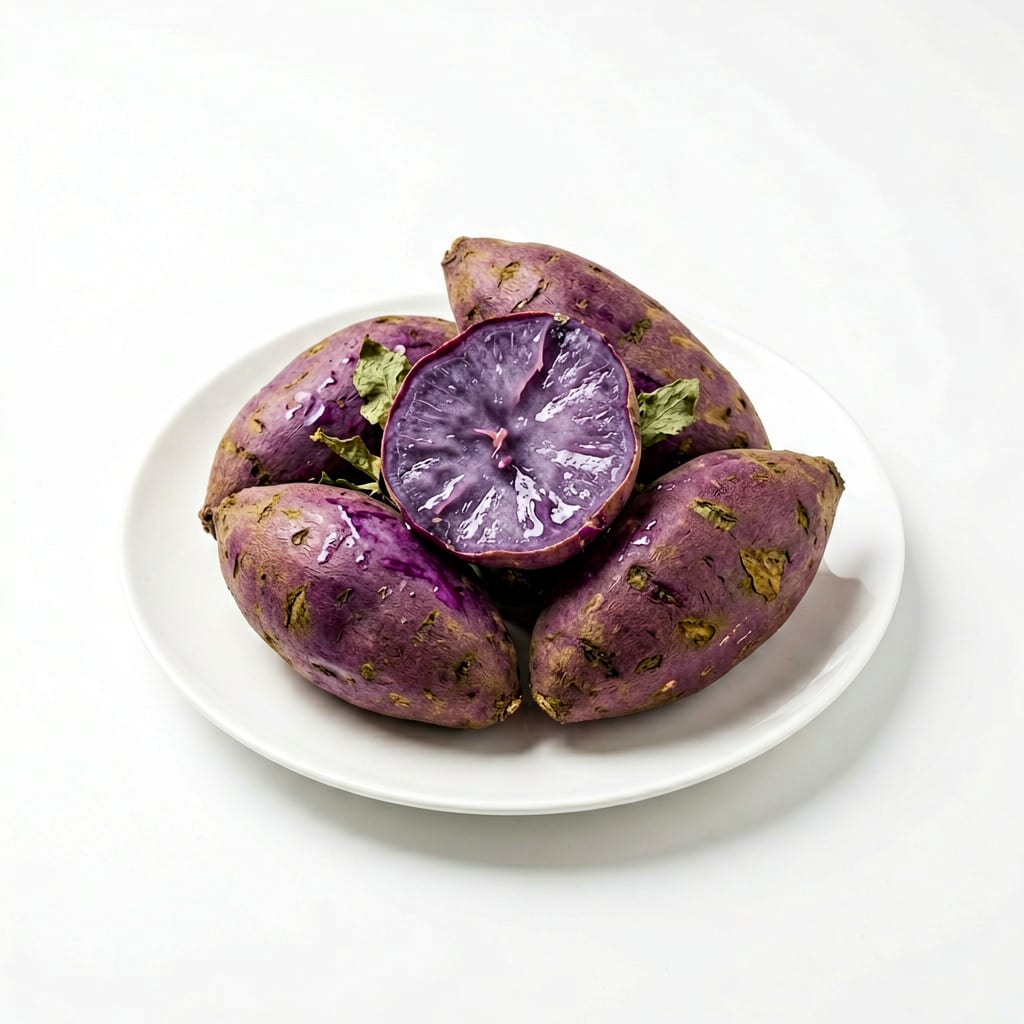
Purple Potato
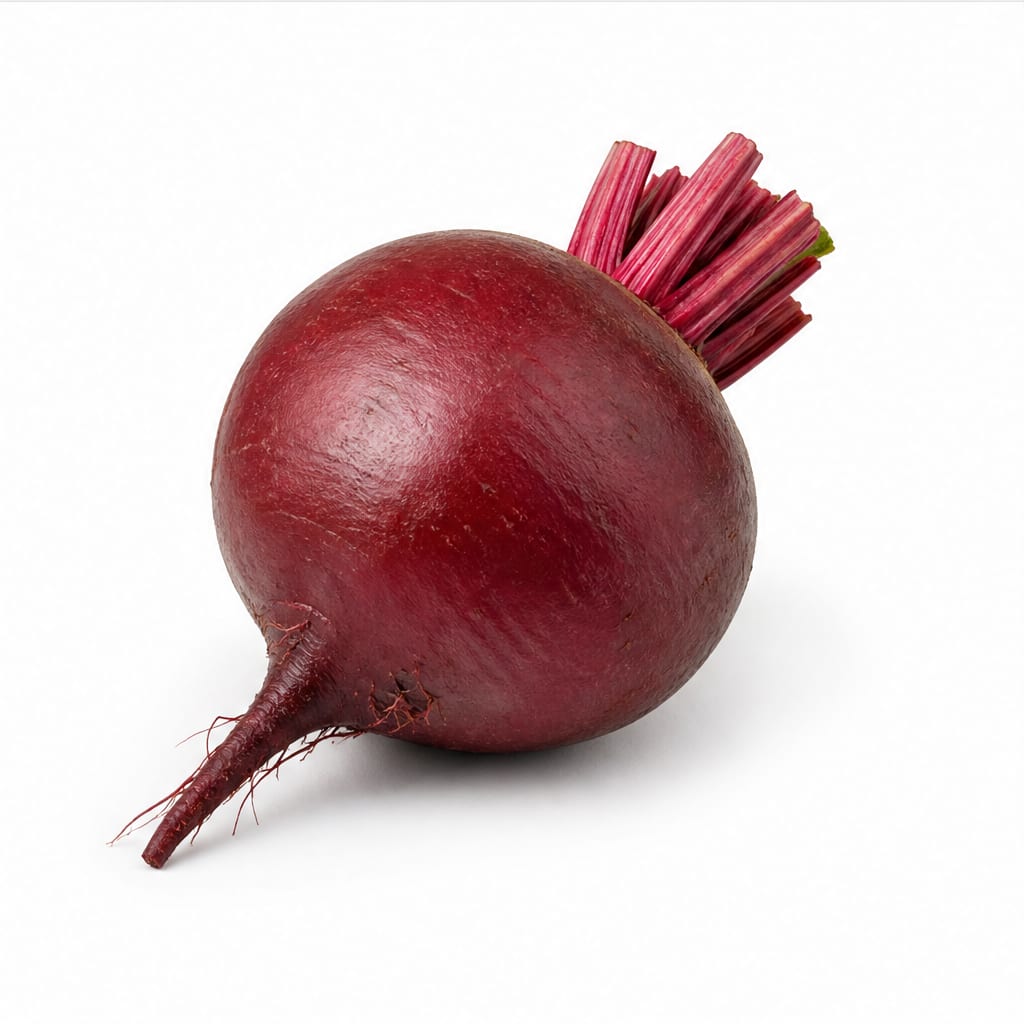
Beet
Purple potatoes fuel you with sustained energy and filling starch; beets sharpen endurance and lower blood pressure through nitrates. Pick based on whether you need calories or cardiovascular edge.
Beets edge ahead slightly due to their unique nitrate benefit and lower calorie density, but purple potatoes win on satiety and versatility. The close scores reflect that each serves a genuinely different purpose.
Substantial satisfying calories versus low-calorie circulatory boost—you trade fullness for function or vice versa.
At a glance
Executive summary
Overall
It depends
Healthier
It depends
More practical
Purple Potato
Daily use
Purple Potato
Key comparison lenses
antioxidant profile comparison
Both foods are prized for their vibrant pigments and distinct antioxidant classes—anthocyanins in purple potatoes versus betalains in beets—making this their most defining nutritional difference
athletic performance and energy
Beets are famous for dietary nitrates that boost endurance, while purple potatoes offer sustained starch-based energy—two very different performance strategies
blood sugar and carb management
Purple potatoes are starchy with more carbs and calories; beets are lower-calorie and non-starchy, so glycemic impact differs significantly
cardiovascular health
Beets lower blood pressure via nitrates; purple potatoes support vascular health through potassium and anthocyanins—different pathways, same goal
satiety and meal role
Purple potatoes fill you up like a proper starch; beets are more of a vegetable side—different roles on the plate matter for real meals
Best choice for
Purple Potato
- Athletes needing pre-workout carb energy
- People struggling to eat enough calories
- Anyone wanting a filling starch that also delivers antioxidants
- Families needing versatile affordable sides
Beet
- Endurance athletes seeking nitrate performance gains
- People managing high blood pressure
- Anyone on a calorie-restricted diet wanting nutrient density
- Older adults prioritizing cardiovascular protection
Least suitable for
Purple Potato
- People on strict low-carb or keto diets
- Those managing diabetes who need minimal glycemic impact
- Anyone closely monitoring calorie intake
Beet
- People prone to kidney stones (oxalate concern)
- Anyone disturbed by beeturia or red stool
- Those needing substantial caloric fuel from their vegetables
Deep comparison
Dimension by dimension
Each lens scores both foods and breaks down who each option suits.
- Dimension 1 · Priority 92It depends
antioxidant_power
Purple Potato · 82Beet · 85Both deliver potent but different antioxidant families—anthocyanins in purple potatoes and betalains in beets—neither is clearly superior.
Tradeoff
Anthocyanins support brain and vascular health while betalains excel at anti-inflammatory and detoxification pathways; you get different protective benefits from each.
Why it matters
Eating both pigment types gives broader cellular protection than doubling down on one.
Real-world impact
A purple potato with dinner and a beet salad at lunch covers more antioxidant ground than either alone.
Purple Potato
- Brain health and cognitive aging support
- Vascular flexibility through anthocyanin pathways
Better for
- Missing betalain-specific detox benefits
Worse for
Beet
- Liver detoxification enzyme support
- Anti-inflammatory relief for joint discomfort
Better for
- Lacking anthocyanin-related neuroprotective effects
Worse for
- Dimension 2 · Priority 88It depends
athletic_performance
Purple Potato · 78Beet · 88Beets are the clear endurance pick through nitrate-driven blood flow; purple potatoes are the better fuel source before intense effort.
Tradeoff
Nitrate-powered efficiency versus starch-powered raw energy—beets help you go longer, purple potatoes help you go harder.
Why it matters
Your sport dictates which matters more: marathoners benefit from beets while weightlifters benefit from purple potatoes.
Real-world impact
Beet juice before a long run feels like breathing easier; a purple potato before lifting feels like having gas in the tank.
Purple Potato
- Pre-workout carb loading for strength training
- Sustained energy for multi-hour outdoor activities
- Recovery meals needing calorie replenishment
Better for
- No nitrate benefit for oxygen efficiency
Worse for
Beet
- Endurance event preparation
- High-altitude activity oxygen efficiency
- Improving time-to-exhaustion in cardio
Better for
- Insufficient calories to fuel intense training alone
Worse for
- Dimension 3 · Priority 85Beet
blood_sugar_impact
Purple Potato · 55Beet · 78Beets have fewer carbs and a gentler glycemic footprint; purple potatoes carry more starch that raises blood sugar faster.
Tradeoff
The satisfying starch that makes purple potatoes filling also makes them spike glucose more—beets keep things steadier but leave you hungrier sooner.
Why it matters
For anyone watching blood sugar, this difference shapes whether you feel stable or sluggish an hour after eating.
Real-world impact
A beet salad keeps your afternoon energy even; a purple potato might give you a brief dip if eaten alone without protein or fat.
Purple Potato
- Post-workout glycogen replenishment when spikes are actually useful
Better for
- Higher glycemic load requires pairing strategy
- Risky for uncontrolled diabetes if portion is large
Worse for
Beet
- Steady energy without crash risk
- Diabetes-friendly vegetable option
- Low-carb meal integration
Better for
- Natural sugars can add up if juicing large quantities
Worse for
- Dimension 4 · Priority 82Beet
cardiovascular_health
Purple Potato · 72Beet · 86Beets actively lower blood pressure through dietary nitrates; purple potatoes support heart health indirectly through potassium and anthocyanins.
Tradeoff
Beets give a measurable pharmacological effect on blood pressure; purple potatoes offer broader but milder cardiovascular support through nutrients.
Why it matters
If hypertension is your concern, beets have stronger clinical evidence; for general heart maintenance, both contribute differently.
Real-world impact
A daily beet can drop systolic blood pressure by several points within hours—purple potatoes help long-term but without that immediate measurable effect.
Purple Potato
- Potassium supports healthy blood pressure alongside sodium management
- Anthocyanins protect blood vessel lining over time
Better for
- No nitrate-driven blood pressure mechanism
Worse for
Beet
- Direct blood pressure reduction via nitric oxide pathway
- Improved endothelial function measurable in weeks
Better for
- Lower potassium content per serving than purple potatoes
Worse for
- Dimension 5 · Priority 78Purple Potato
satiety_and_meal_role
Purple Potato · 88Beet · 58Purple potatoes are a legitimate filling starch that anchors a meal; beets are a lighter vegetable side that rarely satisfies alone.
Tradeoff
You eat fewer calories with beets but stay hungrier; purple potatoes cost more calories but actually keep you full for hours.
Why it matters
The food that satisfies you more is usually the one you stick with long-term, even if it has more calories.
Real-world impact
A baked purple potato with toppings is a complete satisfying meal; roasted beets leave you reaching for something else within an hour.
Purple Potato
- Main dish foundation for plant-based meals
- Post-workout recovery meal base
- Affordable bulk calorie source
Better for
- Higher calorie cost per serving
Worse for
Beet
- Light side dish for already-calorie-sufficient meals
- Low-calorie volume eating strategies
Better for
- Unsatisfying as a standalone meal component
- Requires pairing to achieve fullness
Worse for
- Dimension 6 · Priority 72Purple Potato
digestive_tolerance
Purple Potato · 80Beet · 62Purple potatoes are gentle on most digestive systems; beets contain oxalates and FODMAPs that bother some people.
Tradeoff
The same compounds that make beets health-protective can trigger kidney stones or digestive upset in sensitive individuals.
Why it matters
A superfood that causes you discomfort is not super for you—tolerance determines whether benefits actually reach your body.
Real-world impact
Purple potatoes rarely cause complaints; beets can trigger bloating in IBS sufferers or worry kidney stone formers.
Purple Potato
- Gentle on sensitive stomachs
- Low FODMAP in moderate portions
- Safe for kidney stone formers
Better for
- Resistant starch can cause gas if consumed in very large amounts cold
Worse for
Beet
- Fiber supports regularity in tolerant individuals
Better for
- High oxalates risky for calcium oxalate kidney stone formers
- FODMAP content triggers IBS symptoms in some
- Beeturia alarms some people though it is harmless
Worse for
Timeline
Health impact over time
Short-term
Hours to days
Purple Potato
- Sustained energy from complex carbohydrates lasting 2-3 hours
- Quick satiety that reduces snacking urge
- Mild blood sugar rise that pairs well with protein or fat
Beet
- Noticeable blood pressure drop within hours of consumption
- Improved exercise efficiency felt during cardio within days
- Potential red or pink urine which is harmless but surprising
Long-term
Months to years
Purple Potato
- Consistent potassium intake supports cardiovascular baseline
- Anthocyanin accumulation may protect cognitive function with age
- Resistant starch from cooled purple potatoes feeds beneficial gut bacteria
Beet
- Sustained blood pressure management with regular consumption
- Betalain anti-inflammatory effects may reduce chronic disease risk
- Consistent nitrate intake supports vascular elasticity over decades
Risk profile
Safety & processing
Both are whole root vegetables you buy as-is from the produce section. Neither typically carries additives unless purchased as processed products like chips or juice.
Purple Potato
Solanine from greening
lowLike all potatoes, exposure to light can produce solanine. Avoid any green-tinged areas—peel deeply or discard green potatoes entirely.
Acrylamide from high-heat cooking
mediumFrying or roasting at very high temperatures creates acrylamide. Boiling or steaming eliminates this concern entirely.
Beet
Oxalate accumulation
mediumBeets are moderately high in oxalates. People with a history of calcium oxalate kidney stones should limit intake or pair with calcium-rich foods.
Beeturia misinterpretation
lowRed or pink urine after eating beets is harmless for most people, but can be confused with blood in urine. Rarely indicates iron metabolism issues if persistent.
Who wins for whom
Audience fit
Same foods, different winners depending on your goal.
children
Purple PotatoKids generally accept potatoes more readily, and the vibrant purple color makes them fun. The calorie content also supports active growing bodies.
daily consumption
Purple PotatoPurple potatoes integrate more easily into daily meals as a staple starch, while beets are better cycled a few times per week to avoid oxalate accumulation.
diabetes
BeetLower carbohydrate load and gentler glycemic impact make beets easier to integrate into blood sugar management, though purple potatoes can work in controlled portions.
elderly
BeetBlood pressure management and vascular health become critical with age, and beets deliver targeted cardiovascular benefits that matter most for older adults.
muscle gain
Purple PotatoPurple potatoes provide the carb fuel and calorie surplus needed to support training volume and recovery; beets simply lack the energy density.
weight loss
BeetBeets deliver strong nutrition at roughly half the calories per serving, making it easier to stay in a deficit while still getting antioxidants and fiber.
Your move
Decision guide
Choose Purple Potato
- You need satisfying meals that keep you full for hours
- You are active and need carb fuel for performance
- You want an antioxidant-rich starch to replace white potatoes
- You are cooking for kids or picky eaters who enjoy fun-colored food
- You struggle to eat enough calories healthfully
Choose Beet
- You are training for endurance events and want a performance edge
- You are managing high blood pressure naturally
- You are on a calorie-restricted diet and need nutrient density
- You want cardiovascular protection as you age
- You already have a staple starch and need vegetable variety
Either works if
- You want to rotate antioxidant sources for broader protection
- You are building a colorful nutrient-dense salad bowl
- You have no specific health condition steering your choice
Avoid both if
- You are on a strict ketogenic diet requiring minimal carbs
- You have severe kidney stone issues and must limit both oxalates and potassium
Final recommendation
Eat both on different days. Purple potatoes as your satisfying starch anchor and beets as your cardiovascular booster give you complementary benefits no single food can match. If forced to pick one: choose purple potatoes for everyday sustenance, beets for targeted health goals.
Practical
Consumer tips
- 1
Cook purple potatoes with the skin on to preserve anthocyanins and fiber—peeling strips away the most nutrient-dense layer
- 2
Roast beets whole with skin at 400°F for 45-60 minutes for the sweetest flavor and easiest peeling afterward
- 3
Cool cooked purple potatoes in the fridge overnight to increase resistant starch, which feeds gut bacteria and lowers glycemic impact when reheated
- 4
Pair purple potatoes with a protein source and healthy fat to blunt the blood sugar rise and extend satiety even further
- 5
If juicing beets for performance, mix with a small amount of apple or carrot juice—straight beet juice can be harsh on the stomach
- 6
Avoid buying purple potatoes with any green tinge or sprouting eyes—these signal solanine buildup
- 7
Start with a small beet portion if you have never eaten them regularly to assess digestive tolerance before going all-in