
Nutrition comparison
Purple Potato vs Butternut Squash: Nutrition, Blood Sugar, and Health Comparison
Compare Purple Potato and Butternut Squash side by side. Learn which is better for weight loss, blood sugar, and daily nutrition with practical tradeoffs explained.
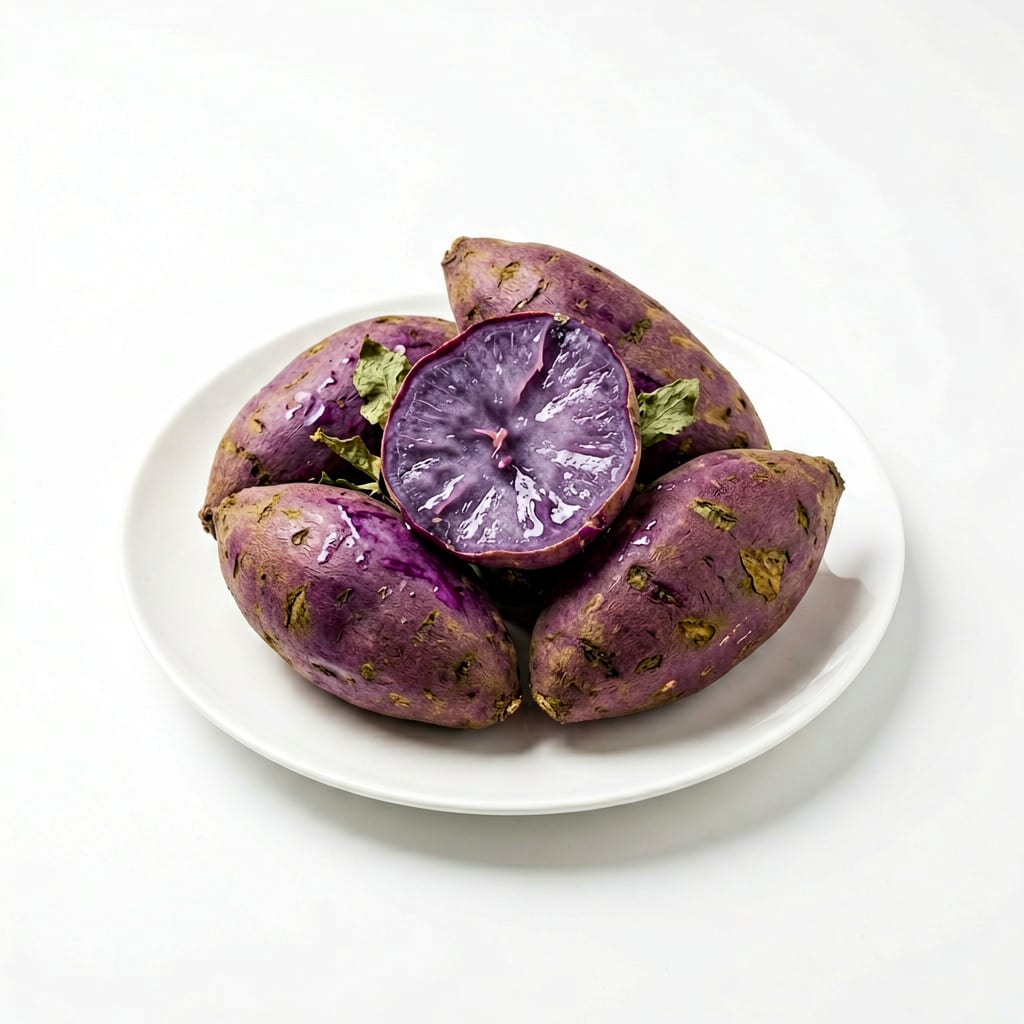
Purple Potato
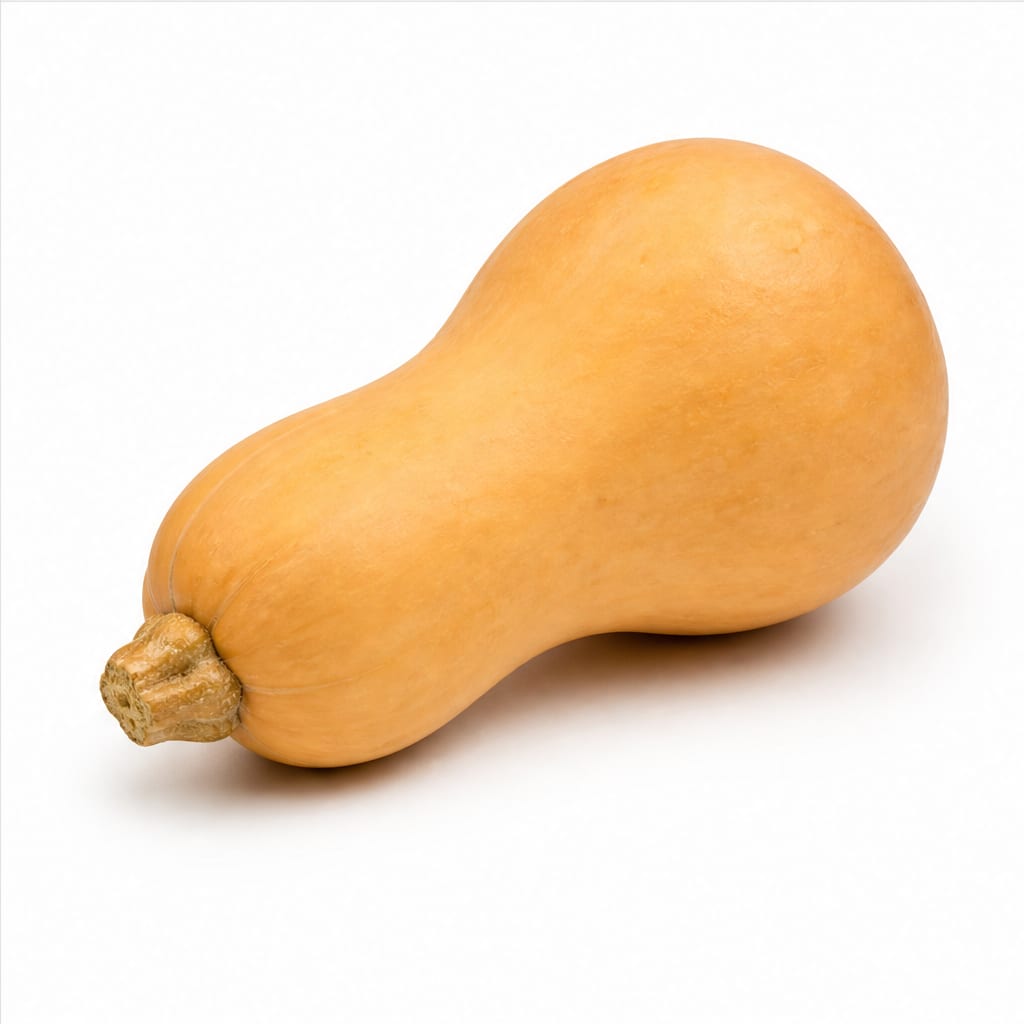
Butternut Squash
Purple Potato fills you up more and delivers unique antioxidants, while Butternut Squash offers more vitamin A, fewer calories, and steadier blood sugar.
Butternut Squash scores higher for most everyday health goals due to its lower calorie density, superior vitamin A content, and gentler blood sugar impact. Purple Potato remains valuable for active people needing filling, potassium-rich fuel.
Satiety and potassium versus lower calories and massive vitamin A. One is denser fuel, the other is lighter nourishment.
At a glance
Executive summary
Overall
It depends
Healthier
It depends
More practical
Butternut Squash
Daily use
Butternut Squash
Key comparison lenses
blood sugar management and glycemic impact
Starchy tuber versus lower-glycemic squash is a classic carb-quality decision for anyone watching blood sugar
antioxidant diversity and phytonutrient value
Anthocyanins in purple potatoes versus beta-carotene in butternut squash represent fundamentally different antioxidant families
weight management and calorie density
These foods differ significantly in calorie density, making portion control and satiety critical comparison points
meal versatility and everyday practicality
Both are whole foods but have very different cooking requirements, storage needs, and recipe flexibility
vitamin A nutrition and eye health
Butternut squash delivers massive vitamin A content that purple potatoes simply cannot match
Best choice for
Purple Potato
- Athletes needing dense carb fuel after training
- People struggling to feel full on plant-based meals
- Anyone with low potassium intake
- Those wanting resistant starch benefits from cooled potatoes
Butternut Squash
- People managing blood sugar or insulin resistance
- Anyone tracking calories for weight loss
- Families needing easy meal-prep vegetables
- Those prioritizing vitamin A and eye health
Least suitable for
Purple Potato
- People on strict low-carb or keto diets
- Those with poorly controlled diabetes
- Anyone needing low-potassium foods for kidney issues
Butternut Squash
- Athletes in heavy training needing calorie-dense carbs
- Underweight individuals seeking energy-dense foods
- People who find sweet vegetables unappealing
Deep comparison
Dimension by dimension
Each lens scores both foods and breaks down who each option suits.
- Dimension 1 · Priority 92Butternut Squash
Blood Sugar Stability
Purple Potato · 55Butternut Squash · 78Butternut Squash has a meaningfully lower glycemic impact, making it the safer choice for steady energy and glucose management.
Tradeoff
Purple Potato provides faster energy replenishment post-workout but causes sharper blood sugar rises in sedentary contexts.
Why it matters
If you sit at a desk after lunch, the potato spike may leave you sluggish by 3pm. The squash keeps things smoother.
Real-world impact
A butternut squash lunch feels lighter and steadier. A purple potato lunch satisfies more initially but may trigger earlier hunger rebounds.
Purple Potato
- Post-workout carb replenishment
- Active individuals burning glucose quickly
Better for
- Pre-diabetics eating large portions
- Sedentary evening meals
Worse for
Butternut Squash
- Sedentary workdays
- Insulin-resistant individuals
- Late dinners where you sleep soon after
Better for
- Endurance athletes mid-training
- Anyone needing quick glycogen restoration
Worse for
- Dimension 2 · Priority 88It depends
Antioxidant and Phytonutrient Value
Purple Potato · 82Butternut Squash · 80Purple Potato delivers anthocyanins linked to brain and vascular health. Butternut Squash provides beta-carotene essential for vision and immunity. Different families, both valuable.
Tradeoff
You get cognitive and circulatory antioxidants from the potato, but immune and visual antioxidants from the squash.
Why it matters
Most people already get some beta-carotene from other orange foods. Anthocyanins from purple foods are rarer in typical diets.
Real-world impact
Eating both across the week gives you broader antioxidant coverage than doubling down on either one alone.
Purple Potato
- Cognitive health and brain aging concerns
- Cardiovascular protective antioxidant intake
- Diets lacking purple/blue foods
Better for
- People who already eat lots of berries and purple foods
Worse for
Butternut Squash
- Immune system support during cold season
- Eye health and night vision concerns
- Diets low in orange vegetables
Better for
- People already high in carrot and sweet potato intake
Worse for
- Dimension 3 · Priority 85Purple Potato
Satiety and Fullness
Purple Potato · 84Butternut Squash · 68Purple Potato is significantly more filling per serving due to its denser starch content and resistant starch when cooled.
Tradeoff
You stay full longer with the potato, but you consume more calories to get that fullness.
Why it matters
If you struggle with snacking between meals, the potato may naturally suppress that. The squash may leave you reaching for something else sooner.
Real-world impact
A purple potato at lunch can carry you to dinner without a snack. Butternut squash often needs a protein or fat companion to match that staying power.
Purple Potato
- People who skip snacks between meals
- Plant-based eaters needing satiety from carbs
- Those prone to afternoon hunger
Better for
- Those who find heavy meals cause afternoon fatigue
Worse for
Butternut Squash
- People who prefer lighter meals
- Anyone eating frequent small meals
Better for
- People who feel hungry again within two hours
Worse for
- Dimension 4 · Priority 83Butternut Squash
Calorie Density and Weight Management
Purple Potato · 60Butternut Squash · 85Butternut Squash delivers roughly half the calories per cup compared to Purple Potato, making it far easier to manage portions.
Tradeoff
The potato gives you more energy per bite, which is great if you need fuel but risky if you are cutting calories.
Why it matters
For most adults trying to maintain or lose weight, lower calorie density is the single most sustainable strategy.
Real-world impact
You can eat a generous bowl of roasted butternut squash for under 100 calories. The same volume of purple potato costs roughly 160 calories.
Purple Potato
- Active people needing calorie surplus
- Growing teenagers with high energy needs
Better for
- Mindless snacking scenarios
- People who underestimate portion sizes
Worse for
Butternut Squash
- Calorie-counting for weight loss
- Volume eaters who like large portions
- Anyone replacing higher-calorie starches
Better for
- Athletes struggling to eat enough calories
Worse for
- Dimension 5 · Priority 80Butternut Squash
Vitamin and Mineral Profile
Purple Potato · 70Butternut Squash · 86Butternut Squash dominates on vitamin A, while Purple Potato leads on potassium. The squash has a broader micronutrient edge overall.
Tradeoff
Vitamin A versus potassium. Most diets are more deficient in potassium, but the squash's vitamin A margin is enormous.
Why it matters
A single cup of butternut squash provides over 400% of daily vitamin A needs. That is hard to replicate from almost any other food.
Real-world impact
Eating butternut squash a few times a week essentially guarantees you meet vitamin A targets. Purple potato helps close potassium gaps common in Western diets.
Purple Potato
- Potassium-deficient diets
- People avoiding bananas who need potassium alternatives
- Athletes losing electrolytes through sweat
Better for
- Kidney disease patients on potassium restriction
Worse for
Butternut Squash
- Vitamin A deficiency concerns
- Immune support during winter
- Skin and eye health optimization
Better for
- Smokers at risk for excessive beta-carotene supplementation concerns
Worse for
- Dimension 6 · Priority 72Butternut Squash
Cooking Convenience and Storage
Purple Potato · 65Butternut Squash · 78Butternut Squash stores longer, freezes well, and is widely available pre-cut. Purple Potato is quicker to boil but has shorter shelf life.
Tradeoff
The potato cooks faster from raw but spoils faster. The squash takes longer to prep but lasts months in cool storage.
Why it matters
If you meal prep on Sundays, pre-cut butternut squash is a huge time-saver. If you cook nightly, the potato is faster from scratch.
Real-world impact
Frozen cubed butternut squash goes straight into soups and sheet pans with zero prep. Purple potatoes need washing, peeling optional, and cooking within a week or two.
Purple Potato
- Quick weeknight boiling or roasting
- People who cook fresh daily
Better for
- People who grocery shop infrequently
- Those who dislike peeling root vegetables
Worse for
Butternut Squash
- Batch cooking and meal prep
- People who buy pre-cut vegetables
- Long-term pantry and freezer storage
Better for
- Anyone needing a 15-minute side dish from raw
Worse for
Timeline
Health impact over time
Short-term
Hours to days
Purple Potato
- Noticeable satiety within 30 minutes of eating
- Moderate blood sugar rise peaking around 45-60 minutes post-meal
- Steady energy for 2-3 hours if paired with protein or fat
Butternut Squash
- Lighter feeling in the stomach after eating
- Gentler blood sugar curve with less dramatic peaks
- May feel hungry again sooner if eaten alone without protein
Long-term
Months to years
Purple Potato
- Regular anthocyanin intake may support vascular flexibility and cognitive function
- Consistent potassium intake helps maintain healthy blood pressure
- Higher calorie density requires portion awareness to avoid gradual weight gain
Butternut Squash
- Sustained vitamin A intake supports immune resilience and skin health over months
- Lower calorie density makes long-term weight maintenance easier
- Beta-carotene richness may reduce oxidative stress markers with regular consumption
Risk profile
Safety & processing
Both are whole, unprocessed root vegetables eaten close to their natural state. Neither raises ultra-processing concerns when purchased fresh or frozen without sauces.
Purple Potato
Solanine exposure from greening or sprouting
lowPurple potatoes can develop solanine if stored in light. Always cut away green spots and discard sprouted potatoes.
Pesticide residue on conventional skins
mediumPotatoes consistently rank on EWG's Dirty Dozen list. Peeling reduces exposure significantly, but you lose skin nutrients.
Butternut Squash
Pesticide residue on conventional skins
lowSquash is generally lower on pesticide concern lists, and the thick skin that gets peeled reduces what reaches your plate.
Cross-contamination from pre-cut packaging
lowStore-bought pre-cut butternut squash has slightly higher foodborne illness risk than whole squash. Use within a few days of opening.
Who wins for whom
Audience fit
Same foods, different winners depending on your goal.
children
Butternut SquashThe natural sweetness and softer texture of Butternut Squash appeal more to kids, and the vitamin A supports growing immune systems.
daily consumption
Butternut SquashLower calorie density and broader vitamin coverage make Butternut Squash more sustainable as a daily staple without portion anxiety.
diabetes
Butternut SquashLower glycemic load and slower glucose release make Butternut Squash significantly safer for blood sugar management.
elderly
Butternut SquashEasier to digest, gentler on blood sugar, and the massive vitamin A supports aging eyes and immune function.
muscle gain
Purple PotatoPurple Potato provides more carbohydrate fuel per serving and more potassium for electrolyte balance during heavy training.
weight loss
Butternut SquashHalf the calories per cup and lower glycemic impact make Butternut Squash the easier food to fit into a calorie deficit without hunger spikes.
Your move
Decision guide
Choose Purple Potato
- You are active and need filling carb fuel for training or physical work
- You want more potassium in your diet without supplements
- You rarely eat purple or blue foods and want anthocyanin diversity
- You find lighter meals leave you unsatisfied and snacking
Choose Butternut Squash
- You are managing weight, blood sugar, or both
- You want maximum nutrition per calorie consumed
- You need easy meal-prep vegetables that store well
- You or your family need more vitamin A from food sources
Either works if
- You are healthy, active, and eat a varied diet already
- You want to rotate starchy vegetables for nutrient diversity
- You are building a grain-free or paleo-style meal plan
Avoid both if
- You are on a strict ketogenic diet requiring under 20g net carbs daily
- You have severe kidney disease requiring potassium restriction from all sources
Final recommendation
Eat both across the week for complementary benefits. Use Purple Potato on active days when you need satisfying fuel and potassium. Use Butternut Squash on lighter days and for dinner sides where lower calories and gentler blood sugar matter more. If you must pick one for daily use, Butternut Squash wins for most people.
Practical
Consumer tips
- 1
Buy organic purple potatoes when possible since conventional potatoes rank high for pesticide residue
- 2
Cool cooked purple potatoes in the fridge overnight to increase resistant starch, which feeds gut bacteria and lowers glycemic impact
- 3
Pre-cut butternut squash saves 10-15 minutes of prep but costs more; freeze extra portions before they spoil
- 4
Roast both together on a sheet pan with olive oil and rosemary for a meal that gives you anthocyanins and beta-carotene in one dish
- 5
Store whole butternut squash in a cool dark place for up to a month; refrigerate cut pieces and use within five days
- 6
Purple potato skins hold concentrated anthocyanins, so scrub well and leave skins on when possible