
Nutrition comparison
Purple Potato vs Turnip: Nutrition, Carbs, and Health Comparison
Purple Potato delivers antioxidant anthocyanins and satisfying starch; Turnip offers low-calorie, low-carb nutrition with cancer-fighting glucosinolates. Compare which root vegetable fits your health goals.
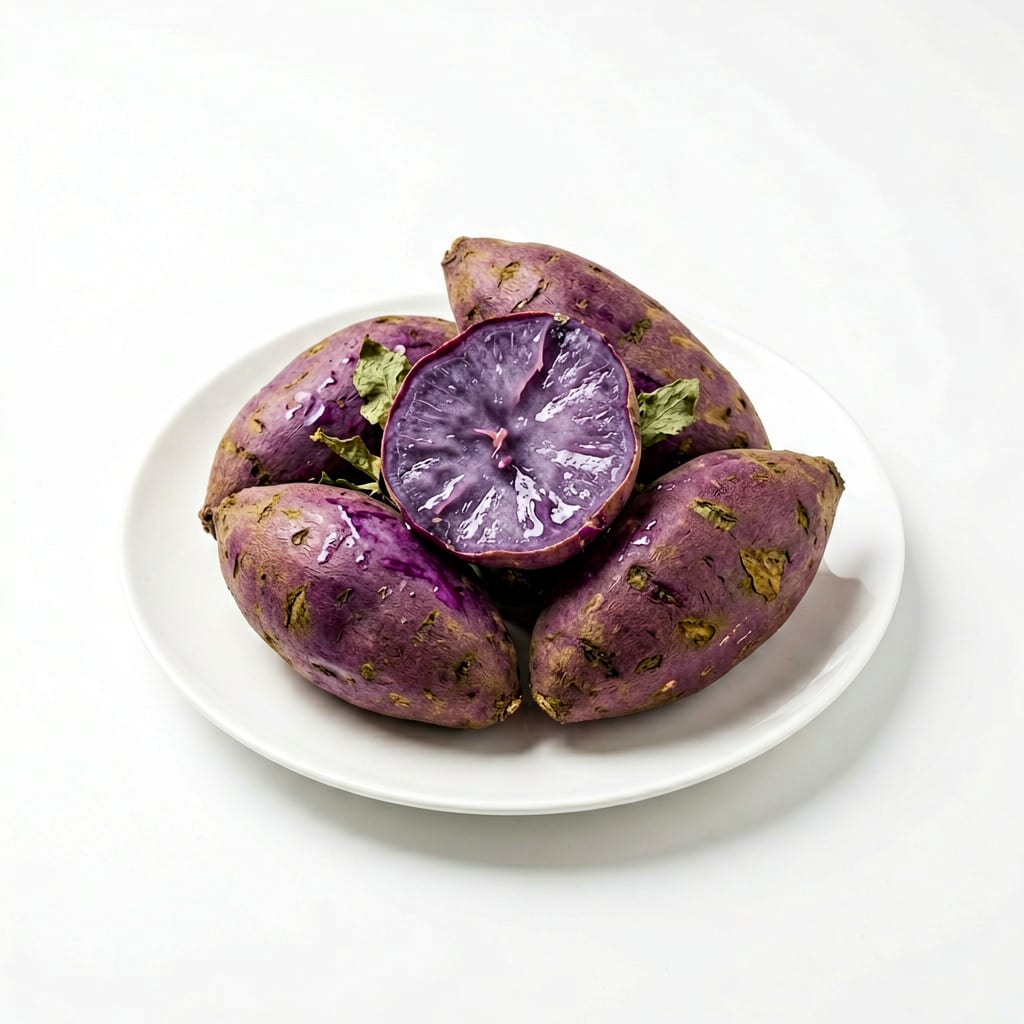
Purple Potato
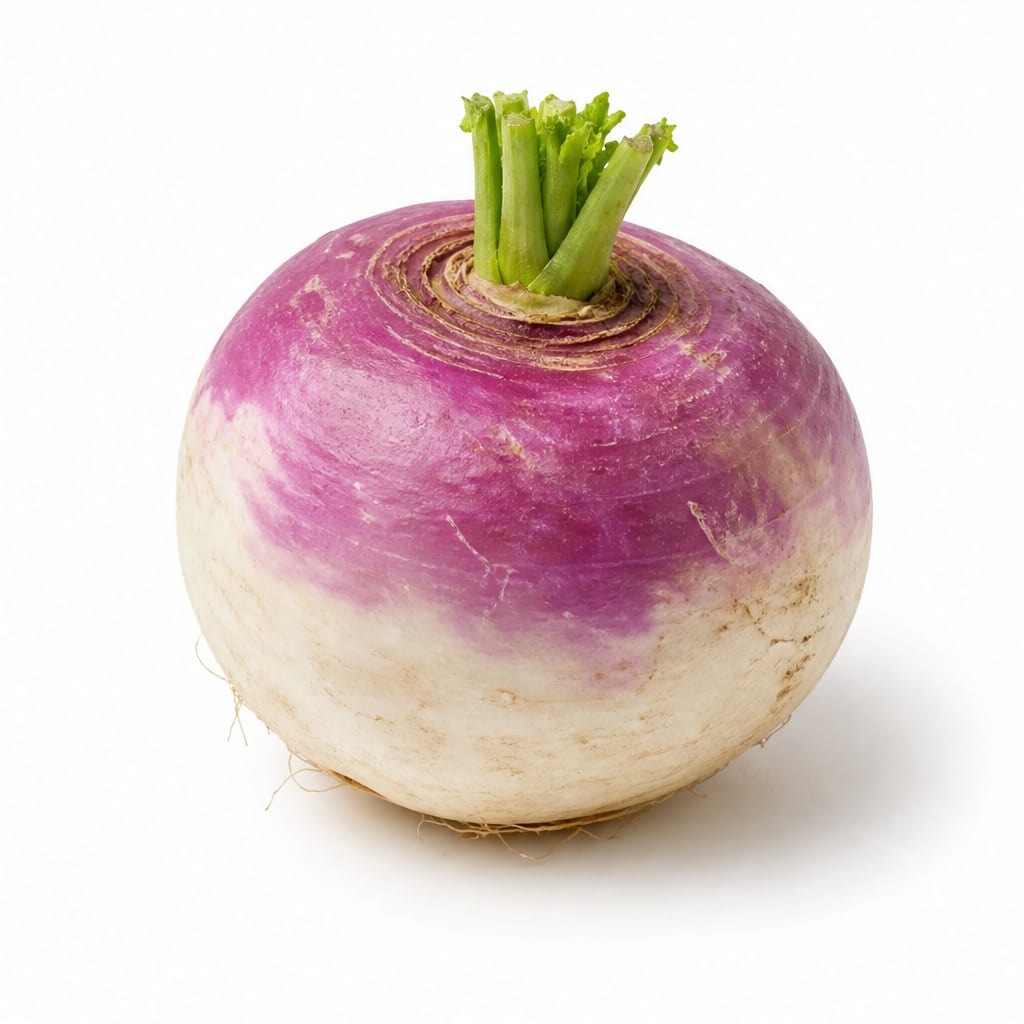
Turnip
Purple Potato fuels you with energy and antioxidants; Turnip trims calories and carbs while still delivering unique cancer-fighting compounds.
Turnip edges ahead slightly due to superior calorie-to-nutrient ratio and blood sugar profile, but Purple Potato's anthocyanin content and satiety value keep it competitive. The near-tie reflects how context-dependent this choice truly is.
Sustained energy and comfort satisfaction from Purple Potato versus calorie savings and blood sugar control from Turnip.
At a glance
Executive summary
Overall
It depends
Healthier
It depends
More practical
Purple Potato
Daily use
It depends
Key comparison lenses
low-carb vs nutrient-dense starch decision
Purple Potato delivers substantial carbs and energy while Turnip offers a low-calorie, low-carb alternative — the core tradeoff
blood sugar management
Starchy root versus non-starchy root creates a significant glycemic difference that matters for diabetes and energy stability
antioxidant and phytonutrient comparison
Purple Potato's anthocyanins vs Turnip's glucosinolates represent two very different health-protective pathways
weight loss suitability
Calorie density differs dramatically, making this a common decision point for calorie-conscious eaters
meal versatility and satisfaction
Comfort food appeal versus light vegetable side creates different practical use cases
Best choice for
Purple Potato
- Athletes needing carb fuel before or after training
- People wanting a satisfying, comforting starch side dish
- Anyone seeking antioxidant-rich anti-inflammatory foods
- Active individuals with higher calorie needs
Turnip
- Low-carb and keto dieters
- People managing type 2 diabetes or insulin resistance
- Anyone cutting calories without sacrificing volume
- Those wanting lighter meals that won't cause energy crashes
Least suitable for
Purple Potato
- Strict low-carb dieters
- People with poorly controlled blood sugar
- Those needing very low-calorie meal options
Turnip
- Athletes needing carb replenishment
- Underweight individuals needing calorie density
- People who find low-calorie meals unsatisfying
Deep comparison
Dimension by dimension
Each lens scores both foods and breaks down who each option suits.
- Dimension 1 · Priority 92Turnip
Blood Sugar Stability
Purple Potato · 45Turnip · 88Turnip keeps blood sugar far steadier with roughly a third of the carbs and a lower glycemic impact.
Tradeoff
Purple Potato provides quick energy that active bodies need, but can spike glucose more sharply in sedentary contexts.
Why it matters
Post-meal energy crashes and cravings are often driven by carb-heavy sides — Turnip minimizes this risk significantly.
Real-world impact
A Turnip-based dinner side won't leave you reaching for a snack an hour later, while Purple Potato might unless paired with protein and fat.
Purple Potato
- Pre-workout energy fueling
- Recovery meals after intense exercise
- Active individuals with good insulin sensitivity
Better for
- Sedentary evening meals
- Uncontrolled blood sugar conditions
Worse for
Turnip
- Managing prediabetes or type 2 diabetes
- Avoiding afternoon energy crashes
- Low-carb meal planning
Better for
- Post-marathon carb replenishment
- Growing children needing calorie density
Worse for
- Dimension 2 · Priority 88Turnip
Calorie Efficiency and Weight Management
Purple Potato · 42Turnip · 90Turnip delivers more food volume per calorie by a wide margin, making it the clear choice for weight loss.
Tradeoff
Purple Potato is more calorie-dense, which helps active people meet energy needs but works against fat loss goals.
Why it matters
Eating large portions of low-calorie vegetables like Turnip creates fullness without calorie overload — a key sustainable weight loss strategy.
Real-world impact
You can eat nearly three cups of Turnip for the calories in one medium Purple Potato, making portion control far easier.
Purple Potato
- Bulking phases for athletes
- Hikers and endurance athletes needing portable calories
- Recovering from illness with appetite loss
Better for
- Sedentary days with low calorie needs
- Emotional eating patterns
Worse for
Turnip
- Calorie-restricted diets
- Volume eating strategies
- Late-night snacking without guilt
Better for
- High-calorie meal prep for athletes
- Anyone struggling to eat enough
Worse for
- Dimension 3 · Priority 85Purple Potato
Antioxidant and Anti-inflammatory Power
Purple Potato · 90Turnip · 62Purple Potato's anthocyanins provide potent antioxidant protection that Turnip's glucosinolates can't fully match.
Tradeoff
Turnip offers cancer-fighting glucosinolates instead — a different but valuable protective pathway.
Why it matters
Chronic inflammation drives aging and disease; anthocyanin-rich foods like Purple Potato are among the strongest dietary anti-inflammatories available.
Real-world impact
Regularly eating Purple Potato can meaningfully reduce inflammatory markers over time, similar to how blueberries or dark berries work.
Purple Potato
- Reducing systemic inflammation
- Supporting cardiovascular health long-term
- Adding variety to an antioxidant-rich diet
Better for
- People avoiding nightshades due to joint pain
Worse for
Turnip
- Supporting liver detoxification pathways
- Reducing cancer risk through glucosinolate intake
- Complementing cruciferous vegetable benefits
Better for
- Those with thyroid concerns who limit goitrogenic foods raw
Worse for
- Dimension 4 · Priority 80Purple Potato
Satiety and Meal Satisfaction
Purple Potato · 82Turnip · 55Purple Potato's starch content creates a more filling, comforting eating experience that sticks with you longer.
Tradeoff
Turnip is lighter and less likely to cause that heavy post-meal feeling, but may leave you hungry sooner.
Why it matters
Meals that actually satisfy you prevent snacking and overeating later — comfort matters for dietary adherence.
Real-world impact
A roasted Purple Potato feels like a real meal component; Turnip feels more like a vegetable side that needs protein and fat to complete the plate.
Purple Potato
- Main dish starch component
- Comfort food cravings
- Meals needing to hold you for 4-5 hours
Better for
- Hot days when heavy food sounds unappealing
- Small appetites
Worse for
Turnip
- Light summer meals
- Multiple-course dinners where you want room
- Digestive rest days
Better for
- Long gaps between meals
- High-hunger days
Worse for
- Dimension 5 · Priority 78Turnip
Nutrient Density Per Calorie
Purple Potato · 58Turnip · 84Turnip packs more vitamin C and fiber per calorie, while Purple Potato offers more potassium and B6 in absolute terms.
Tradeoff
Purple Potato gives you more total nutrients per serving, but Turnip gives you more nutrients per calorie eaten.
Why it matters
If you're watching calories, Turnip delivers better nutritional return on investment. If calories aren't a concern, Purple Potato provides broader micronutrient coverage.
Real-world impact
One cup of Turnip covers over half your vitamin C needs for under 40 calories — an exceptional ratio.
Purple Potato
- Meeting potassium needs without supplements
- Getting B6 for energy metabolism
- Overall micronutrient breadth when calories are adequate
Better for
- Calorie-restricted diets where every calorie must count
Worse for
Turnip
- Maximizing vitamins per calorie
- Vitamin C on a calorie budget
- Fiber intake without carb load
Better for
- Potassium-deficient diets
Worse for
- Dimension 6 · Priority 72Purple Potato
Kitchen Versatility and Convenience
Purple Potato · 80Turnip · 65Purple Potato works in more dishes and cooking methods, while Turnip shines in fewer but specific applications.
Tradeoff
Turnip can replace potatoes in low-carb recipes but requires more technique to taste great; Purple Potato is naturally satisfying with minimal effort.
Why it matters
Foods that are easy to cook well get eaten more often — practicality drives consistency.
Real-world impact
Bake, mash, roast, or fry Purple Potato and it's delicious. Turnip needs more seasoning skill and pairs well with fewer dishes.
Purple Potato
- Meal prep batch cooking
- Kid-friendly recipes
- Simple weeknight dinners
Better for
- Raw applications
Worse for
Turnip
- Low-carb mash alternatives
- Adding to soups and stews for bulk without carbs
- Raw crudité platters when young and tender
Better for
- Picky eaters unfamiliar with turnip flavor
- Frying applications
Worse for
Timeline
Health impact over time
Short-term
Hours to days
Purple Potato
- Provides quick, satisfying energy from complex starches
- May cause mild blood sugar rise within 30-60 minutes if eaten alone
- Anthocyanins can give a subtle anti-inflammatory effect even after one meal
Turnip
- Very light on digestion, unlikely to cause bloating
- Keeps blood sugar flat and stable post-meal
- High water content supports hydration
Long-term
Months to years
Purple Potato
- Regular anthocyanin intake supports cardiovascular and cognitive health over years
- Potassium-rich diet pattern helps maintain healthy blood pressure
- Higher carb intake requires matching activity level to avoid metabolic strain
Turnip
- Glucosinolate consumption is associated with lower cancer risk in long-term studies
- Consistent low-calorie vegetable intake supports healthy body weight maintenance
- Vitamin C intake supports immune resilience and skin health over time
Risk profile
Safety & processing
Both Purple Potato and Turnip are whole, unprocessed root vegetables. Neither carries additive concerns when purchased fresh. The main difference is pesticide exposure: conventional potatoes tend to have higher pesticide residue, so choose organic Purple Potato when possible. Turnips generally have lower pesticide loads.
Purple Potato
Pesticide residue
mediumPotatoes are on the EWG Dirty Dozen list. Purple Potato skins can harbor pesticide residue — buy organic or peel thoroughly.
Solanine toxicity
lowGreen or sprouting Purple Potatoes contain elevated solanine, which can cause digestive distress. Discard green areas.
Acrylamide formation
lowFrying or roasting at very high temperatures can create acrylamide. Boiling or steaming avoids this entirely.
Turnip
Goitrogenic compounds
lowRaw Turnip contains goitrogens that may affect thyroid function in susceptible individuals. Cooking largely neutralizes this concern.
Pesticide residue
lowTurnips are not a high-spray crop and typically test low for pesticide residue. Conventional is generally acceptable.
Who wins for whom
Audience fit
Same foods, different winners depending on your goal.
children
Purple PotatoKids generally prefer the mild, sweet starchiness of Purple Potato over Turnip's slightly bitter flavor, and the vibrant color makes it fun to eat.
daily consumption
It dependsActive people benefit from Purple Potato's energy daily; sedentary or low-carb individuals benefit more from Turnip's lightness daily.
diabetes
TurnipTurnip's low carb count and minimal glycemic impact make it significantly safer for blood sugar management.
elderly
It dependsTurnip is easier on blood sugar and digestion for sedentary seniors, but Purple Potato's potassium helps with blood pressure and its soft texture when mashed is easy to eat.
muscle gain
Purple PotatoPurple Potato's carbohydrate content fuels training intensity and replenishes glycogen, which is essential for muscle growth.
weight loss
TurnipTurnip provides filling volume at a fraction of the calories, making sustainable weight loss far easier without hunger.
Your move
Decision guide
Choose Purple Potato
- You're active and need carb fuel for performance or recovery
- You want an anti-inflammatory starch that also satisfies comfort food cravings
- You're cooking for kids or picky eaters who resist unfamiliar vegetables
- You're not worried about calorie intake and want a nutrient-rich starch
Choose Turnip
- You're managing blood sugar, following a low-carb diet, or trying to lose weight
- You want maximum food volume with minimal calories
- You're eating a heavy main dish and need a light vegetable side
- You enjoy or want to explore cruciferous vegetable flavors
Either works if
- You're building a balanced plate and can rotate both across the week
- You want variety in root vegetables to diversify your nutrient intake
- Neither is a dietary staple for you — both are healthy in moderation
Avoid both if
- You have a specific allergy or intolerance to nightshades (Purple Potato) or cruciferous vegetables (Turnip)
- You're on a very strict elimination diet that excludes root vegetables
Final recommendation
Keep both in rotation. Use Purple Potato on active days when you need satisfying energy and anti-inflammatory benefits. Use Turnip on lighter days or when blood sugar control matters more. The ideal diet includes starchy and non-starchy vegetables — these two complement each other perfectly across the week.
Practical
Consumer tips
- 1
Buy organic Purple Potato when possible — conventional potatoes carry more pesticide residue, especially in the skin
- 2
Don't peel Purple Potato if you want maximum anthocyanin benefit — the skin holds concentrated antioxidants
- 3
Cook Turnip instead of eating it raw if you have any thyroid concerns — heat deactivates goitrogens
- 4
Roast both together with olive oil and rosemary for a colorful, nutrient-diverse side dish
- 5
Steam or boil Purple Potato rather than frying to avoid acrylamide formation
- 6
Young, small Turnips are sweeter and more tender — save large ones for soups and stews
- 7
Mash Turnip with a little butter and garlic as a convincing low-carb potato substitute