
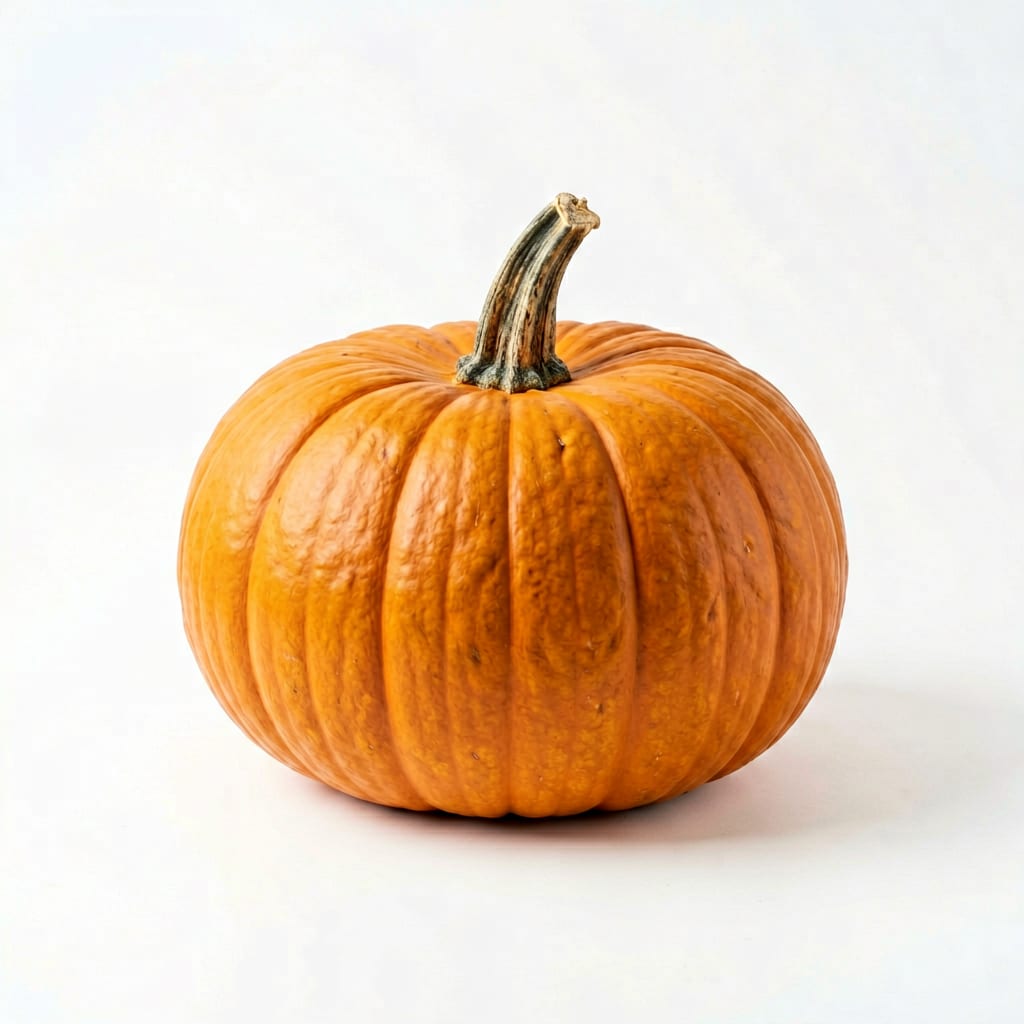
Vegetable
Pumpkin
A low-calorie, beta-carotene-rich winter squash with a high water content and low glycemic load.
Pumpkin is a nutrient-dense, low-calorie winter squash rich in beta-carotene and fiber, commonly consumed in both sweet and savory dishes.
high-volume low-calorie vegetable
Typical serving · 116g
Common varieties · sugar pie, carving, jack-o'-lantern, kuri, butternut +1 more
Overall context score across nutrition, safety, and diet fit
At a glance
Quick facts
Simple indicators based on nutrition, processing, and diet fit.
The story
What makes it unique
Pumpkin has a high water content (over 90%) and low energy density, contributing to high volume per calorie. Its macronutrient profile is predominantly carbohydrate with minimal protein and fat. Digestion speed is moderate, slowed slightly by soluble fiber. As a minimally processed whole food, it retains high levels of provitamin A carotenoids.
Varieties: sugar pie · carving · jack-o'-lantern · kuri · butternut · carnival
Per 100g
Nutrition breakdown
Macro balance and key metrics at a glance.
Energy
Density 0.26 kcal/g
Protein
Carbs
Fat
Fiber
Sugar
2.8 g
Sodium
1 mg
Potassium
340 mg
Glycemic index
75
Glycemic load
3
Water content
91.6%
Standout compounds
Nutrient highlights
Vitamin A
highSupports vision, immune function, and skin health
Potassium
moderateRegulates blood pressure and fluid balance
Beta-carotene
highActs as an antioxidant protecting cells from damage
Vitamin C
moderateSupports immune system and collagen synthesis
Wellness map
Health scores & processing
NOVA processing scale
minimally processed · Whole food
Fresh pumpkin is a whole, unprocessed plant food. Canned pure pumpkin undergoes slight processing (cooking and pureeing) but remains a minimally processed food.
Diet compatibility
- Weight loss
- Muscle gain
- Diabetes
- Gut health
- Low carb
- High protein
- Heart health
Relative standing
Food rankings
Qualitative ranks compared to similar whole foods.
- Satietygood
- Blood sugarexcellent
- Nutrient densitygood
- Fitness fuelmoderate
- Processing qualityexcellent
Eat with confidence
Food safety profile
Fresh pumpkin is very safe. Wash the rind before cutting to avoid transferring soil bacteria to the flesh. Canned pumpkin is commercially sterile and safe.
Evidence confidence 95%
- Pesticideslow
- Antibioticslow
- Heavy metalslow
- Contaminationlow
Watch for
- soil-borne bacteria on rind
Safer choices
Organic pumpkin for those avoiding all pesticide traces, though conventional is very low risk.
Prep tips
Scrub the outer skin thoroughly under running water before slicing. Cook until tender for optimal digestibility.
Minimal; pumpkin generally has low pesticide residue.
Deep dive
Health analysis
How this food may fit different goals and preparation choices.
Weight loss
Extremely low energy density allows for large portion sizes with minimal calories, promoting fullness without overconsumption.
Blood sugar
Low glycemic load prevents significant blood sugar spikes, making it safe for diabetics despite its higher glycemic index classification.
Fitness & energy
Provides quick-digesting carbohydrates for light pre-workout fuel, but lacks the substantial energy or protein needed for intense endurance or recovery.
Gut health
Contains soluble fiber that supports bowel regularity and feeds beneficial gut bacteria, though the total fiber content per serving is modest.
Processing quality
Fresh pumpkin is a whole, unprocessed food. Canned pure pumpkin retains most nutrients and is minimally processed.
Food safety
Very low risk of contamination or pesticide residue. Proper washing of the rind before cutting eliminates most surface risks.
Common mistakes
Confusing 100% pure pumpkin puree with canned pumpkin pie filling, which contains added sugars and syrups. Also, discarding the seeds, which are highly nutritious.
Best preparation
Roasting or steaming preserves nutrients and enhances natural sweetness without adding calories. Avoid boiling as it leaches water-soluble vitamins.
Practical guide
Best use cases
When and how this food fits real eating patterns.
High-volume low-calorie eating
Bulk up meals with minimal calories to increase satiety and control hunger.
Vitamin A boost
Support eye health and immune function with concentrated beta-carotene.
Diabetes-friendly carbohydrate
Add sweetness and nutrients to meals without causing blood sugar spikes.
Balance sheet
Pros & cons
Upsides
- Extremely low in calories and energy density
- Exceptionally rich in beta-carotene and Vitamin A
- Very low glycemic load prevents blood sugar spikes
- Good source of potassium for blood pressure regulation
- Versatile for both sweet and savory recipes
Trade-offs
- Low in protein and dietary fat
- Fresh pumpkin can be difficult to peel and prepare
- Canned pie filling is often loaded with added sugars
- Moderate total fiber content per serving
Fit check
Who is it for?
Great match
- weight loss and calorie restriction
- blood sugar management
- increasing vitamin A intake
- high-volume eating
Consider alternatives
- strict ketogenic diets
- high-protein diets
- those seeking high-fiber bulk
Side by side
How it compares
Open the full head-to-head analysis for nutrition, safety, and practical tradeoffs.
This food
Pumpkin
VS95% alike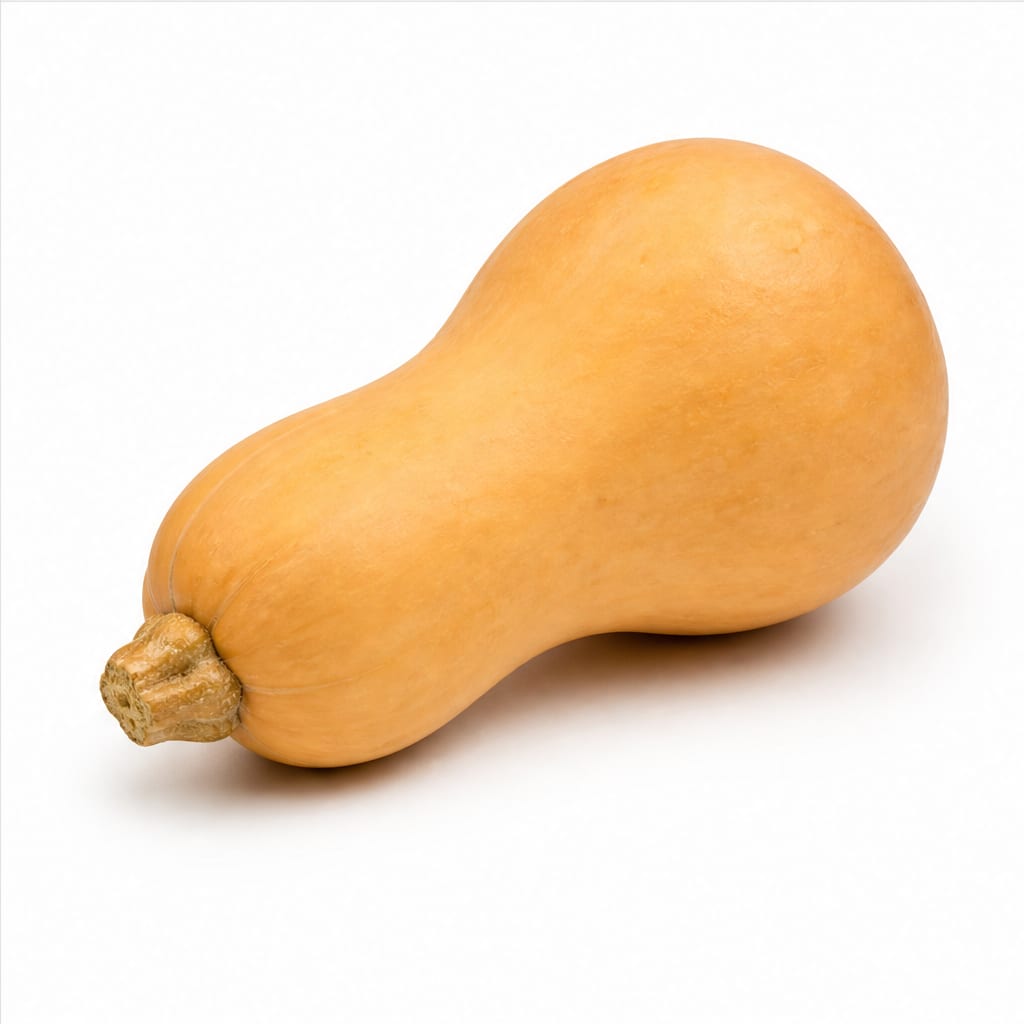
Compare with
Butternut Squash
Butternut squash has slightly more calories and carbs but is sweeter. Pumpkin is lower calorie and better for strict dieting.
Pumpkin is lower in calories and better for weight loss, while butternut squash offers slightly more fiber and natural sweetness.
This food
Pumpkin
VS85% alike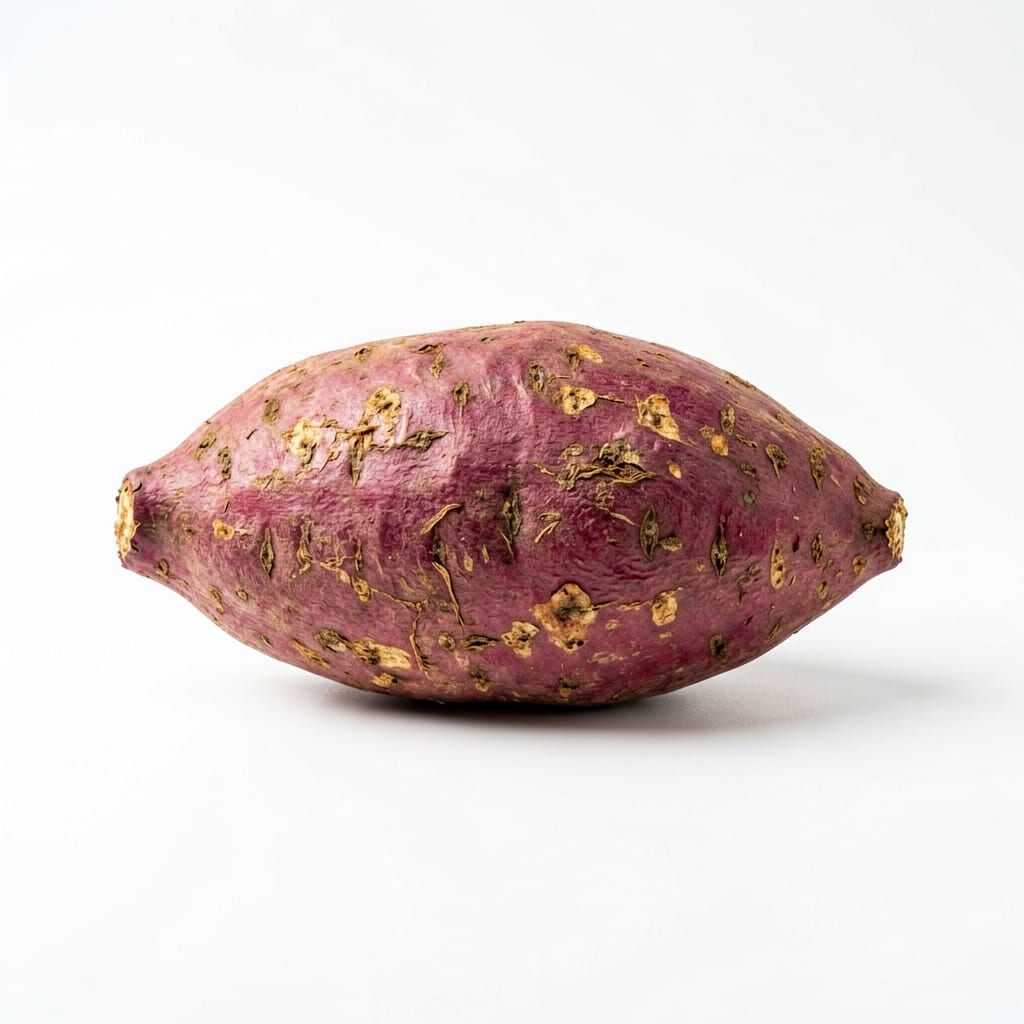
Compare with
Sweet Potato
Sweet potato is higher in calories, carbs, and fiber. Pumpkin is much lower in calories and has a lower glycemic load.
Sweet potatoes provide more sustained energy and fiber for workouts, while pumpkin is significantly lower in calories for weight loss.
This food
Pumpkin
VS100% alike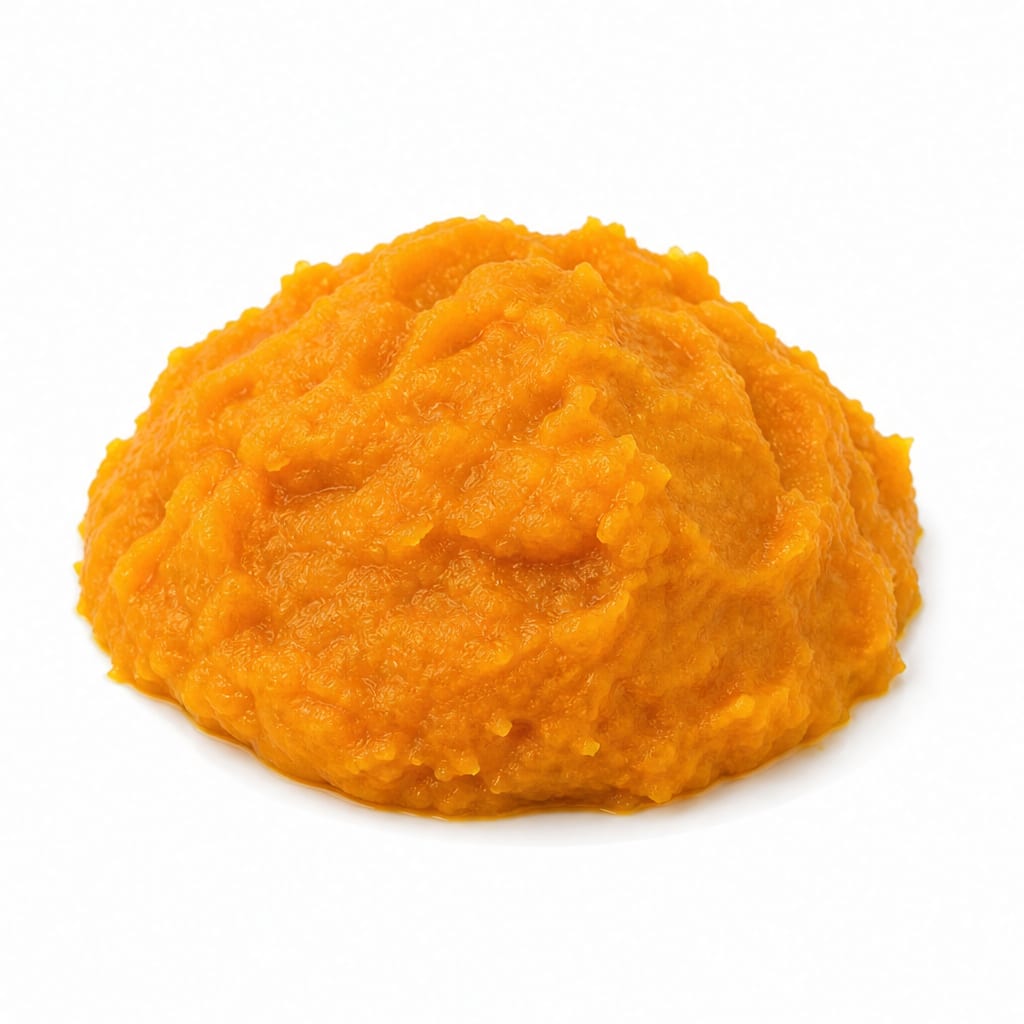
Compare with
Canned Pumpkin Puree
Canned puree is more concentrated in nutrients and fiber due to water loss during cooking. Fresh pumpkin is lower in calories per volume.
Canned pumpkin puree is more nutrient-dense and higher in fiber, while fresh pumpkin is lower in calories per cup.
This food
Pumpkin
VS75% alike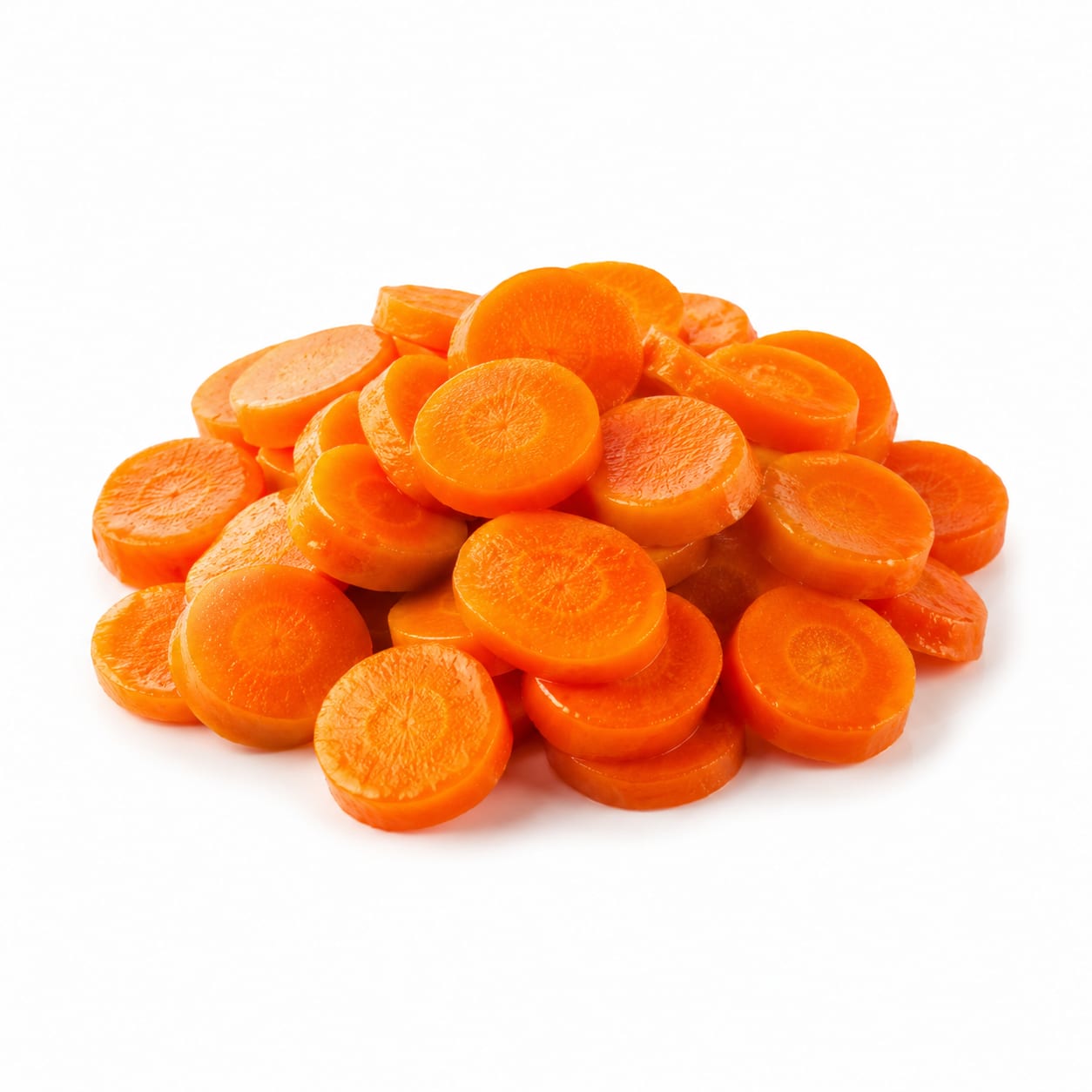
Compare with
Carrots
Carrots are crunchier raw and slightly higher in sugar. Pumpkin is lower in calories and carbs per serving.
Pumpkin is lower in calories and sugar, while carrots are more convenient for raw snacking and provide slightly more fiber.
This food
Pumpkin
VS90% alike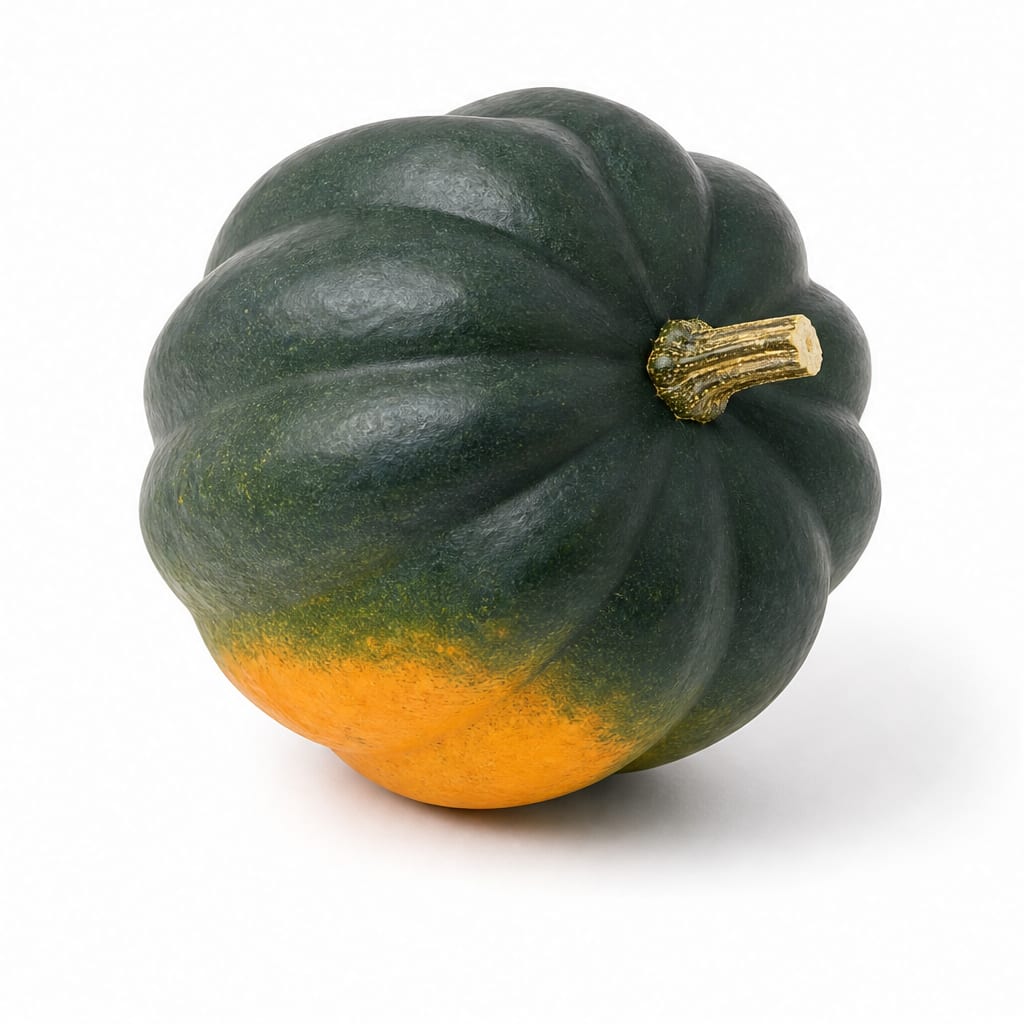
Compare with
Acorn Squash
Acorn squash is higher in fiber and carbs. Pumpkin is significantly lower in calories and higher in vitamin A.
Pumpkin is lower in calories and better for weight loss, while acorn squash provides more dietary fiber per serving.
This food
Pumpkin
VS70% alike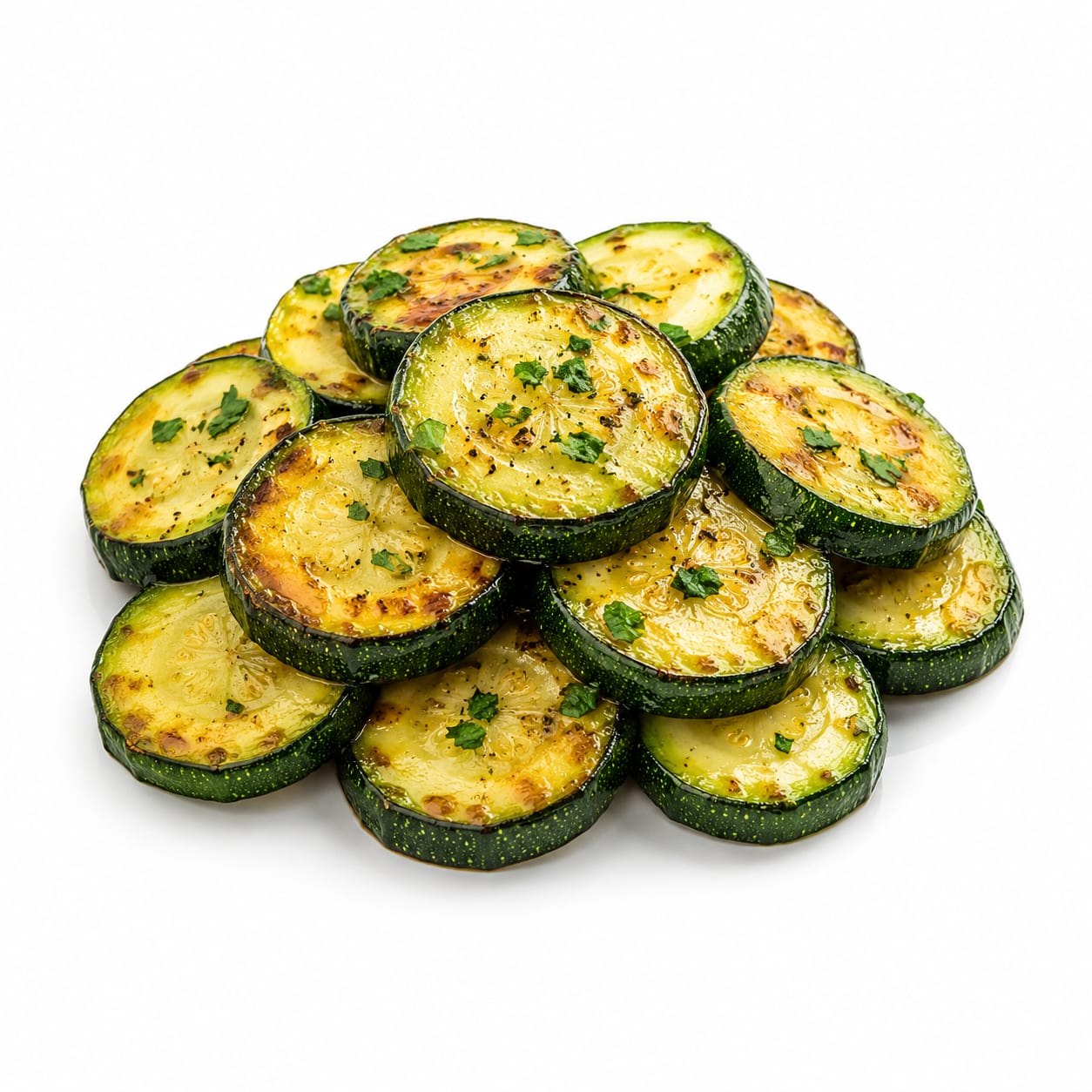
Compare with
Zucchini
Zucchini is even lower in calories and carbs than pumpkin. Pumpkin provides much more vitamin A and potassium.
Zucchini is lower in calories and carbs, while pumpkin offers significantly more vitamin A and potassium for overall nutrition.
This food
Pumpkin
VS80% alike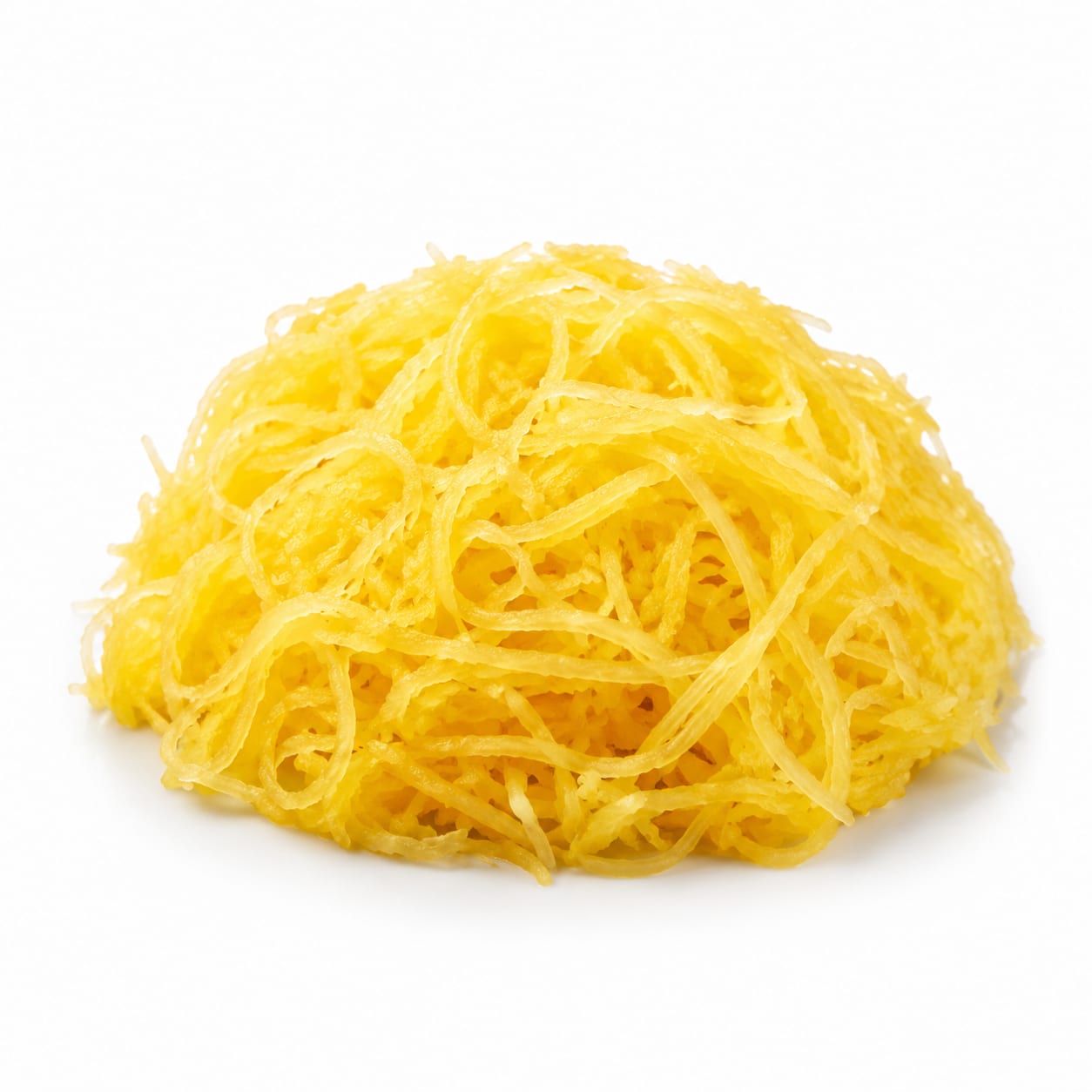
Compare with
Spaghetti Squash
Spaghetti squash is lower in carbs and has a unique noodle-like texture. Pumpkin is richer in micronutrients like vitamin A.
Spaghetti squash is lower in carbs and better for pasta alternatives, while pumpkin is richer in vitamins and antioxidants.
This food
Pumpkin
VS40% alike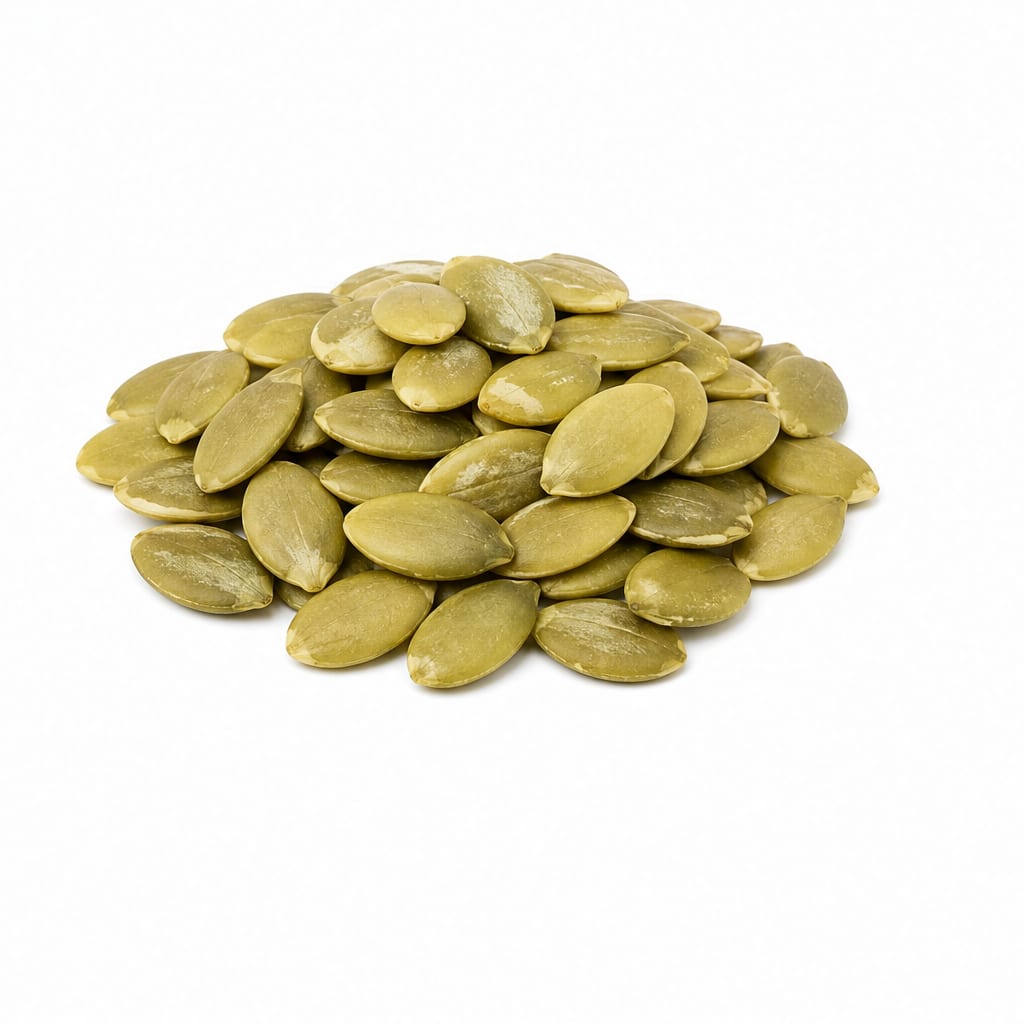
Compare with
Pumpkin Seeds
Seeds are high in fat, protein, and calories. Pumpkin flesh is low-calorie and high-volume.
Pumpkin flesh is ideal for low-calorie volume eating, while pumpkin seeds provide healthy fats, protein, and magnesium.
This food
Pumpkin
VS65% alike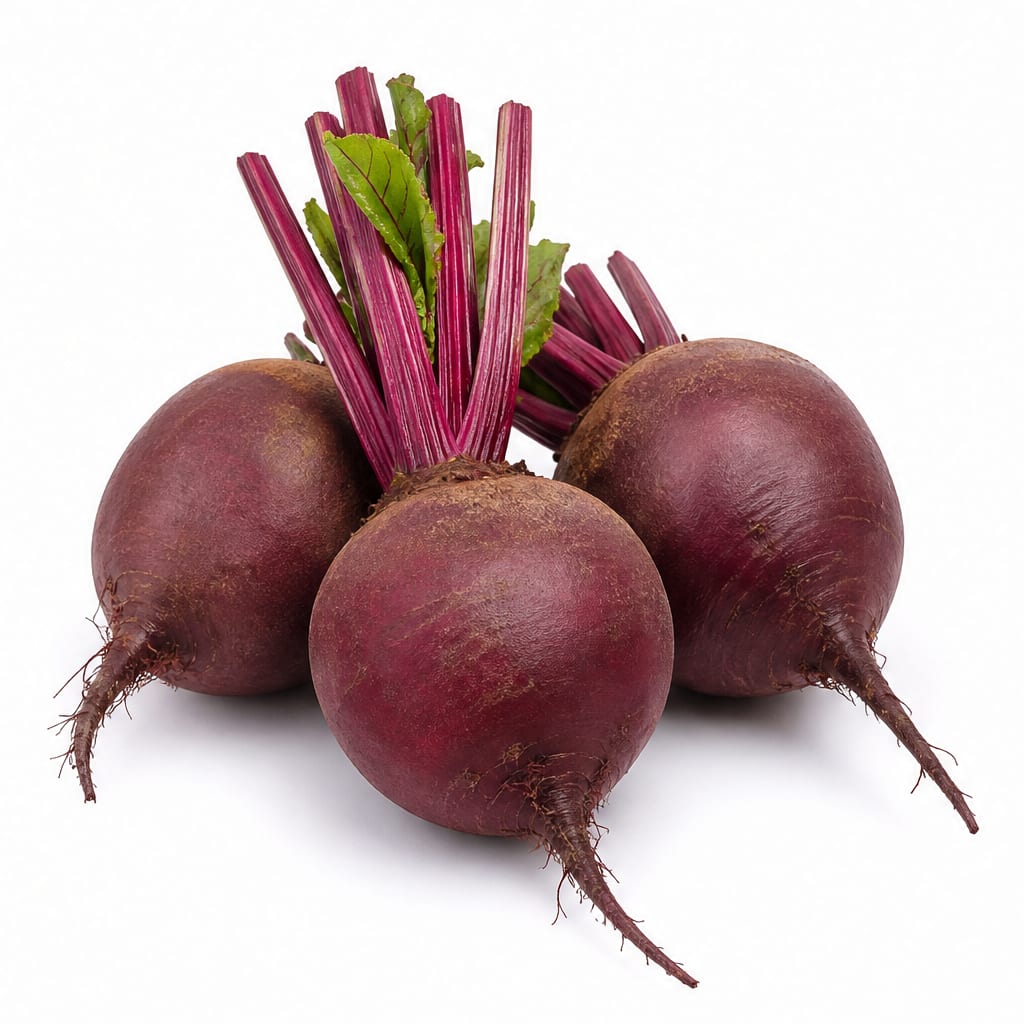
Compare with
Beets
Beets are higher in sugar and carbs, offering more athletic performance benefits. Pumpkin is lower in calories and higher in vitamin A.
Beets are higher in natural sugars and nitrates for athletic performance, while pumpkin is lower in calories and better for weight loss.
This food
Pumpkin
VS60% alike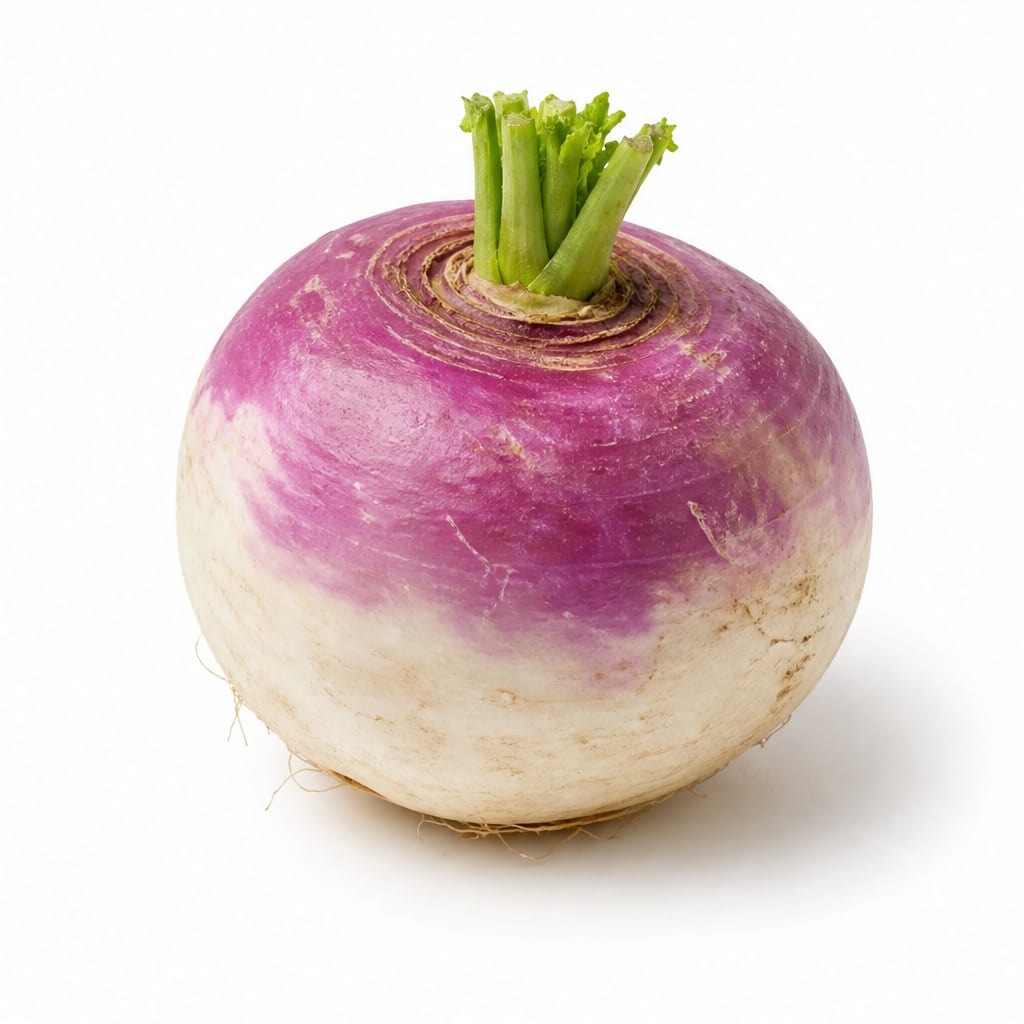
Compare with
Turnip
Turnips are lower in carbs and calories than pumpkin but lack the high vitamin A content.
Turnips are lower in calories and carbs, but pumpkin provides vastly more vitamin A and antioxidants.
Common questions
FAQ
Answers aligned with how people search for this food.
Is pumpkin good for weight loss?
Yes, it is very low in calories and high in water, allowing you to eat a large volume for very few calories, which helps with satiety.
Can diabetics eat pumpkin?
Yes, while its glycemic index is high, its glycemic load is very low, meaning typical portions will not spike blood sugar.
Is canned pumpkin as healthy as fresh?
Canned pure pumpkin is highly nutritious and often more concentrated in fiber and certain vitamins than fresh, but avoid pie filling with added sugar.
Does pumpkin have a lot of carbs?
No, raw pumpkin contains only about 6.5 grams of carbohydrates per 100 grams, much of which is water and fiber.
What are the benefits of eating pumpkin?
It is exceptionally rich in beta-carotene (vitamin A), supports eye health, and provides potassium for heart health.
Is pumpkin a fruit or a vegetable?
Botanically, pumpkin is a fruit because it develops from the flower of the plant and contains seeds, but it is used culinarily as a vegetable.
Can I eat pumpkin on a keto diet?
In small amounts, pumpkin can fit into a keto diet due to its low net carbs per serving, but portion control is necessary.
Why does pumpkin have a high glycemic index?
The carbohydrates in pumpkin digest quickly, giving it a high GI, but because there are so few carbs per serving, the overall blood sugar impact is minimal.
Transparency
Data confidence
Estimated confidence for nutrition data, interpretation, safety notes, and comparisons.
Nutrition data
Health analysis
Food safety
Comparisons