
Nutrition comparison
Pumpkin vs Canned Pumpkin Puree: Which is Healthier?
Compare fresh pumpkin vs canned pumpkin puree for nutrition, convenience, and cooking. Find out which is better for baking, weight loss, and daily health.
Overall winner · Canned Pumpkin Puree
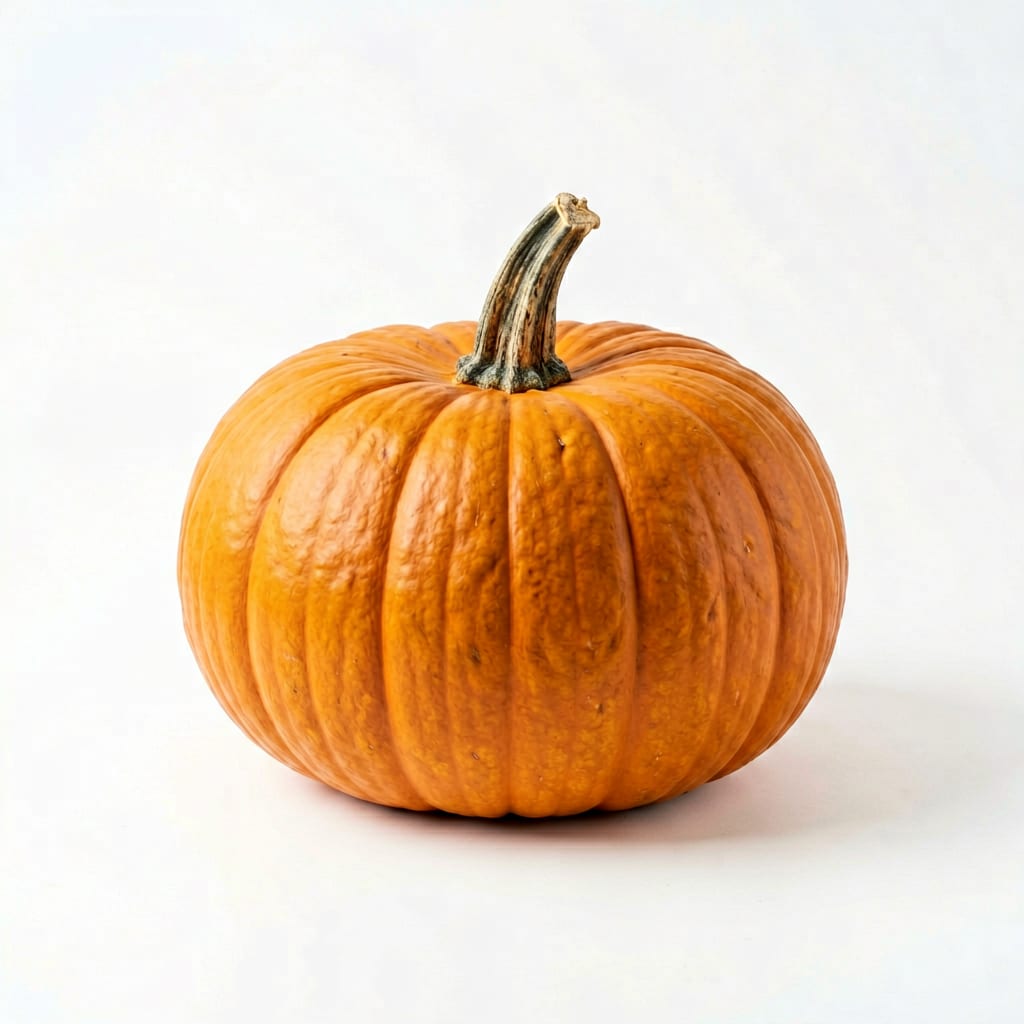
Pumpkin
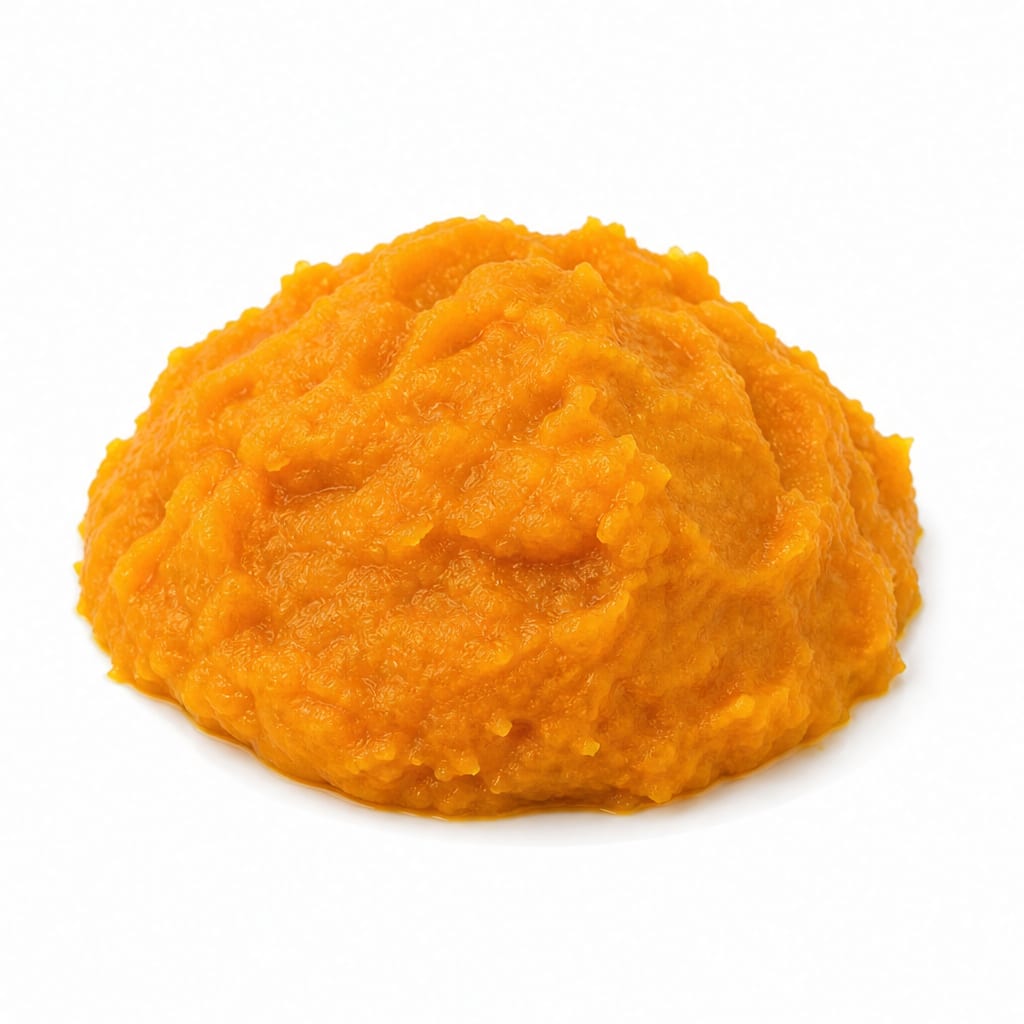
Canned Pumpkin Puree
Canned pumpkin puree delivers more concentrated nutrients and far better convenience, while fresh pumpkin offers a lighter, lower-calorie eating experience but requires significant prep.
Canned pumpkin puree scores higher primarily due to its unmatched convenience and concentrated nutrient profile, making it a more practical and reliable choice for everyday health. Fresh pumpkin remains a great whole food but is penalized for its demanding prep and culinary unpredictability.
Convenience and nutrient concentration versus raw naturalness and lower calorie density.
At a glance
Executive summary
Overall
Canned Pumpkin Puree
Healthier
Canned Pumpkin Puree
More practical
Canned Pumpkin Puree
Daily use
Canned Pumpkin Puree
Key comparison lenses
Convenience and Practicality
Fresh pumpkin requires significant effort to peel, seed, and roast, while canned pumpkin puree is instantly ready to eat or cook with.
Nutrient Density and Concentration
Canned pumpkin puree has much of its water removed during processing, concentrating its vitamins and minerals per serving compared to fresh pumpkin.
Culinary Texture and Reliability
Fresh pumpkin can be watery and stringy, making baking unpredictable, whereas canned pumpkin puree offers a smooth, consistent texture.
Processing and Packaging Safety
Fresh pumpkin is a whole food, while canned pumpkin puree carries potential concerns regarding BPA in can linings, despite being free of artificial additives.
Best choice for
Pumpkin
- People wanting low-calorie volume to fill up
- Whole-food purists avoiding all packaging
- Home cooks wanting to roast the seeds
Canned Pumpkin Puree
- Baking reliable pumpkin breads and pies
- Adding quick nutrition to smoothies and oatmeal
- Maximizing daily vitamin A intake easily
Least suitable for
Pumpkin
- Quick weeknight meal prep
- Recipes requiring precise moisture levels
- People lacking knife skills for hard squash
Canned Pumpkin Puree
- Those strictly avoiding canned goods
- Raw food diet followers
- Situations where chunky texture is desired
Deep comparison
Dimension by dimension
Each lens scores both foods and breaks down who each option suits.
- Dimension 1 · Priority 90Canned Pumpkin Puree
Nutrient Density
Pumpkin · 65Canned Pumpkin Puree · 92Canned pumpkin puree has much of its water cooked out, concentrating the beta-carotene, fiber, and potassium per cup compared to fresh pumpkin.
Tradeoff
You get more vitamins per bite with canned pumpkin puree, but fresh pumpkin offers a lighter, more hydrating eating experience.
Why it matters
If you are eating pumpkin primarily for its vitamin A and antioxidants, canned pumpkin puree delivers significantly more per serving.
Real-world impact
A single serving of canned pumpkin puree can easily meet your daily vitamin A needs, while fresh pumpkin requires eating a much larger, watery volume.
Pumpkin
- Staying hydrated during meals
- Snacking without consuming too many calories
Better for
- Situations requiring high nutrient density in small portions
Worse for
Canned Pumpkin Puree
- Meeting daily vitamin A requirements quickly
- Boosting fiber intake for digestive health
Better for
- Those who struggle with the thicker texture of concentrated foods
Worse for
- Dimension 2 · Priority 95Canned Pumpkin Puree
Convenience and Prep Time
Pumpkin · 30Canned Pumpkin Puree · 98Canned pumpkin puree is ready to eat instantly, while fresh pumpkin requires peeling, seeding, and roasting for nearly an hour.
Tradeoff
Canned pumpkin puree saves massive time and effort, but fresh pumpkin gives you the satisfaction of cooking from scratch and access to the seeds.
Why it matters
The effort required to prep fresh pumpkin means most people rarely eat it, whereas canned pumpkin puree makes it easy to add to meals daily.
Real-world impact
Adding a scoop of canned pumpkin puree to oatmeal takes five seconds; roasting a fresh pumpkin is a weekend project.
Pumpkin
- Enjoying a weekend cooking project
- Making homemade pumpkin seeds
Better for
- Busy professionals with limited time
- Quick meal prep scenarios
Worse for
Canned Pumpkin Puree
- Quick weeknight dinners
- Fast morning smoothies
Better for
- Culinary experiences focused on the process of cooking
Worse for
- Dimension 3 · Priority 85Canned Pumpkin Puree
Culinary Versatility and Texture
Pumpkin · 50Canned Pumpkin Puree · 90Canned pumpkin puree is smooth and predictable, making it perfect for baking, soups, and smoothies, whereas fresh pumpkin can be stringy and watery.
Tradeoff
Canned pumpkin puree guarantees recipe success and smooth textures, while fresh pumpkin can vary wildly in water content and fiber texture.
Why it matters
Baking with fresh pumpkin often leads to soggy pies or muffins due to its high moisture content.
Real-world impact
Your pumpkin bread will rise perfectly with canned pumpkin puree, but might turn out dense and wet if you use freshly roasted pumpkin.
Pumpkin
- Roasted side dishes where a firm texture is desired
- Dishes where a rustic, chunky consistency is preferred
Better for
- Making smoothies
- Baking recipes that require precise moisture
Worse for
Canned Pumpkin Puree
- Baking moist cakes and breads
- Blending into creamy soups
Better for
- Recipes calling for diced or chunked squash
Worse for
- Dimension 4 · Priority 75Pumpkin
Calorie Density and Satiety
Pumpkin · 88Canned Pumpkin Puree · 70Fresh pumpkin is mostly water, making it incredibly low in calories per volume, allowing you to eat a large, satisfying portion.
Tradeoff
Fresh pumpkin lets you eat a larger volume for fewer calories, but canned pumpkin puree packs more sustained energy and fiber into a smaller serving.
Why it matters
If you are looking to fill up on a low-calorie snack, fresh pumpkin provides more physical bulk.
Real-world impact
You can eat two cups of roasted fresh pumpkin for under 50 calories, feeling very full, whereas the same calories yield a tiny amount of canned pumpkin puree.
Pumpkin
- Large, filling snacks with minimal calories
- Volume eating for weight management
Better for
- Those needing calorie-dense foods for weight gain
Worse for
Canned Pumpkin Puree
- Getting more fiber and energy in a small serving
- Appetite control through concentrated fiber
Better for
- People who feel unsatisfied by small portions of food
Worse for
- Dimension 5 · Priority 70Pumpkin
Processing and Packaging Safety
Pumpkin · 95Canned Pumpkin Puree · 65Fresh pumpkin is a whole, unprocessed food with zero packaging risks, while canned pumpkin puree carries potential concerns about BPA in can linings.
Tradeoff
Fresh pumpkin is as natural as it gets, while canned pumpkin puree involves industrial processing and storage in metal or tetra packs.
Why it matters
Even though most canned pumpkin puree contains no added ingredients, the can lining can leach trace chemicals into the food over time.
Real-world impact
Choosing fresh pumpkin eliminates any worry about industrial packaging, though many brands of canned pumpkin puree now offer BPA-free options.
Pumpkin
- Avoiding all processed foods
- Eliminating exposure to packaging chemicals
Better for
- Situations where food spoilage is a concern
Worse for
Canned Pumpkin Puree
- Long-term pantry storage without spoilage
Better for
- Consumers actively avoiding canned goods
Worse for
Timeline
Health impact over time
Short-term
Hours to days
Pumpkin
- Provides a light, hydrating side dish
- Requires significant cooking time before eating
Canned Pumpkin Puree
- Instantly boosts the nutrient profile of a smoothie or meal
- Easy to digest due to its smooth, cooked texture
Long-term
Months to years
Pumpkin
- Supports weight management through high volume, low calorie eating
- Inconsistent nutrient intake due to the hassle of preparation
Canned Pumpkin Puree
- Consistently high antioxidant intake supports eye and immune health
- Potential low-level exposure to can lining chemicals if not BPA-free
Risk profile
Safety & processing
Fresh pumpkin is a raw whole food, while canned pumpkin puree is thermally processed and packaged. However, canned pumpkin puree typically contains zero artificial additives, making it a very clean processed food.
Pumpkin
Physical injury during prep
mediumCutting into a hard, thick-skinned fresh pumpkin requires a heavy knife and carries a risk of slips.
Rapid spoilage
lowOnce cut, fresh pumpkin spoils relatively quickly in the fridge compared to the shelf-stability of a can.
Canned Pumpkin Puree
BPA exposure from can lining
lowSome cans use BPA in their linings, which can leach into the puree, though many brands have transitioned to BPA-free cans.
Botulism from damaged cans
lowCommercially canned goods carry an extremely rare risk of botulism, usually only if the can is visibly damaged or bulging.
Who wins for whom
Audience fit
Same foods, different winners depending on your goal.
children
Canned Pumpkin PureeThe smooth texture of canned pumpkin puree is easier for kids to eat, and it hides effortlessly in kid-favorites like pancakes and oatmeal.
daily consumption
Canned Pumpkin PureeThe convenience of canned pumpkin puree makes it far more likely you will actually consume it daily and reap the antioxidant benefits.
diabetes
Canned Pumpkin PureeCanned pumpkin puree has a more concentrated fiber content per serving, which helps blunt blood sugar spikes, though both are excellent low-glycemic choices.
elderly
Canned Pumpkin PureeCanned pumpkin puree requires no peeling or cutting, and its soft texture is gentle on the digestive system.
muscle gain
It dependsNeither is a significant protein source, though both offer good carbs for energy.
weight loss
PumpkinFresh pumpkin's high water content provides more volume per calorie, helping you feel full on fewer calories.
Your move
Decision guide
Choose Pumpkin
- You want a very low-calorie, high-volume snack
- You enjoy the process of roasting vegetables
- You want to roast the seeds for a free snack
- You strictly avoid canned foods
Choose Canned Pumpkin Puree
- You want to bake reliable pumpkin bread or pies
- You need a quick addition to smoothies or oatmeal
- You want maximum vitamin A per bite
- You value convenience in your daily meal prep
Either works if
- You want a healthy, fiber-rich carbohydrate source
- You are making a simple autumn soup
Avoid both if
- You are looking for a primary protein source
- You need a very low-fiber diet for digestive rest
Final recommendation
For most people, canned pumpkin puree is the better everyday choice due to its concentrated nutrients and unmatched convenience. Opt for fresh pumpkin when you want a low-calorie roasted vegetable or the experience of cooking from scratch.
Practical
Consumer tips
- 1
Always check the label on canned pumpkin puree to ensure it is 100% pure pumpkin and not pumpkin pie filling, which is loaded with added sugar.
- 2
Don't throw away the seeds when cutting fresh pumpkin; roast them with salt and spices for a free, mineral-rich snack.
- 3
If you are concerned about BPA, look for canned pumpkin puree in tetra packs or specifically labeled BPA-free cans.
- 4
If your fresh roasted pumpkin turns out too watery for baking, strain it through cheesecloth overnight to achieve a thicker consistency.