
Nutrition comparison
Pumpkin vs Pumpkin Seeds: Which Is Healthier for Your Goals?
Compare pumpkin flesh and pumpkin seeds side by side — calories, protein, minerals, weight loss impact, and which one fits your diet best. Expert breakdown with real-world advice.
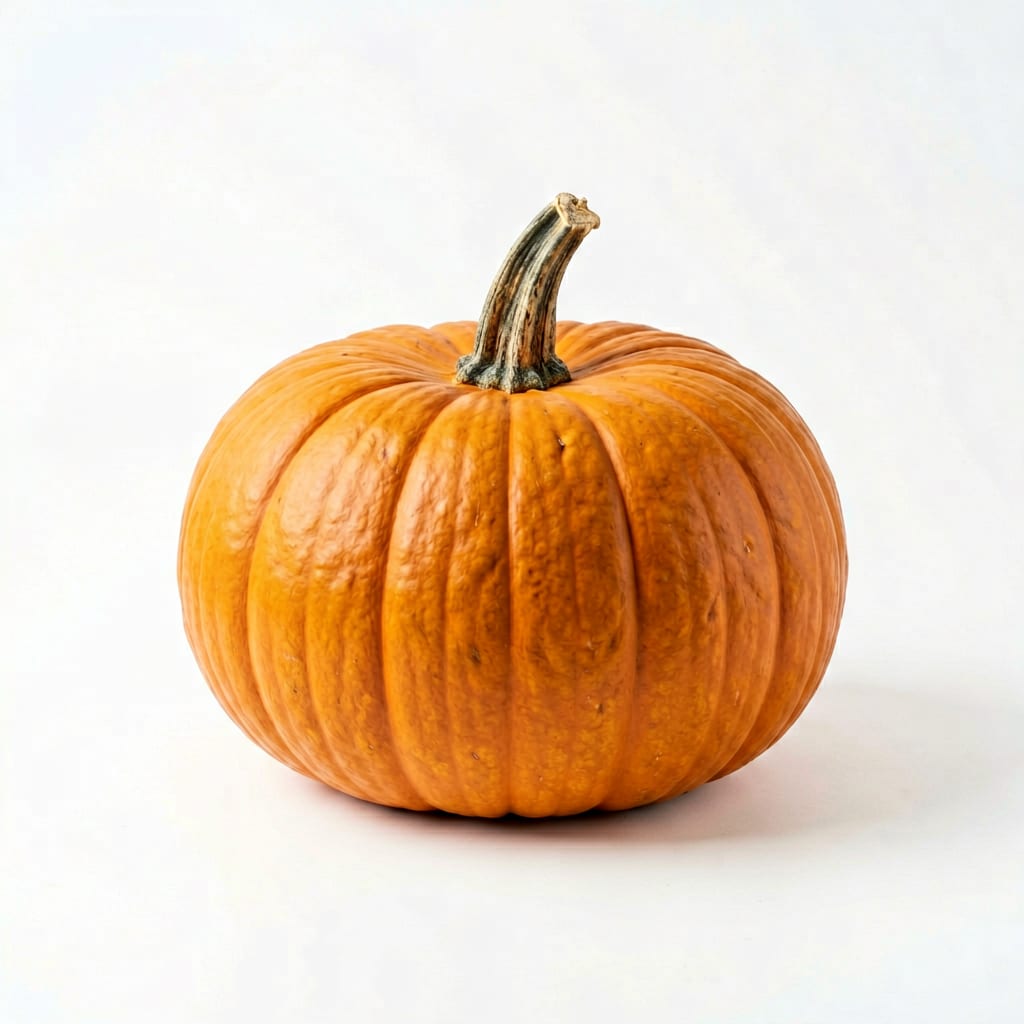
Pumpkin
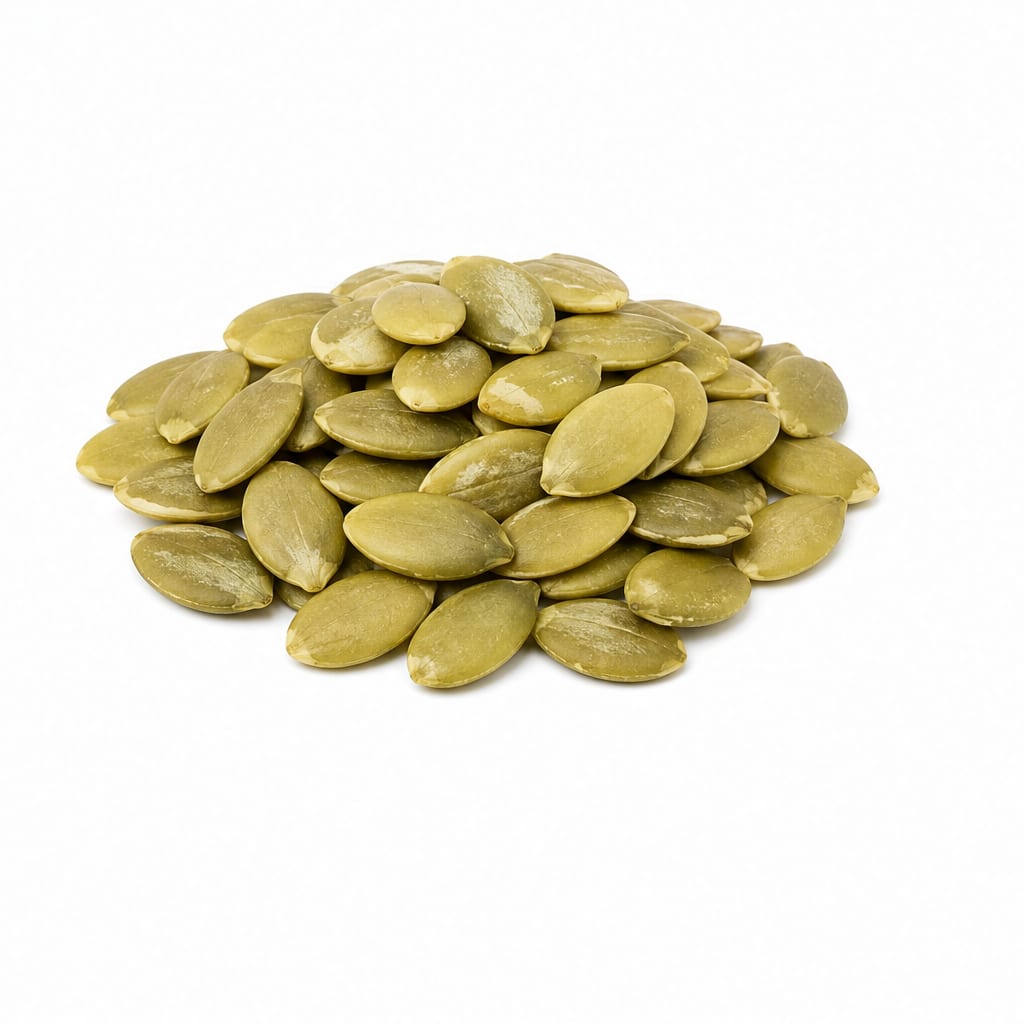
Pumpkin Seeds
Pumpkin and pumpkin seeds serve completely different nutritional roles — pumpkin fills you up with barely any calories, while pumpkin seeds deliver concentrated minerals, protein, and healthy fats in a small package.
Pumpkin seeds score higher due to their exceptional mineral density and protein content, but pumpkin flesh earns strong marks for its ultra-low calorie volume and vitamin A richness. The gap reflects that seeds offer more per bite nutritionally, but both are genuinely healthy foods serving different needs.
Volume and lightness versus density and nourishment — you cannot get the benefits of both in the same calorie budget.
At a glance
Executive summary
Overall
It depends
Healthier
It depends
More practical
Pumpkin Seeds
Daily use
It depends
Key comparison lenses
calorie density vs nutrient density tradeoff
Pumpkin flesh is extremely low-calorie and high-volume while pumpkin seeds are calorie-dense and micronutrient-packed, making this the central decision point
weight management strategy
Users commonly wonder whether to eat the flesh or seeds when watching calories, and the answer depends heavily on the approach
mineral supplementation through food
Pumpkin seeds are among the best dietary sources of magnesium, zinc, and iron, which many people lack
snacking vs meal integration
Pumpkin works as a bulk ingredient in meals while seeds function as a topping or standalone snack
protein and satiety needs
Seeds deliver substantial protein and healthy fats that keep you full, while pumpkin flesh provides mostly volume with minimal protein
Best choice for
Pumpkin
- People cutting calories who want to eat large portions
- Anyone needing gentle, easy-to-digest food
- Those seeking beta-carotene and vitamin A
- Meal preppers making soups, stews, or purees
- People watching their fat intake closely
Pumpkin Seeds
- People low in magnesium, zinc, or iron
- Those needing portable, shelf-stable snacks
- Athletes or active people needing mineral replenishment
- Anyone struggling to get enough protein from plant sources
- People wanting to top salads or bowls with crunch and nutrition
Least suitable for
Pumpkin
- Those needing calorie-dense nutrition or weight gain
- People looking for a protein source
- Anyone wanting a quick, shelf-stable snack
Pumpkin Seeds
- People strictly limiting calories or fat
- Those prone to mindless snacking on nuts and seeds
- Anyone with seed allergies or digestive sensitivity to high-fat foods
Deep comparison
Dimension by dimension
Each lens scores both foods and breaks down who each option suits.
- Dimension 1 · Priority 95Pumpkin
Calorie Density and Weight Management
Pumpkin · 92Pumpkin Seeds · 35Pumpkin flesh delivers massive portions for minimal calories, while pumpkin seeds are easy to overeat given their calorie density.
Tradeoff
You get more food on your plate with pumpkin, but seeds give you lasting fullness from fat and protein — different satiety strategies.
Why it matters
If you eat pumpkin seeds like a snack, a handful becomes 150+ calories fast. Pumpkin flesh lets you eat cups of food for the same calories.
Real-world impact
A bowl of pumpkin soup feels like a full meal for under 100 calories. A quarter cup of pumpkin seeds is 180 calories and may not feel like enough.
Pumpkin
- Volume eaters who want large portions
- Calorie counters tracking every bite
- People who feel satisfied by food quantity
Better for
- People who need to gain weight
- Those unsatisfied by low-calorie meals
Worse for
Pumpkin Seeds
- Those who feel fuller from fat and protein
- People needing calorie-dense fuel for activity
- Anyone struggling to eat enough calories
Better for
- Mindless snackers who eat straight from the bag
- Anyone on a strict calorie deficit
Worse for
- Dimension 2 · Priority 90Pumpkin Seeds
Mineral Content
Pumpkin · 30Pumpkin Seeds · 95Pumpkin seeds are a mineral powerhouse — especially magnesium, zinc, iron, and copper — while pumpkin flesh offers modest amounts.
Tradeoff
You would need to eat an unrealistic amount of pumpkin to match the mineral content of a small serving of seeds.
Why it matters
Magnesium deficiency is widespread and affects sleep, muscle recovery, and stress. Pumpkin seeds are one of the best food sources available.
Real-world impact
A quarter cup of pumpkin seeds covers nearly half your daily magnesium needs. You would need to eat several pounds of pumpkin flesh for the same amount.
Pumpkin
- Those getting minerals from other sources already
Better for
- Those relying on it as a mineral source
Worse for
Pumpkin Seeds
- People with low magnesium or poor sleep
- Vegans and vegetarians needing iron and zinc
- Athletes losing minerals through sweat
- Anyone under stress depleting magnesium faster
Better for
- People who over-consume minerals from supplements already
Worse for
- Dimension 3 · Priority 80Pumpkin Seeds
Protein and Satiety
Pumpkin · 15Pumpkin Seeds · 82Pumpkin seeds provide solid plant protein and fat-based satiety, while pumpkin flesh is almost entirely water and carbs with negligible protein.
Tradeoff
Seeds keep you full longer per calorie, but pumpkin fills your stomach physically — different fullness mechanisms.
Why it matters
Protein and fat slow digestion and stabilize blood sugar. Pumpkin alone will not keep you satisfied for long without a protein source added.
Real-world impact
A pumpkin-only lunch leaves you hungry in an hour. Adding pumpkin seeds as a topping turns it into a meal that lasts.
Pumpkin
- Those eating protein from other sources in the same meal
Better for
- Anyone relying on it as a standalone meal
Worse for
Pumpkin Seeds
- Plant-based eaters needing protein variety
- People wanting a snack that actually holds them over
- Post-workout recovery snackers
Better for
- Those already eating high-protein diets who do not need more
Worse for
- Dimension 4 · Priority 75Pumpkin
Vitamin A and Antioxidants
Pumpkin · 90Pumpkin Seeds · 40Pumpkin flesh is loaded with beta-carotene, giving it that orange color and a huge vitamin A payoff. Seeds contain some vitamin E but far less beta-carotene.
Tradeoff
If immune support and skin health through vitamin A are your priority, the flesh wins clearly. Seeds offer vitamin E instead, which is valuable but different.
Why it matters
Vitamin A supports immunity, skin, and vision. Most people do not eat enough orange vegetables, making pumpkin an easy win.
Real-world impact
One cup of cooked pumpkin provides over 200% of daily vitamin A needs. Seeds cannot replicate this benefit.
Pumpkin
- People wanting immune and skin support
- Those who do not eat many orange vegetables
- Anyone needing more vitamin A specifically
Better for
- People already eating lots of carrots and sweet potatoes
Worse for
Pumpkin Seeds
- Those seeking vitamin E antioxidant protection
Better for
- Those specifically targeting beta-carotene intake
Worse for
- Dimension 5 · Priority 70Pumpkin Seeds
Convenience and Versatility
Pumpkin · 45Pumpkin Seeds · 85Pumpkin seeds are shelf-stable, portable, and ready to eat. Pumpkin flesh requires cooking, peeling, or buying canned, and spoils quickly once cut.
Tradeoff
Seeds are grab-and-go anytime. Pumpkin needs preparation but integrates beautifully into cooked meals.
Why it matters
In real life, convenience often determines what you actually eat. Seeds win on accessibility; pumpkin wins on meal integration depth.
Real-world impact
You can keep pumpkin seeds in your desk, car, or gym bag. Pumpkin requires a kitchen, a knife, and time — or reliance on canned versions.
Pumpkin
- Home cooks making soups, purees, or baked goods
- Those who enjoy meal preparation
Better for
- People without time to cook
- Those wanting on-the-go options
Worse for
Pumpkin Seeds
- Busy people needing quick nutrition
- Travelers and commuters
- Anyone wanting a zero-prep topping for any meal
Better for
- Those who prefer cooked warm meals over snacks
Worse for
- Dimension 6 · Priority 70Pumpkin Seeds
Blood Sugar Impact
Pumpkin · 55Pumpkin Seeds · 78Pumpkin seeds have minimal impact on blood sugar due to their fat, protein, and fiber content. Pumpkin flesh has a moderate glycemic impact despite being low-calorie.
Tradeoff
Pumpkin is not a sugar bomb, but it is carb-dominant without fat or protein to slow absorption. Seeds naturally buffer blood sugar.
Why it matters
For people with diabetes or insulin resistance, the fat and protein in seeds create a steadier blood sugar response than carb-heavy pumpkin alone.
Real-world impact
Eating pumpkin by itself can cause a mild blood sugar rise. Pairing it with seeds or protein fixes this completely.
Pumpkin
- Active people who tolerate carbs well
- Those eating pumpkin as part of a balanced meal
Better for
- People sensitive to carb-only meals
Worse for
Pumpkin Seeds
- People with diabetes or prediabetes
- Those wanting steady energy without crashes
- Anyone eating a standalone snack between meals
Better for
- Those on very low-fat diets
Worse for
- Dimension 7 · Priority 60Pumpkin
Digestive Tolerance
Pumpkin · 88Pumpkin Seeds · 55Pumpkin flesh is gentle, soothing, and easy on the digestive system. Seeds can be harder to digest, especially in large amounts or when not chewed well.
Tradeoff
Pumpkin is comfort food for an upset stomach. Seeds require more digestive effort and may cause bloating in sensitive people.
Why it matters
If you have IBS, a sensitive gut, or are recovering from illness, pumpkin is far easier to tolerate than high-fat seeds.
Real-world impact
Pumpkin puree is often recommended for dogs and humans with digestive upset. A handful of seeds on the wrong day can mean bloating and discomfort.
Pumpkin
- People with sensitive digestion or IBS
- Those recovering from illness
- Anyone needing gentle, soothing foods
Better for
- People wanting digestive stimulation from fiber variety
Worse for
Pumpkin Seeds
- Those with robust digestion who tolerate seeds well
Better for
- Anyone prone to bloating from high-fat foods
- People who do not chew seeds thoroughly
Worse for
Timeline
Health impact over time
Short-term
Hours to days
Pumpkin
- Quick hydration from high water content
- Mild blood sugar rise if eaten alone without protein or fat
- Comforting, light feeling in the stomach
- Visible skin glow effect from beta-carotene with regular consumption
Pumpkin Seeds
- Lasting fullness from fat and protein combination
- Steadier energy without blood sugar spikes
- Possible bloating if eaten in large quantities too quickly
- Improved satiety between meals reducing overall snacking
Long-term
Months to years
Pumpkin
- Stronger immune function from consistent vitamin A intake
- Better skin health and reduced oxidative stress from beta-carotene
- Easier weight maintenance due to low calorie density habit
- Potential for inadequate protein if over-relying on pumpkin as a main food
Pumpkin Seeds
- Improved magnesium status supporting sleep, muscle function, and stress resilience
- Better zinc intake supporting immunity and hormone health
- Iron support especially valuable for plant-based eaters
- Risk of gradual weight gain if portion sizes are not managed
Risk profile
Safety & processing
Both foods are naturally whole and minimally processed in their raw forms. Canned pumpkin may contain added salt or sulfites depending on the brand, and roasted pumpkin seeds often have added oils and sodium. Choose raw seeds and plain canned pumpkin when possible for the cleanest option.
Pumpkin
Canned pumpkin BPA exposure
lowSome canned pumpkin uses BPA-lined cans. Choose tetra-pak or BPA-free labeled cans to minimize exposure.
Pesticide residue on conventionally grown pumpkin
lowPumpkin flesh is protected by its thick skin, reducing pesticide penetration. Peel and discard the skin to further reduce exposure.
Pumpkin Seeds
Phytic acid reducing mineral absorption
mediumPumpkin seeds contain phytic acid, which can bind to minerals like iron and zinc and reduce their absorption. Soaking or sprouting seeds before eating mitigates this significantly.
Added sodium in roasted and salted varieties
mediumCommercially roasted pumpkin seeds often contain surprising amounts of added salt. A single serving can deliver 200-400mg of sodium. Choose raw or dry-roasted unsalted versions.
Oxidized fats in pre-roasted seeds
lowSeeds roasted at high temperatures or stored for long periods can develop oxidized fats. Buying raw seeds and lightly toasting them at home is safer.
Who wins for whom
Audience fit
Same foods, different winners depending on your goal.
children
PumpkinPumpkin puree is gentle, easy to digest, and naturally sweet — ideal for kids. Whole pumpkin seeds can be a choking hazard for young children and are harder for small digestive systems to process.
daily consumption
It dependsA small daily handful of pumpkin seeds is excellent for mineral intake, while daily pumpkin provides consistent vitamin A. Both can coexist in a healthy diet — they serve different purposes.
diabetes
Pumpkin SeedsThe fat, protein, and fiber in pumpkin seeds create a slow, steady blood sugar response. Pumpkin flesh is carb-dominant and can raise blood sugar faster when eaten alone.
elderly
PumpkinPumpkin is soft, easy to chew, and gentle on aging digestive systems. Seeds require thorough chewing and can be difficult for those with dental issues or slowed digestion.
muscle gain
Pumpkin SeedsPumpkin seeds provide meaningful protein and magnesium, both important for muscle recovery and growth, while pumpkin flesh contributes negligible protein.
weight loss
PumpkinPumpkin flesh lets you eat large, satisfying portions for very few calories, making it easier to sustain a calorie deficit without feeling deprived.
Your move
Decision guide
Choose Pumpkin
- You want to eat large portions without gaining weight
- You need gentle, easy-to-digest food
- You are focusing on vitamin A, skin health, and immune support
- You are making soups, stews, or purees and need a low-calorie base
- You have a sensitive stomach or are recovering from illness
Choose Pumpkin Seeds
- You need a portable, shelf-stable snack that actually satisfies
- You are low in magnesium, zinc, or iron
- You want plant-based protein and healthy fats in a small serving
- You are an athlete or active person needing mineral replenishment
- You want to top salads, oatmeal, or bowls with crunch and nutrition
Either works if
- You want to support overall health with whole, natural foods
- You are building a balanced diet and can use both strategically
- You are eating seasonally and enjoying autumn produce in all forms
Avoid both if
- You have a specific pumpkin or seed allergy, which is rare but possible
- You are on an extremely restrictive diet that limits both carbs and fats simultaneously
Final recommendation
The smartest move is combining both — use pumpkin flesh as your low-calorie meal base and sprinkle pumpkin seeds on top for protein, minerals, and crunch. This pairing gives you the volume of pumpkin with the staying power of seeds, creating a meal that is both satisfying and nutritionally complete. If you must choose one, pick pumpkin for weight loss and digestive comfort, or pumpkin seeds for mineral density and satiety.
Practical
Consumer tips
- 1
Buy raw pumpkin seeds and toast them yourself at 325°F for 10 minutes to avoid oxidized oils and excess sodium from commercial roasting
- 2
Soak pumpkin seeds in salted water for 6-8 hours before roasting to reduce phytic acid and improve mineral absorption
- 3
Choose canned pumpkin labeled as 100% pure pumpkin — not pumpkin pie filling, which contains added sugar and spices
- 4
Store pumpkin seeds in the refrigerator or freezer to prevent the healthy fats from going rancid
- 5
A quarter cup of pumpkin seeds is a proper serving — measure it rather than eating straight from the bag
- 6
Roasted pumpkin cubes with olive oil and a seed crust on top is one of the most nutritionally complete side dishes you can make
- 7
If canned pumpkin is your go-to, seek out BPA-free cans or tetra-pak packaging to reduce exposure