
Nutrition comparison
Pumpkin vs Turnip: Nutrition, Carbs, and Health Benefits Compared
Compare pumpkin and turnip to find out which vegetable is better for weight loss, blood sugar, and overall health. Discover the nutritional tradeoffs between these two root veggies.
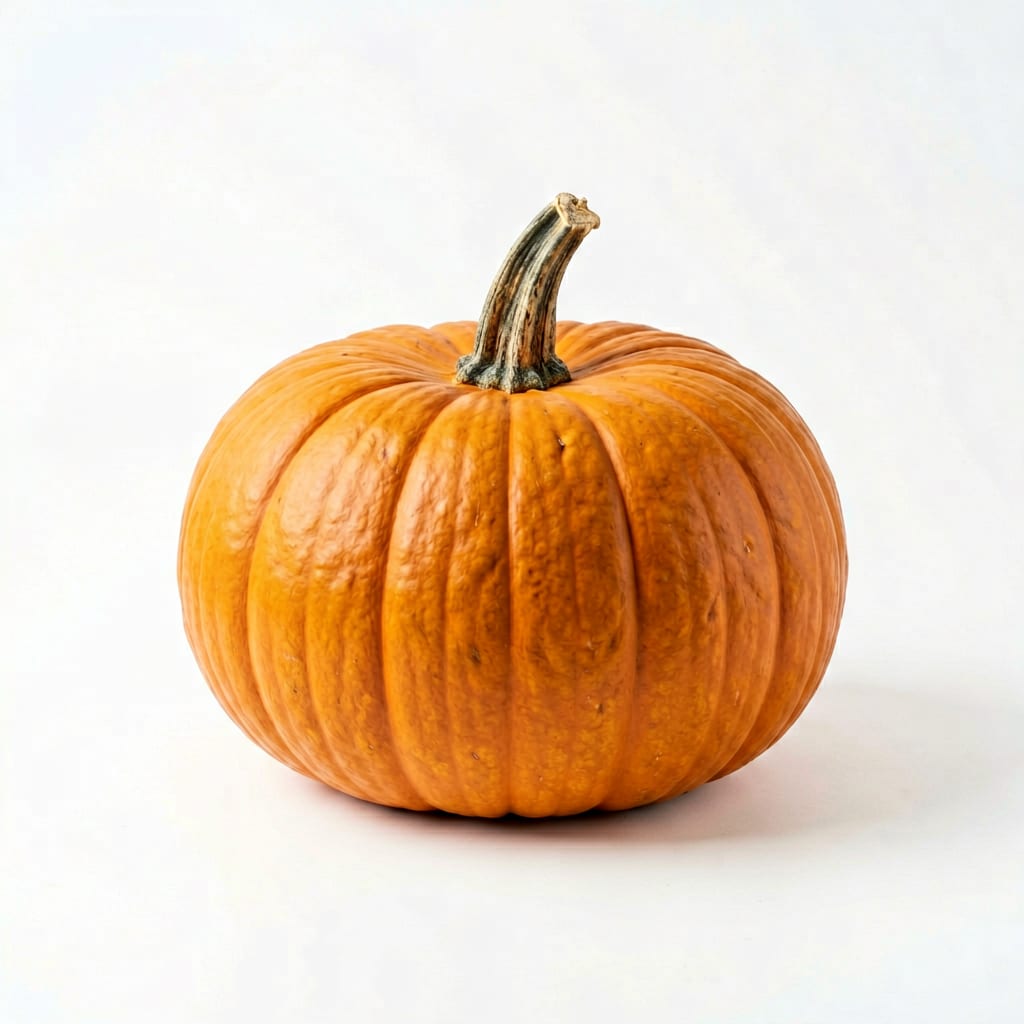
Pumpkin
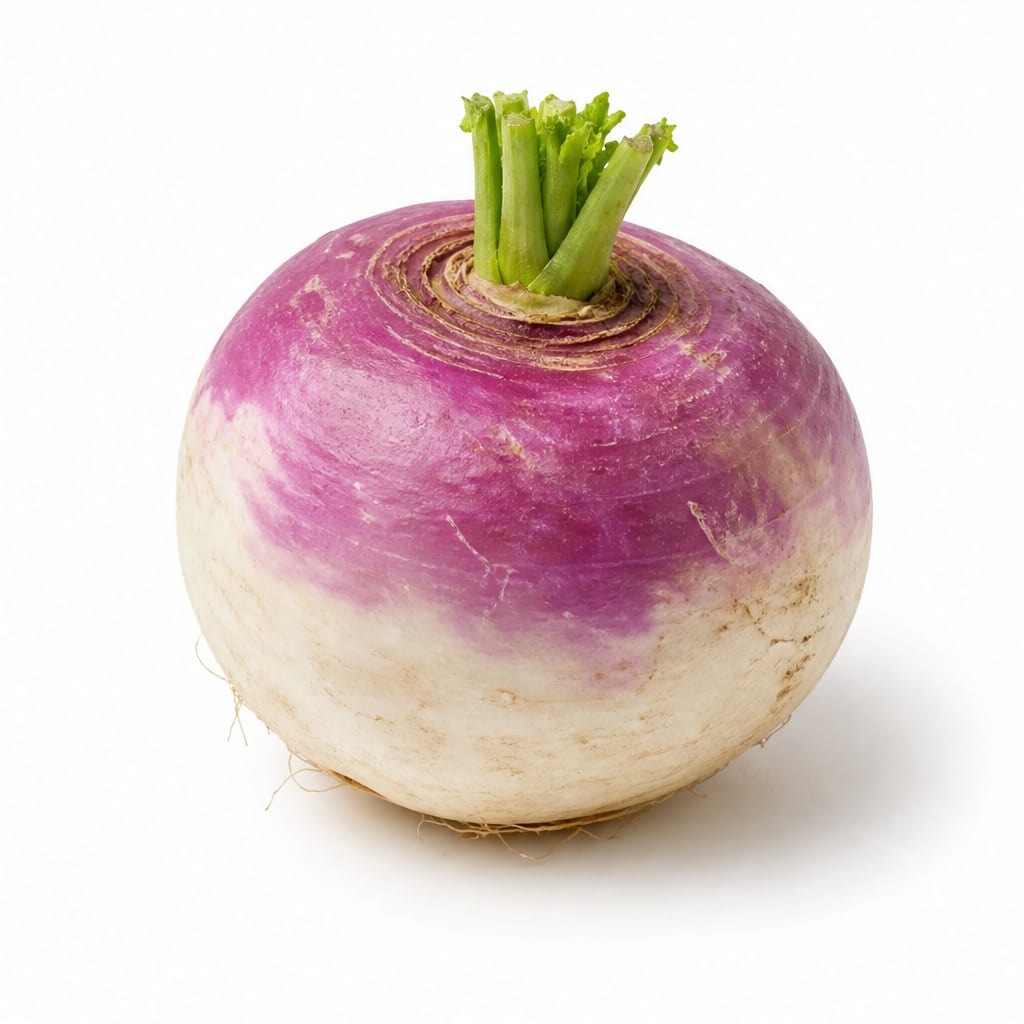
Turnip
Pumpkin delivers massive vitamin A and comforting sweetness, while turnip offers a lighter, low-carb bite with unique cancer-fighting compounds.
Pumpkin scores slightly higher for its exceptional vitamin A content and satiety factor, but turnip remains incredibly close due to its superior low-carb profile and detoxifying compounds.
You choose between pumpkin's richer nutrient density and satiating sweetness, or turnip's minimal calorie load and cruciferous detox benefits.
At a glance
Executive summary
Overall
It depends
Healthier
It depends
More practical
It depends
Daily use
Turnip
Key comparison lenses
Low-carb diet compatibility
Turnips are significantly lower in carbohydrates and calories, making them a staple substitute for potatoes in keto diets, whereas pumpkin has more natural sugars.
Micronutrient density and antioxidant profile
Pumpkin is a powerhouse of beta-carotene and vitamin A, while turnips provide glucosinolates and vitamin C, leading to very different health benefits.
Culinary role and meal fit
Pumpkin leans sweet and comforting, ideal for soups and bakes. Turnips are earthy and peppery, fitting better into savory roasts and mashes.
Best choice for
Pumpkin
- People wanting to boost vision and skin health
- Those needing a comforting, filling carbohydrate
- Anyone looking for natural sweetness without refined sugar
Turnip
- People strictly managing blood sugar or carb intake
- Those seeking a low-calorie potato substitute
- Anyone wanting to increase cruciferous vegetable intake
Least suitable for
Pumpkin
- People on strict ketogenic diets tracking every gram of carbs
- Those who dislike sweet flavors in savory dishes
Turnip
- People needing high-calorie or energy-dense foods
- Those sensitive to bitter or peppery flavors
Deep comparison
Dimension by dimension
Each lens scores both foods and breaks down who each option suits.
- Dimension 1 · Priority 95Pumpkin
Micronutrient Profile
Pumpkin · 92Turnip · 80Pumpkin dominates with off-the-charts vitamin A, while turnip provides a solid vitamin C boost and unique sulfur compounds.
Tradeoff
Pumpkin gives you instant vision and skin support, whereas turnip leans into long-term cellular defense and immune function.
Why it matters
Vitamin A is a common deficiency, making pumpkin an easy fix. Turnip's glucosinolates are harder to find in other food groups.
Real-world impact
Eating pumpkin visibly supports skin clarity and night vision. Eating turnip quietly supports your liver and immune resilience.
Pumpkin
- Eye health
- Skin repair
- Immune support via vitamin A
Better for
- Low vitamin C content
- Lacks sulfur-based compounds
Worse for
Turnip
- Collagen synthesis
- Detoxification pathways
- Antioxidant recycling
Better for
- Practically zero vitamin A
- Lower overall antioxidant variety
Worse for
- Dimension 2 · Priority 90Turnip
Blood Sugar and Low-Carb Fit
Pumpkin · 60Turnip · 92Turnip is a clear winner for blood sugar control, containing less than half the carbs of pumpkin per serving.
Tradeoff
Turnip keeps your blood sugar incredibly steady but lacks the satisfying, energy-restoring carbs that pumpkin provides after a tough workout.
Why it matters
If you are managing diabetes or trying to stay in ketosis, carb density matters more than almost anything else.
Real-world impact
Turnip lets you enjoy a hearty mash without the glucose spike. Pumpkin might cause a small insulin response if you eat a large portion.
Pumpkin
- Post-workout carb replenishment
- Providing steady energy for active individuals
Better for
- Higher natural sugar content
- Not ideal for strict keto
Worse for
Turnip
- Ketogenic diets
- Diabetic meal plans
- Evening meals to prevent blood sugar spikes
Better for
- Insufficient carbs for high-endurance athletes
Worse for
- Dimension 3 · Priority 75Pumpkin
Satiety and Comfort
Pumpkin · 88Turnip · 70Pumpkin feels more filling and emotionally satisfying due to its denser texture and natural sweetness.
Tradeoff
Pumpkin comforts like a warm hug but carries more calories. Turnip feels light and clean but might leave you hungry sooner.
Why it matters
Emotional satisfaction prevents binge eating. A food that comforts you is often easier to stick with long-term.
Real-world impact
A bowl of pumpkin soup feels like a complete, satisfying meal. A bowl of turnip soup feels like a light starter.
Pumpkin
- Emotional eaters seeking healthy comfort
- Cold weather meals
- Curbing sweet cravings naturally
Better for
- Can feel too heavy in warm weather
Worse for
Turnip
- Hot summer days when heavy food feels awful
- Appetite control through volume eating
Better for
- May not satisfy carb cravings
- Can feel too light as a standalone meal
Worse for
Timeline
Health impact over time
Short-term
Hours to days
Pumpkin
- Provides quick, steady energy from complex carbs
- Satisfies sweet cravings without refined sugar
Turnip
- Extremely gentle on blood sugar
- Provides a light, non-bloated feeling after eating
Long-term
Months to years
Pumpkin
- Protects against age-related vision loss
- Supports long-term skin elasticity and health
Turnip
- Reduces systemic inflammation through glucosinolates
- Supports liver detoxification and cellular health
Risk profile
Safety & processing
Both pumpkin and turnip are whole, natural vegetables typically eaten in their unadulterated state, making them equally clean choices.
Pumpkin
Pesticide residue on conventional squash
lowPumpkin has a thick skin that protects the flesh, reducing pesticide exposure significantly even when conventionally grown.
Turnip
Pesticide residue on leafy tops and roots
mediumRoot vegetables can absorb soil chemicals. Turnips are generally safe, but buying organic reduces risk of residual pesticides in the soil.
Who wins for whom
Audience fit
Same foods, different winners depending on your goal.
children
PumpkinKids are much more likely to accept the mild, sweet flavor of pumpkin compared to the peppery, bitter notes of turnip.
daily consumption
TurnipTurnip's lower calorie and carb footprint makes it easier to fit into daily meals without disrupting macro balance.
diabetes
TurnipTurnip's low carbohydrate and sugar content makes it a safe, blood-sugar-friendly vegetable that will not spike insulin.
elderly
PumpkinPumpkin is softer to chew, easier to digest, and provides critical vitamin A to counter age-related vision decline.
muscle gain
It dependsNeither is a primary muscle-building food, but pumpkin offers slightly more carbs for glycogen replenishment after lifting.
weight loss
TurnipTurnip has roughly half the calories and carbs of pumpkin, allowing for larger portion sizes without exceeding daily limits.
Your move
Decision guide
Choose Pumpkin
- You want to improve your vision and skin health
- You are meal-prepping comforting fall soups or bakes
- You need a natural, healthy way to satisfy a sweet tooth
Choose Turnip
- You are on a low-carb or ketogenic diet
- You want a low-calorie mash to replace potatoes
- You want to boost your intake of cancer-fighting cruciferous veggies
Either works if
- You simply need a healthy, whole-food vegetable side dish
- You are trying to increase your daily fiber intake
Avoid both if
- You have a severe allergy to Cucurbitaceae (pumpkin) or Brassica (turnip) families, though this is rare
Final recommendation
Let your dietary goals decide. If you are watching carbs or seeking a potato alternative, turnip is your best friend. If you need comforting, nutrient-dense energy with a massive vitamin A boost, pumpkin is the clear winner. Rotate both for the widest spectrum of health benefits.
Practical
Consumer tips
- 1
Buy pumpkin puree (not pie filling) for a quick, ready-to-use ingredient that retains all the nutrients.
- 2
Roast turnips with olive oil and rosemary to mellow their peppery bite and bring out a natural, earthy sweetness.
- 3
If you find turnips too bitter, try boiling them briefly before roasting to soften the flavor.
- 4
Save pumpkin seeds when carving for a free, mineral-rich snack.