
Nutrition comparison
Pumpkin vs Butternut Squash: Nutrition, Calories, and Which to Choose
Compare Pumpkin and Butternut Squash side by side — calories, fiber, vitamins, convenience, and real-world eating advice to help you pick the right one for your goals.
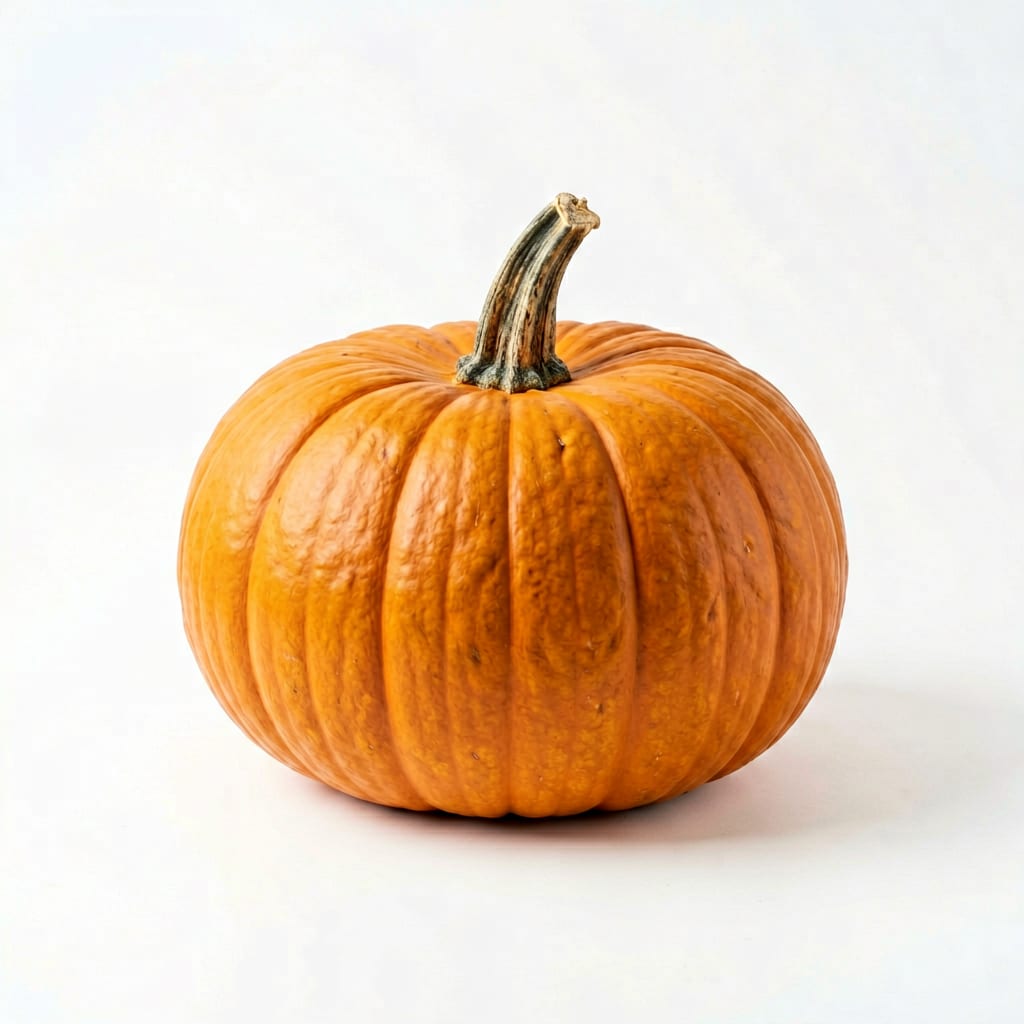
Pumpkin
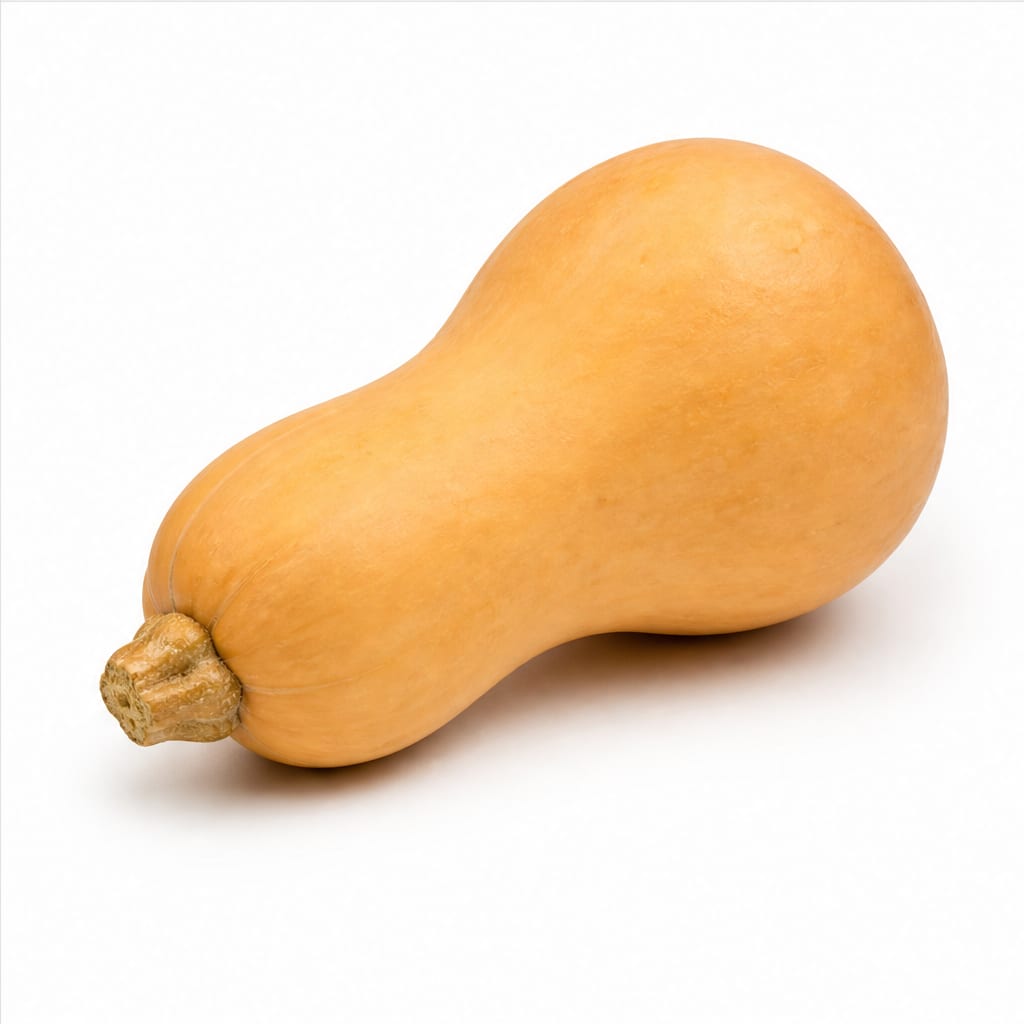
Butternut Squash
Pumpkin wins on calories and convenience; Butternut Squash wins on fullness and vitamin C. Both are nutritional all-stars.
Butternut Squash edges ahead slightly due to higher fiber, more vitamin C, and greater satiety. Pumpkin stays competitive with far fewer calories and unmatched convenience in canned form. The gap is small because both are genuinely excellent choices.
Pumpkin is lighter and easier to use daily, while Butternut Squash is more filling and richer in certain nutrients but requires more prep.
At a glance
Executive summary
Overall
It depends
Healthier
It depends
More practical
Pumpkin
Daily use
Pumpkin
Key comparison lenses
Which is better for low-calorie eating and weight management
Pumpkin is significantly lower in calories per serving, making it the go-to for calorie-conscious meals
Which provides more satiety and fullness
Butternut Squash has more fiber and substance, keeping you fuller longer
Which is more convenient for everyday cooking
Canned Pumpkin is a pantry staple with zero prep, while Butternut Squash requires peeling and chopping
Which has a stronger micronutrient profile
Both are carotenoid powerhouses, but Butternut Squash edges ahead on vitamin C and potassium
Which is better for blood sugar management
Pumpkin has fewer carbs, but Butternut Squash has more fiber to slow absorption
Best choice for
Pumpkin
- Strict calorie counters
- Busy weeknight cooks using canned pumpkin
- People managing carb intake
- Smoothie and oatmeal add-ins
- Baking and puree-based recipes
Butternut Squash
- People who need lasting fullness from meals
- Roasted vegetable lovers
- Those seeking more vitamin C and potassium
- Soup and stew makers wanting body and sweetness
- Anyone wanting a satisfying side dish
Least suitable for
Pumpkin
- Those wanting a hearty, filling side dish from fresh produce
- People who dislike the texture of purees
Butternut Squash
- Anyone short on prep time
- Very low-carb dieters tracking every gram
- People who struggle with peeling hard squash
Deep comparison
Dimension by dimension
Each lens scores both foods and breaks down who each option suits.
- Dimension 1 · Priority 92Pumpkin
Calorie Efficiency
Pumpkin · 91Butternut Squash · 72Pumpkin delivers big nutrition at roughly half the calories of Butternut Squash per cup.
Tradeoff
You get fewer calories with Pumpkin but also less substance — it may not fill you up as much on its own.
Why it matters
If you are tracking calories or trying to eat larger portions without overconsuming, Pumpkin lets you eat more volume for fewer calories.
Real-world impact
A full cup of Pumpkin costs you about 50 calories. The same cup of Butternut Squash runs around 80-90 calories. Over a week of daily eating, that difference adds up.
Pumpkin
- Calorie-restricted diets
- Volume eaters who want bigger portions
- Meal prep where you need a low-cal base
Better for
- People who feel hungry soon after low-cal meals
Worse for
Butternut Squash
- Active people who need the extra energy
- Anyone finding Pumpkin too light to be satisfying
Better for
- Strict calorie counters watching every gram
Worse for
- Dimension 2 · Priority 88Butternut Squash
Satiety and Fullness
Pumpkin · 65Butternut Squash · 84Butternut Squash keeps you fuller thanks to more fiber and a denser, chewier texture.
Tradeoff
Pumpkin puree digests faster and feels lighter, which can leave you reaching for a snack sooner.
Why it matters
If a side dish does not keep you full, you may eat more overall — negating its low-calorie advantage.
Real-world impact
Roasted Butternut Squash as a side feels like a real part of the meal. Pumpkin puree can feel like a condiment by comparison.
Pumpkin
- Light meals where you do not want to feel heavy
- Pre-workout when you want something easy on the stomach
Better for
- People relying on one vegetable to keep them full for hours
Worse for
Butternut Squash
- Dinners where the side dish needs to carry weight
- Anyone prone to late-night snacking after light meals
Better for
- Those who prefer light, non-heavy meals before bed
Worse for
- Dimension 3 · Priority 85Pumpkin
Convenience and Prep
Pumpkin · 93Butternut Squash · 52Canned Pumpkin is one of the most convenient healthy foods available. Butternut Squash demands peeling, seeding, and chopping.
Tradeoff
Canned Pumpkin saves time but limits you to puree form. Fresh Butternut Squash gives you cubes, roasting, and more texture options.
Why it matters
The best healthy food is the one you actually make. Convenience often wins over marginal nutritional differences.
Real-world impact
Opening a can of Pumpkin takes 5 seconds. Prepping a Butternut Squash can take 10-15 minutes and a steady knife hand.
Pumpkin
- Weeknight cooking in a rush
- Smoothies, oatmeal, and baking where puree works perfectly
- Anyone who hates peeling squash
Better for
- Recipes where you need distinct pieces, not puree
Worse for
Butternut Squash
- Weekend meal prep when you have time
- Recipes where cubed or roasted texture matters
- Farmers market cooks who enjoy fresh prep
Better for
- Busy parents with no time for prep
- Anyone with limited knife skills or hand strength
Worse for
- Dimension 4 · Priority 80Butternut Squash
Micronutrient Density
Pumpkin · 76Butternut Squash · 85Both are carotenoid superstars, but Butternut Squash brings more vitamin C and potassium to the plate.
Tradeoff
Pumpkin holds its own with vitamin A and is no slouch nutritionally — the gap here is modest, not dramatic.
Why it matters
Vitamin C supports immunity and skin health, while potassium helps with blood pressure and muscle function. Both matter daily.
Real-world impact
A cup of Butternut Squash covers roughly half your daily vitamin C needs. Pumpkin covers closer to 20%.
Pumpkin
- Vitamin A-focused nutrition goals
- Eye health emphasis
Better for
- Those specifically seeking vitamin C from vegetables
Worse for
Butternut Squash
- Immune support during cold season
- Blood pressure management through potassium intake
- Overall micronutrient breadth
Better for
- No real downside — both are micronutrient-rich
Worse for
- Dimension 5 · Priority 75It depends
Blood Sugar Impact
Pumpkin · 78Butternut Squash · 76Pumpkin has fewer carbs, but Butternut Squash has more fiber to slow sugar absorption. The net effect is nearly a tie.
Tradeoff
Lower carbs with Pumpkin versus steadier absorption with Butternut Squash fiber — both are solid choices for blood sugar management.
Why it matters
For people with diabetes or insulin resistance, both the amount of carbs and the speed of absorption matter.
Real-world impact
Neither food spikes blood sugar significantly. Both are far better choices than starchy sides like white potatoes or rice.
Pumpkin
- Very low-carb eaters counting total grams
- Those pairing with other high-fiber foods anyway
Better for
- Those relying on the food itself for fiber to blunt glycemic response
Worse for
Butternut Squash
- People who want the fiber to naturally slow digestion
- Meals eaten alone without other fiber sources
Better for
- Strict low-carb dieters tracking every carb gram
Worse for
- Dimension 6 · Priority 72Butternut Squash
Culinary Versatility
Pumpkin · 70Butternut Squash · 82Butternut Squash works roasted, cubed, pureed, or stuffed. Pumpkin is mostly limited to puree and baking applications.
Tradeoff
Canned Pumpkin is versatile within its domain — soups, baked goods, smoothies — but you cannot roast or grill it.
Why it matters
Eating the same food prepared the same way gets boring. More cooking options mean you are more likely to keep eating it.
Real-world impact
Butternut Squash can be a roasted side, a soup base, a salad topping, or a pasta sauce. Pumpkin shines in sweet recipes and soups but has fewer savory textures.
Pumpkin
- Baking — pies, muffins, pancakes
- Smoothies and oatmeal mix-ins
- Quick soups with zero chopping
Better for
- Anyone wanting a roasted or grilled vegetable side
Worse for
Butternut Squash
- Roasted vegetable medleys
- Grain bowl toppings
- Stuffed squash entrees
- Savory sides with appealing texture
Better for
- Baking recipes that need smooth puree
Worse for
Timeline
Health impact over time
Short-term
Hours to days
Pumpkin
- Light, easy to digest — gentle on the stomach
- Low calorie intake may leave you wanting more food sooner
- Quick energy from natural sugars without a crash
Butternut Squash
- Noticeably more filling and satisfying after eating
- Fiber supports comfortable digestion
- Natural sweetness can satisfy a sweet tooth without dessert
Long-term
Months to years
Pumpkin
- Consistent beta-carotene intake supports eye and skin health over time
- Low calorie density helps maintain healthy weight when used regularly
- Potassium contributes to long-term blood pressure regulation
Butternut Squash
- Higher fiber intake supports gut health and regularity over months and years
- Sustained vitamin C intake strengthens immune resilience long-term
- Carotenoid richness may reduce chronic disease risk with consistent consumption
Risk profile
Safety & processing
Both are whole foods at their core. Canned Pumpkin is minimally processed — just cooked and pureed — but check labels to avoid added sugars or pie spice blends. Fresh Butternut Squash is as natural as it gets. Both score well on naturalness.
Pumpkin
BPA exposure from can linings
lowMany canned Pumpkin brands use BPA-free linings now, but not all. Check labels if this concerns you. Tetra Pak options eliminate this entirely.
Confusion with pie filling
mediumCanned pumpkin pie filling contains added sugar and spices. Accidentally buying this instead of pure Pumpkin adds unwanted sugar and calories.
Butternut Squash
Pesticide residue on skin
lowButternut Squash skin is removed before eating, which eliminates most residue concern. Still worth rinsing before cutting.
Cutting injury during prep
mediumHard squash requires a sharp knife and careful technique. Hand injuries from squash prep are surprisingly common. Microwave-softening first helps.
Who wins for whom
Audience fit
Same foods, different winners depending on your goal.
children
Butternut SquashButternut Squash's natural sweetness and smooth texture when roasted or pureed make it more kid-friendly and easier to eat in satisfying portions.
daily consumption
PumpkinCanned Pumpkin's convenience and lower calorie cost make it easier to eat every single day without fatigue or prep burden.
diabetes
It dependsPumpkin has fewer total carbs, but Butternut Squash has more fiber to slow absorption. Both are solid — pair with protein and fat either way.
elderly
PumpkinCanned Pumpkin requires no peeling or chopping, is easy to digest, and needs minimal effort — important for those with limited hand strength or energy.
muscle gain
Butternut SquashButternut Squash provides more carbs for training fuel and more potassium for muscle recovery.
weight loss
PumpkinPumpkin's lower calorie density lets you eat more volume for fewer calories, making it easier to stay in a deficit.
Your move
Decision guide
Choose Pumpkin
- You want maximum nutrition for minimum calories
- You rely on pantry staples and need something ready in seconds
- You bake often and need a reliable puree
- You have limited time or hand strength for prep
- You are adding to smoothies, oatmeal, or yogurt
Choose Butternut Squash
- You want a filling side dish that stands on its own
- You enjoy roasting vegetables and want textural variety
- You need more fiber and vitamin C in your diet
- You are meal prepping on a weekend with time to spare
- You want something naturally sweet that satisfies without dessert
Either works if
- You are making a soup — both work beautifully
- You want a beta-carotene boost for eye and skin health
- You need a low-glycemic vegetable side
- You are eating seasonally and both are available
Avoid both if
- You have a specific squash allergy, which is rare but possible
- You are on a very strict very-low-carb diet counting every gram
Final recommendation
Keep both in rotation. Stock canned Pumpkin for busy days and smoothies. Buy fresh Butternut Squash when you have time to roast and want something hearty. They complement each other perfectly — one for speed and lightness, the other for substance and satisfaction.
Practical
Consumer tips
- 1
Buy 100% pure Pumpkin, not pumpkin pie filling — check the ingredient list for added sugar
- 2
Peel Butternut Squash more easily by microwaving it for 2-3 minutes first to soften the skin
- 3
Canned Pumpkin and fresh roasted Pumpkin have different flavor profiles — canned is more concentrated and earthy
- 4
Butternut Squash cubes freeze well after roasting — make a big batch and save portions for quick sides
- 5
Both pair excellently with warm spices like cinnamon, nutmeg, and cumin for very different flavor directions
- 6
Look for BPA-free or Tetra Pak canned Pumpkin if can lining concerns you