
Nutrition comparison
Pumpkin vs Zucchini: Which Vegetable Is Better for Your Health Goals?
Compare pumpkin and zucchini nutrition, calories, vitamins, and best uses. Find out which is better for weight loss, blood sugar, and daily meals.
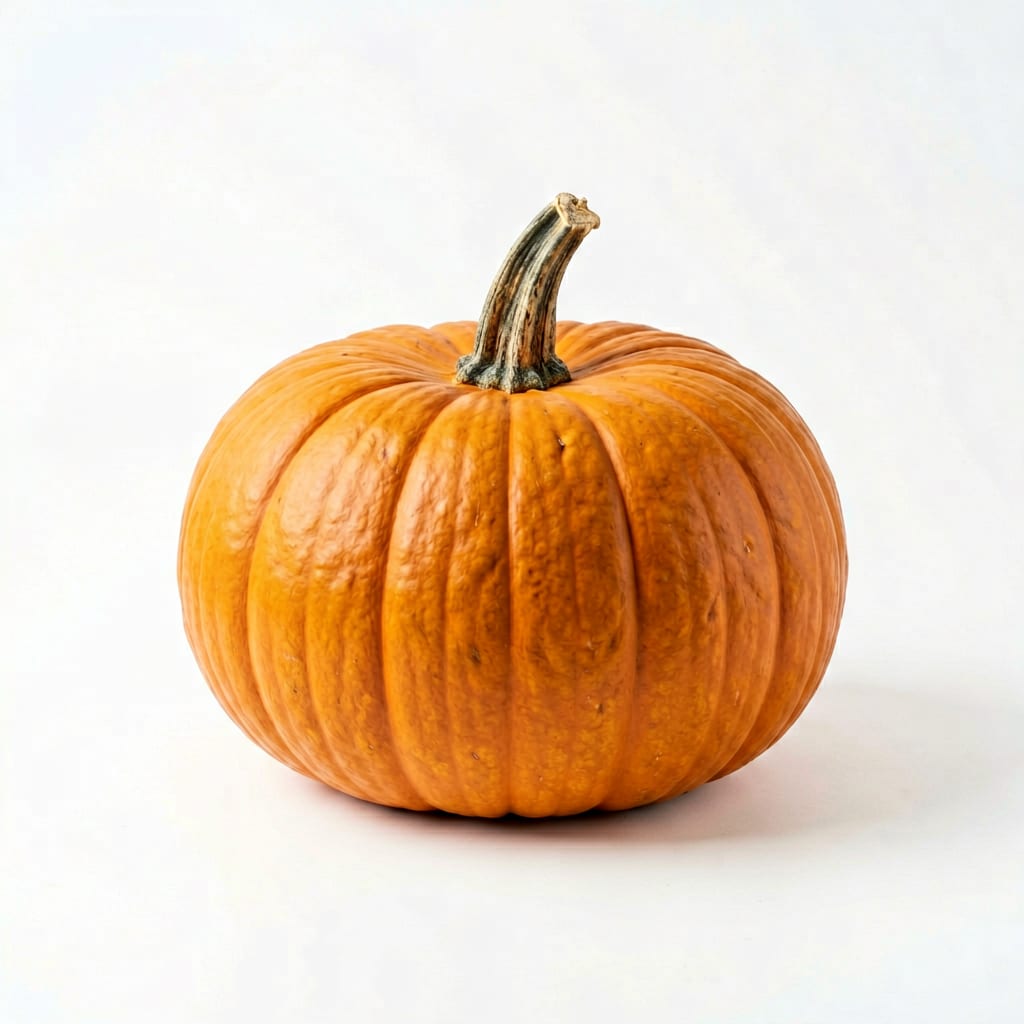
Pumpkin
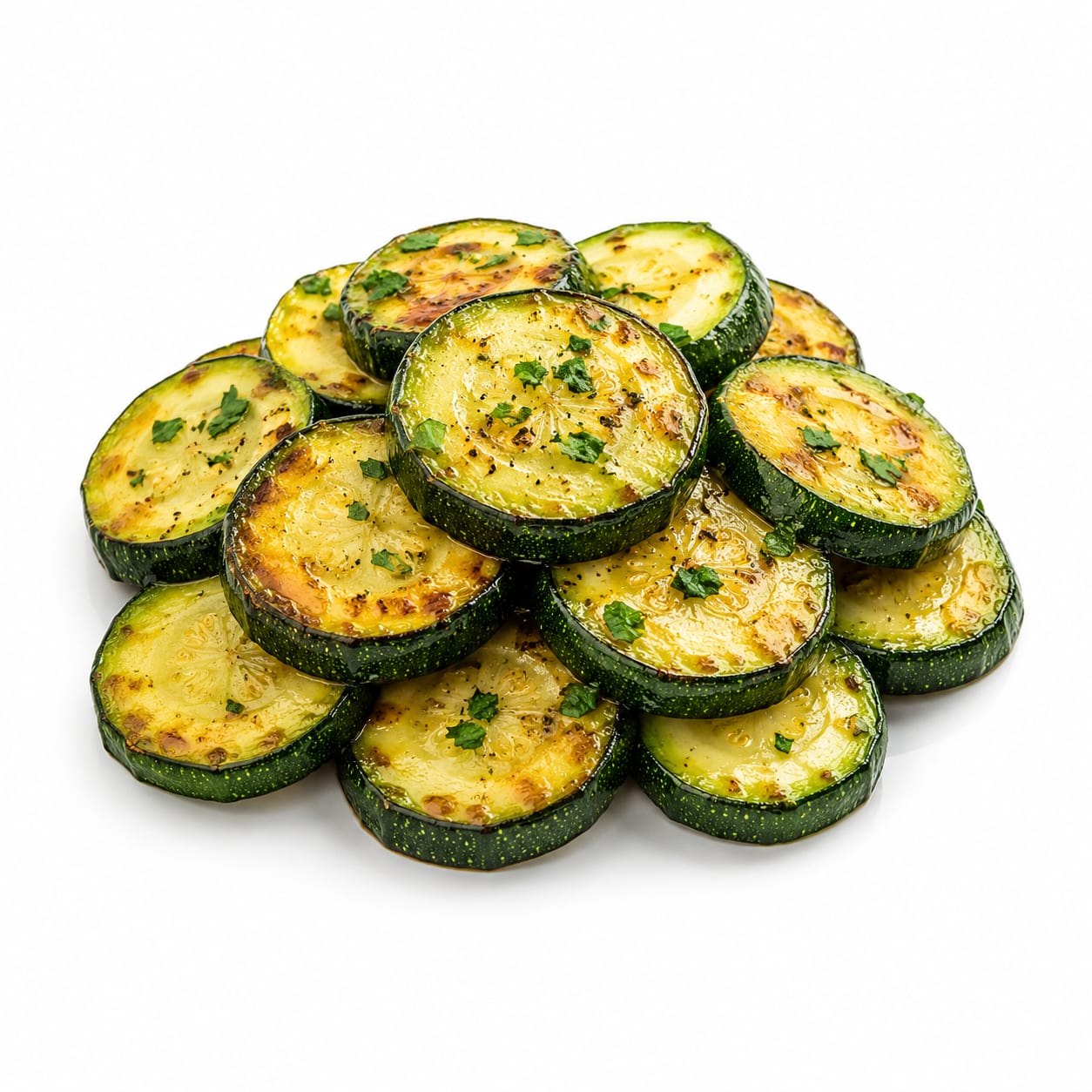
Zucchini
Pumpkin wins on micronutrients and satiety; zucchini wins on calorie density and everyday versatility. Your choice depends on whether you're chasing nutrients or volume.
Pumpkin edges ahead on nutritional impact, especially vitamin A, but zucchini's unmatched versatility and ultra-low calorie count keep it close. The small gap reflects that both are excellent choices serving different needs.
Pumpkin delivers dramatically more vitamin A and a denser, more satisfying bite, but zucchini lets you eat far more volume for fewer calories and slides into almost any meal.
At a glance
Executive summary
Overall
It depends
Healthier
Pumpkin
More practical
Zucchini
Daily use
Zucchini
Key comparison lenses
weight loss and volume eating
Both are low-calorie vegetables but zucchini's extreme low calorie density makes it a volume-eating favorite
micronutrient density
Pumpkin is a vitamin A powerhouse while zucchini offers different nutritional benefits, making this a key differentiator
cooking versatility and meal integration
Zucchini's neutral flavor and texture adaptability (zoodles, baking, grilling) versus pumpkin's more specialized culinary role
blood sugar and carb consciousness
Users comparing these two are often watching carbs and want to know which fits better into low-carb eating
seasonal availability and convenience
Fresh pumpkin is seasonal while zucchini is available year-round, affecting practical daily use
Best choice for
Pumpkin
- People wanting immune and eye health support
- Those needing more satiety from vegetables
- Anyone low on vitamin A intake
- Fall and winter comfort meal builders
- Post-workout carb replenishment with nutrients
Zucchini
- Volume eaters watching calories closely
- Low-carb and keto dieters replacing pasta
- People who want a vegetable that disappears into recipes
- Anyone meal-prepping on busy weekdays
- Those who dislike strong vegetable flavors
Least suitable for
Pumpkin
- Strict keto dieters counting every carb gram
- People wanting a neutral-flavored vegetable base
- Those who need year-round fresh availability
Zucchini
- People needing significant vitamin A from food sources
- Those wanting a filling, substantial vegetable side
- Anyone looking for rich, satisfying flavor without additions
Deep comparison
Dimension by dimension
Each lens scores both foods and breaks down who each option suits.
- Dimension 1 · Priority 92Zucchini
Calorie Density and Volume Eating
Pumpkin · 55Zucchini · 95Zucchini is one of the lowest-calorie vegetables available, letting you fill your plate generously. Pumpkin is still low-calorie but noticeably denser.
Tradeoff
You get more food volume with zucchini, but pumpkin's extra calories come with significantly more nutrients per bite.
Why it matters
For anyone who struggles with portion sizes or wants to feel physically full, zucchini is a game-changer. Pumpkin still satisfies but with less plate coverage.
Real-world impact
A heaping plate of zucchini noodles costs you roughly 30 calories. The same visual portion of pumpkin puree runs closer to 80-100 calories — still low, but the difference adds up if you eat large volumes.
Pumpkin
- Getting more nutrients per calorie consumed
- Feeling satisfied with smaller portions
Better for
- Strict calorie counters wanting maximum volume
- Those who feel deprived with smaller portions
Worse for
Zucchini
- Eating large volumes without calorie stress
- Replacing high-calorie bases like pasta
Better for
- People who need caloric density to feel full
- Anyone wanting meaningful energy from their vegetables
Worse for
- Dimension 2 · Priority 90Pumpkin
Vitamin A and Eye Health
Pumpkin · 98Zucchini · 15Pumpkin is one of the richest vegetable sources of beta-carotene (vitamin A precursor) available. Zucchini contains minimal amounts.
Tradeoff
If you rely on vegetables for vitamin A, pumpkin is irreplaceable. Zucchini simply cannot fill this nutritional role.
Why it matters
Vitamin A supports vision, immune function, and skin health. Many people do not get enough, and pumpkin is one of the easiest ways to close that gap.
Real-world impact
One cup of cooked pumpkin delivers over 200% of your daily vitamin A needs. You would need to eat roughly 15 cups of zucchini to match that — not realistic.
Pumpkin
- Supporting night vision and eye health
- Boosting immune resilience through diet
- Getting vitamin A without supplements
Better for
- Those with conditions requiring vitamin A restriction
Worse for
Zucchini
- Avoiding excess vitamin A if medically advised to limit intake
Better for
- Anyone counting on vegetables for vitamin A
- People with poor night vision wanting dietary support
Worse for
- Dimension 3 · Priority 78Zucchini
Blood Sugar and Carb Impact
Pumpkin · 62Zucchini · 88Zucchini has fewer carbs and a lower glycemic impact. Pumpkin has more natural sugars and a moderate glycemic index.
Tradeoff
Zucchini is safer for tight blood sugar control, but pumpkin's carbs come packaged with fiber and nutrients that slow absorption meaningfully.
Why it matters
For diabetics or anyone monitoring glucose, the difference matters at higher portions. At normal serving sizes, both are manageable.
Real-world impact
A cup of zucchini has about 3g of net carbs. A cup of pumpkin has about 8g. Neither will spike blood sugar dramatically, but zucchini gives more margin for low-carb eaters.
Pumpkin
- Post-workout carb replenishment with nutritional benefits
- Moderate carb intake paired with fat or protein
Better for
- Very low-carb meal plans
- Those counting every gram of carbohydrate
Worse for
Zucchini
- Strict keto and very low-carb diets
- Tight blood sugar management in diabetes
- Pairing freely with other carb-containing foods
Better for
- Athletes needing some carb-based energy from vegetables
Worse for
- Dimension 4 · Priority 85Zucchini
Cooking Versatility and Meal Integration
Pumpkin · 58Zucchini · 92Zucchini's mild flavor and adaptable texture let it become noodles, get grilled, baked into breads, or disappear into sauces. Pumpkin has a narrower but still useful range.
Tradeoff
Zucchini is the culinary chameleon that works anywhere. Pumpkin brings distinctive flavor that defines dishes rather than blending in.
Why it matters
The vegetable you can use daily beats the one you use occasionally. Zucchini's adaptability makes it a weekly staple for most households.
Real-world impact
Zucchini can replace pasta, bulk up smoothies, get roasted as a side, or hide in muffins. Pumpkin shines in soups, pies, and oatmeal — delicious, but fewer everyday applications.
Pumpkin
- Creating comforting, flavor-forward fall dishes
- Adding richness and color to soups and stews
- Making nutrient-dense smoothies and oatmeal bowls
Better for
- Recipes requiring a neutral vegetable base
- Quick prep meals on busy nights
Worse for
Zucchini
- Replacing high-carb staples like pasta and rice
- Adding vegetables to recipes without changing flavor
- Quick weeknight cooking with minimal prep
Better for
- Dishes where you want the vegetable to be the star flavor
- Comforting, rich-tasting meals
Worse for
- Dimension 5 · Priority 80Pumpkin
Satiety and Fullness
Pumpkin · 78Zucchini · 52Pumpkin's denser texture and higher carb content make it more filling per serving. Zucchini's high water content means it satisfies visually but less physically.
Tradeoff
Pumpkin keeps you fuller longer, but zucchini lets you eat more total food. Different strategies for different hunger types.
Why it matters
If you eat a vegetable side and feel hungry again in 30 minutes, the nutritional benefits matter less. Satiety determines whether you stick with healthy choices.
Real-world impact
A bowl of pumpkin soup feels like a real meal. A plate of zucchini feels like a light side — you will likely want something else soon after.
Pumpkin
- Using vegetables as a filling meal component
- Reducing snacking between meals
- Comforting, satisfying dinner sides
Better for
- Those who prefer light, refreshing meals
Worse for
Zucchini
- Light summer meals when you prefer eating light
- Adding bulk without heaviness before heavier main courses
Better for
- People who feel hungry again quickly after vegetables
- Anyone relying on vegetables to carry a meal's satiety
Worse for
- Dimension 6 · Priority 76Pumpkin
Antioxidant and Anti-inflammatory Value
Pumpkin · 88Zucchini · 48Pumpkin's deep orange color signals a rich supply of beta-carotene and other carotenoids. Zucchini, especially the lighter-fleshed varieties, offers far less.
Tradeoff
Pumpkin delivers meaningful antioxidant protection in regular servings. Zucchini contributes some but should not be your primary antioxidant source.
Why it matters
Chronic inflammation drives many long-term health issues. Food-based antioxidants are one of the most sustainable ways to combat this.
Real-world impact
Regularly eating pumpkin gives your body a steady supply of carotenoids linked to lower inflammation and disease risk. Zucchini supports this goal modestly but not meaningfully on its own.
Pumpkin
- Long-term inflammation management through diet
- Skin health and UV protection from carotenoids
- Building an antioxidant-rich eating pattern
Better for
- Those who dislike orange vegetables or their flavor
Worse for
Zucchini
- Mild digestive-friendly vegetable with low irritation risk
Better for
- People relying heavily on it for antioxidant intake
- Anyone wanting visible dietary diversity in color and nutrients
Worse for
Timeline
Health impact over time
Short-term
Hours to days
Pumpkin
- Noticeable satiety from fiber and carb content after meals
- Steady energy without sharp blood sugar spikes at normal portions
- Mild digestive comfort due to soluble fiber content
Zucchini
- Very light feeling after eating, minimal digestive load
- Almost no blood sugar impact regardless of portion size
- High water content supports hydration
Long-term
Months to years
Pumpkin
- Strong vitamin A status supporting vision and immune health over years
- Carotenoid intake linked to lower chronic disease risk
- Consistent fiber intake supporting gut health regularity
Zucchini
- Sustained low-calorie intake supporting weight management
- Gentle fiber supporting digestive regularity without bloating
- Easy dietary compliance due to versatility and mild flavor
Risk profile
Safety & processing
Both pumpkin and zucchini are whole, minimally processed vegetables in their natural form. Canned pumpkin is slightly more processed but still contains just pumpkin in most quality brands. Neither raises additive concerns.
Pumpkin
Canned pumpkin BPA exposure
lowSome canned pumpkin may have BPA in can linings. Choose carton-packed or BPA-free cans to minimize this. Fresh pumpkin eliminates this concern entirely.
Pesticide residue on conventional pumpkin
lowPumpkin's thick skin protects edible flesh from most pesticide exposure. Conventional pumpkin is relatively safe even without buying organic.
Zucchini
Pesticide residue on conventional zucchini
mediumZucchini is typically eaten with its thin skin and ranks moderately for pesticide residue. Washing helps, but organic is a worthwhile upgrade if affordable.
Bitter compound toxicity in rare cases
lowOccasionally zucchini can develop cucurbitacins causing extreme bitterness. If zucchini tastes unusually bitter, discard it immediately. This is rare but worth knowing.
Who wins for whom
Audience fit
Same foods, different winners depending on your goal.
children
PumpkinPumpkin's naturally sweet flavor and smooth texture when pureed make it more appealing to kids. Its vitamin A content also supports growing immune systems and vision development.
daily consumption
ZucchiniZucchini's year-round availability, neutral flavor, and cooking versatility make it easier to eat every day without flavor fatigue.
diabetes
ZucchiniZucchini's lower carb count and minimal glycemic impact give more flexibility for blood sugar management, especially at larger portions.
elderly
PumpkinPumpkin's soft texture when cooked is easier to chew and digest, and its high vitamin A content supports age-related eye health concerns like macular degeneration.
muscle gain
PumpkinPumpkin provides slightly more carbs for training energy and recovery, plus potassium for muscle function. Neither is a muscle-building food, but pumpkin supports training nutrition marginally better.
weight loss
ZucchiniZucchini's ultra-low calorie density lets you eat large volumes, making it easier to maintain a calorie deficit without feeling deprived.
Your move
Decision guide
Choose Pumpkin
- You want to boost your vitamin A intake significantly
- You enjoy comforting, rich-flavored vegetable dishes
- You feel hungry after eating light vegetables
- You are cooking fall or winter meals and want seasonal depth
- You want a filling vegetable that satisfies like a starch
Choose Zucchini
- You are counting calories and want maximum food volume
- You need a low-carb pasta or rice replacement
- You want a vegetable that works in any cuisine or flavor profile
- You meal-prep and need something that stores and reheats well
- You prefer light, refreshing meals over dense ones
Either works if
- You simply want more vegetables in your diet overall
- You are building a soup or stew that could accommodate either
- You are focusing on whole foods and avoiding processed options
- You want gentle fiber without digestive discomfort
Avoid both if
- You need a protein-rich food to anchor your meal
- You are looking for a significant source of iron or calcium
- You have a specific squash allergy (rare but possible)
Final recommendation
Eat both, but let them serve different roles. Use zucchini as your everyday workhorse vegetable — it fills plates, replaces carbs, and adapts to anything. Use pumpkin as your nutritional powerhouse — a few times a week for vitamin A, comfort, and satisfaction. If you must pick one, zucchini wins on practicality; pumpkin wins on nutrient impact. The best diets make room for both.
Practical
Consumer tips
- 1
If buying canned pumpkin, check that the only ingredient is pumpkin. Avoid pumpkin pie filling, which adds sugar and spices.
- 2
Choose organic zucchini when possible due to pesticide concerns on the thin skin. For pumpkin, conventional is fine thanks to its thick protective rind.
- 3
Spiralize zucchini for an easy pasta alternative, but salt and drain it first to avoid watery dishes.
- 4
Roast pumpkin with olive oil and cinnamon for a simple side that feels like comfort food while delivering serious nutrition.
- 5
Freeze cubed pumpkin or pumpkin puree in portions so you always have it available, even outside fall season.
- 6
If zucchini tastes unusually bitter, spit it out and discard. This indicates dangerous cucurbitacin compounds.
- 7
Grate zucchini into oatmeal, muffins, or sauces to add vegetable volume without changing flavor — a stealth nutrition strategy.
- 8
One cup of canned pumpkin covers over 200% of daily vitamin A needs, making it one of the most efficient sources available.