
Nutrition comparison
Pumpkin vs Spaghetti Squash: Nutrition, Keto & Health Comparison
Pumpkin vs Spaghetti Squash: Which is better for weight loss, keto, and nutrition? Compare Vitamin A, carbs, and culinary uses to find your perfect squash.
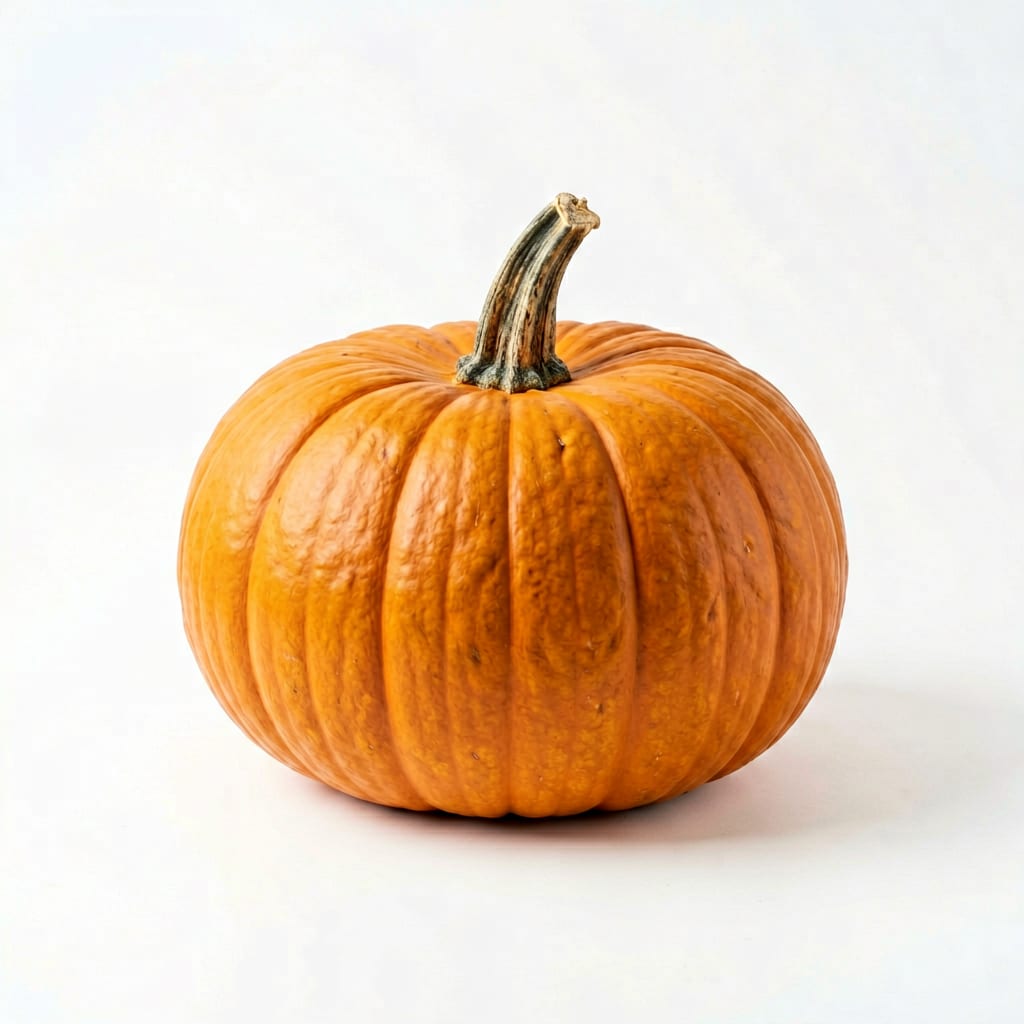
Pumpkin
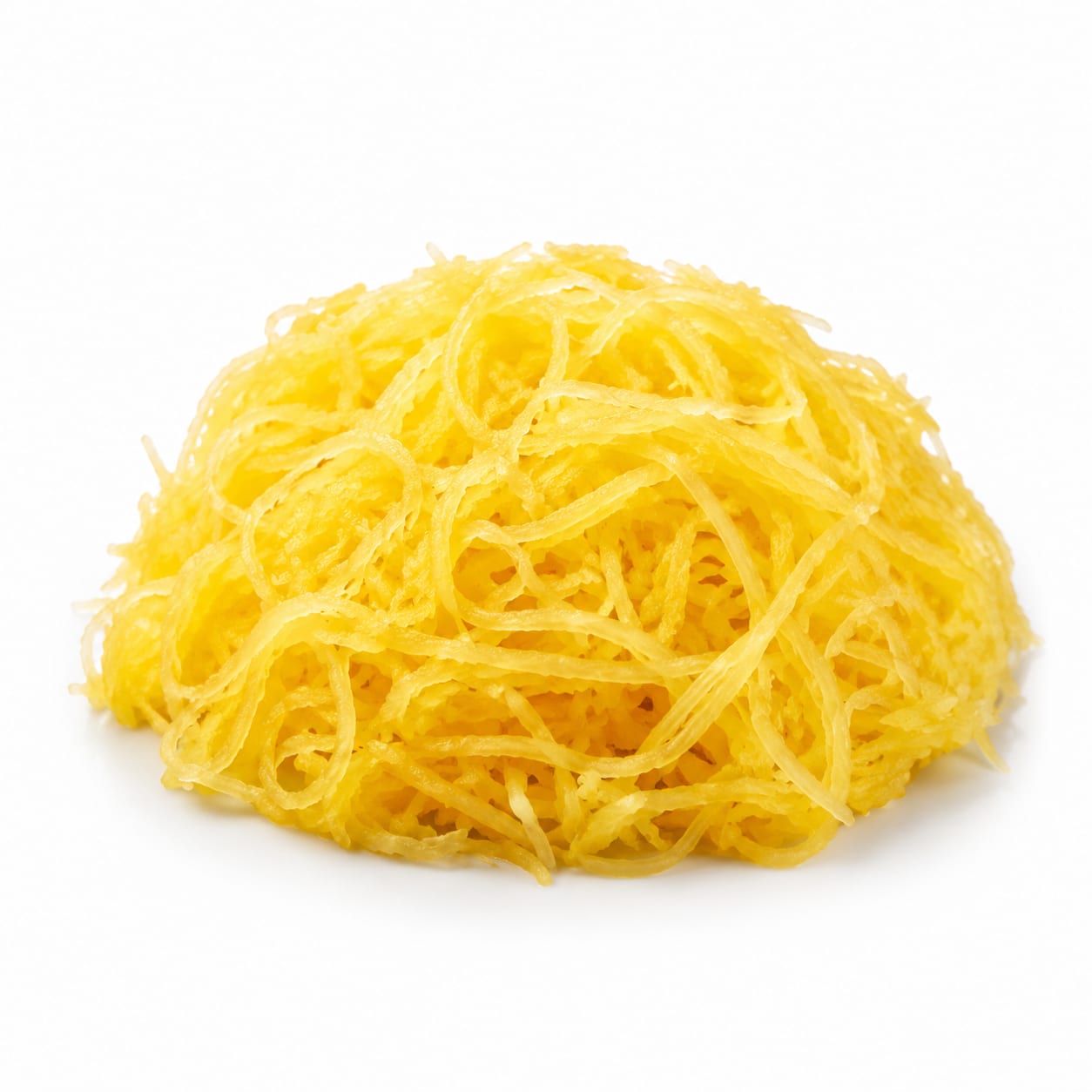
Spaghetti Squash
Pumpkin is a micronutrient champion packed with Vitamin A, while Spaghetti Squash is the ultimate low-calorie, low-carb pasta substitute.
Spaghetti Squash scores slightly higher for its unmatched versatility as a low-carb staple and volume-eating benefits, though Pumpkin dominates in pure micronutrient density.
You trade massive Vitamin A and richer flavor in Pumpkin for fewer carbs and a satisfying pasta-like texture in Spaghetti Squash.
At a glance
Executive summary
Overall
It depends
Healthier
It depends
More practical
Spaghetti Squash
Daily use
Spaghetti Squash
Key comparison lenses
Low-carb and keto pasta substitution
Spaghetti Squash is famously used as a low-carb pasta alternative, which is the primary reason most people choose it over other squashes.
Micronutrient density and Vitamin A intake
Pumpkin is a nutritional powerhouse for beta-carotene and Vitamin A, making it a top choice for immune and eye health.
Calorie density and volume eating for weight loss
Spaghetti Squash offers massive portion sizes for very few calories, a key factor for those managing their weight through volume eating.
Blood sugar management
Both are better than traditional pasta, but Spaghetti Squash has significantly fewer net carbs, making it safer for strict glycemic control.
Best choice for
Pumpkin
- Boosting immune health
- Improving vision and eye health
- Adding richness to soups and bakes
Spaghetti Squash
- Replacing pasta on a keto diet
- Volume eating for weight loss
- Creating light, savory dinner bowls
Least suitable for
Pumpkin
- Strict keto diets due to higher carb count
- Those seeking a low-calorie pasta texture
Spaghetti Squash
- Those needing a heavy Vitamin A boost
- Sweet baking recipes or smoothies
Deep comparison
Dimension by dimension
Each lens scores both foods and breaks down who each option suits.
- Dimension 1 · Priority 95Pumpkin
Micronutrient Density (Vitamin A & Antioxidants)
Pumpkin · 98Spaghetti Squash · 45Pumpkin obliterates Spaghetti Squash in Vitamin A content, delivering over 200% of your daily needs per cup compared to almost none in Spaghetti Squash.
Tradeoff
Choosing Spaghetti Squash means missing out on the massive beta-carotene boost Pumpkin provides for eye and skin health.
Why it matters
Vitamin A is crucial for immune function and vision. Pumpkin makes hitting your daily target effortless.
Real-world impact
Eating Pumpkin regularly can visibly support skin clarity and night vision, whereas Spaghetti Squash won't move the needle on Vitamin A.
Pumpkin
- Eye health
- Immune support
- Skin clarity
Better for
- Those on strict carb limits who can't fit the extra sugars in
Worse for
Spaghetti Squash
- Lower sugar intake
- Milder flavor pairing
Better for
- Anyone relying on squash for their daily Vitamin A
Worse for
- Dimension 2 · Priority 90Spaghetti Squash
Low-Carb & Keto Suitability
Pumpkin · 60Spaghetti Squash · 92Spaghetti Squash has roughly half the net carbs of Pumpkin and mimics pasta, making it a keto favorite.
Tradeoff
Pumpkin's higher carb count limits portion sizes on strict keto, while Spaghetti Squash lets you pile your plate safely.
Why it matters
Managing carb intake is critical for ketosis. Spaghetti Squash keeps you safely in your carb budget without feeling deprived.
Real-world impact
You can eat a massive bowl of Spaghetti Squash with marinara without spiking blood sugar, something you cannot do with Pumpkin.
Pumpkin
- Those with higher carb allowances who want richer flavor
Better for
- Strict keto
- Carb-sensitive individuals
Worse for
Spaghetti Squash
- Keto dieters
- Blood sugar management
- Pasta cravings
Better for
- Those wanting a denser, more filling base
Worse for
- Dimension 3 · Priority 85Spaghetti Squash
Calorie Density & Volume Eating
Pumpkin · 70Spaghetti Squash · 95Spaghetti Squash provides a huge volume of food for very few calories, making it a top tier food for weight loss.
Tradeoff
Pumpkin is more calorie-dense due to its natural sugars and denser texture, meaning smaller portions for the same calorie count.
Why it matters
Volume eating helps you feel physically full without overconsuming calories, which is key for sustainable fat loss.
Real-world impact
A heaping plate of Spaghetti Squash feels like a massive meal for under 100 calories, while Pumpkin fills you up faster in a smaller portion.
Pumpkin
- Those needing more calorie-dense whole foods for weight maintenance
Better for
- Large portion lovers watching their weight
Worse for
Spaghetti Squash
- Volume eaters
- Calorie counters
- Weight loss phases
Better for
- Those needing calorie-dense foods to gain weight
Worse for
- Dimension 4 · Priority 80It depends
Culinary Versatility & Texture
Pumpkin · 85Spaghetti Squash · 85Pumpkin excels in sweet and creamy applications, while Spaghetti Squash shines in savory, textured dishes.
Tradeoff
You can't swap them easily; Pumpkin purees beautifully but lacks structure, whereas Spaghetti Squash holds its noodle shape but won't blend smoothly.
Why it matters
Your cooking intent dictates the winner here. They serve entirely different culinary roles.
Real-world impact
Use Pumpkin for muffins, soups, and pies. Use Spaghetti Squash for spaghetti bowls and casseroles.
Pumpkin
- Baking
- Creamy soups
- Smoothies
Better for
- Pasta substitutes
- Grain-free noodle dishes
Worse for
Spaghetti Squash
- Pasta nights
- Casseroles
- Savory bowls
Better for
- Desserts
- Thickening agent
Worse for
Timeline
Health impact over time
Short-term
Hours to days
Pumpkin
- Quick beta-carotene absorption, especially when eaten with fat
- Steadier energy from natural carbs paired with fiber
Spaghetti Squash
- Very low blood sugar impact
- High physical fullness from water and fiber volume
Long-term
Months to years
Pumpkin
- Enhanced eye health and immune resilience from Vitamin A
- Better skin aging due to high antioxidants
Spaghetti Squash
- Easier long-term weight maintenance
- Sustained insulin sensitivity from low carb intake
Risk profile
Safety & processing
Both Pumpkin and Spaghetti Squash are whole, natural foods with zero artificial additives when bought fresh or canned without syrup.
Pumpkin
BPA exposure from canned pumpkin
mediumCanned Pumpkin often contains BPA from can linings; choose Tetra Pak or BPA-free cans to avoid endocrine disruption.
Spaghetti Squash
Pesticide residue on skin
lowSpaghetti Squash skin can harbor pesticides, but since you discard the skin before eating, the risk is minimal.
Who wins for whom
Audience fit
Same foods, different winners depending on your goal.
children
PumpkinPumpkin is naturally sweet, easy to puree, and packed with Vitamin A crucial for growing kids.
daily consumption
Spaghetti SquashSpaghetti Squash is lighter and lower in carbs, making it easier to fit into daily meals without exceeding carb limits.
diabetes
Spaghetti SquashSpaghetti Squash has significantly fewer net carbs and a lower glycemic load, keeping blood sugar more stable.
elderly
PumpkinThe high Vitamin A and softer texture of Pumpkin supports aging immune systems and easier digestion.
muscle gain
PumpkinPumpkin has slightly more carbohydrates and potassium, which helps replenish glycogen and prevent cramps after lifting.
weight loss
Spaghetti SquashSpaghetti Squash offers massive portions for minimal calories, making it far easier to sustain a calorie deficit.
Your move
Decision guide
Choose Pumpkin
- You want a massive boost in Vitamin A and antioxidants
- You are meal-prepping soups, chilis, or baked goods
- You need a natural, sweet flavor profile for recipes
Choose Spaghetti Squash
- You are on a keto or low-carb diet
- You want a low-calorie pasta substitute
- You prefer savory, bulky dinner bowls
Either works if
- You want a whole-food, plant-based side dish
- You are looking for natural, unprocessed squash options
Avoid both if
- You are looking for a high-protein food source
- You have a severe squash allergy
Final recommendation
Keep both in rotation: use Spaghetti Squash when you crave a big, savory pasta bowl, and use Pumpkin when you need a nutrient-dense, comforting boost for soups or baking.
Practical
Consumer tips
- 1
Canned Pumpkin is convenient but check the label to ensure it is 100% pure Pumpkin, not Pumpkin pie filling loaded with sugar.
- 2
Microwave Spaghetti Squash for 5 minutes before cutting to easily slice through the tough skin.
- 3
Pair Pumpkin with a healthy fat like olive oil or butter to absorb its fat-soluble beta-carotene.
- 4
Roast Spaghetti Squash cut-side down for caramelized edges and perfectly tender noodles.