
Nutrition comparison
Pumpkin vs Beets: Which Is Healthier for Your Goals?
Compare pumpkin and beets on blood pressure, blood sugar, kidney stone risk, athletic performance, and daily nutrition. Find out which root vegetable fits your health goals better.
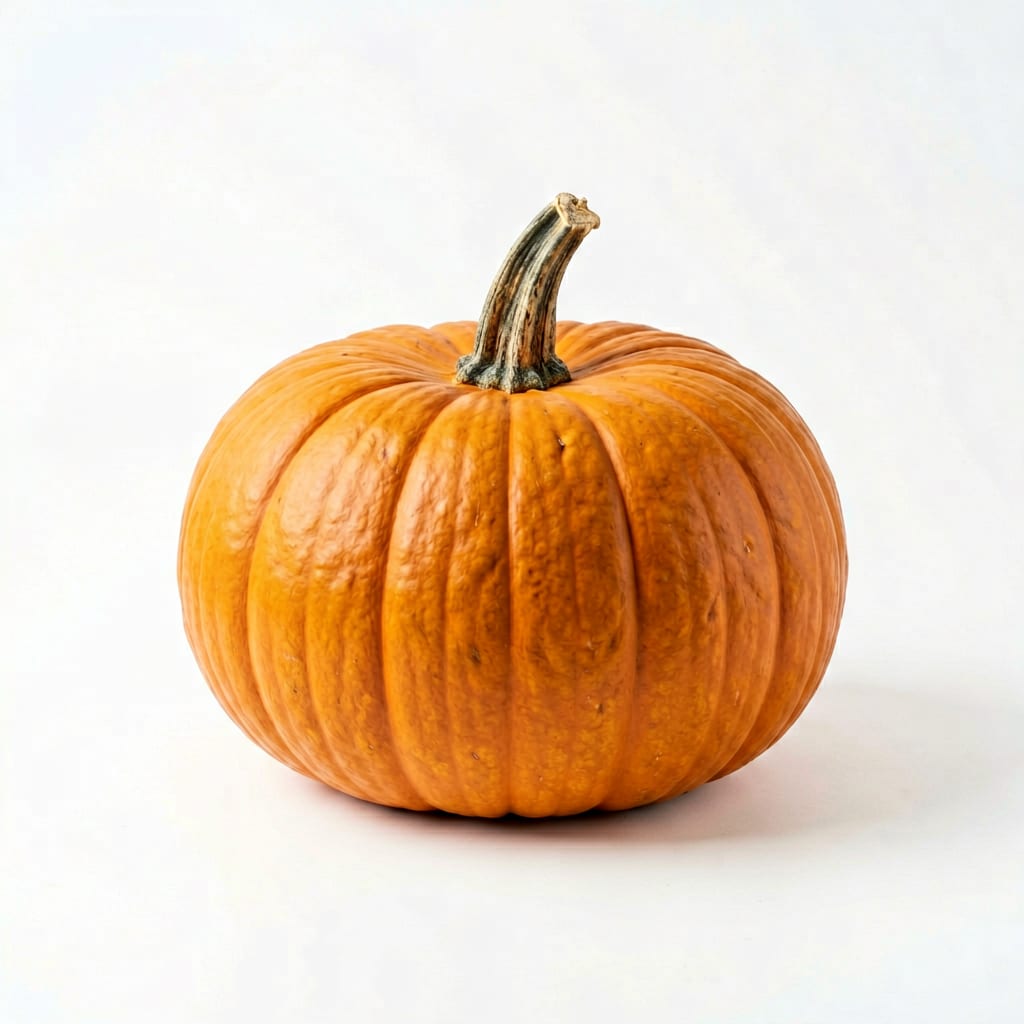
Pumpkin
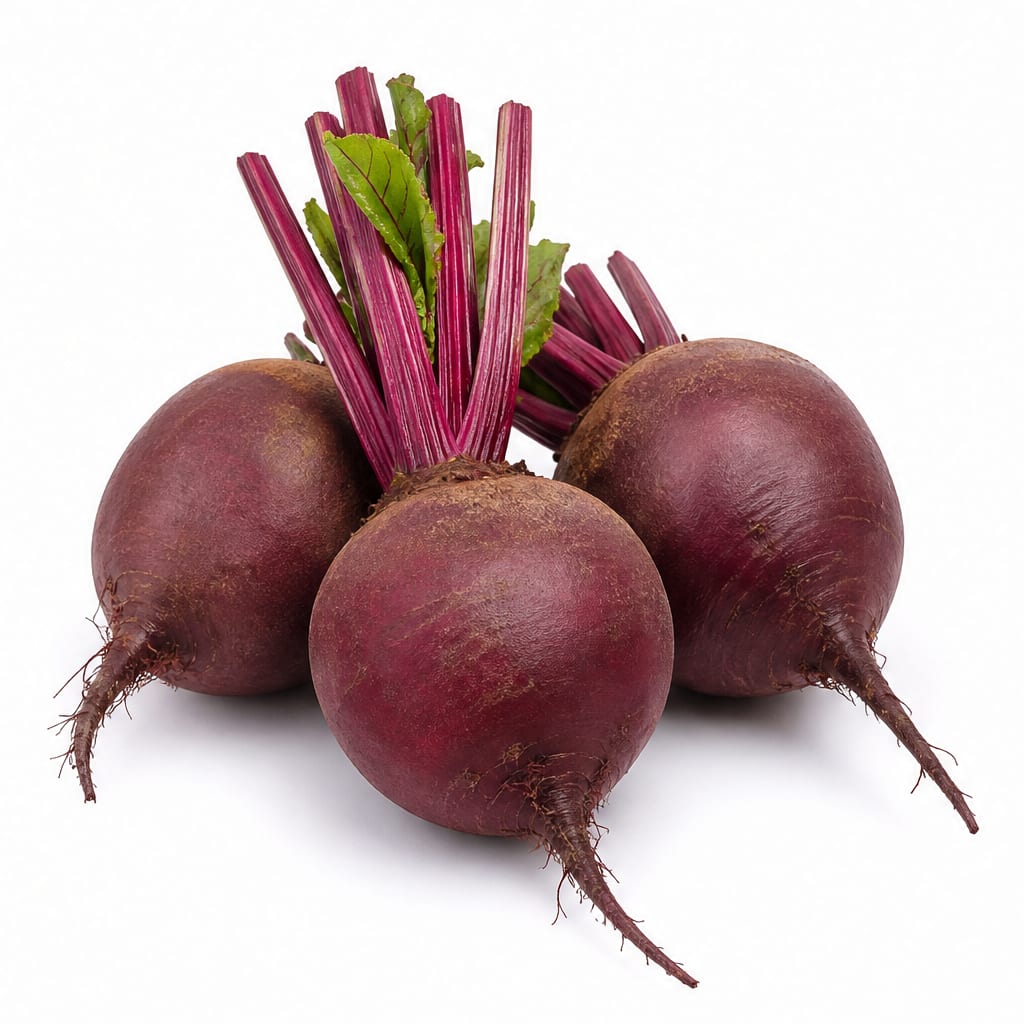
Beets
Pumpkin is the safer daily staple with broader tolerance, while beets are the targeted performance and blood pressure tool with specific caveats.
Pumpkin edges ahead slightly due to broader daily tolerability, lower sugar, and fewer contraindications. Beets are powerful for specific goals but their oxalate content and stronger flavor limit universal appeal.
Pumpkin gives you steady, gentle nutrition almost anyone can eat daily. Beets give you powerful cardiovascular and athletic benefits but carry oxalate risks and a polarizing flavor.
At a glance
Executive summary
Overall
It depends
Healthier
It depends
More practical
Pumpkin
Daily use
Pumpkin
Key comparison lenses
blood pressure and cardiovascular support
Beets are uniquely rich in dietary nitrates that convert to nitric oxide, making this a standout health dimension for this comparison
blood sugar management
Pumpkin has significantly lower sugar content and a gentler glycemic impact, which matters for daily eating decisions
eye and vision health
Pumpkin is loaded with beta-carotene, making vision support a key differentiator
athletic performance and endurance
Beet nitrates are well-studied for exercise performance, a unique reason someone might choose beets over pumpkin
kidney stone risk and digestive tolerance
Beets contain notable oxalates while pumpkin is gentler, making this a practical safety concern for many adults
Best choice for
Pumpkin
- People managing blood sugar or diabetes
- Anyone prone to kidney stones
- Families wanting a versatile, mild-flavored vegetable
- Those seeking eye health support
- Picky eaters or children sensitive to earthy flavors
Beets
- Athletes seeking endurance and performance gains
- People with high blood pressure
- Adults wanting liver detoxification support
- Anyone lacking folate in their diet
- Endurance runners and cyclists specifically
Least suitable for
Pumpkin
- Athletes looking for nitrate-based performance boosts
- People specifically targeting blood pressure reduction through diet
Beets
- Anyone with a history of calcium oxalate kidney stones
- People on low-oxalate diets
- Those sensitive to earthy or bitter flavors
- People monitoring sugar intake closely
Deep comparison
Dimension by dimension
Each lens scores both foods and breaks down who each option suits.
- Dimension 1 · Priority 92Beets
blood_pressure_and_cardiovascular_health
Pumpkin · 55Beets · 93Beets are one of the best natural sources of dietary nitrates, which your body converts to nitric oxide to relax and widen blood vessels.
Tradeoff
You get measurable blood pressure benefits from beets, but you must consume them regularly for the effect to persist. Pumpkin supports heart health through potassium but lacks the nitrate mechanism.
Why it matters
If you have elevated blood pressure, beet juice or roasted beets can produce noticeable drops within hours of consumption.
Real-world impact
A daily serving of beets can meaningfully complement blood pressure management, while pumpkin offers gentler, less targeted support.
Pumpkin
- People whose blood pressure is already normal
- Anyone wanting mild cardiovascular maintenance without dietary nitrates
Better for
- Anyone specifically targeting blood pressure reduction through diet
Worse for
Beets
- Adults with prehypertension or hypertension
- Athletes wanting cardiovascular efficiency
- Older adults needing vascular flexibility support
Better for
- People on blood pressure medication without doctor supervision due to additive effects
Worse for
- Dimension 2 · Priority 85Pumpkin
blood_sugar_stability
Pumpkin · 86Beets · 62Pumpkin has roughly half the sugar content of beets per serving and a lower glycemic load, making it easier on blood sugar.
Tradeoff
Beets provide more natural sugars that can cause a quicker rise, though their fiber helps moderate the impact. Pumpkin delivers sweetness without the same glycemic cost.
Why it matters
For anyone monitoring glucose, the difference between 3g and 6g of sugar per serving adds up across meals and days.
Real-world impact
Pumpkin feels safer as a regular side dish for diabetics. Beets require more portion awareness.
Pumpkin
- People with diabetes or insulin resistance
- Anyone following a low-sugar eating pattern
- Those who experience energy crashes after sweet foods
Better for
- Athletes needing quick natural carbohydrate replenishment
Worse for
Beets
- Athletes who need natural sugars for post-workout recovery
- People doing endurance exercise who benefit from the sugar-nitrate combination
Better for
- Diabetics counting every gram of sugar
- People on strict low-carb or keto diets
Worse for
- Dimension 3 · Priority 80Pumpkin
eye_and_vision_health
Pumpkin · 94Beets · 38Pumpkin is exceptionally rich in beta-carotene, delivering over 200% of daily Vitamin A needs per cup. Beets provide minimal Vitamin A.
Tradeoff
Pumpkin is a top-tier food for eye health. Beets contribute almost nothing to this dimension, focusing their antioxidant power elsewhere.
Why it matters
Vitamin A deficiency is the leading preventable cause of blindness globally. Consistent beta-carotene intake protects long-term vision.
Real-world impact
Eating pumpkin regularly is like a daily investment in your eyesight. Beets simply cannot fill this role.
Pumpkin
- Anyone concerned about age-related vision decline
- People with low Vitamin A intake
- Children in visual development years
Better for
- No meaningful downside for vision
Worse for
Beets
- No specific vision-related audience
Better for
- People relying on beets as their only orange vegetable, missing beta-carotene entirely
Worse for
- Dimension 4 · Priority 78Beets
athletic_performance_and_endurance
Pumpkin · 35Beets · 91Beet nitrates are among the most researched ergogenic aids in sports nutrition, improving oxygen efficiency and time to exhaustion.
Tradeoff
Beets offer a real, measurable performance edge for endurance athletes. Pumpkin provides general energy support but no targeted athletic benefit.
Why it matters
Studies show beet juice can improve running and cycling performance by 1-3%, which is significant at competitive levels.
Real-world impact
If you train hard, beets before exercise can help you go longer and feel less effort. Pumpkin will not move this needle.
Pumpkin
- Casual exercisers who do not need performance optimization
Better for
- Athletes seeking any legal performance advantage
Worse for
Beets
- Competitive endurance athletes
- Recreational runners wanting a natural performance edge
- Cyclists and swimmers training at intensity
Better for
- People who dislike the taste and will not eat them consistently enough for the nitrate effect
Worse for
- Dimension 5 · Priority 72Pumpkin
kidney_stone_risk_and_oxalate_load
Pumpkin · 92Beets · 38Beets are moderately high in oxalates, which bind to calcium and can form stones in susceptible people. Pumpkin is very low in oxalates.
Tradeoff
This is a serious safety distinction. If you have ever passed a kidney stone, beets may be a risky choice while pumpkin is safe.
Why it matters
Roughly 1 in 10 people will experience a kidney stone, and oxalate-rich foods are a primary dietary trigger.
Real-world impact
For stone-formers, this alone could be the deciding factor. Pumpkin is worry-free. Beets require caution and hydration.
Pumpkin
- Anyone with a history of calcium oxalate kidney stones
- People on low-oxalate diets prescribed by their doctor
- Those who do not know their kidney stone risk and want to be safe
Better for
- No meaningful kidney-related downside
Worse for
Beets
- People with no kidney stone history who tolerate oxalates well
Better for
- Stone-formers eating beets regularly without adequate hydration
- Anyone with compromised kidney function
Worse for
- Dimension 6 · Priority 70It depends
antioxidant_diversity
Pumpkin · 80Beets · 82Pumpkin brings beta-carotene and alpha-carotene. Beets bring betalains, a unique antioxidant class not found in most other foods.
Tradeoff
They protect your cells through entirely different pathways. Eating both gives you broader antioxidant coverage than either alone.
Why it matters
Diverse antioxidants protect against different types of cellular damage. No single food covers all pathways.
Real-world impact
Think of it as different colored shields. Orange pumpkin shields against one type of damage. Red beets shield against another. Both are valuable.
Pumpkin
- People whose diet lacks orange vegetables
- Anyone wanting to boost carotenoid intake specifically
Better for
- People eating lots of carrots and sweet potatoes already getting carotenoids
Worse for
Beets
- People wanting anti-inflammatory betalains
- Anyone whose diet already includes carrots and sweet potatoes but lacks red vegetables
Better for
- People seeking broad-spectrum antioxidants from a single food
Worse for
- Dimension 7 · Priority 68Pumpkin
culinary_versatility_and_flavor_accessibility
Pumpkin · 85Beets · 58Pumpkin has a mild, naturally sweet flavor that works in soups, baked goods, smoothies, and sides. Beets have a polarizing earthy taste that limits their use.
Tradeoff
Pumpkin disappears into recipes easily. Beets demand either appreciation for their flavor or creative masking techniques.
Why it matters
The healthiest food only works if you actually eat it. Flavor accessibility determines long-term adherence.
Real-world impact
Most people can find a pumpkin dish they enjoy. Many adults never learn to love beets, which limits their practical health impact.
Pumpkin
- Families with children
- Meal preppers wanting a versatile base ingredient
- People who dislike earthy flavors
Better for
- People wanting a bold, distinctive flavor centerpiece
Worse for
Beets
- Adventurous eaters who enjoy bold flavors
- Cooks experienced with roasting and pickling
Better for
- Picky eaters who find the taste off-putting
- Busy cooks unwilling to deal with beet staining and longer prep
Worse for
Timeline
Health impact over time
Short-term
Hours to days
Pumpkin
- Gentle, steady energy without sugar spikes
- Mild digestive comfort due to soft fiber
- Quick Vitamin A replenishment
Beets
- Noticeable blood pressure drop within hours of eating
- Potential beeturia, which is harmless red or pink urine
- Possible stomach discomfort if eaten in large amounts due to fiber load
Long-term
Months to years
Pumpkin
- Sustained vision protection from consistent beta-carotene intake
- Lower kidney stone risk due to minimal oxalates
- Steady blood sugar management supporting metabolic health
Beets
- Improved vascular flexibility and cardiovascular markers from regular nitrate intake
- Enhanced exercise capacity if consumed consistently before training
- Potential kidney stone formation in susceptible individuals if oxalate intake is not managed
Risk profile
Safety & processing
Both pumpkin and beets are whole, natural foods with minimal processing concerns when purchased fresh. Canned pumpkin can contain added sugars or sulfites in some brands, so check labels. Pickled beets often add significant sodium and sometimes sugar.
Pumpkin
Added sugars in canned pumpkin puree
lowSome canned pumpkin products, especially pie filling, contain added sugars and spices. Choose 100% pure pumpkin puree to avoid this.
Pesticide residue on conventionally grown pumpkin
lowPumpkin has a thick rind that protects the flesh, resulting in typically low pesticide residue on the edible portion.
Beets
Oxalate accumulation and kidney stone formation
mediumBeets contain moderate to high levels of oxalates. For people with a history of calcium oxalate stones, regular beet consumption without adequate hydration increases recurrence risk.
Beeturia causing unnecessary alarm
lowAbout 10-14% of people experience red or pink urine after eating beets. This is harmless but can cause anxiety if mistaken for blood.
High sodium in pickled or canned beets
mediumPickled beets can contain 200-400mg of sodium per serving, which is significant for people managing blood pressure. Fresh or roasted beets avoid this entirely.
Who wins for whom
Audience fit
Same foods, different winners depending on your goal.
children
PumpkinPumpkin's mild, naturally sweet flavor is far more kid-friendly than beets' earthy taste. It also supports growing eyes with abundant Vitamin A.
daily consumption
PumpkinPumpkin's lower oxalate content, milder flavor, and broader tolerance make it a safer everyday staple. Beets are best cycled in a few times per week.
diabetes
PumpkinPumpkin's lower sugar content and gentler glycemic impact make it the safer regular choice for blood sugar management.
elderly
It dependsPumpkin is gentler on digestion and supports vision. Beets support cardiovascular health and blood pressure, which are common elderly concerns. Choose based on individual health priorities.
muscle gain
It dependsNeither food is a protein powerhouse. Beets may slightly edge out for athletes due to nitrate benefits during training, but neither directly drives muscle growth.
weight loss
PumpkinPumpkin has fewer calories and less sugar per serving, making it easier to fit into a calorie-controlled eating plan without hunger.
Your move
Decision guide
Choose Pumpkin
- You are managing blood sugar or diabetes
- You have a history of kidney stones
- You want a versatile vegetable the whole family will eat
- You are focused on eye health and Vitamin A intake
- You need a low-sugar, low-calorie side dish for daily meals
Choose Beets
- You want to lower your blood pressure naturally
- You are an endurance athlete seeking performance gains
- You want liver support and detoxification benefits
- You enjoy bold, earthy flavors
- You have no kidney stone risk and want cardiovascular benefits
Either works if
- You want diverse antioxidant coverage and can rotate both
- You are generally healthy and enjoy variety in your vegetable intake
- You are meal prepping and want different flavor profiles across the week
Avoid both if
- You are looking for a high-protein food source
- You need a quick-prep vegetable, as both benefit from roasting or cooking
Final recommendation
Keep both in rotation but lean on pumpkin as your daily staple and use beets strategically. Eat pumpkin for steady, safe nutrition most days. Add beets two to three times per week before workouts or alongside meals where you want blood pressure support. If you have kidney stone history, skip beets entirely and enjoy pumpkin freely.
Practical
Consumer tips
- 1
Choose 100% pure pumpkin puree, not pumpkin pie filling, to avoid added sugars
- 2
Roast beets with olive oil and herbs to mellow their earthy flavor
- 3
If beets taste too intense, try golden beets, which are milder and sweeter
- 4
Pair beets with a vitamin C source like lemon juice to enhance iron absorption
- 5
Canned pumpkin is actually often made from squash, but it is nutritionally similar or superior to fresh pumpkin
- 6
Drink extra water on days you eat beets to help flush oxalates
- 7
Beet juice delivers nitrates more efficiently than whole beets for athletic performance
- 8
Freeze cubed roasted pumpkin for easy smoothie additions