
Nutrition comparison
Pumpkin vs Acorn Squash: Nutrition, Calories, and Health Benefits
Compare Pumpkin vs Acorn Squash to see which is better for weight loss, vitamins, and daily meals. Discover the key nutritional differences and tradeoffs.
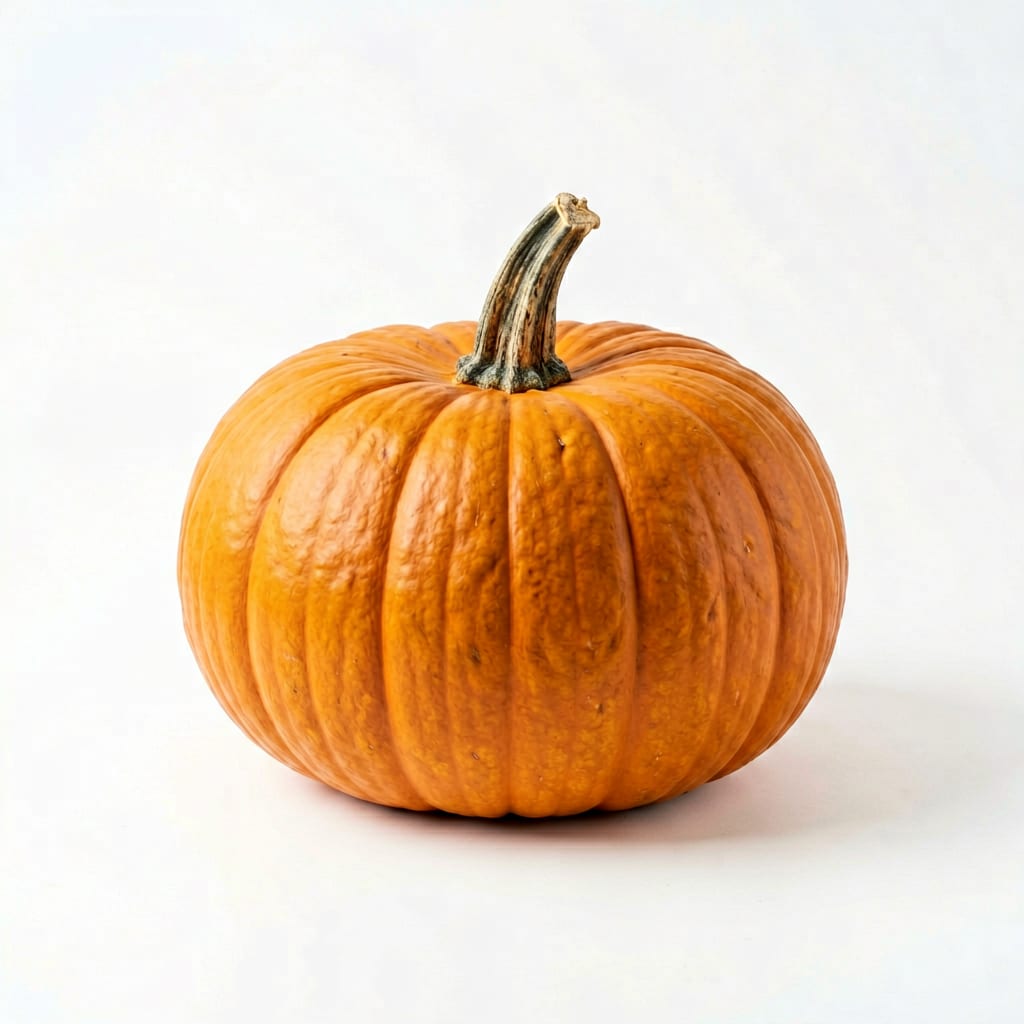
Pumpkin
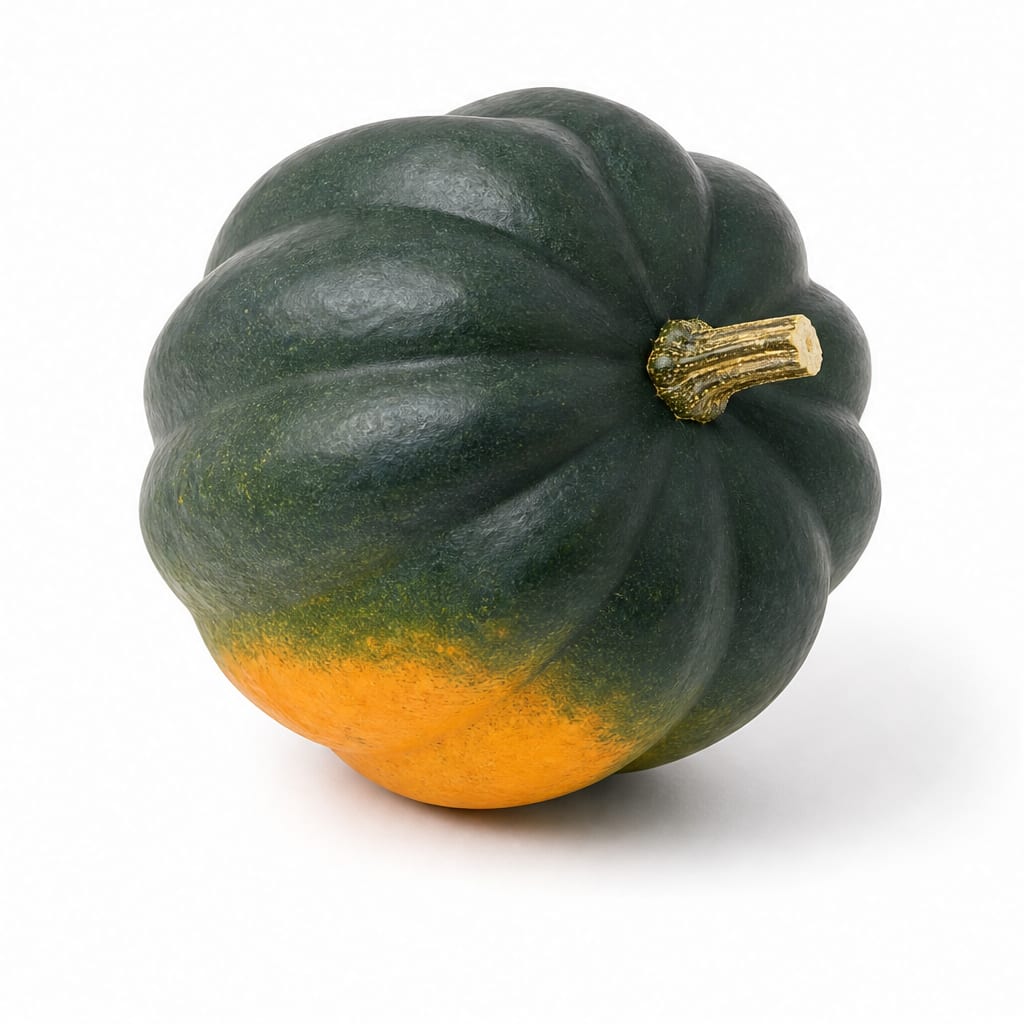
Acorn Squash
Pumpkin is lighter and a Vitamin A powerhouse, while Acorn Squash is denser, sweeter, and far more filling.
Pumpkin edges ahead slightly for everyday convenience and lower calorie density, but Acorn Squash is equally valuable for those needing more sustained energy and fiber.
Lower calories and massive Vitamin A in Pumpkin versus more satisfying fiber and sustained energy in Acorn Squash.
At a glance
Executive summary
Overall
It depends
Healthier
It depends
More practical
Pumpkin
Daily use
Pumpkin
Key comparison lenses
Calorie density and weight management
Pumpkin is significantly lower in calories than Acorn Squash, making it a key differentiator for portion control and diet goals.
Micronutrient profile differences
Pumpkin is a massive Vitamin A source, while Acorn Squash leans heavier into Vitamin C, potassium, and fiber.
Culinary convenience and versatility
Canned Pumpkin offers year-round instant convenience, whereas Acorn Squash requires peeling or roasting, changing how people actually use them.
Best choice for
Pumpkin
- Low-calorie dieting
- Vitamin A boost for eye health
- Quick baking and smoothies
Acorn Squash
- Hearty winter meals
- High-fiber digestive needs
- Sustained energy for active days
Least suitable for
Pumpkin
- Those needing a dense, filling carb source
- High-calorie bulking diets
Acorn Squash
- Strict low-carb or very low-calorie diets
- Quick weeknight meal prep
Deep comparison
Dimension by dimension
Each lens scores both foods and breaks down who each option suits.
- Dimension 1 · Priority 90Pumpkin
Calorie Density & Weight Management
Pumpkin · 92Acorn Squash · 70Pumpkin has less than half the calories of Acorn Squash per cup, making it much easier to eat in large volumes.
Tradeoff
You get more food volume with Pumpkin, but Acorn Squash provides longer-lasting energy.
Why it matters
If you are cutting calories, Pumpkin lets you eat a generous portion without the guilt. If you need fuel, Acorn Squash delivers.
Real-world impact
A large bowl of Pumpkin puree has fewer calories than a small wedge of Acorn Squash.
Pumpkin
- Volume eaters
- Calorie counters
Better for
- Those needing a calorie surplus
Worse for
Acorn Squash
- Hikers needing dense fuel
- Active teens requiring calories
Better for
- Strict calorie restrictors
Worse for
- Dimension 2 · Priority 85It depends
Micronutrient Profile
Pumpkin · 90Acorn Squash · 85Pumpkin is a Vitamin A superstar, while Acorn Squash brings more Vitamin C and potassium to the plate.
Tradeoff
Choosing between immune-boosting Vitamin A from Pumpkin versus hydration and blood pressure support from the potassium in Acorn Squash.
Why it matters
Vitamin A is crucial for eye health and skin, while potassium helps with muscle cramps and blood pressure regulation.
Real-world impact
Eating Pumpkin helps your night vision, while Acorn Squash helps prevent post-workout cramps.
Pumpkin
- Eye health focus
- Skin support
Better for
- Those needing potassium boosts
Worse for
Acorn Squash
- Blood pressure management
- Immune system support
Better for
- Those needing Vitamin A
Worse for
- Dimension 3 · Priority 80Acorn Squash
Satiety & Fiber
Pumpkin · 70Acorn Squash · 90Acorn Squash has significantly more fiber and dense carbs, keeping you full much longer than Pumpkin.
Tradeoff
Acorn Squash is more filling but packs more calories; Pumpkin is lighter but you might get hungry sooner.
Why it matters
Fiber slows digestion, preventing blood sugar spikes and keeping cravings at bay for hours.
Real-world impact
An Acorn Squash side at dinner will keep you full until morning, while Pumpkin might leave you reaching for a late-night snack.
Pumpkin
- Light eaters
- Small appetites
Better for
- Those who need lasting fullness
Worse for
Acorn Squash
- Satiety seekers
- Blood sugar management
Better for
- People with sensitive digestion to high fiber
Worse for
Timeline
Health impact over time
Short-term
Hours to days
Pumpkin
- Light feeling after eating
- Quick energy from easily digested carbs
Acorn Squash
- Highly satisfying and comforting
- Steady, sustained energy release
Long-term
Months to years
Pumpkin
- Excellent vision and skin health from Vitamin A
- Easier weight maintenance due to low calorie density
Acorn Squash
- Better digestive regularity from high fiber
- Improved blood pressure control from potassium
Risk profile
Safety & processing
Both are whole foods when bought fresh. Canned Pumpkin is minimally processed but check labels to avoid added sugars or fillers.
Pumpkin
BPA in canned puree
mediumCanned Pumpkin may have BPA in the lining; choose carton or BPA-free cans when possible.
Confusion with decorative squash
lowSome decorative pumpkins are tough and bitter, though generally not toxic.
Acorn Squash
Pesticide residue on skin
lowThough you discard the skin, washing before cutting is still a good practice to avoid transferring residue to the flesh.
Who wins for whom
Audience fit
Same foods, different winners depending on your goal.
children
PumpkinPumpkin puree is incredibly easy to sneak into pancakes, oatmeal, and mac and cheese for picky eaters.
daily consumption
PumpkinCanned Pumpkin is shelf-stable, easy to add to daily meals, and low in calories.
diabetes
It dependsPumpkin has fewer carbs, but Acorn Squash has more fiber to slow sugar absorption. Both are reasonable in moderate portions.
elderly
PumpkinPumpkin is softer, easier to chew, and the high Vitamin A supports aging eyes.
muscle gain
Acorn SquashAcorn Squash provides more complex carbs to replenish glycogen stores after heavy training.
weight loss
PumpkinPumpkin has less than half the calories of Acorn Squash per cup, making it much easier to fit into a calorie deficit.
Your move
Decision guide
Choose Pumpkin
- You want a low-calorie Vitamin A boost
- You need a quick ingredient for baking or oatmeal
- You are watching your carb intake closely
Choose Acorn Squash
- You need a hearty, filling side dish
- You want long-lasting energy for physical activity
- You crave a naturally sweet, buttery texture
Either works if
- You want a fall-themed vegetable packed with antioxidants
- You need a healthy carb source for meal prep
Avoid both if
- You are on a strict zero-carb or carnivore diet
Final recommendation
Keep both in rotation. Use Pumpkin for everyday low-calorie cooking and baking, and reach for Acorn Squash when you need a comforting, filling meal that sticks to your ribs.
Practical
Consumer tips
- 1
When buying canned Pumpkin, read the label to ensure it is 100% pure pumpkin, not pumpkin pie filling loaded with sugar.
- 2
Microwave Acorn Squash halves for 5-7 minutes before roasting to cut down on cooking time significantly.
- 3
Stir a scoop of Pumpkin puree into your morning oatmeal or yogurt for an effortless nutrient upgrade.