
Nutrition comparison
Pumpkin vs Carrots: Nutrition, Health Benefits & Which is Better
Compare Pumpkin vs Carrots to see which orange vegetable wins for Vitamin A, weight loss, and daily snacking. Learn the nutritional tradeoffs and best uses for each.
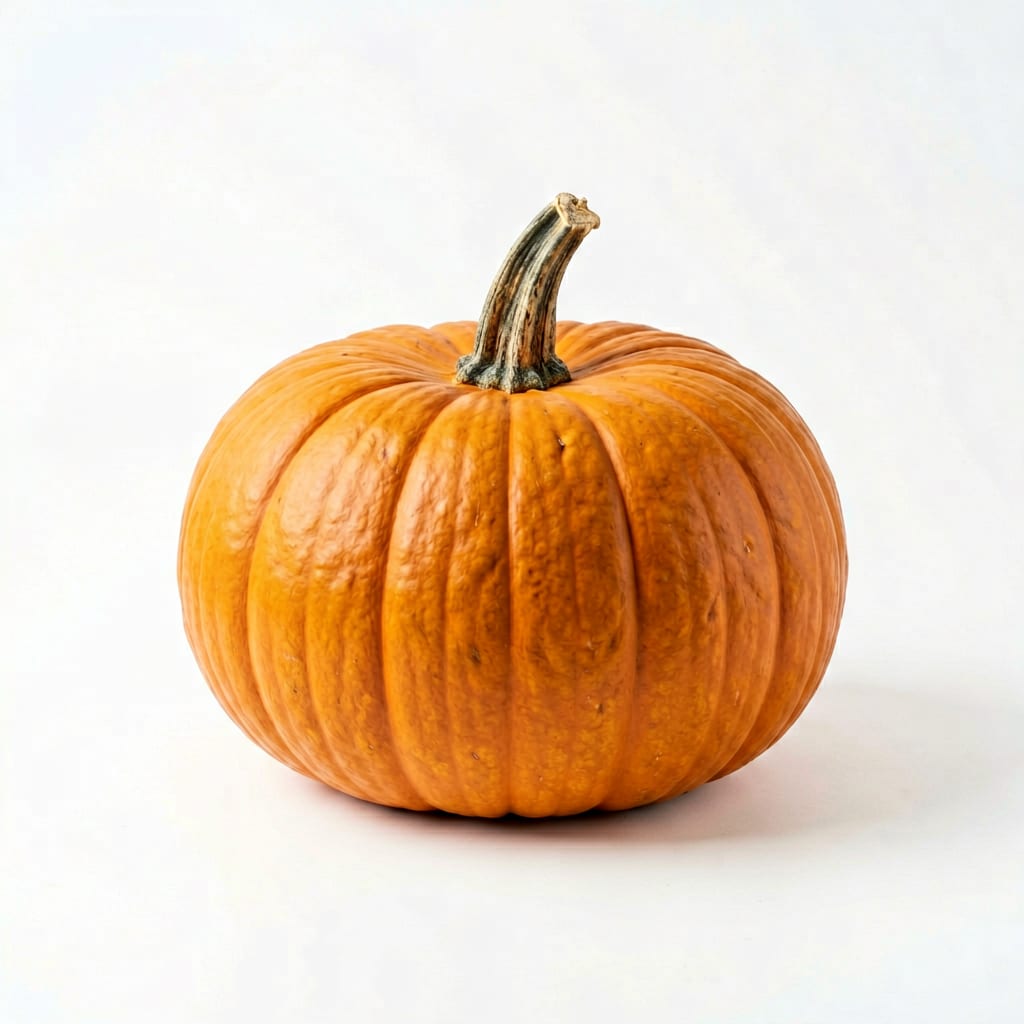
Pumpkin
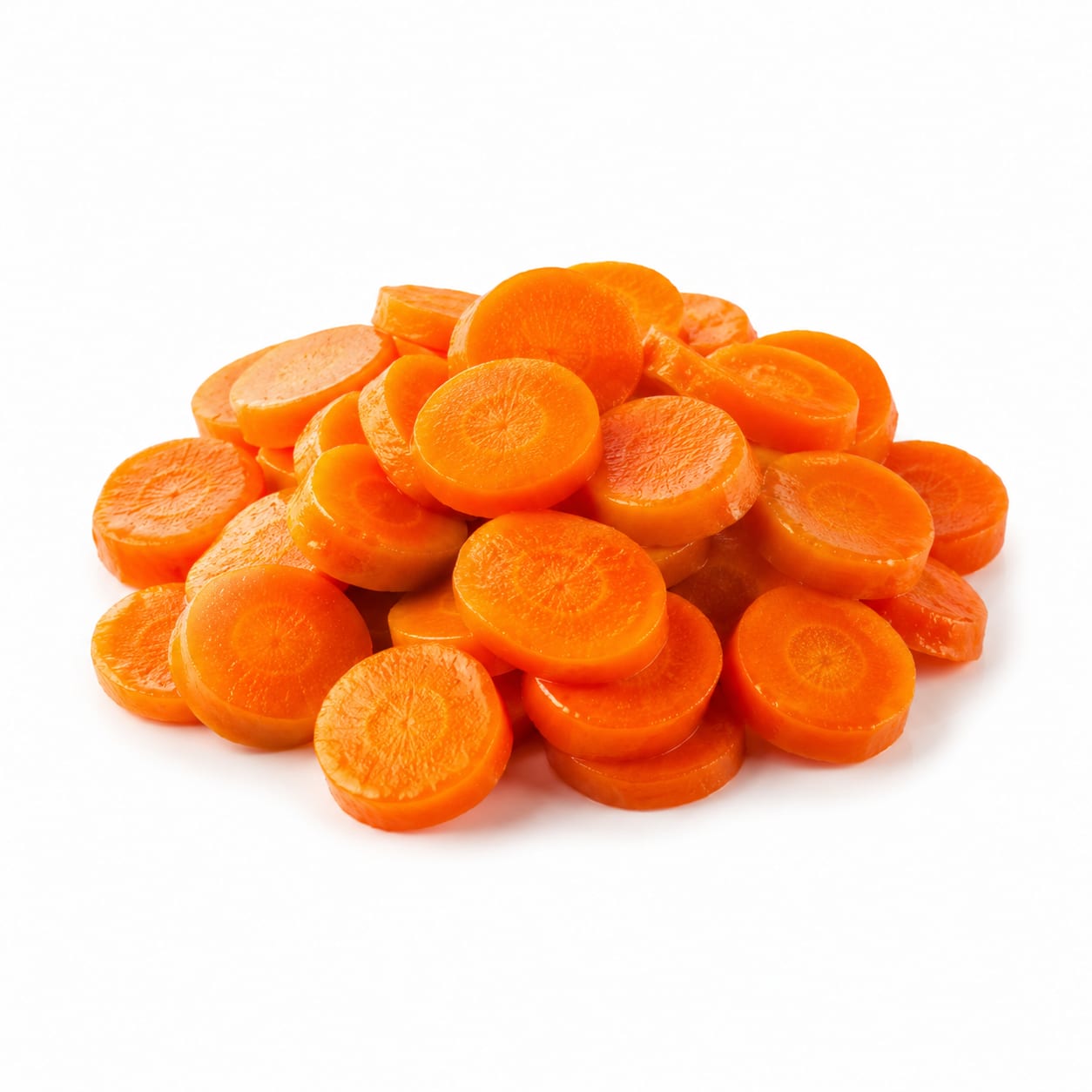
Carrots
Both are beta-carotene superstars, but Carrots win for everyday raw snacking while Pumpkin wins for low-calorie comfort meals.
Carrots score slightly higher due to unmatched raw snackability and everyday convenience, though Pumpkin offers a unique low-calorie volume advantage that makes it nearly tied for specific meal contexts.
Crunchy, grab-and-go convenience versus low-calorie, spoonable comfort food.
At a glance
Executive summary
Overall
It depends
Healthier
It depends
More practical
Carrots
Daily use
Carrots
Key comparison lenses
Vitamin A and beta-carotene density
Both are top-tier sources, but users want to know which delivers more effectively
Low-calorie volume eating
Both are popular for filling up without excess calories, especially in weight loss contexts
Raw snacking vs cooked comfort
The form factor drastically changes how people actually eat these foods daily
Nutrient absorption with fats
Beta-carotene requires dietary fat for absorption, making preparation method critical
Best choice for
Pumpkin
- People aiming for maximum volume eating on low calories
- Anyone needing soft, easy-to-digest foods like infants or the elderly
- Home cooks making soups, purees, or baked goods
Carrots
- People who want a crunchy, hydrating snack without prep
- Anyone packing lunches or eating on the go
- Those who prefer raw vegetables for fiber and jaw satisfaction
Least suitable for
Pumpkin
- People who want a quick, zero-prep snack
- Anyone tired of cooking or pureeing
Carrots
- People with severe jaw or dental issues who struggle with crunchy raw veggies
- Anyone looking for a high-volume, warm comfort meal base
Deep comparison
Dimension by dimension
Each lens scores both foods and breaks down who each option suits.
- Dimension 1 · Priority 95Pumpkin
Vitamin A & Antioxidant Density
Pumpkin · 92Carrots · 88Pumpkin packs slightly more Vitamin A per calorie, but both deliver far more than you need in a single serving.
Tradeoff
Pumpkin wins on density, but Carrots are often eaten raw with dips that provide the fat needed to actually absorb those nutrients.
Why it matters
Vitamin A is critical for vision, skin health, and immunity. Both foods are elite sources, so you win either way.
Real-world impact
A single cup of either gives you well over 200% of your daily Vitamin A needs. The real difference is how you eat them, not the nutrients themselves.
Pumpkin
- Maximizing Vitamin A per calorie consumed
Better for
- Often eaten in sweet dishes with added sugars, which negates some health benefits
Worse for
Carrots
- Pairing easily with healthy fats like hummus for better absorption
Better for
- Eaten plain without fat, which means you absorb less of the beta-carotene
Worse for
- Dimension 2 · Priority 85Carrots
Satiety & Snackability
Pumpkin · 75Carrots · 90Carrots are one of the best crunchy, hydrating snacks available. Pumpkin is filling but requires cooking.
Tradeoff
Carrots satisfy the urge to chew and take time to eat, while Pumpkin fills you up via warm volume but lacks the crunch factor.
Why it matters
Satiety isn't just about fullness. The physical act of chewing raw Carrots signals your brain that you are eating, reducing cravings.
Real-world impact
Reaching for Carrots in the afternoon kills the snack craving and takes time to eat. Pumpkin requires prep, making it a meal base rather than a quick snack.
Pumpkin
- Creating large, warm meals that feel like comfort food for very few calories
Better for
- Cannot be eaten raw easily, so it loses the instant-gratification snacking category
Worse for
Carrots
- Killing afternoon snack cravings with zero cooking
- Providing a satisfying crunch that processed snacks usually offer
Better for
- Does not provide the warm, comforting fullness of a cooked dish
Worse for
- Dimension 3 · Priority 75Carrots
Blood Sugar & Energy Stability
Pumpkin · 78Carrots · 85Raw Carrots have a very low glycemic impact. Pumpkin can raise blood sugar slightly faster depending on how it is prepared.
Tradeoff
Raw crunch keeps blood sugar rock-steady, while cooked Pumpkin digests a bit faster, especially if mashed.
Why it matters
Steady blood sugar means no energy crashes or sudden hunger returning 30 minutes later.
Real-world impact
Eating raw Carrots as a snack will not cause an energy crash. A large bowl of Pumpkin soup is still very healthy but might leave you hungry sooner than a fiber-rich raw snack.
Pumpkin
- Providing quick, gentle energy before a workout when eaten in moderation
Better for
- Can cause a slightly faster blood sugar rise if eaten as a sweetened puree or pie filling
Worse for
Carrots
- Maintaining rock-steady blood sugar as an afternoon snack
Better for
- Juicing Carrots removes the fiber and spikes blood sugar rapidly
Worse for
- Dimension 4 · Priority 80Carrots
Everyday Convenience & Versatility
Pumpkin · 70Carrots · 92Carrots are ready to eat in seconds and travel well. Pumpkin requires cooking or opening a can.
Tradeoff
Carrots are the ultimate zero-prep veggie. Pumpkin demands effort but yields a completely different culinary experience.
Why it matters
The healthiest food is the one you actually eat. Convenience often determines what reaches your plate on busy days.
Real-world impact
You can throw Carrots in a bag for lunch. Pumpkin requires planning, roasting, or blending, making it a weekend or meal-prep food for most people.
Pumpkin
- Batch-cooking large pots of soup or puree for the week ahead
Better for
- Requires peeling, chopping, and cooking, which is a barrier on busy weeknights
Worse for
Carrots
- Zero-prep snacking straight from the fridge
- Easy addition to salads, stir-fries, and lunchboxes
Better for
- Limited to raw or quick-cook applications unless you want to spend time roasting
Worse for
Timeline
Health impact over time
Short-term
Hours to days
Pumpkin
- Provides warm, comforting fullness that curbs overeating at dinner
- High water content in cooked form helps with hydration
Carrots
- Crunching raw Carrots stimulates saliva and aids immediate digestion
- Provides rapid hydration and a refreshing energy lift without a crash
Long-term
Months to years
Pumpkin
- Consistent intake supports night vision and skin resilience
- Potassium helps maintain healthy blood pressure over time
Carrots
- Regular raw consumption supports dental health by stimulating gums
- Sustained beta-carotene intake protects against age-related eye decline
Risk profile
Safety & processing
Both are whole foods in their natural state. However, canned Pumpkin often contains just Pumpkin but requires checking labels to avoid added sodium or sulfites, while whole Carrots are completely unprocessed.
Pumpkin
BPA exposure from cans
mediumIf using canned Pumpkin, the can lining may contain BPA. Look for BPA-free cans or use fresh whole Pumpkin.
Carrots
Pesticide residue
mediumConventional Carrots often retain pesticide residue in the skin. Peeling or buying organic significantly reduces this exposure.
Who wins for whom
Audience fit
Same foods, different winners depending on your goal.
children
CarrotsCarrots are a fun, sweet, crunchy finger food that kids can hold and munch on easily.
daily consumption
CarrotsCarrots require zero cooking and fit seamlessly into almost any meal or snack moment throughout the day.
diabetes
CarrotsRaw Carrots have an exceptionally low glycemic index and the physical structure slows sugar absorption.
elderly
PumpkinPumpkin is soft, easy to chew, and gentle on the digestive system, making it ideal for aging adults.
muscle gain
It dependsNeither is a significant protein source, but both add low-calorie volume and micronutrients to a high-protein diet.
weight loss
PumpkinPumpkin allows for massive portion sizes of warm, comforting food for very few calories, making it easier to stick to a deficit.
Your move
Decision guide
Choose Pumpkin
- You want a warm, comforting meal that feels indulgent but is extremely low in calories
- You are meal-prepping soups or purees for the week
- You need soft foods for a baby, an elderly parent, or someone with dental issues
Choose Carrots
- You need a zero-prep snack to replace chips or crackers
- You want a crunchy vegetable that travels well in lunchboxes
- You are looking for a hydrating, refreshing afternoon pick-me-up
Either works if
- You simply want to boost your Vitamin A and beta-carotene intake
- You are trying to eat more orange vegetables for skin and eye health
Avoid both if
- You are solely looking for high-protein foods to build muscle
Final recommendation
Keep both in your kitchen. Use Carrots for daily raw snacking and lunchbox convenience, and rely on Pumpkin for cozy, low-calorie dinners and meal-prep soups. Pair either with a healthy fat like olive oil or hummus to unlock their full nutritional value.
Practical
Consumer tips
- 1
Always eat Pumpkin or Carrots with a fat source like olive oil, butter, or nuts to absorb the fat-soluble beta-carotene
- 2
If buying canned Pumpkin, choose 100% pure Pumpkin puree, not pumpkin pie filling which is loaded with added sugar
- 3
Peel conventional Carrots or buy organic to avoid the most common pesticide residues
- 4
Roast Carrots with a drizzle of olive oil to bring out their natural sweetness and maximize nutrient absorption