
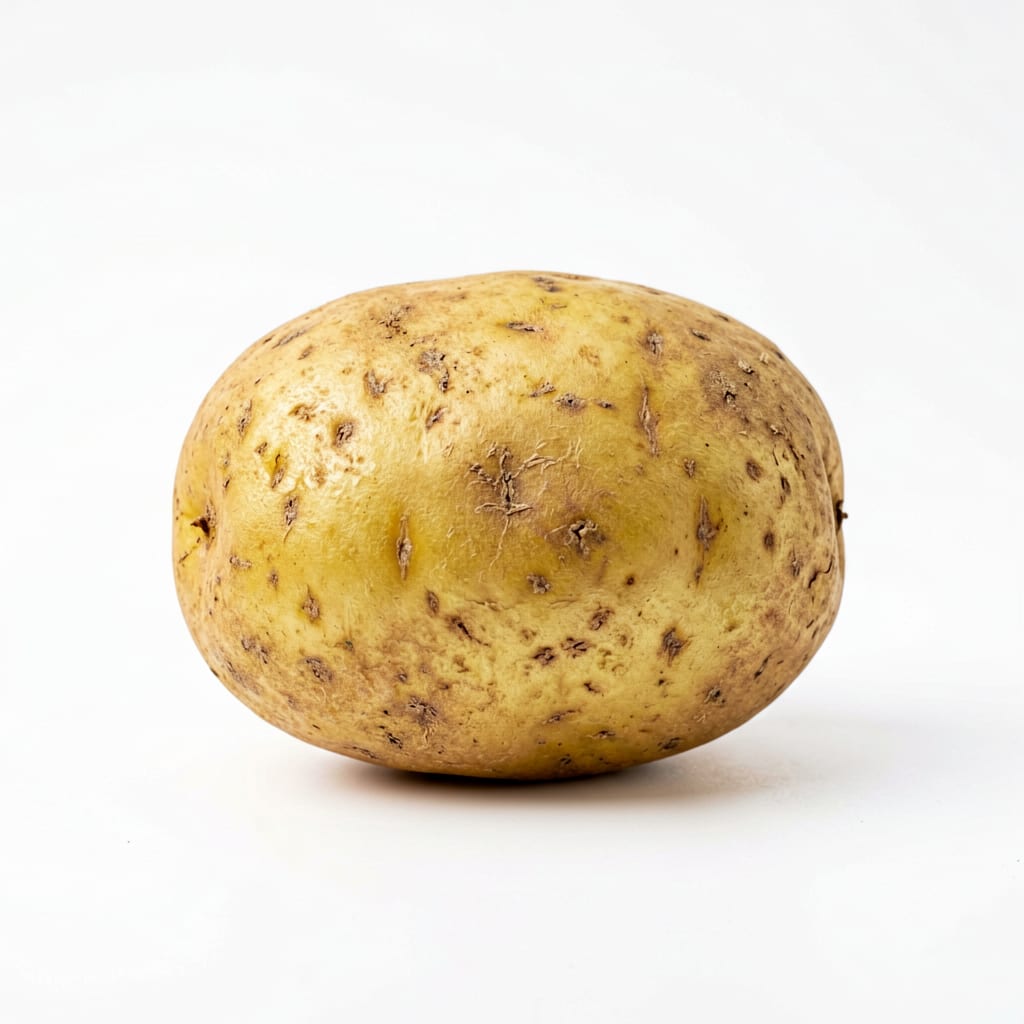
Starchy Vegetable / Tuber
Potato
A starchy root vegetable providing high satiety, complex carbohydrates, and resistant starch when cooked and cooled.
Potatoes are edible tubers cultivated worldwide, recognized for their starchy carbohydrate content, high satiety value, and culinary versatility. While often criticized for their carbohydrate density, they provide significant essential nutrients and unique metabolic benefits when prepared correctly.
high-satiety starchy carbohydrate source
Typical serving · 150g
Common varieties · Russet, Yukon Gold, Red Potato, Fingerling, New Potato +1 more
Overall context score across nutrition, safety, and diet fit
At a glance
Quick facts
Simple indicators based on nutrition, processing, and diet fit.
The story
What makes it unique
Raw potatoes contain digestible starch and resistant starch. Digestion speed varies significantly by preparation method; cooling cooked potatoes increases resistant starch content via retrogradation, which lowers the glycemic response and acts as a prebiotic. Potatoes possess an exceptionally high satiety index compared to other carbohydrate sources, promoting fullness with relatively few calories.
Varieties: Russet · Yukon Gold · Red Potato · Fingerling · New Potato · Purple Potato
Per 100g
Nutrition breakdown
Macro balance and key metrics at a glance.
Energy
Density 0.77 kcal/g
Protein
Carbs
Fat
Fiber
Sugar
0.8 g
Sodium
6 mg
Potassium
421 mg
Glycemic index
78
Glycemic load
14
Water content
79%
Standout compounds
Nutrient highlights
Potassium
highRegulates blood pressure and fluid balance
Vitamin C
moderateSupports immune function and collagen synthesis
Vitamin B6
moderateAids in brain development and amino acid metabolism
Resistant Starch
highFeeds beneficial gut bacteria and improves insulin sensitivity
Wellness map
Health scores & processing
NOVA processing scale
Unprocessed or minimally processed · Whole food
Whole raw potatoes are completely unprocessed. Processing level increases dramatically when transformed into french fries, chips, or instant mashed potatoes, which fall into Nova Group 4.
Diet compatibility
- Weight loss
- Muscle gain
- Diabetes
- Gut health
- Low carb
- High protein
- Heart health
Relative standing
Food rankings
Qualitative ranks compared to similar whole foods.
- Satietyexcellent
- Blood sugarpoor
- Nutrient densitygood
- Fitness fuelgood
- Processing qualityexcellent
Eat with confidence
Food safety profile
Raw potatoes can develop toxic solanine if exposed to light and turning green. Proper storage in dark, cool places and discarding green or sprouted parts mitigates this risk.
Evidence confidence 90%
- Pesticidesmoderate
- Antibioticslow
- Heavy metalslow
- Contaminationlow
Watch for
- Solanine
- Pesticide residues
- Soil bacteria
Safer choices
Organic potatoes to reduce pesticide exposure, as root vegetables can absorb soil chemicals
Prep tips
Scrub skin thoroughly under running water to remove dirt and pesticide residue; cut away any green spots, sprouts, or damaged areas before cooking.
Solanine levels are monitored in commercial varieties; exposure to light causes greening and solanine buildup, which can cause gastrointestinal distress.
Deep dive
Health analysis
How this food may fit different goals and preparation choices.
Weight loss
High satiety index makes boiled potatoes excellent for volume eating, keeping you full longer on fewer calories, but preparation methods heavily dictate caloric outcome.
Blood sugar
High glycemic index when baked or mashed; cooling after cooking forms resistant starch, which significantly lowers the glycemic response and improves glucose tolerance.
Fitness & energy
Easily digestible carbohydrates provide quick glycogen replenishment for endurance and high-intensity training, making them a staple pre- or post-workout carb source.
Gut health
Resistant starch from cooled potatoes acts as a prebiotic, feeding beneficial gut bacteria and improving microbiome diversity and short-chain fatty acid production.
Processing quality
Whole potatoes are minimally processed, but common consumption forms like fries and chips are ultra-processed and high in inflammatory fats.
Food safety
Avoid green or sprouting potatoes due to solanine toxicity; scrub skins thoroughly to remove soil and pesticide residue before cooking.
Common mistakes
Frying or loading baked potatoes with butter, cheese, and sour cream negates their natural low-calorie and high-satiety benefits.
Best preparation
Boiling or baking with the skin on, then cooling before eating to maximize resistant starch, fiber intake, and potassium retention.
Practical guide
Best use cases
When and how this food fits real eating patterns.
Post-workout glycogen replenishment
Easily digestible carbs help restock muscle glycogen rapidly after intense exercise.
High-volume low-calorie meals
Boiled potatoes provide exceptional fullness per calorie, aiding in appetite control during dieting.
Prebiotic gut health support
Boiled potatoes provide exceptional fullness per calorie, aiding in appetite control.
Prebiotic gut health support
Cooled potato salad or reheated leftovers supply resistant starch to feed beneficial gut bacteria.
Balance sheet
Pros & cons
Upsides
- Highest satiety index of any common food
- Excellent source of potassium for blood pressure regulation
- Contains resistant starch when cooked and cooled
- Naturally fat-free and low calorie when boiled
- Very affordable and widely available staple crop
Trade-offs
- High glycemic index when baked or mashed hot
- Often consumed as ultra-processed fries or chips
- Low in protein and essential fats
- Can develop toxic solanine if improperly stored
- Rapidly digested unless cooled after cooking
Fit check
Who is it for?
Great match
- high-volume eating
- post-workout carb refueling
- budget-friendly meal prep
- endurance athletes
Consider alternatives
- strict low-carb or ketogenic diets
- managing acute blood sugar spikes
- high-protein diets
Side by side
How it compares
Open the full head-to-head analysis for nutrition, safety, and practical tradeoffs.
This food
Potato
VS90% alike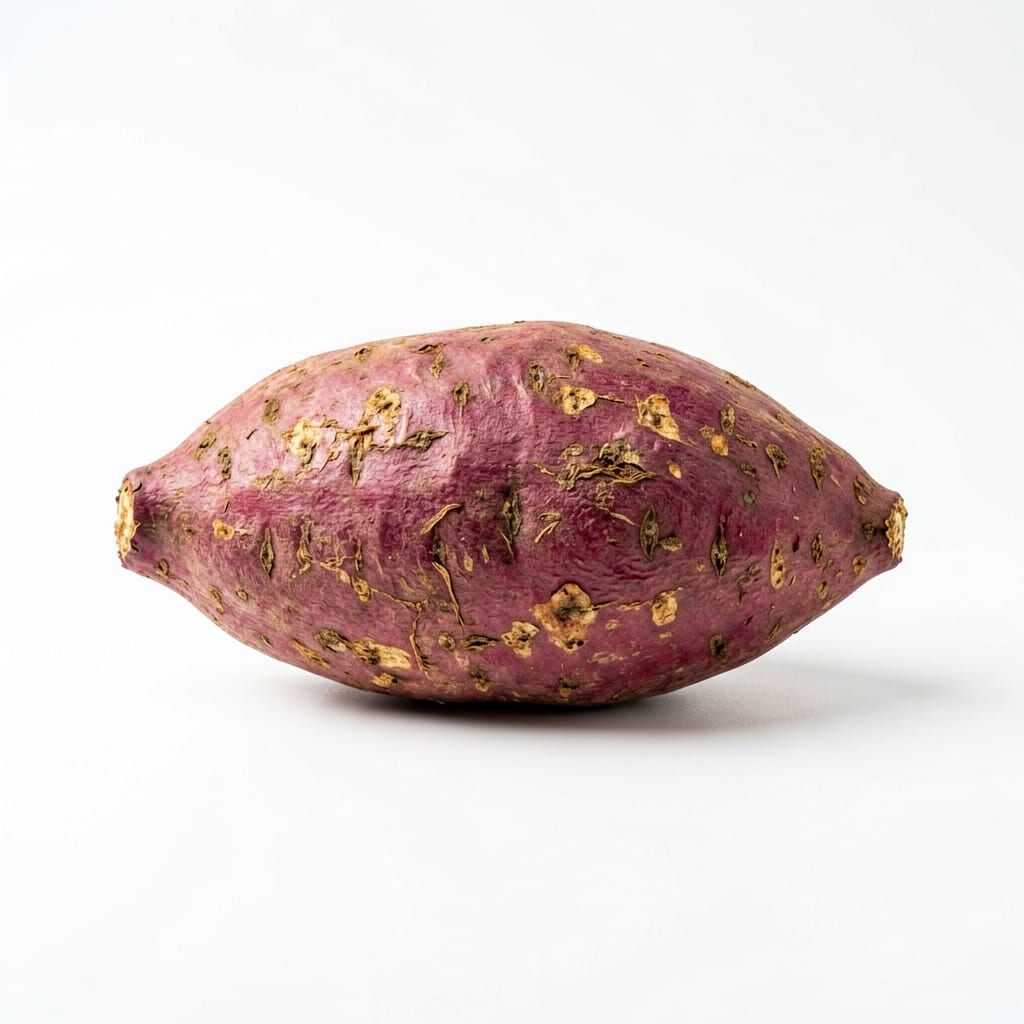
Compare with
Sweet Potato
Sweet potatoes offer more vitamin A and a lower glycemic index, while white potatoes provide more potassium and higher satiety.
Sweet potatoes provide more vitamin A and a gentler blood sugar impact, while white potatoes offer superior satiety and more potassium per calorie.
This food
Potato
VS85% alike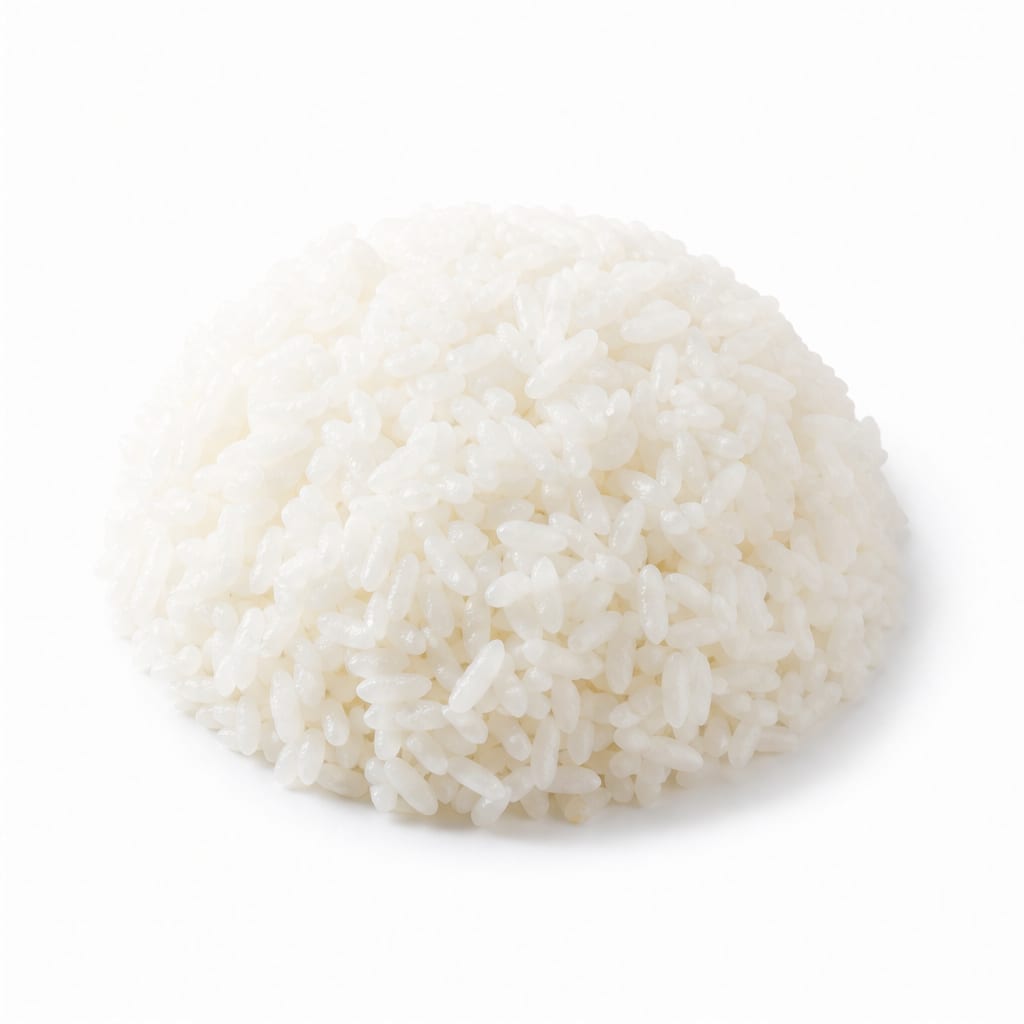
Compare with
White Rice
Potatoes provide significantly more satiety, potassium, and vitamin C than white rice, which is more processed and less nutrient-dense.
Potatoes are far superior to white rice for weight loss due to much higher satiety and potassium, though both are high-carb staple foods.
This food
Potato
VS80% alike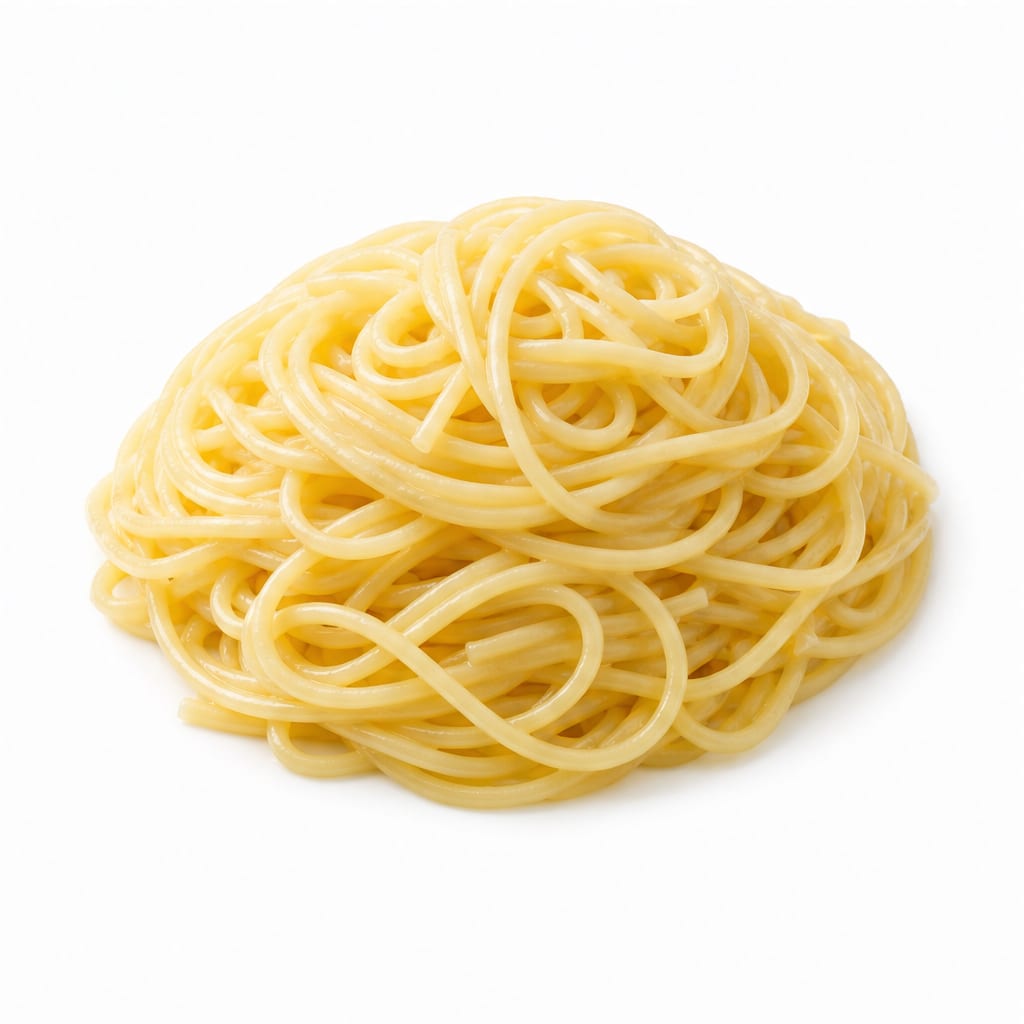
Compare with
Pasta
Pasta has a lower glycemic index than hot baked potatoes, but boiled potatoes are far more satiating per calorie.
Boiled potatoes keep you fuller than pasta, making them better for weight loss, while pasta has a milder impact on blood sugar when eaten hot.
This food
Potato
VS65% alike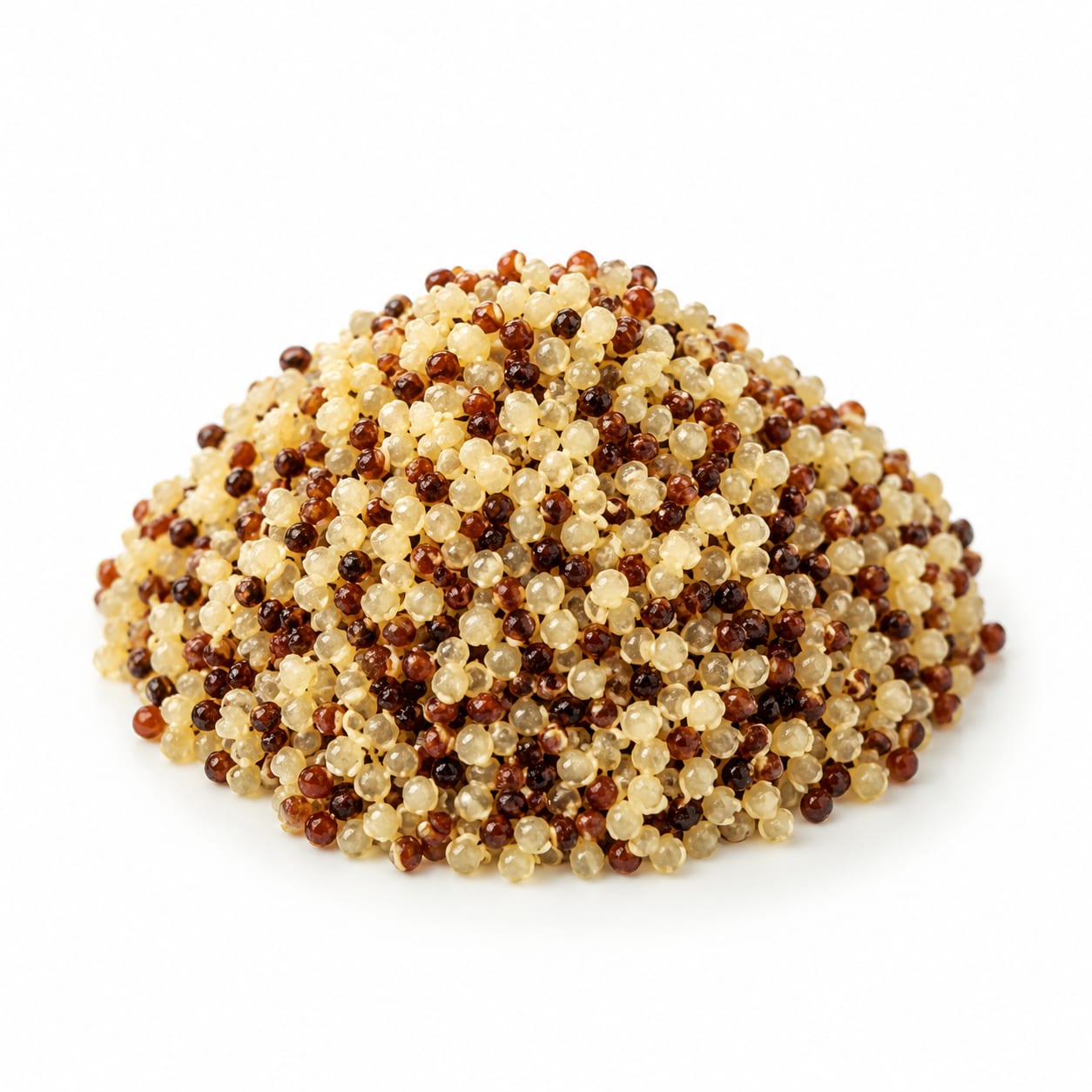
Compare with
Quinoa
Quinoa offers complete protein and more fiber, but potatoes deliver cheaper calories and higher satiety for volume eaters.
Quinoa provides complete protein and better blood sugar control, but potatoes are significantly more filling and budget-friendly for volume eating.
This food
Potato
VS55% alike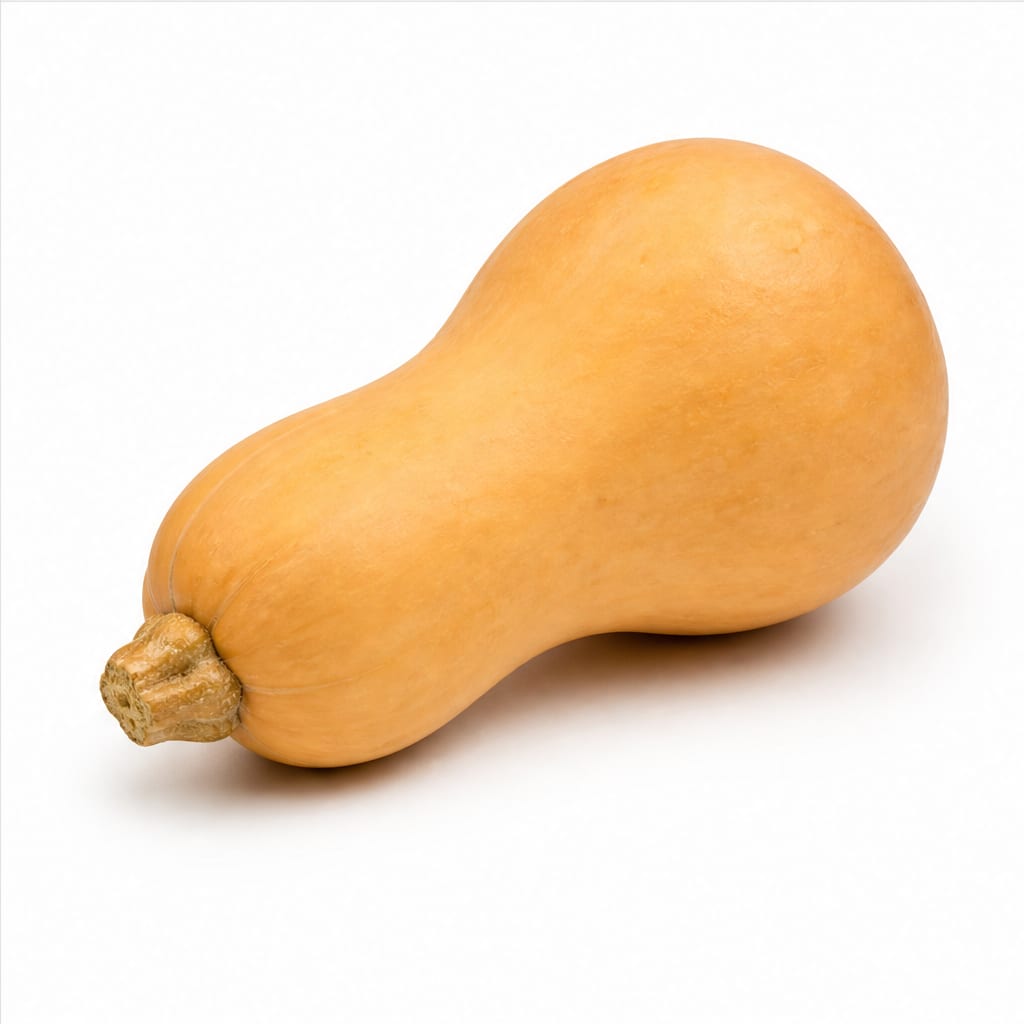
Compare with
Butternut Squash
Butternut squash is lower in calories and carbs with more vitamin A, while potatoes offer more potassium and energy for athletes.
Butternut squash is lower in calories and better for low-carb diets, whereas potatoes provide more sustained energy and satiety for active individuals.
This food
Potato
VS75% alike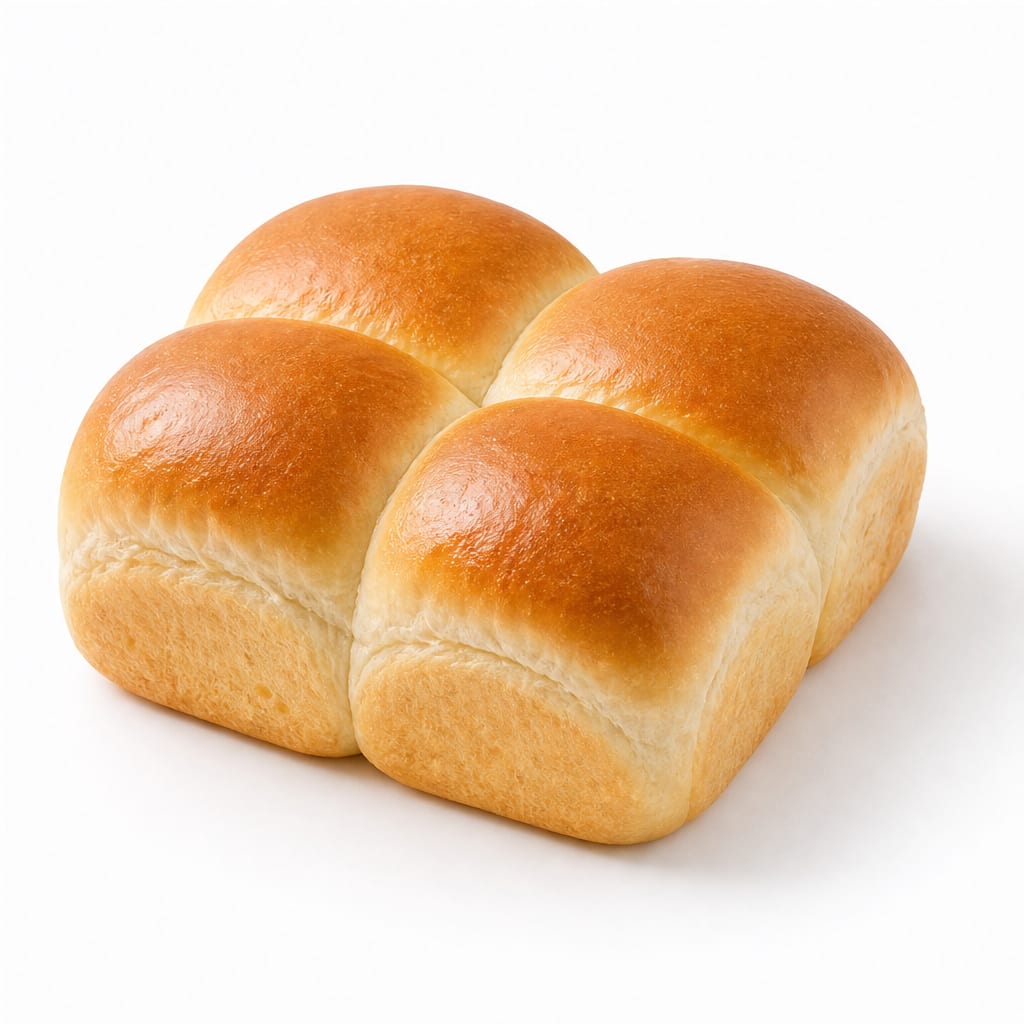
Compare with
Bread
Whole potatoes are unprocessed and far more satiating than bread, which is a processed food with a similar glycemic profile.
Whole potatoes are unprocessed and vastly more filling than bread, making them a better choice for appetite control and weight management.
This food
Potato
VS95% alike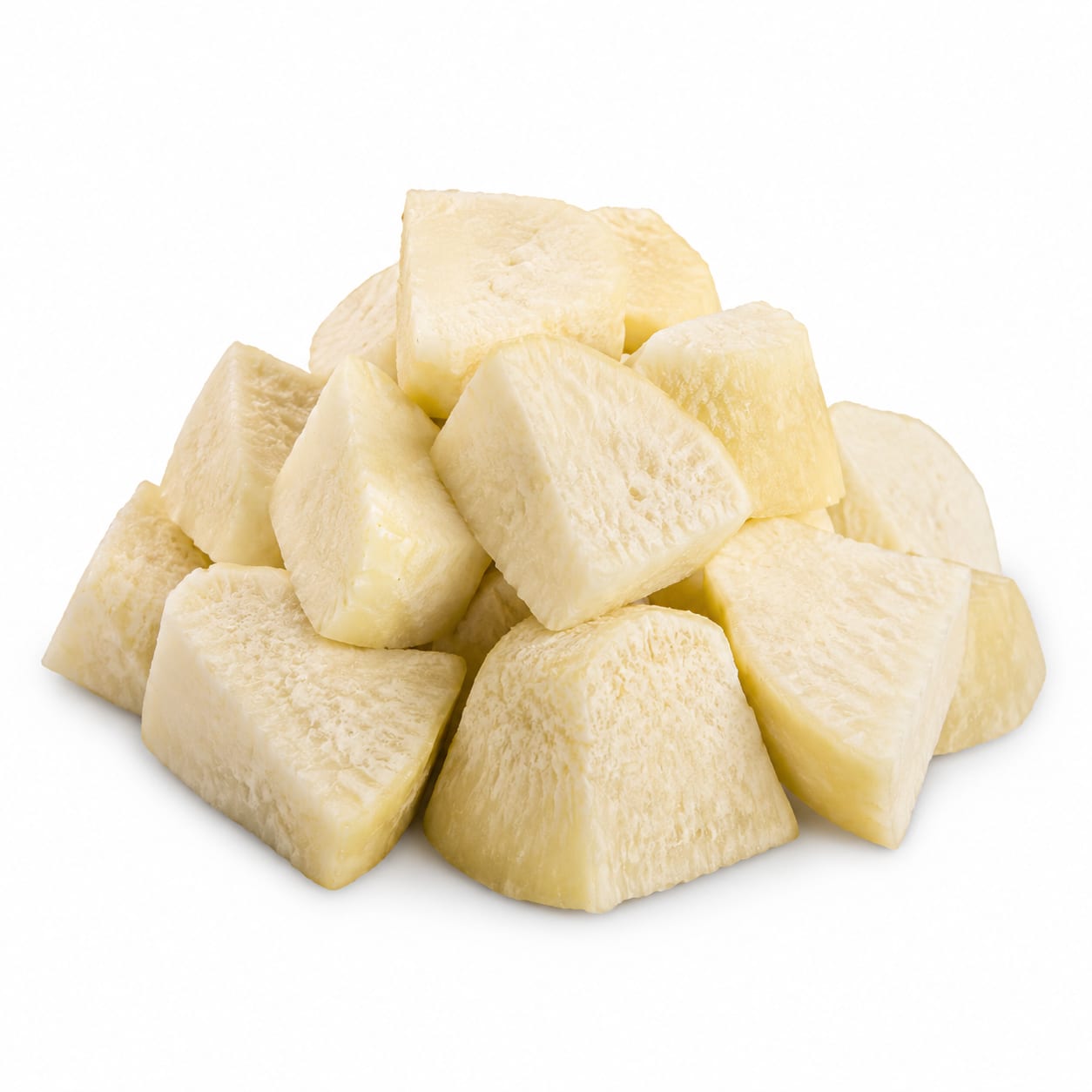
Compare with
Yam
Yams are drier and starchier with a slightly lower glycemic index, while common potatoes are higher in potassium and satiety.
Yams offer slightly better blood sugar control, but standard potatoes rank higher for satiety and are more widely accessible for everyday meals.
This food
Potato
VS60% alike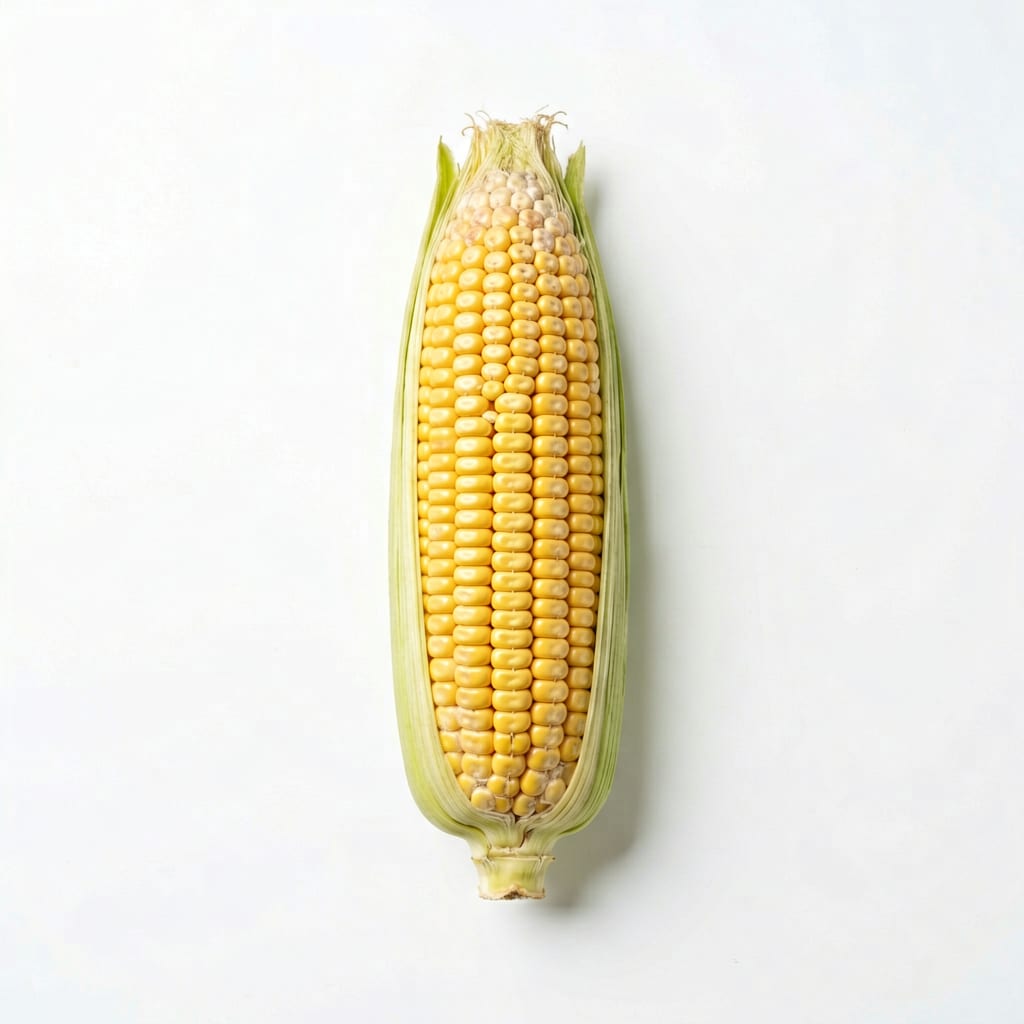
Compare with
Corn
Corn provides more fiber and protein, but potatoes deliver higher satiety and potassium.
Potatoes are more filling and better for weight loss, while corn offers slightly more protein and fiber per serving.
This food
Potato
VS50% alike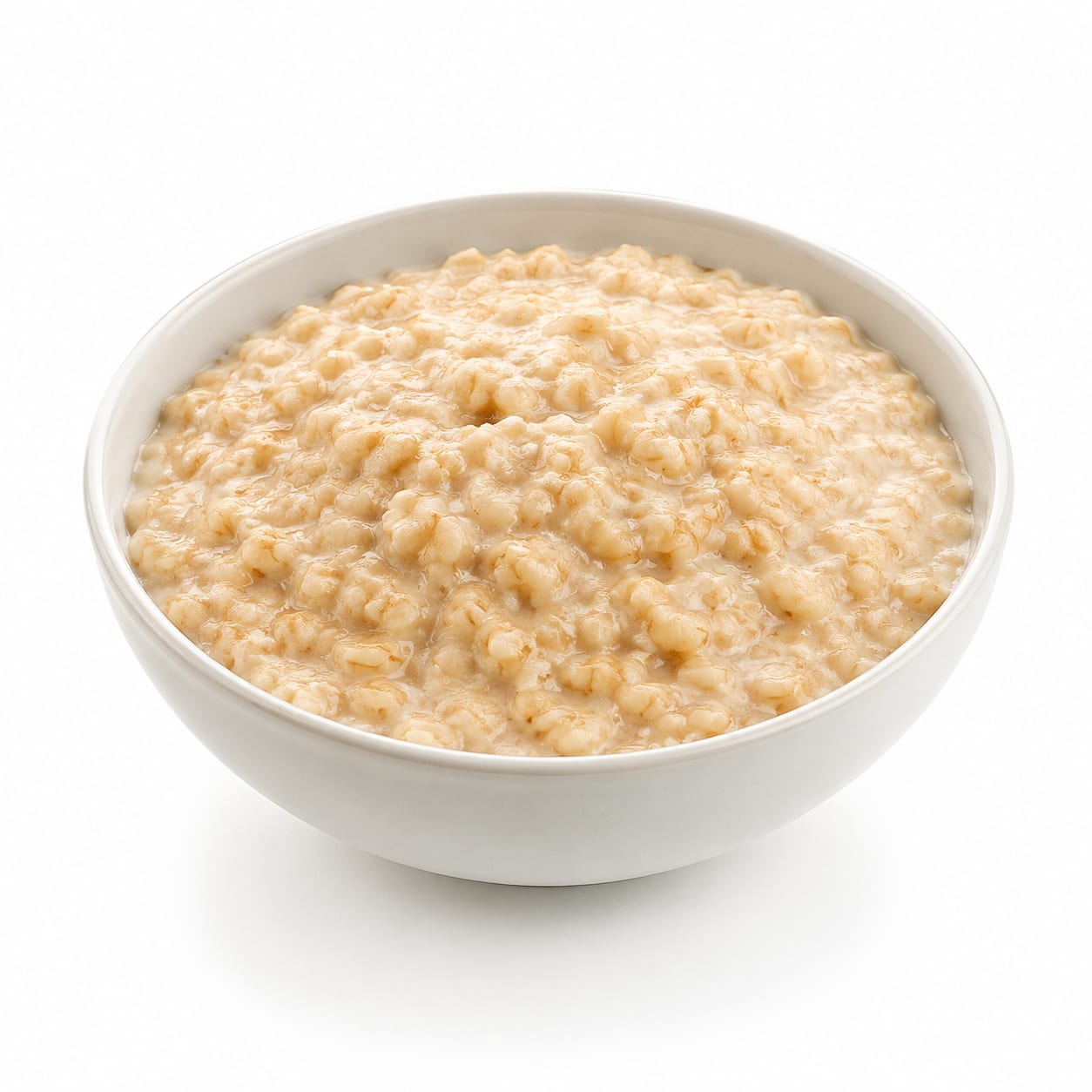
Compare with
Oats
Oats are rich in soluble fiber and excellent for heart health, whereas potatoes provide faster-digesting carbs and higher satiety per calorie.
Oats are better for steady blood sugar and heart health, while boiled potatoes are superior for sheer fullness and rapid energy replenishment.
This food
Potato
VS40% alike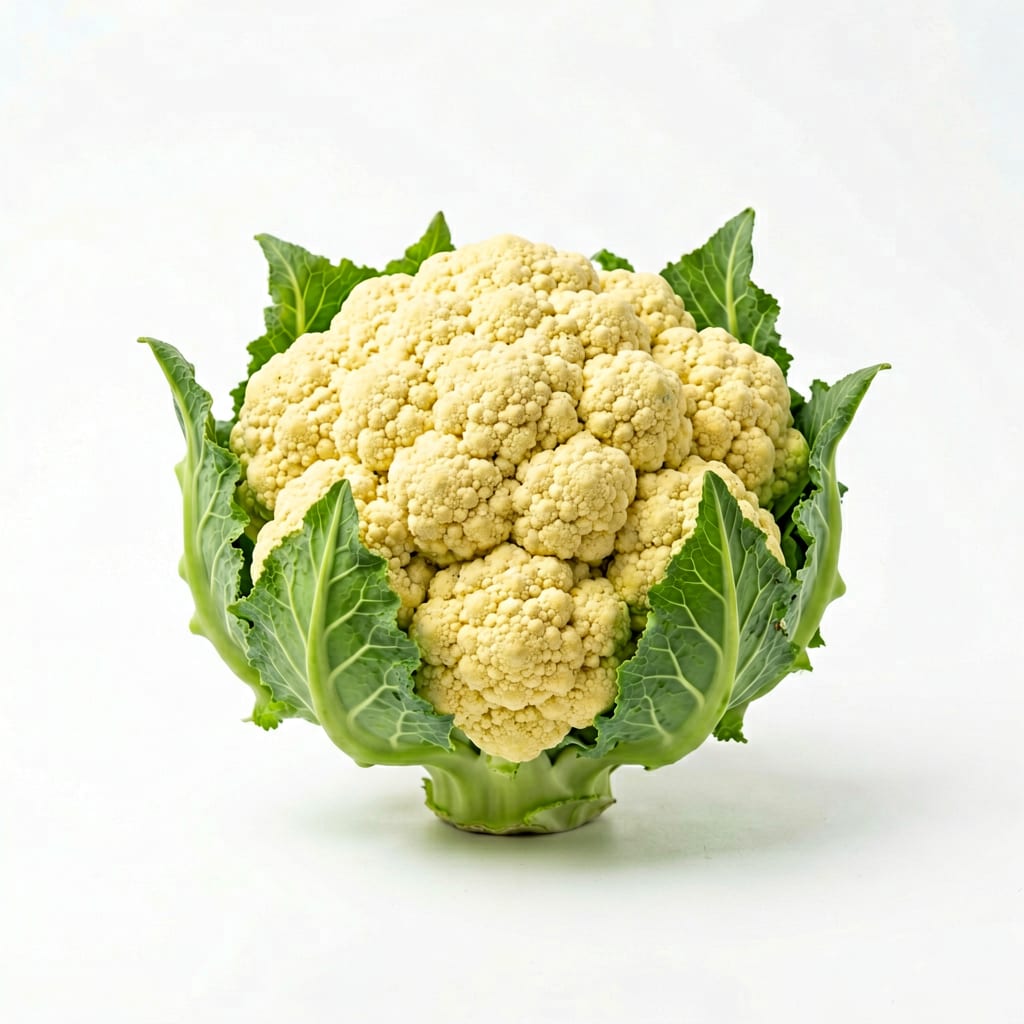
Compare with
Cauliflower
Cauliflower is dramatically lower in carbs and calories, but potatoes offer significantly more energy, potassium, and satiety.
Cauliflower is the clear winner for low-carb and low-calorie diets, but potatoes provide necessary energy and superior fullness for active lifestyles.
Common questions
FAQ
Answers aligned with how people search for this food.
Are potatoes good for weight loss?
Yes, when boiled or baked without added fats. Potatoes have the highest satiety index of any food tested, meaning they keep you full longer, which can help reduce overall calorie intake.
Do potatoes spike blood sugar?
Hot baked or mashed potatoes have a high glycemic index and can spike blood sugar rapidly. However, boiling them and letting them cool significantly increases resistant starch, which lowers the glycemic impact.
Is potato skin healthy?
Yes, the skin contains about half of the total dietary fiber and a significant portion of the potassium and iron. Eating washed skin-on potatoes maximizes nutritional value.
What is resistant starch in potatoes?
Resistant starch is a type of carbohydrate that resists digestion in the small intestine. Cooking and then cooling potatoes causes starch retrogradation, forming resistant starch that feeds gut bacteria and lowers glycemic response.
Are potatoes healthier than rice?
Whole potatoes with skin offer more potassium, vitamin C, and satiety than white rice. However, brown rice provides more protein and a slightly lower glycemic index depending on preparation.
Can diabetics eat potatoes?
Diabetics can eat potatoes in moderation, especially when boiled, cooled, and consumed with fiber or protein to blunt the blood sugar spike. Portion control is essential due to the high carbohydrate content.
Why do potatoes turn green and are they safe to eat?
Potatoes turn green when exposed to light, indicating the buildup of solanine, a natural toxin. Small green spots can be cut away, but heavily green or sprouted potatoes should be discarded to avoid gastrointestinal distress.
How do you reduce carbs in potatoes?
You cannot eliminate carbs, but you can reduce their digestible carb impact by cooking, chilling them in the fridge for 24 hours, and reheating. This process increases resistant starch, lowering the net digestible carbohydrates.
Transparency
Data confidence
Estimated confidence for nutrition data, interpretation, safety notes, and comparisons.
Nutrition data
Health analysis
Food safety
Comparisons