
Nutrition comparison
Potato vs Butternut Squash: Which Is Healthier for Blood Sugar, Weight Loss, and Daily Nutrition?
Compare potato and butternut squash on blood sugar impact, satiety, vitamins, and weight management. Learn which starchy vegetable fits your health goals and when to choose each.
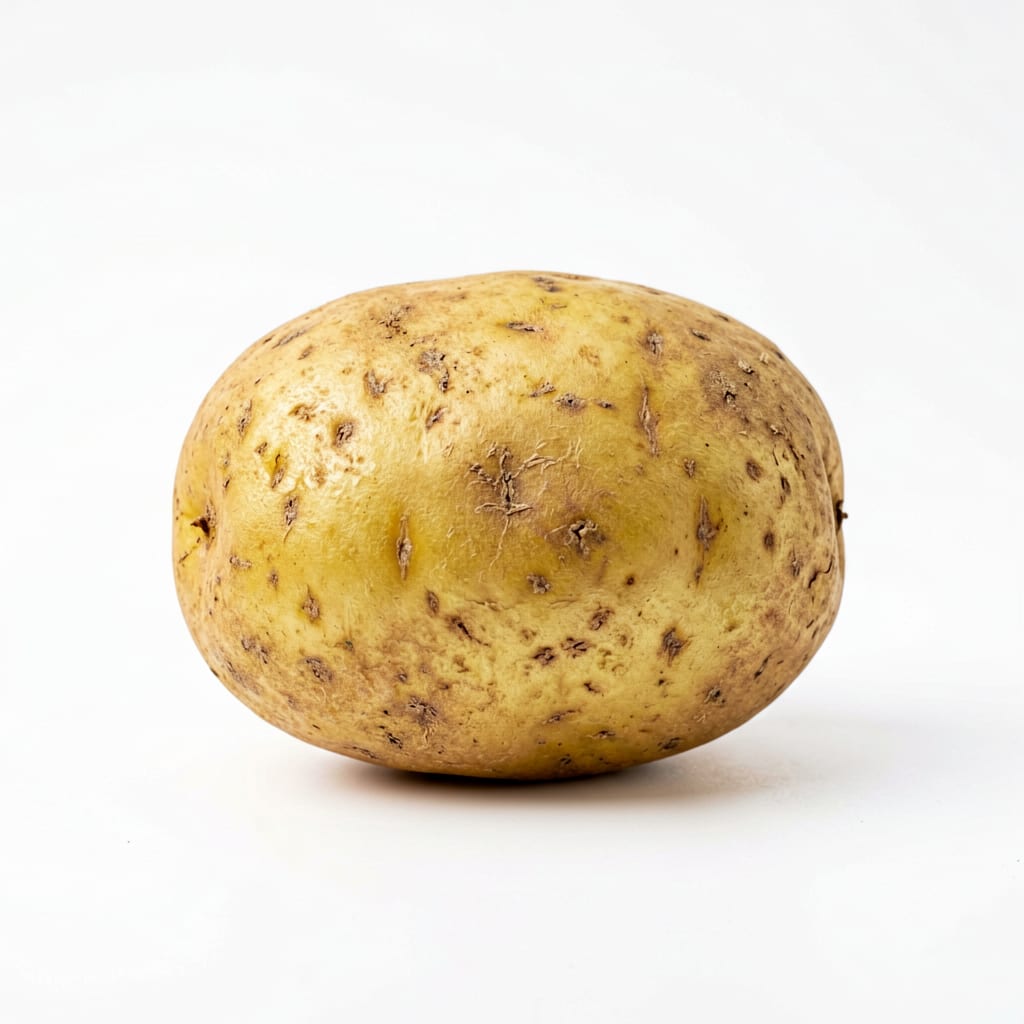
Potato
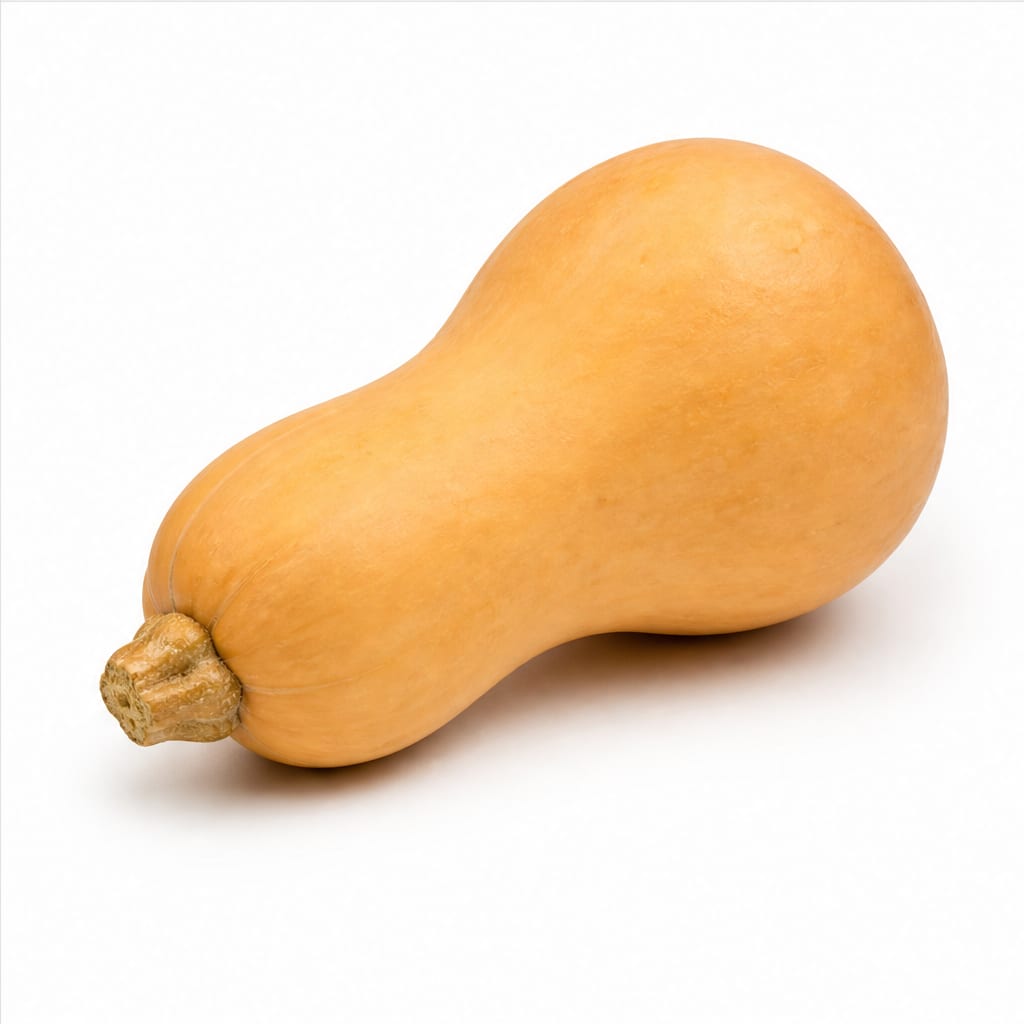
Butternut Squash
Potato fills you up more and costs less; butternut squash delivers steadier energy and far more vitamin A. Pick based on what your body needs most.
Butternut squash edges ahead due to better blood sugar stability and superior micronutrient diversity, but potato remains competitive through unmatched satiety and potassium content. The gap is modest because both are whole foods with genuine nutritional value.
Satiety and potassium versus blood sugar stability and vitamin A density
At a glance
Executive summary
Overall
It depends
Healthier
Butternut Squash
More practical
Potato
Daily use
It depends
Key comparison lenses
blood sugar management
Both are starchy vegetables with meaningfully different glycemic impacts, a top concern for most users comparing these foods
weight management and calorie density
Butternut squash offers more volume per calorie, making portion control easier for weight-conscious eaters
nutrient density tradeoffs
Potato dominates potassium and B6 while butternut squash dominates vitamin A — users need clarity on what they're gaining or losing
meal versatility and practicality
Potato fits into nearly any meal format while butternut squash has a narrower culinary role
satiety and fullness
Potato is one of the most satiating foods studied, which matters for people managing hunger
Best choice for
Potato
- Athletes needing quick refueling after intense training
- People struggling with appetite who need maximum fullness per meal
- Budget-conscious households wanting affordable nutrition
- Anyone needing potassium for blood pressure or cramp prevention
Butternut Squash
- People managing diabetes or insulin resistance
- Anyone tracking calories who wants larger portions with less energy density
- Those wanting to boost eye health and immune function through vitamin A
- People seeking steadier energy without afternoon crashes
Least suitable for
Potato
- People with poorly controlled blood sugar
- Very low-carb dieters
- Those prone to overeating starchy comfort foods
Butternut Squash
- Athletes needing rapid glycogen replenishment
- People on tight grocery budgets
- Anyone needing high potassium intake from a single food source
Deep comparison
Dimension by dimension
Each lens scores both foods and breaks down who each option suits.
- Dimension 1 · Priority 92Butternut Squash
blood sugar stability
Potato · 45Butternut Squash · 78Butternut squash digests noticeably slower, giving you smoother energy without the spike-and-dip pattern common with potato.
Tradeoff
Potato refuels muscles faster after exercise but causes sharper glucose swings at rest
Why it matters
Steadier blood sugar means fewer cravings, better focus, and less fatigue between meals
Real-world impact
A butternut squash lunch keeps you steady through the afternoon; a potato lunch may leave you hungry again by 3pm
Potato
- Post-workout recovery meals
- Athletes carbo-loading before endurance events
Better for
- Late-night snacking
- Breakfast before a sedentary office day
Worse for
Butternut Squash
- Sedentary workday lunches
- Evening meals where you want to avoid blood sugar spikes before bed
- Prediabetic meal planning
Better for
- Immediate post-marathon refueling
- Situations requiring rapid energy delivery
Worse for
- Dimension 2 · Priority 75Potato
satiety and fullness
Potato · 92Butternut Squash · 68Potato ranks as one of the most filling foods in scientific satiety studies, beating almost everything else per calorie.
Tradeoff
That fullness comes with a higher glycemic load, so you feel stuffed but may still experience energy fluctuations
Why it matters
If hunger drives you to overeat, potato can be a powerful tool to stay satisfied longer
Real-world impact
A medium baked potato at dinner can keep you full until morning; butternut squash may leave you reaching for a snack later
Potato
- People who skip meals and need lasting fullness
- Large active individuals with high calorie needs
- Anyone replacing processed carbs with a whole-food alternative
Better for
- People who feel uncomfortably stuffed after heavy meals
Worse for
Butternut Squash
- People who prefer lighter meals without feeling heavy
- Those who eat frequent small meals
Better for
- Anyone prone to late-night snacking from insufficient dinner satiety
Worse for
- Dimension 3 · Priority 85Butternut Squash
micronutrient density
Potato · 62Butternut Squash · 84Butternut squash delivers dramatically more vitamin A along with more vitamin C and calcium per calorie. Potato counters with far more potassium and vitamin B6.
Tradeoff
You choose between eye and immune support versus electrolyte and energy metabolism support
Why it matters
Most people get enough potassium from varied diets but fall short on vitamin A, giving butternut squash a practical edge
Real-world impact
Regular butternut squash consumption visibly supports skin health and night vision over time; potato keeps muscles from cramping and energy metabolism humming
Potato
- People on diuretics who lose potassium
- Athletes sweating heavily who need electrolyte replacement
- Anyone with muscle cramps
Better for
- People relying on it as their only orange vegetable for vitamin A
Worse for
Butternut Squash
- People wanting to support eye health naturally
- Those with low vitamin A intake from other sources
- Anyone seeking immune support during cold season
Better for
- People needing a high-potassium food to hit daily targets
Worse for
- Dimension 4 · Priority 80Butternut Squash
calorie efficiency
Potato · 55Butternut Squash · 82Butternut squash gives you more food volume per calorie, making it easier to eat satisfying portions without overconsuming energy.
Tradeoff
Potato packs more energy into less volume, which helps underweight individuals but hinders fat loss efforts
Why it matters
When cutting calories, volume matters psychologically — larger portions feel more satisfying even with fewer calories
Real-world impact
A cup of butternut squash costs roughly 80 calories versus a cup of potato at roughly 115 calories, letting you eat more for less
Potato
- Underweight individuals needing energy density
- Athletes with high calorie requirements
- Hikers and backpackers needing compact energy
Better for
- People who struggle with portion control
Worse for
Butternut Squash
- Anyone actively losing weight
- People who feel deprived on small portions
- Volume eaters who need big plates to feel satisfied
Better for
- People who need to gain weight healthfully
Worse for
- Dimension 5 · Priority 72Potato
versatility and practicality
Potato · 90Butternut Squash · 60Potato works in dozens of cuisines and cooking methods — mashed, roasted, baked, fried, boiled, grilled. Butternut squash has a narrower sweet-nutty flavor profile.
Tradeoff
Potato's neutral flavor adapts to anything; butternut squash's sweetness limits pairings but makes it exceptional where it fits
Why it matters
Boredom kills diets. A food you can prepare 20 ways stays interesting longer.
Real-world impact
You can eat potatoes five days a week in different forms without fatigue; butternut squash gets repetitive after two or three meals
Potato
- Meal preppers who need one staple across multiple recipes
- Families with picky eaters
- Anyone cooking on autopilot who needs a reliable side dish
Better for
- People bored with standard side dishes wanting novelty
Worse for
Butternut Squash
- Fall and winter seasonal cooking
- Specialty dishes where sweetness is desired
- Soups and purees where texture shines
Better for
- Weeknight cooking when you need something fast and flexible
Worse for
- Dimension 6 · Priority 70Potato
cost and accessibility
Potato · 95Butternut Squash · 55Potatoes are among the cheapest calories available globally. Butternut squash costs two to four times more per pound and is harder to find year-round.
Tradeoff
Saving money with potato means accepting higher glycemic load; investing in butternut squash buys better metabolic quality
Why it matters
The best food is one you can actually afford and find consistently
Real-world impact
A ten-pound bag of potatoes costs what two small butternut squashes cost, and lasts weeks longer
Potato
- Households on tight grocery budgets
- Food bank and community meal planning
- Rural areas with limited produce selection
Better for
- People who associate cheap food with low quality and avoid it
Worse for
Butternut Squash
- Well-stocked grocery stores with seasonal produce sections
- Consumers prioritizing quality over cost
Better for
- Anyone feeding a large family on a budget
- People in food deserts with limited fresh produce access
Worse for
Timeline
Health impact over time
Short-term
Hours to days
Potato
- Quick energy boost within 30-60 minutes of eating
- Strong feeling of fullness that lasts 2-3 hours
- Possible energy dip 90 minutes after a large serving if eaten alone
- Rapid potassium replenishment after sweating
Butternut Squash
- Steady energy release without noticeable spikes or crashes
- Lighter feeling in the stomach compared to potato
- Natural sweetness can satisfy dessert cravings without sugar
- Mild digestive comfort from soluble fiber
Long-term
Months to years
Potato
- Consistent intake supports healthy blood pressure through high potassium
- Frequent large portions may contribute to insulin resistance in sedentary people
- Resistant starch from cooled potatoes feeds beneficial gut bacteria
- Affordability supports consistent vegetable intake across income levels
Butternut Squash
- High beta-carotene intake supports long-term eye health and reduces macular degeneration risk
- Lower glycemic load reduces long-term diabetes risk when replacing higher-GI starches
- Antioxidant content supports skin health and reduces oxidative stress over decades
- Consistent intake diversifies micronutrient profiles beyond what potato alone provides
Risk profile
Safety & processing
Both are whole foods straight from the ground with minimal processing concerns. The main risk with potato is how you cook it — frying adds inflammatory oils and doubles the calories. Butternut squash is typically roasted or souped, which preserves its nutritional profile well.
Potato
Solanine toxicity from green or sprouted potatoes
mediumGreen spots and sprouts contain solanine, which can cause nausea and headaches. Always cut away green areas and discard heavily sprouted potatoes.
Acrylamide formation during high-heat cooking
mediumFrying or roasting potato at temperatures above 250°F creates acrylamide, a probable carcinogen. Boiling and steaming avoid this entirely.
Pesticide residue on conventionally grown potatoes
mediumPotatoes rank on the Dirty Dozen list due to soil pesticide accumulation. Peeling helps but removes fiber. Organic reduces exposure significantly.
Butternut Squash
Pesticide residue on conventionally grown squash
lowButternut squash has a thick rind that protects edible flesh from pesticide exposure. Peeling virtually eliminates residue concerns.
Cross-contamination during pre-cut packaging
lowPre-cubed butternut squash from grocery stores can harbor bacteria from processing. Buy whole and cut yourself for best safety.
Who wins for whom
Audience fit
Same foods, different winners depending on your goal.
children
PotatoKids accept potato more readily across preparations, and the potassium supports growing bodies. The mild flavor works for picky eaters.
daily consumption
It dependsActive people benefit from daily potato; sedentary or metabolically challenged individuals benefit more from daily butternut squash. Rotating both is ideal.
diabetes
Butternut SquashSignificantly lower glycemic index and glycemic load reduce post-meal glucose spikes, making blood sugar management more predictable
elderly
Butternut SquashVitamin A supports aging eyes and immune function, while softer texture when cooked and lower glycemic load suit older metabolisms better
muscle gain
PotatoMore calories per serving and faster-digesting carbs support glycogen replenishment and training performance when you need energy density
weight loss
Butternut SquashLower calorie density and steadier blood sugar make butternut squash easier to fit into a deficit without triggering cravings or overeating
Your move
Decision guide
Choose Potato
- You train hard and need affordable refueling carbs
- Staying full on fewer meals matters more than blood sugar perfection
- You are feeding a family on a budget and need versatile staples
- You struggle with muscle cramps or need more potassium
Choose Butternut Squash
- You want steadier energy without afternoon crashes
- You are actively managing weight or blood sugar
- Your diet lacks orange vegetables and vitamin A
- You prefer lighter meals that do not leave you feeling heavy
Either works if
- You want a whole-food carb source instead of grains
- You are building a balanced plate with protein and vegetables
- You are bored with rice and pasta and want starchy vegetable variety
Avoid both if
- You are on a strict ketogenic diet requiring under 20g net carbs daily
- You have a nightshade sensitivity that includes potato
- You need primarily protein-based calorie sources with minimal starch
Final recommendation
Eat both on rotation. Potato after active days when you earned the carbs; butternut squash on lighter days when you want nutrition without the glucose roller coaster. This pairing covers each other's nutritional blind spots beautifully.
Practical
Consumer tips
- 1
Cool cooked potato in the fridge overnight before reheating — this creates resistant starch that lowers the glycemic impact by up to 25% and feeds gut bacteria
- 2
Roast butternut squash with olive oil and cinnamon — the fat doubles vitamin A absorption and cinnamon further blunts blood sugar response
- 3
Buy organic potatoes when possible since they rank high for pesticide residue, but conventional butternut squash is fine due to its protective rind
- 4
Prep both on Sunday: baked potatoes for grab-and-go lunches and roasted butternut squash cubes for quick dinner sides throughout the week
- 5
Never eat potato or butternut squash alone — pair with protein and healthy fat to flatten the blood sugar curve and extend satiety
- 6
Choose smaller potatoes over large ones — they have less surface area for solanine and cook more evenly, reducing acrylamide risk