
Nutrition comparison
Potato vs White Rice: Which Carb Is Healthier for You?
Compare Potato and White Rice on nutrition, blood sugar impact, satiety, and digestion. Discover which staple carb fits your health goals and when to choose each.
Overall winner · Potato
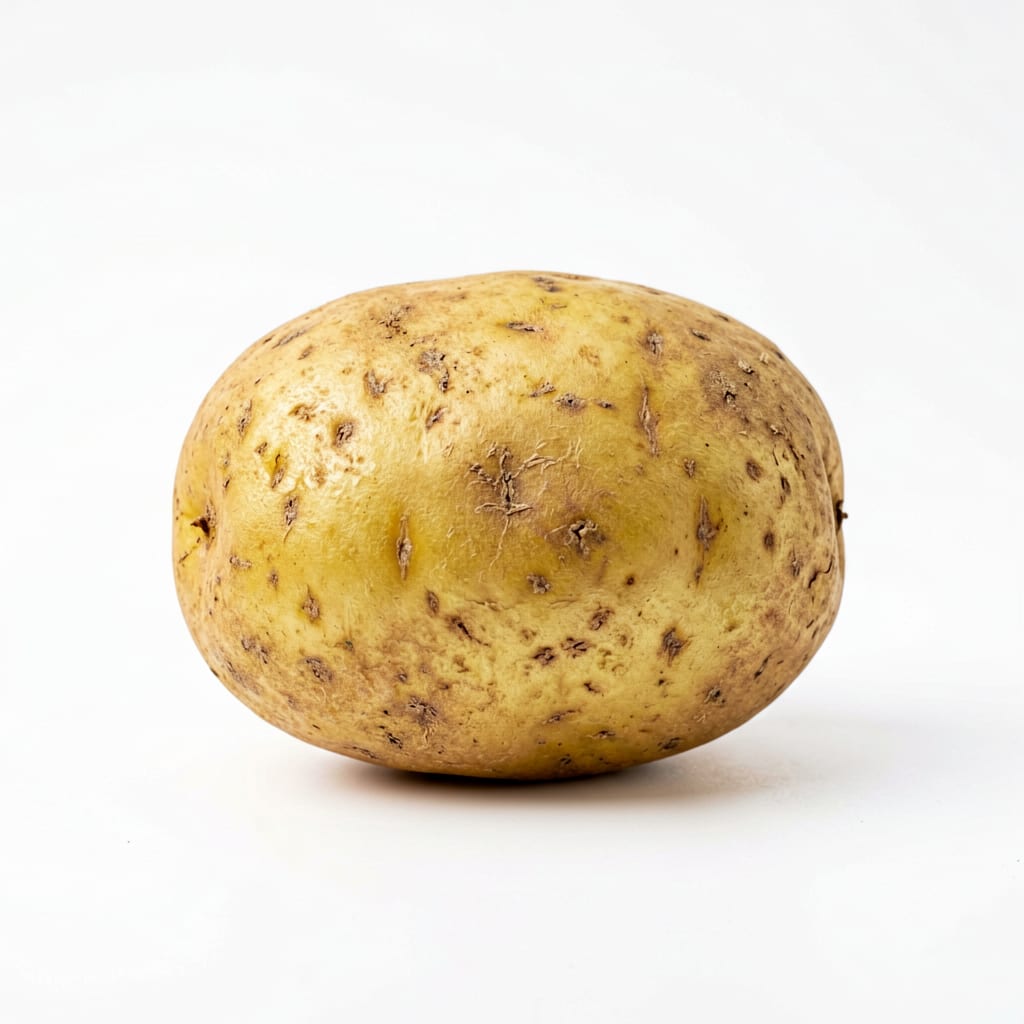
Potato
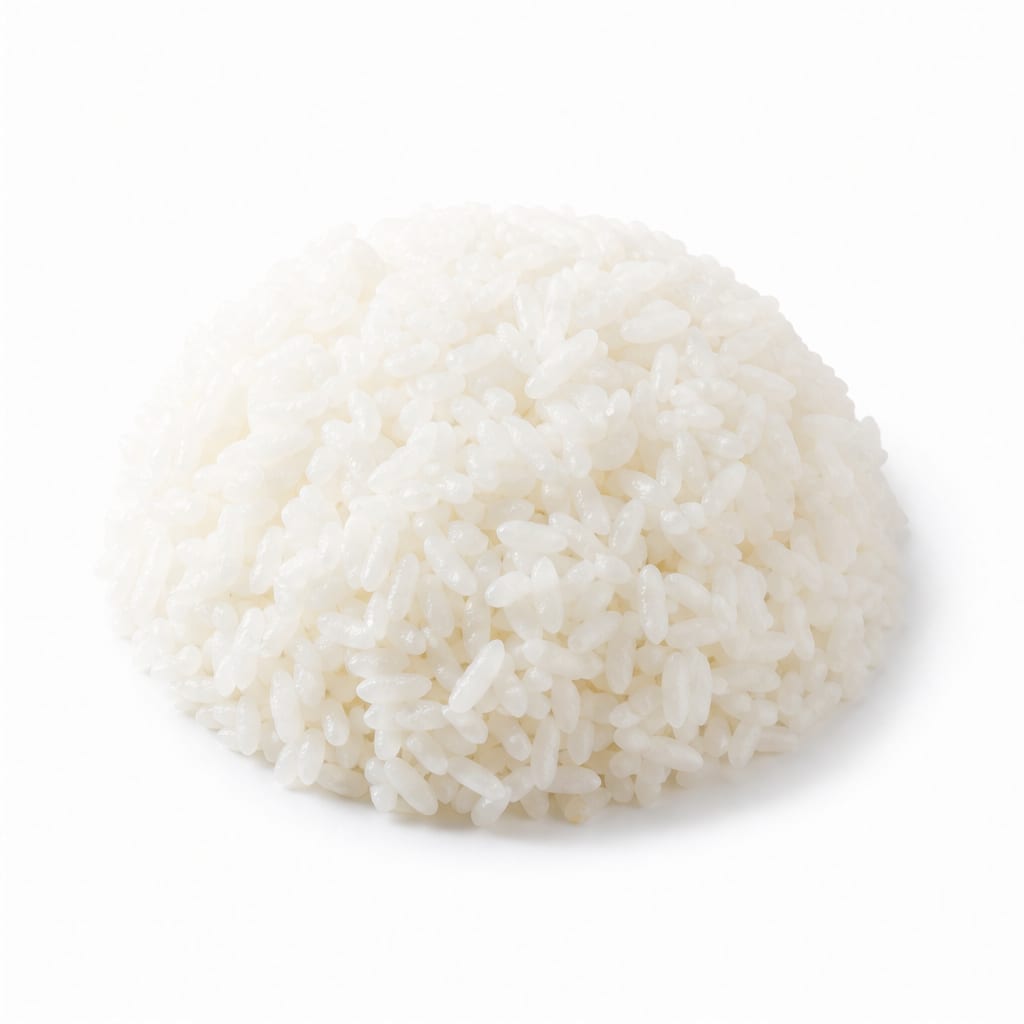
White Rice
Potato delivers more nutrients and keeps you fuller longer, while White Rice digests easier and fits better into sensitive stomachs and quick-energy needs.
Potato scores notably higher due to its superior satiety, fiber, and micronutrient profile. White Rice remains relevant for specific contexts like digestive recovery and athletic fueling, but falls behind for everyday nutrition and blood sugar management.
Potato trades convenience and digestibility for superior satiety and nutrition; White Rice trades fullness and micronutrients for gentle digestion and meal prep simplicity.
At a glance
Executive summary
Overall
Potato
Healthier
Potato
More practical
White Rice
Daily use
It depends
Key comparison lenses
blood sugar management
Both are high-glycemic starches that spike blood sugar, making glycemic control the central concern for most users
weight loss and satiety
These are everyday staple carbs where fullness per calorie determines whether you overeat or stay satisfied
nutrient density comparison
Users often assume these are empty carbs, but their vitamin and mineral profiles differ significantly
athletic and workout fueling
Both are popular pre-workout and post-workout carb sources with different digestion speeds
digestive sensitivity and gut comfort
White Rice is a go-to bland food while Potato can trigger issues for some people
Best choice for
Potato
- People trying to eat less without feeling hungry
- Anyone needing more potassium and vitamin C
- Those who want a whole food with minimal processing
- Weight-conscious eaters who value volume and fullness
White Rice
- People with sensitive digestion or recovering from illness
- Athletes needing quick-digesting carbs before competition
- Meal preppers who want a carb that stores and reheats well
- Anyone following a low-FODMAP or bland diet
Least suitable for
Potato
- People with nightshade sensitivities or joint inflammation concerns
- Those who need rapid carb absorption during endurance events
- Anyone struggling with blood sugar spikes after meals
White Rice
- People managing diabetes or insulin resistance
- Anyone trying to maximize nutrient intake per calorie
- Those prone to overeating carbs because they never feel full
Deep comparison
Dimension by dimension
Each lens scores both foods and breaks down who each option suits.
- Dimension 1 · Priority 95Potato
Satiety and Fullness
Potato · 88White Rice · 42Potato is one of the most filling foods per calorie ever tested; White Rice leaves you hungry again quickly.
Tradeoff
You feel significantly more satisfied after Potato, but it requires more effort to prepare well.
Why it matters
The Satiety Index ranks boiled Potato as the most filling food tested—3.2 times more filling than White Rice. This means you naturally eat less at the next meal.
Real-world impact
A Potato at dinner often prevents late-night snacking. White Rice at dinner frequently leaves you reaching for something else an hour later.
Potato
- Controlling portions without counting calories
- Staying full between meals
- Reducing overall daily food intake naturally
Better for
- Situations where you need to eat and move quickly without feeling weighed down
Worse for
White Rice
- Eating before intense exercise when you want light digestion
- Small frequent meals where heavy fullness feels uncomfortable
Better for
- Anyone who struggles with snacking after meals because they still feel empty
Worse for
- Dimension 2 · Priority 92It depends
Blood Sugar Stability
Potato · 55White Rice · 40Both spike blood sugar, but cooled Potato develops resistant starch that slows absorption significantly. White Rice offers no such benefit.
Tradeoff
Hot Potato and White Rice both cause rapid glucose spikes, but reheated leftover Potato behaves much better than leftover Rice.
Why it matters
Resistant starch from cooled Potato feeds gut bacteria and reduces the glycemic response by up to 40%. White Rice retains its high glycemic impact regardless of preparation.
Real-world impact
Meal-prepping Potato and reheating it gives you a carb that digests more slowly. White Rice meal prep still hits your blood sugar fast the next day.
Potato
- Meal preppers who eat leftovers (resistant starch benefit)
- People willing to cool and reheat for better glucose control
Better for
- Eating hot Potato right after cooking when glycemic impact peaks
Worse for
White Rice
- Athletes who want fast glucose availability during competition
- Underweight individuals who need easy calorie absorption
Better for
- Diabetics and pre-diabetics managing post-meal glucose spikes
- Sedentary evenings when quick-absorbing carbs store as fat
Worse for
- Dimension 3 · Priority 88Potato
Nutrient Density
Potato · 78White Rice · 28Potato provides substantial potassium, vitamin C, B6, and fiber. White Rice is mostly empty starch with trace nutrients.
Tradeoff
Potato delivers real vitamins and minerals per calorie; White Rice requires you to get those nutrients elsewhere in your meal.
Why it matters
A single medium Potato with skin provides nearly half your daily vitamin C and more potassium than a banana. White Rice loses most nutrients during milling and polishing.
Real-world impact
Building a meal around Potato means your carb source actually contributes to your nutrient needs. Building around White Rice means your carb is a blank calorie placeholder.
Potato
- Anyone eating fewer calories who needs more nutrition per bite
- People who do not eat many fruits and vegetables
- Those concerned about potassium intake for blood pressure
Better for
- People who peel their Potatoes and lose half the fiber and nutrients
Worse for
White Rice
- Situations where the meal already has nutrient-dense sides and the carb is purely functional
Better for
- Diets relying heavily on White Rice as a staple without diverse sides
- Risk of nutrient deficiencies in rice-dependent cultures without fortification
Worse for
- Dimension 4 · Priority 75White Rice
Digestive Comfort
Potato · 50White Rice · 85White Rice is one of the easiest foods to digest. Potato can cause bloating or discomfort for some people.
Tradeoff
White Rice is gentler on upset stomachs and sensitive guts, but provides less fiber for long-term gut health.
Why it matters
White Rice is low-FODMAP and leaves the stomach quickly. Potato contains fermentable fibers and compounds that can trigger IBS symptoms in sensitive individuals.
Real-world impact
After food poisoning or during a flare-up, White Rice is a safe first food. Potato might prolong discomfort for someone with active gut inflammation.
Potato
- Long-term gut microbiome support through resistant starch
- People with healthy digestion who benefit from more fiber
Better for
- Nightshade sensitivity causing joint pain or inflammation
- IBS flare-ups where fiber worsens symptoms
Worse for
White Rice
- Recovering from stomach illness or digestive flare-ups
- IBS and FODMAP-sensitive individuals
- Pre-workout meals where heavy digestion causes cramping
Better for
- Chronic constipation from low fiber intake over time
Worse for
- Dimension 5 · Priority 72White Rice
Convenience and Meal Prep
Potato · 48White Rice · 82White Rice stores, reheats, and batches better than Potato, which can develop texture issues when refrigerated.
Tradeoff
White Rice is the easier staple to keep in your fridge all week, but Potato offers more variety in preparation methods.
Why it matters
Cooked White Rice holds its texture for days and pairs with almost any cuisine. Potato requires more attention to avoid sogginess, discoloration, or dryness when reheated.
Real-world impact
Making a big batch of Rice on Sunday works seamlessly through Wednesday. Leftover Potato often needs transformation into a different dish to stay appealing.
Potato
- Cooking fresh single meals with varied preparations
- People who enjoy baking, mashing, or roasting as part of cooking
Better for
- Busy people who need grab-and-go carbs without texture degradation
Worse for
White Rice
- Weekly batch cooking and portioning
- Quick weeknight meals with minimal prep
- Office lunches that reheat cleanly in a microwave
Better for
- People who find repetitive textures boring and need variety to stick with healthy eating
Worse for
- Dimension 6 · Priority 70It depends
Athletic Fueling
Potato · 65White Rice · 72White Rice fuels high-intensity and endurance efforts with faster absorption. Potato provides steadier energy and better post-workout recovery nutrients.
Tradeoff
White Rice gets glucose to muscles faster during activity; Potato replenishes electrolytes and supports recovery better after activity.
Why it matters
Athletes often choose White Rice for pre-event meals because it empties from the stomach quickly. Potato offers potassium that helps prevent cramping during recovery.
Real-world impact
Before a marathon or heavy lifting session, White Rice sits lighter and fuels faster. After that session, Potato provides the potassium and vitamin C that support muscle recovery.
Potato
- Post-workout recovery meals where electrolytes and antioxidants matter
- Endurance athletes who need sustained energy over hours
Better for
- Race morning when you need something light and fast-digesting
Worse for
White Rice
- Pre-workout meals 1-2 hours before intense training
- Bodybuilders in calorie surplus who need easy carb loading
- Competition day fueling where gut comfort is critical
Better for
- Training phases where nutrient density supports overall recovery and immune function
Worse for
Timeline
Health impact over time
Short-term
Hours to days
Potato
- Strong feeling of fullness that reduces snacking for hours
- Noticeable blood sugar spike if eaten hot without fat or protein
- Possible bloating or gas in fiber-sensitive individuals
White Rice
- Quick energy that fades within 1-2 hours, prompting hunger return
- Rapid blood sugar rise and crash cycle, especially in large portions
- Very gentle on the stomach with almost no digestive friction
Long-term
Months to years
Potato
- Better weight management due to naturally lower calorie intake from high satiety
- Improved gut microbiome diversity from resistant starch in cooled Potato
- Higher potassium intake supporting healthy blood pressure over decades
- Potential concern if always eaten deep-fried or loaded with butter and sour cream
White Rice
- Higher risk of type 2 diabetes with regular large portions, as shown in multiple large-scale studies
- Possible nutrient gaps if White Rice displaces more nutrient-dense carb sources
- Chronic low fiber intake contributing to constipation and gut microbiome imbalance
- Easy to overconsume because low satiety leads to larger portion sizes over time
Risk profile
Safety & processing
Potato is a whole food eaten close to its natural state. White Rice has been milled and polished to remove the bran and germ, stripping away most fiber and nutrients. Neither typically contains artificial additives, but White Rice undergoes significant industrial processing before reaching your plate.
Potato
Solanine toxicity from green or sprouted Potato
mediumGreen spots and sprouts contain solanine, a natural toxin that causes nausea and headaches. Cutting away green areas and sprouts eliminates most risk.
Acrylamide formation during high-heat cooking
mediumFrying or baking at very high temperatures creates acrylamide, a probable carcinogen. Boiling and steaming avoid this entirely.
White Rice
Arsenic contamination
mediumRice absorbs more arsenic from soil and water than other crops. Long-term exposure is linked to increased cancer risk. Rinsing Rice and cooking in excess water reduces arsenic by up to 60%.
Bacillus cereus from improper storage
mediumCooked Rice left at room temperature grows Bacillus cereus rapidly, causing food poisoning. Refrigerate cooked Rice within one hour and reheat thoroughly.
Who wins for whom
Audience fit
Same foods, different winners depending on your goal.
children
PotatoPotato provides vitamin C, potassium, and B6 that growing bodies need, while White Rice offers mostly empty calories that can displace more nutritious foods.
daily consumption
PotatoDaily Potato consumption provides consistent fiber, potassium, and vitamin C. Daily White Rice consumption increases diabetes risk and provides minimal nutritional value.
diabetes
It dependsNeither is ideal, but cooled and reheated Potato with its resistant starch causes a lower glycemic response than White Rice. However, both require careful portion control and pairing with protein and fat.
elderly
White RiceWhite Rice is easier to chew and digest for aging digestive systems and those with dental concerns. Its low-fiber nature is gentler on slowing digestion.
muscle gain
White RiceWhite Rice digests quickly and easily, allowing athletes to consume the large carb volumes needed for muscle building without stomach discomfort.
weight loss
PotatoPotato is dramatically more filling per calorie, naturally reducing overall food intake without deliberate restriction.
Your move
Decision guide
Choose Potato
- You want to feel full and satisfied without overeating
- You are concerned about nutrient density and getting vitamins from your carbs
- You are willing to cool and reheat for resistant starch benefits
- You want a whole food with minimal industrial processing
- Blood pressure management through potassium intake matters to you
Choose White Rice
- You have a sensitive stomach or are recovering from illness
- You are an athlete needing quick-digesting fuel before training
- You batch cook weekly and need a carb that stores and reheats reliably
- You follow a low-FODMAP diet for IBS management
- You need neutral-tasting carbs that pair with strongly flavored dishes
Either works if
- You are pairing with plenty of protein, healthy fat, and vegetables to balance the meal
- You are an active person who burns through carbs without blood sugar issues
- You rotate between multiple carb sources throughout the week
Avoid both if
- You have uncontrolled diabetes and need low-glycemic carb sources like legumes or sweet Potato
- You are on a strict ketogenic or very low-carb diet
- You are sedentary and eating large portions of either as your dietary staple
Final recommendation
Make Potato your default staple for the nutrition and fullness advantage, but keep White Rice as a tool for sensitive stomach days and pre-workout fueling. Cool and reheat your Potato when you can for the resistant starch benefit. Whichever you choose, always pair it with protein and vegetables to blunt the blood sugar impact.
Practical
Consumer tips
- 1
Cool boiled Potato in the fridge overnight and reheat to increase resistant starch by up to 40%, which lowers glycemic impact and feeds beneficial gut bacteria
- 2
Rinse White Rice thoroughly and cook in excess water to reduce arsenic levels significantly
- 3
Always remove green spots and sprouts from Potato before cooking to avoid solanine toxicity
- 4
Refrigerate cooked White Rice within one hour to prevent Bacillus cereus growth
- 5
Leave the skin on Potato for maximum fiber and potassium—peeling removes nearly half the nutrients
- 6
Pair either carb with a protein source and healthy fat to slow digestion and stabilize blood sugar
- 7
Boil or steam Potato instead of frying to avoid acrylamide formation
- 8
If White Rice is your daily staple, consider switching some servings to Potato or legumes to lower long-term diabetes risk