
Nutrition comparison
Potato vs Quinoa: Which Is Healthier for Your Goals?
Complete nutrition comparison of potato and quinoa covering protein, blood sugar impact, cost, weight loss, and daily use. Find out which grain or tuber fits your health goals and budget.
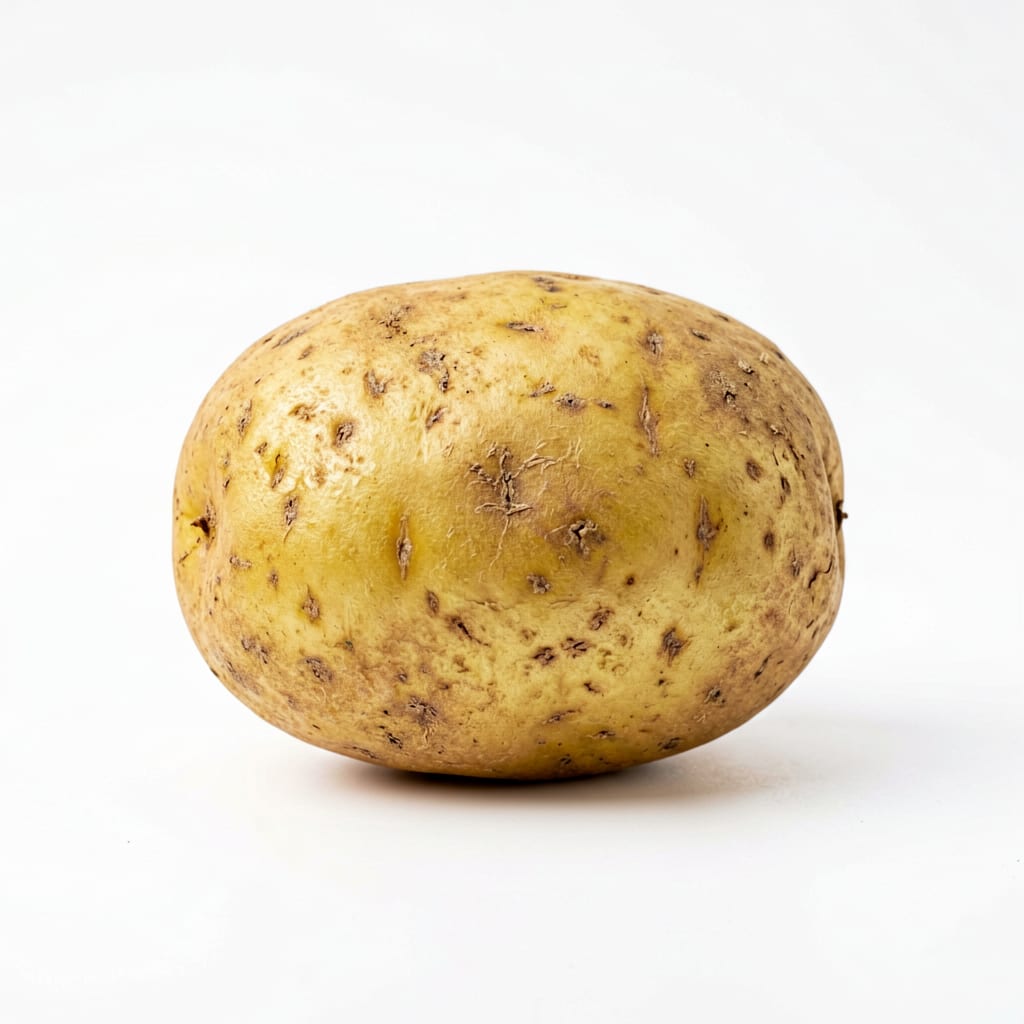
Potato
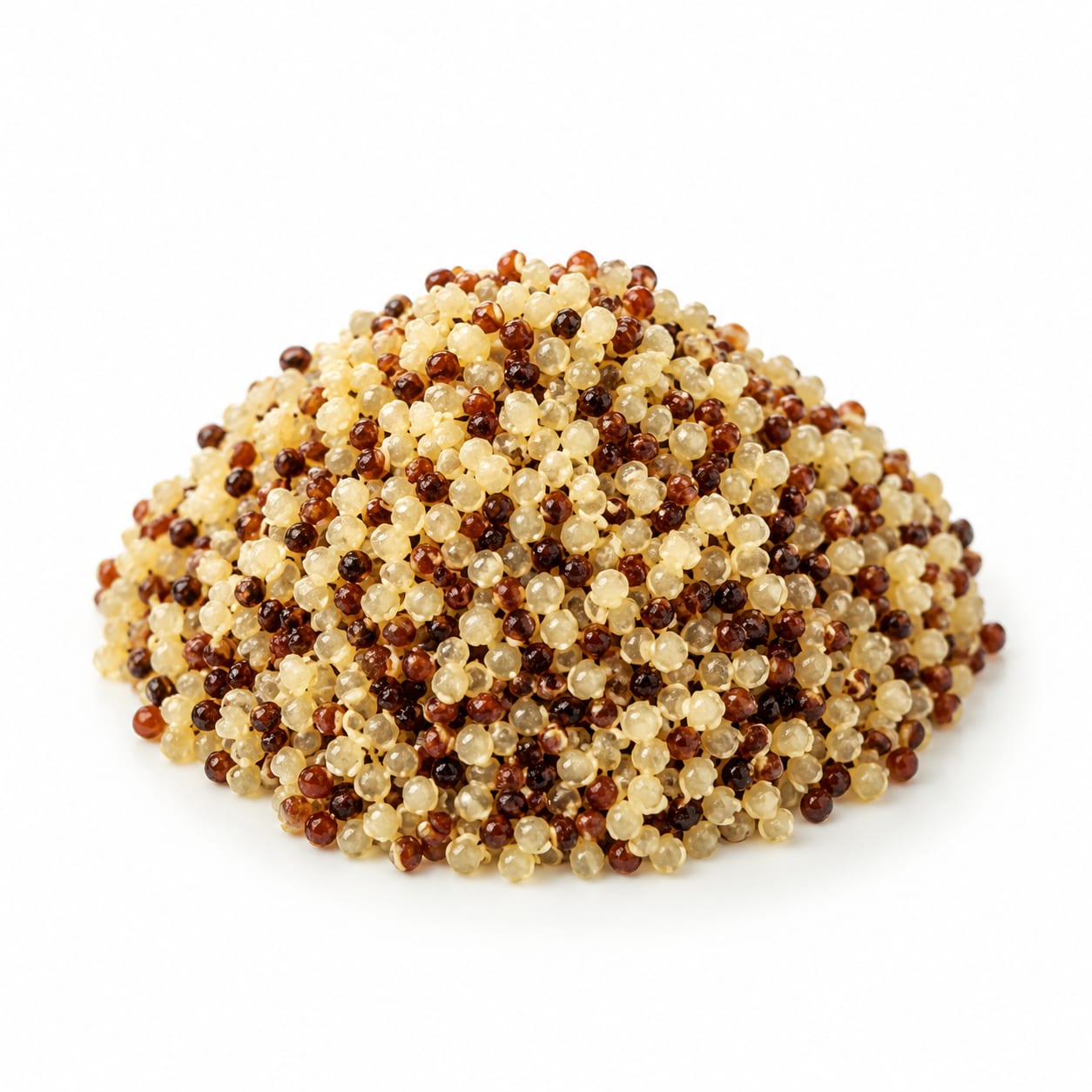
Quinoa
Quinoa delivers superior protein and blood sugar stability, but potato offers unbeatable value, potassium, and comfort-food satisfaction at a fraction of the cost.
Quinoa scores higher on nutritional quality, protein completeness, and blood sugar stability. Potato stays competitive through exceptional affordability, potassium content, and everyday practicality. The gap reflects quinoa's edge in nutrient density, not potato being a poor choice.
Nutritional quality versus affordability and convenience — quinoa is the better fuel but potato is the easier choice to sustain daily.
At a glance
Executive summary
Overall
It depends
Healthier
Quinoa
More practical
Potato
Daily use
It depends
Key comparison lenses
blood sugar control and glycemic impact
Potato is known for high glycemic index while quinoa offers steadier energy, making this the most critical differentiator
protein quality and completeness
Quinoa is one of the few plant complete proteins while potato is primarily starch, a major nutritional gap between them
cost and everyday practicality
Potato is one of the cheapest foods globally while quinoa remains premium-priced, directly affecting daily food choices
satiety and weight management
Both foods are filling but through different mechanisms — protein and fiber versus volume and resistant starch
micronutrient density
Each food shines in different minerals and vitamins, creating meaningful tradeoffs for nutrient coverage
Best choice for
Potato
- Budget-conscious families needing filling calories
- Post-workout carb replenishment when paired with protein
- People with sensitive digestion who need gentle foods
- Anyone wanting maximum food volume per dollar
- Comfort meal seekers wanting satisfying warmth
Quinoa
- Vegetarians and vegans needing complete protein
- People managing blood sugar or insulin resistance
- Those prioritizing nutrient density over cost
- Meal preppers wanting a versatile protein-carb base
- Anyone eating fewer grains who wants maximum nutrition per bite
Least suitable for
Potato
- People with diabetes or insulin resistance eating it alone
- Low-carb or keto dieters
- Those needing high protein intake from their carb source
- People avoiding nightshades due to inflammation concerns
Quinoa
- Very tight food budgets
- People sensitive to saponins or with certain digestive issues
- Those who find the taste or texture unappealing and would skip meals
- Anyone needing large volume eating for satiety without high calories
Deep comparison
Dimension by dimension
Each lens scores both foods and breaks down who each option suits.
- Dimension 1 · Priority 95Quinoa
Blood Sugar Stability
Potato · 35Quinoa · 78Quinoa causes a slower, steadier rise in blood sugar. Potato — especially baked or mashed — can spike glucose quickly.
Tradeoff
Potato provides faster energy for athletes but risks energy crashes for sedentary eaters. Quinoa trades speed for stability.
Why it matters
Blood sugar spikes drive hunger returns, fatigue, and long-term metabolic strain. This is the biggest health difference between these two.
Real-world impact
A quinoa lunch keeps you steady until dinner. A baked potato lunch may leave you hungry and sluggish by 3pm.
Potato
- Immediate post-workout glycogen replenishment
- Endurance athletes needing quick carb availability
- Underweight individuals needing easy calorie absorption
Better for
- Sedentary evenings when glucose has nowhere to go
- Eating alone without protein or fat to slow absorption
- Breakfast when you want stable energy all morning
Worse for
Quinoa
- Prediabetes or diabetes management
- Office workers wanting sustained afternoon focus
- Anyone prone to energy crashes after carb-heavy meals
Better for
- During intense exercise when you need fast fuel
- Recovery from hypoglycemia when quick glucose matters
Worse for
- Dimension 2 · Priority 88Quinoa
Protein Quality and Quantity
Potato · 25Quinoa · 85Quinoa provides about 8g of complete protein per cooked cup with all essential amino acids. Potato offers only about 4g of incomplete protein per medium tuber.
Tradeoff
Quinoa effectively doubles your protein and covers amino acid gaps that potato leaves wide open.
Why it matters
Protein completeness matters especially for plant-based eaters who cannot rely on animal sources to fill amino acid gaps.
Real-world impact
A quinoa bowl can serve as a legitimate protein source. A potato side dish cannot — you will need to add beans, eggs, or meat.
Potato
- Scenarios where protein comes from other plate components anyway
Better for
- Plant-based eaters relying on it as a protein contributor
- Anyone trying to minimize added protein sources
Worse for
Quinoa
- Vegan and vegetarian meals needing protein reliability
- Single-dish meals where the grain carries the protein load
- Athletes wanting efficient protein from carb sources
Better for
- Meals already high in protein where marginal gains matter less
Worse for
- Dimension 3 · Priority 85Potato
Cost and Accessibility
Potato · 95Quinoa · 40Potatoes cost roughly $0.50-1.00 per pound while quinoa runs $3-6 per pound. Potato is available everywhere year-round. Quinoa requires specialty stores in some regions.
Tradeoff
You can feed a family on potatoes for what one person spends on quinoa. That gap matters weekly at checkout.
Why it matters
The best nutrition plan is one you can actually afford and maintain. Cost determines consistency more than most people admit.
Real-world impact
A week of potato-based meals might cost $5-8. The same frequency with quinoa could run $20-30. Over a year, that difference is enormous.
Potato
- Large families on tight budgets
- Students and anyone in financial strain
- Food banks and community feeding programs
- Developing regions where quinoa is imported and expensive
Better for
- Situations where budget allows for better nutritional choices
Worse for
Quinoa
- Higher-income households where cost is not a constraint
- Health-focused consumers willing to invest in nutrient density
Better for
- Anyone counting every grocery dollar
- Communities without reliable access to specialty grains
Worse for
- Dimension 4 · Priority 82It depends
Satiety and Fullness
Potato · 72Quinoa · 80Potato fills you through sheer volume and resistant starch, especially when cooled. Quinoa fills you through protein and fiber density in a smaller portion.
Tradeoff
Potato gives more physical fullness per calorie. Quinoa gives longer-lasting satisfaction per bite.
Why it matters
Feeling full prevents overeating. But the mechanism matters — volume satiety fades faster than protein-driven satiety.
Real-world impact
A large baked potato feels immediately stuffed but hunger returns in 2-3 hours. A cup of quinoa feels moderately full but sustains you for 4+ hours.
Potato
- Volume eaters who need physical stomach stretch to feel satisfied
- Potato salad with vinaigrette as a filling lunch base
- People who enjoy large portions without excessive calories
Better for
- Late-night eating where hunger returns before sleep
- Long work shifts without meal breaks
Worse for
Quinoa
- Smaller portion eaters wanting lasting fullness
- Busy people who cannot snack between meals
- Weight management where sustained satiety prevents grazing
Better for
- Those who feel unsatisfied without large visible portions
- Emotional eaters needing volume comfort
Worse for
- Dimension 5 · Priority 78It depends
Micronutrient Profile
Potato · 70Quinoa · 82Potato excels in potassium and vitamin C. Quinoa dominates in iron, magnesium, zinc, and folate. They cover different nutritional ground.
Tradeoff
Potato is secretly a potassium powerhouse that most people overlook. Quinoa is a mineral multi-tool that covers more gaps overall.
Why it matters
Potassium is chronically underconsumed and potato is one of the best sources. Iron and magnesium deficiencies are also widespread, where quinoa shines.
Real-world impact
A potato gives you nearly half your daily potassium — crucial for blood pressure. A cup of quinoa covers about 15% of iron needs, which matters for menstruating women.
Potato
- Blood pressure management through high potassium intake
- Vitamin C needs when not eating much fruit
- Athletes losing potassium through sweat
Better for
- Iron-deficient individuals relying on it as a staple
- People needing broad mineral coverage from limited foods
Worse for
Quinoa
- Women needing iron support
- Anyone low in magnesium — common with stress and poor sleep
- Pregnancy nutrition where folate and iron are critical
Better for
- Those specifically targeting potassium for blood pressure
- People already meeting iron and magnesium needs elsewhere
Worse for
- Dimension 6 · Priority 72Potato
Digestive Tolerance
Potato · 82Quinoa · 65Potato is one of the most digestible foods available and is often used in elimination diets. Quinoa contains saponins that can irritate sensitive digestive systems if not rinsed well.
Tradeoff
Potato is gentler on the gut but lower in fiber. Quinoa offers more fiber but demands proper preparation to avoid irritation.
Why it matters
Digestive comfort determines whether you actually eat a food regularly, regardless of its theoretical nutrition.
Real-world impact
Potato is a go-to recovery food after illness. Poorly rinsed quinoa can cause bloating or stomach upset that surprises first-time eaters.
Potato
- Post-illness recovery eating
- IBS or sensitive gut situations requiring gentle foods
- Elimination diets and food reintroduction protocols
- Infants and elderly with fragile digestion
Better for
- Those needing high fiber intake for gut health
- Microbiome-focused eaters wanting prebiotic diversity
Worse for
Quinoa
- Healthy guts wanting more fiber for microbiome support
- Constipation-prone individuals needing roughage
Better for
- Saponin-sensitive individuals
- People who skip rinsing and wonder why their stomach hurts
- Those with active IBS flares
Worse for
- Dimension 7 · Priority 70Potato
Versatility and Meal Integration
Potato · 88Quinoa · 75Potato can be roasted, mashed, baked, fried, boiled, grated, or turned into soup. Quinoa works well in bowls, salads, and as a rice substitute but has a narrower range.
Tradeoff
Potato adapts to nearly any cuisine and cooking method. Quinoa is more specialized but excels in its niche.
Why it matters
Boredom kills diets. A food you can prepare 20 ways stays interesting. A food with 5 preparations gets old faster.
Real-world impact
You can eat potatoes five days in five different forms and barely notice. Quinoa five days straight starts to feel repetitive.
Potato
- Families needing one ingredient to serve many ways
- Comfort cooking across breakfast, lunch, and dinner
- Cultural cuisines built around potato traditions
Better for
- Raw food diets where potato cannot be consumed uncooked
- Light summer meals where potato feels too heavy
Worse for
Quinoa
- Grain bowl meal prep routines
- Gluten-free cooking replacing wheat and barley
- Salad additions needing protein and texture
Better for
- Traditional recipes where quinoa feels out of place
- Comfort food cravings where nothing hits like a potato
Worse for
Timeline
Health impact over time
Short-term
Hours to days
Potato
- Quick energy from easily digested starches — helpful after exercise, risky for sedentary moments
- High satiety from food volume, especially when eaten with skin
- Possible blood sugar spike followed by hunger return within 2-3 hours if eaten alone
Quinoa
- Steady energy release without the crash, making it reliable for long workdays
- Moderate immediate fullness that sustains longer than expected
- Potential mild bloating if saponins are not rinsed off before cooking
Long-term
Months to years
Potato
- Excellent potassium intake supporting healthy blood pressure over decades
- Resistant starch from cooled potatoes may improve gut microbiome diversity
- Regular high glycemic load meals may increase metabolic risk if potato is not paired with protein and fat
Quinoa
- Consistent complete protein intake supports muscle maintenance and immune function with age
- Superior mineral intake may reduce risk of iron deficiency and magnesium insufficiency
- Lower glycemic diet pattern supports long-term insulin sensitivity and metabolic health
Risk profile
Safety & processing
Both are whole, minimally processed foods in their natural form. Potato risks come from how you cook it — frying adds oil and acrylamide. Quinoa risks come from inadequate rinsing of natural saponins. Neither carries significant additive concerns when purchased as raw ingredients.
Potato
Acrylamide formation
mediumFrying or roasting potato at high temperatures creates acrylamide, a probable carcinogen. Boiling and steaming avoid this entirely.
Glycoalkaloid toxicity
lowGreen spots or sprouting potatoes contain solanine, which can cause nausea and neurological symptoms. Always cut away green areas and discard sprouted potatoes.
Blood sugar dysregulation with chronic high intake
mediumRegularly eating large portions of high-glycemic potato without balancing protein or fat may contribute to insulin resistance over time.
Quinoa
Saponin irritation
lowNatural saponin coating can cause digestive upset and bloating. Thorough rinsing before cooking eliminates most of this risk.
Oxalate content
lowQuinoa contains moderate oxalates which may concern people prone to kidney stones. Soaking and rinsing reduces levels.
Cross-contamination in processing facilities
lowSome quinoa is processed alongside wheat, creating gluten cross-contamination risk for highly sensitive celiacs. Certified gluten-free labels matter.
Who wins for whom
Audience fit
Same foods, different winners depending on your goal.
children
PotatoKids generally love potato in its many forms, it is gentle on developing digestive systems, and it provides reliable potassium and vitamin C. Quinoa's texture and bitterness can be a hard sell for picky eaters.
daily consumption
It dependsPotato wins on cost and ease for daily use. Quinoa wins on nutritional consistency for daily use. The right choice depends on whether budget or nutrient density is your daily priority.
diabetes
QuinoaQuinoa's lower glycemic index and higher fiber create a much gentler blood sugar response. Potato can spike glucose significantly, especially baked or mashed, making portion control and pairing critical.
elderly
PotatoPotato is soft, easy to chew, gentle on aging digestive systems, and provides crucial potassium for blood pressure management. Quinoa's small grains can be harder to manage for those with dental or swallowing difficulties.
muscle gain
QuinoaQuinoa contributes usable complete protein alongside its carbs, supporting muscle repair. Potato is excellent for glycogen replenishment but contributes negligible protein, requiring you to add protein separately.
weight loss
QuinoaQuinoa's higher protein and fiber provide longer satiety per calorie, reducing the urge to snack between meals. Potato can work for weight loss due to high volume but requires more discipline to avoid overeating and blood sugar-driven hunger.
Your move
Decision guide
Choose Potato
- You need to feed a family affordably and still feel full
- You want quick post-workout carb replenishment
- Comfort food matters for your mental well-being and diet adherence
- You have digestive sensitivity and need gentle, reliable meals
- You are cooking for children or elderly who prefer familiar textures
Choose Quinoa
- You are plant-based and need reliable complete protein from grains
- Blood sugar stability is a health priority for you
- You want maximum nutrient density per calorie consumed
- Budget is not a primary constraint and you want the nutritional upgrade
- You meal prep grain bowls and want a protein-contributing base
Either works if
- You pair your carb source with plenty of protein and vegetables anyway
- You rotate between both for dietary variety and nutrient coverage
- Neither food is your sole calorie source — they are side dishes in a balanced plate
Avoid both if
- You are on a strict ketogenic or very low-carb diet
- You have severe carbohydrate malabsorption disorders
- You eat only one starch and refuse to add protein or vegetables to your meals
Final recommendation
Eat both strategically. Use quinoa when you need a meal to carry its own protein and keep blood sugar steady — think lunches, grain bowls, and plant-based dinners. Use potato when you need comfort, volume, potassium, or budget-friendly calories — think post-workout, family dinners, and cold-weather meals. Cool your potatoes before eating to boost resistant starch, and always rinse your quinoa. Neither food is a mistake — the mistake is relying on only one and missing what the other offers.
Practical
Consumer tips
- 1
Cool cooked potatoes in the fridge for 12-24 hours before eating to significantly increase resistant starch, which feeds gut bacteria and lowers glycemic impact
- 2
Always rinse quinoa under running water for at least 30 seconds and rub grains together to remove bitter saponins
- 3
Pair potato with protein and healthy fat — think baked potato with Greek yogurt or potato with eggs — to blunt blood sugar spikes
- 4
Buy quinoa in bulk bins when possible to reduce per-serving cost by 30-50% compared to packaged brands
- 5
Leave potato skins on for roughly 50% more fiber and a meaningful potassium boost
- 6
Soak quinoa for 15 minutes before cooking to further reduce saponins and improve digestibility
- 7
Avoid frying potatoes regularly — roasting with a light olive oil coating at moderate heat gives similar crispness with far less acrylamide
- 8
Mix the two together in salads — cooled potato and quinoa make a surprisingly good combination with vinaigrette and herbs