
Nutrition comparison
Potato vs Bread: Which Carb Is Actually Better for You?
Potatoes are more filling, less processed, and richer in nutrients than bread. But bread wins on convenience. See the full nutritional tradeoff comparison.
Overall winner · Potato
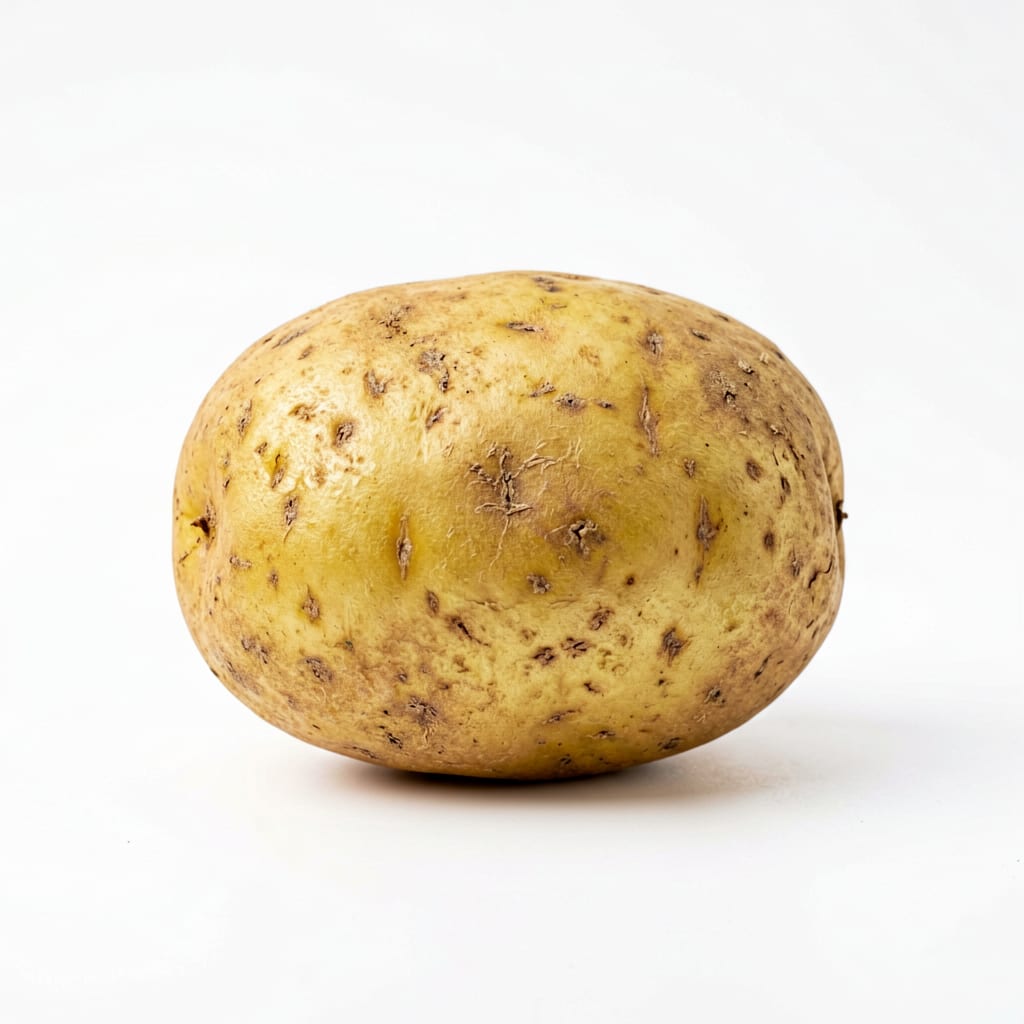
Potato
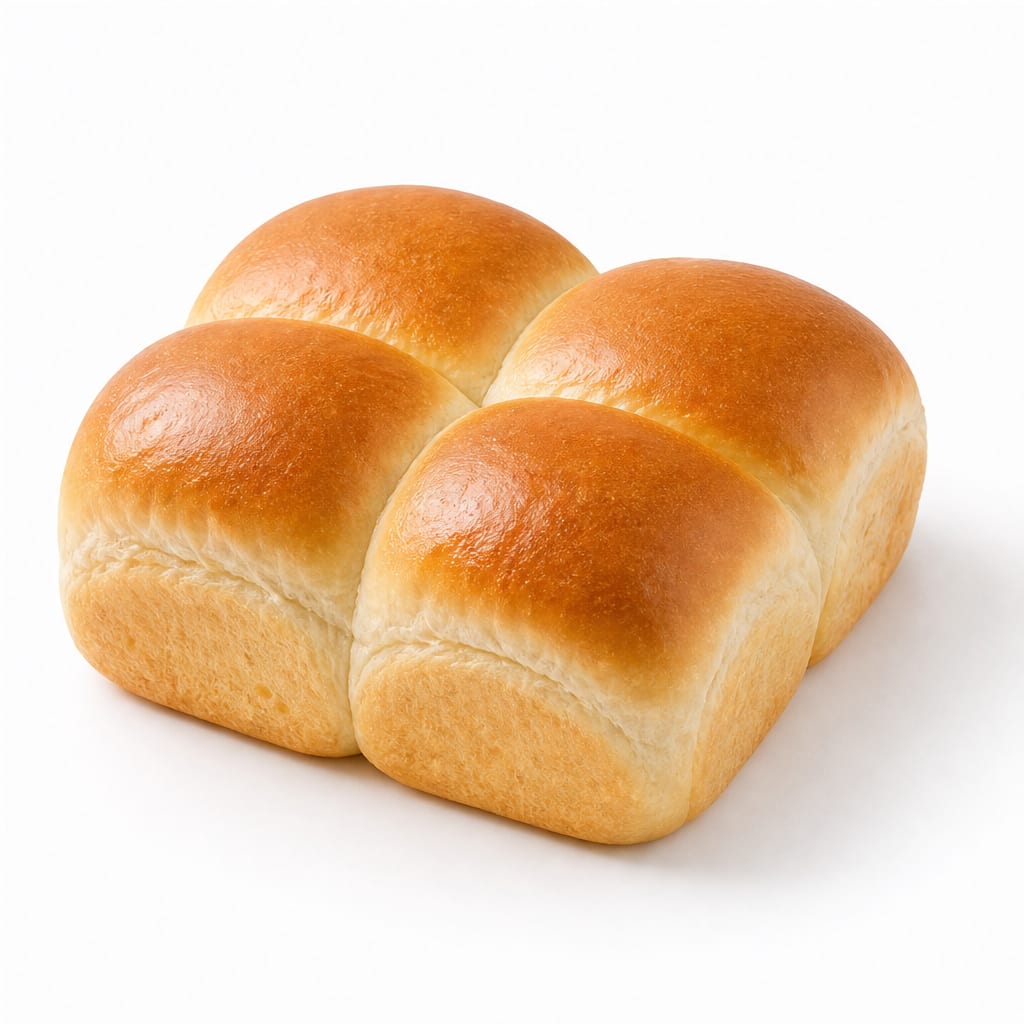
Bread
Potatoes are more filling, less processed, and richer in micronutrients, but bread wins on convenience and portability.
Potatoes score notably higher due to superior satiety, lower processing, and richer micronutrient profile. Bread loses ground on additives, sodium, and overeating potential, though it remains practical and accessible.
You trade the satiety and nutritional simplicity of potatoes for the grab-and-go ease of bread.
At a glance
Executive summary
Overall
Potato
Healthier
Potato
More practical
Bread
Daily use
Potato
Key comparison lenses
blood sugar management
Both are carbohydrate-dense staples that significantly impact blood sugar, making glycemic response the central concern for most users
weight management and satiety
Potatoes rank highest on the satiety index while bread is easy to overeat, creating a critical tradeoff for weight-conscious users
processing and ingredient purity
Potatoes are a whole food with one ingredient; most bread contains added sugar, preservatives, and refined oils
daily staple selection
Users often choose one as their primary carb source and want to know which supports long-term health better
convenience and meal practicality
Bread requires no cooking while potatoes need preparation, affecting real-world adherence
Best choice for
Potato
- People managing weight who need maximum fullness per calorie
- Anyone avoiding ultra-processed foods
- Those needing more potassium and vitamin C
- Gluten-sensitive individuals
- Active people wanting steady carb fuel
Bread
- Busy people who need quick meals with zero prep
- Anyone needing portable carbs for travel or work
- Those who struggle to eat enough calories
- Families wanting an easy kid-friendly staple
Least suitable for
Potato
- People with severe time constraints for meal prep
- Anyone needing shelf-stable emergency food
- Those who dislike cooking
Bread
- People strictly limiting sodium or added sugars
- Those avoiding ultra-processed foods
- Gluten-sensitive or celiac individuals (wheat bread)
- People prone to overeating carb-rich foods
Deep comparison
Dimension by dimension
Each lens scores both foods and breaks down who each option suits.
- Dimension 1 · Priority 95Potato
satiety and fullness
Potato · 95Bread · 52Potatoes are the most satiating food ever tested in research, while bread is easy to overeat.
Tradeoff
A medium potato keeps you full for hours; two slices of bread leave you hungry again within an hour.
Why it matters
Satiety is the single strongest predictor of naturally eating less without feeling deprived.
Real-world impact
A baked potato at lunch often prevents afternoon snacking. A sandwich on bread often does not.
Potato
- Weight loss without counting calories
- Reducing between-meal snacking
- Feeling satisfied on fewer calories
Better for
- Situations where you need to eat light before intense activity
Worse for
Bread
- Eating enough when appetite is low
- Quick pre-workout fuel when you need light energy
Better for
- Anyone who struggles with portion control
- Late-night eating that spirals into multiple slices
Worse for
- Dimension 2 · Priority 90It depends
blood sugar stability
Potato · 55Bread · 50Both can spike blood sugar, but potatoes vary wildly by type and preparation while bread varies by grain refinement.
Tradeoff
A cold boiled potato has resistant starch that slows absorption; whole grain bread has fiber that helps. But a baked russet and white bread both spike blood sugar fast.
Why it matters
Frequent blood sugar spikes drive cravings, fatigue, and long-term metabolic risk.
Real-world impact
Cooling potatoes after cooking creates resistant starch, softening the blood sugar hit. Sourdough bread ferments away some sugars. Most people eat neither optimally.
Potato
- Leftover cooled potatoes with resistant starch benefits
- Sweet potatoes as a lower-glycemic alternative
Better for
- Large baked russet potatoes eaten hot with no fat or protein
Worse for
Bread
- Sourdough or whole grain varieties with slower glucose release
- Sprouted grain breads with improved glycemic profile
Better for
- White bread eaten alone on an empty stomach
Worse for
- Dimension 3 · Priority 85Potato
nutrient density
Potato · 78Bread · 48Potatoes deliver significant potassium, vitamin C, and B6. Most bread offers modest fortification but fewer whole-food nutrients.
Tradeoff
A single potato provides nearly half your daily vitamin C and more potassium than a banana. Bread relies on synthetic fortification for its nutritional value.
Why it matters
Micronutrient adequacy supports energy, immunity, and muscle function without needing supplements.
Real-world impact
Eating potatoes regularly can meaningfully close potassium gaps that most people have. Bread contributes far less to actual nutrient needs.
Potato
- Potassium for blood pressure regulation
- Vitamin C for immune support
- B6 for energy metabolism
Better for
- Minimal fat-soluble vitamins without added toppings
Worse for
Bread
- Fortified folic acid in enriched breads
- Iron fortification in some varieties
Better for
- Nutrients come from fortification rather than whole food matrix
- Lower bioavailability of added nutrients
Worse for
- Dimension 4 · Priority 82Potato
processing and ingredient quality
Potato · 92Bread · 35A potato is one ingredient. Store-bought bread typically contains preservatives, added sugars, refined oils, and dough conditioners.
Tradeoff
Potatoes are as close to unprocessed as food gets. Even quality breads usually have 10-20 ingredients, many unnecessary.
Why it matters
Ultra-processed food intake correlates with weight gain, inflammation, and metabolic disease independent of calories.
Real-world impact
Reading a potato ingredient list takes zero seconds. Reading bread labels requires scanning for hidden sugar, sodium, and additives most people cannot pronounce.
Potato
- Complete transparency about what you are eating
- No hidden sugars or industrial additives
- Compatible with clean-eating approaches
Better for
- Processed potato products like fries and chips are a different story entirely
Worse for
Bread
- Homemade or bakery bread with minimal ingredients
- Sprouted grain options with simpler formulations
Better for
- Commercial breads with high-fructose corn syrup
- Preservatives like calcium propionate
- Emulsifiers and dough conditioners that may disrupt gut health
Worse for
- Dimension 5 · Priority 75Potato
sodium load
Potato · 95Bread · 35Potatoes are naturally very low in sodium. Commercial bread is a top contributor to daily sodium intake.
Tradeoff
A potato has about 10mg of sodium. Two slices of bread can pack 300-500mg, a significant chunk of your daily limit.
Why it matters
Excess sodium drives high blood pressure and bloating, and bread is a stealth source most people overlook.
Real-world impact
Switching from a daily sandwich to a potato-based lunch can cut 300-400mg of sodium without trying.
Potato
- Blood pressure management
- Reducing water retention and bloating
Better for
- Only if you add heavy salt during cooking
Worse for
Bread
- Situations where some sodium helps with electrolyte balance during heavy sweating
Better for
- Anyone monitoring blood pressure
- People eating multiple servings per day
Worse for
- Dimension 6 · Priority 70Bread
convenience and practicality
Potato · 40Bread · 88Bread is always ready. Potatoes require washing, cooking, and planning ahead.
Tradeoff
Bread takes zero minutes. Potatoes take 5 minutes in a microwave or 45 in an oven, plus cooling time.
Why it matters
The best food nutritionally is useless if you never actually prepare it when hungry.
Real-world impact
At 7am before work, grabbing toast is realistic. Baking a potato is not. This is why bread remains a daily staple despite its drawbacks.
Potato
- Batch cooking on weekends for the week ahead
- Meals where you are already cooking anyway
Better for
- Last-minute meals when you are already hungry
- Travel and on-the-go eating
Worse for
Bread
- Quick breakfasts with zero prep
- Packable lunches for school or office
- Emergency meals when you have no time or energy
Better for
- Situations where convenience leads to overconsumption
Worse for
- Dimension 7 · Priority 68It depends
digestive tolerance
Potato · 65Bread · 50Potatoes are gluten-free and generally easy to digest. Bread contains gluten and FODMAPs that trouble many people.
Tradeoff
Potatoes soothe most stomachs. Wheat bread triggers bloating, gas, or discomfort in a surprisingly large minority of people.
Why it matters
Digestive comfort affects energy, mood, and quality of life far more than most people realize.
Real-world impact
If you feel bloated after sandwiches but fine after potato-based meals, your body is already telling you something.
Potato
- Gluten-sensitive individuals
- IBS patients during flare-ups
- People who experience bloating from wheat
Better for
- Some people experience gas from potatoes if they have difficulty digesting certain starches
Worse for
Bread
- Sourdough varieties are often tolerated better due to fermentation
- Those without any wheat sensitivity
Better for
- Celiac disease and non-celiac gluten sensitivity
- Wheat-dependent exercise-induced anaphylaxis
- FODMAP-sensitive individuals
Worse for
Timeline
Health impact over time
Short-term
Hours to days
Potato
- Strong feeling of fullness that reduces snacking for hours
- Quick energy from easily digested carbohydrates
- Possible blood sugar spike if eaten hot without fat or protein pairing
- Very low sodium means less post-meal bloating
Bread
- Rapid energy that fades quickly, especially with white bread
- Easy to eat multiple servings without feeling full
- Possible bloating or discomfort in gluten-sensitive people
- Sodium contributes to temporary water retention
Long-term
Months to years
Potato
- Better weight management due to high satiety per calorie
- Improved potassium intake supports healthy blood pressure
- Resistant starch from cooled potatoes feeds beneficial gut bacteria
- Lower exposure to food additives and preservatives
Bread
- Higher cumulative sodium intake from daily consumption
- Potential for gradual weight gain due to low satiety and easy overeating
- Additive exposure from preservatives and emulsifiers in commercial varieties
- Fortification provides consistent folic acid and iron, which matters for some populations
Risk profile
Safety & processing
Potatoes are a whole food you pull from the ground. Even basic commercial bread contains preservatives, dough conditioners, and added sugars that would never exist in a home kitchen. The gap widens further with mass-produced sandwich bread.
Potato
Solanine toxicity from green or sprouted potatoes
lowGreen spots and sprouts contain solanine, which can cause nausea and headaches. Simply cutting away green areas eliminates this risk.
Acrylamide formation from high-heat cooking
mediumFrying or baking at very high temperatures creates acrylamide, a probable carcinogen. Boiling and steaming avoid this entirely.
Pesticide residue on conventional potatoes
mediumPotatoes are on the EWG Dirty Dozen list due to pesticide use. Peeling reduces residue significantly, and organic options are widely available.
Bread
Potassium bromate in some commercial breads
mediumBanned in many countries but still permitted in the US, this dough conditioner is a possible carcinogen. Check labels or choose brands that explicitly avoid it.
Mycotoxin contamination in grain products
lowGrains can harbor mold toxins during storage. Quality control in commercial bread generally keeps this within safe limits.
Calcium propionate preservative sensitivity
lowThis common preservative may cause headaches or behavioral reactions in sensitive individuals, particularly children.
Who wins for whom
Audience fit
Same foods, different winners depending on your goal.
children
It dependsKids often accept bread more readily, and fortified bread provides folic acid and iron. But potatoes offer more whole-food nutrition and fewer additives if you can get kids to eat them.
daily consumption
PotatoLower processing, fewer additives, better satiety, and more micronutrients make potatoes the stronger daily staple. Bread is fine occasionally but carries more cumulative concerns with daily use.
diabetes
It dependsNeither is ideal in large amounts. Cooled potatoes with resistant starch and sourdough whole grain bread are the best respective options, but both require portion control and pairing with protein and fat.
elderly
PotatoPotatoes are easier to chew, richer in potassium for blood pressure, and lower in sodium. The soft texture when mashed suits aging digestive systems well.
muscle gain
It dependsBoth provide useful carbs for glycogen replenishment. Potatoes offer more potassium for cramp prevention; bread is easier to eat in bulk when you need more calories.
weight loss
PotatoPotatoes provide maximum fullness per calorie, making portion control nearly automatic. Bread is easy to overeat and less satisfying.
Your move
Decision guide
Choose Potato
- You want to feel full on fewer calories
- You are trying to reduce ultra-processed food intake
- You need more potassium and vitamin C in your diet
- You are sensitive to gluten or wheat
- You are willing to batch-cook for the week
Choose Bread
- You have minimal time for food preparation
- You need portable meals for work or school
- You are trying to gain weight and need easy calories
- You want a vehicle for healthy toppings like avocado or nut butter
- You choose high-quality sourdough or sprouted grain varieties
Either works if
- You pair either with protein and healthy fat to stabilize blood sugar
- You rotate both as carb sources across the week for variety
- You are generally active and metabolically healthy
Avoid both if
- You are on a strict very-low-carb or ketogenic diet
- You have uncontrolled blood sugar and need to limit all dense carb sources
- You eat either as a standalone meal without protein, fat, or vegetables
Final recommendation
Make potatoes your default carb staple when you can plan ahead. They fill you up more, nourish you better, and skip the additives. Keep good bread for convenience, but read labels carefully and choose sourdough or sprouted grain when possible. The best approach is potatoes most days, quality bread when life demands speed.
Practical
Consumer tips
- 1
Cool cooked potatoes in the fridge before eating to increase resistant starch, which feeds gut bacteria and softens blood sugar impact
- 2
Choose sourdough bread over regular bread when you can — fermentation lowers glycemic impact and breaks down gluten and FODMAPs
- 3
Always pair either food with protein and fat: potatoes with Greek yogurt or eggs, bread with nut butter or avocado
- 4
Peel conventional potatoes to reduce pesticide residue, or buy organic since they are on the Dirty Dozen list
- 5
Avoid bread with more than 2g added sugar per slice — many brands sneak in high-fructose corn syrup
- 6
Batch-bake potatoes on Sunday and refrigerate for quick meals all week — they reheat in 2 minutes
- 7
If bread is your daily staple, invest in a bakery loaf with 5 or fewer ingredients rather than supermarket sandwich bread
- 8
Never eat green or sprouted potatoes without cutting away those areas completely