
Nutrition comparison
Potato vs Pasta: Which Carb Is Actually Better for You?
Potatoes are more filling and nutrient-dense, but pasta offers steadier blood sugar and faster prep. Compare the real tradeoffs to make the right choice for your goals.
Overall winner · Potato
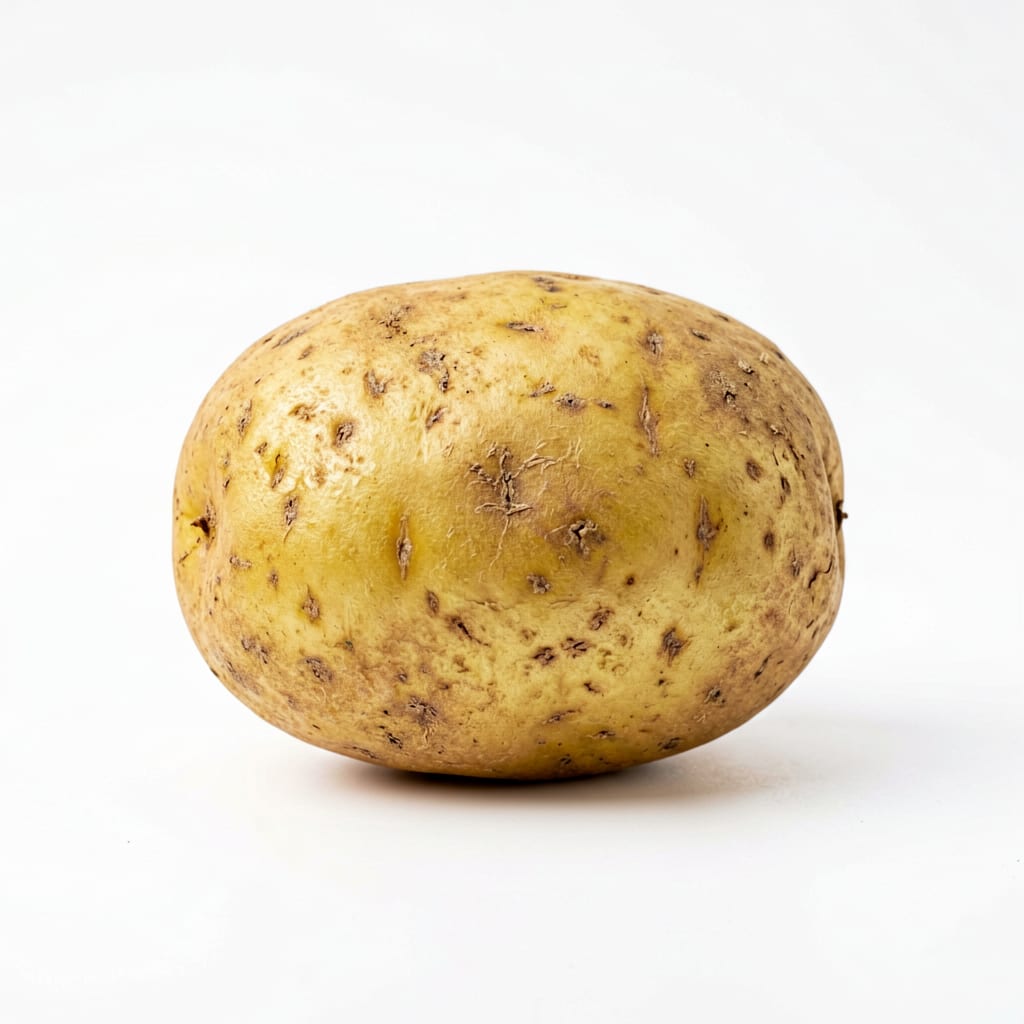
Potato
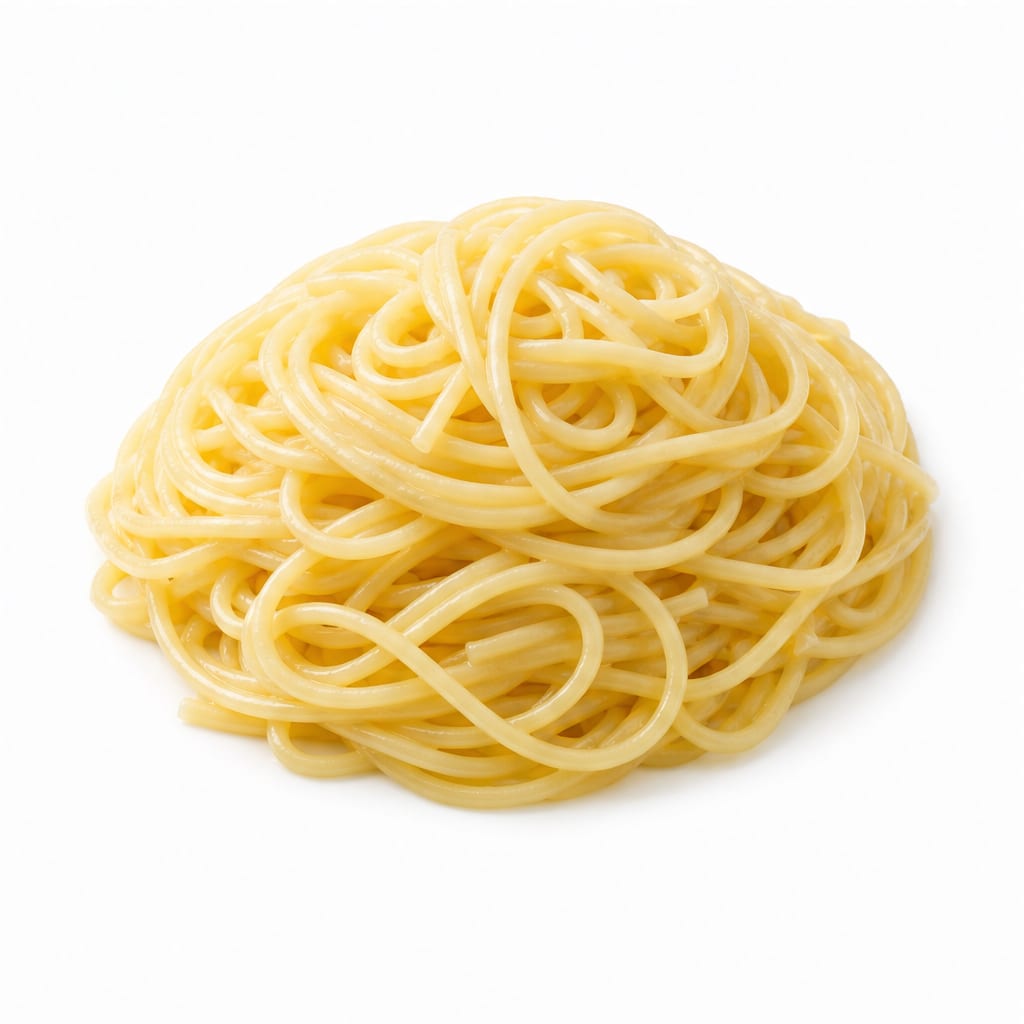
Pasta
Potatoes win on satiety, nutrient density, and being a whole food, but pasta offers lower glycemic impact and unmatched convenience for busy weeknights.
Potatoes score notably higher due to whole-food status, superior satiety, and richer micronutrient profile. Pasta remains competitive on convenience and glycemic response but loses ground on processing level and overeating risk.
You trade the whole-food benefits and fullness power of potatoes for the steadier blood sugar and convenience of pasta.
At a glance
Executive summary
Overall
Potato
Healthier
Potato
More practical
Pasta
Daily use
Potato
Key comparison lenses
blood sugar and energy stability
Both are starchy carbs that dominate meals, so how they affect blood sugar is the central concern for most people choosing between them
satiety and fullness
Potatoes rank highest on the satiety index of any food tested, while pasta is notoriously easy to overeat
whole food vs processed carb source
Potatoes are a single-ingredient whole food; pasta is a refined or semi-refined grain product, making this a classic whole vs processed debate
weight management
Calorie density and portion control differ significantly between these two staples
meal convenience and practicality
Pasta is shelf-stable and quick to prepare; potatoes require more prep but offer different cooking flexibility
Best choice for
Potato
- People trying to eat fewer processed foods
- Anyone who struggles with portion control and overeating
- Those needing more potassium and vitamin C in their diet
- Weight loss seekers who want maximum fullness per calorie
Pasta
- Busy families needing quick weeknight meals
- Athletes loading carbs before endurance events
- People with blood sugar concerns who tolerate lower-GI foods better
- Anyone who meal preps in bulk for the week
Least suitable for
Potato
- People strictly managing blood sugar spikes (especially boiled hot potatoes)
- Those who need shelf-stable pantry staples
- Anyone short on prep time most evenings
Pasta
- People avoiding refined or processed grains
- Those prone to overeating carbs (pasta portions are deceptive)
- Anyone seeking high micronutrient density per calorie
Deep comparison
Dimension by dimension
Each lens scores both foods and breaks down who each option suits.
- Dimension 1 · Priority 95Potato
satiety and fullness
Potato · 95Pasta · 45Potatoes are the most satiating food ever tested in research — far more filling than pasta per calorie eaten.
Tradeoff
Pasta's lower satiety means you will likely eat more calories before feeling full, but it can feel more comforting and indulgent.
Why it matters
If you finish a meal and are hungry again an hour later, that food is working against you regardless of its other qualities.
Real-world impact
A medium baked potato (160 cal) keeps most people full for hours. A cup of cooked pasta (220 cal) often leaves room for seconds.
Potato
- Controlling portions without feeling deprived
- Staying full between meals without snacking
- Reducing total daily calorie intake effortlessly
Better for
- Times you need to eat a lot of calories easily (bulking)
Worse for
Pasta
- Situations where you want a lighter meal before physical activity
Better for
- Anyone who struggles to stop eating once they start
- Late dinners where overeating disrupts sleep
Worse for
- Dimension 2 · Priority 90Pasta
blood sugar stability
Potato · 40Pasta · 62Hot boiled potatoes spike blood sugar faster than pasta. But cooled potatoes develop resistant starch that changes the picture entirely.
Tradeoff
Pasta gives steadier energy in the moment, but potatoes offer a hack: cooling them after cooking creates resistant starch that feeds gut bacteria and lowers the glycemic response.
Why it matters
Blood sugar crashes after meals drive cravings, fatigue, and irritability — the afternoon slump is real.
Real-world impact
A bowl of hot mashed potatoes can cause a quicker blood sugar rise and drop than the same calories of pasta. But potato salad made with cooled potatoes behaves much better.
Potato
- Post-workout recovery when you want fast carb replenishment
- Eating cooled potatoes (resistant starch benefit)
Better for
- Hot potatoes eaten alone on an empty stomach
- People with insulin resistance eating large portions
Worse for
Pasta
- Sustained energy through a long afternoon
- People monitoring glycemic response carefully
Better for
- Large pasta portions still spike blood sugar significantly
Worse for
- Dimension 3 · Priority 88Potato
nutrient density
Potato · 78Pasta · 35Potatoes deliver real vitamins and minerals. Pasta is mostly just starch with modest fortification.
Tradeoff
You get substantially more potassium, vitamin C, and B6 from potatoes, but pasta is sometimes fortified with folic acid and iron that potatoes lack.
Why it matters
Eating should do more than just provide calories — the micronutrients in your carb sources add up over years.
Real-world impact
One medium potato with skin gives you nearly half your daily vitamin C and more potassium than a banana. Pasta gives you energy, not much else.
Potato
- Boosting potassium intake naturally
- Getting vitamin C from an unexpected source
- Maximizing nutrition per calorie eaten
Better for
- People who peel their potatoes lose much of the fiber and nutrients
Worse for
Pasta
- Folic acid intake if eating enriched pasta
- Iron intake from fortified varieties
Better for
- Relying on pasta as a carb staple without other nutrient sources
Worse for
- Dimension 4 · Priority 85Potato
processing and naturalness
Potato · 92Pasta · 30A potato is a potato. Pasta is a manufactured product made from milled, refined grain mixed with water and shaped.
Tradeoff
Whole wheat pasta closes the gap somewhat but still involves industrial processing that a raw potato does not.
Why it matters
Minimally processed foods tend to support better long-term health outcomes, even when the exact mechanism is debated.
Real-world impact
You can grow a potato in your backyard. You cannot make pasta without industrial flour milling and extrusion equipment.
Potato
- Clean-eating approaches and whole-food diets
- Avoiding ultra-processed food categories
- Knowing exactly what is on your plate
Better for
- Frozen or pre-seasoned potato products can be highly processed
Worse for
Pasta
- Whole wheat pasta as a compromise between convenience and less processing
Better for
- Regular white pasta is a refined grain with most natural components stripped away
Worse for
- Dimension 5 · Priority 75Pasta
convenience and practicality
Potato · 50Pasta · 85Pasta is one of the easiest foods to store, cook, and scale for a crowd. Potatoes require more thought and time.
Tradeoff
Pasta wins on speed and shelf stability, but potatoes offer more cooking versatility — bake, boil, roast, mash, air fry.
Why it matters
The healthiest food only matters if you actually cook and eat it. Convenience drives real-world choices.
Real-world impact
Pasta boils in 10 minutes from a box that lasts months in the pantry. Potatoes need washing, peeling (sometimes), and varying cook times.
Potato
- Meal variety through different cooking methods
- Batch cooking baked potatoes for the week
Better for
- Spontaneous cooking when you forgot to plan ahead
- Potatoes sprout and spoil if stored too long
Worse for
Pasta
- Pantry meals with long shelf life
- Feeding a family quickly on busy nights
- Minimal cleanup (one pot)
Better for
- Lacks the cooking versatility of potatoes
Worse for
- Dimension 6 · Priority 82Potato
overeating risk
Potato · 80Pasta · 35Pasta is one of the easiest foods to overeat. Potatoes naturally limit intake because they are so filling.
Tradeoff
A reasonable potato portion self-regulates. A reasonable pasta portion is a concept most people struggle with.
Why it matters
Portion distortion with pasta is one of the most common hidden sources of excess calories in everyday diets.
Real-world impact
Restaurant pasta servings are typically 3-4 cups — roughly 600-800 calories of carbs alone. A large baked potato is about 275 calories and very hard to overeat.
Potato
- Natural portion control without counting
- Avoiding the 'just one more serving' trap
Better for
- Adding butter, sour cream, and cheese can make potatoes just as calorie-dense as pasta
Worse for
Pasta
- Athletes who genuinely need large calorie intakes
Better for
- Mindless eating while distracted
- Restaurant portions that are 3x what you need
Worse for
Timeline
Health impact over time
Short-term
Hours to days
Potato
- Quick energy from easily digested starch, especially when eaten hot
- High satiety that reduces snacking between meals
- Possible blood sugar spike if eaten alone without protein or fat
Pasta
- Steadier energy release compared to hot potatoes due to denser starch structure
- Easy to eat large portions quickly before fullness signals register
- Mild bloating possible if you are sensitive to wheat or gluten
Long-term
Months to years
Potato
- Better potassium intake supports healthy blood pressure over time
- Resistant starch from cooled potatoes feeds beneficial gut bacteria
- Whole-food carb source associated with lower risk of metabolic disease in population studies
Pasta
- Regular refined pasta consumption linked to higher risk of metabolic syndrome in sedentary populations
- Whole wheat pasta versions reduce this risk significantly
- Fortified pasta can help prevent folic acid and iron deficiencies
Risk profile
Safety & processing
A raw potato is a single-ingredient whole food straight from the ground. Even dried pasta contains only flour and water, but the flour itself is industrially refined. Whole wheat pasta is less refined but still a manufactured product. Neither contains concerning artificial additives on its own.
Potato
Glycoalkaloid toxicity (solanine)
lowGreen or sprouting potatoes can contain elevated solanine, which causes digestive upset. Avoid eating green-skinned or heavily sprouted potatoes.
Acrylamide formation
mediumFrying or roasting potatoes at high temperatures creates acrylamide, a probable carcinogen. Boiling and steaming avoid this. Soaking cut potatoes before roasting reduces it.
Pesticide residue
mediumConventional potatoes rank high for pesticide residue. Peeling reduces exposure significantly, but you lose nutrients. Organic is worthwhile if you eat potatoes frequently.
Pasta
Gluten sensitivity or celiac reaction
highStandard wheat pasta contains gluten. For those with celiac disease or non-celiac sensitivity, this is a serious concern. Gluten-free pasta alternatives exist but vary in quality.
Mycotoxin contamination in grain
lowWheat can occasionally contain trace mycotoxins from storage conditions. Reputable brands test for this, and the risk is low in regulated markets.
Acrylamide in overcooked pasta
lowMinimal risk compared to fried potatoes, but browning or crisping pasta in baked dishes can produce small amounts of acrylamide.
Who wins for whom
Audience fit
Same foods, different winners depending on your goal.
children
PastaKids generally accept pasta more readily, it is easier to hide vegetables in pasta sauce, and the familiar texture makes it a reliable family meal. Potatoes can work too but face more resistance from picky eaters.
daily consumption
PotatoAs a whole food with better micronutrients and satiety, potatoes are a safer daily staple. Pasta is fine regularly but works best when rotated with other carb sources rather than eaten every day.
diabetes
It dependsCooled potatoes with resistant starch may actually perform better than pasta for some, but hot potatoes spike blood sugar faster. Individual response varies significantly — testing after meals is the only reliable way to know.
elderly
PotatoPotatoes provide more potassium which supports blood pressure management, and the softer texture when mashed is easier to eat. The higher nutrient density matters more as calorie needs decrease with age.
muscle gain
PastaPasta makes it easy to consume large amounts of carbs needed for glycogen replenishment during heavy training phases, and the slightly higher protein content helps marginally.
weight loss
PotatoPotatoes provide dramatically more fullness per calorie, making it far easier to maintain a calorie deficit without feeling hungry all the time.
Your move
Decision guide
Choose Potato
- You want to feel full on fewer calories
- You are trying to reduce processed foods in your diet
- You need more potassium or vitamin C
- You are willing to cook and prep a bit more for better nutrition
- You plan to eat them cooled (potato salad, meal prep) for resistant starch benefits
Choose Pasta
- You need a quick pantry meal in under 15 minutes
- You are carb-loading before a long athletic event
- You are feeding kids or a crowd who prefer familiar comfort food
- You are meal-prepping large batches for the week
- You have blood sugar concerns and tolerate lower-GI foods better
Either works if
- You are pairing with plenty of protein and vegetables anyway
- You are an active person who handles carbs well
- You rotate between multiple carb sources throughout the week
Avoid both if
- You are on a strict very-low-carb or ketogenic diet
- You have severe insulin resistance and have not tested your individual blood sugar response
- Neither is a good standalone meal — both need protein and vegetables to become balanced
Final recommendation
Make potatoes your default carb when you have time to cook — the fullness and nutrition payoff is real. Keep pasta as your backup for busy nights, but measure portions before cooking, not after. If you eat pasta regularly, choose whole wheat most of the time. If you eat potatoes, leave the skin on and consider cooling them before eating for the resistant starch benefit. Neither is inherently bad; the problem is always portions and what you pair them with.
Practical
Consumer tips
- 1
Cool cooked potatoes in the fridge for 12-24 hours before eating to significantly boost resistant starch and lower glycemic impact
- 2
Measure pasta dry — a proper single serving is about 2 ounces (roughly 1 cup cooked), not the entire box
- 3
Leave potato skins on for roughly 50% more fiber and significantly more potassium
- 4
If choosing pasta, whole wheat versions offer 2-3x the fiber with a similar cooking experience
- 5
Pair either food with protein and healthy fat to blunt blood sugar spikes — a naked carb is always a risky carb
- 6
Soak cut potatoes in water for 30 minutes before roasting to reduce acrylamide formation by up to 50%
- 7
Sweet potatoes are not the same as white potatoes — they have different nutrient profiles and glycemic responses, so do not assume this comparison applies to them
- 8
Store potatoes in a cool dark place (not the fridge) and discard any that have turned green or sprouted heavily