
Nutrition comparison
Potato vs Sweet Potato: Which Is Healthier for You?
Complete nutrition comparison of potato vs sweet potato covering blood sugar, vitamins, weight loss, and daily use. Find out which one fits your health goals better.
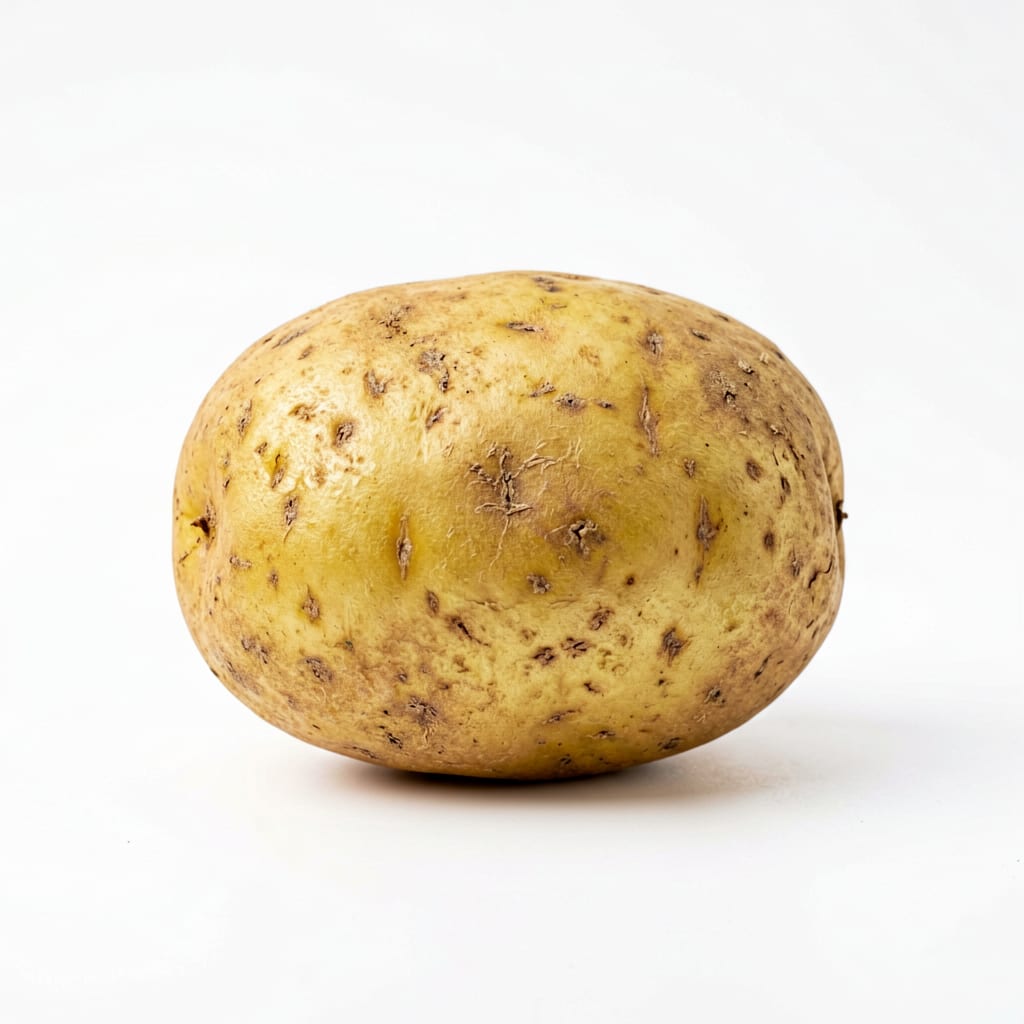
Potato
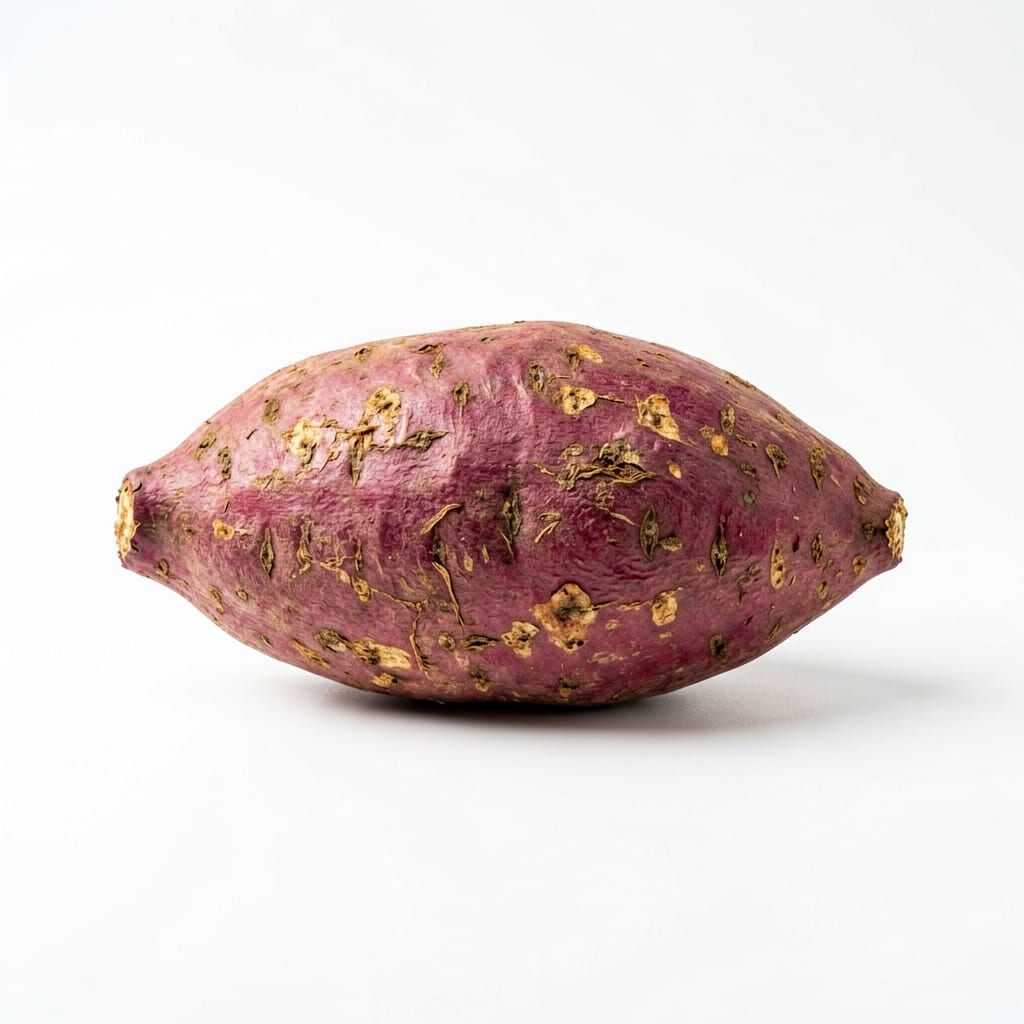
Sweet Potato
Sweet potatoes win on micronutrients and blood sugar stability, but regular potatoes are more versatile, higher in potassium, and slightly more filling per calorie.
Sweet potatoes score moderately higher due to superior micronutrient density and better blood sugar behavior, but regular potatoes remain competitive through higher potassium, more protein, and greater versatility. The gap is small because both are whole, nutritious foods.
Vitamin A and steadier energy from sweet potatoes versus higher potassium, more protein, and broader cooking flexibility from regular potatoes.
At a glance
Executive summary
Overall
It depends
Healthier
Sweet Potato
More practical
Potato
Daily use
It depends
Key comparison lenses
blood sugar management
Glycemic impact is the single biggest difference between these two staples and the most common reason people choose one over the other
nutrient density comparison
Sweet potatoes deliver dramatically more vitamin A while regular potatoes excel in potassium, making this a genuine tradeoff rather than a clear win
weight management and satiety
Both are filling carb sources but differ in calorie density and how they affect hunger and cravings afterward
meal versatility and practicality
Regular potatoes are more neutral and adaptable across cuisines, while sweet potatoes have a distinct flavor that limits some uses
athletic performance and recovery
Both are popular carb sources for athletes but serve different pre- and post-workout roles
Best choice for
Potato
- People who want maximum satiety per calorie
- Athletes needing quick glycogen replenishment
- Anyone managing sodium intake who needs more potassium
- Cooks wanting a neutral carb base for diverse recipes
- Budget-conscious households
Sweet Potato
- People managing blood sugar or insulin resistance
- Anyone wanting more vitamin A for eye and immune health
- Those seeking steadier, longer-lasting energy
- People who prefer naturally sweet flavors without added sugar
- Prenatal and childhood nutrition where vitamin A matters most
Least suitable for
Potato
- People with diabetes or significant insulin resistance
- Those on very low-carb diets who need slower-digesting carbs
- Anyone trying to increase vitamin A intake
Sweet Potato
- People who dislike sweet flavors in savory meals
- Those needing a very high potassium source
- Anyone on a tight grocery budget where regular potatoes are significantly cheaper
Deep comparison
Dimension by dimension
Each lens scores both foods and breaks down who each option suits.
- Dimension 1 · Priority 92Sweet Potato
blood sugar stability
Potato · 45Sweet Potato · 72Sweet potatoes digest more slowly and cause a gentler blood sugar rise, while regular potatoes can spike glucose quickly depending on preparation.
Tradeoff
Regular potatoes deliver faster energy for athletes but at the cost of a sharper crash, whereas sweet potatoes provide steadier fuel that lasts longer.
Why it matters
If you feel sleepy or hungry an hour after eating carbs, the glycemic difference between these two will noticeably affect your day.
Real-world impact
A baked potato at lunch can leave you reaching for a snack by 2pm, while a sweet potato tends to carry you further without the dip.
Potato
- Post-workout glycogen replenishment when fast carbs are actually desired
- Endurance athletes mid-race who need quick available energy
Better for
- Late-night eating when blood sugar spikes disrupt sleep
- Sedentary days when quick carbs have nowhere to go
Worse for
Sweet Potato
- Anyone with prediabetes or insulin resistance
- Office workers who want to avoid the afternoon energy crash
- Breakfast or lunch when steady focus matters more than speed
Better for
- Immediately after intense exercise when you actually want fast absorption
Worse for
- Dimension 2 · Priority 88Sweet Potato
micronutrient density
Potato · 55Sweet Potato · 82Sweet potatoes deliver an enormous amount of vitamin A that regular potatoes essentially lack, while regular potatoes offer more potassium and modestly more vitamin B6.
Tradeoff
You get a dramatic vitamin A boost from sweet potatoes but sacrifice some potassium and B6 that regular potatoes provide more abundantly.
Why it matters
Vitamin A supports vision, immunity, and skin health, and most people do not get enough. Potassium supports blood pressure and muscle function, and is also commonly underconsumed.
Real-world impact
One medium sweet potato covers over 400% of your daily vitamin A needs. A regular potato covers about 26% of your potassium needs. Both are impressive, but the vitamin A gap is far larger.
Potato
- People on diuretics or with low potassium who need every bit they can get
- Anyone already getting plenty of vitamin A from other orange vegetables or liver
Better for
- Anyone relying on potatoes as a primary carb without other vitamin A sources in their diet
Worse for
Sweet Potato
- Children and pregnant women with higher vitamin A needs
- People who do not eat many orange or dark green vegetables
- Anyone wanting immune and skin support from diet rather than supplements
Better for
- People with kidney issues who need to limit potassium may find sweet potatoes still fairly high in it
Worse for
- Dimension 3 · Priority 80Potato
satiety and fullness
Potato · 82Sweet Potato · 74Regular potatoes rank among the most filling foods tested in satiety research, slightly beating sweet potatoes due to higher protein and denser starch structure.
Tradeoff
You stay fuller slightly longer with regular potatoes, but the faster digestion means hunger may return more abruptly once the effect wears off.
Why it matters
If you are trying to eat less without feeling deprived, the difference in fullness per calorie is meaningful over weeks and months.
Real-world impact
A 200-calorie baked potato is remarkably filling. A 200-calorie sweet potato is also satisfying but slightly less so, and its sweeter taste can trigger desire for more food in some people.
Potato
- Weight loss diets where maximizing fullness per calorie is the priority
- Large active people who need volume to feel satisfied
Better for
- The rapid blood sugar drop after the initial fullness can cause rebound hunger in sensitive individuals
Worse for
Sweet Potato
- People who find sweet flavors more psychologically satisfying and less likely to trigger overeating
Better for
- The natural sweetness can stimulate appetite in people prone to sugar cravings
Worse for
- Dimension 4 · Priority 75Potato
cooking versatility
Potato · 88Sweet Potato · 65Regular potatoes are culinary chameleons that work in virtually any cuisine and flavor profile, while sweet potatoes have a distinct sweetness that limits some applications.
Tradeoff
You gain near-universal recipe compatibility with regular potatoes but lose the unique caramel-like depth that sweet potatoes bring to certain dishes.
Why it matters
The food you can cook more ways is the food you will actually eat more often, which matters more for long-term diet quality than marginal nutrient differences.
Real-world impact
Regular potatoes can be mashed, fried, roasted, boiled, gratineed, or baked and pair with anything from butter to curry. Sweet potatoes excel in roasted and baked preparations but feel out of place in many traditional savory dishes.
Potato
- Meal preppers who want one carb source to pair with many different proteins and sauces
- Families with picky eaters who prefer neutral flavors
- Traditional cuisines where sweetness in a savory dish feels wrong
Better for
- Anyone bored by plain flavors who wants more inherent taste without adding condiments
Worse for
Sweet Potato
- Fall and winter recipes where the sweetness is a feature not a bug
- Baking and dessert-adjacent dishes like muffins or pancakes
- Global cuisines like African, Caribbean, and some Asian traditions that highlight sweet potatoes
Better for
- People who find sweet savory combinations unappealing
- Recipes where sweetness throws off the flavor balance
Worse for
- Dimension 5 · Priority 68It depends
digestive tolerance
Potato · 70Sweet Potato · 72Both are generally well tolerated, but sweet potatoes have slightly more fiber which helps some people and bothers others, while regular potatoes can cause issues when fried or loaded with toppings.
Tradeoff
Sweet potatoes offer more fiber for regularity but can cause bloating in sensitive people; regular potatoes are gentler on the gut when simply boiled or baked.
Why it matters
If you have IBS or a sensitive stomach, the preparation method matters more than which potato you choose.
Real-world impact
Boiled and cooled potatoes develop resistant starch that feeds gut bacteria, which is great for most people but can cause gas initially. Sweet potatoes have soluble fiber that is generally well tolerated but can be gassy in larger portions.
Potato
- People with IBS who tolerate lower-fiber foods better
- Anyone recovering from stomach illness who needs gentle, easily digestible carbs
Better for
- Fried potato preparations that aggravate reflux and digestion
- People relying on potatoes without enough fiber from other sources
Worse for
Sweet Potato
- People who need more fiber to stay regular
- Anyone wanting to support gut microbiome diversity through soluble fiber
Better for
- Large portions that cause bloating in fiber-sensitive individuals
Worse for
- Dimension 6 · Priority 70It depends
athletic performance
Potato · 76Sweet Potato · 74Regular potatoes are better for quick pre- and intra-workout fuel, while sweet potatoes are superior for sustained energy and recovery meals.
Tradeoff
Speed of energy delivery versus duration of energy delivery. You choose based on timing relative to your training.
Why it matters
Eating a baked potato 90 minutes before a workout feels different than eating a sweet potato at the same time. The wrong choice can mean sluggishness or early fatigue.
Real-world impact
For a morning workout, a small regular potato gives you faster available glucose. For an evening recovery meal, sweet potatoes replenish glycogen more gradually and provide antioxidants that help with inflammation.
Potato
- Pre-workout meals 1-2 hours before training
- Carb-loading the night before endurance events
- Intra-workout fuel in ultra-endurance scenarios
Better for
- Pre-workout meals for people sensitive to blood sugar crashes during exercise
Worse for
Sweet Potato
- Post-workout recovery meals
- Daily training nutrition where steady energy matters more than speed
- Anti-inflammatory recovery nutrition
Better for
- Any situation where you need carbs to be available within 30-60 minutes
Worse for
Timeline
Health impact over time
Short-term
Hours to days
Potato
- Quick energy boost within 30-60 minutes of eating
- Possible blood sugar spike followed by a dip, especially if baked or mashed
- High satiety that reduces hunger for 2-3 hours
- Potassium helps with hydration and muscle function within hours
Sweet Potato
- Gradual energy release over 2-4 hours without sharp peaks or crashes
- Mild blood sugar rise that stays more stable than regular potatoes
- Vitamin A absorption supports immune function with consistent intake
- Fiber promotes comfortable digestion within a day
Long-term
Months to years
Potato
- Consistent potassium intake supports healthy blood pressure over years
- Resistant starch from cooled potatoes may improve insulin sensitivity with regular consumption
- Risk of weight gain if frequently prepared with added fats like deep frying
- Low vitamin A intake if regular potatoes replace all orange vegetables in the diet
Sweet Potato
- Sustained vitamin A intake protects vision and immune resilience over decades
- More stable blood sugar patterns may reduce diabetes risk with regular consumption
- Antioxidants from beta-carotene may lower chronic inflammation markers
- Fiber intake supports long-term colorectal health and cholesterol management
Risk profile
Safety & processing
Both are whole, unprocessed root vegetables in their natural form. Concerns only arise with processed versions like frozen fries, instant mashed potatoes, or canned sweet potato syrup. Stick to the whole vegetable and both are as clean as food gets.
Potato
Solanine toxicity from green or sprouted potatoes
mediumGreen spots and sprouts contain solanine, a natural toxin that causes nausea and headaches. Always cut away green areas and discard heavily sprouted potatoes.
Acrylamide formation during high-heat cooking
mediumFrying or roasting at very high temperatures creates acrylamide, a probable carcinogen. Boiling and steaming avoid this entirely. Soaking cut potatoes before cooking reduces formation.
Pesticide residue
lowConventional potatoes frequently appear on dirty dozen lists. Peeling removes most residue, but you lose fiber and nutrients. Washing thoroughly is a reasonable middle ground.
Sweet Potato
Oxalate content
lowSweet potatoes contain moderate oxalates, which can contribute to kidney stones in susceptible people. This is only a concern for those with a history of calcium oxalate stones.
Vitamin A excess with extreme consumption
lowBeta-carotene from food does not cause toxicity, but very high intake can turn skin orange, which is harmless and reversible. This is a cosmetic issue, not a health danger.
Pesticide residue
lowSweet potatoes tend to have lower pesticide residues than regular potatoes, partly because fewer pesticides are used in their cultivation. Still worth washing thoroughly.
Who wins for whom
Audience fit
Same foods, different winners depending on your goal.
children
Sweet PotatoThe vitamin A content is critically important for growing children, and the natural sweetness makes sweet potatoes more appealing to most kids. They are also easier to mash into baby food.
daily consumption
It dependsAlternating between both gives you the broadest nutrient coverage. Sweet potatoes provide vitamin A and steadier energy; regular potatoes provide potassium and more protein. Eating only one means missing what the other offers.
diabetes
Sweet PotatoSweet potatoes have a meaningfully lower glycemic index and more fiber, resulting in gentler blood sugar responses. This makes them the safer staple carb for anyone managing diabetes or insulin resistance.
elderly
Sweet PotatoOlder adults benefit more from the vitamin A for immune support and vision, the fiber for regularity, and the steadier blood sugar. Potassium from regular potatoes is also valuable, but the overall nutrient profile of sweet potatoes serves aging bodies better.
muscle gain
PotatoRegular potatoes have slightly more protein and faster-digesting carbs that support glycogen loading around workouts. The potassium also helps with muscle cramps and recovery.
weight loss
PotatoRegular potatoes are slightly more filling per calorie and have marginally fewer calories per 100g, making them easier to portion-control. However, preparation method matters far more than which potato you pick.
Your move
Decision guide
Choose Potato
- You want maximum fullness per calorie and are actively managing portion sizes
- You need quick energy before or after workouts
- You cook diverse cuisines and want a neutral carb that adapts to anything
- You are on a tight budget and regular potatoes are significantly cheaper
- You are trying to increase potassium intake without supplements
Choose Sweet Potato
- You have blood sugar concerns, prediabetes, or diabetes
- You want to boost vitamin A for eye health, immunity, or skin
- You prefer naturally sweet flavors and find them more satisfying
- You want sustained energy without the crash for long workdays
- You are feeding children who benefit from the vitamin A and sweeter taste
Either works if
- You are a healthy active person with no blood sugar issues
- You already eat a varied diet with other vitamin A and potassium sources
- You are meal prepping and want to rotate carbs for variety
- You simply enjoy both and want to eat what sounds good
Avoid both if
- You are on a strict very-low-carb or ketogenic diet
- You have severe kidney disease and must limit both potassium and vitamin A
- You only eat them deep-fried, which negates most of their health benefits
Final recommendation
Eat both. Sweet potatoes are the slightly healthier choice overall due to vitamin A and blood sugar stability, but regular potatoes offer unique benefits in potassium, satiety, and versatility that matter just as much in context. The best approach is rotating between them based on your meal, your activity, and your mood. No one was ever unhealthy because they chose the wrong potato.
Practical
Consumer tips
- 1
Cooling cooked potatoes in the fridge overnight creates resistant starch, which lowers the glycemic impact and feeds beneficial gut bacteria. Reheat before eating and you get a meaningfully healthier potato.
- 2
Boiling produces the lowest glycemic response for both types. Baking concentrates sugars and raises the glycemic index. Choose your cooking method based on your blood sugar goals.
- 3
Pairing either potato with protein and healthy fat dramatically slows digestion and flattens the blood sugar curve. A potato alone behaves very differently than a potato with eggs and avocado.
- 4
Buy organic potatoes if possible since conventional potatoes rank high for pesticide residue. Sweet potatoes are less of a concern either way.
- 5
Store both in a cool, dark, dry place. Refrigeration changes the starch profile and can make regular potatoes taste sweet and cook poorly. Sweet potatoes should never go in the fridge.
- 6
A medium sweet potato and a medium regular potato are both roughly 100-110 calories. The calorie difference is negligible, so choose based on nutrition and taste, not weight loss math.