
Nutrition comparison
Potato vs Cauliflower: Which Is Better for Weight Loss, Blood Sugar, and Energy?
Compare potato and cauliflower nutrition, calories, carbs, and health effects. Find out which is better for diabetes, weight loss, keto, and daily meals.
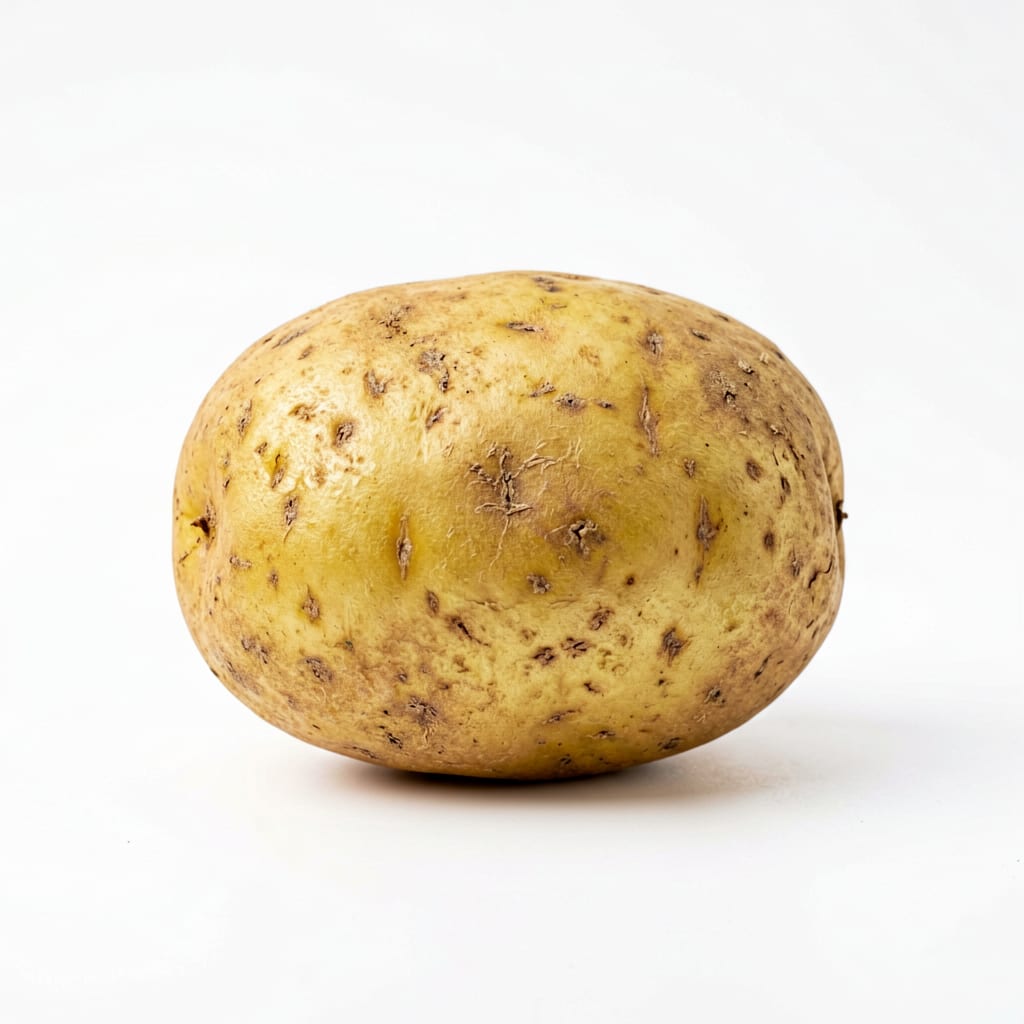
Potato
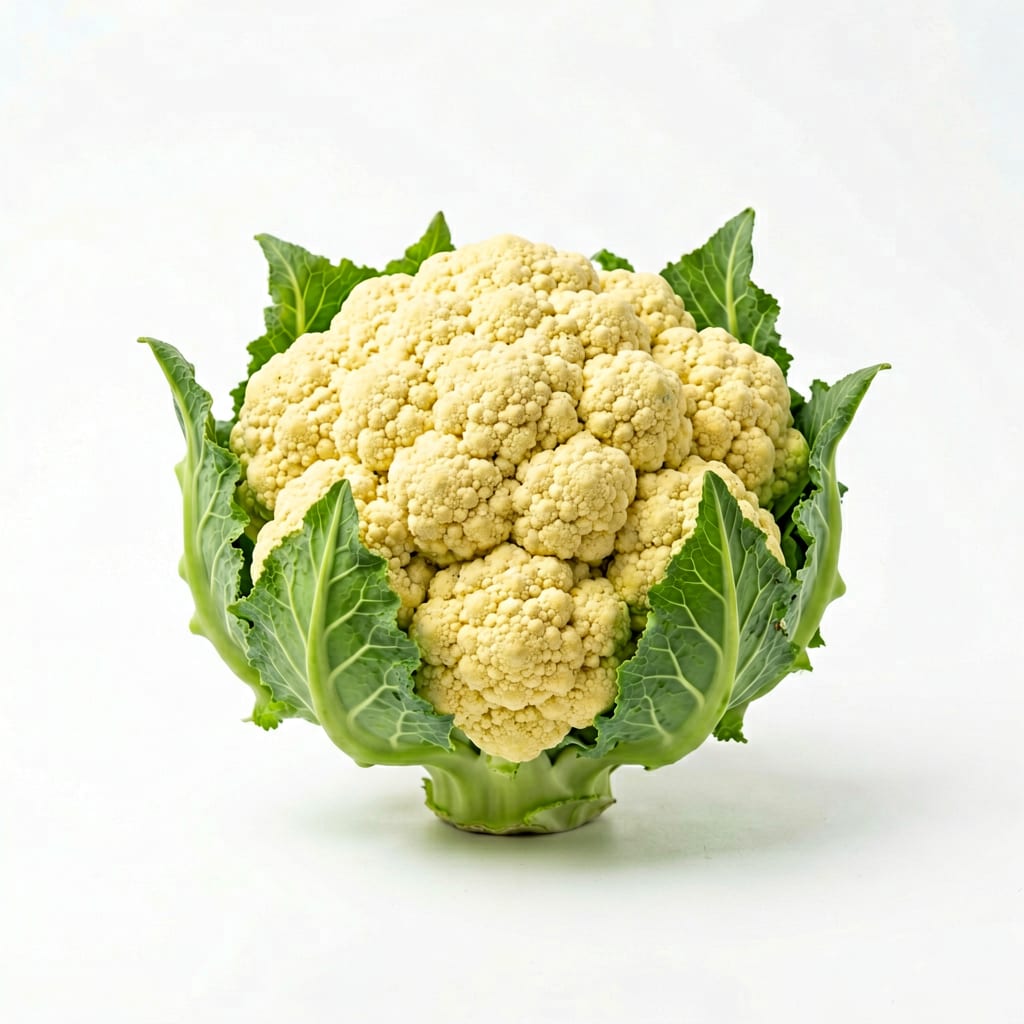
Cauliflower
Potato fuels you with lasting energy and potassium; cauliflower lets you eat large volumes with minimal calories and nearly no blood sugar impact.
Cauliflower edges ahead due to broader dietary compatibility and blood sugar neutrality, but potatoes win on satiety and fueling. The close scores reflect that neither is universally better.
Satiety and caloric fuel versus low-carb flexibility and blood sugar control.
At a glance
Executive summary
Overall
It depends
Healthier
It depends
More practical
Potato
Daily use
It depends
Key comparison lenses
low carb diet compatibility
Cauliflower is famously used as a potato substitute in low-carb diets, making this the primary reason users compare these two foods
blood sugar management
Potatoes spike blood sugar significantly while cauliflower barely registers, a critical difference for diabetics and metabolic health
weight loss calorie density
Cauliflower delivers far fewer calories per serving, making it a go-to for calorie-conscious eaters seeking volume
satiety and fueling
Potatoes are among the most filling foods studied, while cauliflower is light and less energizing
nutrient diversity
Each food offers distinct micronutrient profiles worth understanding for balanced nutrition
Best choice for
Potato
- Athletes needing carb fuel
- People seeking maximum fullness per bite
- Those with high caloric needs
- Budget-conscious families
- Post-workout recovery meals
Cauliflower
- Low-carb and keto dieters
- People managing diabetes or insulin resistance
- Anyone cutting calories without shrinking portions
- Those seeking lighter meals that won't cause energy crashes
- Meal preppers wanting a versatile low-calorie base
Least suitable for
Potato
- People with severe insulin resistance
- Strict ketogenic dieters
- Those trying to minimize blood sugar spikes
- Sedentary individuals watching carb intake
Cauliflower
- Endurance athletes needing carb fuel
- Underweight individuals needing calories
- People prone to bloating from cruciferous vegetables
- Those seeking a satisfying standalone meal base
Deep comparison
Dimension by dimension
Each lens scores both foods and breaks down who each option suits.
- Dimension 1 · Priority 95Cauliflower
blood_sugar_impact
Potato · 30Cauliflower · 92Potatoes cause a rapid blood sugar rise; cauliflower barely moves the needle.
Tradeoff
You gain steady energy and metabolic calm with cauliflower but lose the quick fuel potatoes provide.
Why it matters
Blood sugar spikes drive hunger returns, fatigue, and long-term insulin resistance.
Real-world impact
A potato lunch may leave you hungry again by 3pm, while a cauliflower-based meal keeps energy steadier.
Potato
- Post-workout glycogen replenishment
- Situations requiring quick available energy
Better for
- Insulin-resistant individuals
- Late-night eating when blood sugar should stay low
Worse for
Cauliflower
- Diabetes management
- Avoiding afternoon energy crashes
- Sustained focus during sedentary work
Better for
- Recovery after intense exercise when carbs are needed
Worse for
- Dimension 2 · Priority 88Potato
satiety_and_fullness
Potato · 91Cauliflower · 52Potatoes rank among the most filling foods ever tested; cauliflower is light and less satisfying alone.
Tradeoff
Potatoes keep you full for hours but cost more calories; cauliflower lets you eat more volume with less fullness payoff.
Why it matters
Satiety determines whether you stick with your eating plan or find yourself snacking later.
Real-world impact
A baked potato at dinner can carry you to breakfast; a cauliflower dish often needs protein added to feel complete.
Potato
- Long gaps between meals
- Appetite control without counting calories
- Active days with high energy expenditure
Better for
- Meals where you want a light feeling afterward
Worse for
Cauliflower
- Light meals when you want to feel less heavy
- Multi-course meals where you want room for other dishes
Better for
- Situations where you need one dish to hold you for hours
Worse for
- Dimension 3 · Priority 85Cauliflower
calorie_efficiency
Potato · 45Cauliflower · 90Cauliflower delivers roughly one-quarter the calories per cup compared to potato, letting you eat more volume for fewer calories.
Tradeoff
You can pile your plate high with cauliflower without guilt, but you may need to eat more total food to feel satisfied.
Why it matters
Calorie density is one of the strongest predictors of unintentional overeating or undereating.
Real-world impact
Swapping potatoes for cauliflower in a mash saves 100+ calories per cup, which adds up over a week.
Potato
- People who struggle to eat enough calories
- Growing teenagers with high energy needs
Better for
- Calorie-restricted diets
- People who tend to overeat starchy sides
Worse for
Cauliflower
- Weight loss diets requiring portion control
- Volume eaters who like large plates of food
Better for
- Those needing calorie-dense fuel for performance
Worse for
- Dimension 4 · Priority 75It depends
micronutrient_profile
Potato · 72Cauliflower · 70Potatoes dominate in potassium and B6; cauliflower wins on vitamin C, vitamin K, and folate.
Tradeoff
Each food fills different nutritional gaps, making them complementary rather than competitive.
Why it matters
Potassium is chronically underconsumed, and vitamin C supports immune function and iron absorption.
Real-world impact
A potato covers nearly half your daily potassium; a cup of cauliflower covers most of your vitamin C.
Potato
- Potassium replenishment after sweating
- Supporting nerve and muscle function
- B-vitamin intake for energy metabolism
Better for
- Those relying on it for vitamin C, since cooking reduces it significantly
Worse for
Cauliflower
- Immune support through vitamin C
- Blood clotting and bone health via vitamin K
- Pregnancy nutrition through folate
Better for
- Those expecting significant potassium intake
Worse for
- Dimension 5 · Priority 72Potato
digestive_tolerance
Potato · 78Cauliflower · 55Potatoes are gentle on most digestive systems; cauliflower can cause gas and bloating, especially raw or in large amounts.
Tradeoff
Potatoes are comforting and easy to digest but lower in fiber per calorie; cauliflower offers more fiber but can upset sensitive stomachs.
Why it matters
Digestive discomfort can undermine otherwise healthy food choices and reduce quality of life.
Real-world impact
A big cauliflower rice bowl may leave you bloated before a date or meeting; potatoes rarely cause that problem.
Potato
- People with IBS or sensitive digestion
- Recovery meals after stomach illness
- Comfort food needs without digestive risk
Better for
- Situations where maximum fiber intake is the priority
Worse for
Cauliflower
- Those needing more fiber to support regularity
- People with healthy digestion seeking microbiome benefits
Better for
- Anyone prone to gas, bloating, or IBS flare-ups
- Meals before social situations or physical activity
Worse for
- Dimension 6 · Priority 70It depends
culinary_versatility
Potato · 75Cauliflower · 80Potatoes are a beloved staple with countless classic preparations; cauliflower has become the low-carb chameleon, mimicking rice, mash, pizza crust, and more.
Tradeoff
Potatoes excel in traditional comfort dishes; cauliflower wins in dietary-adaptive cooking.
Why it matters
Versatility determines how often you can realistically incorporate a food without getting bored.
Real-world impact
Cauliflower lets you keep favorite recipes while cutting carbs; potatoes deliver authentic texture and flavor that substitutes cannot fully replicate.
Potato
- Traditional recipes where authenticity matters
- Frying, baking, and roasting with ideal texture
- Comfort food cravings
Better for
- Low-carb diet frameworks
Worse for
Cauliflower
- Low-carb recipe adaptations
- Sneaking vegetables into familiar formats
- Meal prep across multiple cuisine styles
Better for
- Dishes where the real starchy texture is irreplaceable
Worse for
Timeline
Health impact over time
Short-term
Hours to days
Potato
- Noticeable blood sugar rise within 30-60 minutes of eating
- Strong feeling of fullness that lasts 2-3 hours
- Quick available energy for physical activity
- Possible sleepiness if eaten in large portions without protein
Cauliflower
- Minimal blood sugar impact after eating
- Light feeling in the stomach, less heavy than potato meals
- Possible gas or bloating within a few hours, especially with large portions
- Vitamin C absorption boost when eaten raw or lightly cooked
Long-term
Months to years
Potato
- Consistent intake supports healthy blood pressure through high potassium
- Frequent large portions may contribute to insulin resistance in sedentary people
- Resistant starch from cooled potatoes may improve gut health
- Satiety benefits can support weight maintenance when portions are managed
Cauliflower
- Regular consumption supports immune function and antioxidant defenses
- Low calorie density aids sustainable weight management
- Cruciferous compounds like sulforaphane may reduce cancer risk over time
- High fiber intake supports microbiome diversity and digestive regularity
Risk profile
Safety & processing
Both are whole, natural foods in their unprepared form. The processing concern arises with packaged cauliflower products like cauliflower pizza crusts or frozen riced cauliflower, which may contain added sodium and binders. Whole potatoes and whole cauliflower are equally clean choices.
Potato
Glycoalkaloid toxicity from sprouted or green potatoes
mediumSolanine builds up in green or sprouting potatoes and can cause nausea, headaches, and in rare cases serious illness. Always cut away green areas and discard sprouted potatoes.
Acrylamide formation during high-heat cooking
mediumFrying or roasting potatoes at high temperatures creates acrylamide, a probable carcinogen. Boiling and steaming avoid this. Soaking cut potatoes before cooking reduces formation.
Pesticide residue on conventionally grown potatoes
mediumPotatoes are on the EWG Dirty Dozen list due to pesticide residues absorbed from soil. Peeling helps but removes nutrients. Organic is preferable when possible.
Cauliflower
Pesticide residue on conventionally grown cauliflower
lowCauliflower is not on the Dirty Dozen list but retains some surface pesticide residue. Washing thoroughly or choosing organic reduces exposure.
Goitrogenic effects from raw consumption in large amounts
lowRaw cruciferous vegetables contain goitrogens that can interfere with thyroid function, but this is only a concern with very high intake in iodine-deficient individuals. Cooking largely neutralizes this.
Cross-contamination in pre-cut packaged products
lowPre-riced or pre-cut cauliflower has been linked to occasional foodborne illness recalls. Whole heads are safer. Wash all produce before use.
Who wins for whom
Audience fit
Same foods, different winners depending on your goal.
children
PotatoKids need calorie-dense, easy-to-digest foods for growth, and potatoes are more palatable and comforting for most children. Cauliflower can be introduced alongside but is often rejected due to bitterness.
daily consumption
CauliflowerCauliflower's low calorie density, blood sugar neutrality, and cancer-fighting compounds make it safer to eat daily in unlimited amounts. Potatoes are healthy daily too, but portion awareness matters more.
diabetes
CauliflowerCauliflower has minimal impact on blood sugar, making it far safer for glucose management. Potatoes can cause significant spikes even in moderate portions.
elderly
It dependsPotatoes are easier to chew and digest, which matters for aging digestive systems. However, cauliflower's lower glycemic impact is important for older adults managing blood sugar. It depends on the individual's primary health concern.
muscle gain
PotatoPotatoes provide the carbohydrate fuel needed for intense training and glycogen replenishment, plus potassium for muscle function and cramp prevention.
weight loss
CauliflowerCauliflower's extremely low calorie density lets you eat large portions while staying in a deficit, making it easier to sustain weight loss without feeling deprived.
Your move
Decision guide
Choose Potato
- You are active and need carbohydrate fuel for performance
- Maximum satiety per calorie is your priority
- You are trying to gain weight or meet high caloric needs
- You want a comforting, digestively gentle food
- Budget is a major constraint and you need affordable calories
Choose Cauliflower
- You are managing diabetes, insulin resistance, or metabolic syndrome
- You are on a low-carb or ketogenic diet
- You want to eat large portions while losing weight
- You are meal-prepping and want a versatile low-calorie base
- You want cancer-protective compounds like sulforaphane in your diet regularly
Either works if
- You want variety and can rotate both across the week
- You have no specific metabolic concerns and eat a balanced diet
- You are cooking for a family with diverse dietary needs
Avoid both if
- You have a nightshade sensitivity and severe cruciferous intolerance simultaneously, which is rare
- You are on a very strict elimination diet that excludes both families temporarily
Final recommendation
Use both strategically: potatoes when you need fuel and fullness, cauliflower when you need lightness and blood sugar control. The smartest approach is not choosing one forever but knowing when each serves you best. On active days, reach for potatoes. On rest days or during weight loss phases, lean into cauliflower. Neither deserves to be eliminated.
Practical
Consumer tips
- 1
Cool cooked potatoes in the fridge overnight to increase resistant starch, which lowers the glycemic impact and feeds beneficial gut bacteria
- 2
Roast cauliflower with olive oil and garlic to dramatically improve flavor without adding carbs
- 3
If cauliflower causes bloating, try steaming it instead of eating it raw, and start with smaller portions to let your gut adapt
- 4
Keep both on hand: meal prep cauliflower rice for low-carb nights and baked potatoes for post-workout dinners
- 5
Buy organic potatoes when possible since they rank high for pesticide residue, but conventional cauliflower is generally fine
- 6
Pair potatoes with protein and healthy fat to blunt the blood sugar spike and extend satiety even further
- 7
For the best of both worlds, try mixing mashed cauliflower into mashed potatoes to cut calories while keeping the comforting texture