
Nutrition comparison
Potato vs Yam: Which is Healthier for Blood Sugar & Energy?
Compare Potato vs Yam to see which root vegetable is better for weight loss, diabetes, and daily energy. Learn the key nutritional differences and tradeoffs.
Overall winner · Yam
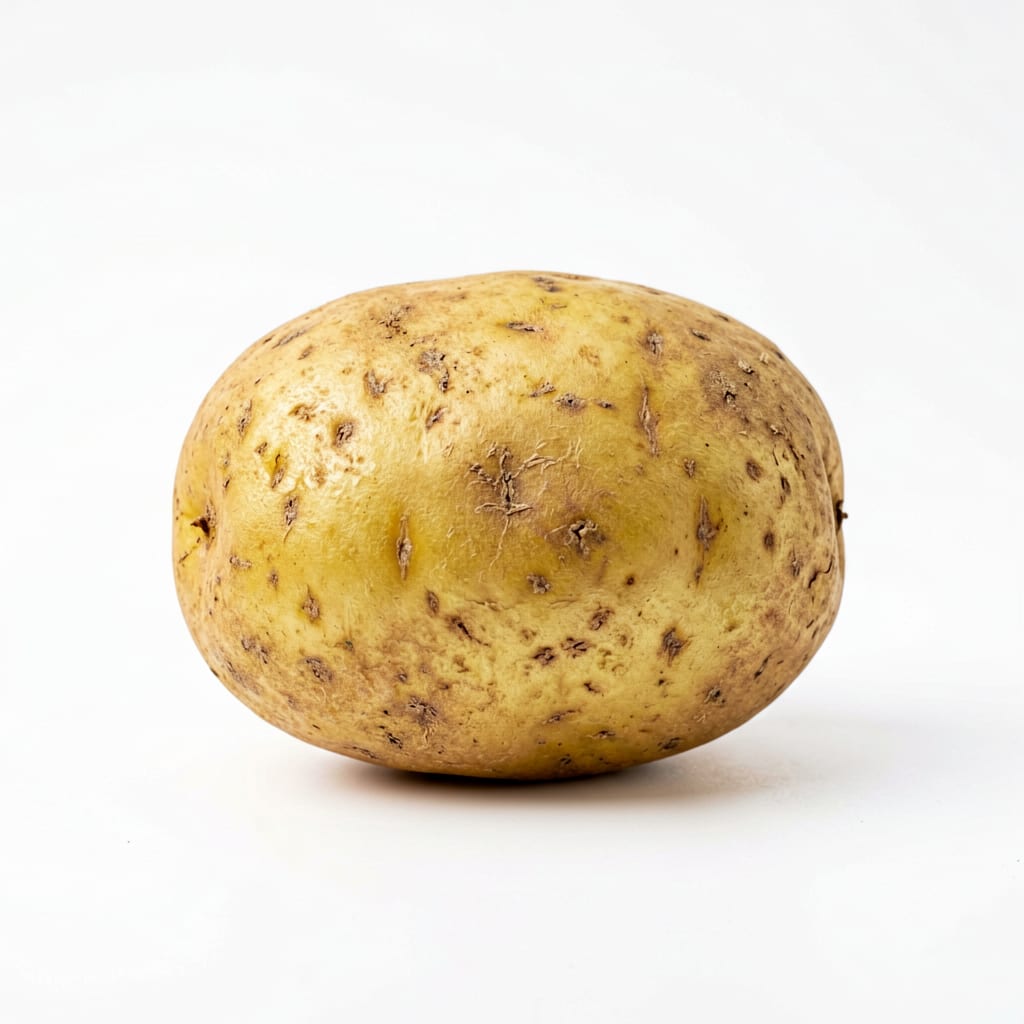
Potato
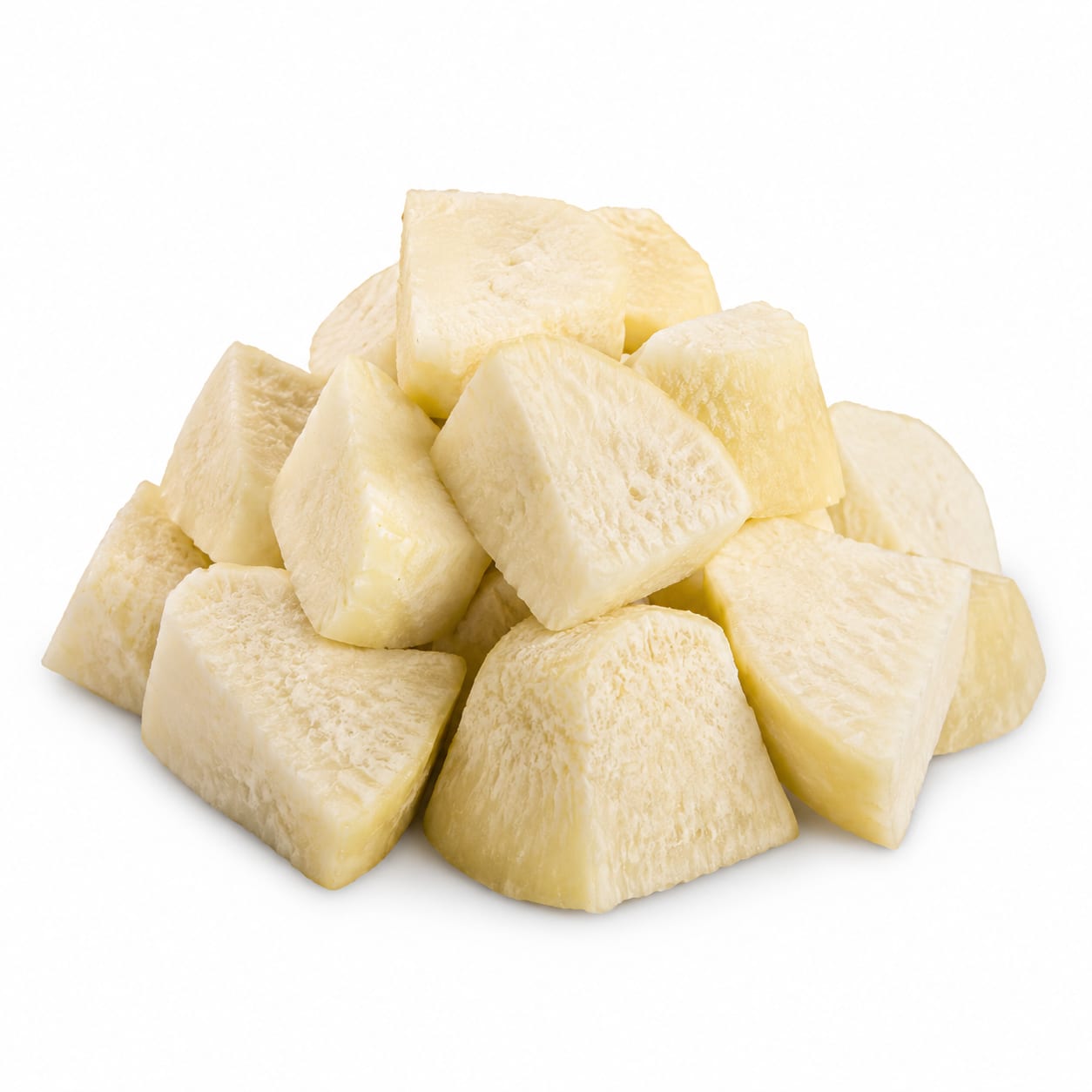
Yam
Yams edge out potatoes for better blood sugar control and higher fiber, but potatoes win on quick energy and easy digestion.
Yams score higher due to superior fiber content and gentler blood sugar impact. Potatoes remain highly nutritious and versatile but lose points for their higher glycemic load when prepared commonly.
You trade the rapid, easy energy and comfort of potatoes for the steadier, longer-lasting energy and gut benefits of yams.
At a glance
Executive summary
Overall
Yam
Healthier
Yam
More practical
Potato
Daily use
Yam
Key comparison lenses
Blood sugar impact and glycemic control
Both are starchy carbs, but they affect blood sugar very differently, which is the primary concern for most people comparing them.
Digestive tolerance and fiber content
Yams offer significantly more fiber, impacting digestion and satiety, while potatoes are often preferred for sensitive stomachs.
Everyday meal versatility and prep time
Potatoes cook faster and fit into more Western recipes, while yams require longer cooking times and specific culinary contexts.
Best choice for
Potato
- Athletes needing quick carb replenishment
- People with sensitive digestion or upset stomachs
- Busy cooks needing fast meal prep
Yam
- People managing diabetes or insulin resistance
- Those aiming to increase daily fiber intake
- Anyone wanting longer-lasting fullness between meals
Least suitable for
Potato
- People on strict low-carb or keto diets
- Those trying to minimize blood sugar spikes
Yam
- Those needing quick pre-workout energy
- People unfamiliar with cooking tropical tubers
Deep comparison
Dimension by dimension
Each lens scores both foods and breaks down who each option suits.
- Dimension 1 · Priority 95Yam
Blood Sugar Stability
Potato · 45Yam · 82Yams have a significantly lower glycemic index, providing a slower, steadier release of energy compared to the rapid spike from potatoes.
Tradeoff
Potatoes give you quick, accessible energy, but at the cost of a sharper blood sugar rise and potential crash.
Why it matters
Steady blood sugar means fewer afternoon energy crashes and better hunger control throughout the day.
Real-world impact
Eating potatoes for lunch might leave you hungry by 3 PM, while yams can easily carry you to dinner.
Potato
- Post-workout recovery when muscles need fast carbs
Better for
- Sitting at a desk all day with low activity
Worse for
Yam
- Sustained focus during long workdays
- Preventing the mid-afternoon energy slump
Better for
- Moments when you need immediate, fast-acting fuel
Worse for
- Dimension 2 · Priority 88It depends
Satiety & Fullness
Potato · 85Yam · 88Potatoes rank highest on the satiety index for short-term fullness, but yams provide longer-lasting satisfaction due to their dense fiber.
Tradeoff
Potatoes fill you up fast but the effect fades sooner; yams take longer to digest, keeping you full for hours.
Why it matters
Choosing the right carb can be the difference between snacking all evening and feeling comfortably satisfied.
Real-world impact
A baked potato stops hunger immediately after eating, while a yam prevents the late-night fridge raid.
Potato
- Stopping acute hunger quickly after a long fast
Better for
- Situations where you won't eat again for 6+ hours
Worse for
Yam
- Controlling cravings between distant meals
Better for
- When you need a light meal that won't sit heavy
Worse for
- Dimension 3 · Priority 80Potato
Digestive Comfort
Potato · 90Yam · 70Potatoes are extremely easy on the digestive tract, making them a go-to recovery food, whereas yams' tough fiber can be harder to break down.
Tradeoff
Potatoes offer comfort and easy digestion, while yams require more digestive effort but feed your gut bacteria better.
Why it matters
If your stomach is upset or you have a sensitive gut, the wrong carb can cause bloating or discomfort.
Real-world impact
Potatoes are a classic sick-day food for a reason—they soothe the stomach. Yams might feel too heavy when you're unwell.
Potato
- Recovering from a stomach bug
- Easing digestive flare-ups
Better for
- Resolving chronic constipation
Worse for
Yam
- Feeding beneficial gut microbiome
- Improving long-term bowel regularity
Better for
- Days when your stomach feels delicate or bloated
Worse for
- Dimension 4 · Priority 75It depends
Micronutrient Profile
Potato · 78Yam · 80Potatoes are potassium and vitamin C powerhouses, while yams deliver more vitamin B6, manganese, and unique antioxidants.
Tradeoff
Potatoes support hydration and immune function; yams support metabolism and cellular protection.
Why it matters
Different micronutrients serve different daily needs, from muscle cramps to energy production.
Real-world impact
Eating potatoes helps with muscle cramps and recovery, while yams support energy metabolism and brain function.
Potato
- Athletes needing electrolyte replenishment
- Boosting vitamin C on a budget
Better for
- Those relying on a single carb for broad nutrient coverage
Worse for
Yam
- Supporting nervous system health
- Increasing trace mineral intake
Better for
- Those needing a quick potassium boost after sweating
Worse for
- Dimension 5 · Priority 70Potato
Culinary Convenience
Potato · 92Yam · 60Potatoes cook quickly and fit seamlessly into most Western recipes, while yams require longer cooking and specific preparation methods.
Tradeoff
Potatoes are weeknight-friendly and versatile; yams demand more prep time but offer unique, hearty flavors.
Why it matters
If a food is hard to prep, you are less likely to eat it, making convenience a major health factor.
Real-world impact
You can microwave a potato in 5 minutes for a quick dinner side, but yams usually need 30-40 minutes of roasting or boiling.
Potato
- Quick weeknight dinners
- Meal prep beginners
Better for
- Authentic traditional yam dishes
Worse for
Yam
- Slow-cooked stews and soups
- Exploring traditional African or Caribbean recipes
Better for
- Last-minute meal assembly
Worse for
Timeline
Health impact over time
Short-term
Hours to days
Potato
- Quick surge in blood sugar and energy
- Rapid relief from acute hunger
- Soothing effect on an upset stomach
Yam
- Gradual, sustained energy without a crash
- Feeling of heavy fullness that lasts
- Promotion of a bowel movement due to fiber
Long-term
Months to years
Potato
- Potential for weight gain if fried or eaten in excess due to high GI
- Excellent blood pressure support from high potassium
Yam
- Improved insulin sensitivity from steady carb release
- Better long-term gut health and regularity from high fiber
Risk profile
Safety & processing
Both are whole, unprocessed root vegetables in their natural state, though potatoes are more commonly consumed as processed fries or chips.
Potato
Glycoalkaloid toxicity (solanine)
lowGreen spots or sprouts on potatoes contain solanine, which can cause nausea and headaches if eaten in large amounts. Always cut away green areas.
Yam
Improper preparation of wild varieties
mediumSome wild yam species must be soaked or boiled to remove natural toxins, though grocery store yams are generally safe to cook normally.
Who wins for whom
Audience fit
Same foods, different winners depending on your goal.
children
PotatoPotatoes are milder in flavor, softer in texture, and easier for kids to digest, making them a more reliable staple.
daily consumption
YamThe steady energy and superior fiber content make yams a more forgiving daily carb for overall metabolic health.
diabetes
YamThe lower glycemic index and higher fiber of yams prevent sharp blood sugar spikes, making glucose management easier.
elderly
It dependsPotatoes are better for those with chewing or digestive issues, while yams are better for elderly individuals managing blood sugar or constipation.
muscle gain
PotatoPotatoes offer faster-digesting carbs that replenish glycogen stores rapidly after heavy training.
weight loss
YamYams provide more fiber and a lower glycemic load, helping control cravings and keeping you full longer on fewer calories.
Your move
Decision guide
Choose Potato
- You just finished a hard workout and need fast recovery
- You have an upset stomach and need comfort food
- You only have 15 minutes to cook dinner
Choose Yam
- You want steady energy for a long, active day
- You are trying to manage your blood sugar or lose weight
- You are making a slow-cooked stew or soup
Either works if
- You just want a hearty, filling carb base for a meal
- You are mixing root vegetables for a roasted medley
Avoid both if
- You are on a strict ketogenic or very low-carb diet
Final recommendation
Let your daily energy needs decide: grab a potato when you need quick fuel or comfort, and choose yams when you want lasting energy and better blood sugar balance.
Practical
Consumer tips
- 1
Cooling cooked potatoes in the fridge creates resistant starch, which lowers their glycemic impact and feeds gut bacteria.
- 2
Do not eat potatoes if they have turned green or sprouted, as this indicates solanine buildup.
- 3
If yams feel too heavy, try boiling them instead of roasting for a lighter texture.
- 4
Pairing either tuber with a protein and healthy fat drastically slows down sugar absorption.