
Nutrition comparison
Potato vs Corn: Which Is Healthier for Your Goals?
Compare potato and corn nutrition, satiety, blood sugar impact, and health benefits. Discover which starchy carb fits your weight loss, fitness, or daily nutrition goals better.
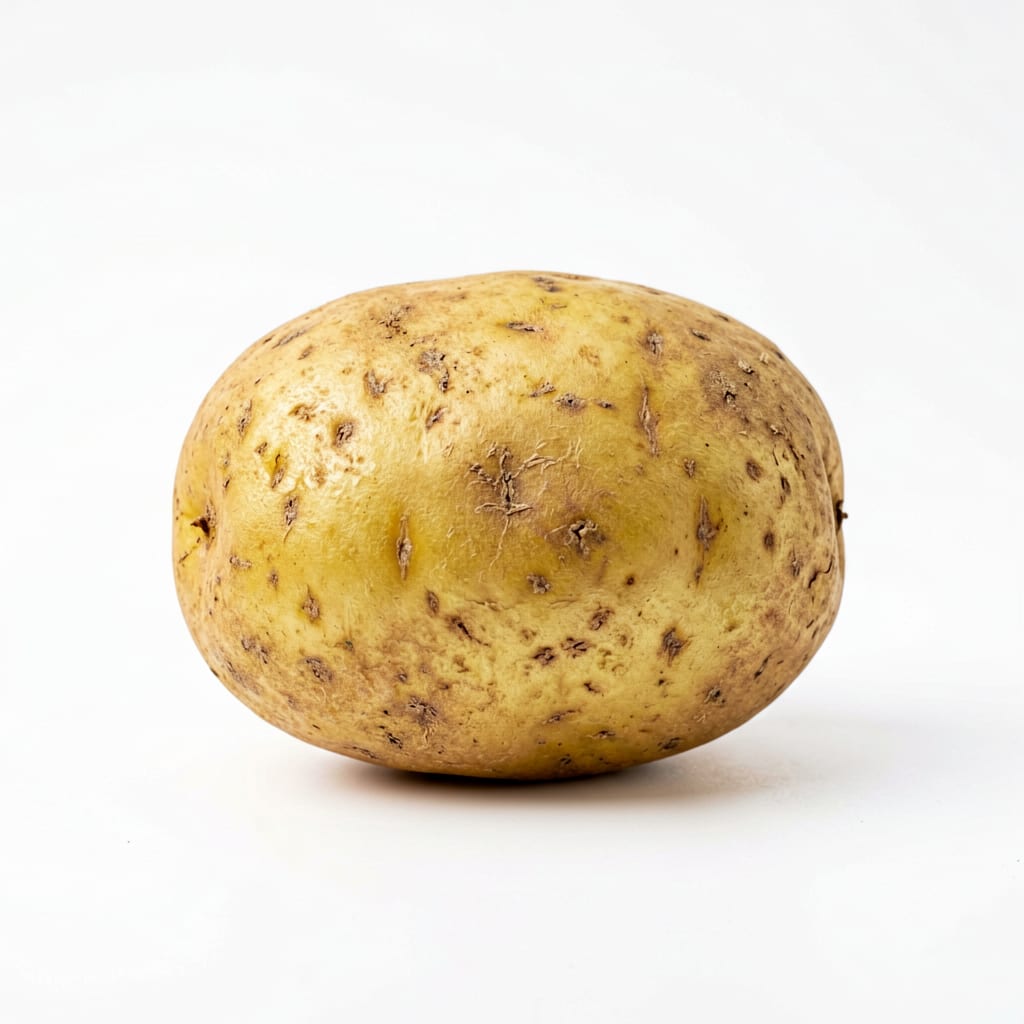
Potato
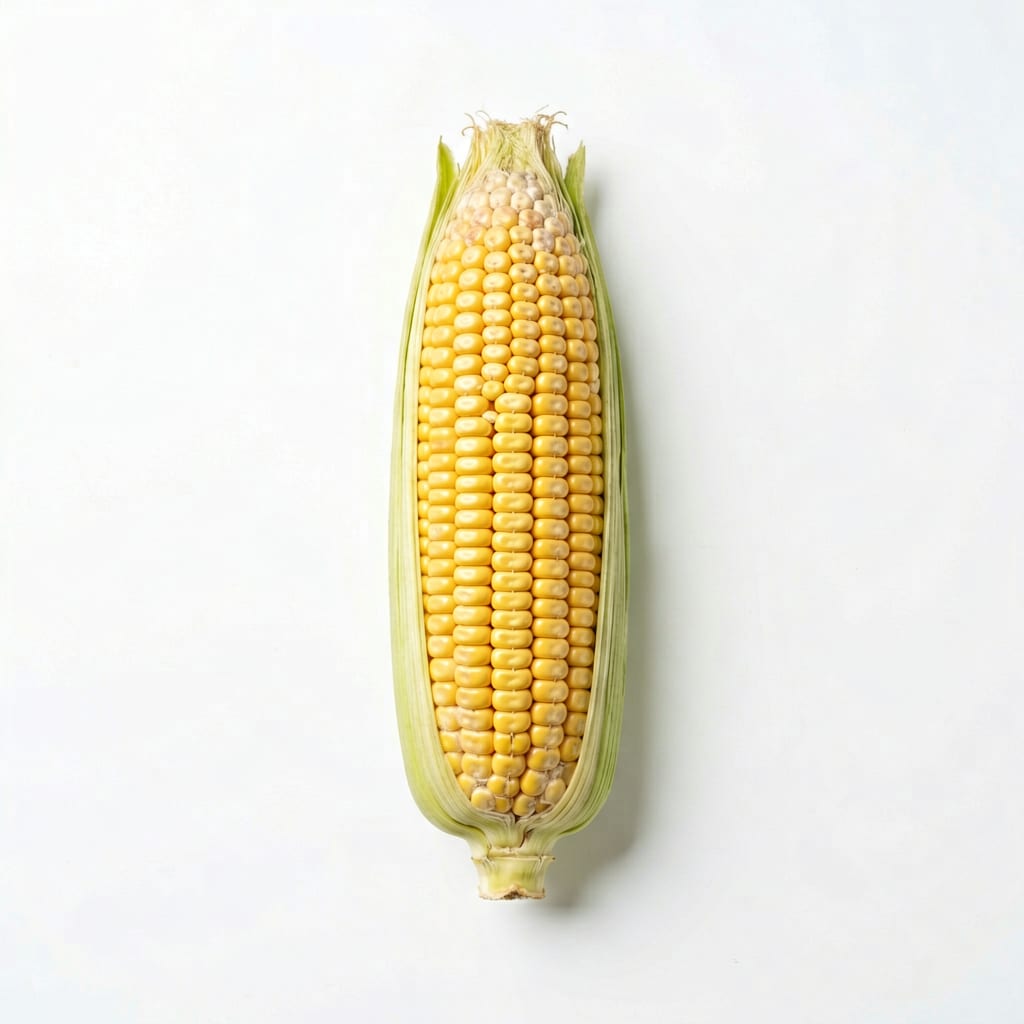
Corn
Potato fills you up more and delivers more potassium, while corn offers more fiber and eye-protecting antioxidants. Your best pick depends on what your body needs most.
Potato edges ahead slightly due to superior satiety and potassium content, but corn's fiber and antioxidant advantages keep it competitive. The close scores reflect that neither is clearly superior—context matters more than the food itself.
Satiety and potassium (Potato) versus fiber and lutein (Corn). Potato keeps you fuller; corn supports digestion and eye health better.
At a glance
Executive summary
Overall
It depends
Healthier
It depends
More practical
Potato
Daily use
It depends
Key comparison lenses
blood sugar management
Both are starchy carbs with significant glycemic impact, making blood sugar the primary concern for most users
weight loss and satiety
Users commonly choose between these as carb sources and need to understand which keeps them fuller longer
nutrient density comparison
Both are whole foods but offer very different micronutrient profiles worth understanding
digestive tolerance
Corn is notoriously harder to digest for some people, while potatoes can trigger nightshade sensitivities
everyday meal versatility
Both are staple carbs but serve very different roles in practical meal planning
Best choice for
Potato
- People prioritizing fullness and portion control
- Athletes needing quick glycogen replenishment
- Anyone low on potassium
- Those wanting a versatile, cheap base for meals
Corn
- People needing more fiber in their diet
- Those concerned about eye health and aging
- People who find potatoes too heavy or sleep-inducing
- Anyone wanting a lighter-tasting carb side
Least suitable for
Potato
- People with severe blood sugar issues who eat them baked or mashed
- Those with nightshade sensitivities
- Anyone prone to overeating starchy comfort foods
Corn
- People with difficulty digesting insoluble fiber
- Those avoiding GMO crops unless buying organic
- Anyone watching sugar intake closely
Deep comparison
Dimension by dimension
Each lens scores both foods and breaks down who each option suits.
- Dimension 1 · Priority 95It depends
blood sugar stability
Potato · 38Corn · 45Both spike blood sugar, but corn's higher fiber slows the rise somewhat. Baked potato has one of the highest glycemic indexes of any whole food.
Tradeoff
Potato digests faster and hits blood sugar harder, especially when baked or mashed. Corn has a moderate glycemic index but still requires portion awareness.
Why it matters
If you're prediabetic or managing energy crashes, preparation method matters more than which food you pick.
Real-world impact
A baked potato can cause an energy crash within 90 minutes for sensitive people. Boiled and cooled potato (with resistant starch) is dramatically gentler on blood sugar.
Potato
- Post-workout recovery when you want fast carbs
Better for
- Sedentary evenings when you don't need the glucose spike
- Breakfast if you want stable morning energy
Worse for
Corn
- Steadier energy through the afternoon
- Moderate glycemic meals for prediabetics
Better for
- Right before exercise when you need quick fuel
Worse for
- Dimension 2 · Priority 90Potato
satiety and fullness
Potato · 88Corn · 62Potato ranks as one of the most filling foods ever tested. Corn is moderately filling but less satisfying calorie for calorie.
Tradeoff
Potato's satiety advantage is massive—roughly 3x more filling per calorie than corn. But that heaviness can feel uncomfortable if you want a light meal.
Why it matters
If you're trying to eat less without feeling hungry, potato is hard to beat. If you prefer lighter meals, corn feels less oppressive.
Real-world impact
A medium baked potato with skin often eliminates snacking urges for hours. The same calories of corn leave you hungry again sooner.
Potato
- Weight loss through natural portion control
- Long work shifts without meal breaks
- Replacing higher-calorie comfort foods
Better for
- Pre-workout meals where you want light energy
- Hot days when heavy food is unappealing
Worse for
Corn
- Light summer meals when heavy food feels wrong
- Appetizer or side dish roles where you don't want fullness
Better for
- Anyone who struggles with between-meal hunger
- Calorie restriction that requires high satiety
Worse for
- Dimension 3 · Priority 82Corn
fiber and digestion
Potato · 55Corn · 78Corn delivers roughly double the fiber, especially insoluble fiber that supports regularity. Potato offers less fiber but more resistant starch when cooled.
Tradeoff
Corn's insoluble fiber is great for bowel regularity but can cause bloating in sensitive people. Potato's resistant starch feeds gut bacteria but only forms after cooking and cooling.
Why it matters
If constipation is an issue, corn is more directly helpful. If you want gut microbiome benefits, cooled potato is surprisingly powerful.
Real-world impact
Adding corn to your plate regularly can meaningfully improve transit time. Potato salad made with cooled potatoes feeds beneficial gut bacteria in a way hot potatoes don't.
Potato
- Gut microbiome support via resistant starch (when cooled)
- People with IBS who need soluble, gentler fiber
Better for
- Anyone needing a quick fiber boost from a single food
- People eating only hot potato preparations
Worse for
Corn
- Chronic constipation relief
- Increasing daily fiber intake without supplements
Better for
- Those with sensitive digestion who get bloated from insoluble fiber
- People with diverticulitis flares
Worse for
- Dimension 4 · Priority 75It depends
micronutrient profile
Potato · 72Corn · 68Potato dominates in potassium and vitamin C. Corn wins in B vitamins, magnesium, and eye-protecting lutein.
Tradeoff
Potato is a potassium powerhouse that most people desperately need more of. Corn offers lutein for eye health and more folate, which matters for certain life stages.
Why it matters
Most adults are deficient in potassium, making potato a practical solution. But if eye health or pregnancy nutrition is the priority, corn has unique value.
Real-world impact
One medium potato covers about 20% of your daily potassium—nutrient most people fall short on. Corn's lutein accumulates in your retina over years, protecting vision long-term.
Potato
- Replenishing electrolytes after sweating
- Blood pressure management through potassium intake
- Vitamin C on a budget
Better for
- Those already on potassium-restricted diets (kidney issues)
- Anyone specifically targeting lutein intake
Worse for
Corn
- Long-term eye health and macular protection
- Pregnancy nutrition needing folate
- Magnesium support for sleep and muscle recovery
Better for
- Athletes who need serious electrolyte replenishment
- Those relying on a few foods for vitamin C
Worse for
- Dimension 5 · Priority 70Potato
versatility and practicality
Potato · 85Corn · 60Potato adapts to nearly every cooking method and cuisine. Corn is more limited in how it's used and often seasonal.
Tradeoff
Potato works as mash, roast, bake, fry, soup, and more across every meal. Corn is great but narrower—mostly a side dish or snack.
Why it matters
If you cook at home and need one reliable carb staple, potato fits into more meals without getting boring.
Real-world impact
You can build an entire meal around a potato five different ways this week. Corn is more of an addition than a foundation.
Potato
- Meal prep and batch cooking
- Budget-friendly weekly staple
- Culinary variety without buying multiple carb sources
Better for
- No-cook or minimal-prep situations
- Wanting a sweet flavor element in a dish
Worse for
Corn
- Quick no-cook snacking (fresh ears)
- Adding texture and sweetness to salads and bowls
Better for
- Being the main carb foundation of a meal
- Cooking variety week after week
Worse for
Timeline
Health impact over time
Short-term
Hours to days
Potato
- Quick energy from easily digested starch, especially when baked
- Strong satiety that reduces snacking for 2-3 hours
- Possible blood sugar spike followed by mild crash in sensitive individuals
- Comforting, warm-meal satisfaction that supports emotional eating positively
Corn
- Moderate energy release with less dramatic blood sugar swings
- Gentle digestive stimulation from insoluble fiber
- Possible bloating or gas if you're not used to high-fiber foods
- Lighter feeling after eating compared to potato
Long-term
Months to years
Potato
- Improved potassium intake supporting blood pressure and heart health
- Resistant starch from cooled potatoes may reduce colon cancer risk
- Consistent overconsumption of large portions can contribute to weight gain
- Nightshade compounds may aggravate joint pain in susceptible individuals
Corn
- Lutein accumulation supporting macular health and reducing AMD risk
- Higher fiber intake linked to lower colorectal cancer risk
- Regular consumption of conventionally grown corn increases pesticide exposure
- Whole grain benefits including improved cholesterol over time
Risk profile
Safety & processing
Both are whole, minimally processed foods when bought fresh. The main concern is that most corn in the US is genetically modified, while potatoes are more commonly conventional. Both can be found organic if that matters to you.
Potato
Solanine toxicity from green or sprouted potatoes
mediumGreen spots and sprouts contain solanine, which can cause nausea and headaches. Always cut away green areas and sprouts before cooking.
Acrylamide formation during high-heat cooking
mediumFrying or baking at very high temperatures creates acrylamide, a probable carcinogen. Boiling and steaming avoid this entirely.
Pesticide residue on conventionally grown potatoes
lowPotatoes are on the EWG's Dirty Dozen list. Peeling reduces residue significantly, but you lose fiber and nutrients.
Corn
GMO crop exposure
lowOver 90% of US corn is genetically modified. While current evidence doesn't show health harm, some consumers prefer to avoid GMOs. Choose organic to guarantee non-GMO.
Mycotoxin contamination in stored corn
lowCorn is susceptible to fungal toxins during storage. Buying fresh and storing properly minimizes this risk significantly.
Allergic potential
lowCorn allergy is uncommon but can cause reactions ranging from hives to anaphylaxis in sensitive individuals.
Who wins for whom
Audience fit
Same foods, different winners depending on your goal.
children
PotatoKids generally accept potato more readily, and the potassium supports growing bodies. Mashed or roasted potato is an easy win for picky eaters who refuse most nutritious foods.
daily consumption
It dependsRotating both gives you the broadest nutrient coverage. Potato covers potassium and satiety needs; corn covers fiber and eye health. Daily reliance on just one leaves nutritional gaps.
diabetes
CornCorn's moderate glycemic index and higher fiber create a gentler blood sugar response. That said, both require portion control, and cooled potato with resistant starch narrows the gap.
elderly
CornCorn's lutein supports aging eyes, and its fiber helps with the constipation that commonly affects older adults. The softer texture of corn is also easier to chew for dental issues.
muscle gain
PotatoPotato's faster-digesting carbs and higher potassium support glycogen replenishment and recovery after training. Many strength athletes prefer it as a carb source.
weight loss
PotatoPotato's exceptional satiety per calorie makes it easier to eat less overall. You feel full longer, which naturally reduces snacking. Just watch preparation—fries don't count.
Your move
Decision guide
Choose Potato
- You want to stay full for hours without overeating
- You're active and need efficient carb fuel
- Blood pressure management is a priority through potassium
- You cook at home and want one versatile carb staple
- You struggle with constipation from low potassium intake
Choose Corn
- You need more fiber in your diet consistently
- Eye health and lutein intake matter to you
- You find potatoes too heavy or sleep-inducing
- You want a lighter carb that won't weigh you down
- You're eating for gut regularity and digestive motility
Either works if
- You're a healthy active person who rotates carb sources
- You eat a varied diet and neither is your sole starch
- You're cooking for a group with different preferences
- Both fit your calorie and carb budget for the day
Avoid both if
- You're on a strict very-low-carb or keto diet
- You have uncontrolled blood sugar and haven't mastered portion control for starchy foods
- You're sensitive to both nightshades and high-fiber grains simultaneously
Final recommendation
Eat both, but let your body and goals decide the ratio. Lean toward potato when satiety and potassium matter most—weight loss phases, active days, post-workout meals. Lean toward corn when you need fiber, lighter meals, or eye health support. The smartest approach is rotating them weekly rather than picking a permanent winner. And always cool your potatoes before eating when possible—that one trick transforms their blood sugar impact.
Practical
Consumer tips
- 1
Cool cooked potatoes in the fridge for 24 hours to double their resistant starch content—this significantly reduces the blood sugar spike and feeds beneficial gut bacteria
- 2
Buy organic corn if you want to avoid GMOs, since conventional corn is overwhelmingly genetically modified in the US
- 3
Leave potato skins on for roughly 50% more fiber and potassium—peeling throws away the most nutritious part
- 4
Boil or steam potatoes instead of baking to lower the glycemic index by roughly 25-30 points
- 5
Pair either food with protein and healthy fat to blunt the blood sugar response—potato with eggs or corn with beans works well
- 6
Cut away any green spots on potatoes before cooking to avoid solanine, which can cause headaches and nausea
- 7
Fresh corn on the cob loses sweetness rapidly after harvest—buy local and eat within 2 days for best flavor and nutrient retention