
Nutrition comparison
Potato vs Oats: Which Carb Is Better for Energy, Weight Loss, and Heart Health?
Compare potatoes and oats on blood sugar impact, satiety, heart health, and daily usability. Learn when each carb source is the smarter choice for your goals.
Overall winner · Oats
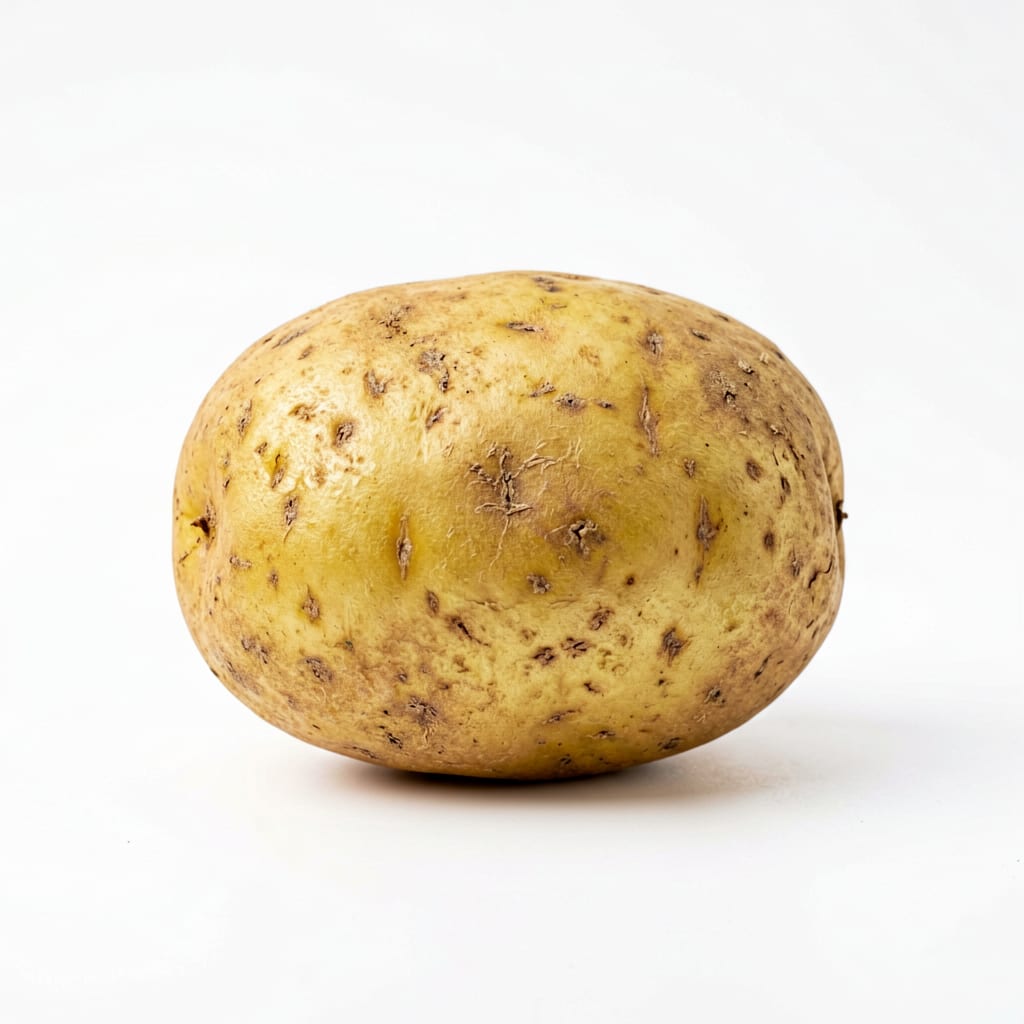
Potato
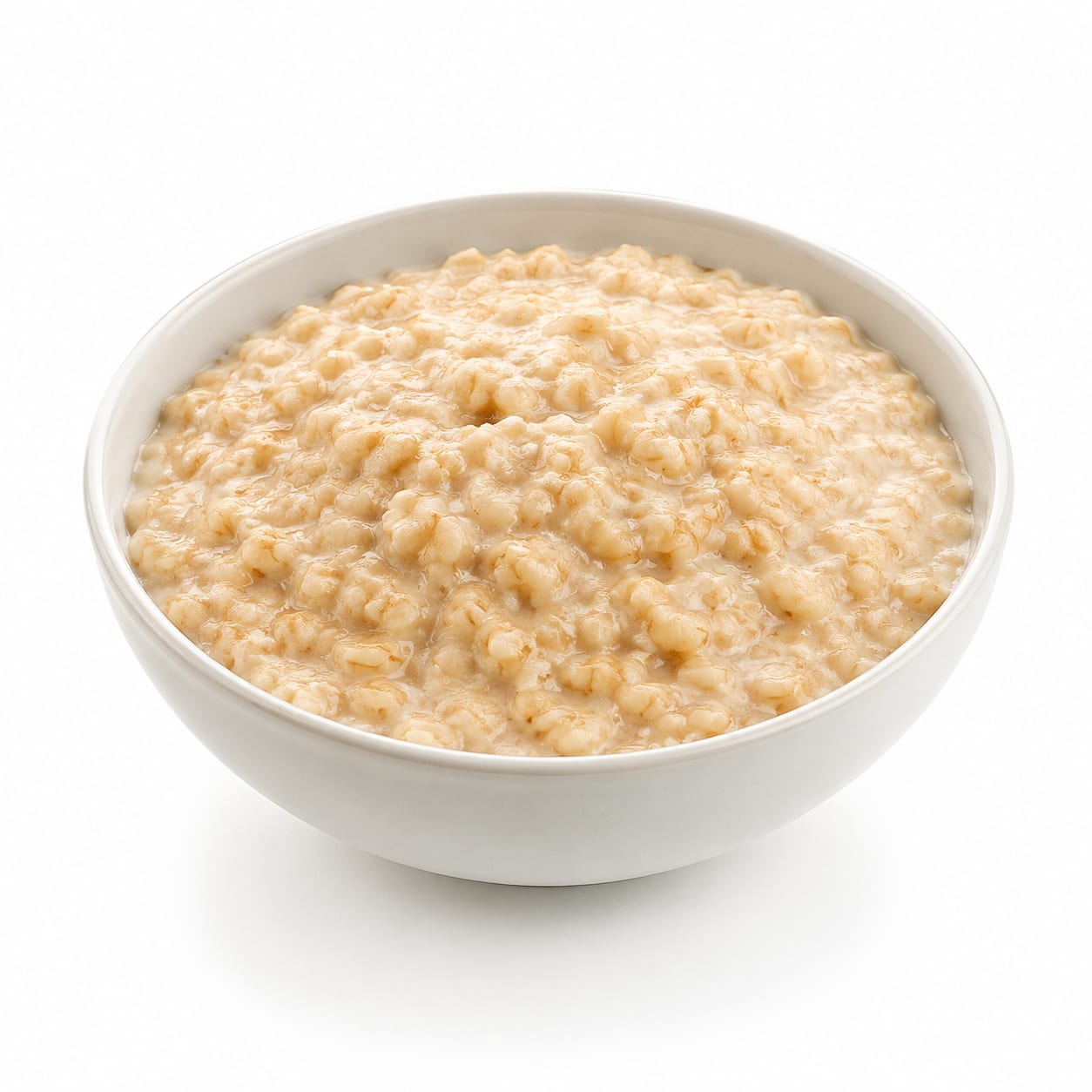
Oats
Oats deliver steadier energy, better blood sugar control, and heart-protective fiber, making them the smarter daily choice for most people.
Oats score significantly higher due to superior fiber content, blood sugar stability, and heart health benefits. Potatoes remain nutritionally valuable but their high glycemic impact and lower satiety pull them down for everyday use.
Potatoes offer faster energy and more potassium but spike blood sugar harder, while oats keep you fuller longer and actively protect your heart.
At a glance
Executive summary
Overall
Oats
Healthier
Oats
More practical
It depends
Daily use
Oats
Key comparison lenses
blood sugar management
Potatoes and oats have dramatically different glycemic impacts, making this the most critical differentiator for most users
sustained energy and satiety
Oats provide longer-lasting fullness while potatoes digest faster, directly affecting hunger patterns and snacking behavior
heart health and cholesterol
Oats contain beta-glucan fiber which actively lowers cholesterol, while potatoes offer no similar cardiovascular benefit
daily breakfast staple selection
Many users are choosing between these as a morning carb source, where preparation method and satiety timeline matter enormously
post-workout recovery
Potatoes are surprisingly effective for glycogen replenishment after intense exercise, a niche where they outperform oats
Best choice for
Potato
- Post-workout glycogen replenishment
- Potassium-boosting needs
- Budget-conscious bulk meals
- Savory meal bases and side dishes
Oats
- Steady morning energy without crashes
- Cholesterol management
- Blood sugar control
- Long-lasting satiety between meals
Least suitable for
Potato
- Diabetics seeking stable glucose
- Low-carb or keto diets
- People prone to afternoon energy crashes
Oats
- Gluten-sensitive or celiac individuals (unless certified gluten-free)
- Those needing rapid post-workout carb absorption
- People who find oat texture unappealing and skip breakfast entirely
Deep comparison
Dimension by dimension
Each lens scores both foods and breaks down who each option suits.
- Dimension 1 · Priority 95Oats
Blood Sugar Stability
Potato · 35Oats · 82Oats digest slowly and release glucose gradually, while potatoes cause rapid blood sugar spikes followed by crashes.
Tradeoff
Potatoes give you quick energy but at the cost of metabolic volatility; oats sacrifice speed for stability.
Why it matters
Blood sugar rollercoasters drive cravings, fatigue, and long-term insulin resistance. Steady glucose means fewer energy dips and less snacking.
Real-world impact
A potato breakfast often leaves you hungry again by 10am, while oatmeal can carry you comfortably to lunch.
Potato
- Immediate pre-workout fueling
- Recovering from hypoglycemia
Better for
- Diabetics without medication support
- People who experience reactive hypoglycemia
Worse for
Oats
- Sustained focus through morning meetings
- Avoiding mid-afternoon energy crashes
- Managing prediabetes or insulin resistance
Better for
- Endurance athletes mid-event needing quick carbs
Worse for
- Dimension 2 · Priority 90Oats
Satiety and Fullness
Potato · 55Oats · 85Oats keep you full for hours thanks to soluble fiber that forms a gel in your gut, while potatoes digest faster despite their physical bulk.
Tradeoff
Potatoes feel filling in the moment but that fullness fades within 1-2 hours. Oats build slower satisfaction that lasts 3-4 hours.
Why it matters
Lasting satiety prevents overeating and makes it easier to stick to healthy portions without willpower battles.
Real-world impact
After a potato lunch, you are more likely to reach for a snack by 3pm. After an oat-based breakfast, you may forget about food until noon.
Potato
- Large satisfying meals on a budget
Better for
- People who snack excessively between meals
Worse for
Oats
- Weight management without feeling deprived
- Busy mornings when you cannot snack
- Reducing late-night cravings starting with a good breakfast
Better for
- Those wanting a light meal before exercise
Worse for
- Dimension 3 · Priority 85Oats
Heart Health
Potato · 45Oats · 90Oats contain beta-glucan, a unique soluble fiber clinically proven to lower LDL cholesterol. Potatoes have no equivalent heart-protective mechanism.
Tradeoff
Potatoes offer potassium which helps blood pressure, but oats actively reduce cholesterol and improve arterial health through multiple pathways.
Why it matters
Heart disease remains the leading cause of death globally. Daily oat consumption is one of the simplest evidence-based interventions available.
Real-world impact
Eating oats daily can lower LDL cholesterol by 5-10% over several weeks, a meaningful reduction from a simple breakfast swap.
Potato
- Blood pressure management through potassium intake
Better for
- People with elevated cholesterol seeking dietary intervention
Worse for
Oats
- Reducing LDL cholesterol
- Improving arterial flexibility
- Long-term cardiovascular disease prevention
Better for
- No significant downside for heart health
Worse for
- Dimension 4 · Priority 80It depends
Nutrient Density
Potato · 70Oats · 75Oats win on iron, magnesium, zinc, and B-vitamins. Potatoes win on potassium, vitamin C, and vitamin B6. Both offer distinct nutritional profiles.
Tradeoff
You choose between oats' mineral richness and potatoes' electrolyte and vitamin C contribution. Neither is nutritionally complete alone.
Why it matters
Micronutrient gaps accumulate over time. Understanding which food fills which gap helps you build balanced meals intentionally.
Real-world impact
If you are low on iron or magnesium, oats help more. If you need potassium for muscle cramps or blood pressure, potatoes are the better pick.
Potato
- Replenishing potassium after sweating
- Getting vitamin C alongside starch
- Supporting electrolyte balance
Better for
- Those needing iron-rich foods
Worse for
Oats
- Boosting iron intake, especially for vegetarians
- Improving magnesium status for sleep and muscle recovery
- Supporting nervous system with B-vitamins
Better for
- Those needing potassium-dense recovery food
Worse for
- Dimension 5 · Priority 75Potato
Post-Workout Recovery
Potato · 82Oats · 60Potatoes digest quickly and spike insulin effectively, which is exactly what you want after intense exercise to shuttle nutrients into muscles.
Tradeoff
The same rapid digestion that makes potatoes problematic at rest makes them excellent for recovery when your body is primed to use glucose.
Why it matters
Post-workout nutrition timing affects glycogen restoration, muscle repair, and how quickly you recover for your next session.
Real-world impact
After a hard workout, a potato replenishes depleted glycogen faster than oats, reducing next-day fatigue and soreness.
Potato
- Rapid glycogen restoration after endurance training
- Quick carb-protein meals after heavy lifting
- Athletes needing fast refueling between sessions
Better for
- Sedentary days when quick carbs become stored fat
Worse for
Oats
- Light workout days where sustained energy matters more
Better for
- Competitive athletes needing rapid recovery windows
Worse for
- Dimension 6 · Priority 70Potato
Versatility and Meal Integration
Potato · 85Oats · 65Potatoes work across breakfast, lunch, and dinner in countless savory dishes. Oats are largely confined to breakfast and sweet preparations.
Tradeoff
Potatoes adapt to nearly any cuisine and meal, while oats are more limited but excel in their breakfast niche.
Why it matters
A food you can integrate into multiple meals is easier to eat consistently, which matters more than perfection for a single meal.
Real-world impact
You can roast, mash, bake, or fry potatoes for any meal. Oats mostly show up as porridge or granola, limiting their daily utility.
Potato
- Family meals needing universal appeal
- Cooking across multiple meal times
- Adapting to various cultural cuisines
Better for
- No significant versatility downside
Worse for
Oats
- Quick no-cook breakfasts with overnight preparation
- Meal prep where you make one batch for the week
Better for
- People wanting carb variety beyond breakfast
Worse for
Timeline
Health impact over time
Short-term
Hours to days
Potato
- Quick energy boost within 30-60 minutes of eating
- Possible hunger return within 1-2 hours after a plain potato meal
- Blood sugar spike followed by a dip, especially with mashed or baked potatoes
- Immediate potassium replenishment after sweating
Oats
- Gradual energy release over 2-3 hours without crashes
- Comforting warm fullness from oatmeal that sustains through the morning
- Gentle digestive soothing from soluble fiber
- Stable mood and focus without sugar-driven irritability
Long-term
Months to years
Potato
- Frequent high-GI meals may increase type 2 diabetes risk over years
- Consistent potassium intake supports healthy blood pressure long-term
- Preparation method matters enormously: fried potatoes carry very different risks than boiled
- Possible contribution to metabolic syndrome if eaten as fries or chips regularly
Oats
- Daily oat consumption reduces LDL cholesterol by 5-10% over months
- Beta-glucan supports healthy gut microbiome diversity with regular intake
- Lower long-term cardiovascular disease risk supported by extensive research
- Sustained fiber intake improves bowel regularity and reduces colon cancer risk
Risk profile
Safety & processing
Both whole potatoes and plain rolled oats are minimally processed whole foods. The risk comes from how they are prepared: instant oat packets often contain added sugars and flavors, while potatoes become problematic when fried or loaded with butter and sour cream. Stick to plain rolled or steel-cut oats and baked or boiled potatoes for the cleanest option.
Potato
Glycoalkaloid toxicity (solanine)
lowGreen or sprouted potatoes contain elevated solanine which can cause digestive distress and neurological symptoms. Always cut away green areas and discard sprouted potatoes.
Acrylamide formation
mediumFrying or roasting potatoes at high temperatures creates acrylamide, a probable carcinogen. Boiling and steaming avoid this risk entirely.
Pesticide residue
mediumPotatoes consistently appear on the Dirty Dozen list due to pesticide residues concentrated in the skin. Peeling reduces exposure significantly, but you lose fiber and nutrients.
Oats
Gluten cross-contamination
mediumOats are naturally gluten-free but frequently processed in facilities that handle wheat. Celiacs must choose certified gluten-free oats to avoid reactions.
Avenin sensitivity
lowA small percentage of celiacs react to avenin, a protein in oats similar to gluten. Most tolerate certified gluten-free oats well, but monitoring is advised.
Mycotoxin contamination
lowGrains including oats can carry mycotoxins from fungal growth during storage. Buying from reputable brands and storing in cool, dry conditions minimizes risk.
Who wins for whom
Audience fit
Same foods, different winners depending on your goal.
children
It dependsPotatoes are often more accepted by picky eaters and provide potassium for growth, while oats offer better sustained energy for school mornings. Both have a place in a child's diet.
daily consumption
OatsDaily oat consumption has proven cumulative health benefits, while daily potato consumption without careful preparation can contribute to metabolic issues over time.
diabetes
OatsOats have a significantly lower glycemic load and beta-glucan slows glucose absorption, making blood sugar management far easier.
elderly
OatsOats support heart health and cholesterol management which becomes critical with age, and their soluble fiber is gentler on aging digestive systems.
muscle gain
PotatoPotatoes deliver faster-digesting carbs that pair well with protein for post-workout muscle recovery and glycogen replenishment.
weight loss
OatsOats provide longer satiety with fewer calories per serving of sustained energy, reducing overall daily intake naturally without hunger battles.
Your move
Decision guide
Choose Potato
- You need fast post-workout carb replenishment
- You are struggling with low potassium or muscle cramps
- You want a versatile carb that works across all meals
- You are on a tight budget and need filling calories
- You are physically active and burn through carbs quickly
Choose Oats
- You want steady energy that lasts through the morning
- You are managing cholesterol or cardiovascular risk
- You need better blood sugar control
- You want a simple daily breakfast that supports long-term health
- You tend to snack between meals and need more staying power
Either works if
- You are a healthy active person who tolerates carbs well
- You rotate carb sources throughout the week for variety
- You pair either food with protein and healthy fats to balance the meal
Avoid both if
- You are on a strict ketogenic or very-low-carb diet
- You have severe insulin resistance unmanaged by medication
- You cannot tolerate either food without digestive discomfort
Final recommendation
Make oats your daily default, especially at breakfast, for the compounding heart and blood sugar benefits. Add potatoes strategically around workouts or as an occasional side dish, always boiled or baked, never fried. This combination gives you the best of both: oats for steady health, potatoes for performance moments.
Practical
Consumer tips
- 1
Choose steel-cut or rolled oats over instant packets, which are more processed and spike blood sugar faster
- 2
Cooling cooked potatoes creates resistant starch, which lowers their glycemic impact and feeds beneficial gut bacteria
- 3
Eat the potato skin when possible to get triple the fiber and more potassium, but choose organic to reduce pesticide exposure
- 4
Pair either food with protein and healthy fat: eggs with oats, or chicken with potatoes, to slow digestion and stabilize blood sugar further
- 5
Avoid french fries and potato chips as your primary potato form, as the high-heat frying creates acrylamide and adds inflammatory oils
- 6
If you have celiac disease, always buy certified gluten-free oats to avoid cross-contamination
- 7
Overnight oats require zero morning prep and improve digestibility by soaking the grains overnight