
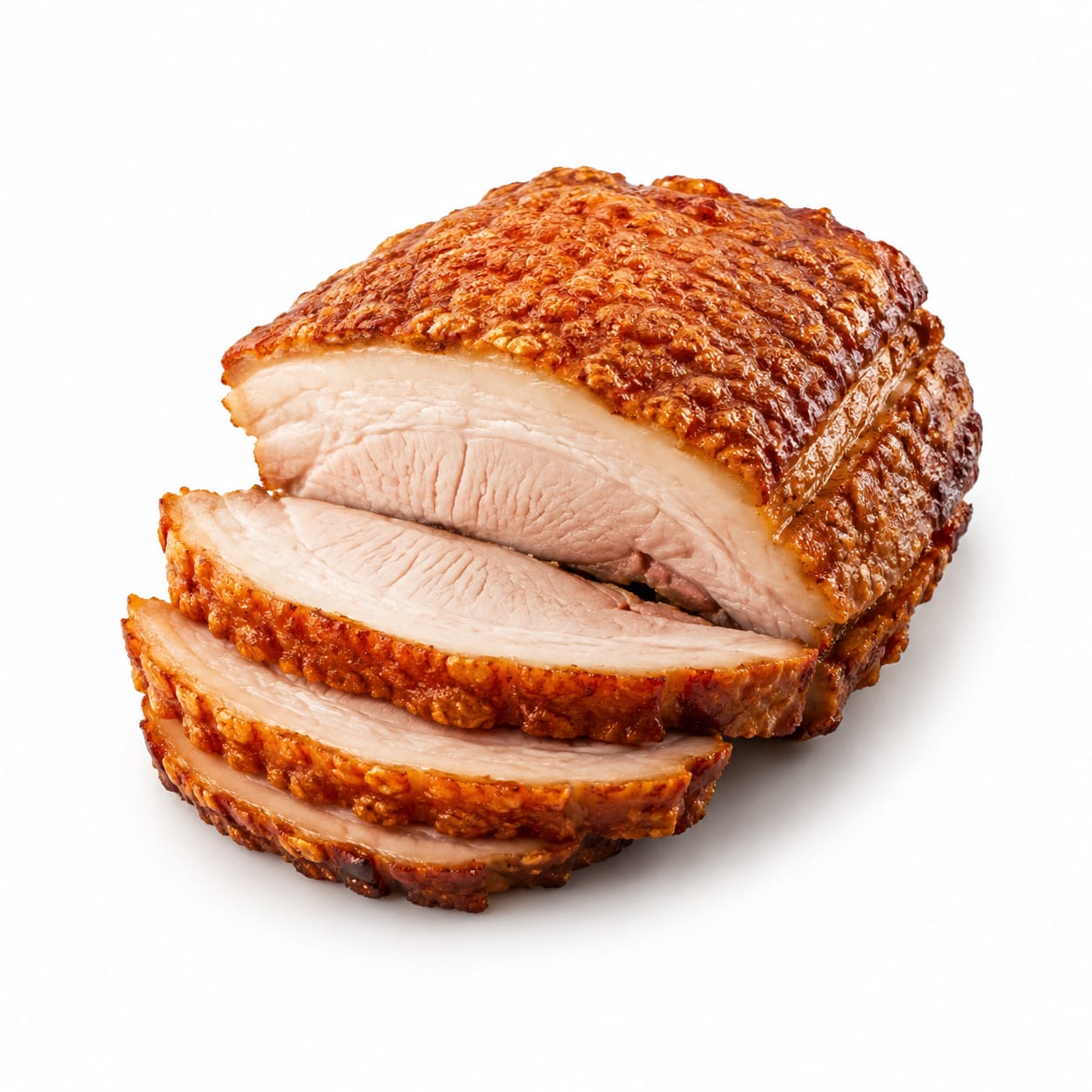
Meat
Pork
A versatile red meat rich in high-quality protein and B vitamins, commonly consumed worldwide in various cuts and preparations.
Pork is the culinary name for meat from the domestic pig. It is one of the most widely consumed meats globally, available in various cuts ranging from lean tenderloin to fatty pork belly, offering high-quality protein and essential B vitamins.
protein-dense animal food
Typical serving · 113g
Common varieties · tenderloin, loin chop, pork belly, shoulder (butt), ribs +2 more
Overall context score across nutrition, safety, and diet fit
At a glance
Quick facts
Simple indicators based on nutrition, processing, and diet fit.
The story
What makes it unique
Pork is a complete protein source with high digestibility and a moderate to high fat content depending on the cut. It digests at a moderate rate, providing sustained satiety primarily through protein and fat. Rich in thiamine, zinc, and selenium, its nutritional profile varies significantly between lean cuts like tenderloin and fatty cuts like belly.
Varieties: tenderloin · loin chop · pork belly · shoulder (butt) · ribs · ham · bacon
Per 100g
Nutrition breakdown
Macro balance and key metrics at a glance.
Energy
Density 1.43 kcal/g
Protein
Carbs
Fat
Fiber
Sugar
0 g
Sodium
50 mg
Potassium
350 mg
Glycemic index
0
Glycemic load
0
Water content
73%
Standout compounds
Nutrient highlights
Thiamine (Vitamin B1)
highEssential for glucose metabolism and nerve, muscle, and heart function.
Protein
highProvides all essential amino acids needed for muscle growth and tissue repair.
Selenium
highActs as a powerful antioxidant protecting cells from damage and supporting thyroid function.
Zinc
moderateCrucial for immune system function, wound healing, and DNA synthesis.
Vitamin B6
moderateInvolved in protein metabolism, cognitive development, and immune function.
Wellness map
Health scores & processing
NOVA processing scale
minimally processed · Whole food
Fresh raw pork cuts are unprocessed animal tissue. However, many popular pork products like bacon, sausage, and ham are highly processed (Nova 4) and contain added sodium and nitrates.
Diet compatibility
- Weight loss
- Muscle gain
- Diabetes
- Gut health
- Low carb
- High protein
- Heart health
Relative standing
Food rankings
Qualitative ranks compared to similar whole foods.
- Satietyexcellent
- Blood sugarexcellent
- Nutrient densitygood
- Fitness fuelexcellent
- Processing qualitygood
Eat with confidence
Food safety profile
Raw pork requires careful handling and thorough cooking to eliminate parasites and pathogenic bacteria. Conventional farming often uses antibiotics, making organic or antibiotic-free labels relevant for concerned consumers.
Evidence confidence 85%
- Pesticideslow
- Antibioticsmoderate
- Heavy metalslow
- Contaminationmoderate
Watch for
- Salmonella
- Trichinella spiralis
- Yersinia enterocolitica
Safer choices
Organic, pasture-raised, or antibiotic-free pork cuts
Prep tips
Do not wash raw pork to avoid cross-contamination. Cook to an internal temperature of 145°F (63°C) followed by a 3-minute rest.
Routine antibiotic use in conventional industrial pork farming contributes to antimicrobial resistance concerns.
Deep dive
Health analysis
How this food may fit different goals and preparation choices.
Weight loss
Lean cuts like tenderloin and loin chops are highly effective for weight loss due to high protein content and low calorie density, promoting strong satiety.
Blood sugar
Contains zero carbohydrates, resulting in no direct blood sugar spike. High protein helps stabilize glucose levels when paired with carbohydrate foods.
Fitness & energy
Provides a sustained source of amino acids for muscle repair and growth. Rich in creatine and taurine, supporting physical performance and energy metabolism.
Gut health
Lacks dietary fiber, offering no direct prebiotic benefits. Heavily processed pork products like sausage may negatively impact gut microbiome diversity due to additives and saturated fat.
Processing quality
Fresh pork is a whole food, but popular cured and smoked variants (bacon, ham) are ultra-processed, containing high sodium and preservatives linked to health risks.
Food safety
Must be cooked thoroughly to prevent foodborne illness. Risk of antibiotic-resistant bacteria is higher in conventional farming compared to organic operations.
Common mistakes
Overcooking lean cuts until dry, assuming all pork is inherently fatty, and equating processed bacon or sausage with the nutritional value of fresh pork loin.
Best preparation
Grilling, roasting, and slow-cooking. Lean cuts benefit from quick, high-heat cooking to retain moisture, while tough, fatty cuts require low and slow braising.
Practical guide
Best use cases
When and how this food fits real eating patterns.
post-workout recovery
High-quality complete protein supports muscle protein synthesis and repair after resistance training.
low-carb dinner base
Zero carbohydrate content makes it an ideal staple for ketogenic and low-carb meal plans.
high-volume low-calorie meals
Lean cuts like tenderloin offer high protein and satiety for relatively few calories, aiding portion control.
B-vitamin boost
Pork is the richest dietary source of thiamine (vitamin B1), essential for energy metabolism and nerve function.
Balance sheet
Pros & cons
Upsides
- Excellent source of complete, high-quality protein
- Richest meat source of thiamine (Vitamin B1)
- Zero carbohydrates, making it highly blood-sugar friendly
- Highly versatile with cuts ranging from very lean to highly marbled
- Rich in bioavailable minerals like zinc and selenium
Trade-offs
- Popular cuts (belly, ribs, bacon) are very high in saturated fat and calories
- Processed pork products are linked to increased cancer and heart disease risk
- Conventional farming relies heavily on antibiotics, raising resistance concerns
- Requires strict cooking temperatures to ensure food safety
- Lacks dietary fiber, offering no direct gut microbiome benefits
Fit check
Who is it for?
Great match
- high-protein diets
- low-carb and ketogenic diets
- post-workout muscle recovery
- weight loss (if lean cuts are chosen)
Consider alternatives
- plant-based or vegan diets
- low-sodium diets (if consuming processed pork)
- strict low-fat diets (if consuming fatty cuts)
- those with alpha-gal syndrome (red meat allergy)
Side by side
How it compares
Open the full head-to-head analysis for nutrition, safety, and practical tradeoffs.
This food
Pork
VS90% alike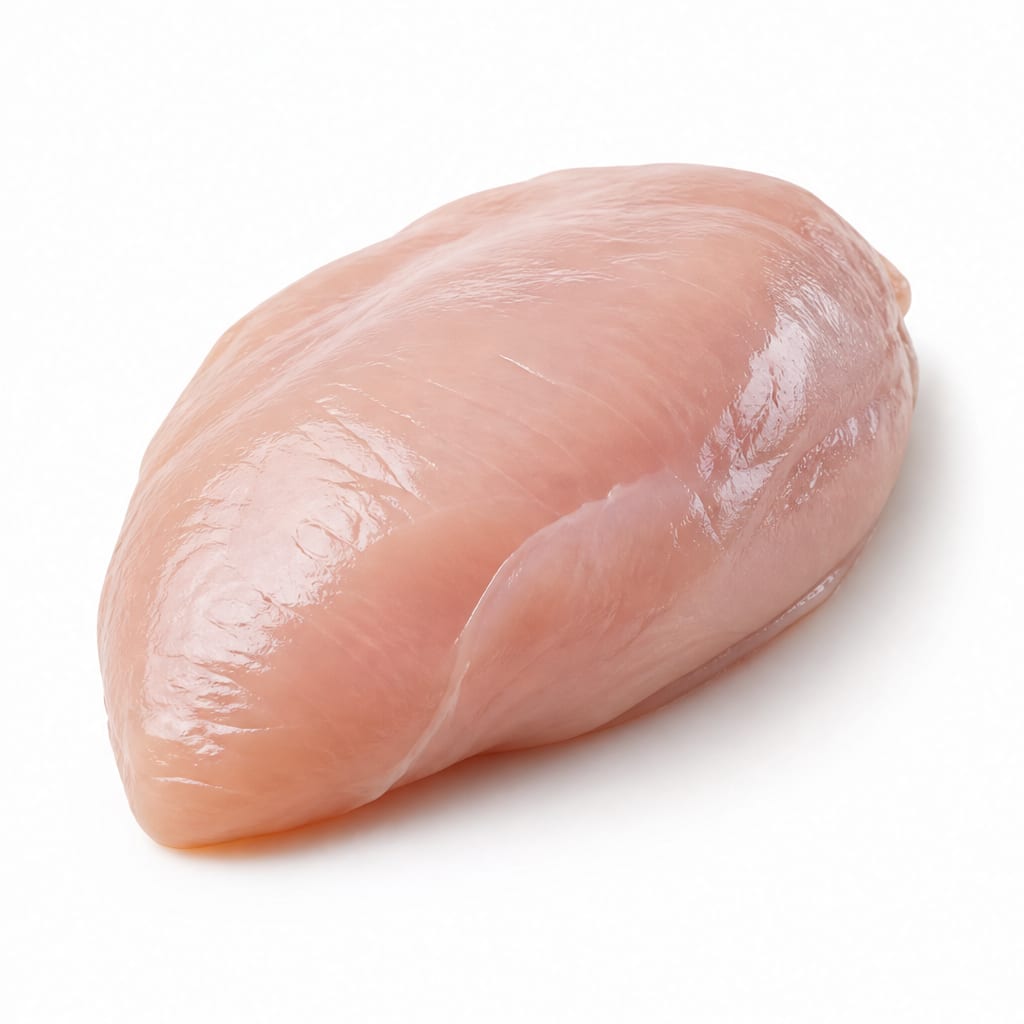
Compare with
Chicken Breast
Chicken breast is lower in fat and calories than average pork, but lean pork tenderloin is nutritionally nearly identical. Pork provides significantly more thiamine.
Chicken breast is slightly lower in calories than average pork, but lean pork tenderloin is just as lean and provides far more B vitamins.
This food
Pork
VS85% alike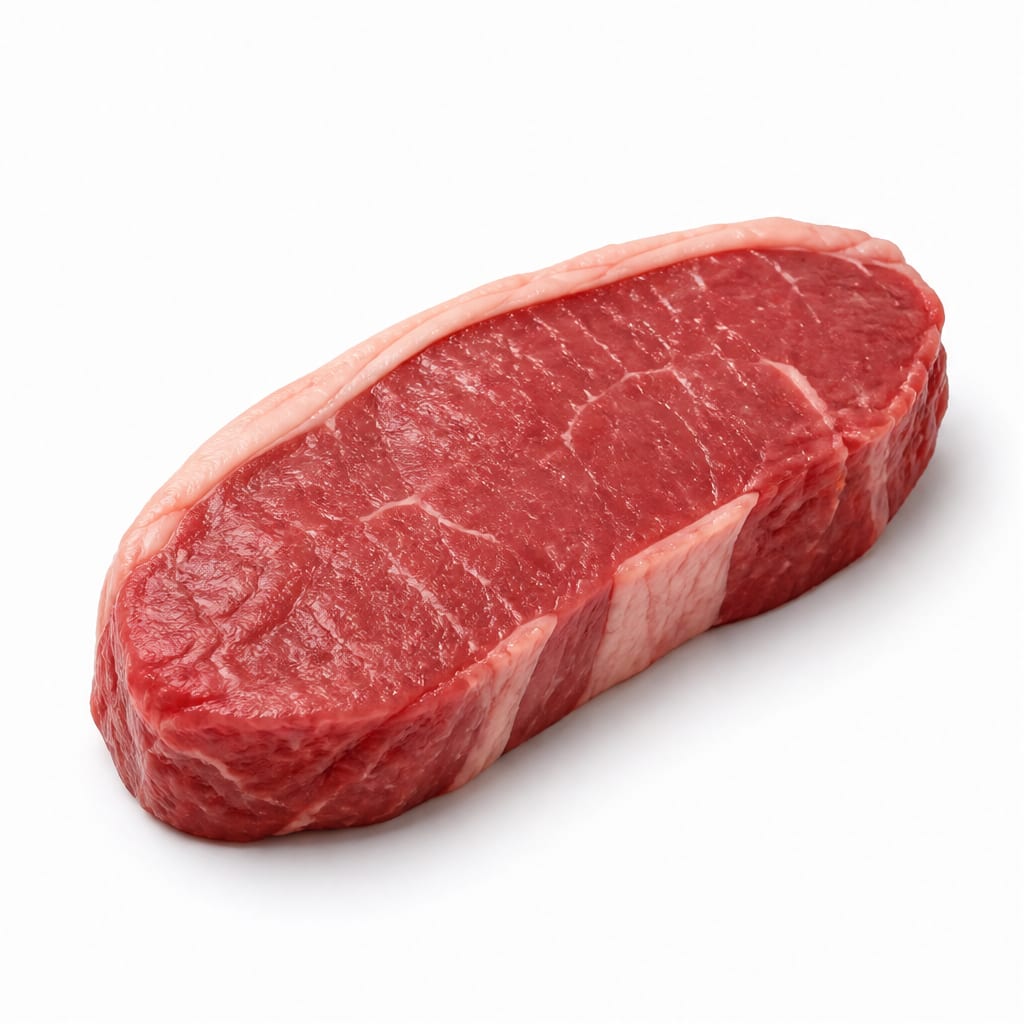
Compare with
Beef Sirloin
Beef provides more iron and B12, while pork provides more thiamine. Lean pork cuts generally have slightly less saturated fat than beef sirloin.
Lean pork generally has less saturated fat than beef sirloin, making it slightly better for weight loss, though beef offers more iron.
This food
Pork
VS85% alike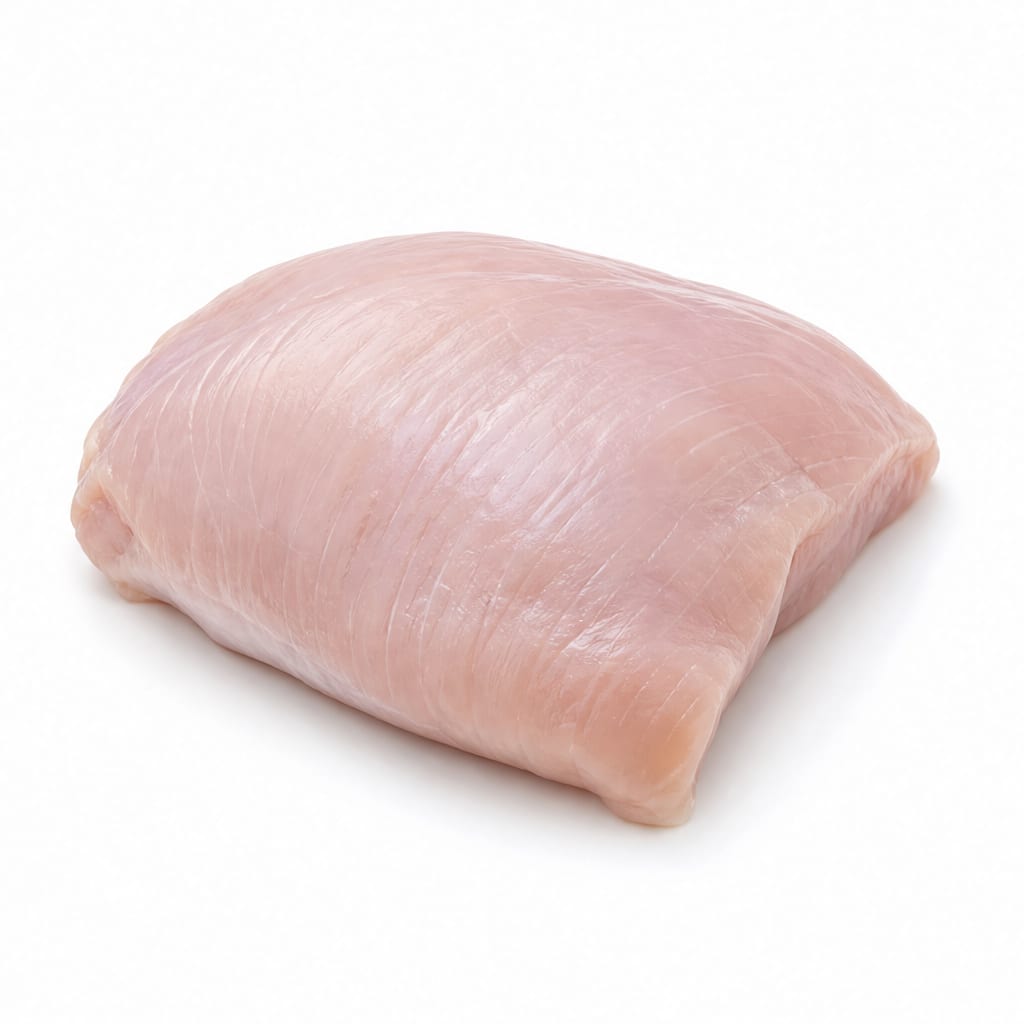
Compare with
Turkey Breast
Turkey breast is slightly leaner than even pork tenderloin and higher in tryptophan, but pork offers a broader and denser B-vitamin profile.
Turkey breast is marginally lower in fat and calories than lean pork, but both are excellent high-protein, zero-carb options.
This food
Pork
VS80% alike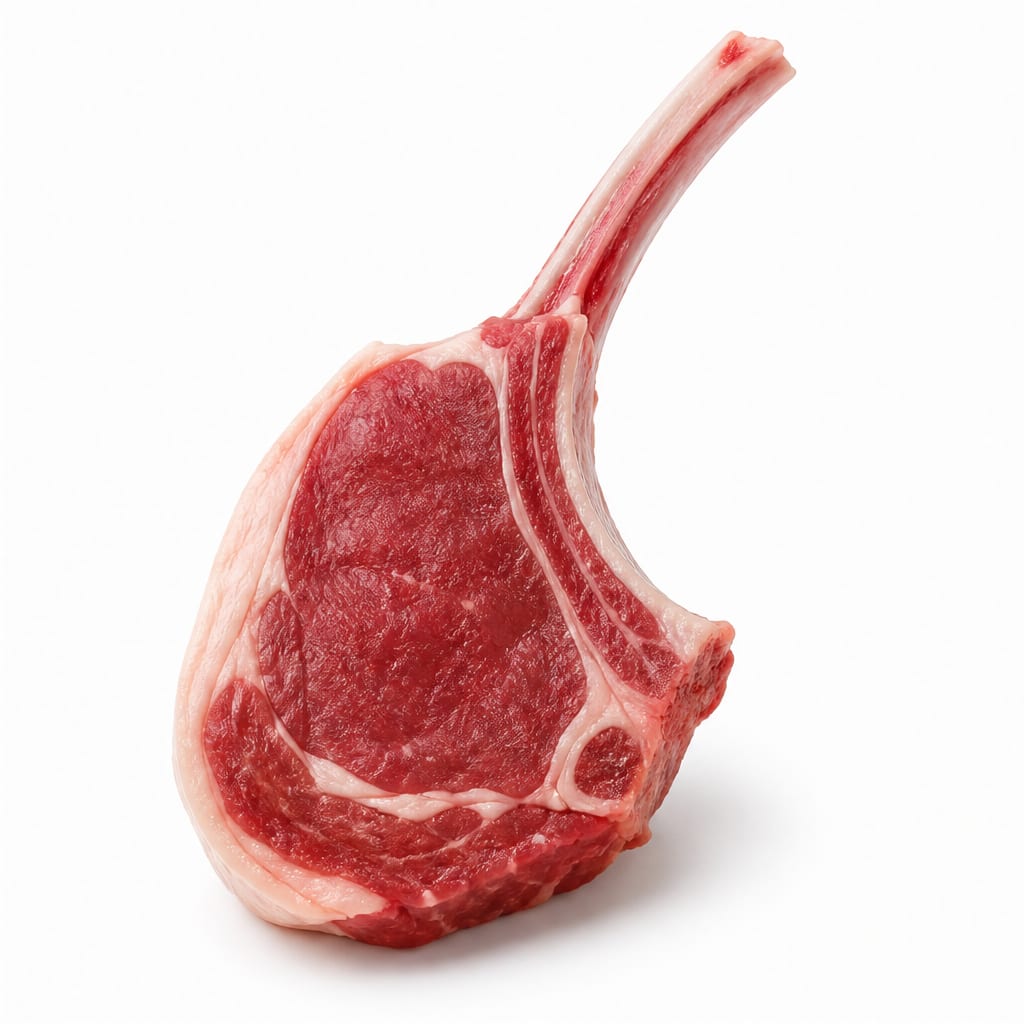
Compare with
Lamb Chop
Lamb is typically higher in saturated fat and calories than lean pork cuts. Both are rich in B vitamins and minerals, but pork is more versatile for low-fat diets.
Lean pork is significantly lower in fat and calories than lamb, making it a better choice for weight management while maintaining high protein.
This food
Pork
VS70% alike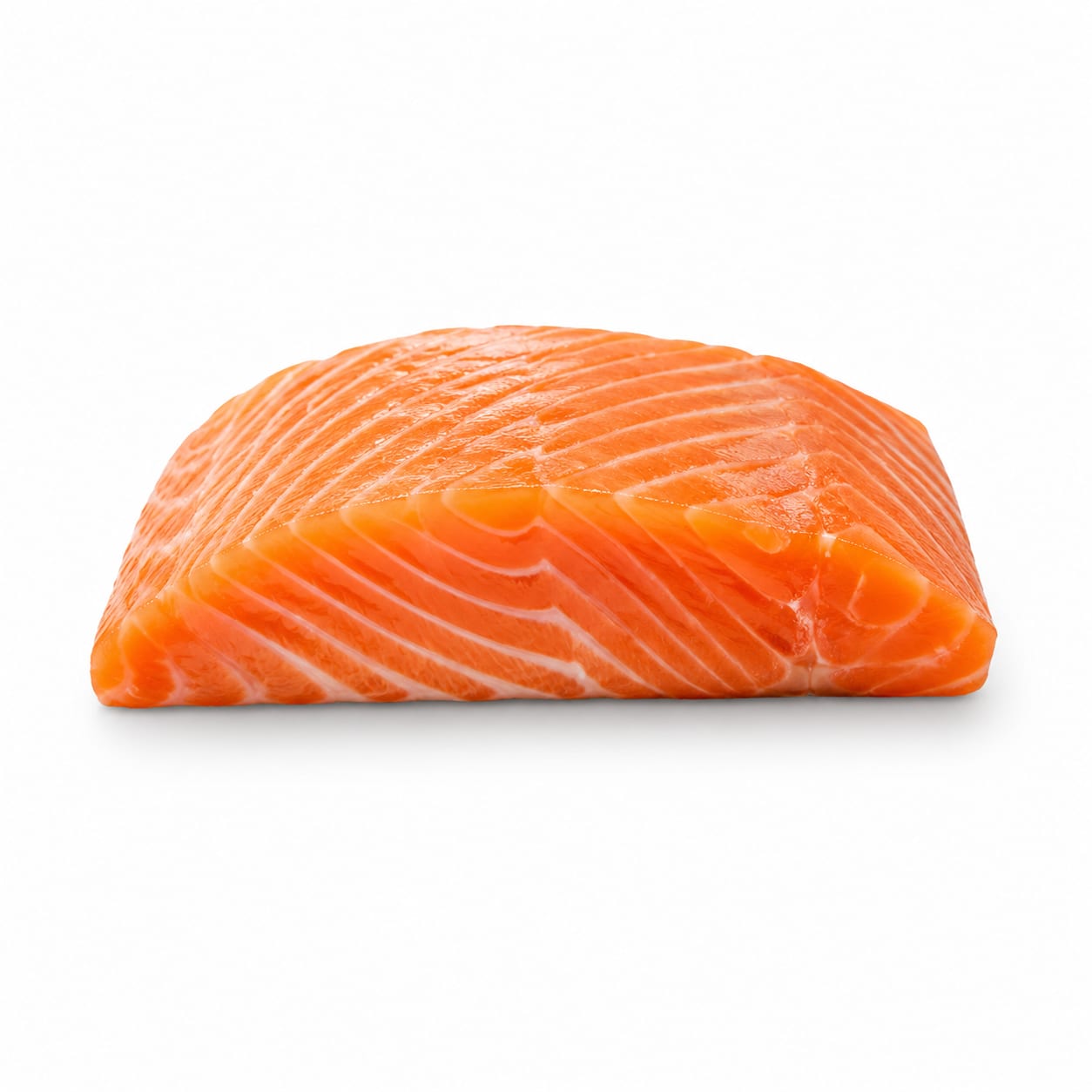
Compare with
Salmon
Salmon is higher in calories and fat but offers heart-healthy omega-3s. Lean pork is lower in fat and higher in thiamine, but lacks omega-3s.
Lean pork is lower in calories and fat than salmon, but salmon provides beneficial omega-3 fatty acids that pork lacks.
This food
Pork
VS60% alike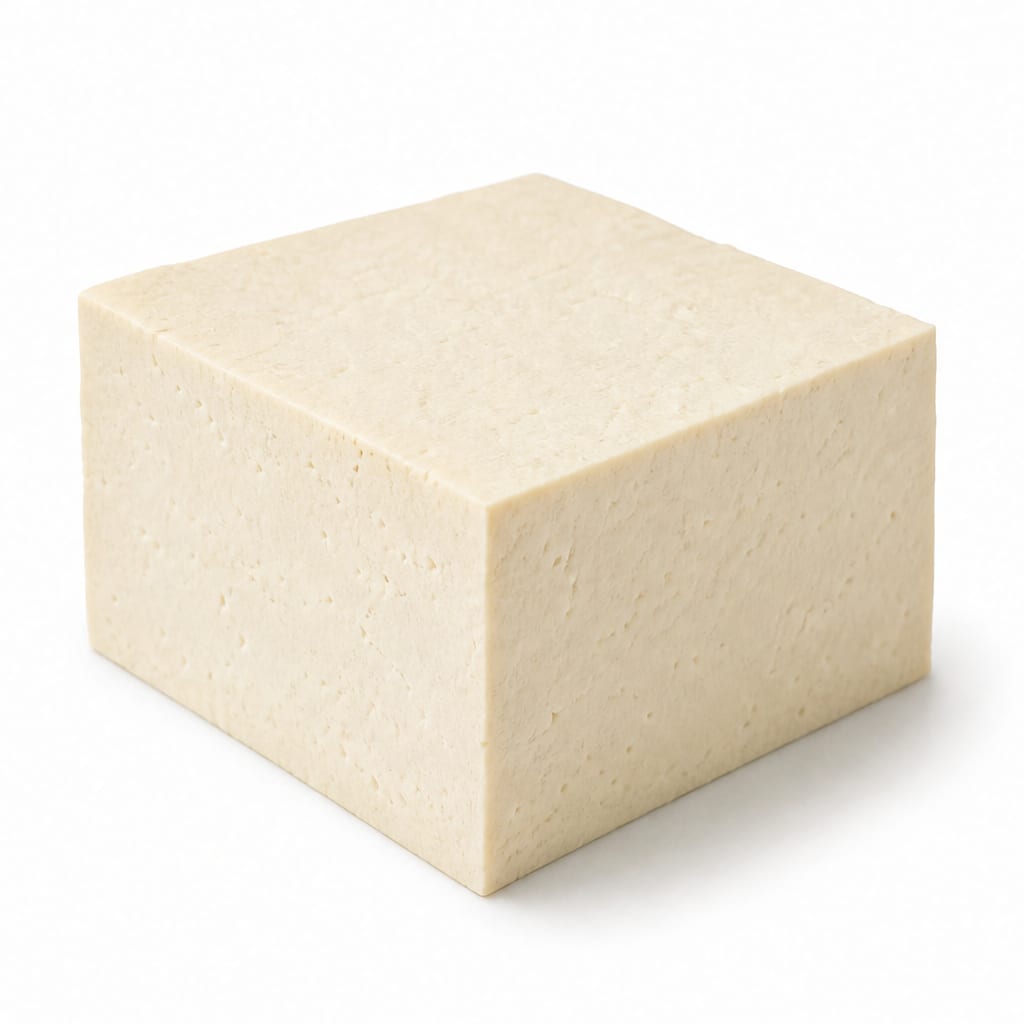
Compare with
Tofu
Tofu contains fiber and phytoestrogens, while pork provides complete protein with higher vitamin B12 and zinc. Pork is zero-carb; tofu contains minimal carbs.
Tofu is lower in calories and contains fiber, while pork offers much higher protein per serving and zero carbs for better blood sugar control.
This food
Pork
VS65% alike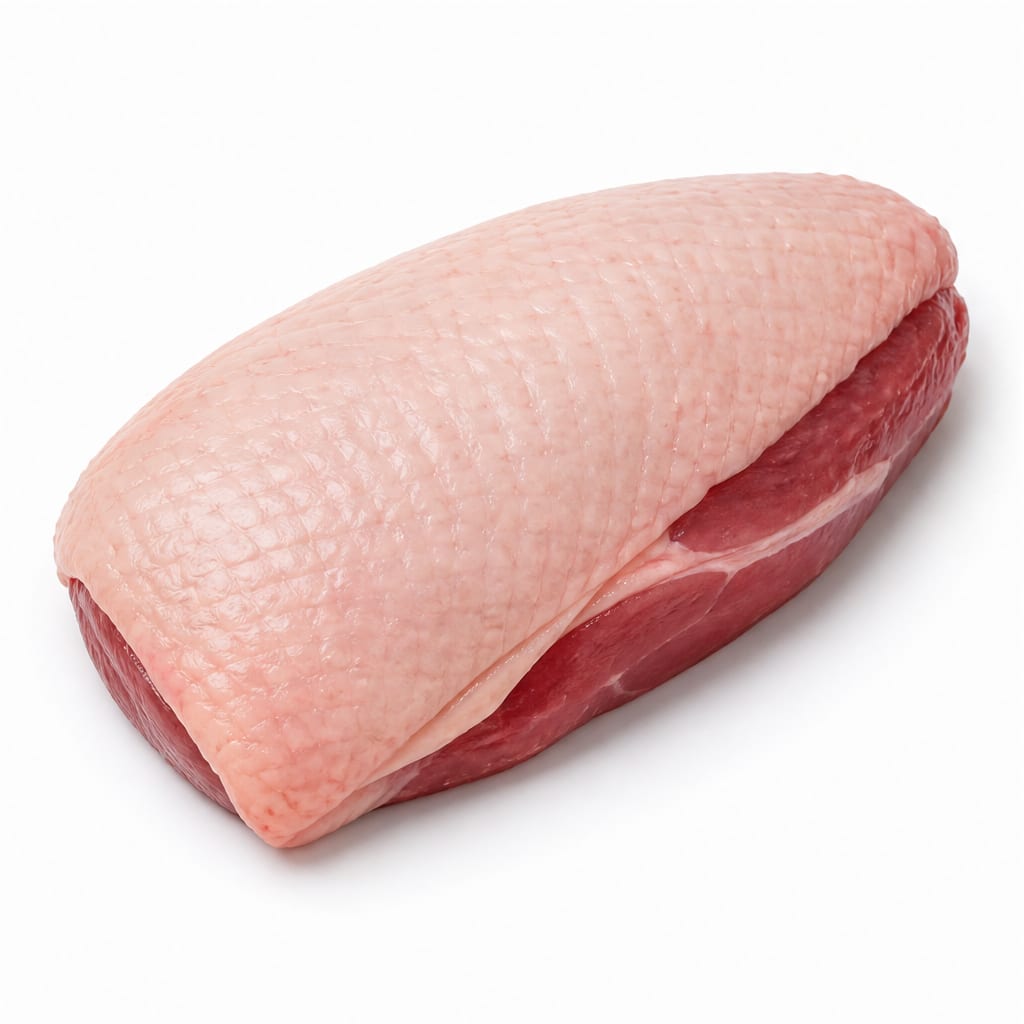
Compare with
Duck Breast
Duck is significantly higher in fat and calories than lean pork. Pork provides better protein-to-fat ratio and more thiamine, while duck offers more iron.
Lean pork is much lower in fat and calories than duck breast, making it far superior for weight loss and lean muscle diets.
This food
Pork
VS75% alike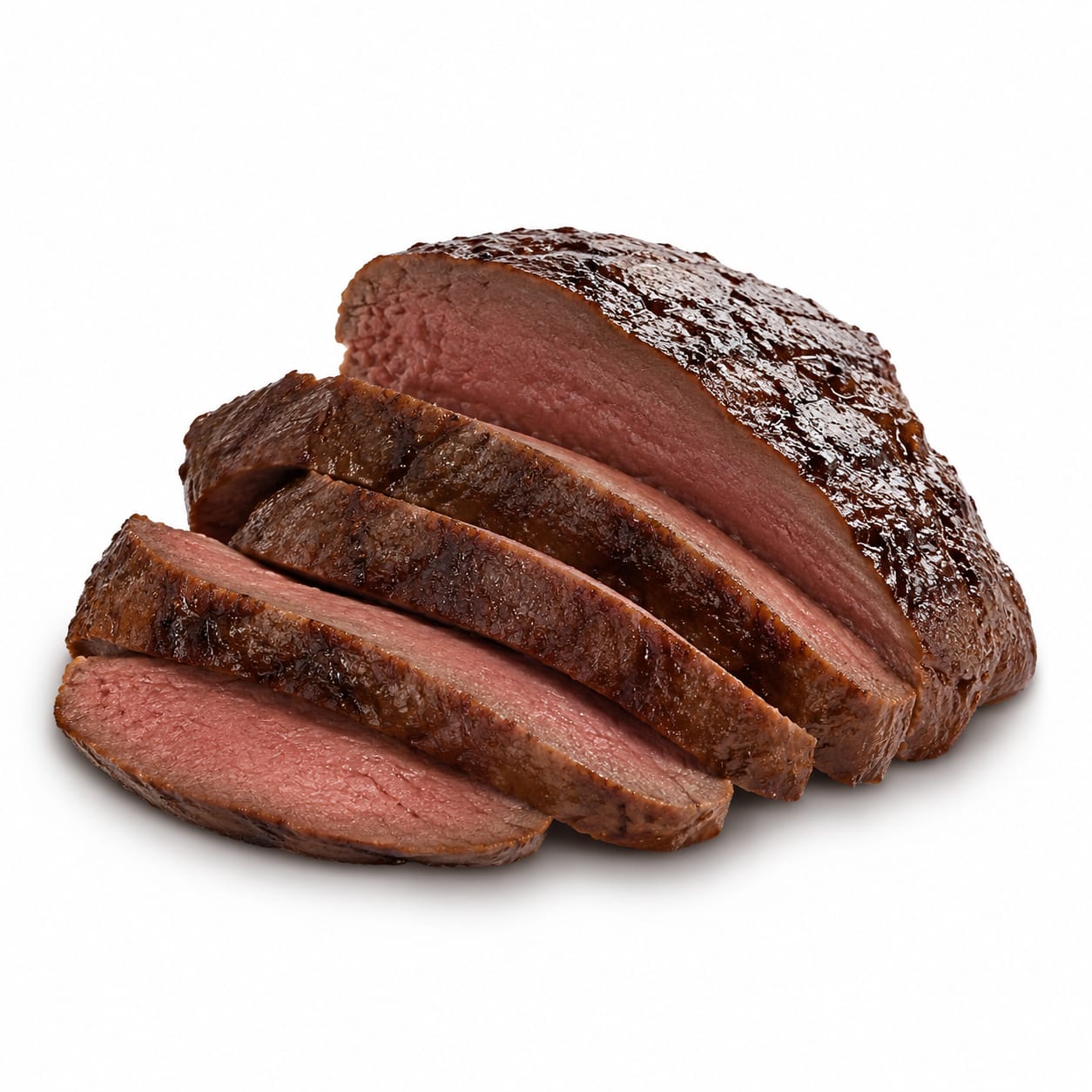
Compare with
Venison
Venison is leaner and lower in calories than most pork, with higher iron. Pork is more accessible, cheaper, and richer in B vitamins like thiamine.
Venison is leaner and higher in iron than pork, but lean pork is more accessible and provides exceptional B-vitamin content.
This food
Pork
VS60% alike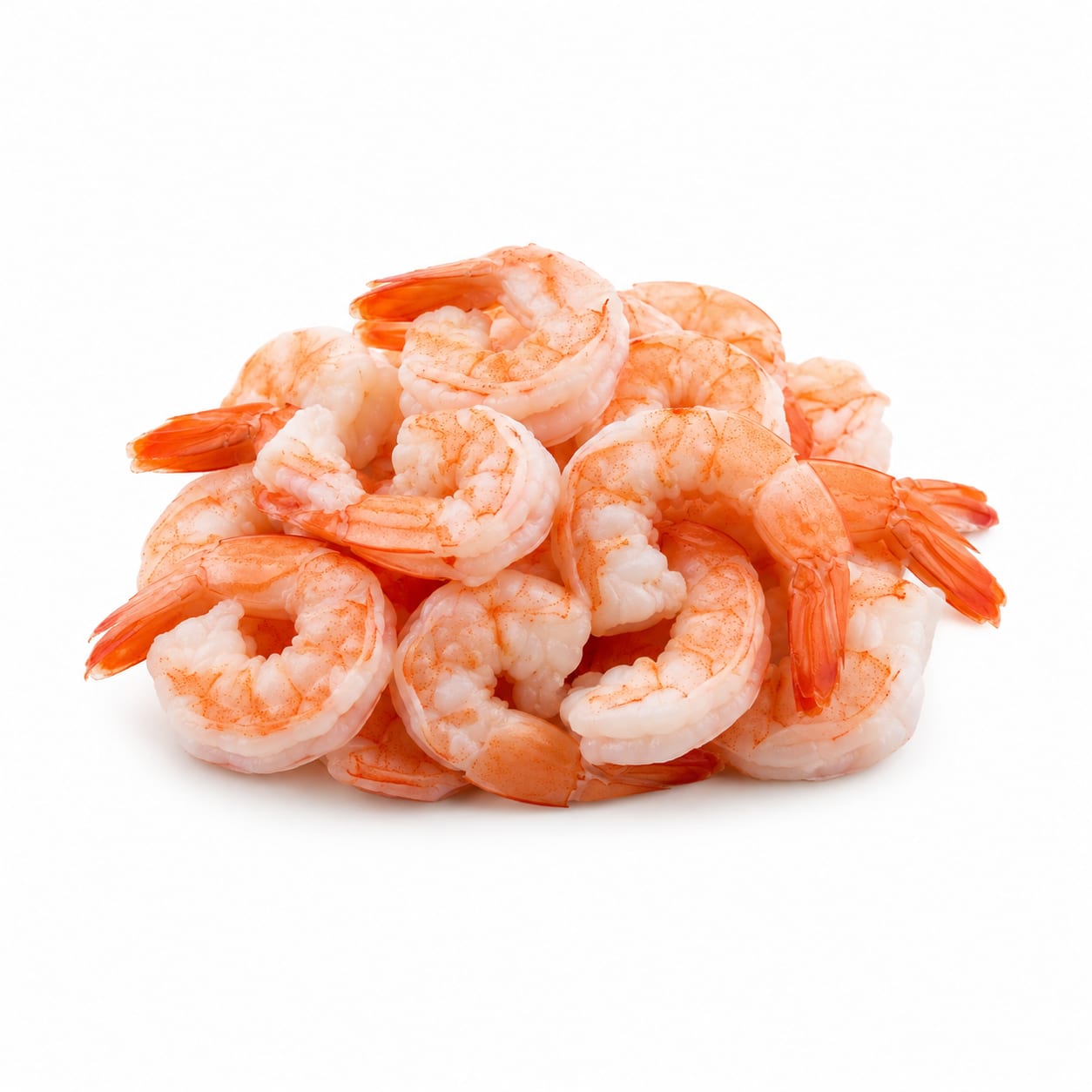
Compare with
Shrimp
Shrimp is lower in calories and fat than pork but provides less protein per serving and fewer B vitamins. Pork offers more sustained satiety.
Shrimp is lower in calories than pork, but pork provides more protein and sustained satiety for active individuals and muscle building.
This food
Pork
VS40% alike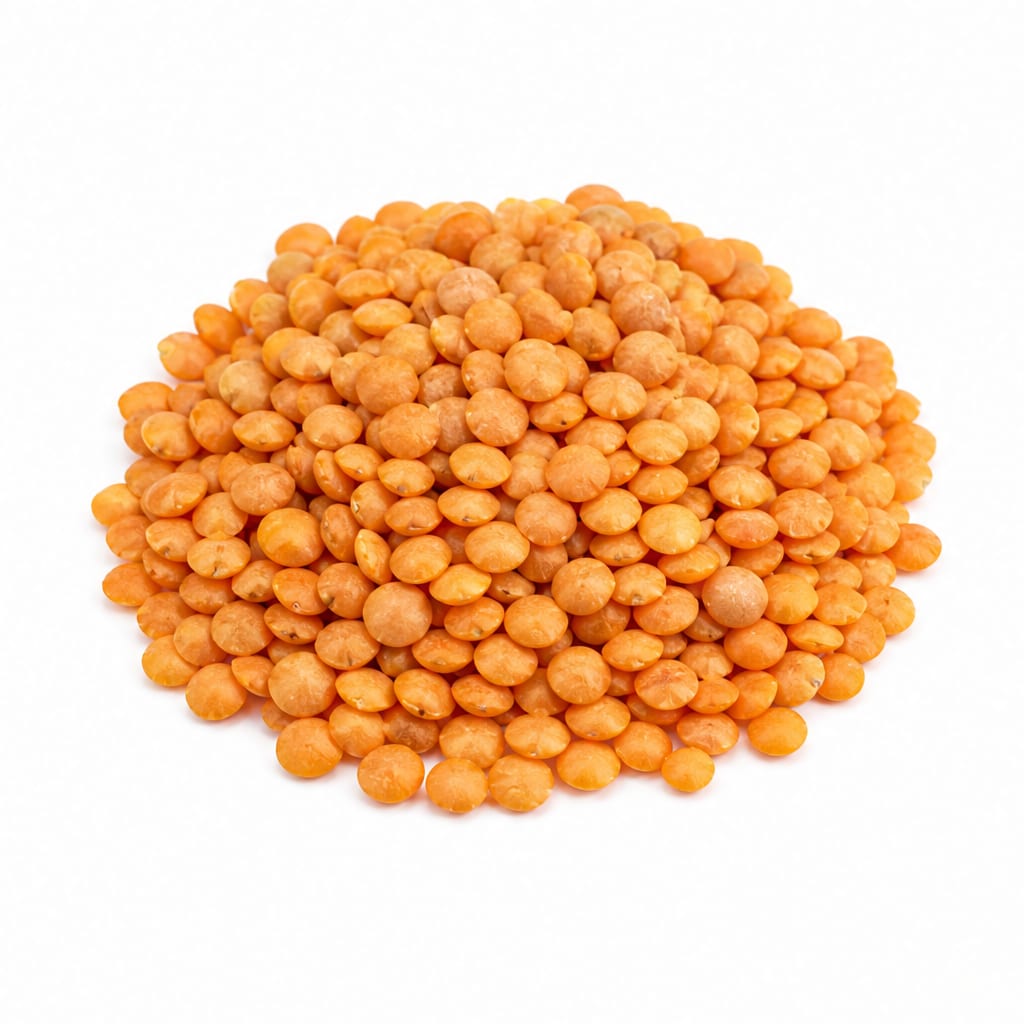
Compare with
Lentils
Lentils offer fiber and complex carbs, benefiting gut health, while pork provides zero-carb, complete protein with higher bioavailability and B12.
Lentils provide fiber for gut health, while pork offers zero-carb, highly bioavailable protein ideal for blood sugar control and muscle building.
Common questions
FAQ
Answers aligned with how people search for this food.
Is pork good for weight loss?
Lean cuts of pork like tenderloin and loin chops are excellent for weight loss. They provide high protein with relatively low calories and fat, which helps increase satiety and preserve muscle mass.
Is pork red meat or white meat?
Scientifically, pork is classified as red meat because it contains more myoglobin than chicken or fish. The 'other white meat' marketing campaign was a nutritional positioning strategy, not a scientific classification.
Can diabetics eat pork?
Yes, fresh pork contains zero carbohydrates and will not raise blood sugar levels. Its high protein content can also help stabilize post-meal glucose when eaten with carb-containing sides.
What is the leanest cut of pork?
Pork tenderloin is the leanest cut, containing only about 3 grams of fat per 3-ounce serving, making it nutritionally comparable to skinless chicken breast.
Does pork have carbs or sugar?
Fresh, unprocessed pork contains zero carbohydrates and zero sugar. However, processed pork products like ham or bacon may contain added sugars and carbs from curing brines.
Is pork tenderloin healthy?
Pork tenderloin is very healthy. It is an excellent source of lean protein, B vitamins (especially thiamine), and minerals like phosphorus and selenium, with very little saturated fat.
Why does pork have a bad health reputation?
Pork's poor reputation stems from the high fat content of popular cuts like belly and ribs, the health risks associated with processed pork (bacon, sausage), and historical concerns about parasites like trichinosis, which is now extremely rare in commercial pork.
Can you eat pork on a keto diet?
Yes, pork is highly suitable for a keto diet. Fattier cuts like pork belly and shoulder provide the high fat and zero carb profile needed for ketosis, while lean cuts work well for targeted keto approaches.
Transparency
Data confidence
Estimated confidence for nutrition data, interpretation, safety notes, and comparisons.
Nutrition data
Health analysis
Food safety
Comparisons