
Nutrition comparison
Pork vs Duck Breast: Nutrition, Health, and Which to Choose
Compare pork and duck breast on fat quality, protein, iron content, cost, and cooking practicality. Find out which meat fits your health goals and budget.
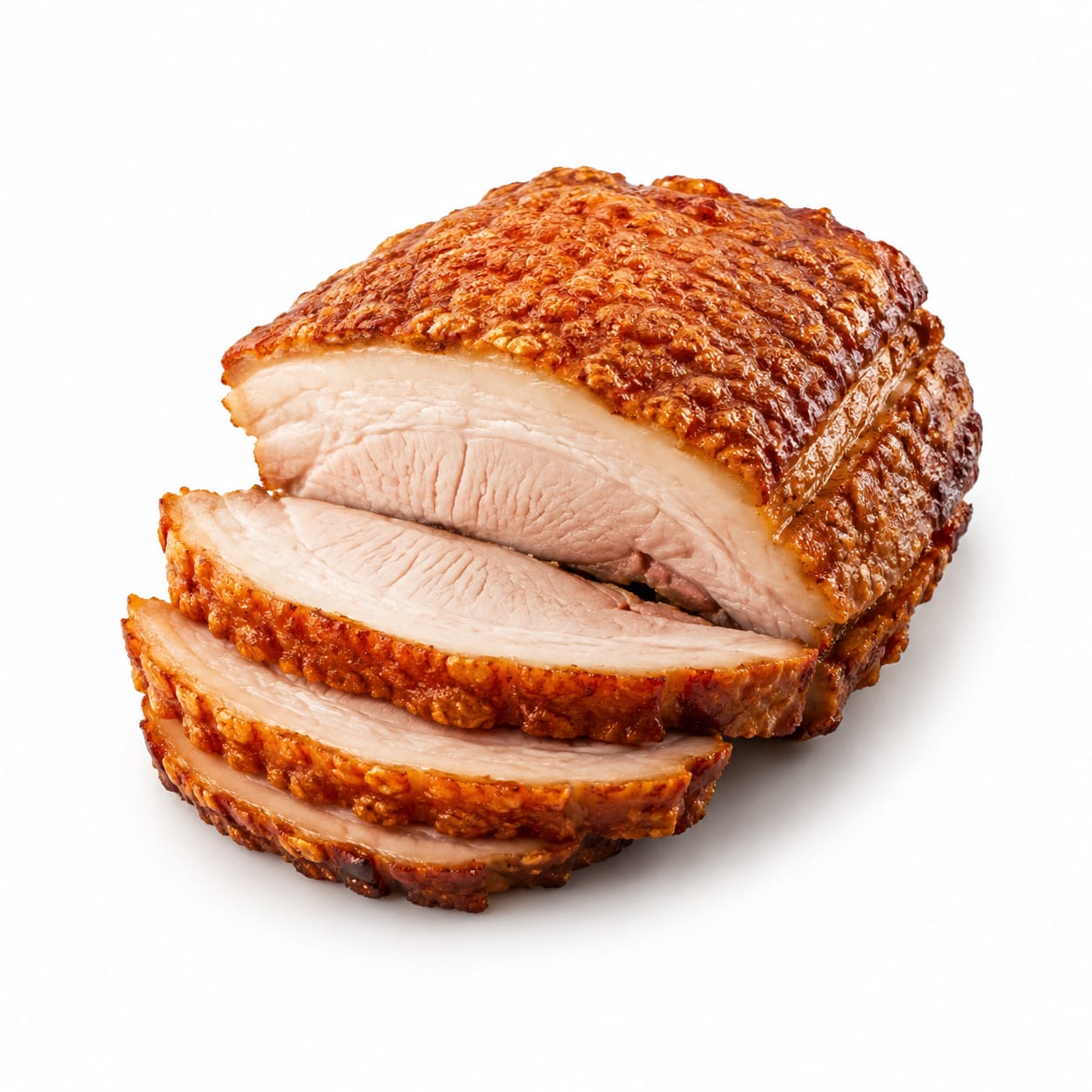
Pork
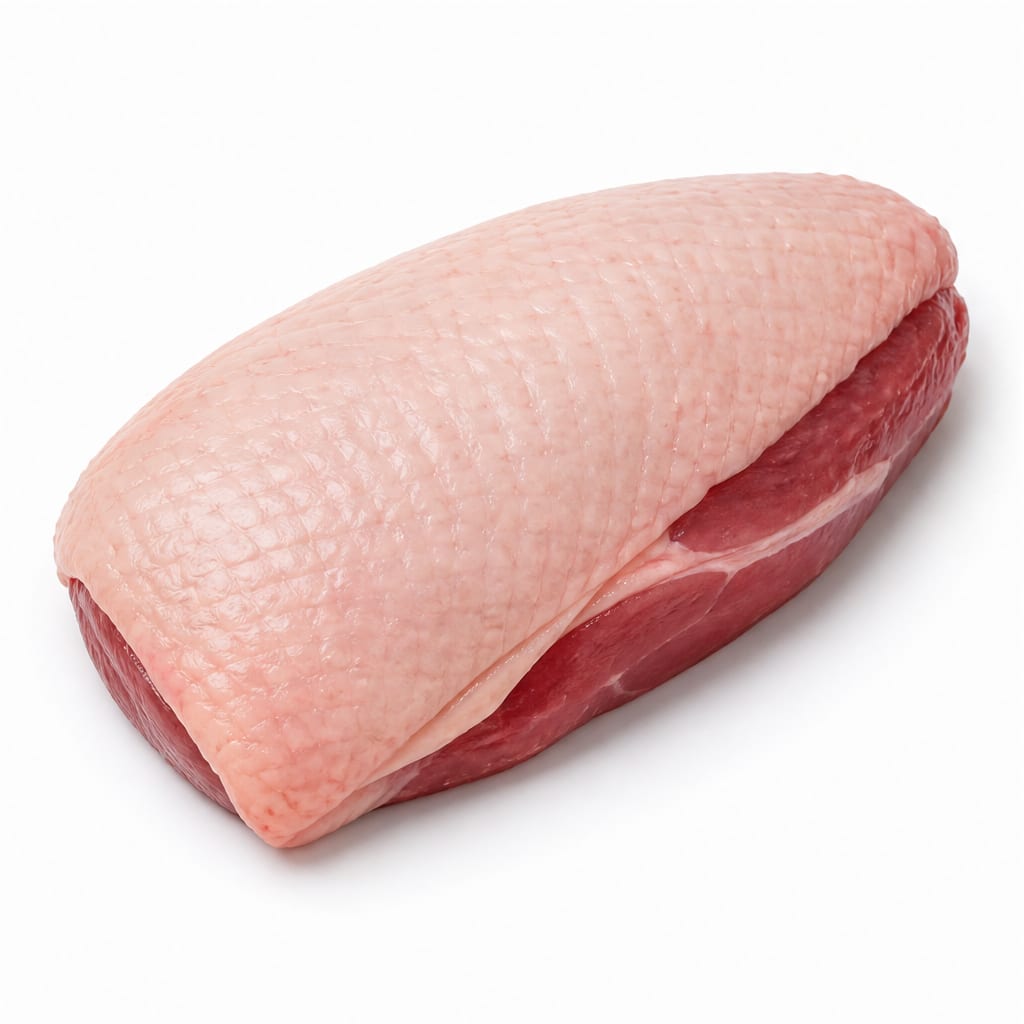
Duck Breast
Duck breast wins on nutrient density and fat quality, but pork wins on versatility, cost, and everyday practicality.
Duck breast scores higher due to superior micronutrients and fat quality, but pork stays competitive because of its range of lean cuts, lower cost, and meal versatility. The gap is modest because both are solid protein sources with meaningful tradeoffs.
Duck breast gives you richer nutrition and healthier fats per bite, while pork gives you more flexibility across meals and budgets.
At a glance
Executive summary
Overall
It depends
Healthier
Duck Breast
More practical
Pork
Daily use
Pork
Key comparison lenses
Fat profile and heart health impact
Duck breast is surprisingly high in monounsaturated fat, while pork's fat profile varies wildly by cut, making this the central tradeoff
Protein quality for muscle and satiety
Both are solid protein sources but differ in amino acid density and how filling they feel after eating
Micronutrient density especially iron and B vitamins
Duck breast delivers more iron and certain B vitamins, which matters for energy and blood health
Practicality and everyday cooking versatility
Pork is far more accessible and adaptable to weeknight cooking, while duck breast requires more technique
Food safety and contamination risk
Pork carries specific parasite and bacterial risks that duck breast avoids, though both require careful handling
Best choice for
Pork
- Weeknight family dinners needing quick protein
- Budget-conscious meal prep
- Recipes requiring mild flavor that absorbs seasonings
- People who want lean meat options like tenderloin
Duck Breast
- Special occasion meals with richer flavor
- Boosting iron intake without supplements
- Those prioritizing heart-friendly monounsaturated fats
- Low-carb or keto eaters wanting satisfying fat content
Least suitable for
Pork
- People strictly limiting saturated fat from certain cuts
- Those avoiding pork for religious or personal reasons
- Anyone concerned about conventional farming antibiotics
Duck Breast
- Quick weeknight cooking beginners
- Tight grocery budgets
- Those wanting very lean protein without skin trimming effort
- People who find rich meats too heavy
Deep comparison
Dimension by dimension
Each lens scores both foods and breaks down who each option suits.
- Dimension 1 · Priority 92Duck Breast
Fat Quality and Heart Health
Pork · 55Duck Breast · 78Duck breast contains mostly monounsaturated fat, similar to olive oil, while pork fat is more saturated and variable by cut.
Tradeoff
Duck breast has healthier fat overall, but it is higher in total fat and calories unless you trim the skin. Pork offers leaner cuts like tenderloin with far less fat if that is your priority.
Why it matters
The type of fat you eat regularly matters more than total fat for long-term heart health. Monounsaturated fats support better cholesterol levels.
Real-world impact
Eating duck breast regularly with skin gives you more calories but healthier fat per calorie. Choosing pork tenderloin gives you fewer calories but less cardiovascular benefit per gram of fat consumed.
Pork
- Lower calorie meals when using lean cuts
- Controlling total fat intake easily
Better for
- Higher saturated fat in popular cuts like belly and shoulder
- Fat quality depends heavily on which cut you choose
Worse for
Duck Breast
- Heart-friendly monounsaturated fat intake
- Keto and low-carb diets where fat quality matters
- Meals where satisfying richness replaces the need for added fats
Better for
- High total fat and calories if you eat the skin
- Overconsumption risk because it tastes so rich
Worse for
- Dimension 2 · Priority 85Duck Breast
Protein Quality and Satiety
Pork · 72Duck Breast · 80Both provide complete high-quality protein, but duck breast keeps you fuller longer thanks to its higher fat content slowing digestion.
Tradeoff
Duck breast is more filling per serving, but pork lean cuts give you more protein per calorie if you are tracking macros closely.
Why it matters
Satiety determines whether you snack later. A meal that truly fills you reduces overall daily intake more reliably than counting calories alone.
Real-world impact
A duck breast dinner typically keeps you satisfied for hours without dessert cravings. A lean pork chop might leave you hunting for a snack by 9pm.
Pork
- Higher protein-to-calorie ratio in lean cuts
- Easier macro tracking for bodybuilding
Better for
- Lean cuts can feel less satisfying without added fats
- May require side dishes to feel like a complete meal
Worse for
Duck Breast
- Longer-lasting fullness from fat-protein combination
- Fewer between-meal cravings
- More satisfying eating experience overall
Better for
- Higher calories per gram of protein
- Less protein per serving compared to lean pork cuts
Worse for
- Dimension 3 · Priority 80Duck Breast
Micronutrient Density
Pork · 65Duck Breast · 82Duck breast delivers significantly more iron, selenium, and several B vitamins than most pork cuts.
Tradeoff
Duck breast is a clear micronutrient winner, but pork provides thiamin in amounts that few other foods match, which supports energy metabolism.
Why it matters
Iron deficiency is one of the most common nutrient gaps worldwide. Getting more from your protein source means less reliance on supplements.
Real-world impact
If you feel sluggish or cold often, duck breast's extra iron could make a noticeable difference over weeks. Pork's thiamin helps convert meals into steady energy rather than afternoon crashes.
Pork
- Exceptional thiamin content for energy production
- Widely available B vitamins in affordable cuts
Better for
- Lower iron content compared to duck breast
- Fewer trace minerals per calorie
Worse for
Duck Breast
- Much higher iron for blood health and energy
- More selenium for thyroid and immune support
- Better overall vitamin and mineral profile per serving
Better for
- Less thiamin than pork
- May not matter if you already eat thiamin-rich foods
Worse for
- Dimension 4 · Priority 78Pork
Versatility and Everyday Practicality
Pork · 88Duck Breast · 52Pork adapts to nearly any cooking method and cuisine, while duck breast demands more skill and pairs with fewer dishes.
Tradeoff
Pork is the Swiss army knife of weeknight proteins. Duck breast is a specialty ingredient that shines in specific preparations but feels limiting for daily cooking.
Why it matters
The healthiest protein only matters if you actually cook and eat it. Practicality drives consistency more than nutrition facts.
Real-world impact
Pork can be stir-fried, grilled, slow-cooked, or roasted with minimal planning. Duck breast requires careful temperature control and pairs best with specific flavor profiles.
Pork
- Works in stir-fries, tacos, roasts, soups, and grilling
- Easy to find in any grocery store at any budget
- Forgiving to cook even for beginners
- Multiple cuts serve different meal needs
Better for
- Can dry out easily with lean cuts if overcooked
- Less exciting as a standalone centerpiece dish
Worse for
Duck Breast
- Creates impressive meals with minimal ingredients
- Stands alone as a centerpiece without complex sides
Better for
- Limited cooking methods that work well
- Harder to find and more expensive
- Requires practice to render fat and cook skin properly
Worse for
- Dimension 5 · Priority 75Pork
Cost and Accessibility
Pork · 90Duck Breast · 40Pork is one of the most affordable animal proteins available, while duck breast is a premium product with limited availability.
Tradeoff
Pork makes quality protein accessible to almost any budget. Duck breast costs two to four times more per pound and requires specialty stores in many areas.
Why it matters
Nutrition only works if it fits your life and wallet. An expensive protein you rarely buy contributes less than an affordable one you eat consistently.
Real-world impact
Feeding a family of four with pork costs a fraction of duck breast. For most households, this makes pork the realistic default and duck breast the occasional upgrade.
Pork
- Budget-friendly for families and meal prep
- Available in virtually every grocery store
- Multiple price points across different cuts
Better for
- Cheap cuts may come from lower-welfare farming
- Quality varies significantly by price point
Worse for
Duck Breast
- Feels like a luxury dining experience at home
- Worth the splurge for special occasions
Better for
- Prohibitively expensive for regular consumption
- Not stocked in many mainstream supermarkets
Worse for
- Dimension 6 · Priority 72Duck Breast
Food Safety and Contamination Risk
Pork · 58Duck Breast · 74Pork carries higher risk of parasites and bacterial contamination, while duck breast's main risk is undercooking but with fewer pathogen concerns overall.
Tradeoff
Pork requires strict cooking to safe temperatures, which can dry out lean cuts. Duck breast is often served medium-rare safely, but improper handling still carries risk.
Why it matters
Foodborne illness is not just uncomfortable. For vulnerable people like pregnant women and older adults, it can be dangerous.
Real-world impact
Pork needs a meat thermometer to be safe without overcooking. Duck breast gives you more flexibility with doneness, which also makes it taste better.
Pork
- Modern farming has reduced trichinella risk significantly
- Clear FDA guidelines for safe cooking temperatures
Better for
- Historical and ongoing risk of trichinella and salmonella
- Conventional farming often uses antibiotics, raising resistance concerns
- Requires careful handling and thorough cooking
Worse for
Duck Breast
- Lower risk of major foodborne parasites
- Can be safely consumed at lower internal temperatures
- Less likely to harbor antibiotic-resistant bacteria from conventional farming
Better for
- Raw duck can carry campylobacter if improperly handled
- Cross-contamination risk from raw poultry handling
Worse for
Timeline
Health impact over time
Short-term
Hours to days
Pork
- Lean pork cuts provide steady energy without heaviness
- Fattier cuts like belly can cause sluggishness after large portions
- Well-cooked pork is gentle on digestion for most people
Duck Breast
- Rich and satisfying meal that reduces post-dinner snacking
- High fat content may feel heavy if you are used to leaner meats
- Takes longer to digest, providing extended fullness
Long-term
Months to years
Pork
- Regular lean pork consumption supports muscle maintenance affordably
- Processed pork products like bacon carry separate cancer risk and should be limited
- Conventional pork may expose you to more antibiotics if not sourcing carefully
- Thiamin intake supports nervous system health over decades
Duck Breast
- Monounsaturated fats contribute to better cholesterol profiles over time
- Higher iron intake prevents deficiency-related fatigue, especially for women
- Premium cost limits frequency, which naturally prevents overconsumption
- Rich nutrient density supports thyroid and immune function long-term
Risk profile
Safety & processing
Fresh pork and duck breast are both minimally processed whole foods. However, pork has more additive concerns because conventional farming commonly uses antibiotics and hormone regulators, and many retail pork products are enhanced with saline solutions. Duck breast is typically sold in a more natural state with fewer interventions.
Pork
Trichinella parasite exposure
mediumModern farming has reduced this dramatically, but undercooked pork still carries risk. Always cook to 145°F with a rest period.
Antibiotic-resistant bacteria from conventional farming
mediumPork farming uses more antibiotics than duck farming. Choosing organic or heritage pork reduces this concern significantly.
Salmonella contamination
mediumCommon in raw pork. Requires careful kitchen hygiene and separate cutting boards for raw meat.
Duck Breast
Campylobacter from raw poultry handling
mediumLike all poultry, raw duck requires careful handling. Cross-contamination with utensils and surfaces is the main concern.
Undercooking with improper technique
lowDuck breast is often served medium-rare safely, but uneven cooking can leave cold spots. Use a thermometer for thick breasts.
Who wins for whom
Audience fit
Same foods, different winners depending on your goal.
children
PorkMilder flavor and softer texture in lean pork cuts are more kid-friendly. Duck breast's richness and stronger flavor often get rejected by picky eaters.
daily consumption
PorkAffordability, availability, and cooking ease make pork realistic for daily meals. Duck breast works better as a few-times-per-month protein.
diabetes
Duck BreastDuck breast's higher fat and zero carbs create a slower digestive process, leading to steadier blood sugar after meals compared to very lean pork.
elderly
Duck BreastDuck breast's higher iron and B vitamins help counter common deficiencies in older adults, and its natural tenderness when cooked properly is easier to chew.
muscle gain
PorkLean pork cuts deliver more protein per calorie and per dollar, which matters when you need high daily protein intake consistently.
weight loss
PorkPork tenderloin gives you high protein with minimal calories and fat, making it easier to stay in a deficit while feeling full.
Your move
Decision guide
Choose Pork
- You need affordable protein for regular family meals
- You want lean options for weight loss or macro tracking
- You cook frequently and need a versatile protein that works in any cuisine
- You are feeding children who prefer milder flavors
Choose Duck Breast
- You want to elevate a dinner without complicated recipes
- You are focused on iron intake or have been told you are low in iron
- You follow a low-carb or keto diet and want satisfying fat content
- You care about fat quality and want more monounsaturated fats in your diet
Either works if
- You want high-quality complete protein from whole food sources
- You are bored with chicken and want red meat alternatives
- You value cooking at home over processed protein sources
Avoid both if
- You have gout and need to limit purine-rich meats
- You follow a plant-based diet for ethical or health reasons
- You have severe saturated fat restrictions advised by your doctor
Final recommendation
Keep pork as your everyday workhorse protein for its versatility and value, and treat duck breast as your nutritional upgrade a few times a month. Duck breast gives you better fat quality and more micronutrients per bite, but only pork makes sense on the table night after night. If budget allows, rotating both gives you the broadest nutrient coverage without getting bored.
Practical
Consumer tips
- 1
For pork, choose tenderloin or loin for lean meals, shoulder or belly for flavor. The cut matters more than the animal.
- 2
For duck breast, score the skin in a crosshatch pattern and start it cold in a pan to render fat properly. This makes the difference between greasy and glorious.
- 3
Buy organic or heritage pork when possible to reduce antibiotic exposure. The price difference is smaller than with other meats.
- 4
Save duck fat from cooking. It is excellent for roasting potatoes and vegetables, adding flavor and healthy monounsaturated fat to side dishes.
- 5
If duck breast feels too rich, serve it with acidic sides like citrus salad or pickled vegetables to balance the meal.
- 6
Use a meat thermometer for both. Pork is safe and juicy at 145°F, and duck breast is best at 135°F for medium-rare.