
Nutrition comparison
Pork vs Lentils: Which Protein Is Healthier for Daily Meals?
Compare pork and lentils on protein quality, heart health, fiber, cost, and long-term health effects. Find out which is better for weight loss, muscle gain, and daily eating.
Overall winner · Lentils
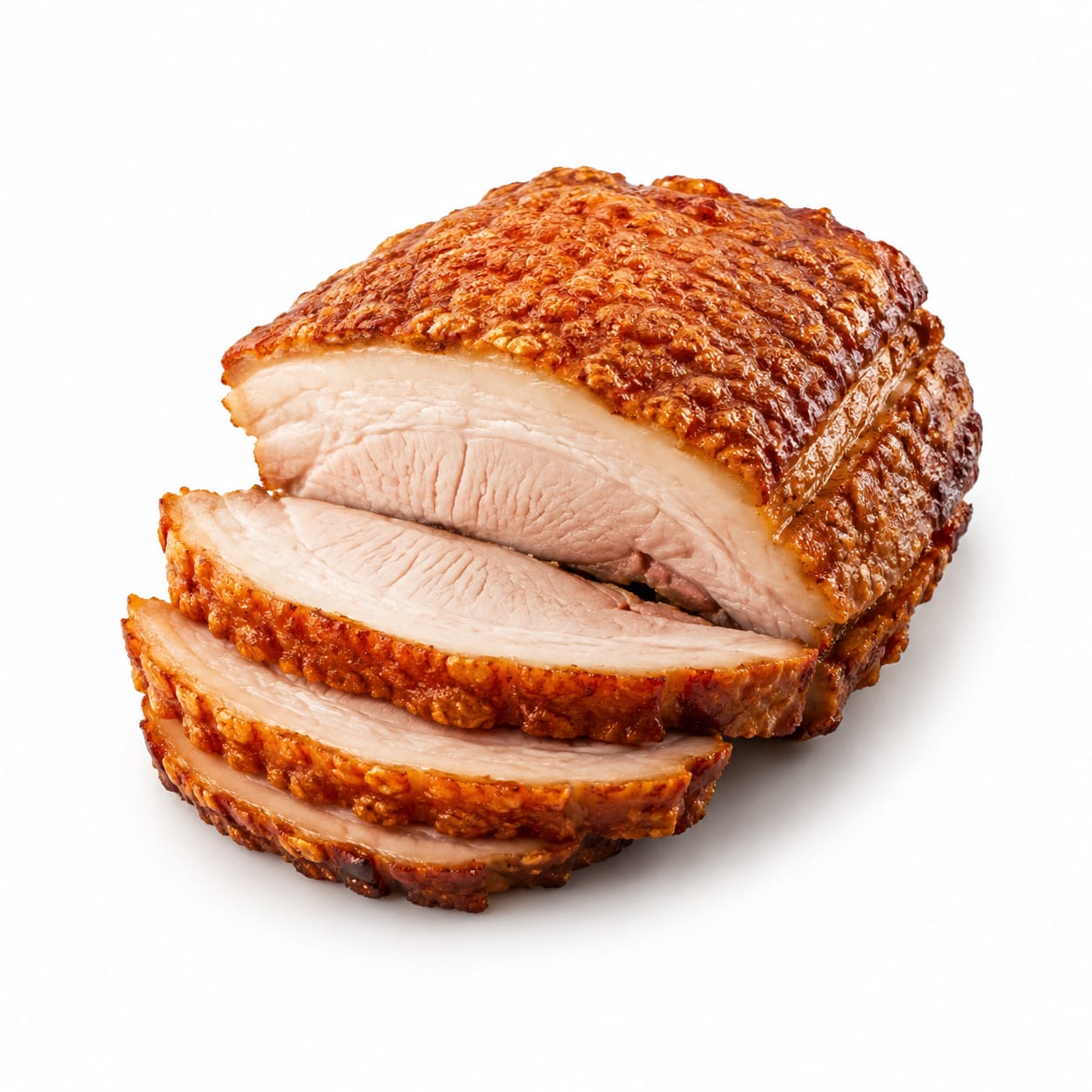
Pork
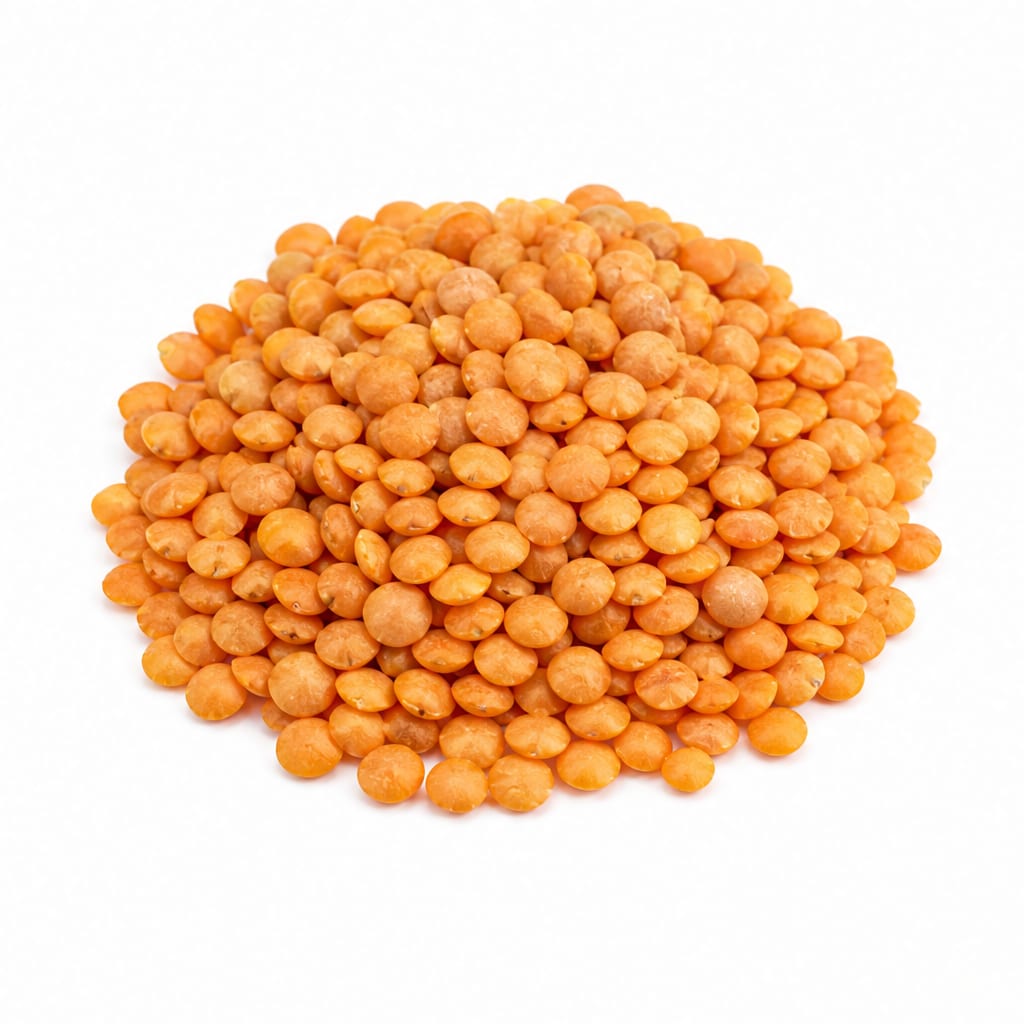
Lentils
Lentils deliver more balanced nutrition, fiber, and long-term health benefits per calorie and per dollar, making them the smarter default for daily eating.
Lentils score significantly higher due to fiber, heart health benefits, blood sugar stability, and cost efficiency. Pork remains valuable for complete protein and B12 but carries meaningful health tradeoffs that limit its suitability as a daily staple.
Pork offers complete protein with B12 and richer flavor satisfaction, but lentils protect your heart, gut, and blood sugar with fiber that pork simply cannot provide.
At a glance
Executive summary
Overall
Lentils
Healthier
Lentils
More practical
It depends
Daily use
Lentils
Key comparison lenses
protein source comparison for daily meals
Users comparing these foods are typically deciding between animal and plant protein for regular consumption
heart health and cholesterol management
Pork brings saturated fat and cholesterol concerns while lentils actively improve heart health markers
budget-friendly nutrition optimization
Both are affordable protein sources but lentils offer dramatically more nutrition per dollar
digestive health and gut support
Lentils provide massive fiber benefits that pork completely lacks, making gut health a key differentiator
meal versatility and cultural cooking traditions
Both foods anchor cuisines worldwide but serve very different culinary roles and cooking timelines
Best choice for
Pork
- Muscle building requiring high-quality complete protein
- Meals where iron absorption efficiency matters most
- Situations demanding quick-cooking animal protein
- Cultural or family recipes where pork is central
- Recovery meals needing B12 and zinc
Lentils
- Daily staple protein for long-term health
- Heart-healthy and cholesterol-lowering eating patterns
- Budget-conscious meal prep with maximum nutrition
- Blood sugar management and steady energy
- Gut health improvement and digestive regularity
Least suitable for
Pork
- Daily consumption for heart health concerns
- Anyone managing high cholesterol or cardiovascular risk
- Low-sodium diets unless carefully prepared
- Plant-based or vegetarian lifestyles
- Frequent red meat reduction protocols
Lentils
- Low-fiber diets during acute digestive flare-ups
- Meals needing fast preparation without soaking or planning
- Those with legume intolerances or sensitivities
- High-protein very-low-carb diets like strict keto
- Iron-deficiency anemia requiring heme iron sources
Deep comparison
Dimension by dimension
Each lens scores both foods and breaks down who each option suits.
- Dimension 1 · Priority 95Pork
protein quality and completeness
Pork · 88Lentils · 72Pork provides complete protein with all essential amino acids in optimal ratios, while lentils are slightly low in methionine.
Tradeoff
Pork wins on amino acid profile but lentils still deliver substantial protein with far less saturated fat and zero cholesterol.
Why it matters
Complete protein supports muscle repair and maintenance more efficiently, though combining lentils with grains fills the methionine gap easily.
Real-world impact
After a workout, pork gets amino acids to your muscles faster and more completely. Lentils paired with rice achieve nearly the same result with added fiber benefits.
Pork
- Post-workout muscle recovery
- Older adults preserving muscle mass
- Anyone needing efficient protein utilization
Better for
- Those limiting saturated fat intake
- People avoiding animal products
Worse for
Lentils
- Sustained protein intake throughout the day
- Plant-forward eaters meeting protein needs
- Combining with grains for complete amino acids
Better for
- Strict keto dieters counting carbs
- Those needing heme iron for deficiency
Worse for
- Dimension 2 · Priority 92Lentils
fiber and digestive health
Pork · 5Lentils · 95Lentils are a fiber powerhouse with roughly 15 grams per cooked cup, while pork contains zero fiber.
Tradeoff
This is the single biggest gap between these foods. Pork offers nothing for gut health while lentils transform digestion and microbiome health.
Why it matters
Fiber regulates digestion, feeds beneficial gut bacteria, lowers cholesterol, and stabilizes blood sugar. Most people fall far short of daily fiber targets.
Real-world impact
A lentil-based meal keeps you regular and full for hours. A pork-centric meal without sides leaves your gut underfed and hunger returning sooner.
Pork
- Anyone needing more fiber
- Those with sluggish digestion
Worse for
Lentils
- Improving digestive regularity
- Feeding beneficial gut bacteria
- Lowering cholesterol through soluble fiber
- Preventing blood sugar spikes
- Increasing meal satiety substantially
Better for
- Sudden fiber increases can cause bloating if unaccustomed
- Acute digestive flare-ups requiring low-fiber diets
Worse for
- Dimension 3 · Priority 90Lentils
heart health and inflammation
Pork · 35Lentils · 88Lentils actively protect cardiovascular health while pork, especially processed cuts, raises heart disease risk markers.
Tradeoff
Pork's saturated fat and cholesterol work against heart health. Lentils reduce LDL cholesterol and inflammation simultaneously.
Why it matters
Heart disease remains the leading cause of death globally. Daily food choices compound either risk or protection over decades.
Real-world impact
Swapping pork for lentils a few times per week can measurably improve cholesterol numbers within months. Regular pork consumption, especially processed varieties, moves heart markers in the wrong direction.
Pork
- Raising saturated fat intake
- Increasing cardiovascular risk with frequent consumption
- Processed pork varieties add sodium and preservatives
Worse for
Lentils
- Lowering LDL cholesterol
- Reducing systemic inflammation
- Improving blood vessel function
- Supporting healthy blood pressure
Better for
- Dimension 4 · Priority 85Lentils
blood sugar stability
Pork · 55Lentils · 90Lentils have a low glycemic index and high fiber content that prevents sugar spikes. Pork has zero carbs but lacks fiber's moderating effect.
Tradeoff
Pork will not spike blood sugar directly, but lentils actively improve glucose regulation over time through fiber and resistant starch.
Why it matters
Steady blood sugar means steadier energy, fewer cravings, and lower diabetes risk. The combination of protein and fiber in lentils is uniquely effective.
Real-world impact
A lentil lunch keeps afternoon energy crashes at bay. A pork lunch without fibrous sides may leave you reaching for a snack by 3pm.
Pork
- Very low-carb meal plans
Better for
- Meals lacking fiber-rich sides
Worse for
Lentils
- Preventing energy crashes after meals
- Managing prediabetes or diabetes
- Reducing cravings between meals
- Sustained energy for busy days
Better for
- Strict carbohydrate restriction diets
Worse for
- Dimension 5 · Priority 80It depends
micronutrient density
Pork · 75Lentils · 80Pork excels in B12, zinc, and heme iron. Lentils dominate in folate, magnesium, potassium, and non-heme iron.
Tradeoff
Pork provides nutrients impossible to get from plants, while lentils offer broader mineral coverage that most diets lack.
Why it matters
B12 deficiency is a real risk for plant-heavy diets. But magnesium and potassium shortfalls are far more common in the general population.
Real-world impact
Pork efficiently tops up B12 and zinc stores. Lentils fill the folate, magnesium, and potassium gaps that silently drain energy and sleep quality.
Pork
- B12 replenishment
- Highly bioavailable heme iron for deficiency
- Zinc for immune function
Better for
- Those needing more folate or magnesium
Worse for
Lentils
- Folate for cell repair and pregnancy
- Magnesium for sleep and muscle recovery
- Potassium for blood pressure regulation
- Iron with vitamin C pairing for absorption
Better for
- Anyone at risk of B12 deficiency without supplementation
Worse for
- Dimension 6 · Priority 82Lentils
cost and accessibility
Pork · 50Lentils · 95Dried lentils cost a fraction of pork per gram of protein and require no refrigeration.
Tradeoff
Pork is widely available and culturally familiar but costs significantly more per serving. Lentils are one of the cheapest protein sources on earth.
Why it matters
Budget constraints shape real food choices daily. Lentils make high-quality nutrition accessible at nearly any income level.
Real-world impact
A dollar of dried lentils provides more protein and fiber than three dollars of pork. For families feeding many mouths, this difference is transformative.
Pork
- Quick meals requiring no soaking or planning
Better for
- Tight food budgets
- Those wanting to reduce grocery spending
Worse for
Lentils
- Budget-conscious households
- Bulk meal prep and pantry stocking
- Food security and emergency supplies
- Maximizing nutrition per dollar spent
Better for
- Dimension 7 · Priority 78It depends
satiety and meal satisfaction
Pork · 78Lentils · 82Pork delivers hedonic satisfaction from fat and umami. Lentils provide deeper physical fullness from fiber and protein combined.
Tradeoff
Pork satisfies cravings more immediately. Lentils keep you full longer but may feel less indulgent in the moment.
Why it matters
Craving satisfaction matters for dietary adherence, but lasting fullness prevents overeating later.
Real-world impact
Pork feels like a treat and hits pleasure centers. Lentils quietly keep you from snacking for hours afterward. Both have value depending on your struggle.
Pork
- Emotional satisfaction from eating
- Meals where enjoyment is the priority
- Breaking monotony in restrictive diets
Better for
- Those prone to overeating rich foods
Worse for
Lentils
- Preventing late-night snacking
- Staying full between meals without extra calories
- Reducing overall daily food intake naturally
Better for
- Meals where hedonic satisfaction matters most
Worse for
- Dimension 8 · Priority 75Lentils
environmental and sustainability impact
Pork · 30Lentils · 90Lentils have a tiny carbon and water footprint compared to pork production.
Tradeoff
Pork requires far more land, water, and feed while generating significantly more greenhouse gas emissions per calorie of protein.
Why it matters
Environmental impact of food choices compounds over a lifetime of eating. Even partial shifts toward lentils meaningfully reduce personal carbon footprints.
Real-world impact
Replacing pork with lentils twice a week for a year saves roughly the equivalent of driving 500 fewer miles in carbon emissions.
Pork
- Environmentally conscious eaters
Worse for
Lentils
- Reducing personal carbon footprint
- Conserving water resources
- Supporting sustainable food systems
Better for
Timeline
Health impact over time
Short-term
Hours to days
Pork
- Quick protein satisfaction and fullness from fat content
- Potential sluggishness after large portions due to digestive demands
- Immediate heme iron and B12 availability
- Risk of indigestion if pork is fatty or fried
Lentils
- Gradual sustained energy from slow-digesting fiber and protein
- Possible bloating or gas if unaccustomed to high fiber intake
- Stable blood sugar preventing energy crashes
- Comforting fullness that lasts for hours
Long-term
Months to years
Pork
- Increased cardiovascular risk with frequent consumption, especially processed cuts
- Higher colorectal cancer risk associated with regular red meat intake
- Potential for elevated LDL cholesterol from saturated fat
- Efficient maintenance of B12 and iron stores
Lentils
- Improved cholesterol panels and cardiovascular markers
- Better digestive regularity and gut microbiome diversity
- Lower diabetes risk through improved insulin sensitivity
- Possible need for B12 supplementation if used as primary protein
Risk profile
Safety & processing
Fresh pork cuts are minimally processed, but bacon, sausage, ham, and deli meats are heavily processed with nitrates, sodium, and preservatives. Dried lentils are essentially unprocessed whole foods with nothing added.
Pork
Trichinella and parasitic contamination
mediumProper cooking eliminates this risk, but undercooked pork remains a concern. Modern farming has reduced incidence significantly.
Foodborne bacterial illness
mediumPork requires careful handling and thorough cooking to avoid Salmonella and other pathogens.
Antibiotic residues
mediumConventional pork production uses antibiotics, raising concerns about resistant bacteria and residue exposure.
Nitrates and nitrites in processed pork
highBacon, ham, and sausage contain nitrates linked to increased cancer risk, particularly colorectal cancer.
Lentils
Lectin sensitivity
lowProperly cooked lentils neutralize most lectins. Raw or undercooked lentils could cause digestive distress.
Pesticide residue on conventional crops
lowLentils typically have low pesticide residues compared to many crops. Organic options further reduce exposure.
Mycotoxin contamination in stored lentils
lowImproperly stored dried lentils can develop mold toxins. Proper storage in cool, dry conditions prevents this.
Who wins for whom
Audience fit
Same foods, different winners depending on your goal.
children
It dependsPork provides B12, zinc, and heme iron crucial for development. Lentils offer fiber and folate. Both have roles in a balanced childhood diet.
daily consumption
LentilsLentils can be eaten daily with accumulating health benefits. Regular daily pork consumption raises cardiovascular and cancer risk over time.
diabetes
LentilsLentils improve insulin sensitivity and prevent glucose spikes through fiber and resistant starch, while processed pork increases diabetes risk.
elderly
LentilsLentils support heart health, digestion, and blood sugar management, which are critical concerns for older adults. Pork's saturated fat works against these priorities.
muscle gain
PorkPork delivers complete protein with higher leucine content and better amino acid absorption for muscle synthesis.
weight loss
LentilsLentils provide more volume, fiber, and satiety per calorie, making it easier to eat less overall without feeling deprived.
Your move
Decision guide
Choose Pork
- You need highly bioavailable iron or B12 and do not supplement
- Muscle gain is your primary goal and you tolerate saturated fat well
- You eat pork occasionally as part of a varied diet with plenty of vegetables
- Cultural or family meals center around pork dishes you enjoy
- You choose lean cuts like tenderloin and avoid processed varieties
Choose Lentils
- You want a daily staple protein that improves health over time
- Heart health, cholesterol, or blood sugar management matters to you
- You are budget-conscious and want maximum nutrition per dollar
- You are building more plant-based meals into your routine
- Digestive regularity and gut health are priorities
Either works if
- You rotate protein sources throughout the week for dietary diversity
- You pair pork with fiber-rich vegetables to balance the meal
- You supplement B12 when eating primarily lentils
- Both foods fit different meals and occasions in a balanced diet
Avoid both if
- You have gout flares triggered by purine-rich foods, as both are moderate to high in purines
- You have severe kidney disease requiring protein and potassium restriction
Final recommendation
Make lentils your default protein for daily meals and treat pork as an occasional addition rather than a staple. When you do eat pork, choose lean cuts like tenderloin, avoid processed varieties, and pair with plenty of vegetables. This approach captures pork's nutritional strengths while limiting its health downsides and lets lentils do the heavy lifting for long-term health.
Practical
Consumer tips
- 1
Start lentils slowly if you are not used to high fiber. A quarter cup per meal, gradually increasing, prevents bloating.
- 2
Pair lentils with vitamin C sources like tomatoes or bell peppers to boost non-heme iron absorption significantly.
- 3
If choosing pork, tenderloin and loin chops are nearly as lean as chicken breast and far better choices than ribs or belly.
- 4
Soak dried lentils for 2-4 hours or use the quick-boil method to reduce cooking time and improve digestibility.
- 5
Freeze cooked lentils in portioned bags for instant protein additions to soups, salads, and grain bowls throughout the week.
- 6
Avoid bacon, sausage, and deli pork as regular items. Save them for occasional enjoyment due to nitrite and sodium concerns.
- 7
Season lentils boldly with cumin, garlic, smoked paprika, or bay leaves. They absorb flavor beautifully and taste far from bland.
- 8
Use a meat thermometer for pork and cook to 145°F followed by a 3-minute rest. This ensures safety without overcooking.