
Nutrition comparison
Pork vs Venison: Which Meat Is Healthier? Nutrition Comparison
Complete nutritional comparison of pork and venison. Venison is leaner and more nutrient-dense, but pork is more affordable and accessible. See which is right for your goals.
Overall winner · Venison
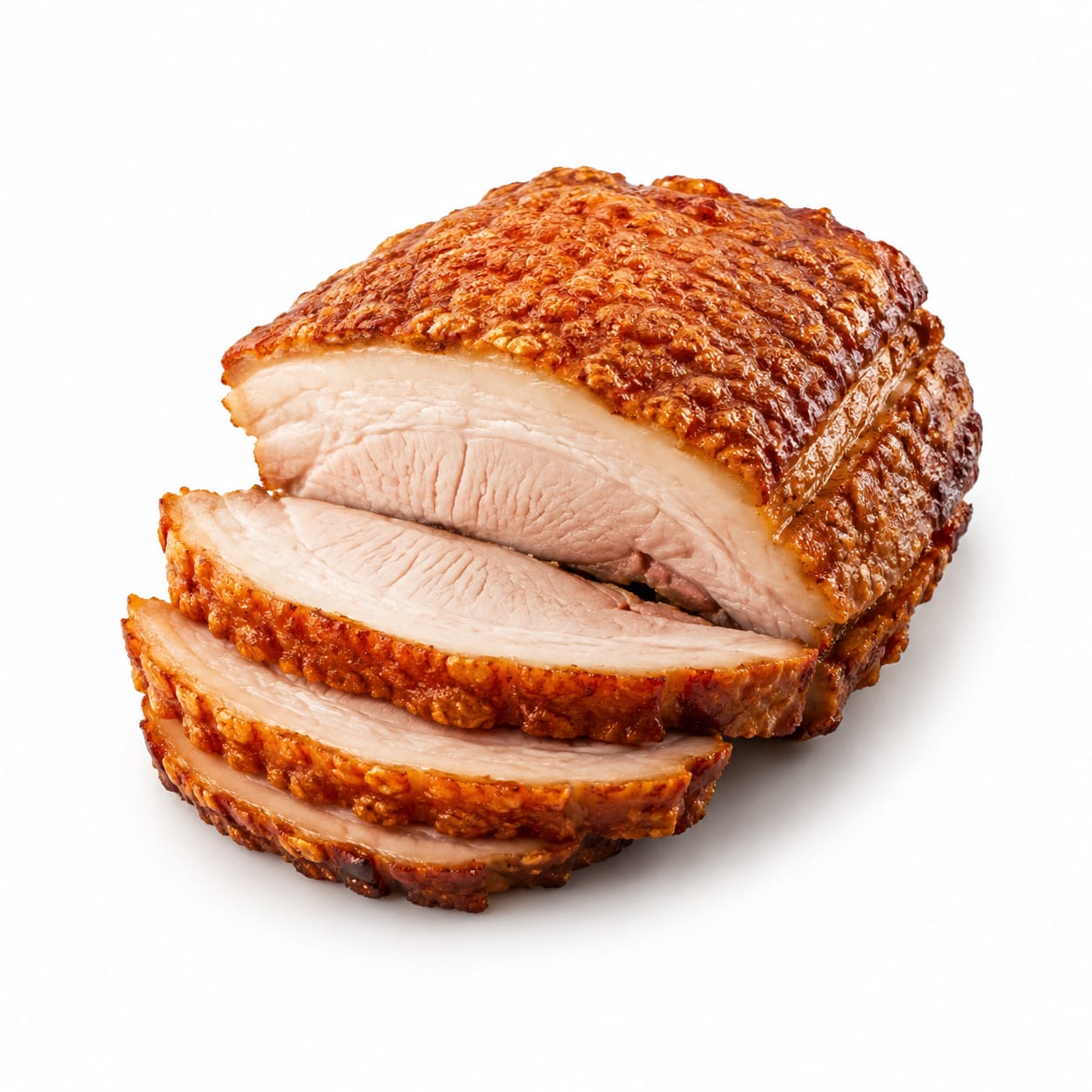
Pork
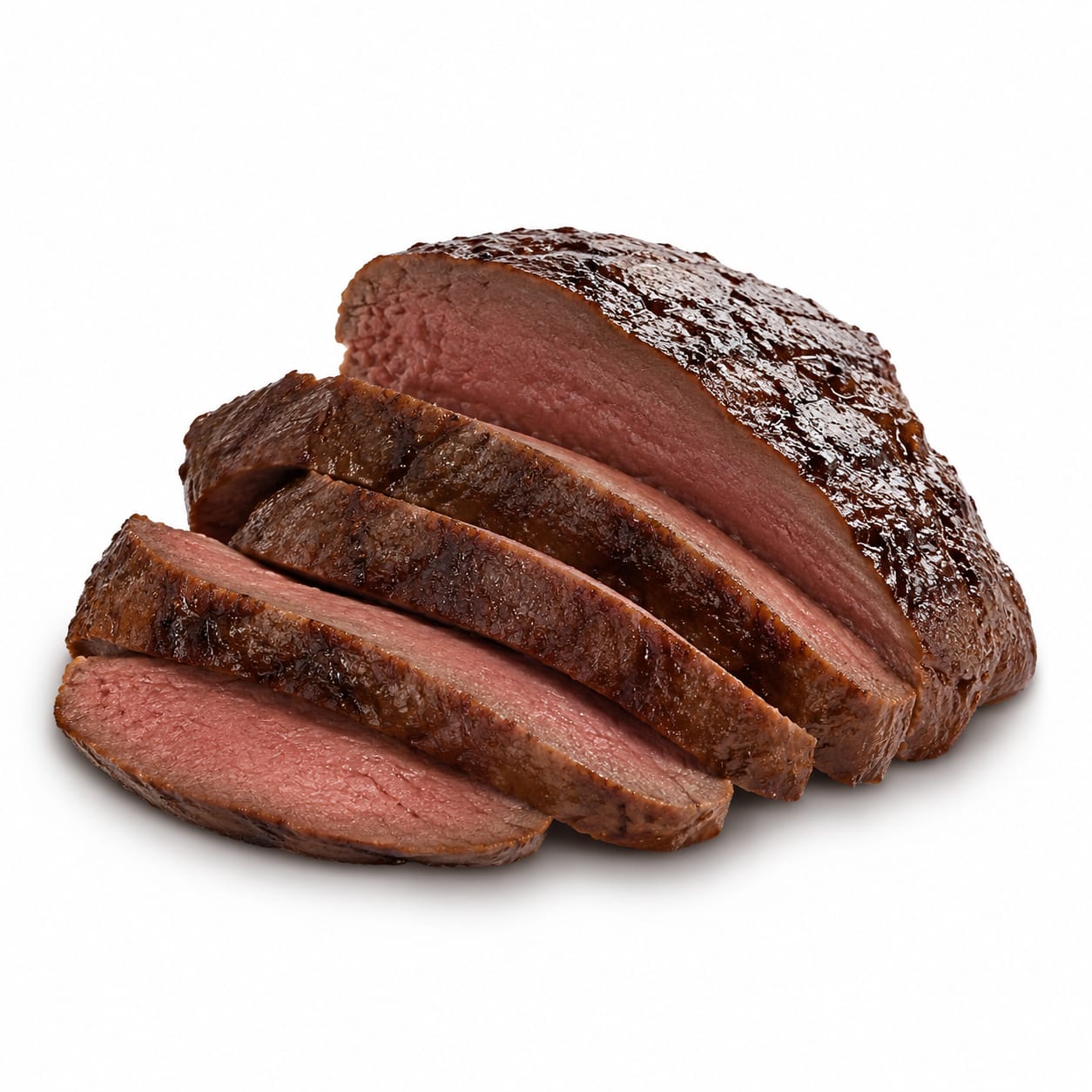
Venison
Venison wins on nutrition almost across the board — leaner, more nutrient-dense, and cleaner — but pork wins on price, availability, and everyday cookability.
Venison scores significantly higher due to its superior fat profile, higher nutrient density, and cleaner sourcing. Pork stays competitive through accessibility, affordability, and cooking versatility, but falls behind on health metrics.
You trade convenience and cost for a dramatically healthier fat profile and higher micronutrient density.
At a glance
Executive summary
Overall
Venison
Healthier
Venison
More practical
Pork
Daily use
It depends
Key comparison lenses
Lean protein comparison for health-conscious meat eaters
Venison is dramatically leaner than pork, making this the central tradeoff for anyone watching fat intake or calories
Heart health and saturated fat concerns
Pork's higher saturated fat content versus venison's lean profile is a major cardiovascular decision point
Wild vs farmed meat safety and purity
Venison is typically wild or pasture-raised with no antibiotics or hormones, while conventional pork raises contamination and additive concerns
Everyday practicality and accessibility
Pork is cheap and everywhere; venison is expensive and specialty, which heavily influences real-world decision-making
Iron and micronutrient density
Venison delivers significantly more iron and B12 per calorie, making it a micronutrient powerhouse compared to pork
Best choice for
Pork
- Budget-conscious families needing affordable protein
- Home cooks wanting versatile, forgiving meat for various recipes
- People who find gamey flavors unappealing
- Anyone without access to specialty butchers or hunters
Venison
- Athletes and bodybuilders seeking maximum protein with minimal fat
- People managing heart disease or high cholesterol
- Those prioritizing clean, antibiotic-free meat
- Anyone counting calories who still wants satisfying portions
Least suitable for
Pork
- People strictly limiting saturated fat
- Those avoiding conventionally farmed meat
- Anyone with religious or cultural pork restrictions
Venison
- Shoppers on tight grocery budgets
- People uncomfortable cooking lean game meat
- Those who dislike strong or gamey flavors
Deep comparison
Dimension by dimension
Each lens scores both foods and breaks down who each option suits.
- Dimension 1 · Priority 95Venison
Fat Profile and Heart Health
Pork · 35Venison · 90Venison has roughly half the fat and far less saturated fat than pork, making it dramatically better for cardiovascular health.
Tradeoff
Pork's higher fat content makes it more forgiving to cook and often more flavorful, but at a real cost to heart health over time.
Why it matters
Saturated fat intake is one of the strongest dietary predictors of heart disease risk. This single factor makes venison the clear choice for anyone with lipid concerns.
Real-world impact
A venison dinner leaves you feeling satisfied without the heavy, greasy aftermath that fatty pork cuts can produce.
Pork
- Flavor richness in slow-cooked dishes
- Easier to keep moist during cooking
Better for
- Higher saturated fat load per serving
- Greater contribution to arterial plaque over time
Worse for
Venison
- Lower LDL cholesterol impact
- Reduced cardiovascular risk with regular consumption
- Lighter post-meal feeling
Better for
- Very lean cuts can dry out easily if overcooked
Worse for
- Dimension 2 · Priority 90Venison
Protein Density Per Calorie
Pork · 50Venison · 92Venison delivers substantially more protein per calorie than pork, making it far more efficient for muscle building and weight management.
Tradeoff
You get more muscle-fueling protein from venison, but you'll pay more per gram of protein at the register.
Why it matters
When every calorie counts — whether for cutting weight or building lean mass — protein density determines how much food you can eat while hitting targets.
Real-world impact
A 4-ounce venison serving gives you the protein of a larger pork portion with significantly fewer calories, leaving room on your plate for more vegetables or carbs.
Pork
- More affordable protein per dollar spent
Better for
- Extra calories come from fat, not protein
- Less efficient for lean physique goals
Worse for
Venison
- Higher protein-to-calorie ratio
- Better for calorie-controlled diets
- More efficient for muscle recovery
Better for
- Cost per gram of protein is higher
Worse for
- Dimension 3 · Priority 85Venison
Micronutrient Density
Pork · 55Venison · 88Venison outshines pork on iron, B12, zinc, and several B vitamins per serving, thanks to its leaner profile and wild diet.
Tradeoff
Pork still provides solid B vitamins and selenium, but cannot match venison's iron content, which matters especially for women and athletes.
Why it matters
Iron deficiency is the most common nutrient deficiency worldwide. Venison is one of the richest heme iron sources available.
Real-world impact
If you've felt sluggish or cold-handed on lower-quality meat, switching to venison can noticeably improve energy within weeks.
Pork
- Good thiamin content, better than venison
- Decent selenium source
Better for
- Lower iron content limits usefulness for anemia prevention
Worse for
Venison
- Significantly more heme iron per serving
- Higher B12 concentration
- More zinc for immune function
- Better niacin and B6 levels
Better for
- Lower thiamin than pork
Worse for
- Dimension 4 · Priority 80Pork
Availability and Practicality
Pork · 92Venison · 30Pork is available in every grocery store at low prices; venison requires specialty sourcing and costs significantly more.
Tradeoff
The healthiest option is not always the most accessible. Real-life nutrition has to account for budget and convenience.
Why it matters
A food you can't easily buy or afford won't improve your diet, no matter how nutritious it is.
Real-world impact
You can grab pork chops at any supermarket on a Tuesday evening. Venison might require a specialty order, a hunter friend, or an online purchase with shipping costs.
Pork
- Available in virtually every grocery store
- Multiple cut options at different price points
- Familiar cooking methods for most home cooks
- Longer shelf life and easier to find fresh
Better for
- Quality varies dramatically by brand and farming practice
Worse for
Venison
- Available frozen from specialty suppliers year-round
Better for
- Hard to find in standard grocery stores
- Premium pricing limits regular consumption
- Limited cut variety for most consumers
Worse for
- Dimension 5 · Priority 70Pork
Cooking Versatility and Forgiveness
Pork · 85Venison · 45Pork's higher fat content makes it more forgiving to cook and more versatile across cuisines and methods.
Tradeoff
Venison's leanness demands careful cooking to avoid tough, dry results — but rewards you with cleaner flavor when done right.
Why it matters
Overcooked venison is genuinely unpleasant. If you're not confident in the kitchen, pork is a safer bet for consistent results.
Real-world impact
Pork shoulder can braise for hours and still taste amazing. Venison loin overcooked by two minutes goes from tender to shoe leather.
Pork
- Fat keeps meat moist during longer cooking
- Works well in slow cookers, grilling, roasting, and frying
- More forgiving for beginner cooks
- Absorbs marinades and rubs effectively
Better for
- Excess fat can render out and cause flare-ups on grill
Worse for
Venison
- Clean flavor pairs well with bold seasonings
- Excellent for quick high-heat preparations like searing
Better for
- Very easy to overcook and dry out
- Limited slow-cooking applications without added fat
- Requires more cooking skill for best results
Worse for
- Dimension 6 · Priority 75Venison
Satiety and Fullness
Pork · 70Venison · 82Venison's high protein density keeps you full longer per calorie eaten, while pork's fat content provides a different kind of satisfaction.
Tradeoff
Pork feels heavier and more immediately filling, but venison sustains satiety longer without the sluggish feeling.
Why it matters
Protein-driven satiety lasts longer and supports muscle maintenance better than fat-driven fullness.
Real-world impact
After a venison meal, you're satisfied for hours without feeling stuffed. After fatty pork, you might feel full but also heavy and slower.
Pork
- Fat content provides immediate feeling of fullness
- Comforting, heavy satisfaction some people prefer
Better for
- Fat-heavy fullness can feel sluggish rather than energized
Worse for
Venison
- Protein-driven satiety lasts longer between meals
- Less likely to cause post-meal energy dips
- Better for managing hunger during calorie deficits
Better for
- Very lean meals may feel less satisfying emotionally
Worse for
- Dimension 7 · Priority 65Venison
Environmental and Ethical Considerations
Pork · 35Venison · 80Wild venison has a fraction of the environmental footprint of conventionally farmed pork, with no factory farming concerns.
Tradeoff
Not all venison is wild — farmed venison exists too, though it still tends to be more sustainably raised than conventional pork.
Why it matters
For ethically conscious consumers, the difference between industrial pork operations and wild-harvested venison is significant.
Real-world impact
Choosing wild venison means no contribution to concentrated animal feeding operations, antibiotic overuse in farming, or the water pollution they cause.
Pork
- Some heritage and pasture-raised pork options are improving
Better for
- Conventional pork farming has significant environmental impact
- CAFO operations raise serious animal welfare questions
Worse for
Venison
- Wild venison requires no agricultural land for feed
- No antibiotic or hormone use in wild populations
- Lower greenhouse gas emissions per pound of meat
- No factory farming welfare concerns
Better for
- Overhunting concerns exist in some regions
- Farmed venison is less clearly superior environmentally
Worse for
Timeline
Health impact over time
Short-term
Hours to days
Pork
- Heavy, rich meals from fatty cuts can cause sluggishness
- Higher sodium in processed pork products may cause bloating
- Satisfying comfort food experience that feels rewarding immediately
Venison
- Light but sustained energy after meals
- High protein supports post-workout recovery effectively
- Lean nature may leave some people wanting more volume initially
Long-term
Months to years
Pork
- Regular consumption of fatty cuts raises cardiovascular risk meaningfully
- Processed pork (bacon, sausage) increases colorectal cancer risk
- Conventionally farmed pork exposes you to more antibiotic residues
- Consistent saturated fat intake contributes to elevated LDL cholesterol
Venison
- Superior heart health profile with regular consumption
- High heme iron supports prevention of anemia, especially in women
- Clean protein source supports healthy aging and muscle preservation
- Wild sourcing eliminates antibiotic and hormone exposure concerns
Risk profile
Safety & processing
Fresh pork cuts are minimally processed, but many popular pork products (bacon, ham, sausage) are heavily processed with nitrates and preservatives. Venison is almost always sold as whole-muscle cuts with minimal intervention, especially when wild-harvested.
Pork
Trichinosis
lowRare in commercial pork in developed countries, but still a consideration with undercooked pork from unverified sources.
Antibiotic-resistant bacteria
mediumConventional pork farming uses significant antibiotics, creating reservoirs for resistant bacteria that can reach consumers.
Nitrates in processed pork
highBacon, ham, and sausage contain nitrates and nitrites linked to increased cancer risk, especially colorectal cancer.
Venison
Lead contamination from ammunition
mediumWild-harvested venison shot with lead bullets can contain lead fragments. Copper ammunition eliminates this risk.
Chronic Wasting Disease
lowPresent in some wild deer populations but no confirmed human transmission. Avoid eating visibly sick animals.
Improper field dressing
mediumWild venison that isn't processed quickly and cleanly can develop bacterial contamination. Sourcing from reputable processors minimizes this.
Who wins for whom
Audience fit
Same foods, different winners depending on your goal.
children
PorkPork's milder flavor and wider availability make it more practical for feeding kids, though lean pork cuts should be prioritized over processed options.
daily consumption
It dependsVenison is nutritionally superior for daily use, but its cost and availability make pork the realistic daily choice for most households.
diabetes
VenisonLower saturated fat intake improves insulin sensitivity, and venison's lean profile avoids the metabolic burden that fatty pork creates.
elderly
VenisonHigher protein density helps prevent age-related muscle loss, and the superior iron and B12 content addresses common elderly deficiencies.
muscle gain
VenisonMore protein per calorie and superior amino acid profile support lean muscle growth without excess fat intake.
weight loss
VenisonVenison's dramatically lower calorie density and higher protein content make it far easier to maintain a caloric deficit while staying satisfied.
Your move
Decision guide
Choose Pork
- You're feeding a family on a budget and need affordable protein
- You want versatile meat that works in dozens of cuisines and cooking methods
- You're not confident cooking lean game meat and want forgiving results
- You can access high-quality heritage pork from trusted local farms
Choose Venison
- Heart health or cholesterol management is a priority for you
- You want maximum nutrition per calorie consumed
- You have access to wild or sustainably farmed venison at reasonable prices
- You're an athlete or bodybuilder seeking the cleanest protein source
- You want to avoid conventionally farmed meat entirely
Either works if
- You're eating meat only occasionally and overall diet quality is already strong
- You can pair either meat with plenty of vegetables and whole grains
- You're choosing lean pork cuts like tenderloin rather than fatty options
Avoid both if
- You have gout and need to limit purine intake
- You're following a plant-based diet for ethical or health reasons
- You have alpha-gal syndrome (red meat allergy)
Final recommendation
Choose venison when health is your top priority and you can access it affordably. Choose pork when practicality, budget, and cooking confidence matter more. If you eat pork regularly, stick to lean cuts like tenderloin and loin chops, and minimize processed pork products entirely. The gap between these two meats narrows significantly when you compare lean pork cuts to venison — but venison still maintains a clear nutritional edge.
Practical
Consumer tips
- 1
If buying venison, ask whether it's wild or farm-raised — wild is generally leaner and more nutrient-dense
- 2
Cook venison to medium-rare and let it rest to preserve tenderness — overcooking is the most common mistake
- 3
For pork, choose tenderloin or loin chops over ribs and belly to get closer to venison's lean profile
- 4
Avoid processed pork products like bacon and sausage for daily eating — the nitrate and sodium load is the real health risk
- 5
If cost is a barrier, even swapping one pork meal per week for venison gives you nutritional benefits
- 6
Marinate venison in acidic mixtures with olive oil to add moisture and tenderize before cooking
- 7
Source venison from reputable suppliers who test for Chronic Wasting Disease in their harvest areas
- 8
If you hunt or know a hunter, ask that copper ammunition be used instead of lead to eliminate contamination risk