
Nutrition comparison
Pork vs Lamb Chop: Which Red Meat Is Healthier?
Compare pork and lamb chops on nutrition, saturated fat, iron content, farming practices, and cost. Find out which red meat fits your health goals and budget.
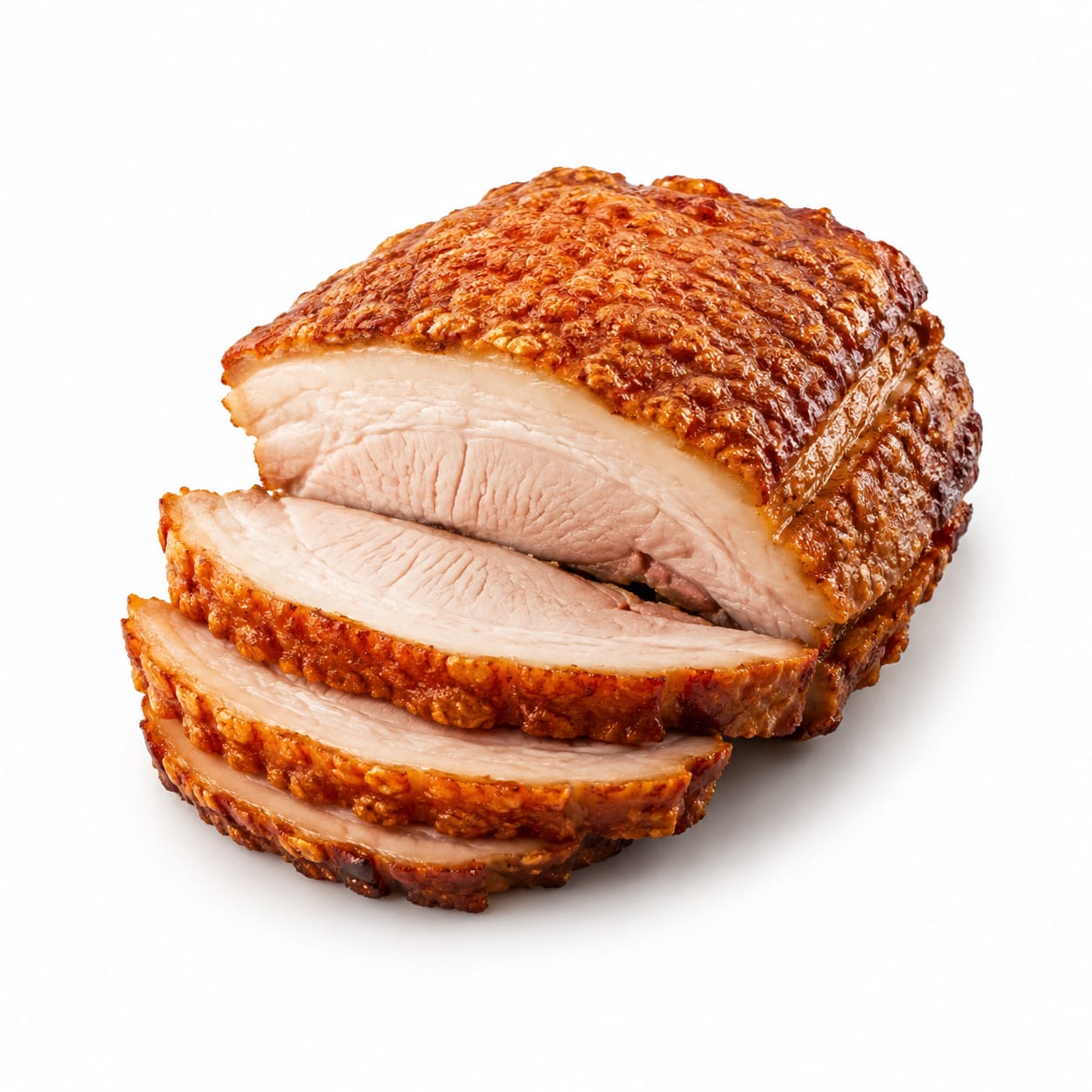
Pork
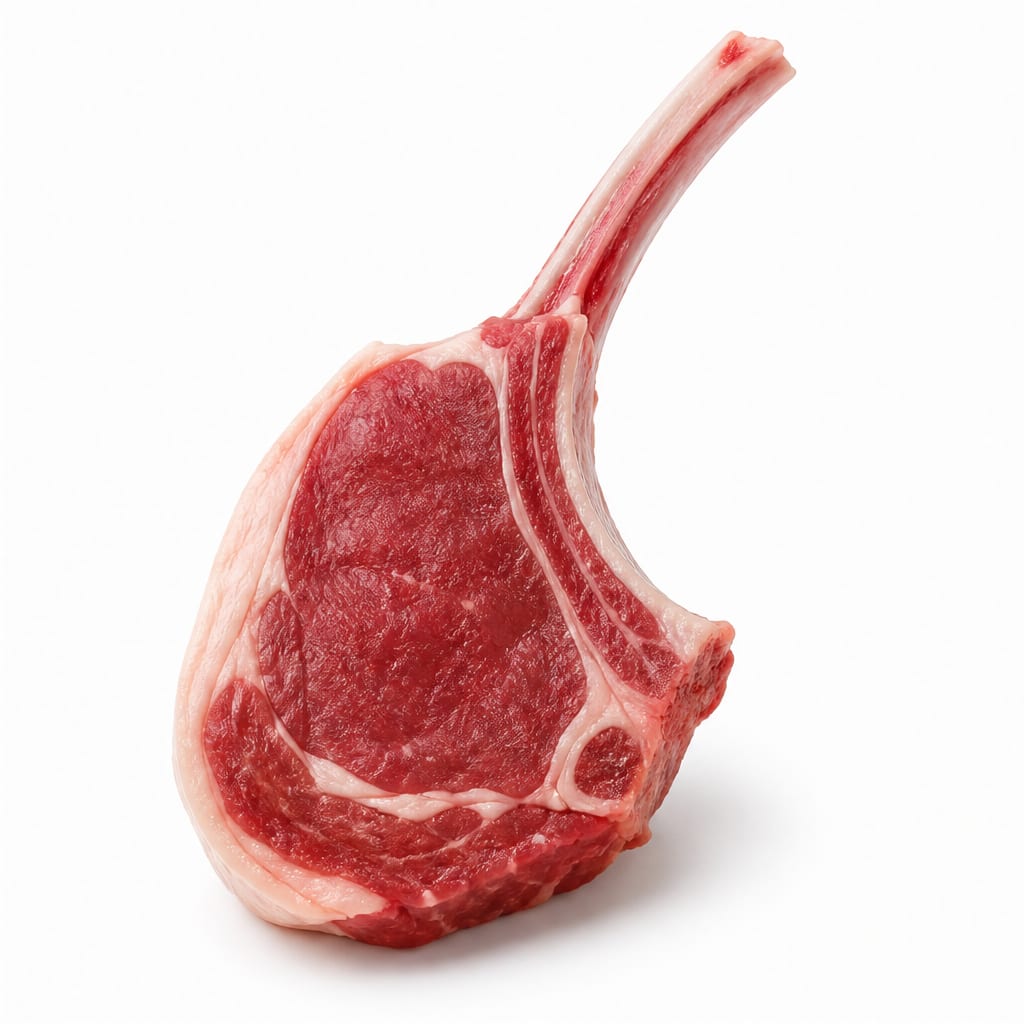
Lamb Chop
Lamb chops win on micronutrient density and are more likely to be pasture-raised, but pork offers better thiamin, lower cost, and more leanness when you choose the right cuts.
Pork edges ahead slightly due to practicality, leanness options, and thiamin content, but lamb chop's superior iron, zinc, and B12 along with better farming practices keep it competitive. The close scores reflect that neither is a clear winner—your priorities decide.
Lamb delivers more iron, zinc, and B12 with likely better farming practices, while pork gives you more B-vitamins, lower price, and easier leanness if you pick lean cuts.
At a glance
Executive summary
Overall
It depends
Healthier
It depends
More practical
Pork
Daily use
Pork
Key comparison lenses
heart health and saturated fat tradeoffs
Both meats carry significant saturated fat loads, but lamb chops tend to be fattier with more saturated fat per serving, making cardiovascular impact a primary concern
protein quality for muscle and satiety
Both are complete protein sources, but users often choose between these for high-protein meals and want to know which delivers better muscle-building and fullness value
micronutrient density comparison
Lamb excels in iron, B12, and zinc while pork dominates in thiamin and B6, creating a meaningful nutrient tradeoff
farming practices and contamination risk
Pork is predominantly factory-farmed with antibiotic exposure concerns, while lamb is more often pasture-raised, affecting both safety and nutritional profile
everyday practicality and cost
Pork is significantly more affordable and versatile for weekly meals, while lamb chops are typically a pricier, occasional choice
Best choice for
Pork
- Budget-conscious households needing versatile protein
- People prioritizing thiamin and B6 intake
- Those who want lean meat options like tenderloin
- Meal preppers needing affordable weekly protein
Lamb Chop
- People with iron deficiency or anemia risk
- Those seeking pasture-raised meat more easily
- Anyone wanting higher B12 and zinc intake
- Special occasion meals where richness is welcome
Least suitable for
Pork
- People avoiding factory-farmed meat
- Those strictly limiting saturated fat from processed cuts
- Anyone concerned about antibiotic exposure in conventional farming
Lamb Chop
- People on tight food budgets
- Those who need to limit saturated fat strictly
- Anyone watching calorie density closely
Deep comparison
Dimension by dimension
Each lens scores both foods and breaks down who each option suits.
- Dimension 1 · Priority 92Pork
Saturated Fat and Heart Health
Pork · 55Lamb Chop · 40Pork can be leaner if you choose the right cuts, while lamb chops consistently carry more saturated fat due to the marbling and fat cap.
Tradeoff
Pork tenderloin is remarkably lean, but pork belly or ribs are worse than lamb. Cut selection matters enormously for pork; lamb chops are almost always fatty.
Why it matters
Saturated fat directly impacts LDL cholesterol and heart disease risk over time, making this the most consequential difference for regular consumption.
Real-world impact
Choosing pork tenderloin over lamb chops a few times a week could meaningfully lower your saturated fat intake, but a pork shoulder roast flips that advantage.
Pork
- People managing cholesterol levels
- Those who want lean protein options
- Anyone eating red meat multiple times weekly
Better for
- Those eating fatty pork cuts like belly or ribs regularly
Worse for
Lamb Chop
- People who only eat red meat occasionally and can afford the fat hit
Better for
- Anyone with existing heart disease risk
- People who need to keep saturated fat under 10% of calories
Worse for
- Dimension 2 · Priority 85Lamb Chop
Micronutrient Density
Pork · 65Lamb Chop · 80Lamb chops deliver substantially more iron, zinc, and B12, while pork dominates in thiamin and provides solid B6.
Tradeoff
Lamb is clearly better for minerals critical to energy and immunity, but pork's thiamin advantage matters more than people think for carbohydrate metabolism and nerve function.
Why it matters
Iron deficiency is the world's most common nutrient deficiency, and B12 is crucial for vegetarians transitioning back to meat. Zinc supports immune resilience.
Real-world impact
If you're borderline anemic or recovering from illness, lamb chops will replenish iron and zinc faster. If you eat lots of carbs, pork's thiamin helps your body actually use them.
Pork
- People on high-carb diets needing thiamin support
- Anyone with marginal B6 intake
Better for
- Those needing maximum iron absorption
Worse for
Lamb Chop
- Women with heavy periods needing iron
- Older adults at risk for B12 deficiency
- Anyone recovering from illness needing zinc
Better for
- People specifically seeking thiamin-rich foods
Worse for
- Dimension 3 · Priority 82It depends
Protein Quality and Satiety
Pork · 72Lamb Chop · 74Both provide excellent complete protein with all essential amino acids, but lamb chops feel more filling due to higher fat content slowing digestion.
Tradeoff
Lamb's fat makes it more satiating per serving but also more calorie-dense. Lean pork fills you up with less caloric cost but may leave you hungry sooner.
Why it matters
Satiety determines whether you snack later. A lamb chop might keep you full for 5 hours, while a lean pork portion might only last 3.
Real-world impact
After a lamb chop dinner, you're less likely to raid the fridge at 10pm. After lean pork, you might want a snack—adding calories back anyway.
Pork
- People counting calories who want protein efficiency
- Athletes needing lean protein post-workout
Better for
- Anyone finding lean meat leaves them unsatisfied
Worse for
Lamb Chop
- Those who struggle with between-meal hunger
- People doing intermittent fasting who eat fewer, larger meals
Better for
- People who find heavy, fatty meals cause sluggishness
Worse for
- Dimension 4 · Priority 78Lamb Chop
Farming Practices and Contamination Risk
Pork · 45Lamb Chop · 70Lamb is far more likely to be pasture-raised with fewer antibiotics, while most pork comes from concentrated feeding operations with routine antibiotic use.
Tradeoff
You pay more for lamb but likely get cleaner meat. Pork is cheaper but carries more antibiotic and farming practice concerns unless you specifically buy heritage or organic.
Why it matters
Routine antibiotic use in pork farming contributes to antibiotic resistance and may leave residues. Pasture-raised lamb generally has a better omega-3 to omega-6 ratio.
Real-world impact
If you care about what your meat ate, lamb is the safer default. With pork, you need to actively seek out better-sourced options, which cost more and are harder to find.
Pork
- People with access to heritage or organic pork
- Those on tight budgets who cannot afford pasture-raised options
Better for
- People worried about factory farming practices
- Anyone avoiding antibiotic-exposed meat
Worse for
Lamb Chop
- Anyone concerned about antibiotic exposure
- People who prioritize pasture-raised and grass-fed meat
- Those wanting a better omega-3 to omega-6 ratio
Better for
- Those who assume all lamb is grass-fed (some is grain-finished)
Worse for
- Dimension 5 · Priority 75Lamb Chop
Inflammatory Potential
Pork · 48Lamb Chop · 58Pasture-raised lamb typically has a more favorable omega-3 profile, while conventional pork's omega-6 load and potential antibiotic residues may promote more inflammation.
Tradeoff
Lamb's higher saturated fat partially offsets its omega-3 advantage, and fatty pork cuts are inflammatory on both fronts. Neither is an anti-inflammatory food.
Why it matters
Chronic inflammation underlies heart disease, joint pain, and metabolic issues. Small differences in omega ratios compound over years of regular consumption.
Real-world impact
If you eat red meat weekly, choosing pasture-raised lamb over conventional pork could meaningfully shift your inflammatory baseline over months and years.
Pork
- People eating pork only occasionally where inflammatory impact is minimal
Better for
- Anyone eating conventional pork frequently
- People with existing inflammatory conditions
Worse for
Lamb Chop
- Those with inflammatory conditions like arthritis
- People who eat red meat regularly and want the least inflammatory option
Better for
- Those who overeat lamb, as high saturated fat intake is still inflammatory
Worse for
- Dimension 6 · Priority 75Pork
Affordability and Everyday Practicality
Pork · 85Lamb Chop · 45Pork is dramatically more affordable and available in diverse cuts for any cooking method, while lamb chops are expensive and limited in culinary versatility.
Tradeoff
Pork's low cost means you can eat quality protein more often, but lamb's price tag naturally limits portion sizes and frequency—which may actually be healthier.
Why it matters
The best protein source is one you can consistently afford and prepare. Budget constraints often override nutritional nuances in real life.
Real-world impact
A family of four can eat pork twice a week for the same cost as lamb chops once. That frequency matters more for protein intake than occasional nutrient density.
Pork
- Families on grocery budgets
- Meal preppers needing affordable weekly protein
- Home cooks wanting versatility across dishes
Better for
- Those who associate cheap meat with poor quality
Worse for
Lamb Chop
- People who prefer eating smaller amounts of higher-quality meat
- Those using lamb chops as an occasional treat rather than a staple
Better for
- Anyone needing affordable regular protein
- People who want multiple cooking options from one protein source
Worse for
Timeline
Health impact over time
Short-term
Hours to days
Pork
- Lean pork cuts provide satisfying protein without heaviness, making them comfortable for most meals
- Fatty pork cuts can feel heavy and greasy, potentially causing sluggishness after eating
- Pork is easy to digest for most people when cooked thoroughly
Lamb Chop
- Lamb chops deliver a rich, heavy meal that satisfies deeply but can cause post-meal drowsiness
- The high fat content slows gastric emptying, which feels filling but may cause bloating in sensitive people
- Lamb's distinct flavor can trigger satisfaction or aversion depending on personal preference
Long-term
Months to years
Pork
- Regular lean pork consumption supports thiamin levels and carbohydrate metabolism over decades
- Conventional pork's antibiotic and omega-6 exposure may contribute to inflammatory burden with frequent consumption
- Affordable protein access makes consistent healthy eating more sustainable long-term
Lamb Chop
- Consistent lamb intake provides superior iron and B12 status, particularly valuable for women and older adults
- Pasture-raised lamb's omega-3 profile may offer modest cardiovascular and anti-inflammatory benefits over years
- High cost naturally limits overconsumption, which paradoxically may make it healthier as an occasional food
Risk profile
Safety & processing
Both are whole, unprocessed meats in their natural form. However, pork more often receives additives like sodium solutions or nitrates in cured forms, while lamb chops are typically sold fresh without enhancement. If you stick to fresh, unenhanced pork cuts, both are equally natural.
Pork
Trichinosis and parasite exposure
lowHistorically a major concern, modern farming practices have made trichinosis extremely rare in commercial pork. Cooking to 145°F eliminates risk entirely.
Antibiotic residues from conventional farming
mediumRoutine antibiotic use in concentrated pork operations may contribute to resistant bacteria and trace residues. Choosing organic or heritage pork reduces this significantly.
Foodborne illness from undercooking
mediumPork requires thorough cooking to kill potential pathogens like Salmonella and Yersinia. Unlike beef, pork should not be served rare.
Lamb Chop
Pathogen contamination from undercooking
lowLamb can harbor Salmonella and E. coli but is often cooked to medium or medium-rare safely due to the muscle structure of chops. Surface contamination is the main concern.
Heavy metal accumulation from grazing
lowSheep grazing on contaminated soil can accumulate cadmium in organs, but this is rarely a concern in muscle meat like chops and in regulated markets.
Scrapie exposure concerns
very_lowScrapie is a prion disease in sheep, but it does not transmit to humans and is not found in muscle meat. This is essentially a non-issue for consumers.
Who wins for whom
Audience fit
Same foods, different winners depending on your goal.
children
PorkPork's milder flavor, lower fat content, and more affordable price make it more practical for kids. The thiamin content also supports their growing nervous systems.
daily consumption
PorkPork's affordability, leanness options, and cooking versatility make it more sustainable as a regular protein, while lamb is better reserved for a few times per month.
diabetes
PorkLean pork has zero carbs and less saturated fat than lamb, making it a safer choice for insulin sensitivity and cardiovascular health in diabetic diets.
elderly
Lamb ChopLamb's superior B12, iron, and zinc address common elderly deficiencies, and the richer flavor can stimulate appetite in those experiencing taste decline.
muscle gain
It dependsBoth provide excellent complete protein. Pork tenderloin offers lean protein for lean gains, while lamb chops provide calorie-dense protein that suits bulking phases better.
weight loss
PorkLean pork cuts like tenderloin deliver high protein with fewer calories and less fat than lamb chops, making it easier to maintain a calorie deficit while staying full.
Your move
Decision guide
Choose Pork
- You need affordable, versatile protein for weekly meals
- Heart health is a priority and you'll choose lean cuts like tenderloin or loin
- You want milder flavor that works in diverse cuisines and recipes
- You're meal prepping on a budget and need protein that stretches
- You're focused on thiamin intake for energy metabolism
Choose Lamb Chop
- You're concerned about farming practices and want pasture-raised by default
- Iron deficiency or anemia is a real concern for you
- You eat red meat occasionally and want maximum nutrient density when you do
- You're an older adult needing B12 and zinc support
- You find fatty, rich meals more satisfying and eat less frequently
Either works if
- You're eating red meat only 1-2 times per week and rotating both
- You have access to high-quality, well-sourced versions of both
- Your main goal is complete protein and either fits your meal plan
Avoid both if
- You have severe cardiovascular disease and need to minimize saturated fat entirely
- Your doctor has recommended eliminating red meat for health reasons
- You have gout and need to limit purine-rich foods
Final recommendation
Make pork your everyday red meat for its practicality and leanness options, and treat lamb chops as your nutrient-dense upgrade a few times a month. When choosing pork, go for tenderloin or loin cuts. When choosing lamb, enjoy the richness but watch portion sizes. Either way, sourcing matters—buy the best quality you can afford, because farming practices affect both nutrition and safety more than most people realize.
Practical
Consumer tips
- 1
For pork, tenderloin is nearly as lean as chicken breast—don't assume all pork is fatty
- 2
Ask your butcher about heritage pork breeds for better farming practices and flavor
- 3
Lamb chops from New Zealand or Australia are almost always pasture-raised by default
- 4
Trim visible fat from lamb chops before cooking to significantly reduce saturated fat without losing flavor
- 5
Marinate pork in acidic mixtures like citrus or vinegar to improve tenderness without adding fat
- 6
Cook pork to 145°F (not well-done) for juicier, more enjoyable results—modern pork is safe at this temperature
- 7
Buy lamb shoulder chops instead of loin chops for similar nutrition at a lower price
- 8
If budget allows, organic pork eliminates most antibiotic and farming practice concerns