
Nutrition comparison
Pork vs Shrimp: Nutrition, Health Benefits & Which is Better
Comparing Pork and Shrimp? Discover the nutritional differences, health tradeoffs, and which lean protein is best for your diet.
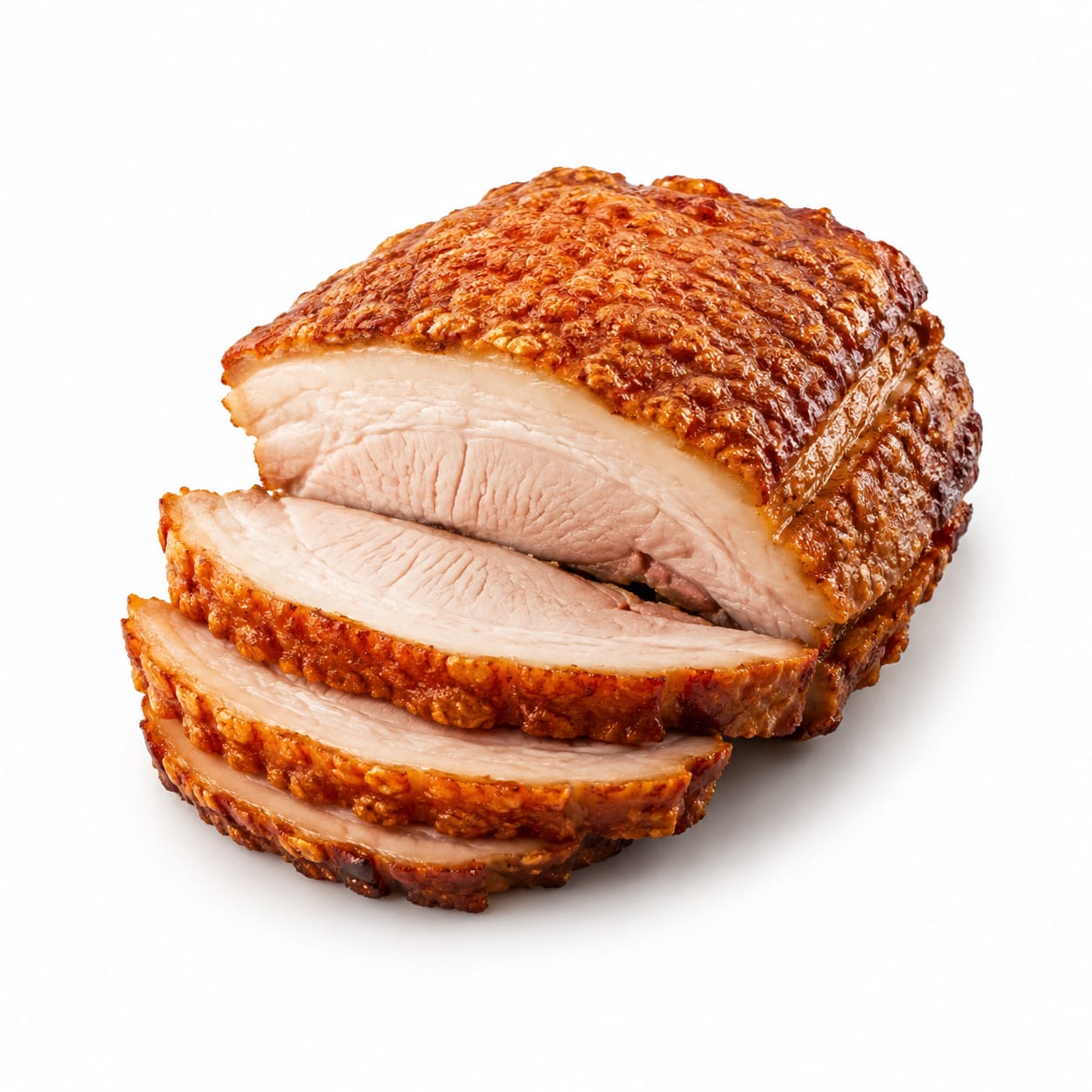
Pork
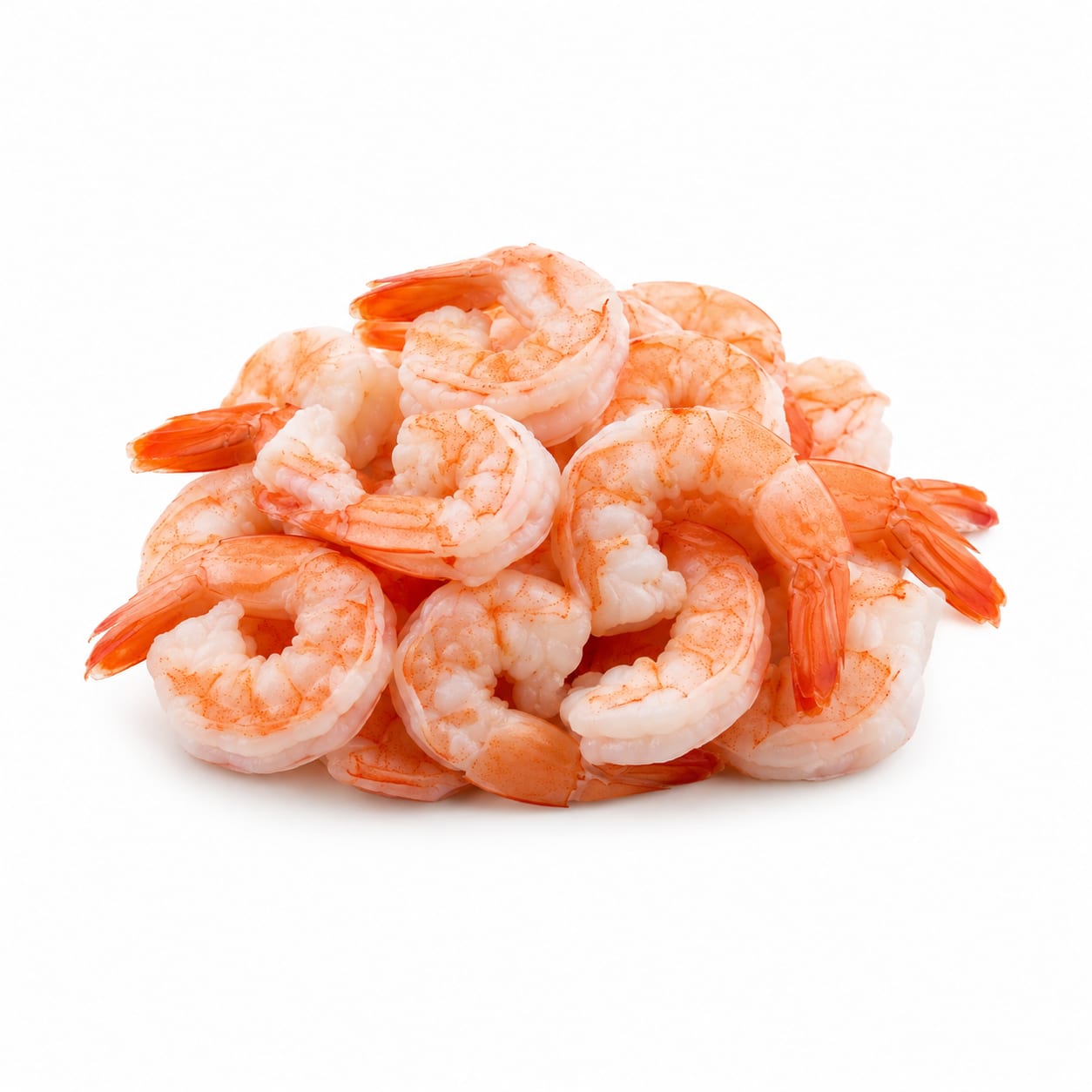
Shrimp
Shrimp wins for lean protein and heart health, while Pork offers better satiety and richer flavor for comforting meals.
Shrimp scores higher due to its lean profile and favorable fat composition, but Pork remains competitive because of its satiety, affordability, and nutrient density, making the final choice heavily dependent on the cut of pork and personal health goals.
Shrimp gives you ultra-lean protein with a lighter feel, but Pork keeps you full longer and provides more B vitamins at the cost of higher saturated fat.
At a glance
Executive summary
Overall
It depends
Healthier
Shrimp
More practical
Pork
Daily use
It depends
Key comparison lenses
Heart health and cholesterol impact
Shrimp is known for dietary cholesterol while pork contains saturated fat, making heart health the primary concern for most users comparing these two.
Weight management and calorie density
Shrimp is exceptionally lean, whereas pork's fat content varies wildly by cut, directly affecting weight loss goals.
Contaminant and farming safety
Both foods carry distinct sourcing risks—antibiotics and parasites in pork, heavy metals and microplastics in shrimp.
Satiety and meal satisfaction
Pork's fat content provides a heavier, longer-lasting fullness compared to the light, quick-digesting nature of shrimp.
Best choice for
Pork
- Budget-conscious families
- Hearty meal prep and batch cooking
- Those needing long-lasting satiety
Shrimp
- Lean protein diets
- Heart-healthy eating plans
- Quick-cooking weeknight dinners
Least suitable for
Pork
- People managing high cholesterol
- Those avoiding saturated fat
- Low-fat diet followers
Shrimp
- People with shellfish allergies
- Budget-limited households
- Those highly concerned about heavy metal exposure
Deep comparison
Dimension by dimension
Each lens scores both foods and breaks down who each option suits.
- Dimension 1 · Priority 95Shrimp
Heart Health & Cholesterol
Pork · 55Shrimp · 85Shrimp is surprisingly heart-healthy despite its cholesterol content, while Pork's saturated fat can be a concern.
Tradeoff
You get more saturated fat with Pork, but Shrimp's dietary cholesterol isn't the villain it was once thought to be for most people.
Why it matters
Saturated fat impacts heart disease risk far more than dietary cholesterol does.
Real-world impact
Eating shrimp regularly is less likely to leave you feeling sluggish or impact your lipid panel compared to fatty cuts of pork.
Pork
- Those who naturally maintain low cholesterol
Better for
- People with high LDL cholesterol
- Those on a strict heart-healthy diet
Worse for
Shrimp
- People watching their saturated fat intake
- Those with a family history of heart disease
Better for
- Hyper-responders to dietary cholesterol
Worse for
- Dimension 2 · Priority 85Shrimp
Calorie Density & Weight Management
Pork · 65Shrimp · 92Shrimp is a weight-loss powerhouse with very few calories per serving, while Pork is more calorie-dense.
Tradeoff
Shrimp lets you eat a larger volume for fewer calories, but Pork's fat content makes it more satisfying so you might eat less overall.
Why it matters
Managing calorie intake is easier when you can eat larger portions of lean protein without overshooting your daily limit.
Real-world impact
A shrimp stir-fry feels light but fills you up with protein, whereas a pork dish might feel heavier and push you over your calorie budget if you aren't careful with portions.
Pork
- Those who struggle with hunger and need high-satiety meals
Better for
- Those on a strict calorie deficit
Worse for
Shrimp
- Calorie counters
- People aiming for a lean physique
Better for
- People needing high-calorie intake for weight gain
Worse for
- Dimension 3 · Priority 80It depends
Contaminants & Sourcing Concerns
Pork · 70Shrimp · 65Both carry distinct farming and contamination risks. Pork faces antibiotic and parasite issues, while Shrimp faces heavy metal and microplastic concerns.
Tradeoff
Choosing quality sourcing is critical for both; farmed shrimp can be heavily treated with antibiotics, while conventionally farmed pork has its own welfare and chemical concerns.
Why it matters
What the animal ate and how it was raised directly affects what you end up eating.
Real-world impact
Buying cheap imported shrimp might expose you to contaminants, just as factory-farmed pork might carry antibiotic residues. Sourcing matters more here than the meat itself.
Pork
- Those who can easily access local, pasture-raised pork
Better for
- Those eating highly processed pork products frequently
Worse for
Shrimp
- Those who can afford wild-caught or sustainably certified shrimp
Better for
- Pregnant women worried about heavy metals in seafood
Worse for
- Dimension 4 · Priority 75Pork
Satiety & Meal Satisfaction
Pork · 88Shrimp · 70Pork's fat content makes meals feel more substantial and keeps you full longer, while Shrimp digests quickly.
Tradeoff
Pork provides a comforting, heavy satisfaction, whereas Shrimp offers a lighter, cleaner finish.
Why it matters
Staying full between meals prevents snacking and overeating later in the day.
Real-world impact
A pork chop dinner will likely keep you full until breakfast, while a shrimp salad might have you reaching for a snack by 9 PM.
Pork
- People with long gaps between meals
- Those who find lean meats unsatisfying
Better for
- People who get sluggish after heavy meals
Worse for
Shrimp
- Those who prefer light dinners
- People who dislike feeling overly full
Better for
- Those who need long-lasting energy from their protein
Worse for
- Dimension 5 · Priority 70Pork
Nutrient Density & Vitamins
Pork · 85Shrimp · 80Pork is rich in B vitamins and zinc, while Shrimp excels in iodine, selenium, and vitamin B12.
Tradeoff
Pork fuels energy metabolism with high thiamine, while Shrimp supports thyroid function and antioxidant defense.
Why it matters
Different micronutrient profiles support different body functions and energy levels.
Real-world impact
Pork helps convert food into energy efficiently, while shrimp supports a healthy metabolism and immune system.
Pork
- Those needing an energy boost
- People with B-vitamin deficiencies
Better for
Shrimp
- Those needing thyroid support
- People looking to boost selenium intake
Better for
Timeline
Health impact over time
Short-term
Hours to days
Pork
- Provides long-lasting fullness due to higher fat content
- Can feel heavy or cause sluggishness if eaten in large fatty portions
Shrimp
- Quickly digested for fast protein availability
- May trigger severe allergic reactions in sensitive individuals
Long-term
Months to years
Pork
- Higher saturated fat intake may impact cardiovascular health if lean cuts aren't chosen
- Good sustained source of energy-supporting B vitamins
Shrimp
- Supports thyroid and immune health via selenium and iodine
- Consistent lean protein intake aids in weight management and metabolic health
Risk profile
Safety & processing
Both are naturally whole proteins, but commercial processing can sneak in additives. Fresh pork cuts and untreated shrimp are your best bets for clean eating. Watch out for sodium tripolyphosphate in shrimp and sodium solutions injected into pork loin.
Pork
Parasites (Trichinella)
lowModern farming practices have virtually eliminated this, but proper cooking to 145°F is still required.
Antibiotic residues
mediumConventional farming uses antibiotics, which can contribute to antibiotic resistance. Opt for organic or pasture-raised.
Shrimp
Shellfish allergy
highOne of the most common and severe food allergies, potentially causing anaphylaxis.
Heavy metals and microplastics
mediumShrimp can accumulate contaminants from their environment, especially in poorly regulated farming operations.
Who wins for whom
Audience fit
Same foods, different winners depending on your goal.
children
PorkPork is easier to chew, carries no shellfish allergy risk, and provides B vitamins crucial for growth and energy.
daily consumption
ShrimpShrimp's lean profile makes it a safer daily staple for cardiovascular health, assuming no allergies and good sourcing.
diabetes
ShrimpBoth have zero carbs, but Shrimp's lower saturated fat content is better for the cardiovascular health of diabetics.
elderly
ShrimpShrimp is easier to chew and digest, and its lean profile supports heart health without weighing down older digestive systems.
muscle gain
PorkPork provides a slightly higher calorie surplus along with creatine and taurine, which support muscle growth and performance.
weight loss
ShrimpShrimp offers significantly fewer calories and virtually zero carbs or saturated fat, making it easier to stay in a calorie deficit.
Your move
Decision guide
Choose Pork
- You want a hearty, satisfying meal that keeps you full for hours
- You are on a budget and need affordable, versatile protein
- You are looking to gain weight or build mass
Choose Shrimp
- You want a light, lean protein source for weight loss
- You need a quick-cooking protein for busy weeknights
- You are focused on heart-healthy eating and minimizing saturated fat
Either works if
- You simply need a high-quality complete protein for a balanced diet
- You are meal-prepping and can pair them with veggies and whole grains
Avoid both if
- You have a shellfish allergy and are considering shrimp
- You are following a strict plant-based or vegetarian diet
Final recommendation
Let your health goals and budget decide. Shrimp is your go-to for lean, heart-friendly protein that cooks in minutes, while Pork is the champion of satiety and affordability. If you choose Pork, opt for lean cuts like tenderloin to get the best of both worlds.
Practical
Consumer tips
- 1
For Pork, choose loin or tenderloin cuts to get the protein with far less saturated fat.
- 2
Look for shrimp that isn't treated with sodium tripolyphosphate by checking the ingredient list—it should just say 'shrimp'.
- 3
Cook shrimp just until it turns pink to avoid a rubbery texture and preserve its delicate nutrient profile.
- 4
Use a meat thermometer for Pork; it's safe and juicy at 145°F, no need to overcook it to well-done anymore.