
Nutrition comparison
Pork vs Beef Sirloin: Which is Healthier and Leaner?
Comparing Pork and Beef Sirloin? Discover which meat is better for weight loss, muscle gain, and heart health, plus nutritional tradeoffs and cooking tips.
Overall winner · Beef Sirloin
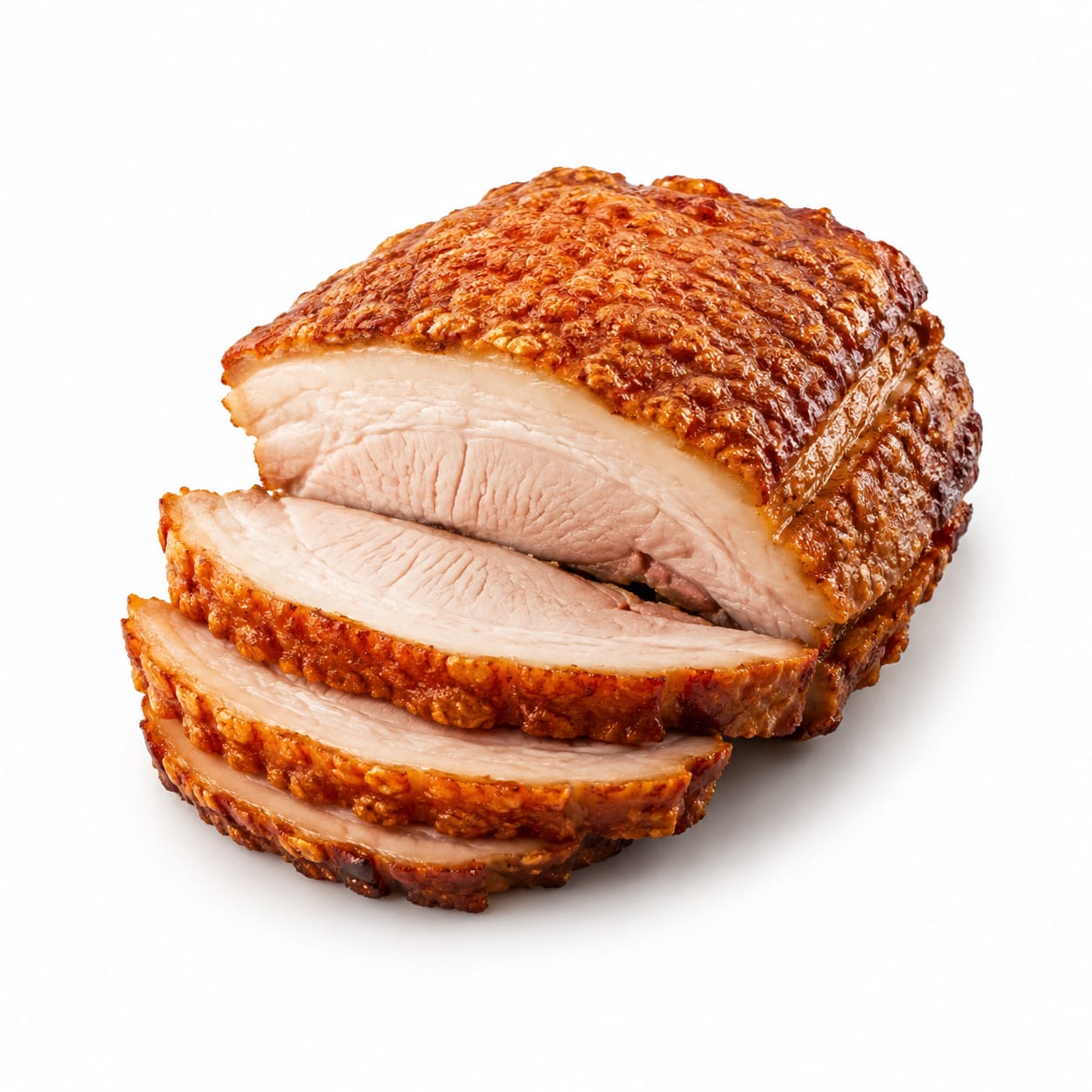
Pork
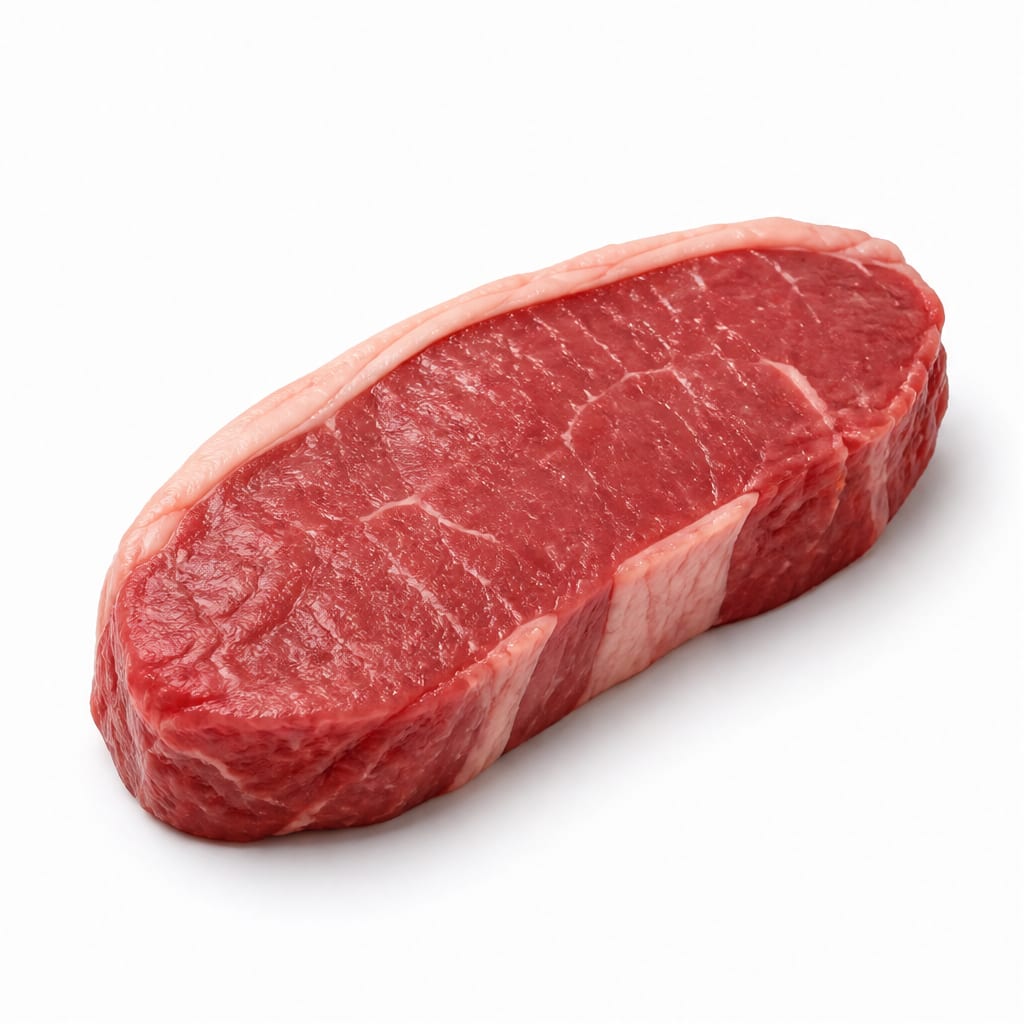
Beef Sirloin
Beef Sirloin is leaner and better for strict muscle gain, while Pork offers superior B-vitamins and easier affordability.
Beef Sirloin scores higher due to its superior leanness and iron content, making it a more universally healthy choice for regular consumption. Pork remains highly nutritious but typical cuts carry more saturated fat.
You trade the leanness and higher iron of Beef Sirloin for the thiamin richness and lower cost of Pork.
At a glance
Executive summary
Overall
Beef Sirloin
Healthier
Beef Sirloin
More practical
Pork
Daily use
Beef Sirloin
Key comparison lenses
Leanness and fat content
Users often compare Pork and Beef Sirloin to decide which is better for weight management and heart health.
Protein quality for muscle building
Both are popular animal proteins, but their amino acid profiles and bioavailability differ slightly.
Micronutrient differences
Pork is uniquely high in thiamin, while Beef Sirloin excels in B12 and zinc.
Budget and everyday practicality
Pork is generally more affordable, making it a staple for families compared to premium beef cuts.
Best choice for
Pork
- Pork is ideal for budget-conscious families
- Pork offers a boost in B-vitamins, especially thiamin
- Pork shines in slow-cooking and versatile meal prep
Beef Sirloin
- Beef Sirloin is perfect for people tracking macros and cutting fat
- Beef Sirloin suits athletes focused on lean muscle gain
- Beef Sirloin fits those monitoring saturated fat intake
Least suitable for
Pork
- Pork is less ideal for people on strict low-saturated-fat diets
- Pork can be a drawback for those avoiding higher-calorie cuts
Beef Sirloin
- Beef Sirloin is tough on tight grocery budgets
- Beef Sirloin dries out easily for those who prefer well-done meat
Deep comparison
Dimension by dimension
Each lens scores both foods and breaks down who each option suits.
- Dimension 1 · Priority 92Beef Sirloin
Fat Profile and Leanness
Pork · 55Beef Sirloin · 88Beef Sirloin is significantly leaner than most Pork cuts, offering more protein per calorie.
Tradeoff
Pork often provides juicier, more forgiving cooking due to its fat, but that fat increases calorie density.
Why it matters
Lower saturated fat intake directly supports heart health and makes hitting protein goals easier without overconsuming calories.
Real-world impact
Choosing Beef Sirloin means a lighter, less greasy meal that keeps you full without the heavy feeling that fattier Pork cuts can bring.
Pork
- Pork provides flavor and moisture in dry-heat cooking
- Pork fits keto or low-carb diets needing higher fat
Better for
- Pork can hinder weight loss if portions aren't strictly controlled
- Pork may challenge managing cholesterol levels
Worse for
Beef Sirloin
- Beef Sirloin excels in calorie-controlled diets
- Beef Sirloin aligns with heart-healthy eating patterns
Better for
- Beef Sirloin struggles to stay moist when cooked past medium
Worse for
- Dimension 2 · Priority 80Pork
Micronutrient Density
Pork · 85Beef Sirloin · 78Pork is an exceptional source of thiamin (B1), while Beef Sirloin dominates in B12, zinc, and iron.
Tradeoff
Pork fuels energy metabolism better, but Beef Sirloin is superior for oxygen transport and immune function.
Why it matters
Thiamin is crucial for converting food into energy, whereas iron and B12 are vital for preventing anemia and fatigue.
Real-world impact
Eating Pork can help fight afternoon energy slumps, while Beef Sirloin is better for rebuilding stamina after blood loss or intense training.
Pork
- Pork boosts daily energy metabolism effectively
- Pork supports carb-heavy diets requiring more B1
Better for
- Pork is not the best primary source for dietary iron
Worse for
Beef Sirloin
- Beef Sirloin prevents iron-deficiency anemia
- Beef Sirloin supports immune health with high zinc
Better for
- Beef Sirloin falls short in situations demanding high thiamin intake
Worse for
- Dimension 3 · Priority 85Beef Sirloin
Protein Quality and Satiety
Pork · 75Beef Sirloin · 90Beef Sirloin provides a denser, leaner protein hit, making it highly effective for muscle repair and fullness.
Tradeoff
Pork still offers excellent protein, but the higher fat content means you get less protein per ounce compared to Beef Sirloin.
Why it matters
Higher protein density triggers stronger satiety signals, reducing the urge to snack later.
Real-world impact
A Beef Sirloin steak after a workout will fill you up and repair muscle without leaving you feeling sluggish.
Pork
- Pork provides extended satiety from its higher fat content
Better for
- Pork can complicate clean bulk phases where fat gain is a concern
Worse for
Beef Sirloin
- Beef Sirloin maximizes protein intake without excess calories
- Beef Sirloin is optimal for post-workout muscle synthesis
Better for
- Beef Sirloin may leave some people unsatisfied without a fat source alongside it
Worse for
- Dimension 4 · Priority 70Pork
Budget and Accessibility
Pork · 90Beef Sirloin · 60Pork is generally much more affordable and widely available in various cuts than Beef Sirloin.
Tradeoff
You save money with Pork, but you might sacrifice some leanness and specific micronutrients found in Beef Sirloin.
Why it matters
Consistency in eating healthy protein depends heavily on whether it fits your weekly grocery budget.
Real-world impact
Choosing Pork makes it easier to keep high-quality protein on the table every day of the week without breaking the bank.
Pork
- Pork is great for families feeding multiple people
- Pork is ideal for meal prepping on a budget
Better for
- Pork has no financial drawbacks
Worse for
Beef Sirloin
- Beef Sirloin works well for special occasion dinners
- Beef Sirloin is justified when budget is secondary to macros
Better for
- Beef Sirloin is difficult to sustain daily on a tight income
Worse for
Timeline
Health impact over time
Short-term
Hours to days
Pork
- Pork's higher fat cuts can feel heavy and take longer to digest
- Pork's rich B-vitamin content provides a steady energy lift
Beef Sirloin
- Beef Sirloin's high protein density promotes quick satiety without sluggishness
- Beef Sirloin's iron content can provide a noticeable energy boost if levels are low
Long-term
Months to years
Pork
- Frequent consumption of fatty Pork cuts may elevate LDL cholesterol
- Pork is excellent for maintaining energy metabolism and nervous system health via thiamin
Beef Sirloin
- Beef Sirloin supports lean body composition and muscle maintenance due to high protein-to-fat ratio
- Beef Sirloin is superior for preventing anemia and supporting long-term cognitive function via B12
Risk profile
Safety & processing
Both Pork and Beef Sirloin are whole, minimally processed meats when purchased as raw cuts, though you should watch out for enhanced Pork injected with sodium solutions.
Pork
Trichinosis and parasites
lowModern farming practices have made this rare, but Pork still requires thorough cooking to ensure safety.
Antibiotic residues
mediumConventional Pork farming uses more antibiotics than beef, raising concerns about resistant bacteria.
Beef Sirloin
E. coli contamination
mediumSurface bacteria on Beef Sirloin are destroyed by searing, but ground beef from the same animal carries higher risk.
Hormone exposure
lowHormones are permitted in US beef production, though residues are monitored and generally considered low risk.
Who wins for whom
Audience fit
Same foods, different winners depending on your goal.
children
PorkPork tenderloin is softer and easier for kids to chew, and the thiamin supports their high energy needs.
daily consumption
Beef SirloinThe lower saturated fat content of Beef Sirloin makes it a safer choice for everyday heart health.
diabetes
Beef SirloinBeef Sirloin has zero carbs and less saturated fat, which is better for insulin sensitivity compared to fattier Pork cuts.
elderly
PorkSlow-cooked Pork is easier to chew for aging teeth, and its B-vitamins help combat age-related energy decline.
muscle gain
Beef SirloinThe high protein density and excellent amino acid profile of Beef Sirloin make it ideal for muscle repair and growth.
weight loss
Beef SirloinBeef Sirloin offers more protein and fewer calories per serving, making it easier to stay in a deficit.
Your move
Decision guide
Choose Pork
- You want the affordability and versatility of Pork for family meals
- You need a forgiving meat like Pork for slow cookers or grilling
- You want the B-vitamin boost, particularly thiamin, that Pork provides
Choose Beef Sirloin
- You are tracking macros and need the lean protein of Beef Sirloin
- You are focused on heart health and lowering saturated fat with Beef Sirloin
- You want to maximize iron and B12 intake with Beef Sirloin
Either works if
- You simply want a high-quality whole protein like Pork or Beef Sirloin for dinner
- You are mixing up your weekly meal prep for variety between Pork and Beef Sirloin
Avoid both if
- You have severe gout and are sensitive to the purines in Pork and Beef Sirloin
- You are following a strict plant-based or vegan diet
Final recommendation
Let your health goals and wallet decide. Choose Beef Sirloin if leanness and iron are your priorities, but go with Pork if you need an affordable, B-vitamin-rich protein that shines in slow-cooked meals. If you choose Pork, opt for tenderloin to get a cut as lean as Beef Sirloin.
Practical
Consumer tips
- 1
Pick Pork tenderloin if you want the leanness of Beef Sirloin with the price of Pork.
- 2
Avoid 'enhanced' Pork that has been injected with a sodium solution; check the label.
- 3
Cook Beef Sirloin to medium-rare to keep it tender; it toughens quickly when overcooked.
- 4
Trim visible fat from Pork chops or roasts to drastically reduce the saturated fat content.
- 5
Look for grass-fed Beef Sirloin if you want a better omega-3 to omega-6 ratio.