
Nutrition comparison
Pork vs Chicken Breast: Which Is Healthier for Daily Meals?
Compare pork and chicken breast nutrition including protein, fat, calories, vitamins, and health effects. Find out which lean protein is better for weight loss, muscle gain, and heart health.
Overall winner · Chicken Breast
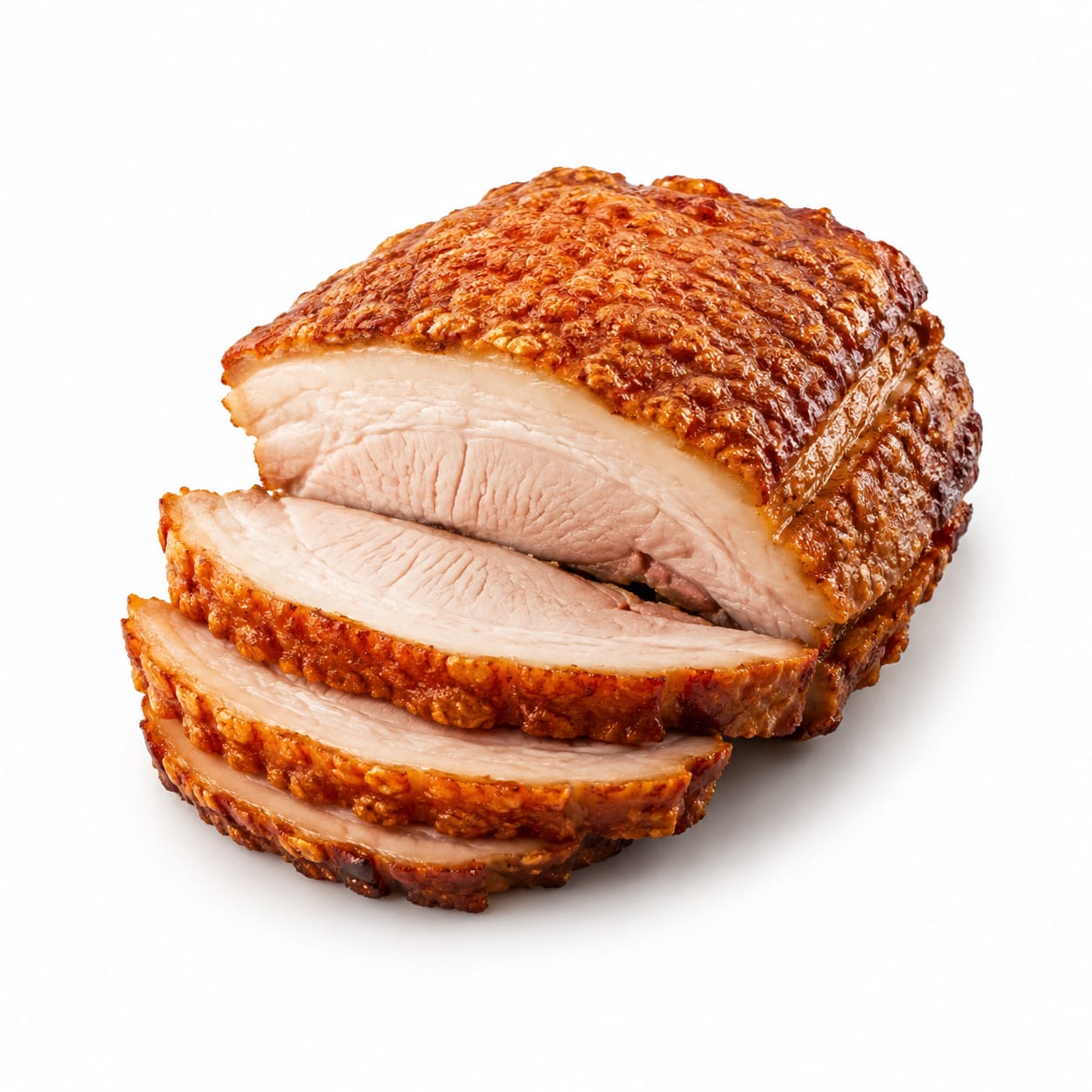
Pork
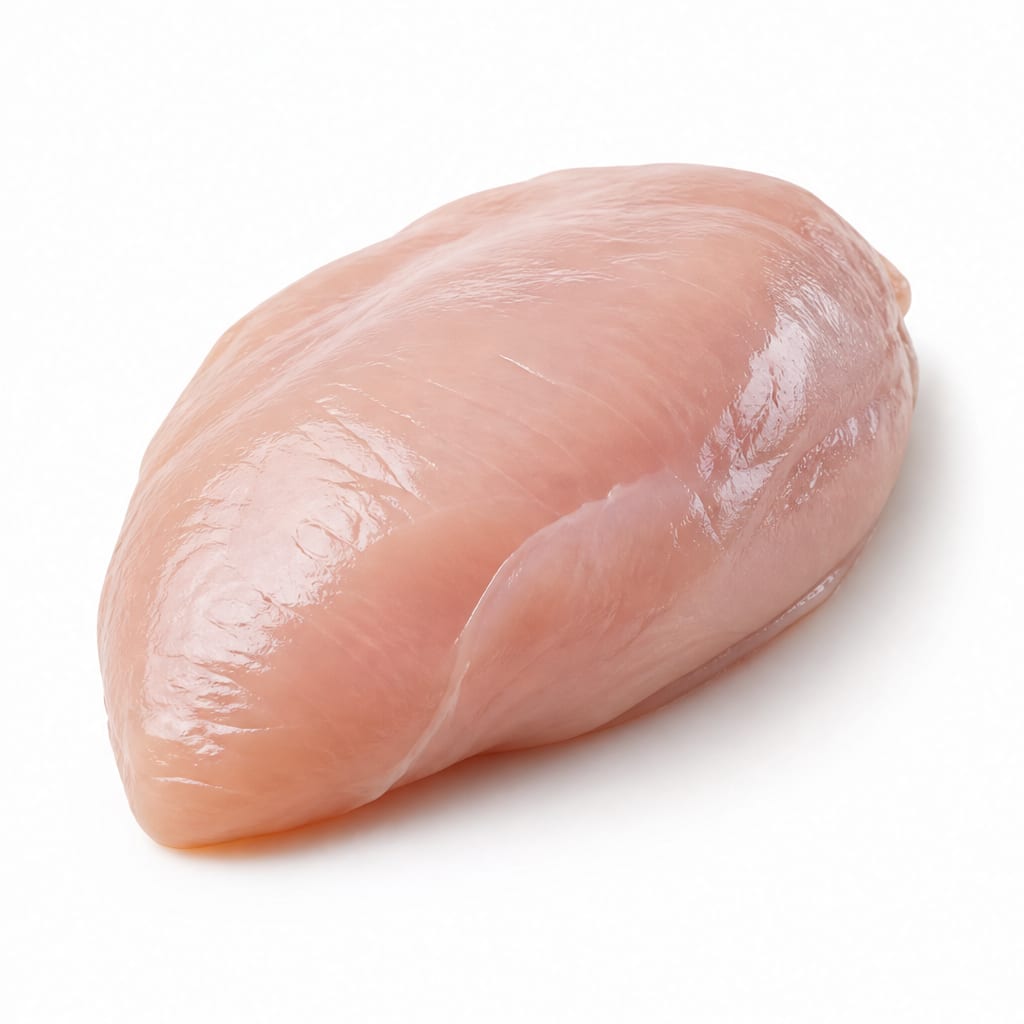
Chicken Breast
Chicken breast wins for most health goals due to its lean profile and consistent protein delivery, but pork offers richer micronutrients and more satisfying flavor when fat intake isn't a concern.
Chicken breast scores notably higher because its lean macro profile aligns with most common health goals. Pork loses ground on saturated fat and calorie density but remains a solid choice when specific micronutrients or flavor satisfaction matter more.
You trade flavor and micronutrient variety for leanness and calorie control when choosing chicken breast over pork.
At a glance
Executive summary
Overall
Chicken Breast
Healthier
Chicken Breast
More practical
Chicken Breast
Daily use
Chicken Breast
Key comparison lenses
lean protein source selection
Most users choosing between these two are looking for their primary protein source for meals
weight management and fat intake
The calorie and fat difference between pork and chicken breast significantly impacts weight goals
heart health and saturated fat concerns
Pork generally contains more saturated fat, making cardiovascular risk a key decision factor
micronutrient density comparison
Pork offers notably more thiamin and zinc, while chicken breast provides cleaner macros
food safety and cooking requirements
Different contamination risks and safe handling practices matter for everyday cooking
Best choice for
Pork
- People needing more B vitamins, especially thiamin
- Those wanting more flavorful meals without added seasonings
- Individuals with higher calorie needs or difficulty gaining weight
- Anyone seeking more zinc and iron from animal sources
Chicken Breast
- Anyone tracking calories or trying to lose weight
- People managing heart health or cholesterol concerns
- Athletes needing clean, lean protein for recovery
- Those who eat protein-heavy meals multiple times daily
Least suitable for
Pork
- People on strict low-fat or low-calorie diets
- Those with elevated LDL cholesterol
- Anyone eating meat three or more times daily who needs leaner options
Chicken Breast
- People bored with bland protein who struggle to stick to lean diets
- Those who need higher calorie intake and find chicken breast unsatisfying
- Anyone specifically seeking thiamin-rich foods
Deep comparison
Dimension by dimension
Each lens scores both foods and breaks down who each option suits.
- Dimension 1 · Priority 95Chicken Breast
Protein Quality and Density
Pork · 72Chicken Breast · 92Chicken breast delivers more protein per calorie and per gram, making it the more efficient protein source.
Tradeoff
Pork still provides complete high-quality protein but comes with more fat calories attached to each gram of protein.
Why it matters
When you're trying to hit protein targets without overshooting calories, efficiency matters a lot.
Real-world impact
A 4oz serving of chicken breast gives you roughly 35g protein for 165 calories. The same portion of pork loin gives about 28g protein for 200 calories, and fattier cuts widen that gap further.
Pork
- Meals where some fat is desirable for satiety and flavor
Better for
- Cutting phases where every calorie counts
Worse for
Chicken Breast
- Post-workout meals needing fast, lean protein
- Anyone tracking macros precisely
- High-protein, low-calorie diet phases
Better for
- Situations where extremely lean protein leaves you hungry an hour later
Worse for
- Dimension 2 · Priority 90Chicken Breast
Fat Content and Heart Health
Pork · 45Chicken Breast · 90Chicken breast is dramatically leaner, with far less saturated fat than most pork cuts.
Tradeoff
Pork's fat carries more flavor and helps with vitamin absorption, but the saturated fat load is a legitimate concern for heart health.
Why it matters
Saturated fat directly impacts LDL cholesterol. For anyone with cardiovascular risk factors, this is the most important difference between these two foods.
Real-world impact
A chicken breast has roughly 1g saturated fat per serving. Pork varies wildly by cut, but even lean pork loin has about 2g, and rib cuts can exceed 8g saturated fat per serving.
Pork
- People with no heart health concerns who enjoy richer meat
- Meals where fat helps absorb fat-soluble vitamins from vegetables
Better for
- Regular consumption by people with elevated LDL
- Meals paired with other saturated fat sources like cheese or butter
Worse for
Chicken Breast
- Anyone with family history of heart disease
- People managing high cholesterol
- Daily eaters who need a safe default protein
Better for
- Very active people who actually need more dietary fat for energy
Worse for
- Dimension 3 · Priority 80Pork
Micronutrient Profile
Pork · 82Chicken Breast · 65Pork is significantly richer in thiamin, zinc, and several B vitamins that chicken breast lacks in comparable amounts.
Tradeoff
You get more vitamins and minerals with pork, but they come packaged with more fat and calories.
Why it matters
Thiamin deficiency is more common than people realize, and pork is one of the best food sources available.
Real-world impact
Pork contains roughly 6-7 times more thiamin than chicken breast. It also provides about 30% more zinc and notably more selenium and B12 per serving.
Pork
- Anyone with marginal B-vitamin intake
- People who don't take multivitamins and rely on food for micronutrients
- Those recovering from illness who need nutrient-dense foods
Better for
- Situations where the extra fat negates the micronutrient benefit
Worse for
Chicken Breast
- People who already supplement B vitamins
- Anyone whose micronutrient needs are met through varied diet
Better for
- Diets low in thiamin-rich foods where chicken breast won't help fill the gap
Worse for
- Dimension 4 · Priority 75It depends
Satiety and Meal Satisfaction
Pork · 78Chicken Breast · 72Pork's fat content makes it more immediately satisfying, but chicken breast's high protein volume keeps you full longer per calorie.
Tradeoff
Pork feels more rewarding to eat. Chicken breast keeps you fuller on fewer calories but can feel dry or bland without effort.
Why it matters
A protein source you actually enjoy eating consistently matters more than a slightly healthier one you dread.
Real-world impact
Many people find chicken breast meals need sauces or sides to feel satisfying, which can add hidden calories. Pork tends to feel complete with simpler preparation.
Pork
- People who feel deprived on lean diets and need more satisfying meals
- Home cooks wanting flavorful center-of-plate proteins
Better for
- People who tend to overeat rich-tasting foods
Worse for
Chicken Breast
- Anyone who prefers eating larger volumes of food for the same calories
- Grazers who eat multiple smaller meals throughout the day
Better for
- Anyone who finds lean meat meals unsatisfying and ends up snacking later
Worse for
- Dimension 5 · Priority 70It depends
Versatility and Cooking Practicality
Pork · 70Chicken Breast · 75Chicken breast is more universally adaptable across cuisines and diets, but pork offers more cut variety for different cooking methods.
Tradeoff
Chicken breast works in almost any dish but can dry out easily. Pork has more specialized cuts but rewards proper technique with better texture.
Why it matters
The protein you'll actually cook consistently is the one that matters most for your health.
Real-world impact
Chicken breast can be grilled, baked, shredded, or stir-fried with minimal prep. Pork requires more cut-specific knowledge — loin chops cook differently than shoulder or belly.
Pork
- Slow cooking and braising enthusiasts
- People who enjoy exploring different cuts and cooking techniques
Better for
- Quick weeknight cooking with limited time or skill
Worse for
Chicken Breast
- Meal preppers who want one protein for multiple recipes
- Beginner cooks who need forgiving, easy-to-prepare protein
Better for
- Barbecue and slow-cook centered cooking traditions
Worse for
- Dimension 6 · Priority 72Chicken Breast
Inflammatory Potential
Pork · 50Chicken Breast · 75Chicken breast has a more favorable inflammatory profile due to lower saturated fat and arachidonic acid content compared to most pork cuts.
Tradeoff
Pork isn't inherently inflammatory, but its higher fat content — especially in popular cuts — makes it more likely to contribute to low-grade inflammation with frequent consumption.
Why it matters
Chronic inflammation underlies many long-term health issues, and protein choice contributes more than most people realize.
Real-world impact
People with joint pain, autoimmune conditions, or metabolic syndrome often notice improvement when swapping pork for leaner proteins like chicken breast.
Pork
- Healthy individuals eating pork in moderation alongside anti-inflammatory foods
Better for
- Frequent consumption by those with existing inflammatory conditions
Worse for
Chicken Breast
- Anyone managing chronic inflammation
- People with autoimmune conditions seeking lower-inflammatory protein
Better for
- Situations where dietary variety matters more than slight inflammatory differences
Worse for
Timeline
Health impact over time
Short-term
Hours to days
Pork
- Heavier feeling after meals due to higher fat content
- More sustained energy from combined fat and protein
- Potentially slower digestion compared to very lean meats
Chicken Breast
- Lighter post-meal feeling, easier to eat before activity
- Quick protein availability for muscle recovery
- May feel hungry sooner if not paired with adequate fat or fiber
Long-term
Months to years
Pork
- Higher saturated fat intake may elevate LDL cholesterol with regular consumption
- Better B-vitamin status, particularly thiamin
- Potential contribution to inflammatory load if eaten frequently as fatty cuts
Chicken Breast
- Consistent lean protein supports healthy body composition long-term
- Lower cardiovascular risk profile with regular consumption
- Possible need to supplement thiamin if chicken breast is the primary meat source
Risk profile
Safety & processing
Both pork and chicken breast are whole foods when purchased as raw cuts. However, pork is more commonly enhanced with sodium solutions or marinades at the retail level, and processed pork products like ham and bacon are widespread. Chicken breast is typically sold plain, though some brands inject saline solution for moisture.
Pork
Trichinella parasite
lowHistorically a major concern but now extremely rare in commercially raised pork in developed countries. Proper cooking to 145°F eliminates any remaining risk.
Antibiotic residues
mediumConventional pork production uses more antibiotics than poultry. Residues are regulated but remain a consumer concern. Choose antibiotic-free pork when possible.
Processing contamination
mediumGround pork and processed pork products carry higher contamination risk than whole cuts. Handle raw pork with standard food safety practices.
Chicken Breast
Salmonella contamination
mediumChicken is a leading carrier of salmonella. Proper handling, avoiding cross-contamination, and cooking to 165°F are essential.
Campylobacter bacteria
mediumOne of the most common bacterial causes of diarrheal illness, frequently found on raw chicken. Washing chicken actually spreads bacteria through splashing.
Antibiotic-resistant bacteria
mediumPoultry production has reduced antibiotic use but resistant strains remain a concern. Organic or antibiotic-free chicken reduces this risk.
Who wins for whom
Audience fit
Same foods, different winners depending on your goal.
children
It dependsPork offers more thiamin and zinc which support growth, but chicken breast is leaner and easier for small appetites. Rotate both for balanced nutrition.
daily consumption
Chicken BreastThe leaner profile and lower inflammatory potential make chicken breast a safer daily default protein, while pork is better enjoyed a few times per week.
diabetes
Chicken BreastLower saturated fat intake is associated with better insulin sensitivity. Chicken breast's leaner profile supports more stable blood sugar management.
elderly
Chicken BreastOlder adults need high-quality protein with minimal saturated fat to preserve muscle without stressing cardiovascular health. Chicken breast fits this better.
muscle gain
Chicken BreastHigher protein density per serving and per calorie makes chicken breast more efficient for supporting muscle growth, especially during lean bulking phases.
weight loss
Chicken BreastChicken breast provides more protein per calorie and significantly less fat, making it easier to maintain a calorie deficit while staying full.
Your move
Decision guide
Choose Pork
- You're not concerned about fat intake and want more flavorful, satisfying meals
- You need more B vitamins, especially thiamin, from food sources
- You're an active person who burns through calories and enjoys richer proteins
- You eat meat 2-3 times per week and want variety beyond chicken
- You're cooking for guests and want something that feels more indulgent
Choose Chicken Breast
- You're managing weight, cholesterol, or heart health
- You eat protein multiple times daily and need a lean default
- You meal prep and want one versatile protein for many recipes
- You're an athlete needing efficient protein without extra calories
- You want the safest regular-choice protein for long-term health
Either works if
- You eat a varied diet with plenty of plant proteins and just want occasional animal protein
- You're at a healthy weight with no cardiovascular risk factors
- You rotate proteins throughout the week anyway
Avoid both if
- You have gout and need to limit purine-rich meats
- You're following a plant-based diet for ethical or health reasons
- You have kidney disease and need to restrict protein intake
Final recommendation
Make chicken breast your everyday protein and enjoy pork once or twice a week for variety and micronutrient benefits. This gives you the leanness your body needs daily plus the thiamin, zinc, and satisfaction that pork delivers best. If you do choose pork regularly, stick to loin cuts and trim visible fat to narrow the health gap.
Practical
Consumer tips
- 1
Choose pork loin or tenderloin over rib cuts — it's nearly as lean as chicken thigh and far leaner than pork shoulder or belly
- 2
Look for 'enhanced' or 'solution added' labels on both meats — injected sodium can add 200-400mg per serving
- 3
Buy antibiotic-free versions of either meat when budget allows to reduce exposure concerns
- 4
Cook pork to 145°F (not the old 165°F guideline) for juicier, safer results — the lower temp is now USDA-recommended
- 5
Never wash raw chicken — it spreads bacteria up to 3 feet from your sink
- 6
Pair chicken breast with healthy fats like olive oil or avocado to improve satiety and nutrient absorption
- 7
Freeze individual portions of both meats for convenient, low-waste meal prep