
Nutrition comparison
Pork vs Tofu: Nutrition, Protein, and Health Comparison
Compare Pork vs Tofu to see which is better for muscle gain, heart health, and daily nutrition. Discover the pros and cons of animal vs plant protein.
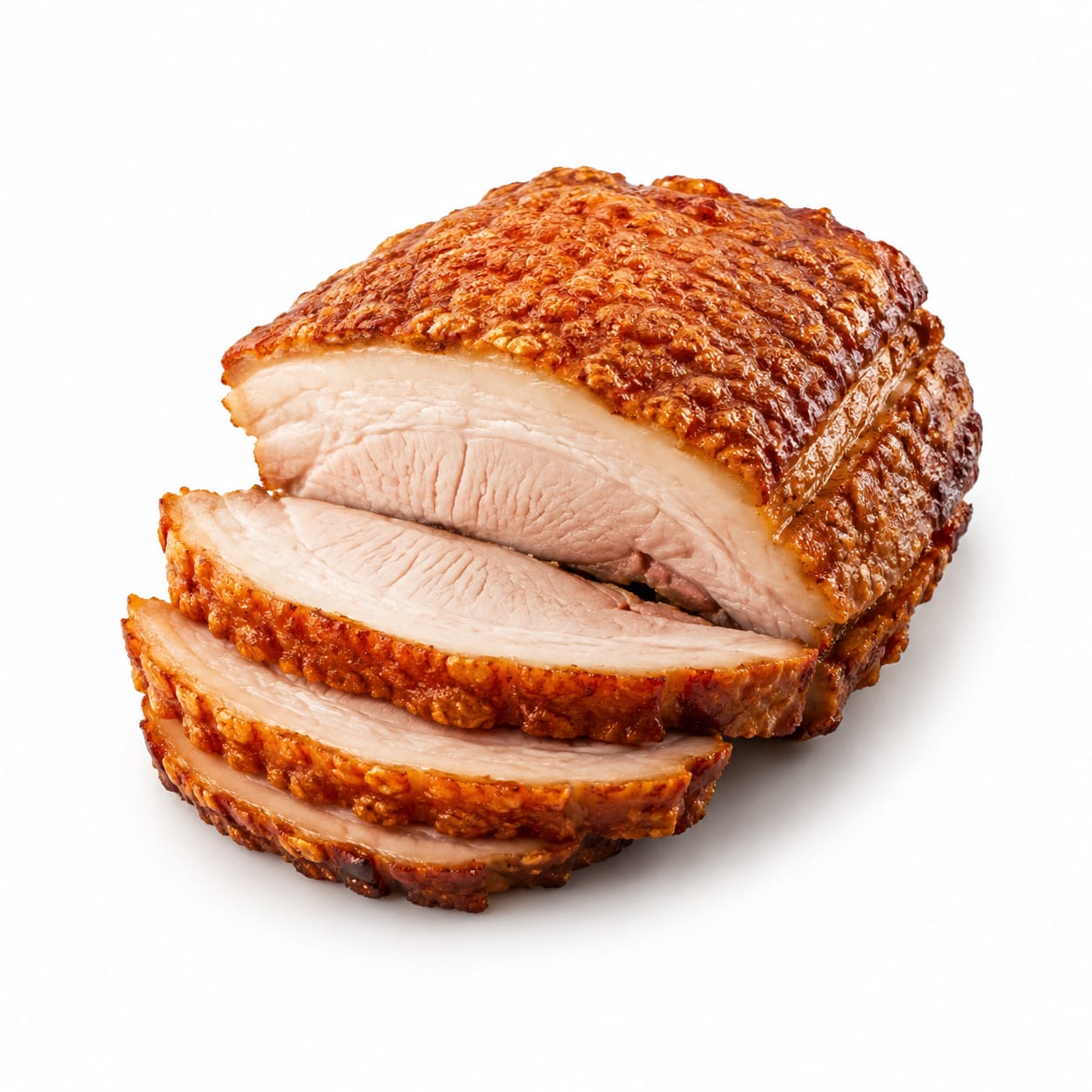
Pork
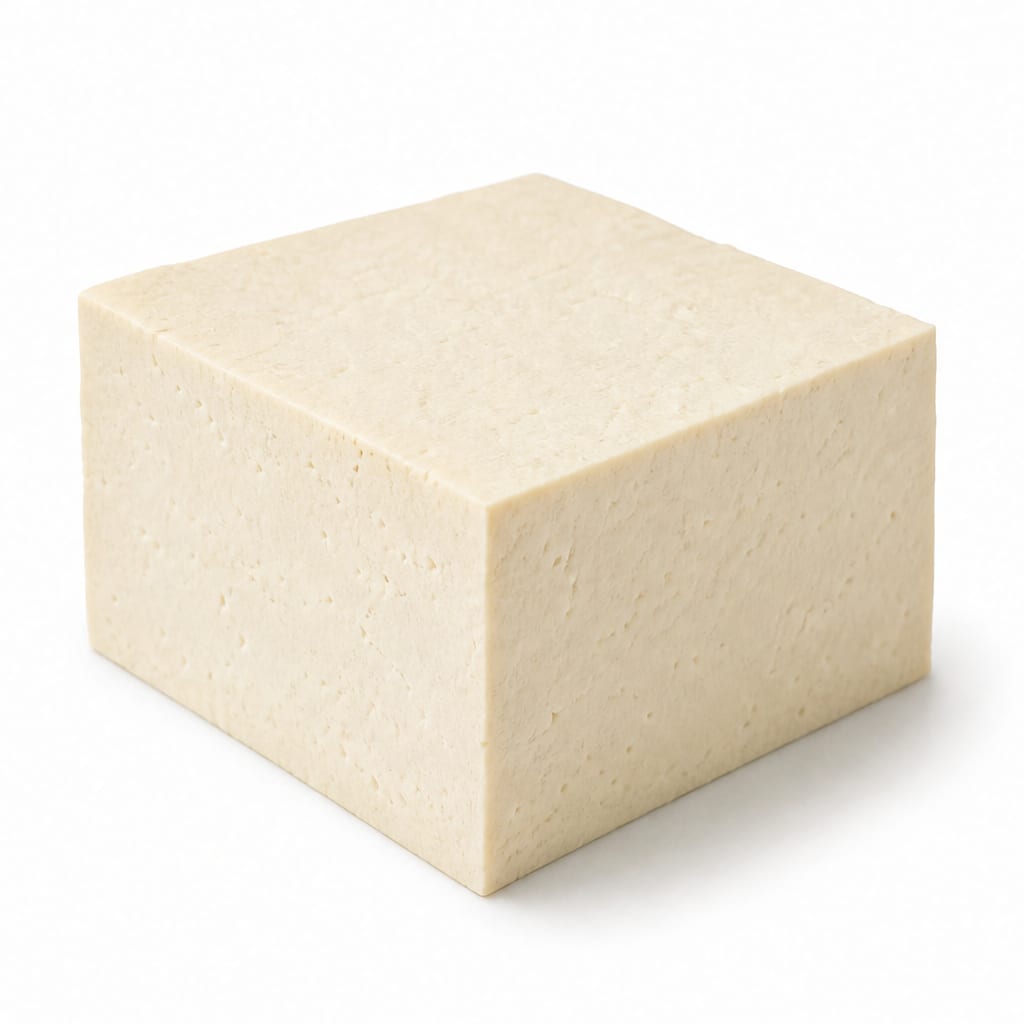
Tofu
Pork delivers superior complete protein and essential micronutrients like B12, while Tofu wins for heart health, lighter digestion, and daily sustainability.
Tofu scores higher overall due to its favorable impact on long-term heart health and daily sustainability. Pork scores well for acute nutritional density but loses ground due to saturated fat content and disease risk with frequent consumption.
You trade the high-quality protein and heme iron of Pork for the zero cholesterol, low saturated fat, and digestive lightness of Tofu.
At a glance
Executive summary
Overall
It depends
Healthier
Tofu
More practical
It depends
Daily use
Tofu
Key comparison lenses
Animal vs Plant Protein Quality
Users primarily compare these two to decide between a complete animal protein source and a plant-based alternative.
Heart Health and Cholesterol Impact
Pork's saturated fat and cholesterol contrast sharply with Tofu's heart-friendly fat profile.
Iron and B12 Deficiency Prevention
Heme iron and B12 are major advantages of Pork that Tofu cannot naturally provide.
Long-Term Disease and Cancer Risk
Red meat consumption carries long-term health risks that plant proteins like Tofu avoid.
Digestive Comfort and Meal Lightness
Tofu is known for being easy to digest, while Pork can feel heavy depending on the cut.
Best choice for
Pork
- muscle building and athletic recovery
- preventing or reversing anemia
- diets requiring high bioavailable B12
Tofu
- lowering LDL cholesterol
- light and digestible evening meals
- plant-based and vegan lifestyles
- sustained daily heart health
Least suitable for
Pork
- daily heavy consumption
- individuals with cardiovascular concerns
- those avoiding red meat for cancer risk
Tofu
- soy allergy sufferers
- those needing dense caloric intake in small portions
- people strictly avoiding processed foods
Deep comparison
Dimension by dimension
Each lens scores both foods and breaks down who each option suits.
- Dimension 1 · Priority 95Pork
Protein Power & Muscle Building
Pork · 92Tofu · 70Pork provides a higher dose of complete protein with all essential amino acids, making it more efficient for muscle repair.
Tradeoff
Tofu offers respectable plant protein but lacks the same leucine content, requiring larger portions to match the muscle-building trigger of Pork.
Why it matters
Animal protein stimulates muscle protein synthesis more effectively per calorie than plant protein.
Real-world impact
A pork chop after a heavy lifting session will kickstart muscle recovery faster than a standard serving of tofu.
Pork
- bodybuilders needing efficient protein
- older adults preventing muscle wasting
- anyone needing high protein in a small portion
Better for
- people watching their saturated fat intake
Worse for
Tofu
- vegans seeking a versatile protein base
- those preferring lighter post-workout meals
Better for
- those who get hungry again quickly after plant-based meals
Worse for
- Dimension 2 · Priority 90Tofu
Heart Health & Fat Profile
Pork · 40Tofu · 92Tofu is cholesterol-free and low in saturated fat, actively supporting cardiovascular health, while Pork often carries heart-straining fats.
Tradeoff
Choosing Pork means accepting higher saturated fat unless you strictly stick to lean cuts like tenderloin.
Why it matters
Saturated fat and dietary cholesterol directly influence blood lipid levels and long-term heart disease risk.
Real-world impact
Eating Tofu regularly can help lower LDL cholesterol, whereas frequent fatty Pork consumption may slowly raise it.
Pork
- keto dieters relying on fat for energy
Better for
- people with a family history of heart disease
Worse for
Tofu
- individuals managing high cholesterol
- heart disease patients
- those seeking anti-inflammatory fats
Better for
- those who find very low-fat meals unsatisfying
Worse for
- Dimension 3 · Priority 85Pork
Micronutrients: Iron & B12
Pork · 88Tofu · 60Pork is rich in highly absorbable heme iron and vitamin B12, nutrients completely absent in unfortified Tofu.
Tradeoff
Tofu provides calcium and non-heme iron, but you must pair it with vitamin C for proper absorption, whereas Pork delivers ready-to-use heme iron.
Why it matters
B12 and iron deficiencies are common, especially for menstruating individuals and those avoiding animal products.
Real-world impact
Eating Pork can quickly correct an iron deficit, while relying on Tofu requires more deliberate dietary planning to achieve the same result.
Pork
- menstruating women needing heme iron
- people with diagnosed B12 deficiency
- those recovering from blood loss
Better for
- people with hemochromatosis (iron overload)
Worse for
Tofu
- individuals needing dairy-free calcium
- those avoiding excess heme iron
Better for
- those relying on a single source for iron and B12
Worse for
- Dimension 4 · Priority 75Tofu
Digestion & Meal Lightness
Pork · 50Tofu · 90Tofu is gentle on the digestive system and feels light in the stomach, while Pork can sit heavy and take longer to break down.
Tradeoff
Pork's fat and protein content slows digestion, which increases fullness but can cause sluggishness.
Why it matters
Heavy meals can disrupt sleep and afternoon focus, whereas light meals sustain energy and comfort.
Real-world impact
A tofu stir-fry leaves you energized for an afternoon meeting; a heavy pork dish might make you want a nap.
Pork
- those needing prolonged satiety on a hiking trip
Better for
- acid reflux sufferers
- late-night eaters
Worse for
Tofu
- people with sensitive stomachs
- light dinners before bed
- avoiding the afternoon energy crash
Better for
- those who need a meal to keep them full for 6+ hours
Worse for
- Dimension 5 · Priority 80Tofu
Long-Term Disease Risk
Pork · 45Tofu · 88Regular consumption of Tofu is linked to lower risks of heart disease and certain cancers, while heavy Pork intake carries higher disease risks.
Tradeoff
Pork is a red meat, and frequent consumption is associated with increased colorectal cancer risk, especially if processed or charred.
Why it matters
Daily food choices accumulate over decades, heavily influencing longevity and chronic disease development.
Real-world impact
Swapping Pork for Tofu a few times a week is a common and effective strategy for reducing long-term health risks.
Pork
- those eating it occasionally for micronutrients without daily risk
Better for
- daily red meat eaters
- those with a family history of colorectal cancer
Worse for
Tofu
- longevity seekers
- cancer prevention diets
- heart-healthy lifestyles
Better for
- those worried about soy overconsumption
Worse for
Timeline
Health impact over time
Short-term
Hours to days
Pork
- Strong and lasting satiety from fat and protein content
- Potential digestive heaviness or sluggishness after large portions
- Quick replenishment of energy and essential amino acids
Tofu
- Light, comfortable digestion without bloating
- Steady but less intense fullness compared to meat
- No post-meal cholesterol spike
Long-term
Months to years
Pork
- Risk of elevated LDL cholesterol if fatty cuts are chosen consistently
- Higher risk of cardiovascular disease with frequent intake
- Excellent maintenance of muscle mass and iron stores
Tofu
- Improved heart health markers and lower inflammation
- Potential reduction in menopausal symptoms due to isoflavones
- Requires vigilant B12 supplementation if used as a primary protein source
Risk profile
Safety & processing
Fresh Pork is an unprocessed raw meat, while Tofu is a traditionally processed food made from coagulated soy milk. Neither is ultra-processed, but Tofu undergoes more transformation from its whole-food origin.
Pork
Parasitic infection (Trichinella)
lowModern farming has virtually eliminated this in commercial Pork, but undercooking wild or heritage pork remains a risk.
Antibiotic and hormone residues
mediumConventional pork farming often uses antibiotics, which can contribute to antibiotic resistance.
Foodborne illness (Salmonella/Yersinia)
mediumPork requires strict temperature control and thorough cooking to kill harmful bacteria.
Tofu
GMO exposure
mediumThe majority of conventional soybeans are genetically modified; choosing organic Tofu eliminates this concern.
Phytoestrogen interactions
lowSoy isoflavones can mimic estrogen, but moderate consumption is safe for most people and does not disrupt hormones.
Who wins for whom
Audience fit
Same foods, different winners depending on your goal.
children
It dependsPork provides essential B12 and heme iron for growth, but Tofu is a safe, easy-to-chew option with bone-building calcium.
daily consumption
TofuTofu can be eaten daily without the cardiovascular and disease risks associated with daily red meat consumption.
diabetes
TofuTofu has virtually zero carbs and no saturated fat to worsen insulin resistance, whereas fatty Pork can increase systemic inflammation.
elderly
TofuTofu is exceptionally easy to chew and digest, and its heart-health benefits align with the cardiovascular needs of older adults.
muscle gain
PorkPork offers more protein per serving with a superior amino acid profile, specifically leucine, which is critical for muscle synthesis.
weight loss
TofuTofu is lower in calories and saturated fat, making it easier to maintain a calorie deficit while still providing adequate protein.
Your move
Decision guide
Choose Pork
- You need highly absorbable heme iron and vitamin B12 from Pork
- You are prioritizing muscle gain and want the most efficient complete protein
- You are following a strict keto or carnivore diet
Choose Tofu
- You want to lower your cholesterol and protect your heart with Tofu
- You prefer lighter meals that do not weigh you down or cause sluggishness
- You eat primarily plant-based but need a versatile, satisfying protein
Either works if
- You are meal-prepping a balanced stir-fry with plenty of vegetables
- You simply want a high-protein centerpiece for your dinner
Avoid both if
- You need a primary source of omega-3 fatty acids (choose fatty fish instead)
- You are looking for a high-fiber protein source (choose legumes instead)
Final recommendation
Let your health goals dictate the choice. Eat Pork occasionally for a dense hit of B12, iron, and muscle-building protein, but lean on Tofu for your daily protein needs to keep your heart happy and your digestion light.
Practical
Consumer tips
- 1
Choose lean cuts of Pork like tenderloin or loin chops to get the protein and iron without the saturated fat penalty.
- 2
Opt for organic or sprouted Tofu to avoid GMOs and improve digestibility.
- 3
Pair Tofu with vitamin C-rich foods like bell peppers or broccoli to significantly boost its iron absorption.
- 4
Avoid charring Pork during cooking, as high-heat cooking of red meat creates potentially carcinogenic compounds.
- 5
Press your Tofu before cooking to improve its texture and help it absorb flavorful marinades much better.