
Nutrition comparison
Pork vs Turkey Breast: Which is Healthier?
Compare Pork vs Turkey Breast for protein, fat, calories, and heart health. Find out which lean meat is better for weight loss, muscle gain, and daily meals.
Overall winner · Turkey Breast
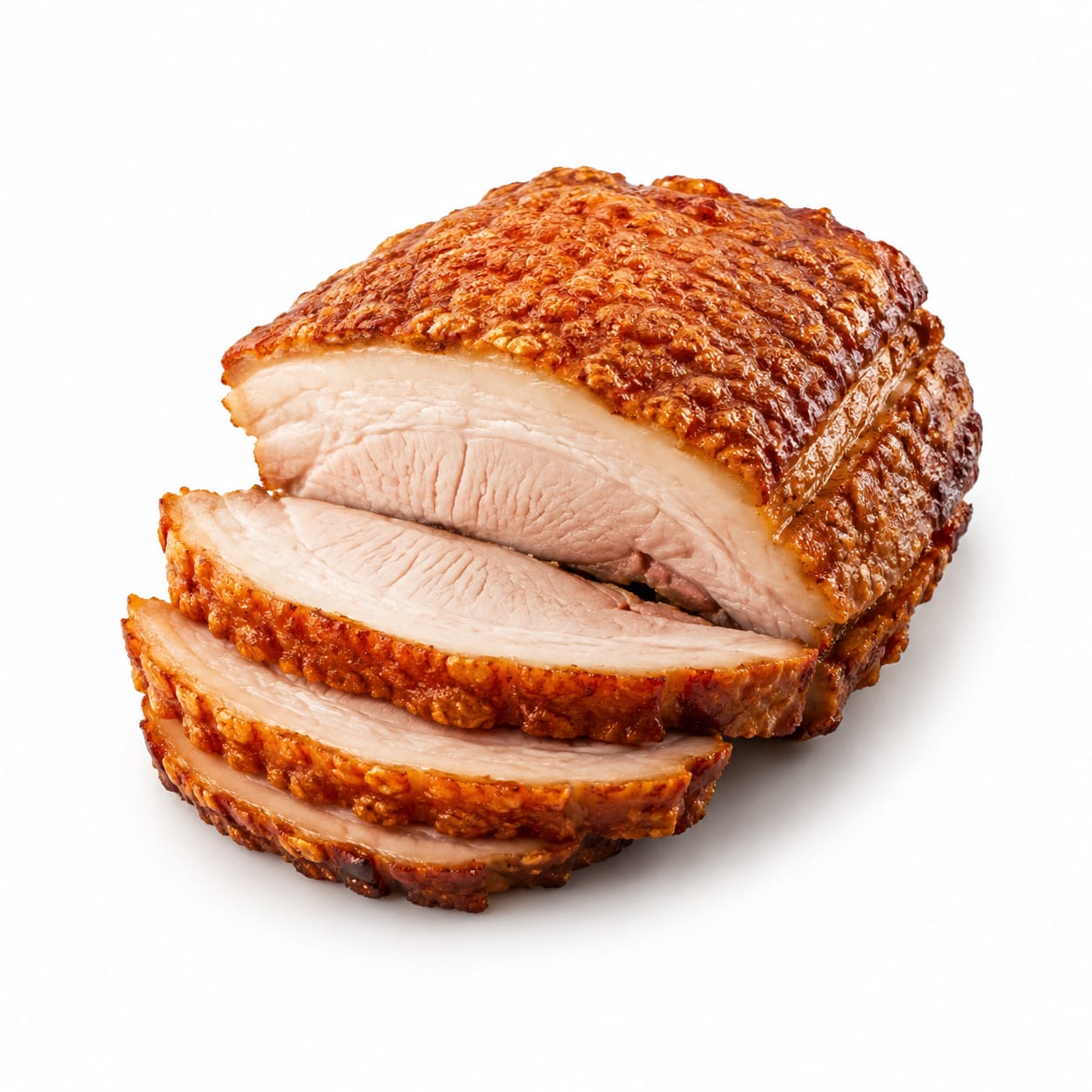
Pork
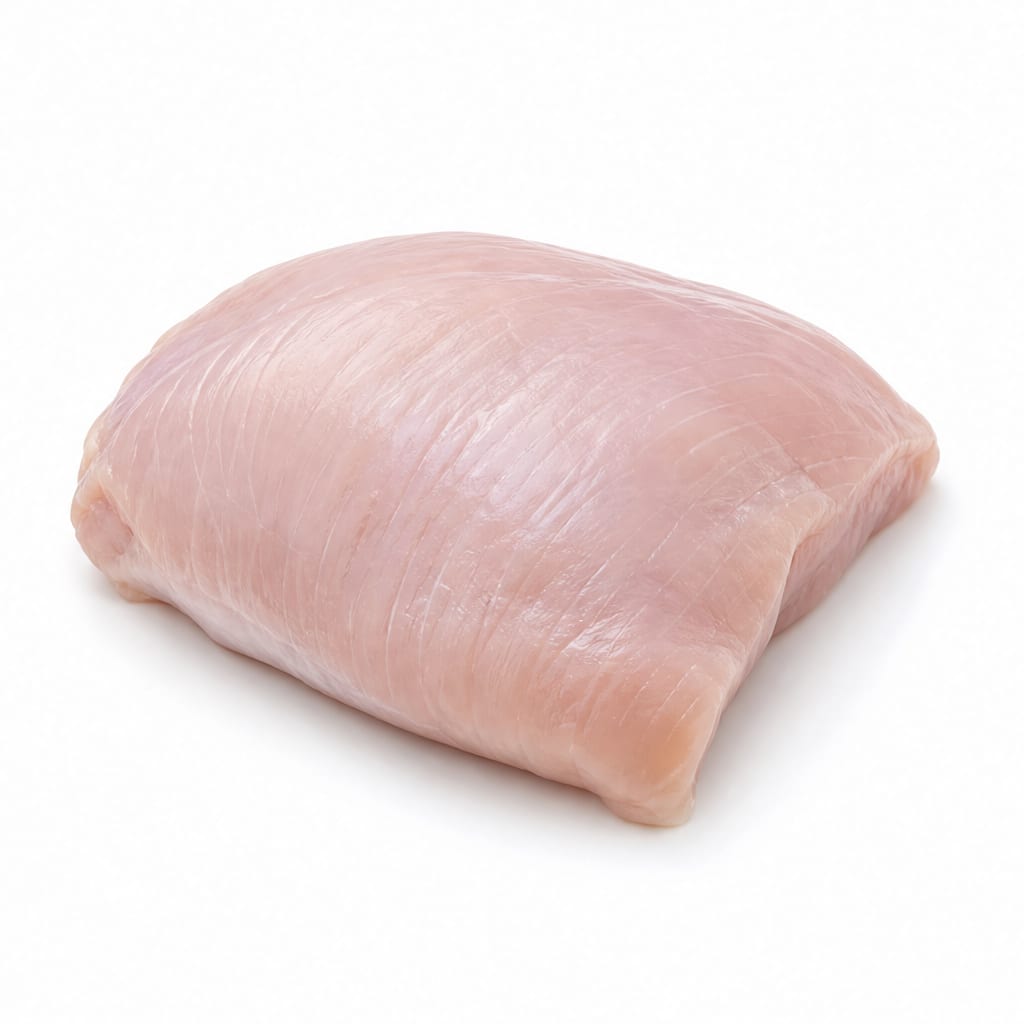
Turkey Breast
Turkey Breast is the cleaner, leaner choice for daily eating, while Pork brings more flavor and satiety at the cost of higher fat.
Turkey Breast scores notably higher due to its superior protein-to-calorie ratio and heart-health profile, though Pork remains a solid choice for flavor and higher-fat dietary needs.
You trade the rich flavor and higher fat satisfaction of Pork for the low-calorie, heart-friendly leanness of Turkey Breast.
At a glance
Executive summary
Overall
Turkey Breast
Healthier
Turkey Breast
More practical
It depends
Daily use
Turkey Breast
Key comparison lenses
Lean protein vs flavorful protein
Users typically compare these two when deciding between a lean diet-friendly option and a more flavorful, higher-fat meat.
Heart health and cholesterol management
Saturated fat differences make this a key concern for those monitoring cardiovascular risk.
Meal prep and cooking flexibility
Turkey Breast dries out easily while Pork offers more forgiving cooking options, impacting daily practicality.
Best choice for
Pork
- Keto and low-carb dieters needing higher fat
- Those seeking richer flavor for occasional meals
- People wanting more forgiving meat to cook
Turkey Breast
- Anyone counting calories or macros
- People managing heart health or cholesterol
- Athletes needing pure lean protein
Least suitable for
Pork
- People on low-fat diets
- Those with severe cardiovascular concerns
- Individuals seeking everyday lean protein
Turkey Breast
- Keto or high-fat diet followers
- Those who find lean meats unsatisfying or bland
- Slow-cooking recipes that require fat to stay moist
Deep comparison
Dimension by dimension
Each lens scores both foods and breaks down who each option suits.
- Dimension 1 · Priority 95Turkey Breast
Protein Quality & Leanness
Pork · 70Turkey Breast · 98Turkey Breast delivers more protein per calorie with virtually no fat, making it the gold standard for lean meat.
Tradeoff
Pork provides good protein but comes with significantly more fat, increasing the calorie cost of each gram of protein.
Why it matters
If you are trying to build muscle or lose weight, getting more protein for fewer calories is the name of the game.
Real-world impact
A Turkey Breast dinner leaves room for a side of carbs or veggies without blowing your calorie budget, while a Pork dinner eats up more of that allowance.
Pork
- Higher fat slows digestion, keeping you full longer
Better for
- Higher calorie cost per gram of protein
Worse for
Turkey Breast
- Maximizes muscle building with minimal calories
- Easier to fit into strict macro tracking
Better for
- Can feel less satisfying on its own due to lack of fat
Worse for
- Dimension 2 · Priority 90Turkey Breast
Heart Health & Lipid Profile
Pork · 55Turkey Breast · 95Turkey Breast is essentially fat-free and cholesterol-friendly, whereas Pork's saturated fat can impact heart health over time.
Tradeoff
Choosing Pork means accepting more saturated fat, which can raise LDL cholesterol if eaten frequently.
Why it matters
Daily meat choices have a compounding effect on cardiovascular risk over the years.
Real-world impact
Eating Turkey Breast regularly supports clean arteries and steady energy, while frequent Pork consumption might require closer monitoring of cholesterol levels.
Pork
- Higher saturated fat can raise LDL cholesterol
- More inflammatory potential with regular consumption
Worse for
Turkey Breast
- Keeps saturated fat intake low
- Supports healthy cholesterol levels
Better for
- Dimension 3 · Priority 85Pork
Flavor & Satiety
Pork · 88Turkey Breast · 65Pork's natural fat content makes it more flavorful and satisfying, while Turkey Breast can easily dry out and taste bland if overcooked.
Tradeoff
You get a more enjoyable, comforting eating experience with Pork, but you take on the metabolic load of the extra fat.
Why it matters
Dietary satisfaction matters for long-term adherence; food that tastes bland makes you more likely to snack later.
Real-world impact
A well-cooked Pork chop feels like a real meal that keeps you full for hours, whereas a dry Turkey Breast might leave you hunting for snacks an hour later.
Pork
- Richer mouthfeel and deeper flavor
- Fat content provides lasting fullness
Better for
- Heavier digestion for some people
Worse for
Turkey Breast
- Lighter feeling after eating
Better for
- Easily becomes dry and unappetizing
- Requires careful cooking to avoid toughness
Worse for
- Dimension 4 · Priority 80It depends
Cooking Flexibility & Meal Prep
Pork · 82Turkey Breast · 75Pork is more forgiving to cook and great for slow cooking, while Turkey Breast requires precise cooking to avoid drying out.
Tradeoff
Turkey Breast is faster to cook but has a narrow window between perfectly done and shoe-leather dry.
Why it matters
Practicality in the kitchen determines whether you'll actually cook the healthy food you bought.
Real-world impact
You can slightly overcook a Pork loin and still enjoy it, but overcook Turkey Breast by two minutes and you'll be chewing rubber.
Pork
- More forgiving cooking window
- Excellent for slow cookers and braising
Better for
- Some cuts take a long time to cook properly
Worse for
Turkey Breast
- Cooks very quickly for fast weeknight meals
Better for
- Very easy to overcook and ruin
- Poor candidate for slow cooking without added liquids
Worse for
Timeline
Health impact over time
Short-term
Hours to days
Pork
- High satiety and lasting fullness from fat content
- Heavier digestion which might cause sluggishness
Turkey Breast
- Light, clean energy without digestive drag
- May leave you hungry sooner if not paired with healthy fats or fiber
Long-term
Months to years
Pork
- Potential increase in LDL cholesterol with frequent consumption
- Higher calorie intake can contribute to weight gain if portions aren't controlled
Turkey Breast
- Supports cardiovascular health and lean body composition
- Excellent for maintaining muscle mass during aging
Risk profile
Safety & processing
Both fresh Pork and Turkey Breast are whole, minimally processed meats, though you should watch out for enhanced or plumped Turkey Breast injected with sodium solutions.
Pork
Parasitic infection (Trichinosis)
lowHistorically a major concern, but modern farming practices have made this extremely rare in commercial Pork.
Antibiotic residues
mediumConventional Pork farming uses more antibiotics than poultry, raising concerns about resistant bacteria.
Turkey Breast
Salmonella contamination
mediumPoultry is a common carrier for salmonella, requiring strict kitchen hygiene and thorough cooking.
Sodium plumping
mediumMany commercial Turkey Breasts are injected with a sodium solution to retain moisture, which significantly increases salt intake.
Who wins for whom
Audience fit
Same foods, different winners depending on your goal.
children
It dependsPork offers richer flavor that picky kids might prefer, but Turkey Breast provides leaner nutrition for growing bodies.
daily consumption
Turkey BreastThe low fat and calorie density of Turkey Breast makes it a safer and healthier staple for everyday meals.
diabetes
Turkey BreastBoth have zero carbs, but Turkey Breast's lower saturated fat content is better for the insulin resistance often associated with type 2 diabetes.
elderly
Turkey BreastTurkey Breast is easier to chew if cooked properly, and its heart-health profile aligns with the nutritional needs of older adults.
muscle gain
Turkey BreastThe extremely high protein-to-calorie ratio of Turkey Breast makes it ideal for building lean muscle without gaining fat.
weight loss
Turkey BreastTurkey Breast offers vastly fewer calories and almost zero fat, making it the ultimate weight loss protein.
Your move
Decision guide
Choose Pork
- You are on a keto or high-fat diet
- You want a more flavorful, comforting meal
- You are using a slow cooker or braising method
Choose Turkey Breast
- You are tracking calories or macros strictly
- You need a lean post-workout protein source
- You are managing cholesterol or heart health
Either works if
- You just need a solid protein source for a salad
- You are meal-prepping for the week and plan to vary your sauces
Avoid both if
- You are vegetarian or vegan
- You have severe gout and are sensitive to purines in meat
Final recommendation
Make Turkey Breast your daily driver for lean, heart-friendly protein, and save Pork for when you want a richer, more satisfying meal that feels like a treat.
Practical
Consumer tips
- 1
Check the label on Turkey Breast to avoid 'plumped' or enhanced meat loaded with sodium.
- 2
For Pork, choose loin or tenderloin cuts if you want a leaner option closer to Turkey Breast.
- 3
Use a meat thermometer for Turkey Breast; pulling it at 160°F and letting it rest keeps it juicy.
- 4
Marinate Turkey Breast in a little olive oil and citrus to add moisture and flavor without heavy fats.