
Nutrition comparison
Pork vs Salmon: Which Protein Is Healthier for You?
Compare pork and salmon on omega-3s, heart health, protein quality, cost, and safety. Learn which meat is better for your goals and when to choose each.
Overall winner · Salmon

Pork
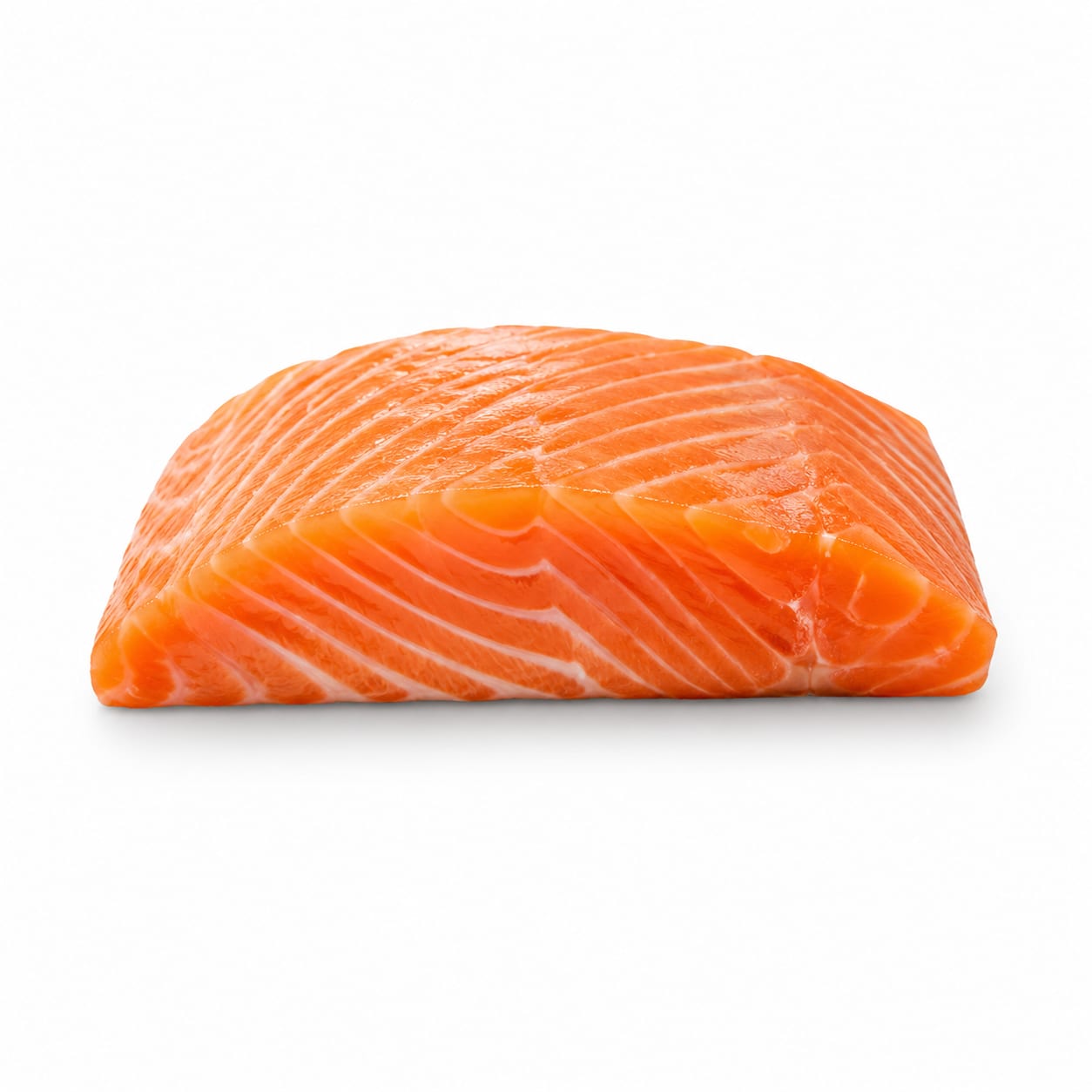
Salmon
Salmon is the clear health winner thanks to its omega-3 content and anti-inflammatory profile, but pork offers more protein per dollar and broader culinary versatility.
Salmon scores substantially higher due to its omega-3 content, anti-inflammatory fat profile, and broader long-term health benefits. Pork remains a solid protein source but carries more saturated fat and inflammatory potential, pulling its score down.
You trade heart-protective omega-3s and cleaner fat quality for affordability and cooking flexibility when choosing pork over salmon.
At a glance
Executive summary
Overall
Salmon
Healthier
Salmon
More practical
Pork
Daily use
Salmon
Key comparison lenses
heart health and omega3
The single most dramatic difference between pork and salmon is omega-3 content, which directly impacts cardiovascular and brain health
inflammatory potential
Salmon is strongly anti-inflammatory while pork, especially processed cuts, tends to promote inflammation
protein quality and satiety
Both are high-protein foods but differ in amino acid profile and how filling they feel
food safety and contamination
Pork carries parasite and bacterial risks requiring thorough cooking; salmon carries mercury and microplastic concerns
cost and accessibility
Pork is significantly more affordable and widely available, making it a practical staple for many households
Best choice for
Pork
- Budget-conscious families needing affordable protein
- People who want culinary versatility across many dishes
- Those who find fish flavors unappealing
- Individuals needing high B-vitamin intake, especially thiamine
Salmon
- Anyone prioritizing heart and brain health
- People fighting chronic inflammation
- Those wanting leaner protein with healthier fats
- Pregnant women needing DHA (with low-mercury sourcing)
Least suitable for
Pork
- People with cardiovascular concerns
- Those managing inflammatory conditions
- Anyone avoiding high saturated fat intake
Salmon
- Households with tight food budgets
- People with fish allergies
- Those concerned about mercury exposure from frequent seafood consumption
Deep comparison
Dimension by dimension
Each lens scores both foods and breaks down who each option suits.
- Dimension 1 · Priority 95Salmon
Heart Health & Omega-3 Fats
Pork · 25Salmon · 95Salmon delivers over 2,000mg of omega-3s per serving while pork provides virtually none. This alone makes salmon one of the best foods for cardiovascular protection.
Tradeoff
Pork offers more monounsaturated fat than people assume, but it cannot compete with salmon's EPA and DHA content, which are the omega-3s most directly linked to reduced heart disease risk.
Why it matters
Consistent omega-3 intake lowers triglycerides, reduces arrhythmia risk, and slows arterial plaque buildup. Pork offers none of these benefits.
Real-world impact
Eating salmon twice weekly can meaningfully reduce your cardiovascular risk over years. Eating pork that frequently without other omega-3 sources may quietly increase it.
Pork
- No meaningful omega-3 contribution
- Higher saturated fat burden on the heart
Worse for
Salmon
- Lowering triglycerides
- Reducing heart disease risk
- Supporting brain function and mood
- Reducing blood clotting risk
Better for
- Dimension 2 · Priority 88Salmon
Inflammatory Profile
Pork · 30Salmon · 90Salmon actively fights inflammation through omega-3s and astaxanthin. Pork, especially fattier cuts, tends to promote low-grade inflammation.
Tradeoff
Lean pork cuts like tenderloin are less inflammatory than fatty cuts, but even lean pork lacks the active anti-inflammatory compounds salmon provides.
Why it matters
Chronic inflammation drives joint pain, fatigue, and disease progression. Food choices that reduce inflammation compound over decades.
Real-world impact
People eating salmon regularly often notice less joint stiffness and better recovery after exercise. Regular pork consumption without anti-inflammatory foods may worsen subtle aches over time.
Pork
- Arachidonic acid in pork fat promotes inflammation
- No anti-inflammatory compounds to offset this
Worse for
Salmon
- Reducing joint pain and stiffness
- Faster exercise recovery
- Lower risk of inflammatory diseases
- Better skin health
Better for
- Dimension 3 · Priority 75It depends
Protein Quality & Satiety
Pork · 78Salmon · 80Both deliver excellent complete protein with all essential amino acids. Salmon edges ahead slightly due to better digestibility and a more favorable protein-to-fat ratio in most cuts.
Tradeoff
Pork tenderloin is nearly as lean as salmon and slightly higher in protein per ounce, but fattier pork cuts deliver more calories per gram of protein.
Why it matters
Protein quality affects how well your body builds and repairs tissue. Satiety determines how long you stay full after eating.
Real-world impact
Both foods keep you full for hours. A pork chop and a salmon fillet satisfy hunger similarly, making either a solid anchor for a main meal.
Pork
- Slightly more protein per ounce in lean cuts
- More B vitamins supporting energy metabolism
Better for
- Protein-to-calorie ratio varies wildly by cut
Worse for
Salmon
- Higher protein digestibility score
- More consistent leanness across cuts
- Better amino acid profile for recovery
Better for
- Slightly less protein per ounce than lean pork
Worse for
- Dimension 4 · Priority 65Pork
Cost & Accessibility
Pork · 85Salmon · 40Pork is one of the most affordable animal proteins available. Salmon remains a premium protein that many households cannot justify regularly.
Tradeoff
You pay more for salmon but get omega-3s that would otherwise require supplements. Pork saves money upfront but may cost more in long-term health outcomes.
Why it matters
The best food is one you can actually afford and eat consistently. Budget constraints are real and valid.
Real-world impact
A family of four can eat pork multiple times per week for the same cost as one or two salmon meals. This makes pork a practical reality where salmon is an occasional luxury.
Pork
- Significantly cheaper per gram of protein
- Available in every grocery store
- Multiple affordable cut options
Better for
Salmon
- Premium pricing limits frequency of consumption
- Quality wild-caught salmon is even more expensive
- Less available in food deserts and rural areas
Worse for
- Dimension 5 · Priority 60Pork
Culinary Versatility
Pork · 88Salmon · 65Pork adapts to virtually every cooking method and cuisine. Salmon works beautifully but has a narrower range of preparations that shine.
Tradeoff
Pork can be grilled, roasted, slow-cooked, stir-fried, ground, cured, and more. Salmon excels baked, grilled, or poached but overcooks easily and its flavor dominates dishes.
Why it matters
Food variety prevents meal fatigue. A protein you can cook many ways stays interesting longer.
Real-world impact
Pork can be tacos on Tuesday, chops on Thursday, and pulled pork on Sunday without feeling repetitive. Salmon preparations start to feel similar after a while.
Pork
- Works in nearly every world cuisine
- Multiple cuts with different textures and uses
- Harder to overcook than salmon
- Takes marinades and seasonings broadly
Better for
Salmon
- Excellent raw in sushi and poke
- Faster cooking time for weeknights
Better for
- Strong flavor limits pairing options
- Easy to overcook and dry out
- Less variety in available cuts
Worse for
- Dimension 6 · Priority 70It depends
Micronutrient Density
Pork · 72Salmon · 78Pork wins on B vitamins, especially thiamine. Salmon wins on vitamin D, selenium, and astaxanthin. Both are micronutrient-rich but in different ways.
Tradeoff
Pork is one of the best thiamine sources available, critical for energy metabolism. Salmon provides vitamin D that most people lack, plus unique antioxidants.
Why it matters
Micronutrient gaps accumulate silently. Choosing foods that fill your specific deficiencies matters more than generic rankings.
Real-world impact
If you rarely get sunlight, salmon's vitamin D is valuable. If you eat lots of carbs, pork's thiamine helps your body convert them to energy efficiently.
Pork
- Exceptional thiamine content
- High in B6 and B12
- Good zinc and iron source
Better for
- No vitamin D to speak of
- No unique antioxidants like astaxanthin
Worse for
Salmon
- One of the few food sources of vitamin D
- Astaxanthin provides unique antioxidant protection
- Excellent selenium for thyroid and immune function
Better for
- Much less thiamine than pork
Worse for
Timeline
Health impact over time
Short-term
Hours to days
Pork
- High satiety from protein and fat content keeps hunger away for hours
- Heavier fattier cuts can cause sluggishness after large portions
- Thiamine and B vitamins provide noticeable energy support
Salmon
- Omega-3s may improve mental clarity and mood within hours of eating
- Light yet satisfying — less likely to cause post-meal drowsiness
- Easy to digest with minimal heaviness
Long-term
Months to years
Pork
- Regular consumption of fatty cuts increases cardiovascular risk over years
- Higher saturated fat intake correlates with elevated LDL cholesterol
- Lean cuts consumed moderately pose much lower risk
- Processed pork products (bacon, sausage) carry separate cancer risk
Salmon
- Consistent intake reduces heart disease risk by 20-30% in studies
- DHA supports long-term brain health and may slow cognitive decline
- Anti-inflammatory effects compound to reduce chronic disease risk
- Potential mercury accumulation if eating high-mercury sources too frequently
Risk profile
Safety & processing
Fresh pork and fresh salmon are both whole foods. However, pork is more commonly consumed in processed forms like bacon, ham, and sausage, which introduce nitrates, sodium, and preservatives. Salmon is typically eaten fresh or frozen with minimal additives, though smoked salmon carries sodium concerns.
Pork
Trichinella and other parasites
mediumModern farming has reduced this dramatically, but undercooked pork still carries parasite risk. Always cook pork to at least 145°F.
Antibiotic residues
mediumConventional pork production uses more antibiotics than most livestock. Choose antibiotic-free pork when possible.
Processed pork carcinogenicity
highBacon, sausage, and ham are classified as Group 1 carcinogens by WHO. This applies to processed pork, not fresh cuts.
Salmon
Mercury and heavy metals
mediumSalmon is lower in mercury than tuna but farmed salmon can contain more contaminants. Wild-caught is cleaner but more expensive.
Microplastics
mediumAll seafood now contains microplastics. Farmed salmon may have higher levels due to feed composition.
Farmed salmon PCB exposure
lowFarmed salmon can have higher PCB levels than wild. PCBs are linked to endocrine disruption. Limit farmed salmon to a few times per week.
Who wins for whom
Audience fit
Same foods, different winners depending on your goal.
children
SalmonSalmon's DHA supports brain development. However, limit to 2 servings per week and choose low-mercury sources. Pork is safe when cooked thoroughly but offers less developmental benefit.
daily consumption
SalmonSalmon 2-3 times per week provides optimal omega-3 intake. Daily pork consumption, especially fattier cuts, increases saturated fat and inflammatory burden without offsetting benefits.
diabetes
SalmonSalmon's omega-3s improve insulin sensitivity and reduce inflammation. Pork's higher saturated fat may worsen insulin resistance over time.
elderly
SalmonOmega-3s protect against cognitive decline and reduce joint inflammation, both critical concerns for aging adults. Salmon is also easier to chew and digest.
muscle gain
It dependsBoth provide excellent complete protein. Pork tenderloin offers slightly more protein per ounce and more creatine, while salmon provides anti-inflammatory omega-3s that aid recovery.
weight loss
SalmonSalmon provides more satiety per calorie with its lean protein and omega-3s, which also support metabolic health during caloric restriction.
Your move
Decision guide
Choose Pork
- Budget is a primary constraint and you need affordable protein
- You want maximum cooking versatility across different cuisines
- You struggle to enjoy fish flavors and need a palatable protein source
- You already eat omega-3-rich fish or take fish oil supplements regularly
Choose Salmon
- Heart health and inflammation reduction are top priorities
- You want a protein that actively improves your health, not just sustains it
- You can afford premium protein and want the best nutritional return
- You are pregnant, elderly, or managing a chronic inflammatory condition
Either works if
- You simply need a high-quality protein source for a balanced meal
- You rotate proteins throughout the week and both fit your rotation
- You are healthy, active, and eat a varied diet with other nutrient sources
Avoid both if
- You have gout and are sensitive to purine-rich foods
- You follow a strict plant-based diet
- You have kidney disease requiring severe protein restriction
Final recommendation
Eat salmon whenever your budget allows — aim for twice weekly with wild-caught preferred. Fill remaining meals with lean pork cuts like tenderloin or loin chops for affordable, versatile protein. Avoid processed pork entirely if possible. This combination gives you salmon's unmatched omega-3 benefits alongside pork's practical strengths.
Practical
Consumer tips
- 1
Choose pork tenderloin or loin chops over ribs, belly, and shoulder to cut saturated fat by more than half
- 2
Buy wild-caught salmon when possible — it has fewer contaminants and a better omega-6 to omega-3 ratio than farmed
- 3
If farmed salmon is all you can afford, it still delivers more health benefit than no salmon at all
- 4
Freeze salmon for at least 24 hours before making sushi or poke at home to kill potential parasites
- 5
Skip bacon, sausage, and ham entirely — the cancer risk from processed pork is well-established and not worth the convenience
- 6
Marinate pork in acidic mixtures like citrus or vinegar to reduce carcinogenic compounds formed during high-heat cooking
- 7
Canned salmon with bones is an affordable way to get omega-3s plus calcium — mash the soft bones into salmon patties