
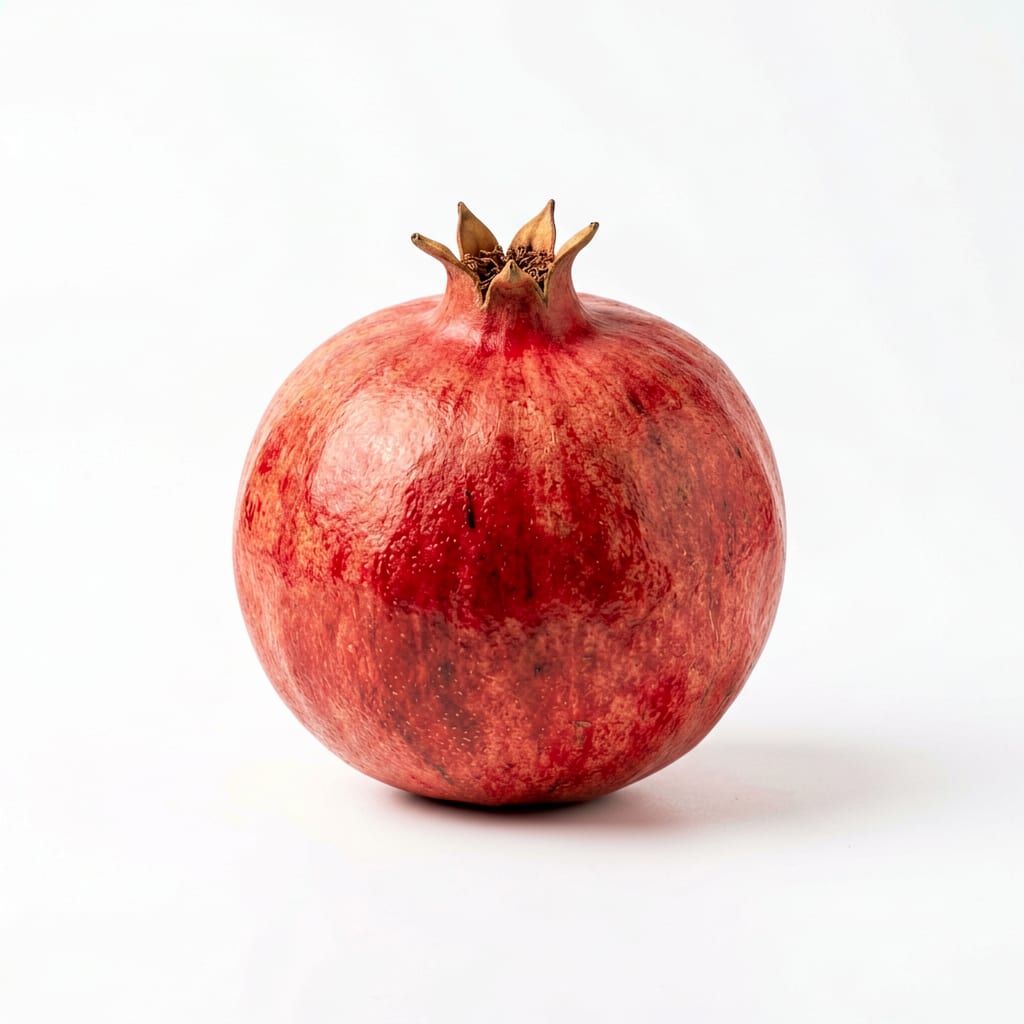
Fruit
Pomegranate
A nutrient-dense, antioxidant-rich fruit known for its sweet-tart arils and heart-health benefits.
A round, reddish fruit containing hundreds of juicy, seed-covered arils, prized for its sweet-tart flavor and exceptionally high antioxidant content.
high-antioxidant high-fiber fruit
Typical serving · 140g
Common varieties · wonderful, haku botan, angel red, parfianka, desertnyi
Overall context score across nutrition, safety, and diet fit
At a glance
Quick facts
Simple indicators based on nutrition, processing, and diet fit.
The story
What makes it unique
Pomegranate arils digest at a moderate rate due to their fiber content and fructose composition. The intact cellular structure and high polyphenol concentration, specifically punicalagins, slow oxidative stress and provide strong satiety signals. It is a minimally processed whole food with a balanced macronutrient profile dominated by carbohydrates, mitigated by dietary fiber.
Varieties: wonderful · haku botan · angel red · parfianka · desertnyi
Per 100g
Nutrition breakdown
Macro balance and key metrics at a glance.
Energy
Density 0.83 kcal/g
Protein
Carbs
Fat
Fiber
Sugar
13.7 g
Sodium
3 mg
Potassium
236 mg
Glycemic index
53
Glycemic load
10
Water content
77%
Standout compounds
Nutrient highlights
Punicalagins
highExtremely potent antioxidants that reduce oxidative stress and inflammation
Dietary Fiber
moderateSupports digestion, feeds gut bacteria, and stabilizes blood sugar
Vitamin C
moderateSupports immune function and collagen synthesis
Vitamin K
moderateEssential for blood clotting and bone metabolism
Folate
moderateImportant for cell division and DNA synthesis
Wellness map
Health scores & processing
NOVA processing scale
minimally processed · Whole food
Whole pomegranate arils are an unprocessed raw food with intact cellular structure and no added ingredients.
Diet compatibility
- Weight loss
- Muscle gain
- Diabetes
- Gut health
- Low carb
- High protein
- Heart health
Relative standing
Food rankings
Qualitative ranks compared to similar whole foods.
- Satietygood
- Blood sugargood
- Nutrient densityexcellent
- Fitness fuelmoderate
- Processing qualityexcellent
Eat with confidence
Food safety profile
Pomegranates are very safe to consume. The thick, leathery rind shields the edible arils from most agricultural chemicals and surface bacteria. Internal contamination is rare.
Evidence confidence 95%
- Pesticideslow
- Antibioticslow
- Heavy metalslow
- Contaminationlow
Watch for
- surface pesticide residue
- mold
Safer choices
Organic pomegranates eliminate any concern over rind pesticide residues, though conventional is also very low risk.
Prep tips
Wash the outer rind thoroughly before cutting to prevent transferring surface bacteria to the arils. Open submerged in water to easily separate arils and avoid juice stains.
Minimal. The thick outer rind protects the edible arils from direct pesticide exposure and microbial contamination.
Deep dive
Health analysis
How this food may fit different goals and preparation choices.
Weight loss
Low energy density and high fiber content promote fullness. The time-consuming process of eating arils naturally slows consumption, aiding portion control.
Blood sugar
Contains moderate sugar but a low glycemic load per serving. Polyphenols like punicalagins may improve insulin sensitivity and reduce blood sugar spikes after meals.
Fitness & energy
Provides natural fructose for quick pre-workout energy and antioxidants that help reduce exercise-induced oxidative stress and muscle soreness.
Gut health
Rich in prebiotic fiber and polyphenols that feed beneficial gut bacteria like Bifidobacterium and Lactobacillus, supporting a healthy microbiome.
Processing quality
A whole, unrefined plant food with zero additives, retaining its full natural matrix of vitamins, minerals, and phytochemicals.
Food safety
The tough outer rind provides excellent protection against pests and pathogens, making the inner fruit highly safe and clean to eat.
Common mistakes
Spitting out the seeds wastes the primary fiber source. Drinking only the juice removes fiber and concentrates sugars, eliminating the glycemic advantage.
Best preparation
Score the rind and open the fruit submerged in a bowl of water to cleanly separate the arils from the pith, then eat the whole aril raw.
Practical guide
Best use cases
When and how this food fits real eating patterns.
heart-healthy snack
Eating whole arils provides polyphenols that support cardiovascular health and arterial flexibility.
salad topping
Adds a sweet-tart burst of flavor, texture, and antioxidants to green or grain salads.
pre-workout energy
The natural sugars provide a quick energy source while antioxidants help combat exercise-induced inflammation.
gut microbiome support
The combination of prebiotic fiber and polyphenols feeds beneficial gut bacteria.
Balance sheet
Pros & cons
Upsides
- Exceptionally high in antioxidants, particularly punicalagins
- Good source of dietary fiber when whole arils are consumed
- Supports heart health by improving arterial function
- Low glycemic load helps manage blood sugar
- Prebiotic properties support a healthy gut microbiome
Trade-offs
- Time-consuming to extract arils from the rind
- Juice stains easily and can be difficult to remove from clothing
- Higher in sugar compared to most berries
- Can be expensive depending on season and region
- Pomegranate juice lacks the fiber of whole fruit and is high in concentrated sugars
Fit check
Who is it for?
Great match
- heart health
- antioxidant intake
- gut microbiome support
- weight management
- low-glycemic snacking
Consider alternatives
- strict ketogenic diets
- quick calorie-dense fueling
- people severely restricting fructose
- those seeking high-protein foods
Side by side
How it compares
Open the full head-to-head analysis for nutrition, safety, and practical tradeoffs.
This food
Pomegranate
VS85% alike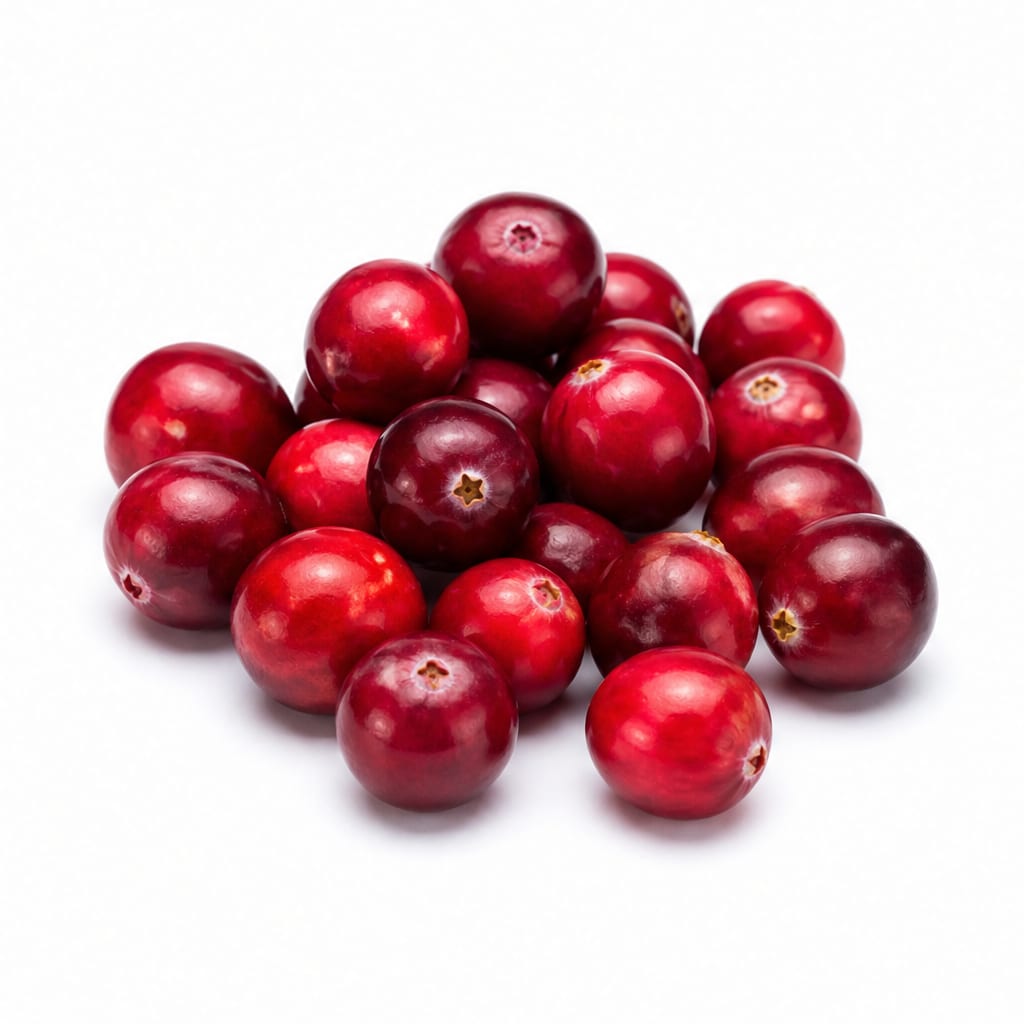
Compare with
Cranberries
Cranberries are much lower in sugar and calories but are rarely eaten fresh due to extreme tartness. Pomegranate is sweeter, easier to eat raw, and higher in fiber.
Cranberries are lower in sugar and calories, but pomegranate offers more fiber and is easier to eat fresh as a satisfying snack.
This food
Pomegranate
VS80% alike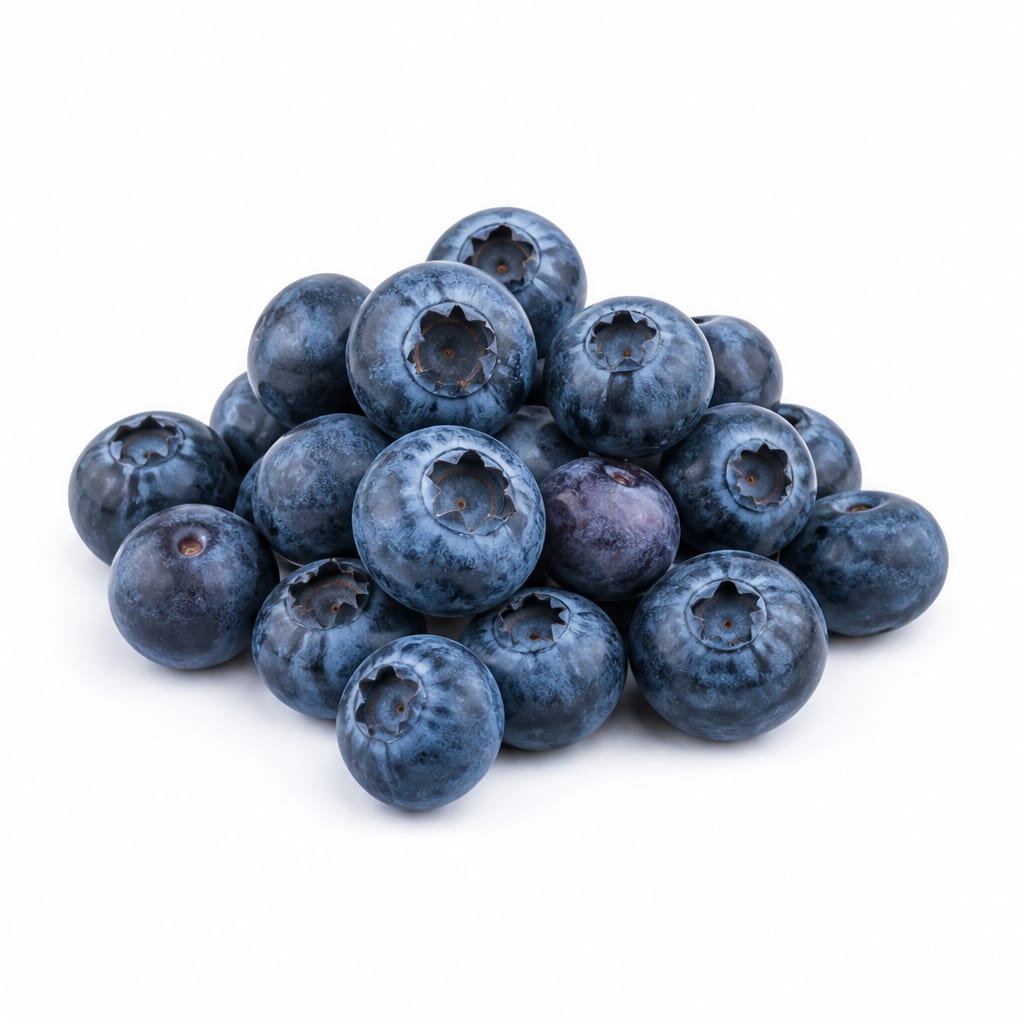
Compare with
Blueberries
Blueberries are lower in calories and sugar, while pomegranate offers a wider variety of antioxidants and slightly more fiber per serving.
Blueberries are lower in calories and sugar, while pomegranates provide more fiber and a different class of heart-healthy antioxidants.
This food
Pomegranate
VS75% alike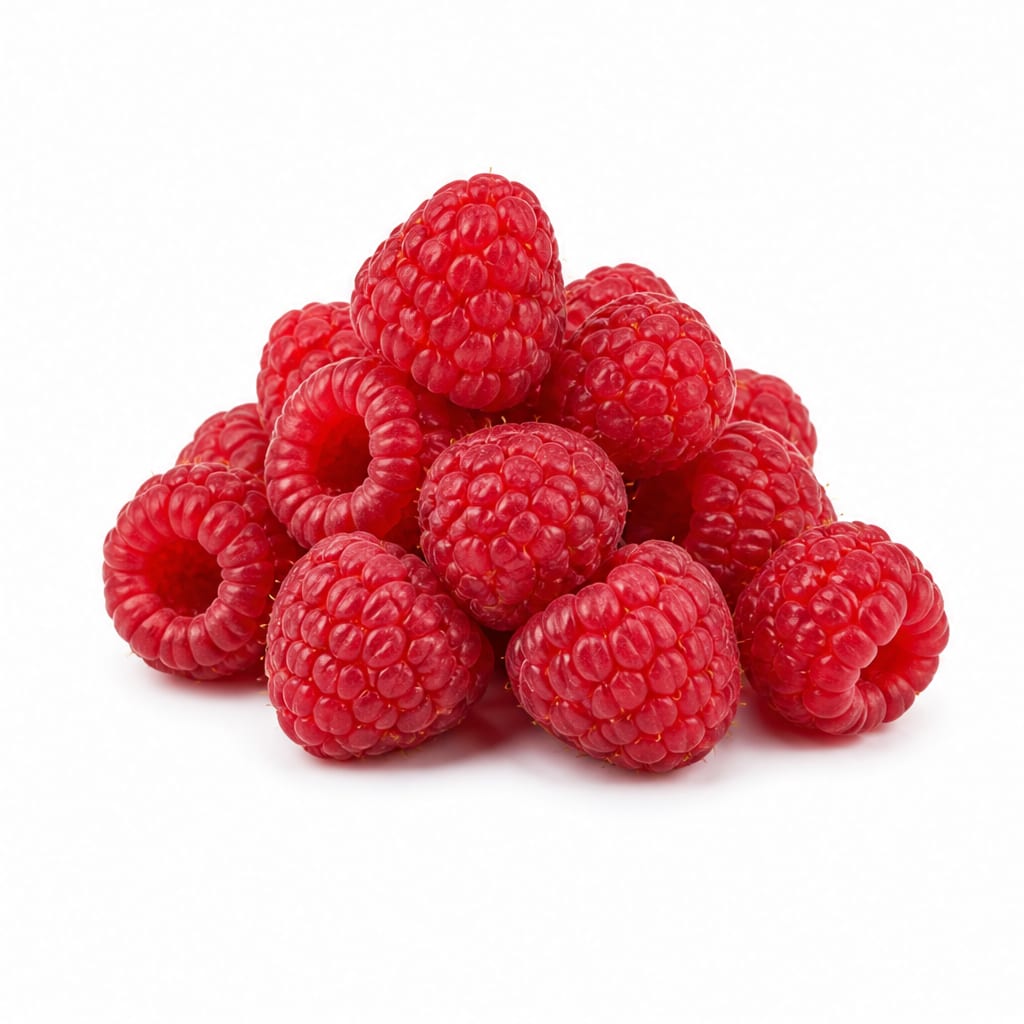
Compare with
Raspberries
Raspberries are significantly lower in sugar and higher in fiber, making them better for strict blood sugar control. Pomegranates are higher in specific polyphenols.
Raspberries are much lower in sugar and higher in fiber, but pomegranates offer superior antioxidant potency for heart health.
This food
Pomegranate
VS80% alike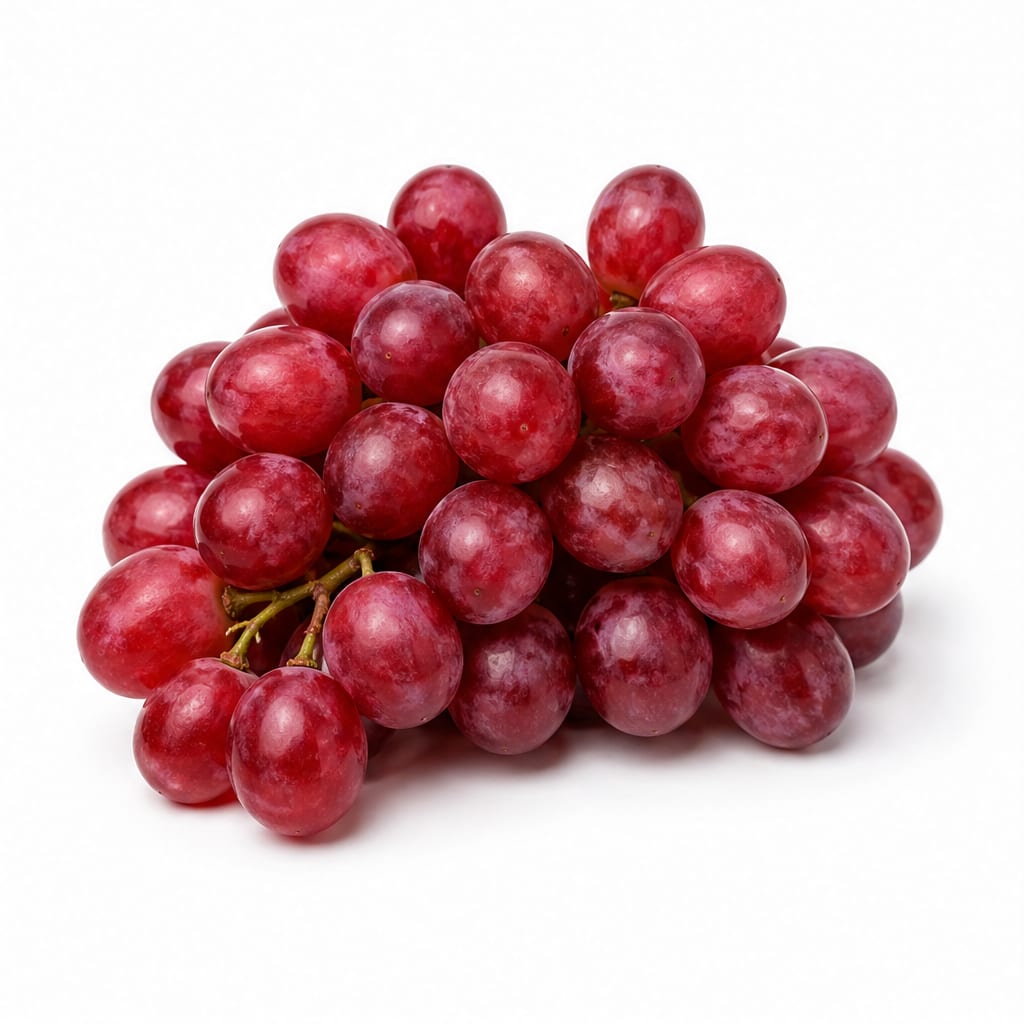
Compare with
Red Grapes
Pomegranate is far richer in antioxidants and fiber than red grapes. Grapes are higher in sugar and have a higher glycemic load.
Pomegranates provide more fiber and antioxidants than red grapes, which are higher in sugar and lower in satiety.
This food
Pomegranate
VS70% alike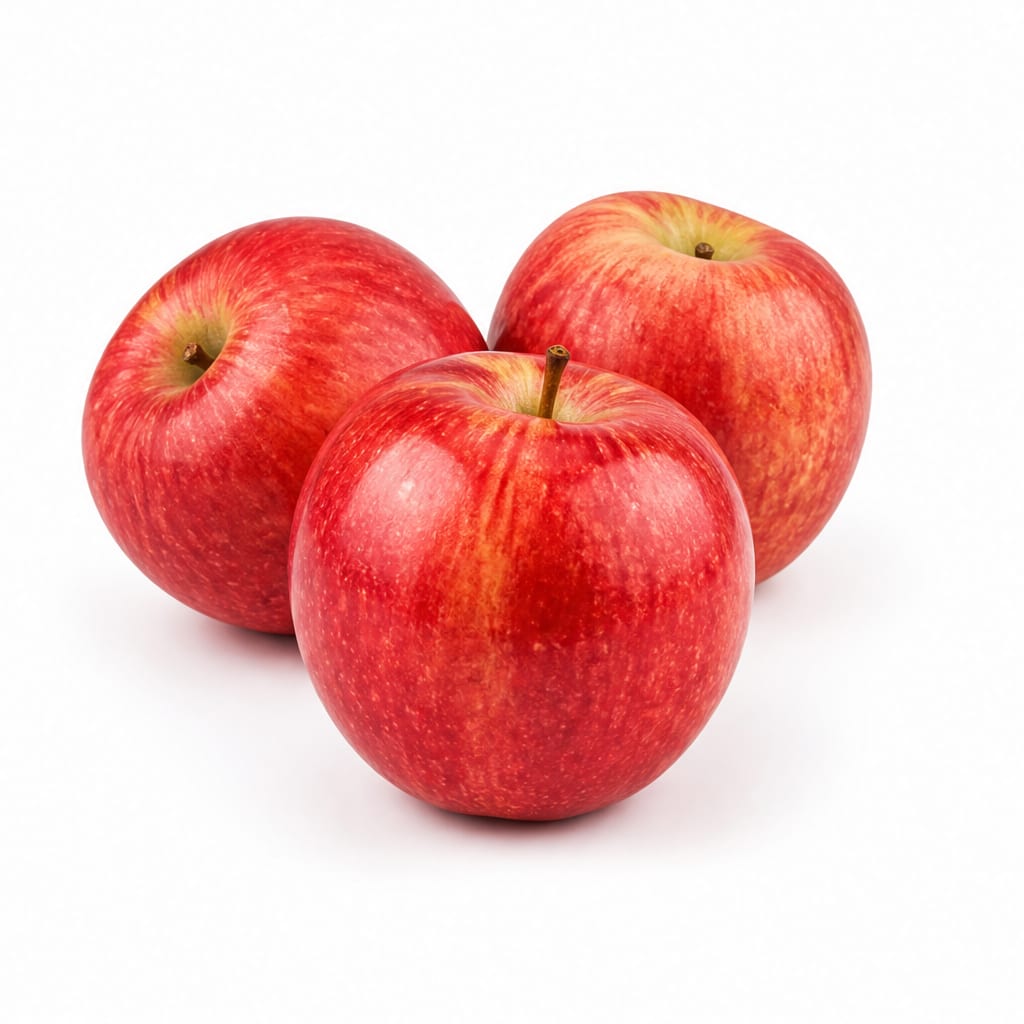
Compare with
Apples
Apples are more convenient to eat but pomegranate offers vastly superior antioxidant levels and slightly more fiber per gram.
Apples are more convenient and lower in calories, but pomegranates are far richer in antioxidants and better for blood sugar control.
This food
Pomegranate
VS90% alike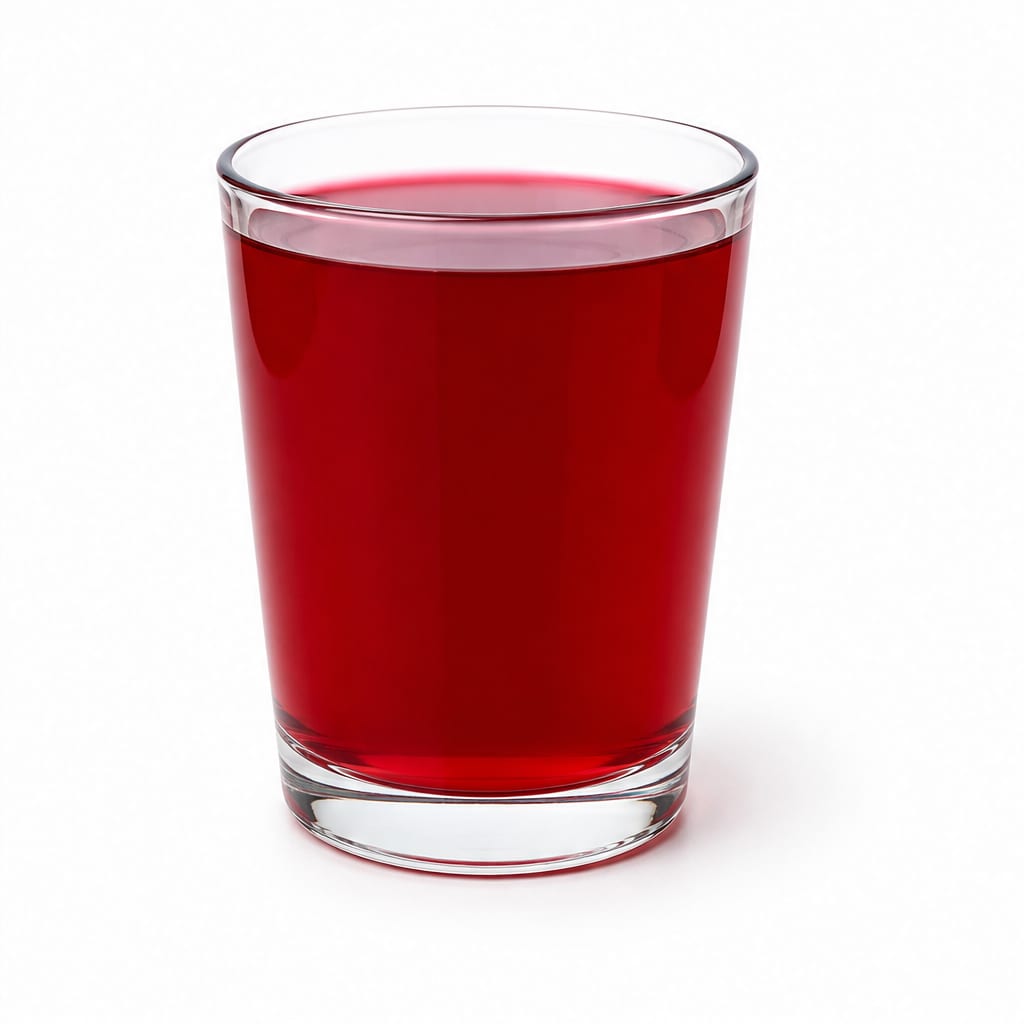
Compare with
Pomegranate Juice
Whole pomegranate contains fiber that slows sugar absorption and feeds gut bacteria. Juice removes fiber, concentrating sugars and spiking blood glucose faster.
Whole pomegranate is better than juice for weight loss and blood sugar because it retains fiber, which slows digestion and prevents sugar spikes.
This food
Pomegranate
VS65% alike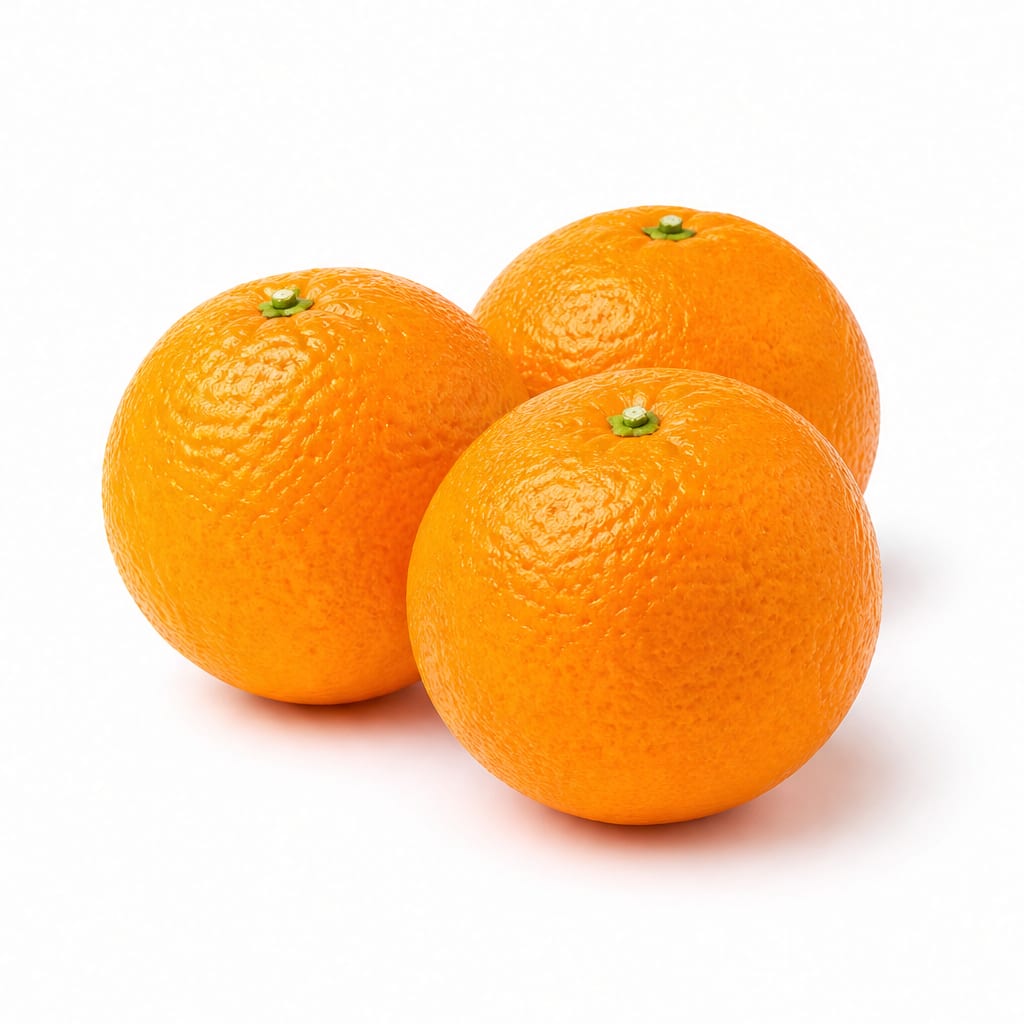
Compare with
Oranges
Oranges are much higher in vitamin C, but pomegranates offer far more dietary fiber and unique antioxidants. Oranges have a higher glycemic index.
Oranges provide more vitamin C, but pomegranates are richer in fiber and antioxidants, making them better for blood sugar and satiety.
This food
Pomegranate
VS70% alike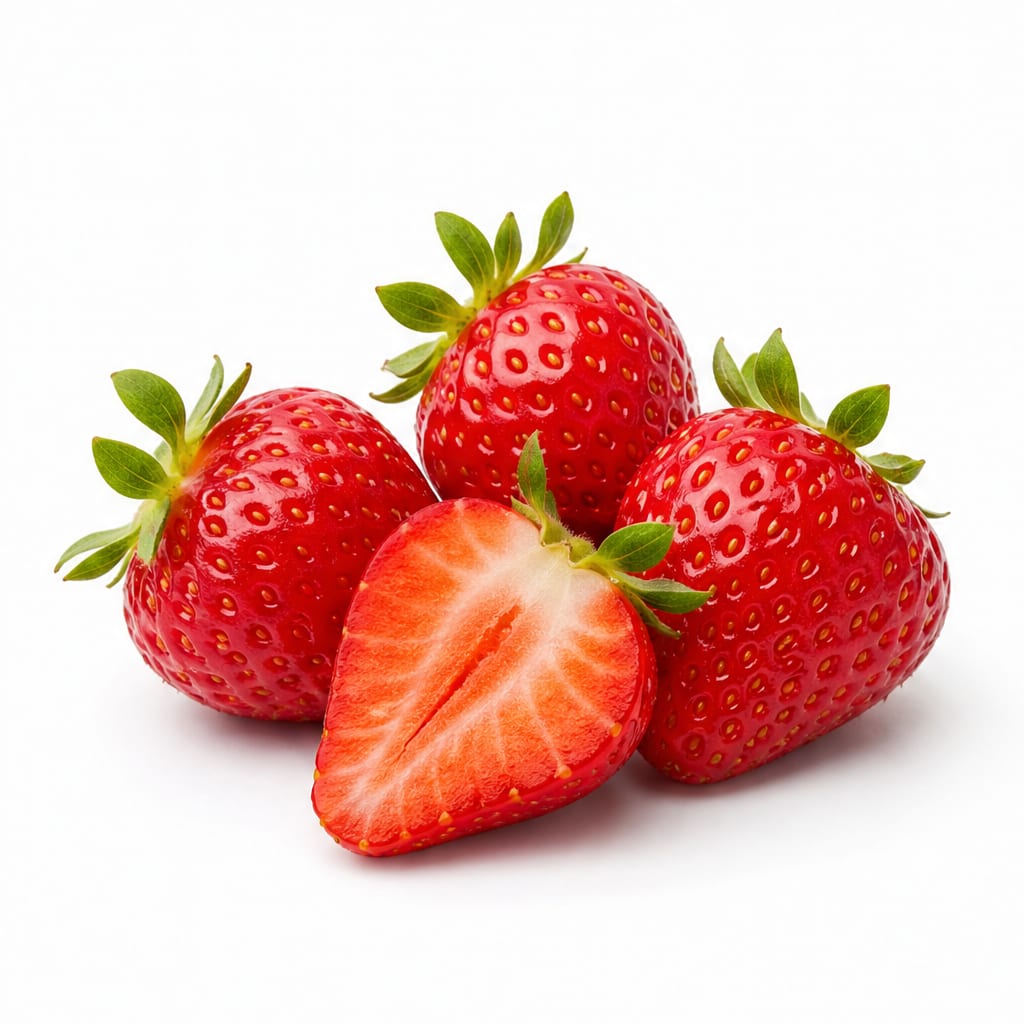
Compare with
Strawberries
Strawberries are much lower in calories and sugar, and higher in vitamin C. Pomegranate provides more fiber and a different profile of antioxidants.
Strawberries are lower in calories and sugar, while pomegranates offer more fiber and unique heart-healthy polyphenols.
This food
Pomegranate
VS50% alike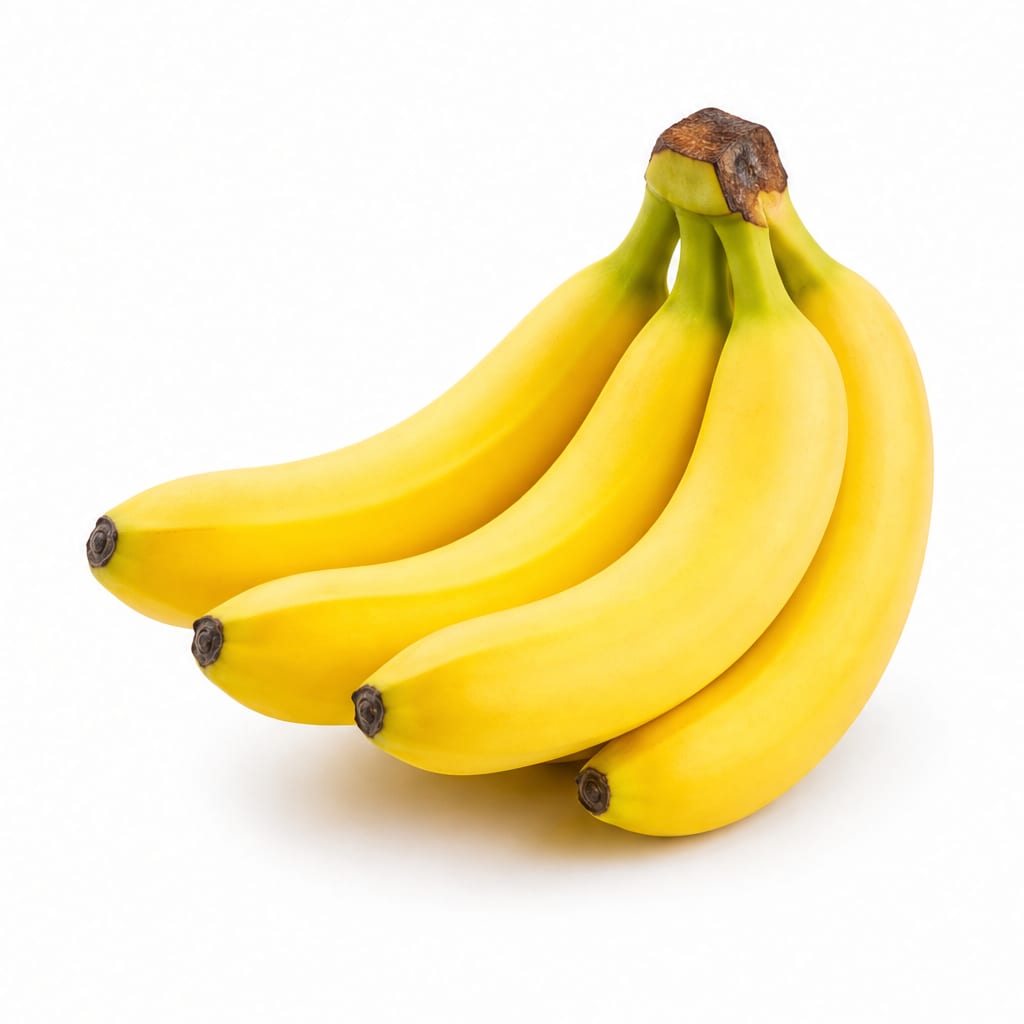
Compare with
Bananas
Bananas offer quick-digesting carbs and potassium, ideal for endurance. Pomegranates are lower on the glycemic index and richer in antioxidants, better for blood sugar management.
Bananas provide faster energy for workouts, but pomegranates are better for blood sugar control and offer far more antioxidants.
This food
Pomegranate
VS65% alike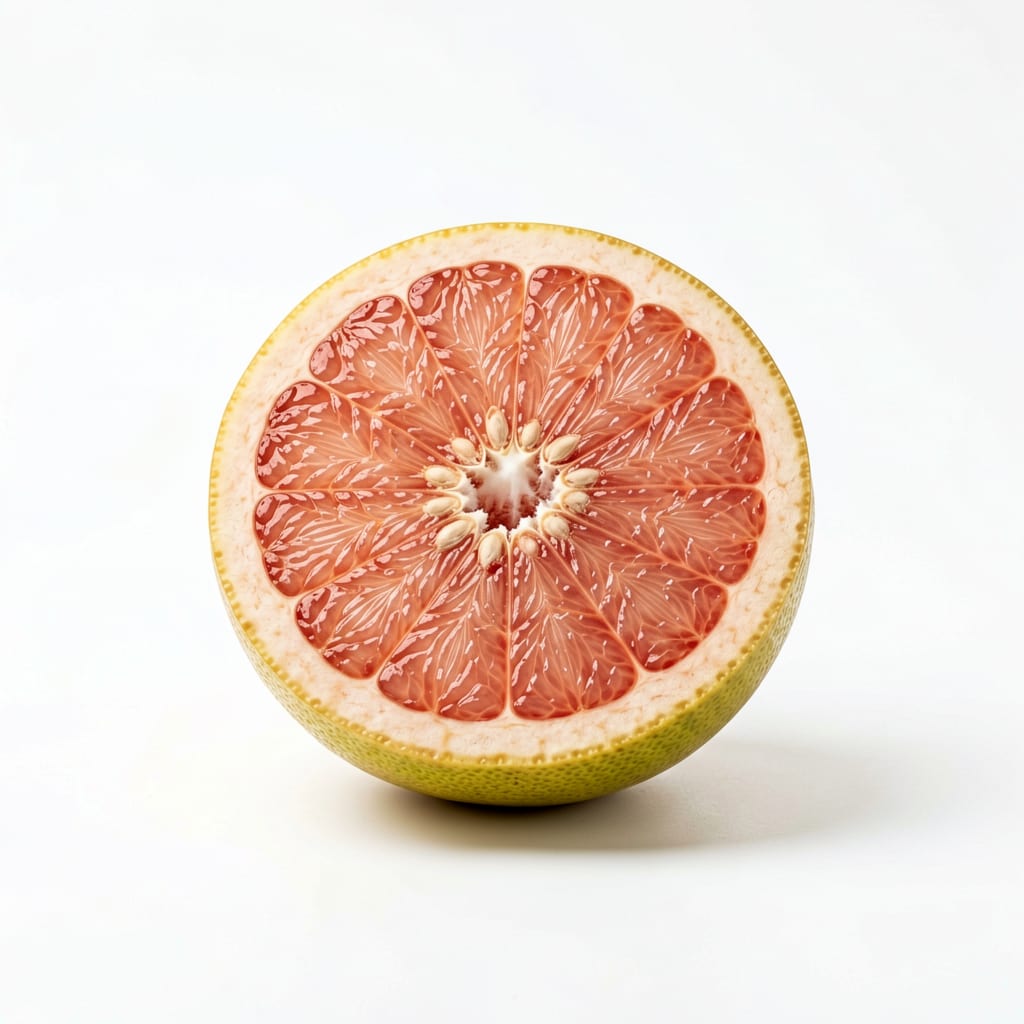
Compare with
Grapefruit
Grapefruit is lower in calories and sugar, making it a classic weight loss food. Pomegranate is higher in fiber and more potent in overall antioxidant capacity.
Grapefruit is lower in calories and sugar for strict dieting, but pomegranate provides more fiber and stronger anti-inflammatory antioxidants.
Common questions
FAQ
Answers aligned with how people search for this food.
Are pomegranate seeds edible?
Yes, the seeds inside the juicy arils are entirely edible and actually provide the majority of the fruit's dietary fiber and polyphenols.
Is pomegranate good for weight loss?
Yes, pomegranate is good for weight loss due to its low energy density and high fiber content, which promotes satiety and slows down eating.
Does pomegranate raise blood sugar?
Pomegranate has a low glycemic load. While it contains natural sugars, the high fiber and polyphenol content helps moderate blood sugar spikes, making it suitable for diabetics in proper portions.
Is pomegranate juice as healthy as the whole fruit?
Whole pomegranate is healthier than the juice. Juicing strips away the beneficial fiber and concentrates the sugars, which removes the glycemic advantage and reduces gut health benefits.
How do you open a pomegranate without making a mess?
Score the outer rind into sections, then pull the fruit apart submerged in a bowl of water. The arils sink and the pith floats, allowing you to easily separate them without staining your clothes.
What makes pomegranate so high in antioxidants?
Pomegranates contain potent antioxidants called punicalagins, which are found in the juice and rind, and anthocyanins, which give the arils their red color. They have three times the antioxidant activity of red wine or green tea.
Can you eat the white pith inside a pomegranate?
While the white pith is technically safe to eat and contains antioxidants, it is very bitter and astringent, so most people prefer to remove it.
Is pomegranate good for high blood pressure?
Yes, studies suggest pomegranate juice and arils can help lower blood pressure due to their high polyphenol content, which supports arterial health and reduces oxidative stress.
Transparency
Data confidence
Estimated confidence for nutrition data, interpretation, safety notes, and comparisons.
Nutrition data
Health analysis
Food safety
Comparisons