
Nutrition comparison
Pomegranate vs Cranberries: Which Is Healthier for You?
Compare pomegranate and cranberries on antioxidants, sugar, heart health, and UTI prevention. Find out which tart superfruit fits your health goals better.
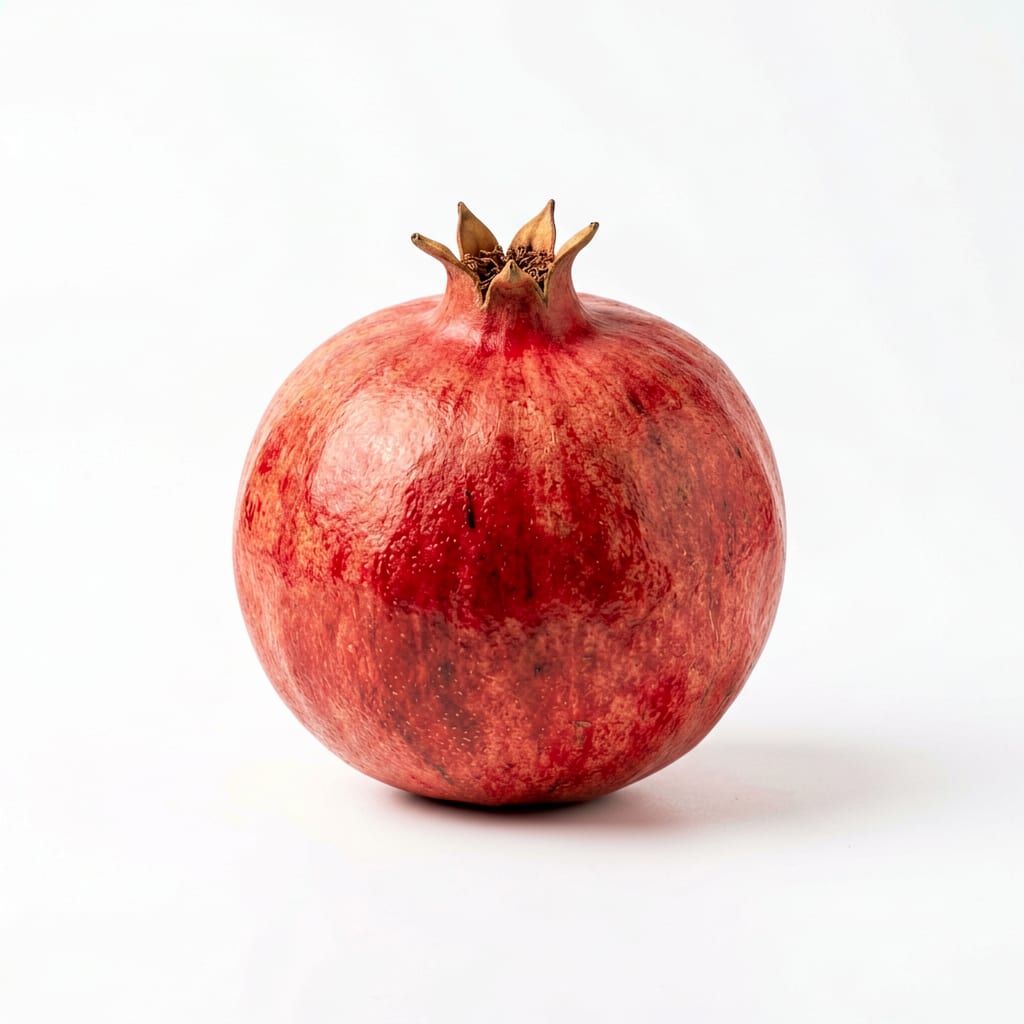
Pomegranate
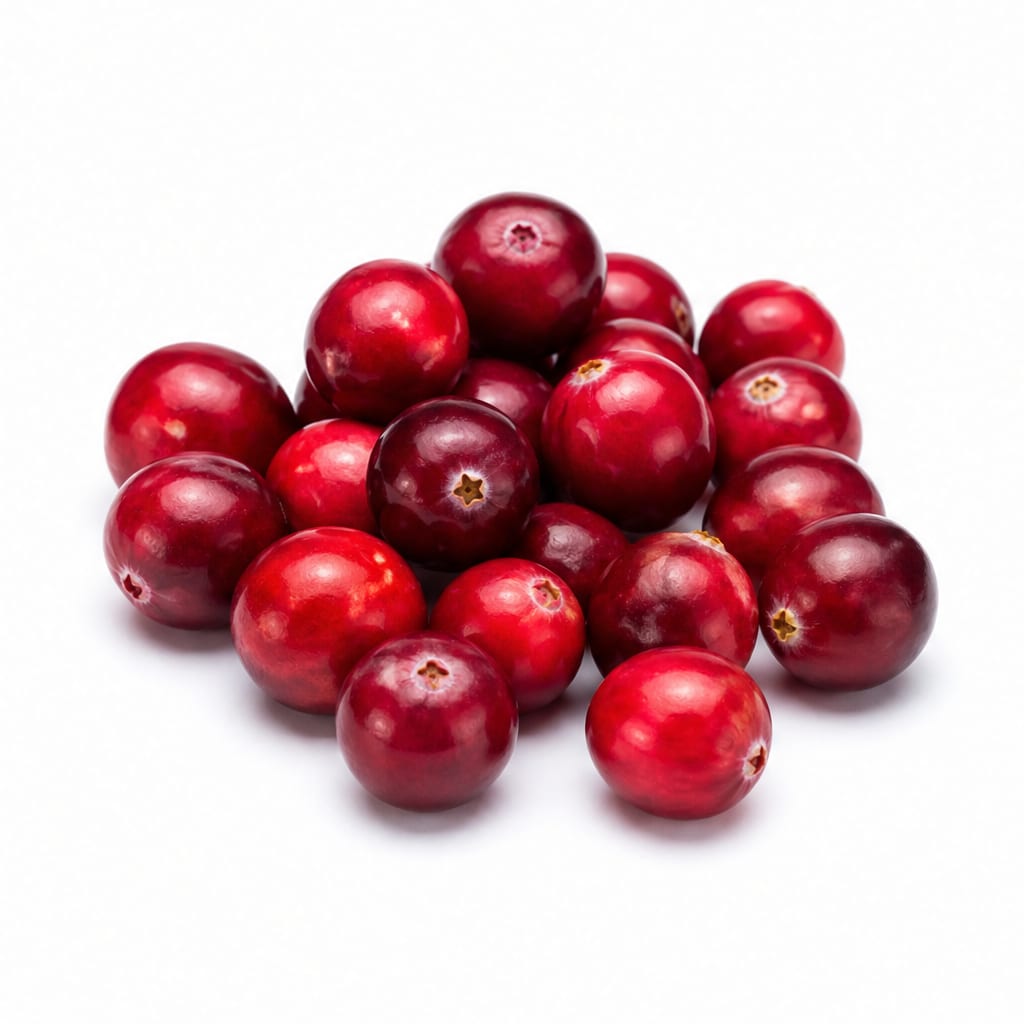
Cranberries
Pomegranate wins for overall antioxidant density and heart health; cranberries win for urinary tract protection and lower sugar when eaten whole. Your priority determines the winner.
Pomegranate scores higher due to superior overall nutrient density, better eating experience, and stronger evidence for cardiovascular benefits. Cranberries remain excellent for urinary health but lose points because most consumed forms include added sugar, and fresh cranberries are too tart to enjoy alone.
Pomegranate offers broader systemic benefits and a more enjoyable eating experience, while cranberries deliver targeted urinary tract protection but are hard to consume without added sugar.
At a glance
Executive summary
Overall
It depends
Healthier
Pomegranate
More practical
Cranberries
Daily use
Pomegranate
Key comparison lenses
antioxidant potential
Both are renowned for unique polyphenols—pomegranate for punicalagins, cranberries for proanthocyanidins—making antioxidant comparison the central question
urinary vs heart health
Each fruit targets a distinct health system, so users are likely choosing based on specific prevention goals
sugar and form concerns
Cranberries are rarely eaten fresh due to extreme tartness, raising questions about added sugars in juices and dried forms
practical everyday use
Pomegranate requires effort to extract arils; cranberries are typically consumed processed, affecting real-world nutrition
anti inflammatory benefits
Both fruits are studied for chronic disease prevention, but through different inflammatory pathways
Best choice for
Pomegranate
- Heart health and cardiovascular protection
- Broad-spectrum antioxidant intake
- Anti-inflammatory goals
- People who enjoy eating fruit whole
- Post-workout recovery nutrition
Cranberries
- Urinary tract infection prevention
- Low-sugar whole fruit snacking
- Kidney health support
- People who prefer adding fruit to recipes or smoothies
Least suitable for
Pomegranate
- People watching sugar intake closely
- Those who find seed-extraction frustrating
- Budget-conscious shoppers (pomegranates are pricey)
Cranberries
- People who dislike tart flavors
- Anyone avoiding added sugars (most cranberry products contain them)
- Those seeking a satisfying standalone snack
Deep comparison
Dimension by dimension
Each lens scores both foods and breaks down who each option suits.
- Dimension 1 · Priority 95Pomegranate
antioxidant_power
Pomegranate · 92Cranberries · 80Pomegranate delivers a wider range of potent antioxidants, particularly punicalagins, which are among the strongest fruit antioxidants discovered.
Tradeoff
Cranberries have unique proanthocyanidins that pomegranate lacks, but pomegranate's total antioxidant capacity measured by ORAC is significantly higher.
Why it matters
Higher antioxidant intake correlates with reduced oxidative stress, slower cellular aging, and lower chronic disease risk over time.
Real-world impact
Eating pomegranate regularly may offer more noticeable anti-aging and energy-stabilizing effects compared to cranberries.
Pomegranate
- Reducing systemic inflammation
- Protecting against cellular aging
- Supporting brain health
Better for
- No specific UTI prevention benefit
Worse for
Cranberries
- Preventing bacterial adhesion in the urinary tract
- Reducing UTI recurrence
Better for
- Lower total antioxidant capacity
- Less diverse polyphenol profile
Worse for
- Dimension 2 · Priority 85Cranberries
sugar_and_blood_impact
Pomegranate · 60Cranberries · 82Fresh cranberries contain far less sugar than pomegranate, making them gentler on blood sugar—though this advantage disappears with sweetened cranberry products.
Tradeoff
Pomegranate's sugar comes with fiber that slows absorption, but the total load is still higher. Cranberries' low sugar is only relevant if you eat them unsweetened.
Why it matters
Blood sugar stability affects energy, cravings, and long-term metabolic health. Lower sugar fruits support steadier energy throughout the day.
Real-world impact
A handful of fresh cranberries won't spike blood sugar at all, while a pomegranate delivers noticeable sweetness that could trigger cravings in sugar-sensitive individuals.
Pomegranate
- More satisfying sweet treat replacement
- Better for athletes needing natural carbs
Better for
- Higher sugar load per serving
- May trigger cravings in some people
Worse for
Cranberries
- Safer for blood sugar management
- Easier to fit into low-carb eating
Better for
- Most commercial cranberry products add more sugar than pomegranate contains naturally
Worse for
- Dimension 3 · Priority 88Pomegranate
heart_health
Pomegranate · 90Cranberries · 68Pomegranate has stronger clinical evidence for cardiovascular protection, including blood pressure reduction and arterial health improvement.
Tradeoff
Cranberries support heart health through different mechanisms but with less robust evidence than pomegranate's well-documented arterial benefits.
Why it matters
Heart disease remains the leading cause of death globally, and dietary choices that directly support arterial function have outsized long-term impact.
Real-world impact
Drinking pomegranate juice regularly has been shown to slow arterial plaque progression—cranberries cannot match this specific benefit.
Pomegranate
- Reducing arterial plaque
- Lowering blood pressure
- Improving cholesterol oxidation resistance
Better for
- Benefits require consistent intake over months
Worse for
Cranberries
- Modest blood pressure support
- General cardiovascular anti-inflammatory effects
Better for
- Weaker evidence base for direct heart outcomes
Worse for
- Dimension 4 · Priority 90Cranberries
urinary_tract_protection
Pomegranate · 35Cranberries · 95Cranberries are the gold standard fruit for UTI prevention, backed by decades of research on their unique proanthocyanidins.
Tradeoff
Pomegranate offers no meaningful UTI protection. This is cranberries' defining superpower and the main reason most people seek them out.
Why it matters
Recurrent UTIs affect millions, especially women, and antibiotic resistance makes prevention through diet increasingly valuable.
Real-world impact
Regular cranberry consumption can reduce UTI recurrence by roughly 25-35%, a meaningful reduction for chronic sufferers.
Pomegranate
- No meaningful UTI benefit
Better for
- Does not prevent bacterial adhesion in urinary tract
Worse for
Cranberries
- Preventing E. coli adhesion to urinary tract walls
- Reducing UTI recurrence frequency
- Supporting kidney health
Better for
- Benefits require consistent daily intake
- Does not treat active UTIs—prevention only
Worse for
- Dimension 5 · Priority 75Pomegranate
eating_experience_and_practicality
Pomegranate · 72Cranberries · 55Pomegranate arils are a delicious, satisfying snack despite the prep work. Fresh cranberries are nearly inedible alone and usually require cooking or sweetening.
Tradeoff
Pomegranate takes effort to open but rewards you with a treat. Cranberries are easier to store and cook with but need recipe support to be enjoyable.
Why it matters
Foods that are pleasant to eat get eaten consistently. The best nutritional benefits mean nothing if the food sits unused.
Real-world impact
You'll actually look forward to eating pomegranate. Fresh cranberries will likely sit in your fridge until you find a recipe.
Pomegranate
- Enjoyable as a standalone snack
- Beautiful presentation for meals
- Satisfying texture and flavor
Better for
- Time-consuming to deseed
- Stains fingers and clothes easily
- Seasonal availability can be limited
Worse for
Cranberries
- Longer refrigerator shelf life
- Easy to freeze for later use
- Simple to add to baked goods and sauces
Better for
- Too tart to eat fresh for most people
- Rarely consumed without added sugar
- Limited fresh availability outside fall
Worse for
- Dimension 6 · Priority 70Pomegranate
fiber_and_digestive_value
Pomegranate · 78Cranberries · 65Pomegranate arils provide more fiber per serving and a gentler eating experience for most digestive systems.
Tradeoff
Cranberries offer decent fiber when eaten whole but are rarely consumed in sufficient quantity to match pomegranate's fiber contribution.
Why it matters
Fiber supports fullness, gut health, and blood sugar stability—making it a key factor in how satisfying a food feels.
Real-world impact
A cup of pomegranate arils delivers about 7g fiber and feels filling. You'd need to eat an unpleasant amount of fresh cranberries to match that.
Pomegranate
- Higher fiber per typical serving
- More satisfying and filling
- Gentle on the digestive tract
Better for
- Seeds may bother people with diverticulitis concerns
Worse for
Cranberries
- Fiber available if consumed in dried or cooked forms
- Supports gut microbiome diversity
Better for
- Low consumption volume means minimal fiber in practice
- Dried cranberries often replace fiber with added sugar
Worse for
Timeline
Health impact over time
Short-term
Hours to days
Pomegranate
- Quick antioxidant boost after eating arils or drinking juice
- Natural sugar provides noticeable energy lift
- Seeds create satisfying fullness that curbs snacking
Cranberries
- Immediate tartness stimulates saliva and digestion
- Unsweetened cranberry can help alkalize urine quickly
- Sweetened cranberry products may cause blood sugar spikes
Long-term
Months to years
Pomegranate
- Consistent intake may slow arterial aging and reduce blood pressure
- Anti-inflammatory polyphenols support brain health over decades
- Regular consumption associated with reduced cardiovascular event risk
Cranberries
- Daily consumption significantly reduces UTI recurrence in susceptible individuals
- Proanthocyanidins may protect against certain cancers with long-term intake
- Dental health benefits from anti-adhesion properties that reduce plaque bacteria
Risk profile
Safety & processing
Fresh pomegranate is typically eaten as-is, preserving its natural state. Cranberries are overwhelmingly consumed as juice, dried fruit, or sauce—all forms that usually add sugar and sometimes preservatives, reducing their naturalness advantage.
Pomegranate
Pesticide residue on conventional pomegranates
mediumPomegranates are not on the Dirty Dozen list but conventional skins can carry pesticide residue. Washing the exterior before cutting reduces transfer to arils.
Mold on stored arils
lowExtracted arils spoil within 5-7 days. Visible mold is easy to spot and avoid. Refrigerate promptly after extraction.
Cranberries
Added sugars in commercial cranberry products
highCranberry juice cocktails often contain more added sugar than soda. Dried cranberries typically have 25-30g added sugar per serving. This is the biggest real-world safety concern.
Oxalate content and kidney stone risk
mediumCranberries contain moderate oxalates. People with calcium oxalate kidney stone history should moderate intake and ensure adequate hydration.
Medication interactions with cranberry juice
mediumCranberry juice can interact with blood thinners like warfarin, potentially increasing bleeding risk. Always check with your doctor if on anticoagulants.
Who wins for whom
Audience fit
Same foods, different winners depending on your goal.
children
PomegranateKids enjoy pomegranate's sweet-tart taste and fun texture. Fresh cranberries are too tart for most children, and sweetened versions add unnecessary sugar.
daily consumption
PomegranatePomegranate is more enjoyable to eat daily, offers broader health benefits, and doesn't require recipe preparation or added sweeteners to be palatable.
diabetes
CranberriesUnsweetened cranberries have minimal sugar impact. Pomegranate's natural sugars require more careful portion management for blood sugar control.
elderly
PomegranatePomegranate's cardiovascular benefits and anti-inflammatory properties address the most common age-related concerns. Cranberry's UTI prevention is valuable but more niche.
muscle gain
PomegranatePomegranate provides more carbohydrates for training fuel and better post-workout antioxidant recovery support.
weight loss
CranberriesFresh or frozen cranberries are lower in calories and sugar, supporting calorie control—provided you avoid sweetened forms.
Your move
Decision guide
Choose Pomegranate
- You want broad antioxidant and anti-inflammatory protection
- Heart health is a top priority for you or your family
- You enjoy eating fruit as a snack without preparation
- You're looking for a satisfying whole-food treat
- Brain health and healthy aging are on your radar
Choose Cranberries
- You struggle with recurrent UTIs and want natural prevention
- You need a low-sugar fruit option for blood sugar management
- You enjoy cooking and baking with tart fruit flavors
- You want to add fruit to smoothies without adding sweetness
- Kidney health is a specific concern
Either works if
- You simply want more polyphenol variety in your diet
- You're rotating antioxidant sources for gut microbiome diversity
- Both fruits are available and affordable seasonally
Avoid both if
- You're on a very tight budget and need cheaper fruit options
- You have fructose intolerance that limits all fruit intake
- You're currently on warfarin without doctor guidance on cranberry
Final recommendation
Eat pomegranate as your daily fruit for broad health benefits and enjoyment. Add cranberries specifically if UTI prevention is a personal health goal. If you can only choose one, pomegranate delivers more consistent, versatile, and enjoyable nutrition—unless urinary tract health is your primary concern, in which case cranberries are unmatched.
Practical
Consumer tips
- 1
Buy whole pomegranates when in season (fall-winter) and freeze extra arils for year-round use
- 2
Score and open pomegranates underwater to prevent juice stains and easily separate arils from membrane
- 3
Choose unsweetened cranberry juice or 100% juice blends rather than cranberry juice cocktails
- 4
Freeze fresh cranberries in their original bag—they last up to a year and work perfectly in smoothies
- 5
Avoid dried cranberries with added sugar—look for unsweetened or juice-sweetened versions
- 6
If pomegranate prep is too much effort, look for pre-extracted arils in the refrigerated produce section
- 7
Mix both fruits together in a salad for complementary antioxidant benefits and a complex flavor profile