
Nutrition comparison
Pomegranate vs Raspberries: Which Berry Is Better for You?
Compare pomegranate and raspberries on antioxidants, sugar, fiber, and daily usability. Find out which fruit fits your health goals better.
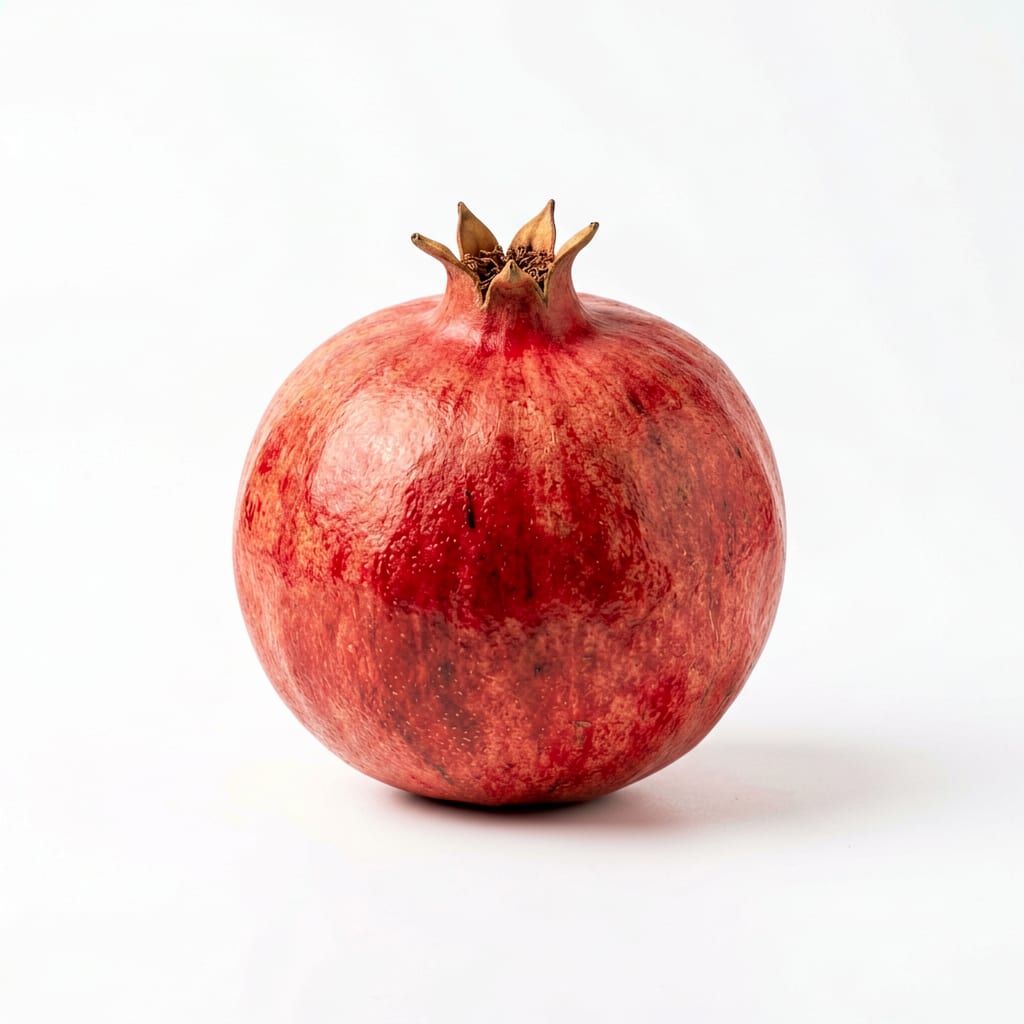
Pomegranate
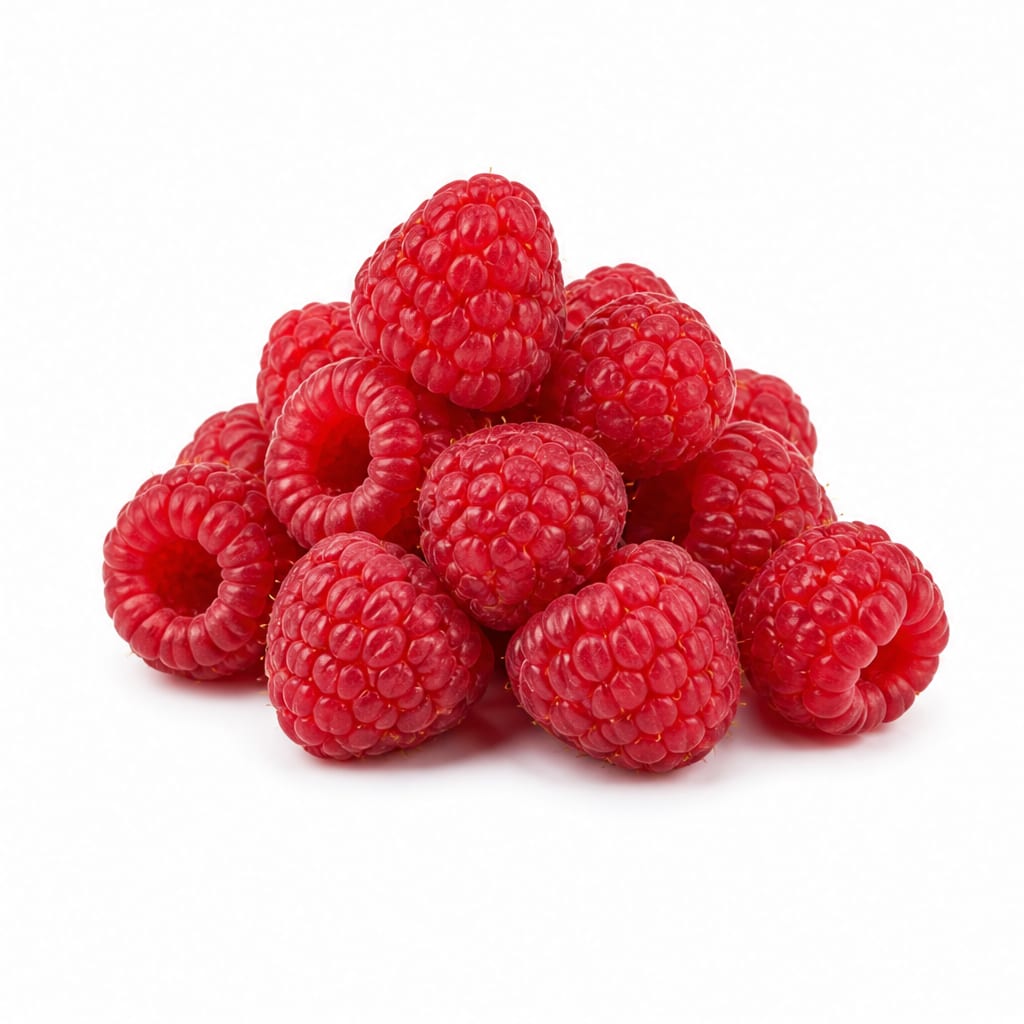
Raspberries
Raspberries win for daily eating and blood sugar control; pomegranate wins for antioxidant potency and heart health benefits.
Raspberries score higher overall due to superior fiber, lower sugar, easier daily use, and better calorie-to-nutrient ratio. Pomegranate remains exceptional for specific antioxidant and heart health goals but its sugar content and impractical prep limit everyday usability.
Pomegranate delivers unmatched antioxidants but costs more sugar and effort. Raspberries give you fiber and low sugar with zero prep.
At a glance
Executive summary
Overall
It depends
Healthier
It depends
More practical
Raspberries
Daily use
Raspberries
Key comparison lenses
antioxidant potency
Both are antioxidant powerhouses but through completely different compounds — pomegranate's punicalagins vs raspberries' ellagic acid
blood sugar management
Raspberries have dramatically less sugar and more fiber, making this a critical differentiator for many users
weight management
Calorie density and satiety differ significantly between these two fruits
convenience and practicality
Pomegranate requires significant prep while raspberries are grab-and-go
heart health
Pomegranate has strong clinical evidence for cardiovascular benefits
Best choice for
Pomegranate
- People focused on heart health and arterial function
- Those seeking maximum antioxidant impact
- Anyone wanting anti-inflammatory benefits from punicalagins
- Post-workout recovery with natural sugars
Raspberries
- People managing blood sugar or diabetes
- Anyone tracking calories or trying to lose weight
- Those who want high fiber for digestive health
- Busy people needing grab-and-go fruit
Least suitable for
Pomegranate
- People strictly limiting sugar intake
- Anyone who finds the prep too frustrating for daily use
- Those on tight grocery budgets
Raspberries
- People seeking the specific punicalagin antioxidants only found in pomegranate
- Those wanting a more calorie-dense fruit for energy
Deep comparison
Dimension by dimension
Each lens scores both foods and breaks down who each option suits.
- Dimension 1 · Priority 92Pomegranate
antioxidant_power
Pomegranate · 95Raspberries · 78Pomegranate contains punicalagins, some of the most potent antioxidants found in any food. Raspberries are strong but cannot match this unique compound profile.
Tradeoff
You get more antioxidant firepower from pomegranate but at the cost of higher sugar and more effort to consume.
Why it matters
Punicalagins have been linked to reduced oxidative stress and arterial protection in ways other fruit antioxidants haven't matched.
Real-world impact
Regular pomegranate consumption may show measurable improvements in blood pressure and inflammatory markers within weeks.
Pomegranate
- Cardiovascular protection
- Reducing systemic inflammation
- Post-exercise recovery from oxidative stress
Better for
- Requires consistent intake for meaningful antioxidant benefits
- High sugar may offset some anti-inflammatory gains for sensitive individuals
Worse for
Raspberries
- General daily antioxidant support without sugar load
- Sustained low-level polyphenol intake
Better for
- Lacks the unique punicalagin compounds with the strongest clinical evidence
Worse for
- Dimension 2 · Priority 88Raspberries
blood_sugar_friendliness
Pomegranate · 52Raspberries · 93Raspberries have roughly one-third the sugar of pomegranate and significantly more fiber per calorie, making them far gentler on blood sugar.
Tradeoff
Pomegranate's natural sugars provide quick energy but can spike blood sugar more than raspberries.
Why it matters
For anyone with insulin resistance, prediabetes, or simply trying to avoid afternoon energy crashes, this difference is substantial.
Real-world impact
A cup of raspberries barely moves your blood sugar needle. A cup of pomegranate arils delivers a noticeable sugar hit.
Pomegranate
- Quick pre-workout energy
- Replenishing glycogen after exercise
Better for
- Can trigger blood sugar spikes in sensitive people
- Less suitable for low-carb or keto approaches
Worse for
Raspberries
- Stable energy without crashes
- Diabetes-friendly snacking
- Reducing sugar cravings throughout the day
Better for
- May not provide enough quick energy for intense activity
Worse for
- Dimension 3 · Priority 84Raspberries
fiber_and_digestion
Pomegranate · 65Raspberries · 92Raspberries are one of the highest-fiber fruits available with about 8g per cup. Pomegranate provides decent fiber but cannot compete.
Tradeoff
Raspberries keep you fuller longer and support gut health better, while pomegranate's fiber is still good but less impressive per serving.
Why it matters
Fiber is the most underrated nutrient for weight management, gut health, and satiety. This gap matters daily.
Real-world impact
A cup of raspberries with breakfast can keep you full until lunch. Pomegranate arils alone may leave you hungry sooner.
Pomegranate
- Moderate fiber with more flavor intensity per bite
Better for
- Less satiety per calorie consumed
Worse for
Raspberries
- Gut microbiome support
- Prolonged fullness between meals
- Regular digestion and reduced bloating
Better for
- High fiber can cause discomfort if you're not used to it
Worse for
- Dimension 4 · Priority 78Raspberries
convenience_and_daily_usability
Pomegranate · 40Raspberries · 90Raspberries require zero prep — rinse and eat. Pomegranate demands scoring, cracking open, and extracting arils, which is messy and time-consuming.
Tradeoff
Pomegranate offers a more ritualistic, satisfying eating experience but at a real time cost that discourages daily use.
Why it matters
The best healthy food is the one you actually eat consistently. Convenience often determines long-term adherence.
Real-world impact
You can toss raspberries into yogurt in 5 seconds. Pomegranate prep can take 5-10 minutes and stain your clothes.
Pomegranate
- More intentional eating experience
- Feels like a special occasion fruit
Better for
- Prep friction reduces how often you eat it
- Messy kitchen cleanup
- Stains on hands and surfaces
Worse for
Raspberries
- Quick breakfast addition
- Easy snack on the go
- No mess, no tools required
Better for
- Very perishable — spoil within days
- Delicate texture makes transport tricky
Worse for
- Dimension 5 · Priority 75Pomegranate
heart_health
Pomegranate · 90Raspberries · 72Pomegranate has stronger clinical evidence for cardiovascular benefits, including blood pressure reduction and arterial plaque slowing.
Tradeoff
Raspberries support heart health through fiber and anti-inflammatory compounds but lack the specific arterial research behind pomegranate.
Why it matters
Heart disease remains the leading cause of death. Food choices that directly improve arterial function are worth prioritizing.
Real-world impact
Studies show pomegranate juice can improve blood flow within weeks. Raspberries contribute more indirectly through fiber lowering cholesterol.
Pomegranate
- Blood pressure reduction
- Arterial plaque management
- Improved blood flow
Better for
- Sugar content may counter some benefits for metabolically unhealthy individuals
Worse for
Raspberries
- Cholesterol management through fiber
- Lower sugar protects against metabolic heart risks
Better for
- Less direct evidence for arterial function improvement
Worse for
- Dimension 6 · Priority 80Raspberries
calorie_efficiency
Pomegranate · 58Raspberries · 91Raspberries deliver more nutrients per calorie with roughly 64 calories per cup versus pomegranate's 145 calories per cup.
Tradeoff
Pomegranate is more calorie-dense, which helps if you need energy but hurts if you're watching intake.
Why it matters
For weight management, getting maximum nutrition from minimum calories is the game. Raspberries excel here.
Real-world impact
You can eat nearly two cups of raspberries for the calories of one cup of pomegranate arils, feeling much fuller.
Pomegranate
- More energy density for active days
- Better for those who struggle to eat enough
Better for
- Easy to overconsume calories if eating mindlessly
Worse for
Raspberries
- Weight loss and maintenance
- Volume eating — more food for fewer calories
- Flexible calorie budgeting
Better for
- May feel too light for people needing substantial energy
Worse for
Timeline
Health impact over time
Short-term
Hours to days
Pomegranate
- Noticeable energy boost from natural sugars
- Temporary satiety from fiber and chewing effort
- Possible blood sugar rise in sensitive individuals
Raspberries
- Steady energy without sugar spikes
- Quick feeling of fullness from high fiber volume
- Minimal blood sugar impact
Long-term
Months to years
Pomegranate
- Improved arterial health and blood pressure with regular consumption
- Enhanced antioxidant defense against chronic inflammation
- Potential cardiovascular risk reduction backed by clinical trials
- Higher cumulative sugar intake if consumed daily
Raspberries
- Better gut microbiome diversity from consistent high fiber intake
- Improved cholesterol levels and digestive regularity
- Easier long-term weight maintenance
- Lower systemic inflammation from polyphenols and fiber
Risk profile
Safety & processing
Both are whole, unprocessed fruits. The main concern is that pomegranate is often consumed as juice, which strips fiber and concentrates sugar — stick to whole arils for the real benefits.
Pomegranate
Pesticide residue on outer peel
lowYou discard the peel and eat only the arils, so exposure is minimal. Still worth choosing organic if budget allows.
Foodborne illness from improper handling
lowThe thick rind protects the edible portion well. Very low contamination risk compared to other fruits.
Raspberries
Pesticide residue
mediumRaspberries frequently appear on the EWG Dirty Dozen list. Their delicate skin absorbs pesticides easily and you eat the entire surface. Prioritize organic when possible.
Mold and spoilage
mediumRaspberries spoil rapidly and can develop mold within days. Inspect carefully and consume quickly after purchase.
Who wins for whom
Audience fit
Same foods, different winners depending on your goal.
children
RaspberriesRaspberries are easier for small hands to eat, require no prep, and have less sugar. Pomegranate arils can be a choking concern for very young children.
daily consumption
RaspberriesLower sugar, higher fiber, zero prep, and better calorie efficiency make raspberries the more sustainable daily habit.
diabetes
RaspberriesWith roughly one-third the sugar and significantly more fiber, raspberries are clearly the safer choice for blood sugar management.
elderly
RaspberriesRaspberries are gentle on digestion, easy to eat without dental challenges, and support regularity. Pomegranate seeds can be difficult for some older adults to chew.
muscle gain
PomegranatePomegranate provides more carbs and calories to support training energy, plus antioxidants that may aid recovery.
weight loss
RaspberriesRaspberries offer far more volume and fiber per calorie, making it easier to stay satisfied while in a deficit.
Your move
Decision guide
Choose Pomegranate
- You want maximum antioxidant impact and are willing to do the prep
- Heart health is your top priority and you enjoy the ritual of preparing it
- You need more carbs for athletic performance or energy
- You find the taste and experience more satisfying and will eat fruit more consistently because of it
Choose Raspberries
- You want a low-sugar fruit you can eat every single day without thinking
- Blood sugar management or weight loss is your primary goal
- Convenience matters — you need fruit that fits into a busy life
- You want the most fiber and fullness per calorie spent
Either works if
- You simply want more fruit variety in your diet
- Both fit your calorie and sugar budget comfortably
- You are rotating through different antioxidant-rich fruits weekly
Avoid both if
- You have a severe fructose intolerance or allergy to either fruit
- Your budget cannot accommodate fresh berries or pomegranates regularly — frozen options are fine alternatives
Final recommendation
Make raspberries your daily fruit for their fiber, low sugar, and effortless convenience. Add pomegranate a few times a week when you have time to prep it and want its unique heart-health antioxidants. This combination gives you the best of both worlds without overdoing sugar or sacrificing convenience.
Practical
Consumer tips
- 1
Buy frozen raspberries when fresh are out of season — they retain nutrients well and are far cheaper
- 2
Pre-seeded pomegranate arils save time but cost significantly more and may have lost some antioxidant potency
- 3
Soak pomegranate halves in water to easily release arils with less mess
- 4
Choose organic raspberries when possible due to pesticide concerns — the thin skin absorbs chemicals easily
- 5
Add raspberries to overnight oats or chia pudding for a zero-effort high-fiber breakfast
- 6
Pomegranate juice loses the fiber but retains antioxidants — consider it a supplement, not a replacement for whole arils
- 7
Freeze excess raspberries before they mold — spread on a tray first so they don't clump together